

Hakuba Valley Ski Guide
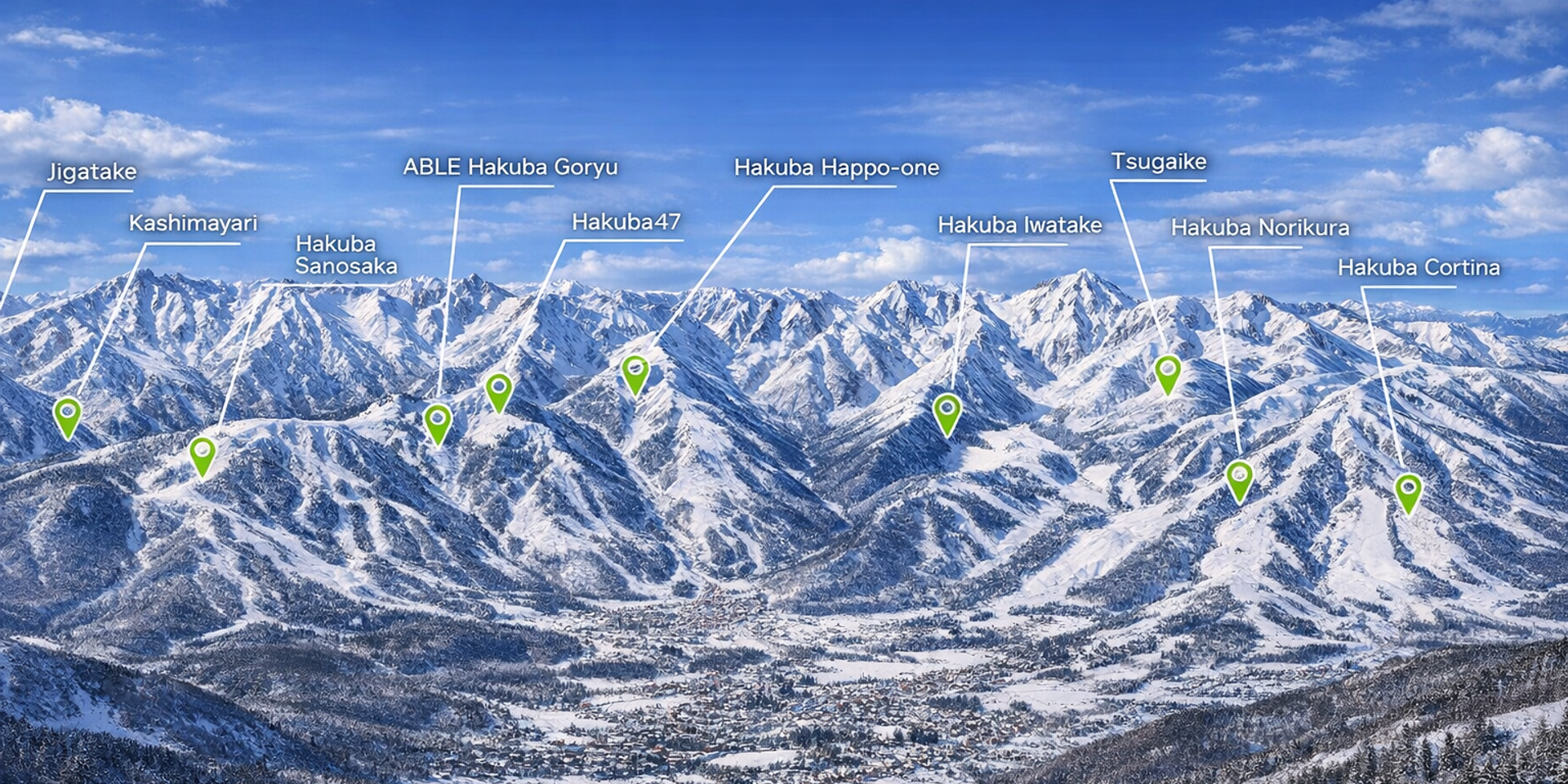
Hakuba is a choose your own adventure ski valley in Japan. It’s not one resort, it’s 10 separate ski resorts spread along the Northern Alps, linked by buses and a shared Hakuba Valley lift pass. The big win here is variety. You can ride steeper, technical terrain one day, hunt trees on a storm day, then mellow out with cruisers when your legs are cooked.
Best for: variety, big mountain terrain, mixed ability groups who want options
Best bases: Happo One, Echoland, Goryu and Escal Plaza, Tsugaike Kogen
Best months: late Jan to Feb for consistency, March for fewer crowds and good mornings
Getting there: train to Nagano, then bus to Hakuba
How long: 3 to 4 days first time, 6 to 7 days to explore properly
Quick answers
Is Hakuba good for powder?
Yes. When storms line up, Hakuba can serve up proper refills and great tree riding. The flip side is that it can get tracked quickly on peak days, so the best strategy is knowing which resorts suit storm riding, and which ones shine when it clears.
When is the best time to ski Hakuba?
Late January through February is the most reliable window for cold snow and steady snowfall. Early January can be great in a good year. March is underrated if you chase shade and ride earlier in the day.
How do I get to Hakuba from Tokyo?
Train to Nagano, then a bus into the valley is the standard. It’s simple and avoids winter driving stress.
How many days do you need in Hakuba?
Three to four days is a strong first visit. A week lets you ride with the weather, explore multiple hills, and still have time for onsens and good meals.
Is the Hakuba Valley pass worth it?
It’s worth it if you will hop between resorts. If you plan to ski mostly one mountain near your accommodation, single resort tickets can be better value.
The resort lineup
Happo One: best for big mountain terrain, steeper pitches, classic Hakuba vibe
Goryu: best for convenience, mixed groups, and a smooth day flow
Hakuba 47: best for trees, freeride feel, and linking with Goryu
Hakuba Iwatake: best for fun cruisers, views, and a mellow day
Tsugaike Kogen: best for cruisers, families, and storm days with lower stress
Cortina: best for storm riding, trees, and deep snow days
Norikura: best for quieter powder days, trees, and a more local pace
Hakuba Sanosaka: best for beginners and intermediates who want a quieter day
Hakuba Kashimayari: best for families and mellow groomers without the rush
Jigatake: best for beginners, kids, and an easy local hill day
You don’t need to ski every resort to have a great trip. You do want a plan that suits your group and the conditions.
Hakuba Valley overview
Hakuba sits in Nagano Prefecture and feels like Japan’s most big mountain ski destination on Honshu. You get real terrain variety, a strong dining scene, and enough different hills that you can build your days around the weather instead of being stuck with one option.
It’s worth knowing what Hakuba is and isn’t. It’s a valley of ski resorts that are mostly separate mountains. You do not ski from one to the next in a big loop, except for a couple of linked areas. The most common connections are Hakuba 47 and Goryu, plus Cortina and Norikura, while everything else is typically a shuttle or taxi move.
That setup is part of the charm if you embrace it. You pick a base that matches your priorities, then choose the right resort each day based on visibility, crowds, and what you feel like riding.
Which Hakuba resorts should you ski?
Hakuba doesn’t have one best resort. It has the best resort for the day you’re having.
Classic Hakuba big mountain day
Happo One is the iconic Hakuba experience. Steeper pitches, proper big mountain lines, and that feeling of skiing above the valley with the town right below. It can get crowded fast, and it can be demanding when visibility is poor, so it’s often best saved for a clearer forecast window or a day where you want to lean into the classic terrain.
Trees and freeride flow
Hakuba 47 and Goryu are an excellent pairing. They offer variety, a strong day rhythm, and terrain that suits upper intermediates pushing into advanced. Trees can be excellent when filled in, and the linked layout helps you adjust when weather shifts.
If you want to ski hard and keep your plan simple, this zone is a very safe bet.
Easy fun without feeling like you wasted a day
Iwatake is one of those places that just works. Great views, enjoyable cruisers, plenty of fun terrain features, and a vibe that feels relaxed. It’s a perfect option for a day where you want to cruise, explore, and keep it playful, especially if your group wants a break from full intensity.
Storm day plans that work
When Hakuba is in a white world, picking the right hill matters. Tsugaike Kogen often handles storm conditions well because the terrain is approachable and the resort layout is forgiving. Cortina is the other storm day weapon, especially if you want tree sheltered riding, and it’s also commonly paired with Norikura because those two are linked.
Quieter southern hills for families and mellow days
Down the valley, Sanosaka, Kashimayari, and Jigatake are often the right call when you want less chaos, more space, and a simpler day. They’re not where most visitors chase their biggest terrain day, but they can be perfect for beginners, families, and anyone who wants a calmer pace without feeling like they’re stuck on a tiny bunny slope.
Snow, seasons, and what to expect
Hakuba can deliver excellent snow, but it’s a little more variable than Japan’s far north. Cold refills happen, big storms can stack up, and then temperatures can swing and the feel of the snow can change quickly.
Late January and February are the most consistent months for cold snow and reliable snowfall. Early January can be great in a strong winter. March is often a good time to visit if you want fewer crowds and you’re happy to focus on mornings, shaded aspects, and choosing resorts that hold quality better.
Visibility is a real factor. Some days it’s not about how good you are, it’s about whether you can see enough to enjoy it. Having a storm day plan makes a huge difference, and that’s one of the reasons Hakuba is such a good destination. With 10 resorts, you can usually find somewhere that suits the conditions.
Lift passes and tickets
The Hakuba Valley pass is about flexibility. If you want to move around, chase weather windows, and sample different terrain, it fits the whole point of skiing Hakuba. It can also be great for groups where not everyone wants the same thing every day.
Single resort tickets can be the smarter move if you’re basing near one hill and you plan to ski that hill most days. This is common for families, first timers who want a routine, and anyone who prefers simplicity over choice.
A practical approach is to treat the valley pass as an option, not an automatic purchase. If you’re here for a short trip and you want variety, it can make perfect sense. If you’re here to settle into one base and keep your days easy, mixing single resort tickets can be better value and less admin.
Getting to Hakuba and getting around
From Tokyo, the standard route is train to Nagano, then a bus into Hakuba. It’s straightforward and avoids driving in winter conditions.
Once you’re in the valley, buses and shuttles are what make multi resort trips possible without a car. If you stay central, it’s fairly easy to move around, but you still need to be realistic about timing. Buses have schedules, powder days are busy, and a little planning saves a lot of hassle.
A car can help if you want maximum freedom, especially for the northern side and the southern hills, but it also adds friction on storm days and peak weeks. For most visitors, train plus buses is the simplest way to do Hakuba.
Sample itineraries that work
For a first trip, three to four days is the sweet spot. Start with a linked day at Hakuba 47 and Goryu to get comfortable and find your rhythm. Put Happo One on the clearest forecast day so you actually get the classic big mountain feel. Use Tsugaike Kogen or Iwatake as your flexible day depending on visibility and energy.
If you have five days or more, build around a couple of anchor days and leave space for the forecast to decide the rest. Use the 47 and Goryu zone as your reliable backbone. Slot Happo One for a strong weather window. Keep Cortina as your storm day weapon, but commit early if it’s snowing properly because everyone has the same idea. Then add a quieter day at Iwatake, Norikura, or even one of the southern hills if you want a calm reset.
If you have a full week, you can ski Hakuba properly. Mix hard days with one easier day, and let conditions guide your choices. That’s when the valley starts to feel like a playground rather than a checklist.
Food, nightlife, and onsens
Hakuba’s dining scene is one of the big reasons people keep coming back. If you want maximum choice and that ski town buzz, Happo One and Echoland are where you’ll feel it most. In peak season, popular spots fill up, so think about dinner earlier than you think you need to. Either book when you can, or eat early and keep it relaxed.
Onsens are the bonus level. Even a short soak can reset you after a storm day, and it’s one of the things that turns a ski trip into a proper Japan trip. Keep the etiquette simple, take your time, and you’ll leave Hakuba feeling better than when you arrived.
Where to stay in Hakuba
Planning your stay? See our Hakuba Accommodation Guide for a breakdown of the best areas to stay, plus our top hotel recommendations for every budget.
Hakuba FAQ
Is Hakuba expensive?
It can be, especially in peak weeks and in the most central areas. You can keep costs reasonable by staying slightly outside the main hubs and keeping some meals casual.
Can I ski Hakuba without a car?
Yes. Many people do. Train plus buses is the standard, and it works well if you pick the right base.
Is Hakuba good for snowboarders?
Yes. The valley has plenty of terrain that suits boards well, and the linked areas like Hakuba 47 and Goryu are especially rider friendly.
What’s better, Hakuba or Niseko?
They’re different. Niseko is more consistent for cold snow and has a very streamlined resort town feel. Hakuba offers more variety and a classic Japan Alps big mountain vibe. If you value choice and terrain diversity, Hakuba is a strong pick.
How long should I stay in Hakuba?
Three to four days is ideal for a first visit. A week gives you room to ride with the weather, explore multiple resorts, and still enjoy the onsen and food scene.