
Goryu
Hakuba’s night-skiing workhorse with proper pow stashes
 五竜
五竜Powder mornings, floodlit nights, and a surprisingly deep bag of tricks
Hakuba Goryu is one of those resorts you “just pop into” for a day and then suddenly you’ve skied it four days in a row. It’s got that sweet-spot mix: a proper alpine top via gondola, sheltered tree lines lower down when the weather turns feral, and a base area that actually functions like a base (lockers, rentals, food, onsen, the lot). The vibe is busy enough to feel alive, but not so hectic that you’re spending half your day in a singles line wondering where it all went wrong.
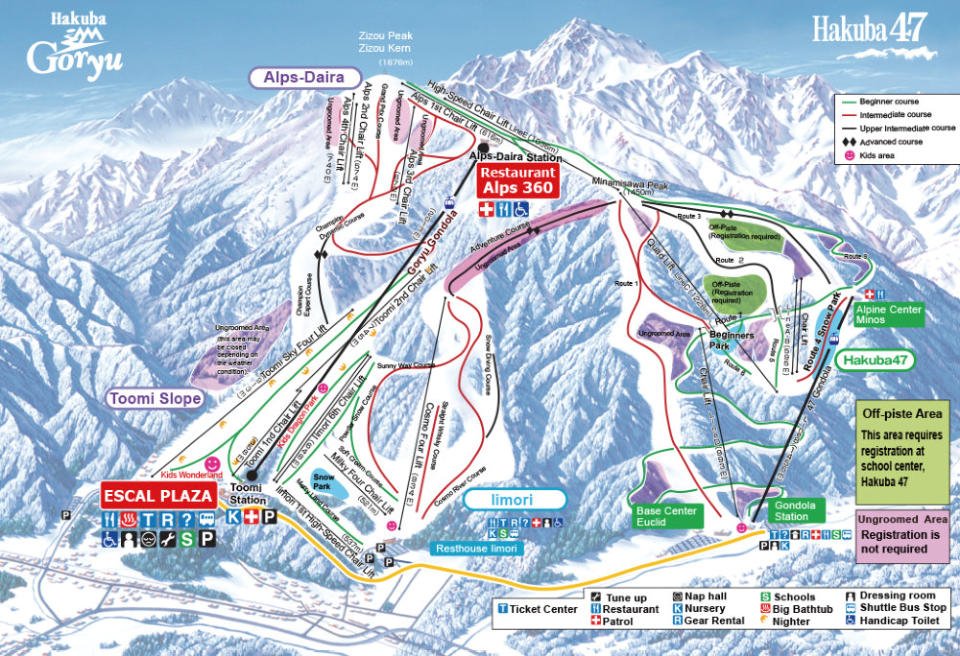
Terrain-wise, Goryu is split into three areas that ski like three different mountains: Alps (up top, more exposed, more “big day” energy), Toomi (the iconic night-ski slope and your quick-hit zone), and Iimori (friendlier pitches, great for progression, and sneakily good on storm days). Add the easy link to Hakuba 47 and you can treat the two as one bigger playground without needing a car shuffle.
This is a very practical resort for a Hakuba trip: you can stay close, eat well, and be on snow fast. Prices around the Goryu base and Kamishiro village lean mid overall, with plenty of pensions and lodges that don’t require a second mortgage. English is common by Japan standards, especially in the base facilities and lodges that cater to winter visitors, and you’ll hear a steady mix of Aussie, Kiwi, European, and North American accents during peak season.
Crowds are the classic Hakuba pattern: weekdays are chill and you can cruise straight onto lifts; weekends and holidays bring lines, especially first thing at the gondola. The good news is the mountain has enough zones to spread people out, and night skiing takes pressure off the daytime crush. If you’re chasing powder, this is one of the smarter Hakuba picks because you can pivot quickly when conditions change.
Resort Stats
Estimated cumulative fresh snowfall at major on-mountain ski areas; actual totals vary substantially by resort, elevation, measurement location, and season.
- Vertical926m (1676m → 750m)
- Snowfall~12m
- Terrain 35% 40% 25%
- Tree Riding
- Lift Pass¥9,500
- Lifts1 gondola, 3 quad, 7 pair
- Crowds
- Out of Boundspatrol may take pass
- Night Skiing
- Family Friendly
- Trails16
- Skiable Area~120ha
- Vibefunctional Hakuba base, night lights, trees
Trail Map
Accommodation
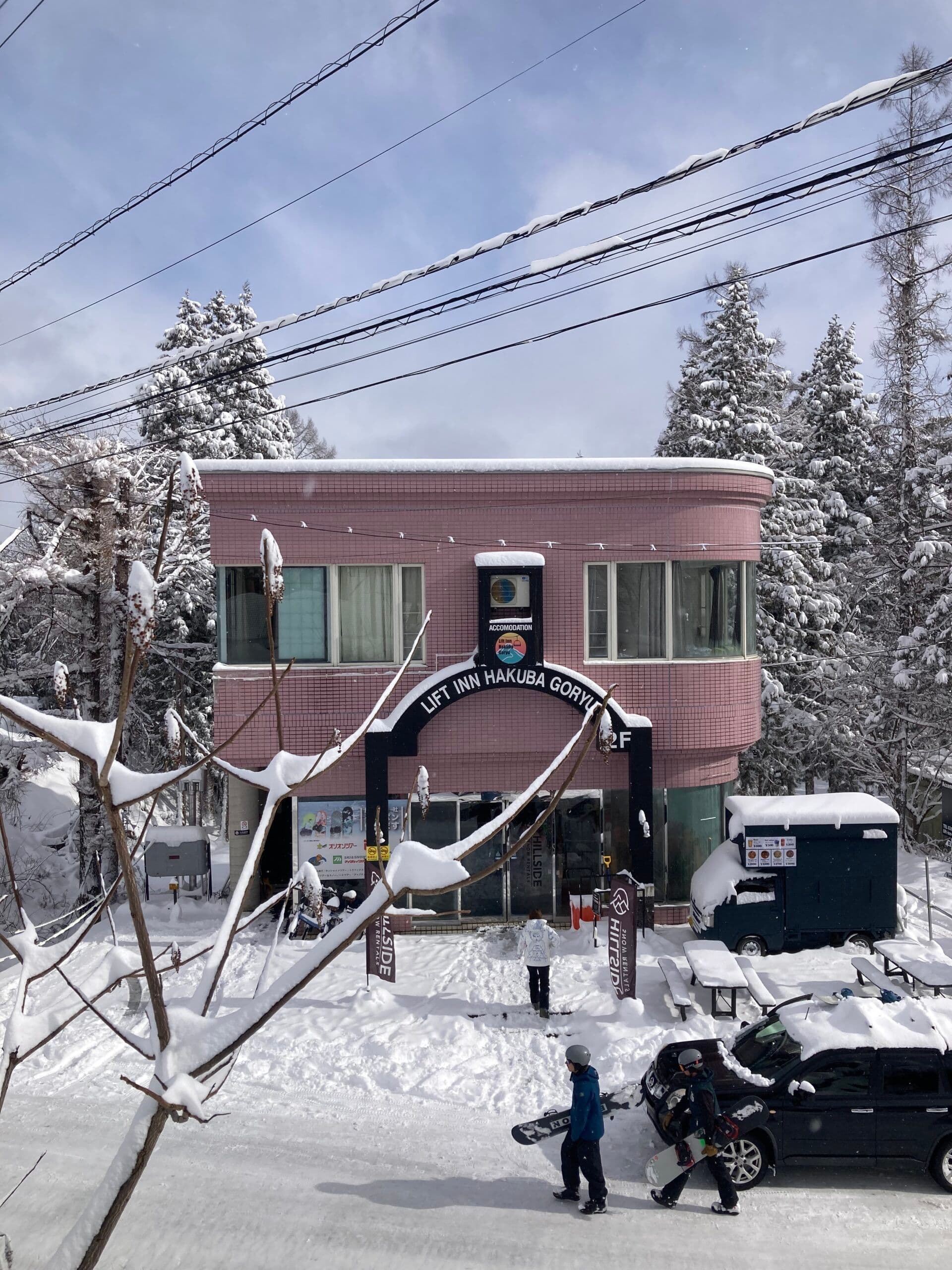
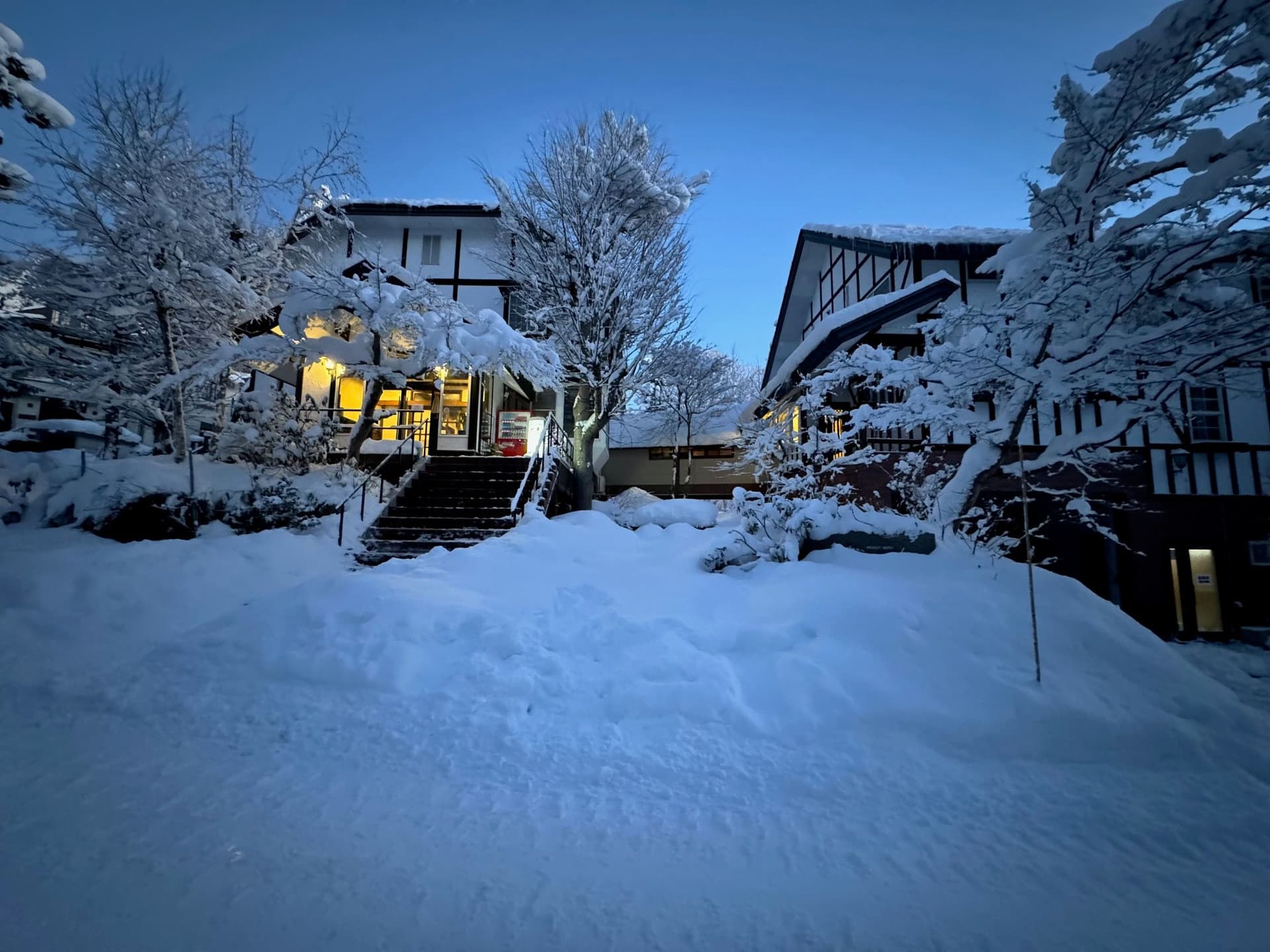
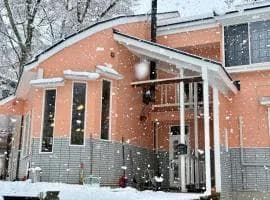
View MapStaying near Goryu is a very smart move if you want easy mornings and less hassle. Right at the base, Lift Inn Hakuba Goryu is popular because it’s simple, convenient, and you can be on snow quickly. You’re not coming for luxury vibes, you’re coming for efficiency: breakfast, boots on, and you’re chasing first chair without a shuttle timetable.
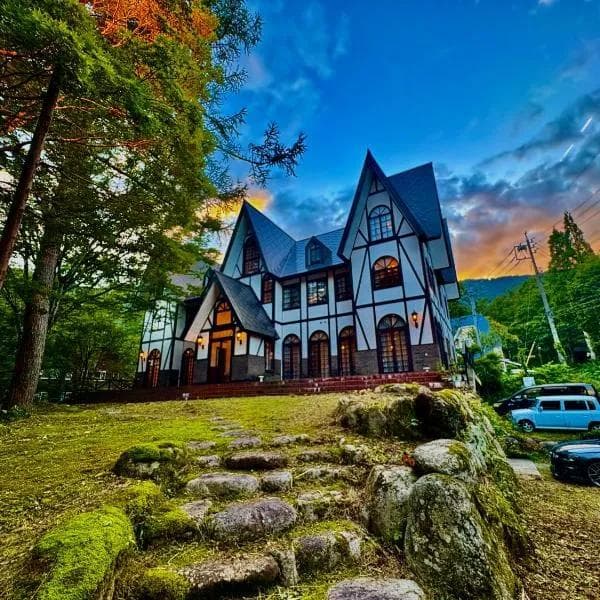
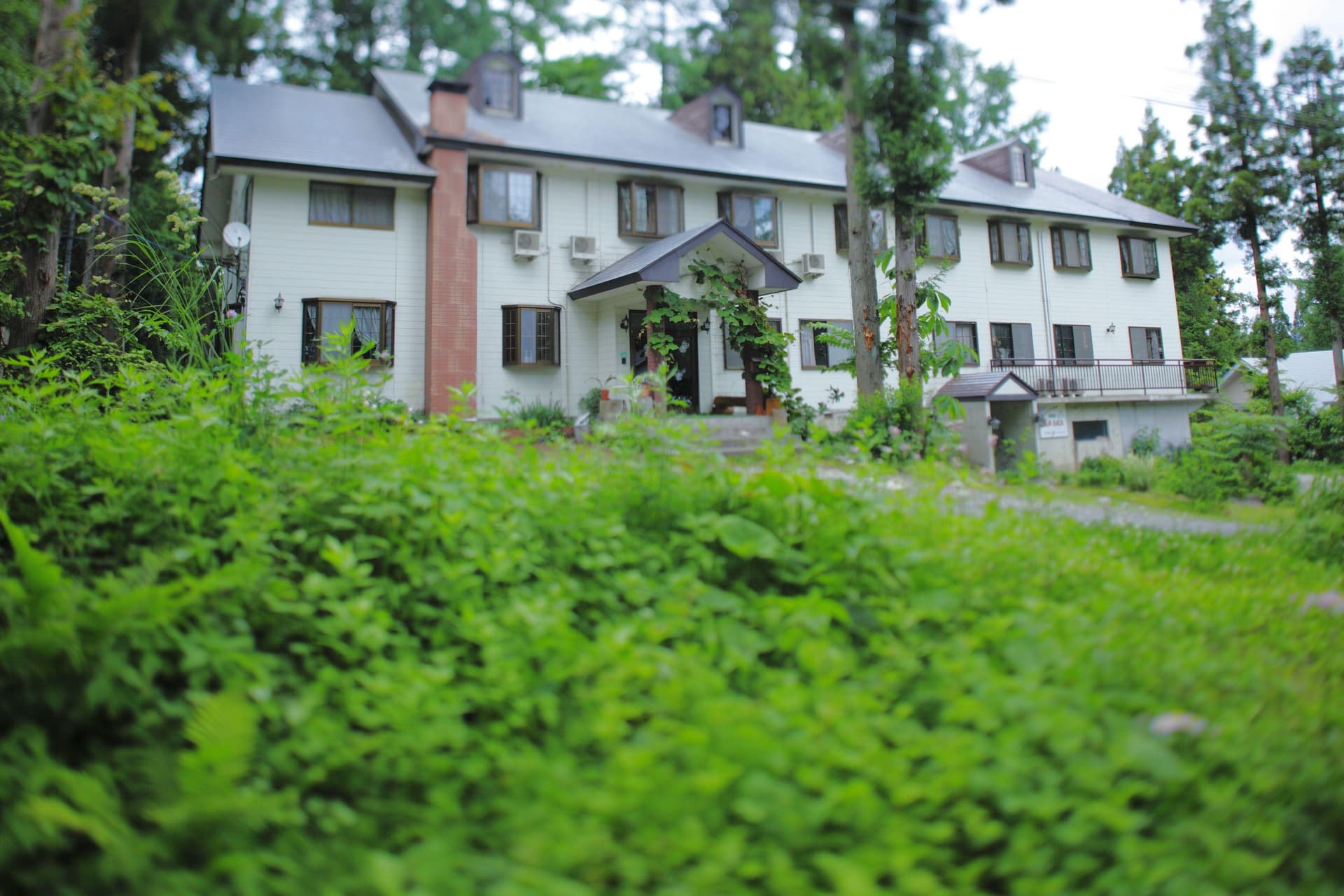
If you want that classic Hakuba lodge feel with a friendly, lived-in atmosphere, the Kamishiro area has a bunch of pensions that nail it. Hakuba Goryu Pension Kurumi is a well-known option in the neighborhood, and places like Hakuba Goryu Pension & Log Cottage Arumu lean into the cozy mountain stay vibe. Expect warm common areas, drying rooms that matter more than you think, and hosts who’ve seen enough winter seasons to give you the right nudge on where to ski when the weather does its thing.
For onsen-forward recovery days, look at Hakuba Ryujin Onsen Ryokan SUI, which is built for soaking tired legs after a big day. The base complex also has an onsen option at Escal Plaza, which is the ultimate move when it’s dumping and you want to reset without going far. Nightlife near Goryu is more low-key than central Hakuba, but that’s part of the charm: you can still head to Echoland for a bigger bar and restaurant scene, then come home somewhere quieter and actually sleep.




This page contains affiliate links, if you book through them, we may earn a small commission at no extra cost to you.
Powder & Terrain
Hakuba snow is its own personality: big, frequent storms with a maritime feel. When temps are cold it’s light and playful, and when they creep up it can be a little denser, but it still stacks quickly and skis deep because the valley gets hammered. Goryu’s ~12 m seasonal average is enough that you’ll get plenty of proper powder mornings, especially mid-January through late February, and the mountain’s layout lets you chase the best snow aspect-to-aspect without doing a full resort migration.
The Alps zone is the headline for strong skiers. You ride the Telecabin gondola up to the higher alpine, and that’s where you’ll find steeper groomers, open faces, and the “Hakuba in winter” weather show. On storm days it can be socked in and windy up top, and visibility can go full milk-bottle. When it’s on, it’s the place to point it down the fall line and feel that long vertical. When it’s not, you take the hint and drop lower into the trees instead of battling wind-scoured ridges.
Toomi is the heartbeat. It’s where you can bang out fast runs, meet friends, and keep things simple when you’re running on convenience. It’s also the night-ski zone, which changes how you plan your day. A good move is to ski the alpine early, then keep a little in the tank and come back for floodlit turns when the crowds thin and your legs have “one more run” energy. The lower pitches here aren’t extreme, but they’re fun, and after a storm you can still find soft snow tucked just off the main lines if you’re willing to take a few extra turns away from the obvious tracks.
Iimori is the sleeper zone that saves days. It’s kinder terrain overall, which makes it good for mixed-ability groups and families, but it’s also a storm-day weapon because it’s more sheltered and holds visibility better when the top is getting slapped around. For powder hunting, it’s not about sending big lines, it’s about finding the protected shots between runs, riding the lift rhythm, and letting the mountain refill while other people queue at the gondola.
Tree riding at Goryu is legitimately good by Hakuba standards, especially when you treat it like a “find the pockets” game rather than expecting endless open glades. After fresh snow, the best turns often come from the lower zones where the snow stays settled and you’re not dealing with wind effect. The resort has designated tree zones and clearly marked boundaries in places, and this is not a valley where you casually duck ropes. Patrol takes boundary rules seriously, and the consequences can include losing your pass. If you want sidecountry, there is an access gate area near the Alps lift network, but it’s real Hakuba terrain: avalanche risk, complex weather, and consequences that escalate quickly if you’re guessing.
Getting There
Goryu sits in Hakuba Valley in Nagano, so most international visitors route through Tokyo. The typical play is fly into Haneda or Narita, then take the shinkansen to Nagano and hop a bus to Hakuba. Door-to-door, you’re usually looking at ~3.5 to 4.5 hours depending on connections and weather. There are also direct highway buses from the Tokyo area in winter that can be very convenient if you don’t want to juggle transfers.
A rental car is optional in Hakuba, but it makes powder chasing across the valley way easier, especially if you’re the type who likes to follow the storm and pick the best aspect each day. If you drive, winter tires are non-negotiable, and carrying chains is still smart insurance for storm cycles. Hakuba roads get slick fast, parking can be crowded on weekends, and snowbanks can turn “quick stop” errands into slow-motion Tetris.
Public transport around Hakuba is generally workable with shuttles and local buses, but storms can disrupt timing and patience. If you’re staying near Goryu, you can keep it simple: walk, shuttle short distances, and save the big transit days for rest days or valley-hopping missions.
Who's it for?
- First-timersGood
- Powder huntersGood
- Non-skiersOkay
- BudgetLimited
- Après / nightlifeExcellent
- LogisticsExcellent
Goryu is a sweet spot for upper intermediates who want “real Hakuba” without biting off more than they can chew. You’ve got long groomers to build speed and confidence, plus legit steeper options up top when you’re ready to step on the gas. Advanced riders will enjoy the vertical, the storm-day tree hunting, and the ability to link into Hakuba 47 to expand the day, but if you’re only happy when you’re skiing high-commitment lines all day, you may end up spending more time roaming the valley.
It’s also a strong pick for groups with mixed priorities: someone wants night skiing, someone wants cruisy groomers, someone wants to chase pow in the trees, and nobody wants a complicated logistics day. Beginners can learn here, but Hakuba in general can feel “big” for true first-timers, and conditions can swing fast. If your crew has a wide range, Iimori is your glue.
Food & Après
On-mountain and base-area food is practical and better than you’d expect for a high-traffic ski hub. Escal Plaza has a bunch of options that cover the classics: hearty Japanese sets, curry that hits the spot on a cold day, and quick bites when you’re trying to get back out before the next rope drop. If you’re skiing into the evening, the night-ski energy makes the base feel lively without turning into a party circus.
Around the Goryu area and wider Hakuba, you can eat very well. If you want a proper sit-down meal that feels like a reward, look for spots like Pizzakaya Country Road for something different than the usual ski-town rotation. For a casual coffee or a lighter bite between sessions, Sol Cafe is a good kind of mellow. And if you’ve got a crew that wants a bigger après circuit, Echoland and Happo One have the densest concentration of bars and restaurants, so you can turn one good dinner into a full evening stroll.
The local move is simple: ski hard, soak, then eat something hot and filling. Nagano is big on noodles, mountain veg, and comforting winter food, so lean into soba, ramen, and anything sizzling on a grill. You’ll sleep better, and you’ll be ready to do it again tomorrow.
Japow Travel Tips
- Lift hours: Day skiing is typically around 8:00 to 16:30. Night skiing generally runs into the evening (often around 18:00 to 21:30), but exact days and hours can change through the season.
- Avalanche / backcountry reality: Hakuba is serious terrain outside the ropes. If you don’t have avalanche gear, skills, and a plan, keep it in-bounds. Even “close to the resort” zones can slide.
- Weather & snow patterns: Storms can be heavy and frequent. The upper Alps area can get wind and flat light, so be ready to ski trees lower down when visibility drops.
- Language / cultural quirks: English is common in Hakuba by Japan standards, but not guaranteed everywhere. A little patience and a friendly attitude go a long way, especially off the main tourist strip.
- Unique to this resort: Night skiing is the big one. It extends your day, spreads crowds, and makes Goryu feel like more than a daytime-only mountain.
- Nearby resorts worth pairing: Hakuba 47 is the obvious link-up. For variety across the valley, Happo One brings bigger steeps, Tsugaike Kogen adds cruisy scale, and Cortina is the wildcard for deep storm days.
Verdict: Night Lights and Hakuba Pow Logic
Hakuba Goryu is the kind of resort that makes your trip smoother and your powder count higher. It’s got enough vertical and advanced terrain to keep strong riders entertained, enough tree cover to keep you skiing when the alpine is getting rowdy, and enough night skiing to turn a good day into a great one. If you want a Hakuba base that’s practical, fun, and quietly stacked with options, Goryu is an easy yes.