

Nagano Alps + Hokuriku Loop: Scenic Alpine Ski Road Trip
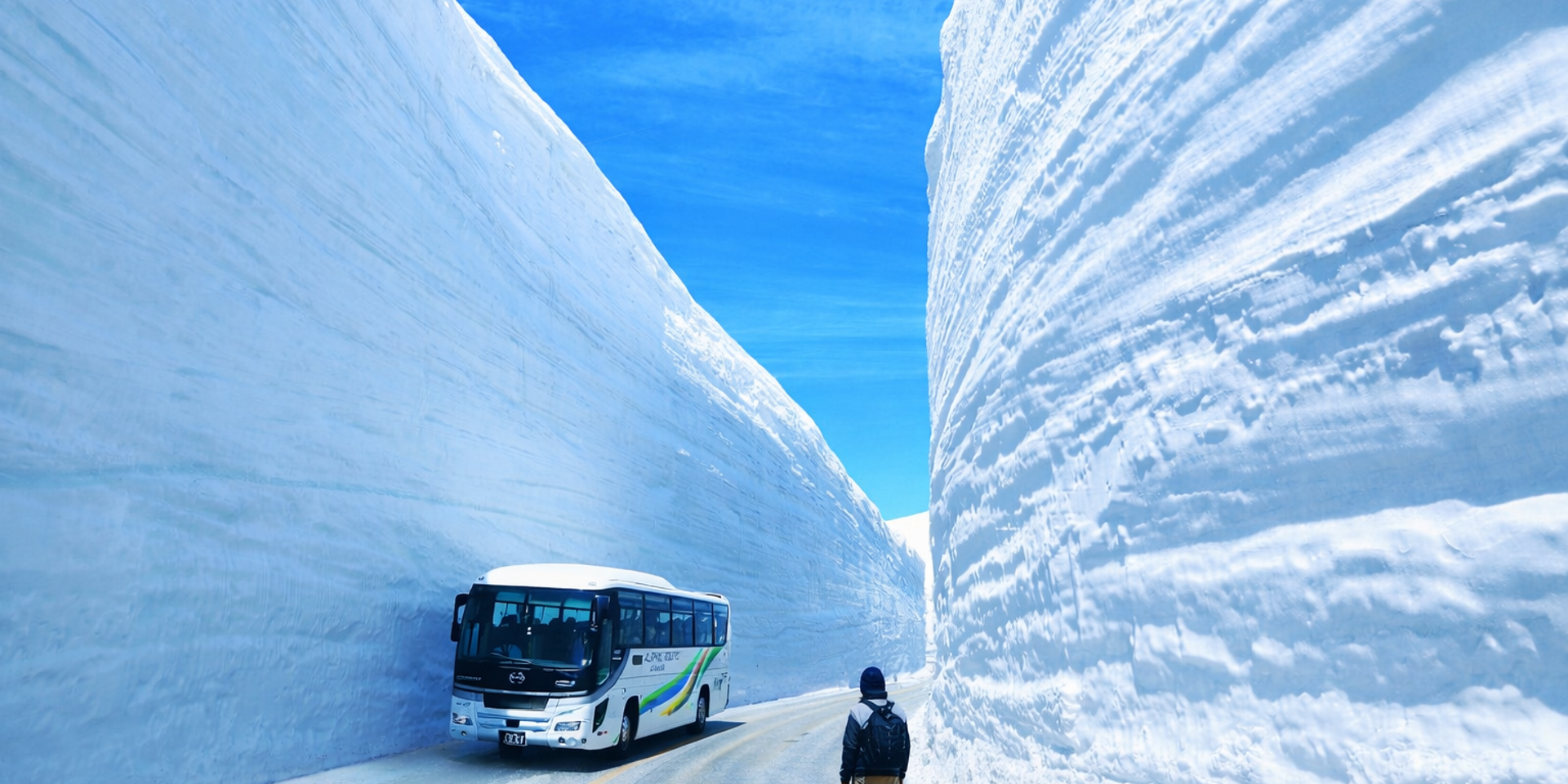
Hakuba, Tateyama Alpine Route, Toyama, Shiga Kogen, Myoko Kogen, Nozawa Onsen
This is the Japan road trip you do when winter starts to loosen its grip, but the mountains are still stacked.
Where the mid-winter loops are about reacting to storms and hiding in trees, this one leans into scale and geography. You ski high in the Japan Alps, cross straight through the range on one of the country’s most spectacular mountain routes, then finish by the sea before arcing back into ski country for a final act.
It is calmer. More scenic. Slightly slower in the best possible way.
At the heart of the trip is the Tateyama Kurobe Alpine Route, a high-alpine crossing famous for its towering spring snow walls and a clear reminder of just how much snow the Japan Alps can hold.
Route at a glance
Fly in: Tokyo or Matsumoto
Fly out: Tokyo or Toyama
Total time: 7 to 10 days
Best months: Late March to early May
This is a westbound crossing of the Japan Alps that links Nagano’s core ski areas with the Hokuriku coast, then loops you back toward snow for a relaxed finish.
How to use this guide
This loop works best if you treat skiing and scenery as equal priorities.
You still plan ski days around weather and timing, but you also allow space for transit days, viewpoints, and lower-pressure afternoons. Spring skiing rewards patience. Big days still happen, but they happen when the mountain says yes, not when your spreadsheet says so.
Base 1: Hakuba Valley (Days 1 to 3)
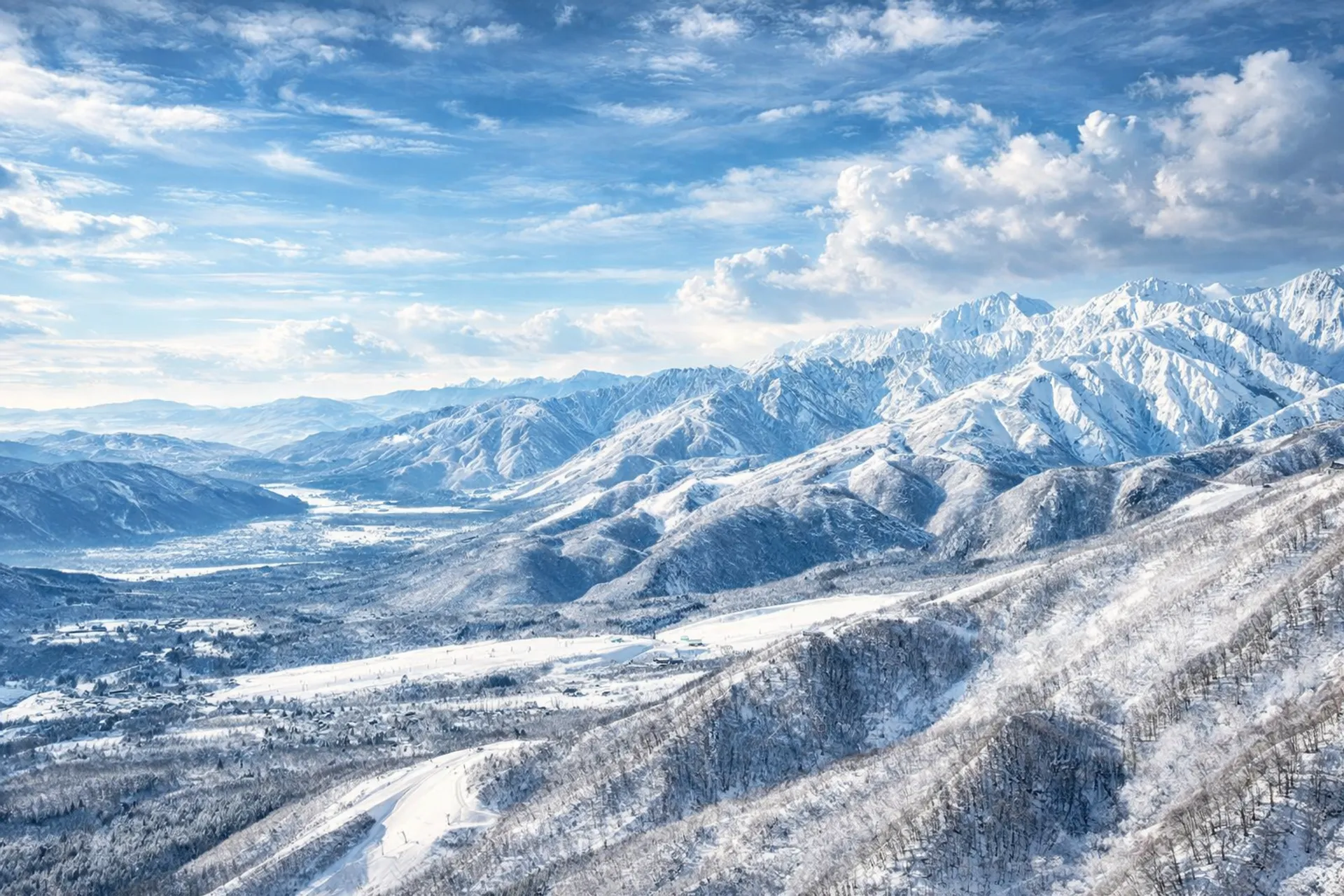
Hakuba is the launch pad and the most ski-focused stretch of the trip. In spring, it offers a mix of high-alpine access, lingering powder after late storms, and classic corn cycles when the sun lines up properly.
Hakuba works because you can shape each day to conditions. If you want big mountain scale and steeper terrain, Happo One is the obvious call. When visibility drops or a storm rolls in, Cortina and Norikura are far more forgiving and keep the day flowing. For cruisier laps and mixed-ability groups, Goryu, Hakuba 47, and Tsugaike Kogen make life easy without feeling dull.
Spring mornings are about timing. Start early, ski higher while the snow is firm or freshly refreshed, then wind things down before the surface turns heavy. Evenings are simple. Eat well, soak if you can, and save your legs for the crossing day.
The Alpine crossing: Tateyama to Toyama (Day 4)
This is the spine of the loop.
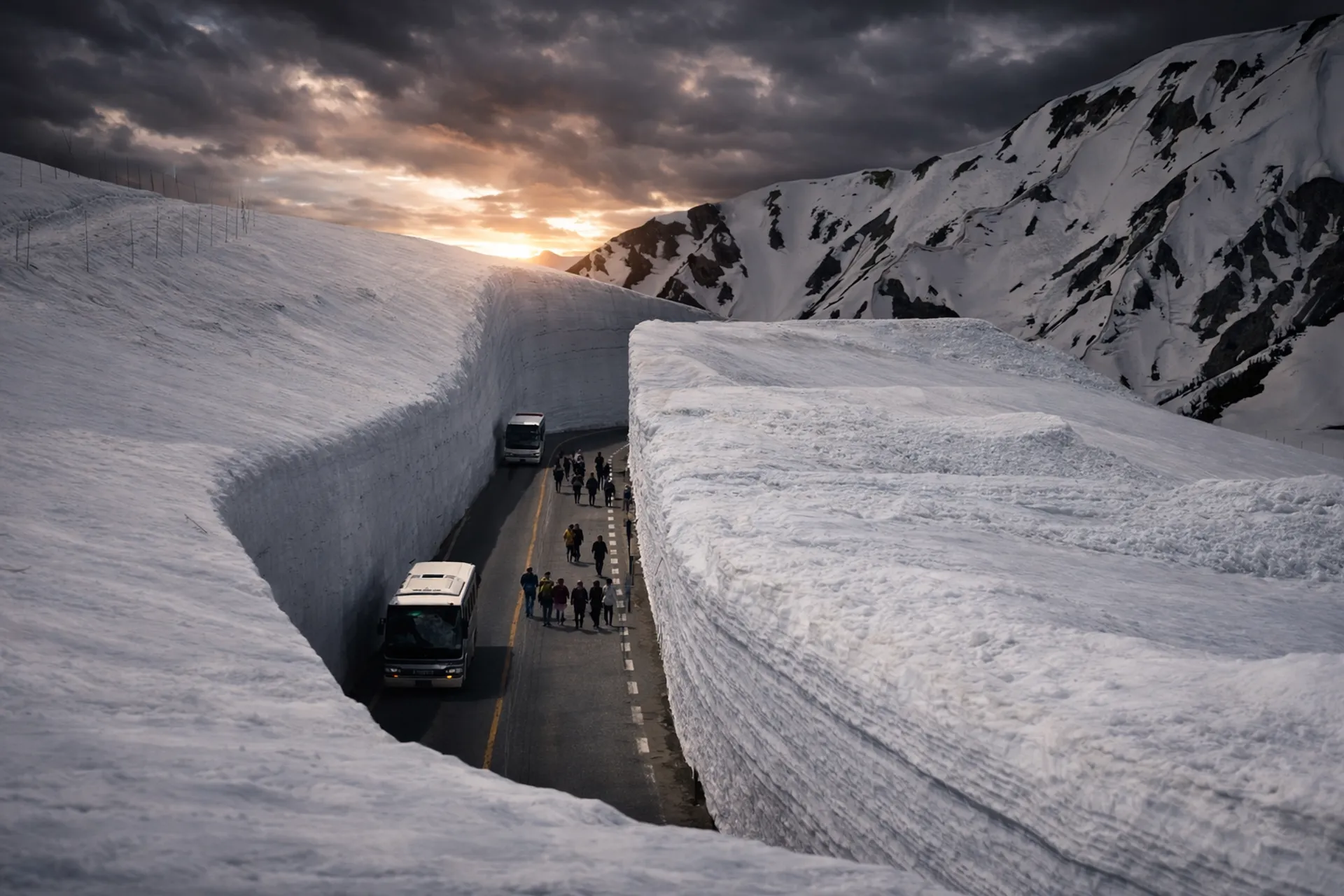
From the Nagano side, you park the car and move through the mountains using a sequence of buses, cable cars, and tunnels that make up the Tateyama Kurobe Alpine Route. The highlight is Murodo, where snow walls tower above the road and the scale of the Japan Alps becomes impossible to ignore.
This is not a ski day in the traditional sense. It is a perspective day. You walk, take photos, breathe thin alpine air, and let the legs reset while still feeling very much embedded in the mountains.
By late afternoon, you descend toward Toyama and pick up your vehicle again on the Hokuriku side.
Base 2: Toyama and the Hokuriku coast (Days 5 to 6)
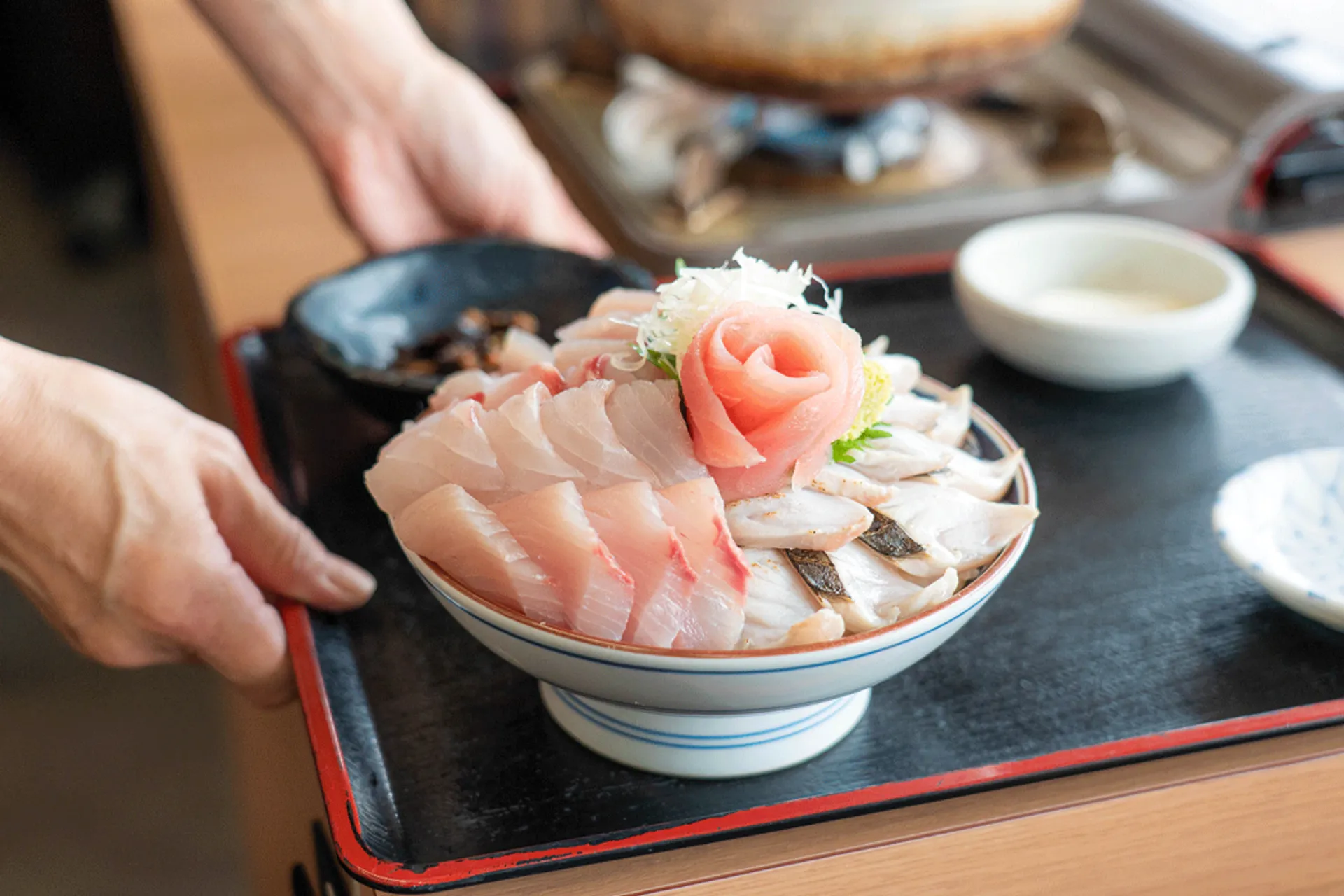
Toyama changes the tone of the trip in the best possible way.
After days of alpine terrain and resort routines, you are suddenly at sea level, eating seafood pulled from deep coastal waters and soaking in onsen with a slower, calmer rhythm. This is where the trip stops feeling like a ski mission and starts feeling like a journey.
Some travellers take a full rest day here. Others keep things light with short drives back toward elevation depending on snow and energy. There is no wrong answer, as long as you do not rush it.
Final ski base: Northern Nagano or Niigata (Days 7 to 9)
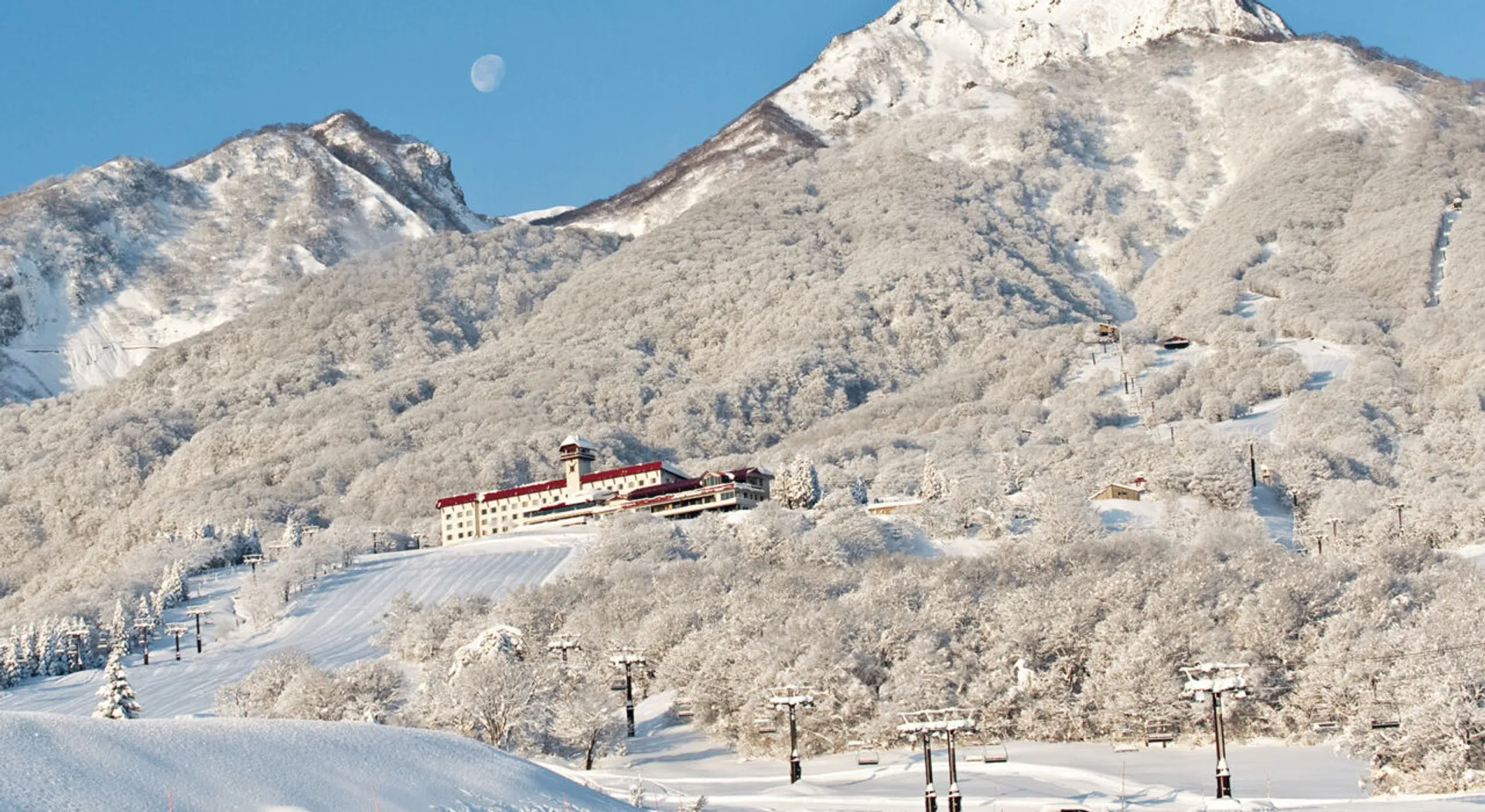
From Toyama, you arc back into snow for the final chapter. This is where you choose the ending that suits your legs and the conditions.
Two strong finish options:
- Northern Nagano: Shiga Kogen with a base in Yudanaka or Shibu Onsen for high-elevation spring skiing and long, quiet cruisers.
- Niigata side: Myoko Kogen or Nozawa Onsen for tree-lined runs, softer spring snow cycles, and an easygoing end-of-trip feel.
This is the second and final dot-point list.
Shiga shines when coverage stays deep and temperatures remain cool. Myoko Kogen and Nozawa Onsen come into their own when spring storms sneak through or when corn cycles line up cleanly.
Driving and seasonal reality
This loop is not fully drivable end to end. The Alpine Route crossing is a transit experience, and that is part of its appeal.
Plan your car logistics carefully, allow extra time for mountain weather, and do not treat transit days as throwaways. Even in April, winter tyres are still essential in the Alps, and storms can roll through with very little warning.
Who this loop is for
This route suits skiers and riders who want to blend quality skiing with a sense of place. It is ideal if you enjoy spring snow, big scenery, and trips that feel expansive rather than rushed.
If your only goal is maximum laps per day, a mid-winter storm-chasing loop will serve you better. If you want a trip that connects terrain, culture, and geography, this one hits the mark.
The Japow take
The Nagano Alps + Hokuriku Loop is about understanding Japan’s snow from the inside out.
You ski it, cross it, descend through it, and finish beside it. Time it right, and this becomes the kind of road trip that stays sharp in your memory long after individual powder days blur together.