
Myoko Kogen
Honshu’s Powder Canvas & Onsen Hideaway
 妙高高原
妙高高原A Powder Town with Soul
There's a version of Japan skiing built around purpose-built villages and matching signage. Myoko Kogen is not that version. Wooden ryokan lean into hillsides that have seen a century of winters, steam rises off outdoor baths at odd hours, and the snow piles onto cedar trees like nobody told it to stop. It reads less like a resort and more like a real town that happens to sit under a lot of very good snow.
Forget champagne bars and a choreographed après hour. The energy here runs quieter and more local, and it is genuinely better for it. Akakura Onsen does the heavy lifting on convenience, with izakayas, small bars, simple lodges and enough English floating around to keep an international crowd from getting lost. Push out from the centre and things get progressively sleepier, in the good way.
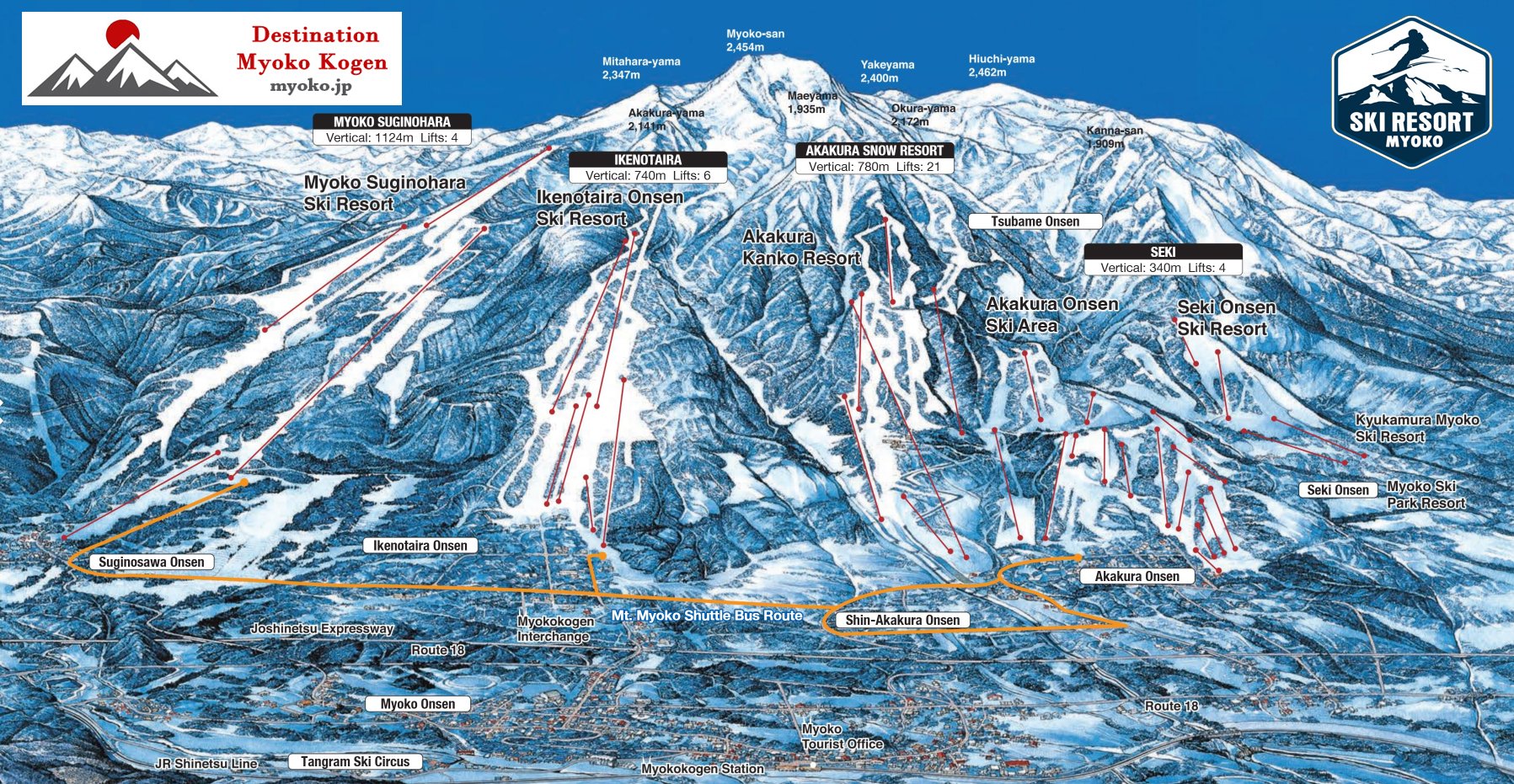
What makes this place interesting is that it isn't one ski area, it's five, each independently run and separately ticketed: Akakura Onsen, Akakura Kanko, Ikenotaira Onsen, Suginohara and Seki Onsen. That means your trip can shapeshift daily, big cruisers and glades one morning, storm laps through a village zone the next, a deliberate raid on the wildest of the five when the forecast says it's worth it.
Peak days do bring queues, and a few of the older chairlifts move at a pace best described as contemplative, but the overall energy still sits well below any headline Hokkaido resort. With a car, or a decent shuttle plan, you can simply relocate to wherever the snow is best that day.
What ties it together is that everything here is doing its actual job, not performing for a brochure. Good snow, real hot springs, honest food, a town that would exist whether or not skiers turned up. It's an easy place to fall for, right up until you're rearranging flights to come back.
Resort Stats
Estimated cumulative fresh snowfall at major on-mountain ski areas; actual totals vary substantially by resort, elevation, measurement location, and season.
- Vertical800m (1500m → 700m)
- Snowfall~13m
- Terrain 40% 40% 20%
- Tree Riding
- Lift Pass¥8,500
- Lifts40 (across all resorts)
- Crowds
- Out of BoundsMostly allowed; patrol minimal
- Night Skiing
- Family Friendly
- Trails60
- Skiable Area~900ha
- VibeTraditional, authentic, pow-rich
Trail Map
Accommodation
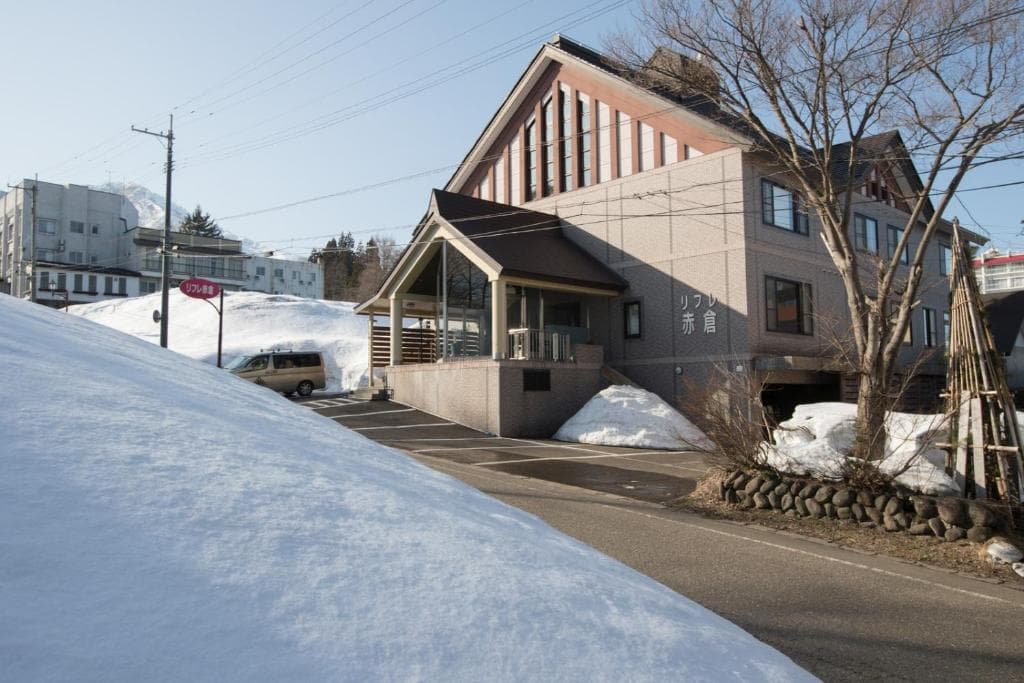
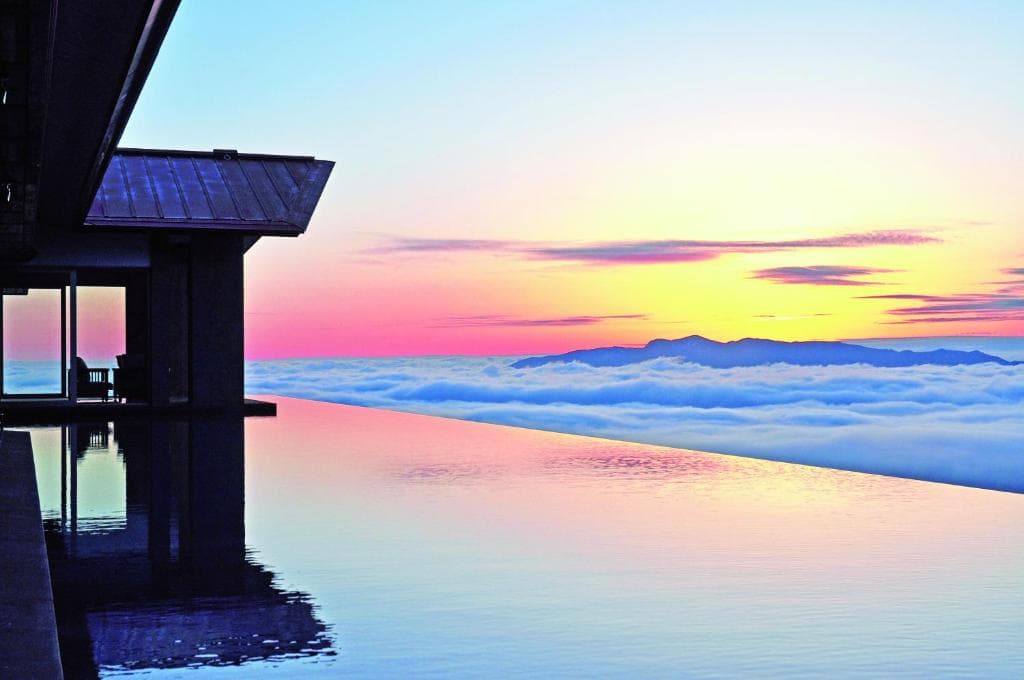
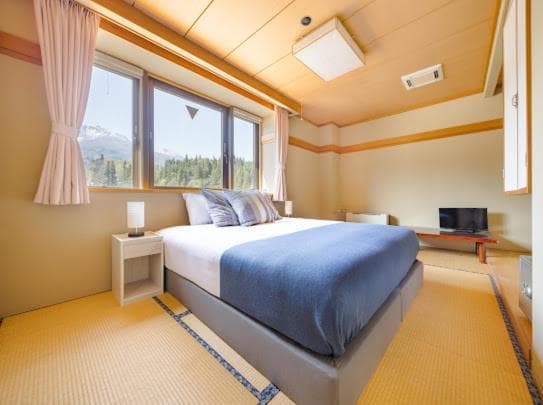
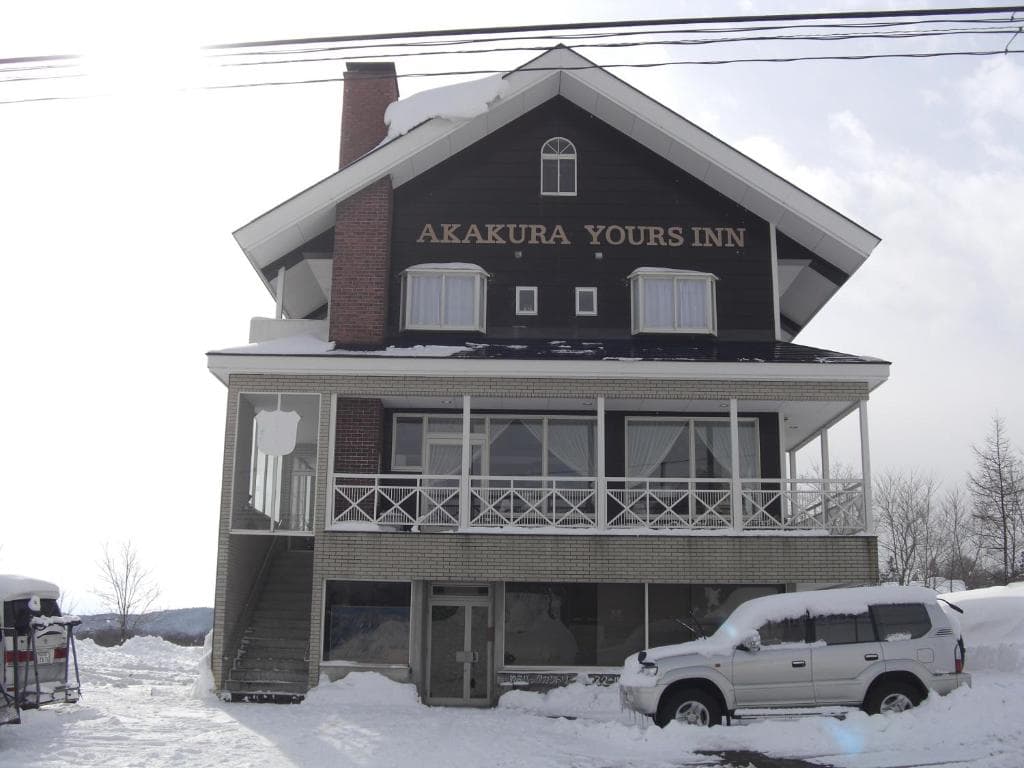
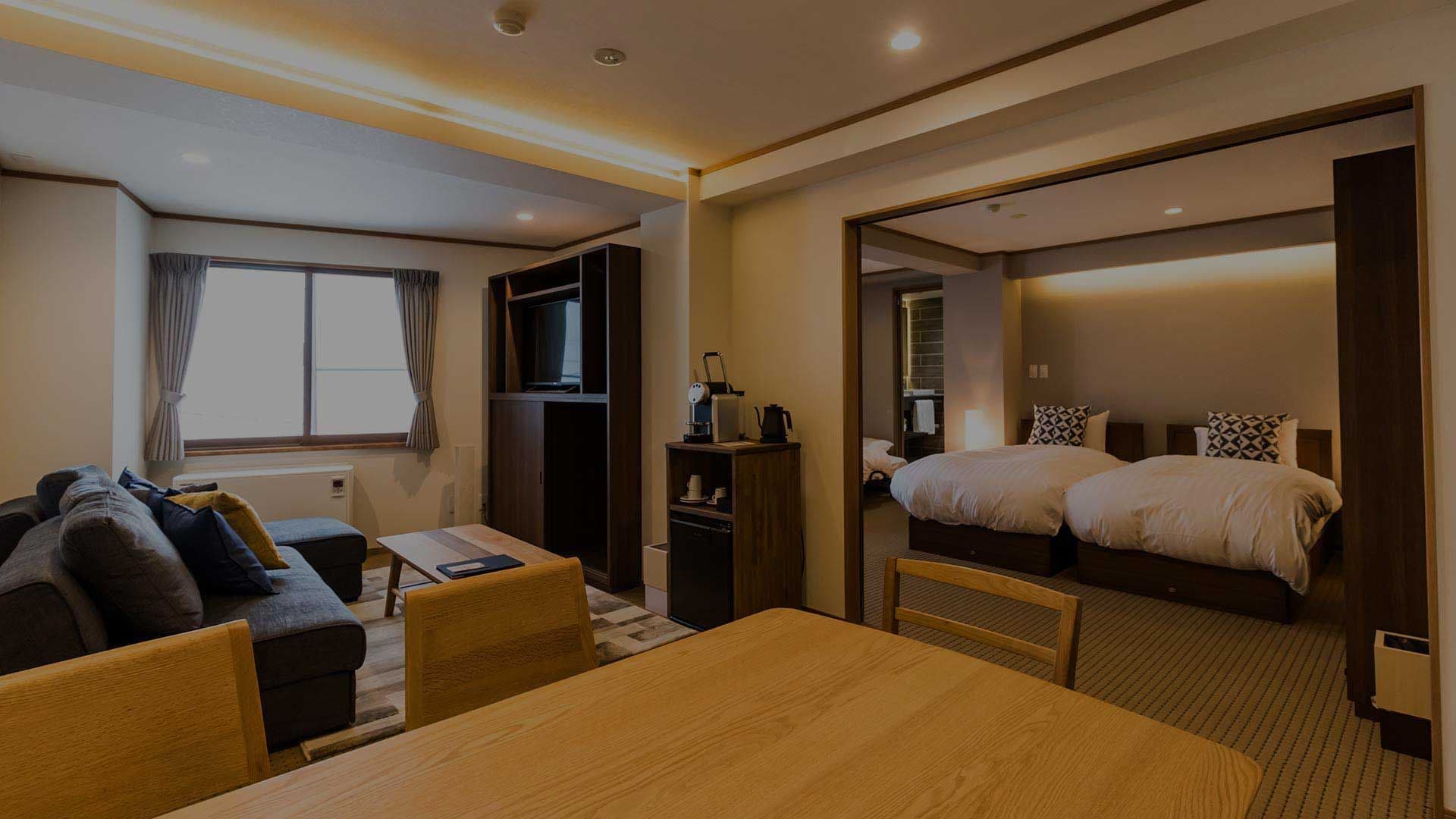
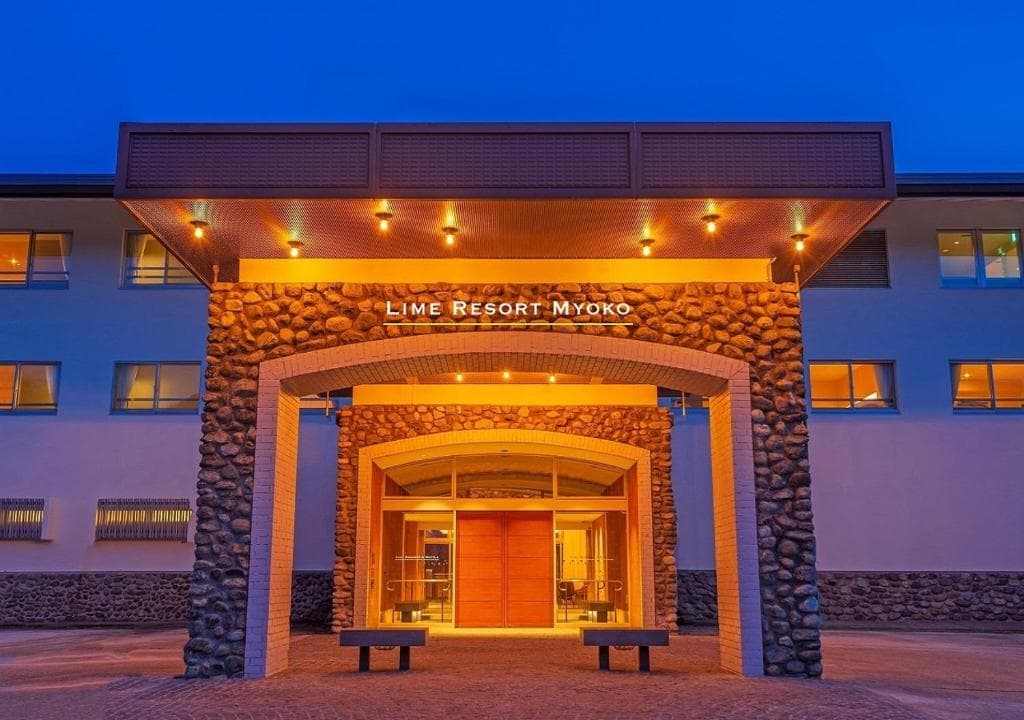
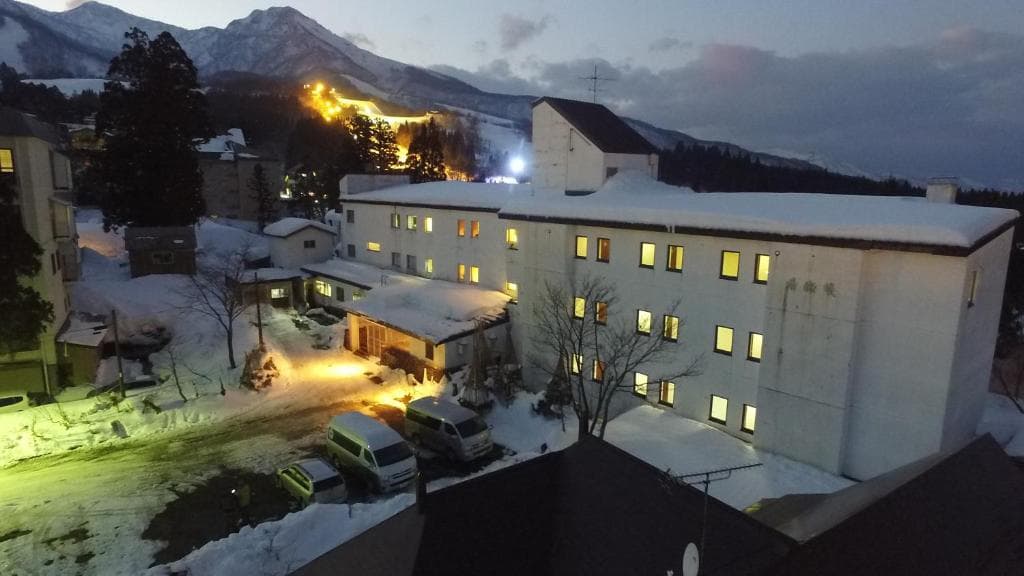
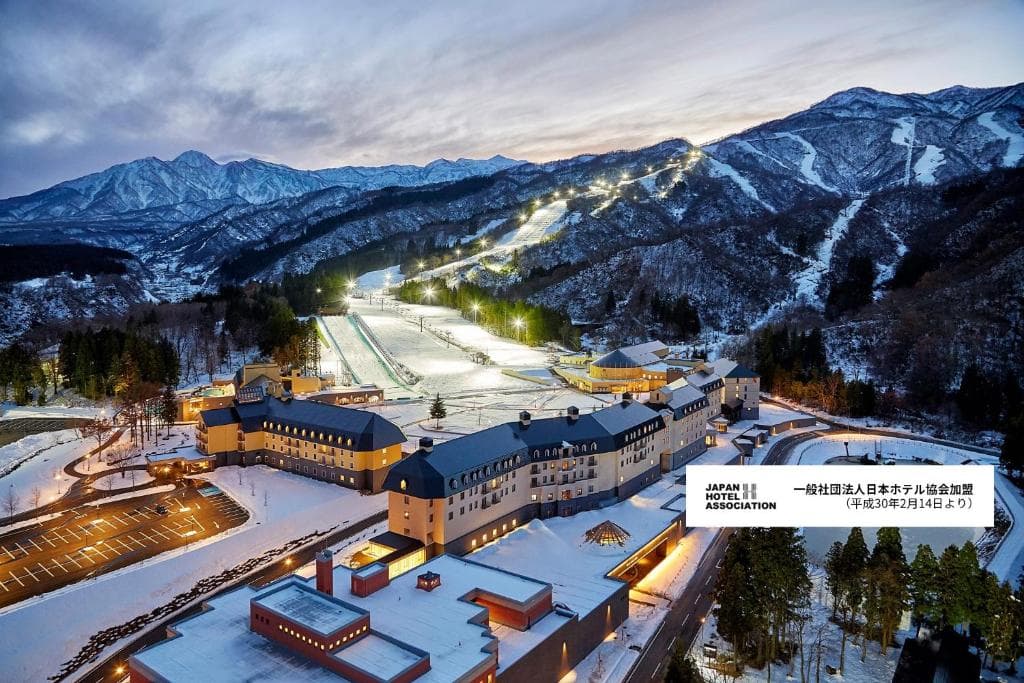
View MapOur full Myoko Kogen accommodation guide runs through area-by-area picks in more detail, but the short version is that nothing here is a single, purpose-built village. You're choosing between a handful of separate onsen towns and ski hamlets, and each one has a genuinely different personality rather than a copy-pasted layout with a different sign out front.
For most first-time visitors, Akakura Onsen is the easy answer, the strongest mix of lift access, restaurants and general atmosphere without overthinking it. Want more polish, want ski-in ski-out and a view worth the extra yen, look at Akakura Kanko instead. Ikenotaira Onsen and Suginohara both offer a quieter, better-value stay if you don't mind a short transfer to dinner options. Seki Onsen is really only for people who've already decided storm days matter more than restaurant choice, and they'll know who they are. Since half of these towns exist because of the hot springs underneath them, it's worth a quick read of onsen etiquette before your first soak, mostly so you don't become the story other guests tell later.






This page contains affiliate links, if you book through them, we may earn a small commission at no extra cost to you.
Powder & Terrain
The snow here has a different character to Hokkaido's famous fluff. Sea of Japan storms unload heavy, wet-leaning totals that settle into a dense, trustworthy base rather than the featherlight stuff further north. It rides beautifully once it's down, and it is extremely good at cancelling whatever else you had planned for the day.
Start with Suginohara, the anchor of the area and the one with genuine bragging rights: well over a thousand vertical metres and one of the longest continuous descents in the country. Clear-day laps are about the view and the distance you can cover. Storm days flip the script, duck into the treeline and the crowds vanish.
Closer to town, Akakura Onsen and Akakura Kanko handle most of the daily lapping, a fun mix of groomers, hidden powder stashes and short side hits. Kanko leans harder into tree runs, while Onsen is built for convenience, everything funnels back toward dinner, a beer and a hot bath.
Ikenotaira Onsen plays a different role entirely: wide, unintimidating and built for families or anyone who wants space rather than adrenaline. It looks tame on a bluebird day. On a storm day it turns into a sleeper hit, since the smaller crowd means fresh snow survives there far longer than the terrain difficulty would suggest.
Then there's the outlier. Seki Onsen is small, steep and unapologetically rough, barely groomed, and it rewards people who already know what they're doing more than it welcomes newcomers. It sits close enough to real backcountry character that our guide to backcountry and sidecountry skiing in Japan is genuinely worth reading first. On the right storm day, though, few places in Honshu compete with it.
The five-way split is what actually saves you from crowds. There's no single lift line where everybody piles up, because everybody has somewhere else to be. Hit Suginohara first thing after a storm, drift through Akakura Onsen and Akakura Kanko once the village terrain starts firing, and keep Seki Onsen filed away for the days the sky truly opens up.
Getting There
No car required. The standard route runs the Hokuriku Shinkansen into Nagano from Tokyo or Narita, then a local train onward to the local station, with a short bus or taxi covering the last stretch to most lodging. Shuttles connect the main ski areas throughout the season, so a car-free trip can still bounce between them without much friction.
Driving buys you a different kind of trip. Winter tyres or chains aren't optional, Sea of Japan storms can turn a clean road into an ice rink faster than the forecast suggests, but the payoff is being able to chase conditions to nearby options like Madarao, Tangram or Lotte Arai on a whim rather than a shuttle timetable. If you're building a longer trip around the region, our Myoko and Northern Nagano/Niigata powder loop guide is a solid starting point for how the pieces connect.
Who's it for?
- First-timersGood
- Powder huntersExcellent
- Non-skiersExcellent
- BudgetGood
- Après / nightlifeGood
- LogisticsExcellent
Almost every ability level finds a real home somewhere across the five areas rather than a compromise. Experts gravitate toward the tree runs, the looser sidecountry, and whatever Seki Onsen is offering that day. Intermediates get the best deal of anyone, room to roam and a gentle route into off-piste terrain as confidence grows, particularly around Suginohara, Akakura Onsen and Akakura Kanko. Beginners land safely at Ikenotaira Onsen or on the easier Akakura Onsen slopes. The one group that might leave underwhelmed is anyone chasing five-star polish, fast lifts and a buzzing nightlife scene, that crowd exists elsewhere in Japan. What Myoko Kogen offers instead is texture, and plenty of visitors end up preferring it that way.
Food & Après
Nobody comes here for fine dining, and that's the point. Expect proper comfort food, ramen that actually steams, karaage fried hard and hot, yakitori skewers turning over coals while you wait. The izakayas around Akakura Onsen are where the day gets debriefed, order a few small plates and some sake, and someone nearby will have a storm story worth hearing.
Don't expect a big night out. Evenings here stretch rather than peak, hot food, a slow drink, maybe a final soak under the stars before bed. If you're out mid-afternoon and need fuel, find the small bakery turning out warm buns stuffed with sweet red bean, there's no faster fix for a cold day.
Japow Travel Tips
- Lift hours: Roughly 8:30am to 4:30pm, with small variations from area to area.
- Ticket price: Budget ¥7,000 to ¥8,500 for an adult day ticket. There's no single pass across all five areas, each is bought separately.
- Avalanche awareness: Real risk lives in the trees and sidecountry, particularly around Seki Onsen. Beacon, shovel, probe, and know how to actually use them.
- Weather: Storms sweep in from the northwest and deliver the goods, but visibility up top can vanish quickly.
- Language: Fine around Akakura Onsen, thinner in the smaller villages. A few Japanese phrases go a long way.
- Worth pairing: Madarao, Tangram, Lotte Arai, Nozawa Onsen and Shiga Kogen all sit within easy day-trip range.
Verdict: Japow in the Trees, Heart in the Village
What sells Myoko Kogen isn't any single number on a stat sheet, it's the balance. Serious, dependable snow. Real terrain variety spread across five areas that actually differ from each other. A town that was authentic before skiing made it interesting. Spend the morning chasing face shots, the evening in a hot spring that predates the ski lifts by decades, then do it all again tomorrow. Anyone chasing the feeling of Japow rather than the spreadsheet version of it will find plenty to love here.