
Madarao
Tree-Run Playground with Real Japow Staying Power
 斑尾
斑尾Madapow, Made Easy
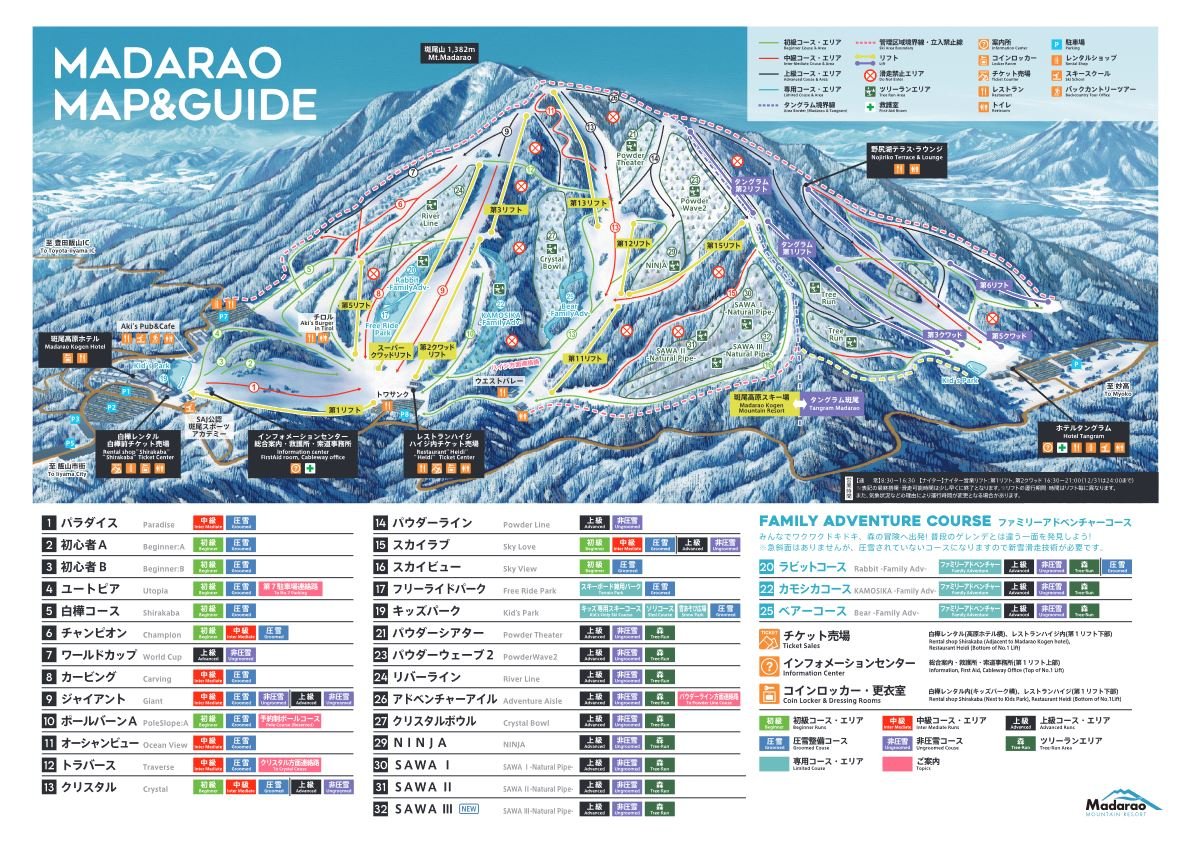
Straddling the line between Nagano and Niigata, Madarao is a small, tidy bowl that seems engineered around one weather event: the storm cycle. There's no attempt here to compete on scale. What you get instead is a warm-up run of proper fall-line groomers, followed by a genuine web of sanctioned tree runs the second the flakes start stacking up. The trail count reads modest on a map. Underfoot, on a powder morning, it plays a lot bigger than the numbers suggest, since well over half the terrain stays deliberately ungroomed and the glading is generous rather than symbolic. You won't need advanced skills to enjoy yourself, but if weaving through trees is your idea of a good time, this hill was built with you in mind.
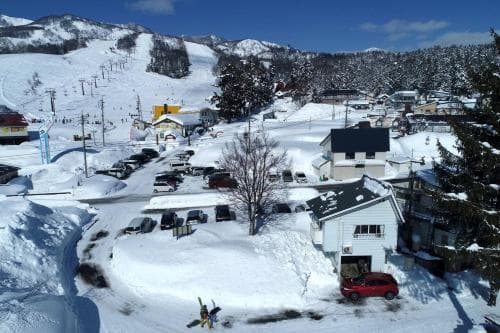
Everything about the place runs unhurried. The village sprawls loosely across the hillside instead of clustering into a dense strip, and almost nowhere feels like a genuine walk. English covers lessons, rentals and most lodges well enough that logistics rarely become a headache. Price-wise it sits comfortably under Japan's marquee resorts, which explains why budget-conscious crews keep coming back. Elevation isn't Madarao's strong suit, but the terrain's aspect and the local weather pattern together keep the snow holding up better than the raw stats suggest.
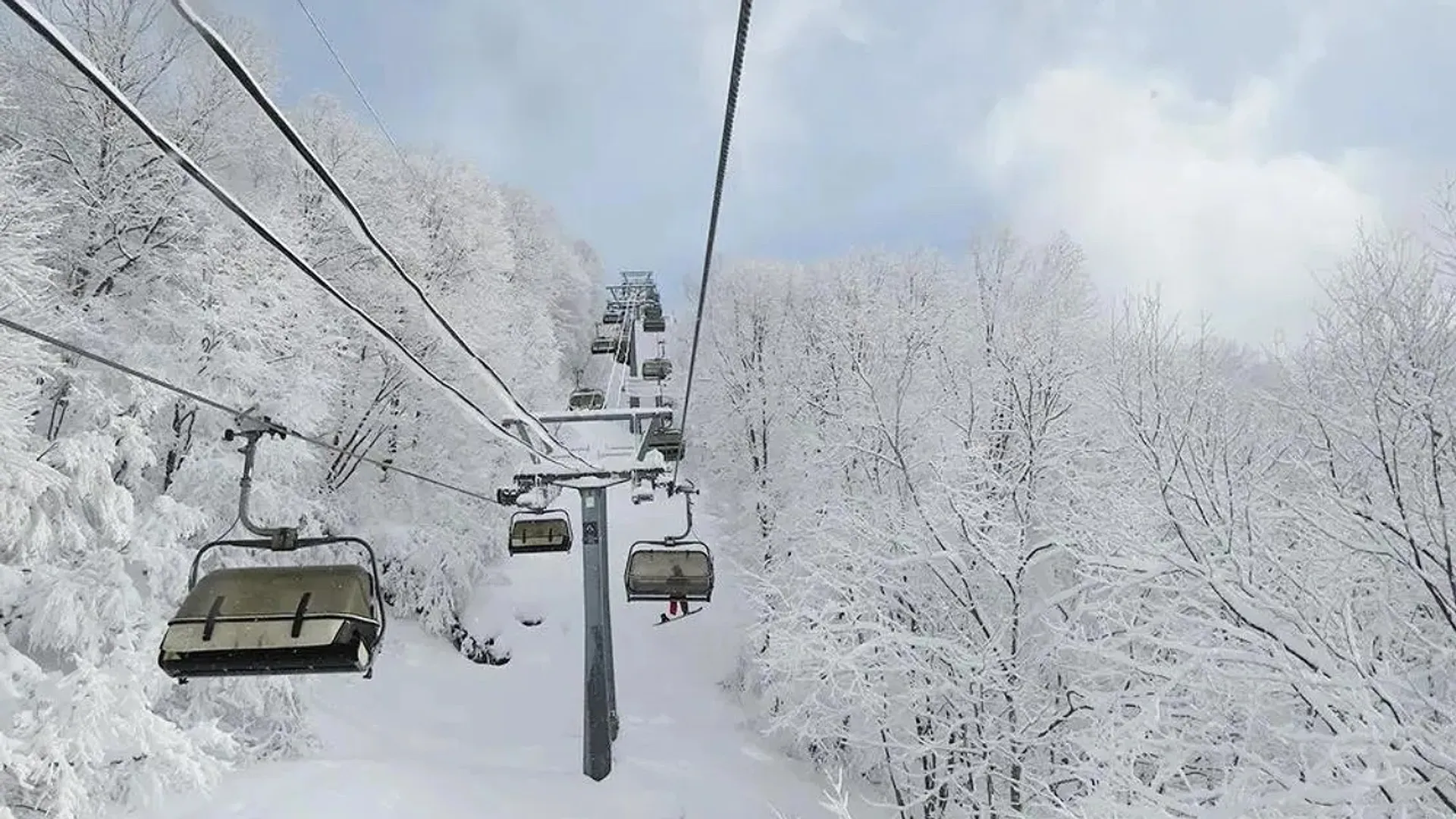
The real appeal only shows up once you understand how the mountain links together. The main face breaks into knuckles that conceal small bowls and tree alleys, so untouched snow survives well past the point you'd expect on a storm day. Locals nicknamed the single chair here the pizza-box, and it tops out beside a backcountry gate: geared up, a short hike from there opens genuinely longer, wilder terrain. Ride to the opposite end of the resort and a summit link drops you into Tangram, a smaller neighbouring area that broadens the whole picture for groups with mixed abilities.
Word has clearly gotten out, this used to be a proper hidden gem and now isn't quite as hidden. Even so, midweek here still feels like a locals' operation, and while busier weekends strain the older lift fleet, the sheer amount of tree terrain absorbs crowds faster than most resorts manage. Anyone building a trip around powder and trees rather than polish should have this one on the shortlist.
Resort Stats
Estimated cumulative fresh snowfall at major on-mountain ski areas; actual totals vary substantially by resort, elevation, measurement location, and season.
- Vertical440m (1350m → 908m)
- Snowfall~13m
- Terrain 30% 35% 35%
- Tree Riding
- Lift Pass¥9,000
- Lifts2 quads, triples/doubles, 1 single
- Crowds
- Out of BoundsDesignated tree zones
- Night Skiing
- Family Friendly
- Trails30
- Skiable Area~125ha
- VibeLaid-back, tree-pow, rider-run
Trail Map
Accommodation
View MapOur Madarao + Tangram accommodation guide goes deeper on where to stay than we've got room for here.
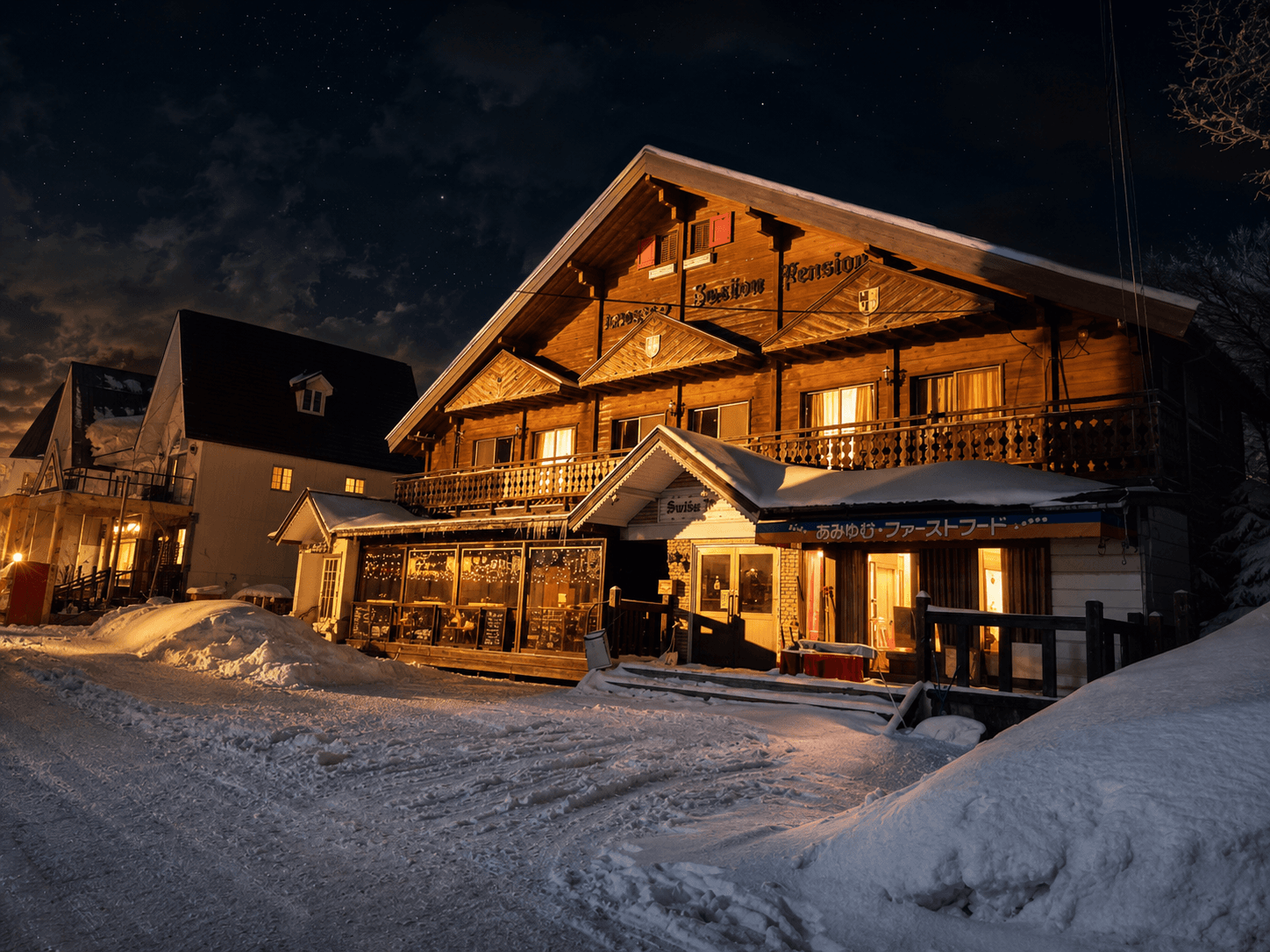
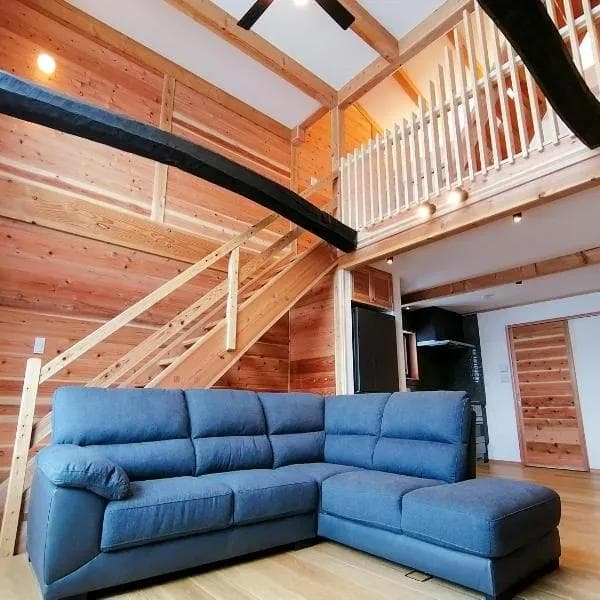
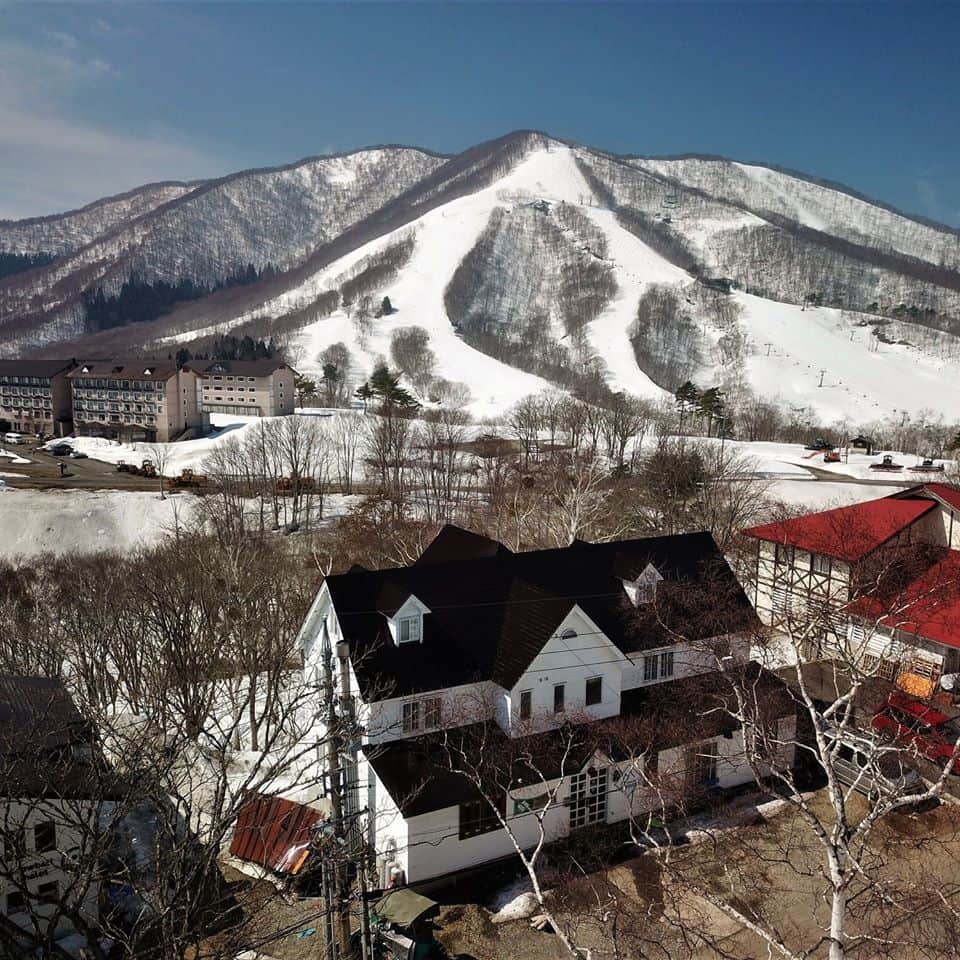
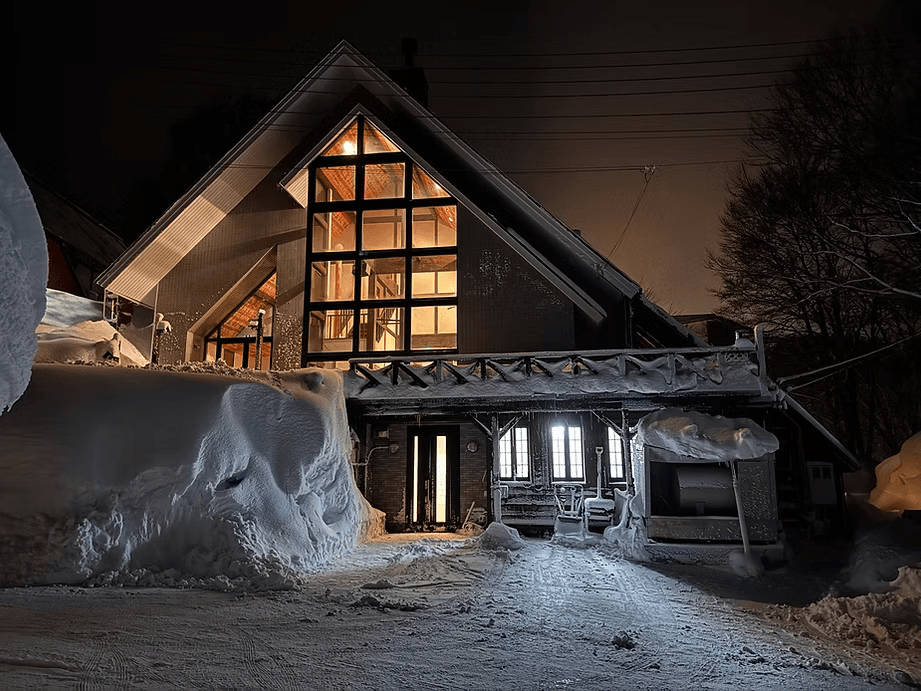
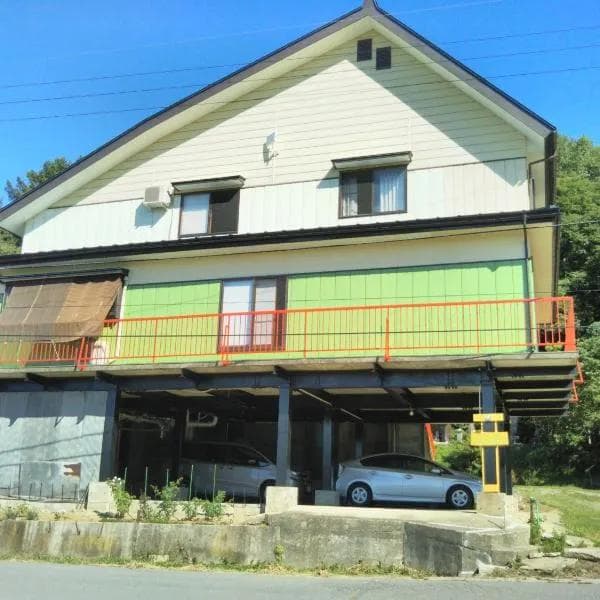
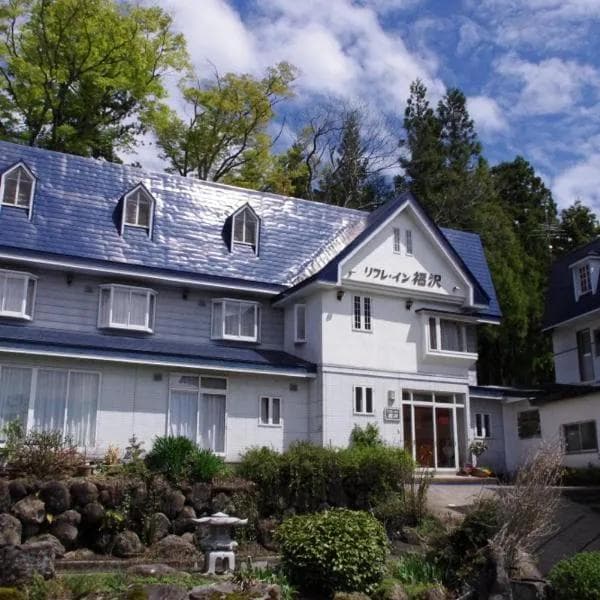
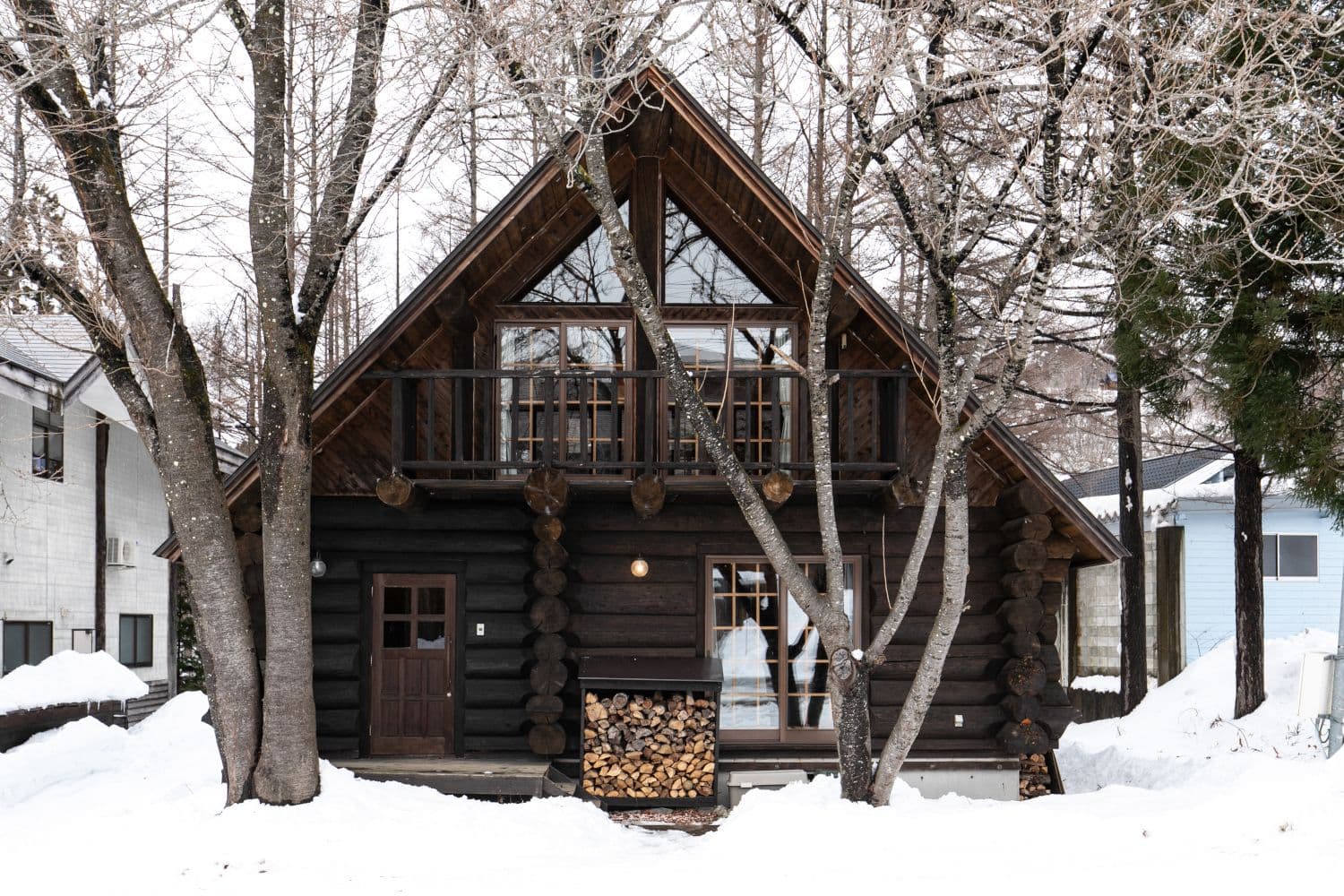
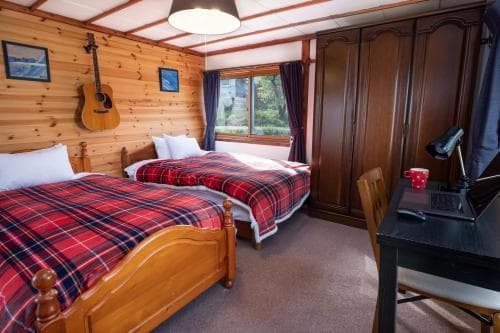
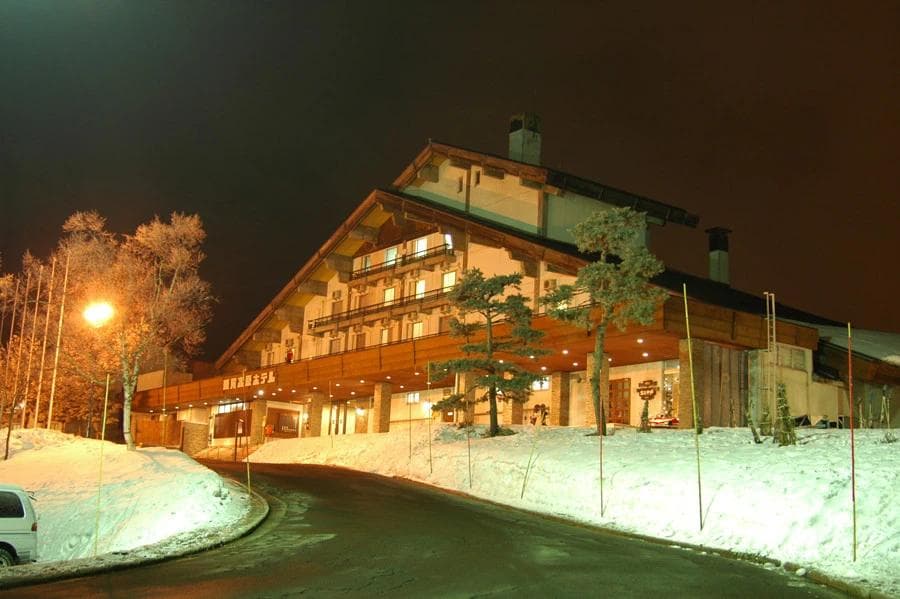
Options range across classic pensions, slope-side hotels and rider-owned lodges. Madarao Kogen Hotel sits right at the base with real ski-in/out access, onsen baths and buffet dining, a low-friction pick for families or any mixed group. Don't expect flash. The rooms are comfortable rather than luxurious, and the actual luxury is the location plus a hot soak once the legs are done.
At the cosier end, Raicho Lodge pairs modern Japanese design with proper lodge-bar energy, the kind of spot where strangers trading storm stories turn into friends by the second night. Smaller pensions line the access roads too, most bundling breakfast with an optional dinner and a shuttle for anyone whose legs give up on the morning walk. Over toward Tangram, Tokyu Resort Hotel Tangram brings the full big-hotel package, pool included, with genuine ski-to-door convenience.
Pricing overall runs friendlier than Japan's headline names. Peak weeks fill fast, so book ahead if those dates matter, but there's still room to build a trip that doesn't blow the budget. Flexible travellers should eye shoulder weeks in January and early February, when snow tends to be excellent and rates noticeably kinder.






This page contains affiliate links, if you book through them, we may earn a small commission at no extra cost to you.
Powder & Terrain
Storms roll in off the Sea of Japan on a northwest airflow, and the shape of the Madarao bowl catches and holds onto whatever they drop. That produces two distinct textures: dense, surfable powder mid-storm, then a drier, squeakier version once the cold snap that follows sets in. Top station sits close to 1,350 m against a base near 910 m, so nobody comes chasing huge alpine vertical here, the appeal is pitch-perfect glades and sheltered aspects that hold their softness long after the storm passes. Even a warm spell doesn't ruin the day thanks to generally friendly, low-angle coverage across most of the mountain.
Lift infrastructure stays uncomplicated. A pair of detachable quads handle the main groomer network, older double and triple chairs pick up the shuttling, and a single, quirky chair reaches terrain sitting higher up. Watch the patrol boards, because an open backcountry gate turns a short push into genuinely longer gullies and old-growth glades that ski like proper sidecountry. Inside the ropes, the tree runs locals call the Powder courses are gladed with real intent, wide enough for strong intermediates to build confidence and generous enough for advanced riders to fully open things up. Tree skiing the whole point of your trip? Our list of Japan's best accessible tree skiing and sidecountry has other spots worth folding into the itinerary.
Reading the clock matters more than reading the snow report once you're here. Start on the main quad for a quick groomer check, then duck into the tree courses while they're still untouched. By late morning the obvious lines have bumped out, so hunt steeper rollovers instead, or slide skier's right into quieter bowl pockets everyone else skips while stuck in the quad line. When the link to Tangram's summit is running, an all-mountain pass buys both slackcountry-feeling trees and calmer terrain for anyone chasing a mellower day.
Short tours through the backcountry gate near the single chair lead into low-avalanche but genuinely intricate ground, gullies, creek slots and rollovers that demand real judgement rather than blind track-following. Bring a local guide if the terrain is unfamiliar, and never skip beacon, shovel and probe. Our backcountry and sidecountry guide is worth reading before you commit. When conditions turn wild and the ridgelines get scoured by wind, retreat into the trees, they stay sheltered and keep offering fresh snow all day.
Crowd control here is almost effortless once you know the pattern. International visitor numbers have climbed lately, yet midweek remains genuinely calm. Weekends and holidays pressure base-area lift lines, but step into the trees and that pressure evaporates. Front-load the main face early, switch to shadier aspects by mid-morning, and keep rotating tree pods, that rhythm alone banks fresh tracks into the afternoon.
Getting There
The Hokuriku Shinkansen out of Tokyo gets you to Iiyama Station in around 1.5 to 2 hours, and from there a 20 minute bus or taxi finishes the job. Winter also brings dedicated shuttles direct from Haneda and Narita, a solid option for anyone landing late who'd rather wake up already on the mountain than juggle same-day connections. Clear-day driving is easy enough, though winter tires and chains belong in the car regardless, since the access roads ice over fast the moment a system moves through. As a bonus, Madarao sits close enough to both Nozawa Onsen and Myoko Kogen, roughly 30 to 45 minutes by car, to make either an easy add-on day.
Who's it for?
- First-timersGood
- Powder huntersExcellent
- Non-skiersOkay
- BudgetLimited
- Après / nightlifeOkay
- LogisticsGood
Intermediates curious about powder and advanced riders who live for trees get the most mileage out of this mountain. Building confidence off-piste? The sanctioned glades here, paired with honest, forgiving pitches, turn tentative riders into committed ones fast. Families do well too, with progression running smoothly from wide beginner flats up through gentle blues, and select evenings adding night skiing for anyone with legs left after dark. Skip this one if a thousand vertical metres and a glass-walled gondola are non-negotiable. Park features stay minimal, natural hits rather than a built-out park, because trees and powder are clearly the whole point of this mountain.
Food & Après
The après scene leans toward good vibes and full bellies rather than anything resembling a neon mega-bar. Mister Daruma has long been the reliable pick for set-menu feasts, Unjaune turns out cult-favourite burgers for anyone needing a calorie top-up, Chill does relaxed share plates with a loungey soundtrack, and Drop-Off Bar keeps the post-ride drinks simple and central within the restaurant strip. For genuine character, duck into Jazzy, a tiny vinyl-packed bar where "just one drink" reliably turns into closing the place down. Book ahead during peak weeks, since seating everywhere here is limited. For more variety altogether, a short shuttle ride into Iiyama town opens up soba houses and a proper stretch of izakaya to explore.
Japow Travel Tips
- Operating hours: Day tickets cover 08:30 through 16:30, with night skiing on select evenings from roughly 16:30 to 21:00.
- How tickets work: Alongside the standard day pass, hour-block tickets are increasingly common here, worth checking before you buy if half a day is all you need.
- Where trees are legal: Marked tree zones count as fully in-bounds. Wander outside those or into closed terrain and patrol will notice, so play by the signage.
- The backcountry gate isn't a formality: pack beacon, shovel and probe every time, watch for gullies and creek features, and bring a local guide if the terrain is new to you.
- Reading the snow calendar: Northwest airflow keeps refreshes coming, and trees protect quality well, though warm spells do happen. Mid-January through mid-February is the safest bet for consistency.
- On language: Lessons, rentals and most lodges handle English fine. Step outside those and it's thoroughly Japanese.
- Worth pairing with: Nozawa Onsen, Myoko Kogen (Akakura Kanko, Suginohara, Seki Onsen) and Lotte Arai all sit within easy day-trip range.
Verdict: Trees, Please
Few mountains manage to reward the powder-obsessed and the easygoing rider in the same afternoon, and Madarao pulls it off without much apparent effort. It stays approachable, genuinely kind on the wallet, and properly fun the moment it starts snowing, with tree lines serious enough to keep advanced riders fully engaged and a layout gentle enough to walk intermediates confidently into the good stuff. Anyone ranking deep snow, glades and an unpretentious scene above glossy infrastructure should put this near the top of the list. Pack fat boards, keep the itinerary loose, and save some patience for the pizza-box chair.