
 八方尾根
八方尾根Hakuba’s steep-and-proud showpiece
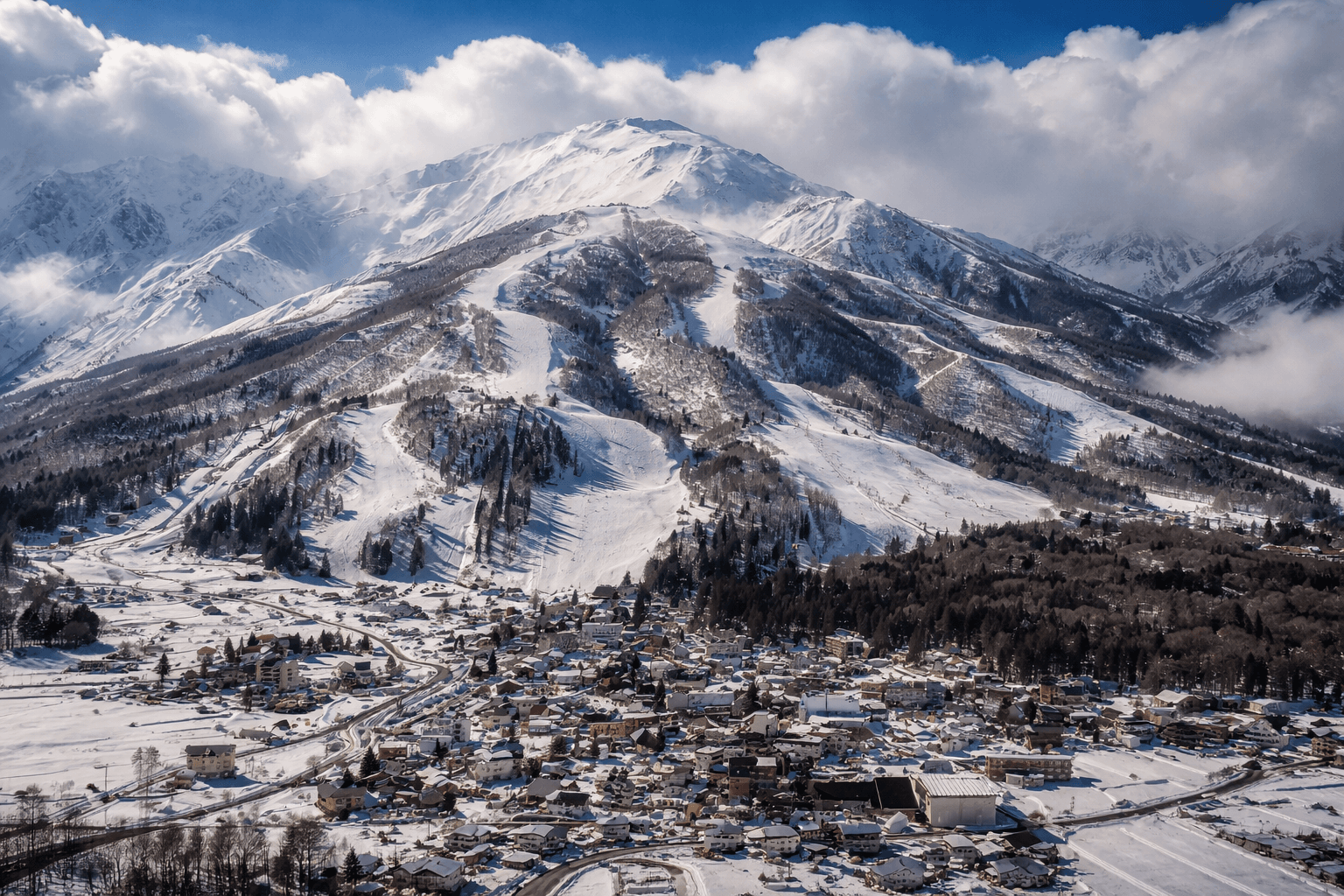
Happo One is where Hakuba turns the volume up. It’s the resort that feels like a proper mountain rather than a cute ski hill: long fall-line groomers, steep pitches that make your thighs file a complaint, and a big alpine upper mountain that can go full winter-mode in a hurry. It’s also got history baked in, including Olympic pedigree, so the place has that “this is a real ski mountain” vibe from the base.
The riding is a mix of wide-open pistes and natural terrain that gets rowdier as you climb. The lower mountain has mellow-ish access points and learner-friendly corners, but the main draw is the steeper mid to upper mountain, especially when visibility is good and the upper lifts are spinning. On storm days the mountain can be moody up top, and you’ll end up hunting trees and sheltered lines instead of charging the ridgeline.
Who is it for? Upper intermediates to advanced riders who want a resort that can dish out a full day’s worth of variety without feeling like you’re looping the same two runs. Strong skiers and snowboarders who like steeps, speed, and big-mountain scenery will feel right at home. Beginners can absolutely learn here, but they’ll be best sticking to the dedicated lower areas and taking it slow because Happo One’s “easy” routes can still feel a bit serious when it’s firm.
Affordability and convenience are the trade-off. Hakuba is not a bargain base anymore, and Happo One sits right in the thick of the action, which is partly why it’s become popular in recent years: yes, thanks to a big surge in international visitors and the resort’s reputation as Hakuba’s headline act. English is widely spoken around Happo One Village and Echoland, you’ll hear it in lift lines, cafés, rental shops, and bars. Weekdays can be smooth and fast, while weekends and holidays bring longer queues and quicker tracked snow unless you’re on first chair and making smart choices.
Resort Stats
Estimated cumulative fresh snowfall at major on-mountain ski areas; actual totals vary substantially by resort, elevation, measurement location, and season.
- Vertical1071m (1831m → 760m)
- Snowfall~11m
- Terrain 30% 50% 20%
- Tree Riding
- Lift Pass¥8,700
- Lifts1 gondola, 5 quad, 3 triple, 12 pair
- Crowds
- Out of Boundspatrol may take pass
- Night Skiing
- Family Friendly
- Trails16
- Skiable Area~220ha
- Vibebig-mountain, lively village base
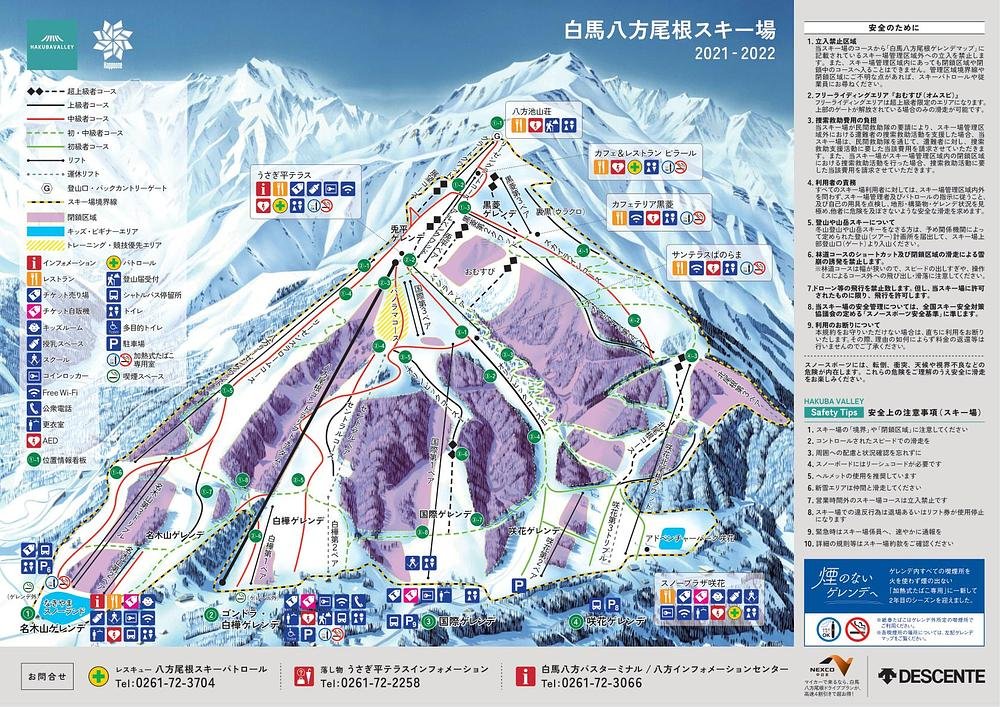
Trail Map
Accommodation
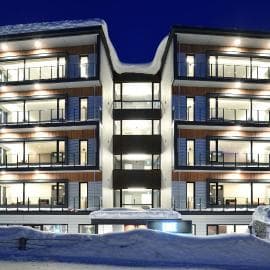
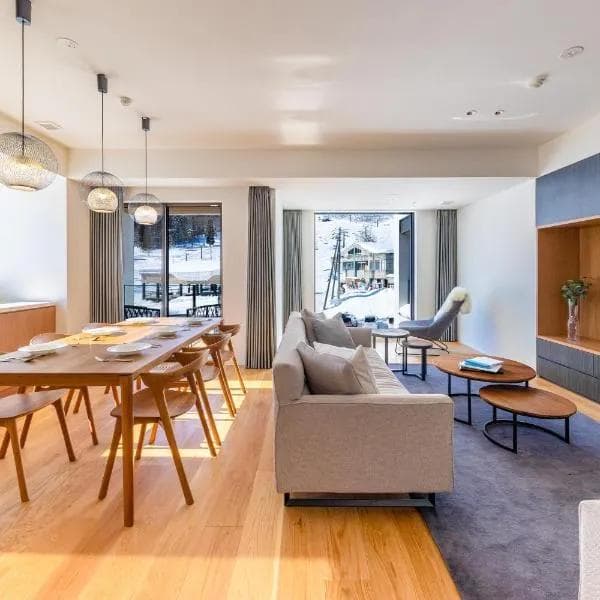
View MapIf you want maximum convenience, base yourself in Happo One Village or Wadano so you can wake up, grab a quick breakfast, and be on the mountain without a logistics mission. Hotel Abest Happo One Aldea is a solid pick near the Sakka side for easy access and that ski-trip practicality. Wadano Forest Hotel is another easygoing option in Wadano with a comfortable lodge feel and a location that suits early starts.
For a more polished stay with a proper onsen reset, Hakuba Tokyu Hotel brings that classic resort-hotel comfort and service. Hakuba Mominoki Hotel is another favorite for a cozy, forested setting and a post-ski soak that hits the spot when your legs are cooked. These are the places you book when you want the mountain holiday vibe, not just a bed.
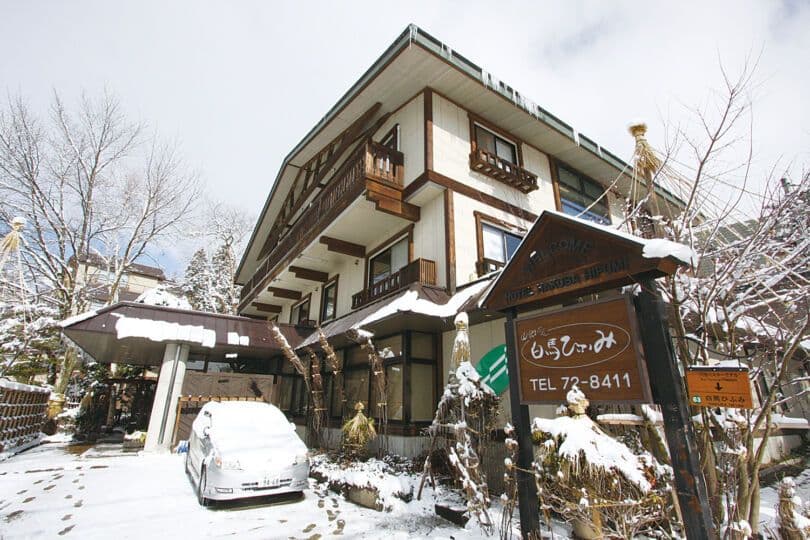
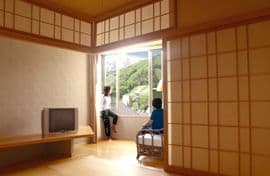
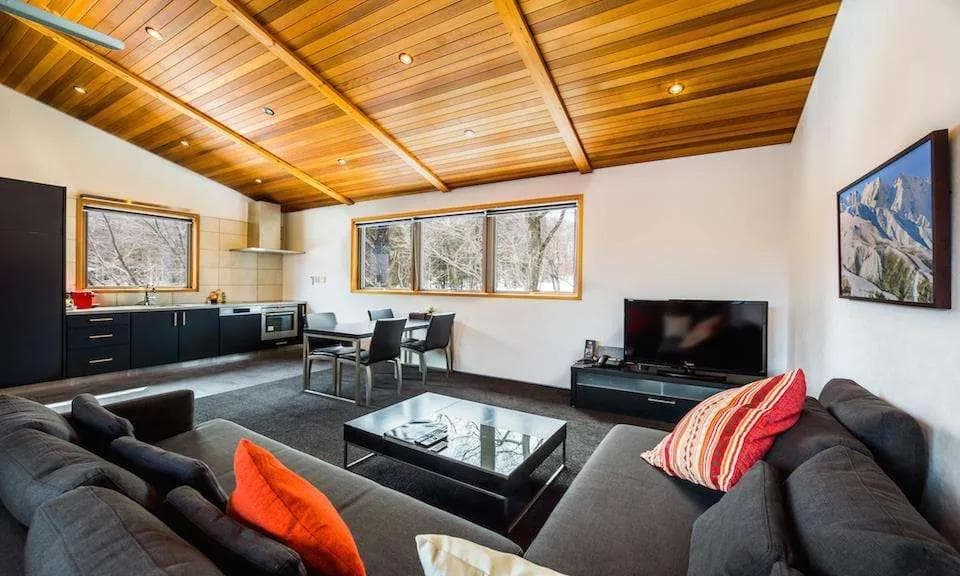
If you want more of a Japanese-style stay, Hakuba Hifumi Hotel and Hakuba Onsen Ryokan Shirouma-so lean into ryokan hospitality, with a calmer, more traditional feel and a strong onsen angle. For value-focused travelers, there are plenty of pensions, apartments, and smaller lodges scattered through Happo One, Wadano, and Echoland. Nightlife is there if you want it, but it’s not a city scene. Think bars, izakaya nights, and a few late options, then back to your room because tomorrow is another snow day.






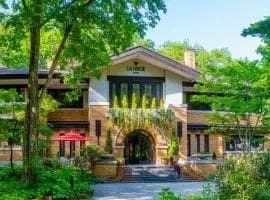
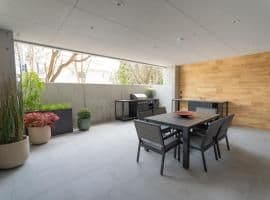
This page contains affiliate links, if you book through them, we may earn a small commission at no extra cost to you.
Powder & Terrain
Happo One’s snow story is very “Hakuba”: when it’s on, it’s properly good, and when it’s not, the mountain doesn’t hide it. The upper mountain sits high enough that cold storms can stack up dry snow, and you’ll often find chalky, grippy winter snow even when lower elevations feel heavier. That said, Hakuba is a coastal, maritime setup, so you can also get denser storm snow, wind effect up high, and occasional warm pulses that turn some aspects into a mixed bag. The trick is riding what the mountain gives you that day instead of forcing a plan.
The lift layout makes the day feel strategic in a good way. The Gondola Adam gets you into the heart of the mountain quickly, and from there you can branch out to the key chairs depending on conditions. On a clear day with stable weather, the upper lifts toward Kurobishi and Skyline terrain are the ticket for steeper pitches and that “proper alpine resort” feeling. When it’s storming or visibility is flat, you’ll spend more time lapping the mid-mountain zones and dipping into the trees where definition and shelter save the day.
Fresh snow doesn’t last long on obvious lines, especially on weekends. The first couple of hours can be all-time if you’re early and decisive, but by late morning you’ll feel the resort’s popularity. This is where Happo One rewards local knowledge: stick to lines that don’t funnel straight back to the most convenient lift queue, and look for terrain that’s a little inconvenient to reach. The mountain has plenty of sneaky pockets that hold soft snow longer, especially in treed zones and less direct fall-line routes that most visitors skip.
For riders chasing in-bounds off-piste feel, Happo One’s Omusubi freeride area is worth knowing. It’s a controlled, lift-accessible zone where conditions and openings can vary based on patrol assessment. When it’s open, it gives you that more natural, un-groomed rhythm without committing to full backcountry. It’s also a good reality check: if the freeride area is closed, it’s often telling you something about the hazard or conditions that day.
Backcountry access exists, but it’s not a casual “duck a rope and hope for the best” situation. There’s a designated gate at the top area, and anything beyond is real backcountry with all the consequences that come with Hakuba’s terrain and weather. If you’re not equipped and experienced, keep it in-bounds, enjoy the resort’s steeper pistes, and treat the side access as something to do with the right crew, the right gear, and a serious safety mindset. Also, patrol takes boundary rules seriously, and losing your pass is a very real outcome if you go wandering where you shouldn’t.
Getting There
Most international visitors fly into Tokyo (Haneda or Narita) and travel to Hakuba by train and bus, or by direct highway bus. The common public transport move is Shinkansen to Nagano, then a bus into Hakuba, landing you close to Happo One’s transport hub. Once you’re in Hakuba, getting around is straightforward with local buses and resort shuttles, but staying close to Happo One Village makes life easier, especially during storms.
Driving is a strong option if you want flexibility across Hakuba Valley resorts, early starts, and the freedom to chase conditions. Winter roads here are the real deal: proper snow tires are a must, and carrying chains is smart even if you’re confident. Storm cycles can dump hard overnight, and parking areas can get snowy and tight, so build in a little buffer time in the morning and don’t be that person trying to scrape ice off a rental car five minutes before lifts open.
The gotchas are mostly weather-related. The upper mountain can be affected by wind and visibility, and that can change your plan fast. If the alpine lifts aren’t cooperating, pivot to sheltered terrain, enjoy the mid-mountain day, and save the ridge missions for the next clear window.
Who's it for?
- First-timersGood
- Powder huntersGood
- Non-skiersExcellent
- Après / nightlifeGood
- LogisticsExcellent
Happo One is for riders who want a mountain that feels like it means business. Strong intermediates who are comfortable linking turns on steeper reds and blacks will have a blast, especially if they like long groomers with real vertical. Advanced skiers and snowboarders who hunt steeps, natural features, and variable snow will get that “real mountain day” satisfaction here.
If you’re a brand-new beginner, Happo One can feel intimidating fast. There are beginner zones, but the resort’s main personality is bigger, steeper, and busier than a gentle learning hill. If you’re an advanced tree specialist, you’ll still find plenty to enjoy, but Happo One is more about alpine scale and steep pistes than endless sheltered tree zones like some other Japanese resorts.
If you hate crowds, plan carefully. Midweek mornings are your friend. Weekends can still be fun, but you’ll need a good attitude and a smart plan to avoid spending half your day staring at the back of someone’s helmet in a lift line.
Food & Après
On-mountain, Happo One does the classics well: quick, filling cafeteria-style meals, curry rice, noodles, and the kind of comfort food that tastes better when it’s cold outside. Usagidaira Terrace is the obvious mid-mountain stop for a refuel, and the Sun Terrace spots higher up are handy when you want food without giving up too much ski time.
Down in the village, the food scene is one of Hakuba’s strengths. If you want a proper Japanese night, Izakaya Hie is a go-to for good vibes and the kind of menu that makes you order “one more dish” three times. Echoland and Happo One Village are packed with options across ramen, yakitori, sushi, and plenty of western-friendly comfort food for when you’re craving burgers or a solid breakfast.
For après, it’s casual and fun rather than fancy. The Rabbit Hole is a classic post-ski hang near the slopes when you want burgers, espresso, and an easy social vibe. Mocking Bird is the kind of place where the night can unexpectedly turn into a full send, with music and a mixed crowd of locals and internationals. If you want a quieter end to the day, grab a warm drink, book an onsen session, and let your legs recover properly.
Japow Travel Tips
- Lift hours: Most days start around morning opening and wrap mid to late afternoon. Upper lifts can open later or close earlier depending on wind and visibility, so don’t plan your whole day around one exposed chair.
- Avalanche / backcountry reality: Anything beyond the designated access gate is genuine backcountry with real hazard. Hakuba terrain is steep, the snowpack can be touchy after storms or warm-ups, and rescue is not a casual safety net. If you don’t have gear, partners, and experience, keep it inside the ropes.
- Weather & snow patterns: Happo One’s upper mountain is exposed and can get wind effect, flat light, and sudden changes. The payback is quality snow at elevation and big-mountain lines when the weather clears.
- Language/cultural quirks: Around Happo One Village and Echoland, English is common and you’ll find plenty of international-friendly services. On the mountain, signage is generally clear, but it still pays to be respectful and follow patrol instructions, especially around controlled freeride zones and boundary areas.
- Anything unique: Happo One has a proper alpine feel for Japan, and on clear days the scenery is outrageous. It also has a strong “ski town” atmosphere right at the base, which makes it easy to combine riding with good food and nightlife.
- Nearby resorts worth pairing: If you’re doing a Hakuba trip, you’ve got options. Hakuba 47 and Goryu are great for variety and a different terrain feel, Tsugaike Kogen is strong for cruisy powder days and easier navigation, and Cortina is the wildcard when it’s dumping and you want a more storm-sheltered, powder-forward day.
Verdict: Steep, iconic, and worth the effort
Happo One is one of those resorts that delivers the “I came to Japan to ski a real mountain” feeling. It’s got proper vertical, a legit alpine upper mountain, and enough terrain personality to keep strong riders stoked across a full trip. Yes, it’s busy and it can get tracked quickly, but if you show up early, ride with a plan, and adjust to the weather, Happo One rewards you with the kind of days you’ll talk about all season.