

Best Ski Resorts in Japan for Real Vertical and Long Runs
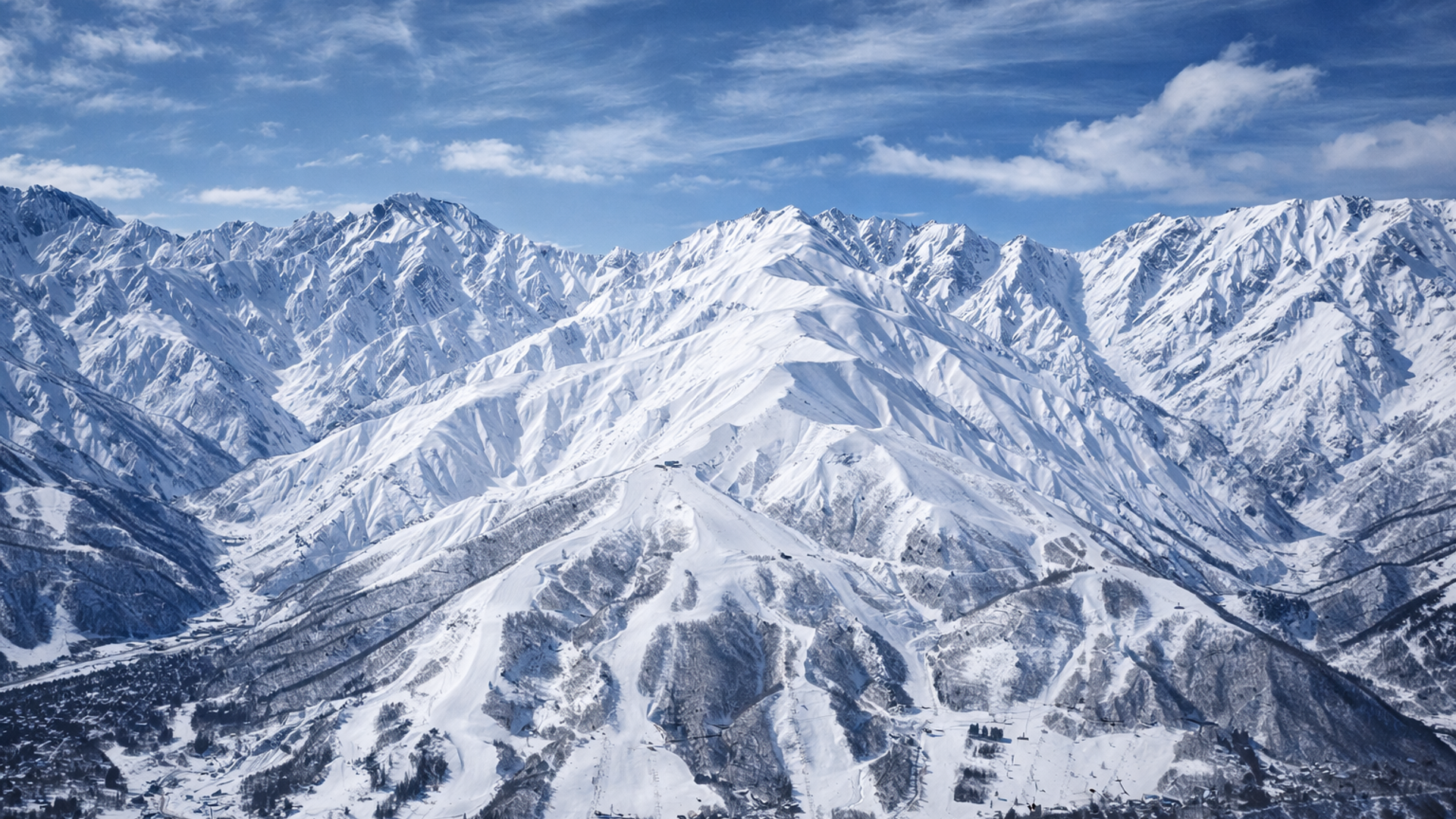
If you’re coming to Japan from the USA, Canada or Europe, “vertical” can be the one thing that surprises you. Japan does deep snow absurdly well, but plenty of resorts are built more like playful powder playgrounds than long, leg-burning mega descents.
The good news is Japan absolutely has resorts with proper top-to-bottom runs and sustained fall-line skiing. You just need to know where to look, because the biggest vertical is not always the loudest resort on Instagram.
This list is for people who want that “one lift, long drop” feeling. Think longer runs, meaningful elevation change, and resorts where you can rack up metres without feeling like you are doing a million short pitches.
Japow
8.3
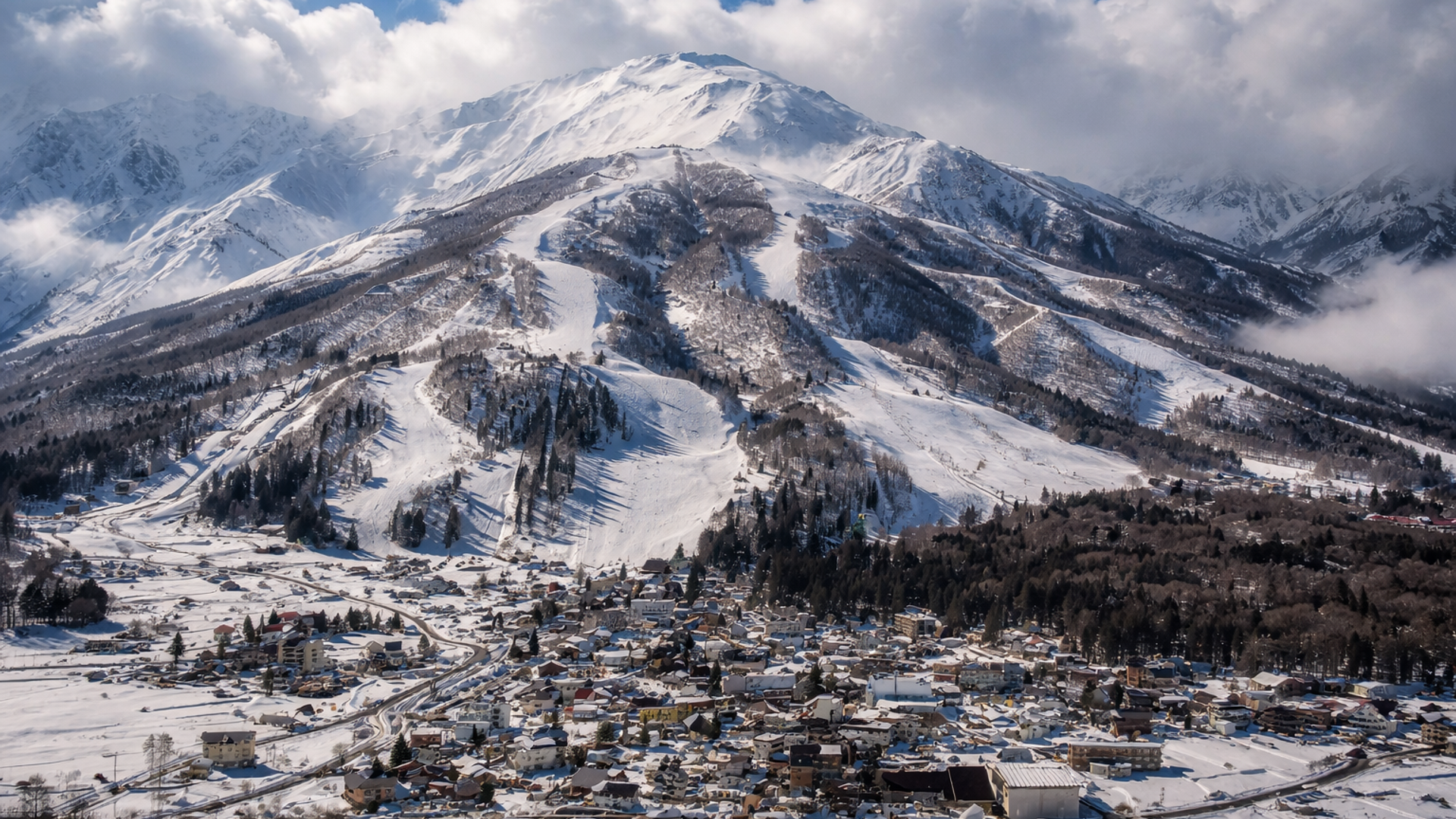
ScoreOnsenFreeride / Trees (guided)Village hang-outsStorm MagnetIf you want Japan’s closest thing to a big-mountain, long-run day that feels familiar to North Americans and Europeans, Happo-one is a strong starting point. The mountain has genuine top-to-bottom potential, and when conditions line up you can stitch long descents that actually feel like a “run” rather than a collection of short pitches.
What makes Happo-one special for vertical is the combination of elevation change and terrain variety. You can cruise big open faces, dip into side hits, then finish with long lower-mountain runouts that keep your legs working. It’s also one of the best places in Japan to combine “serious skiing” with a proper ski town base, which is a big part of the travel appeal.
1071mVertical drop
1831mElevation
~220haSkiable area
Japow
8.7
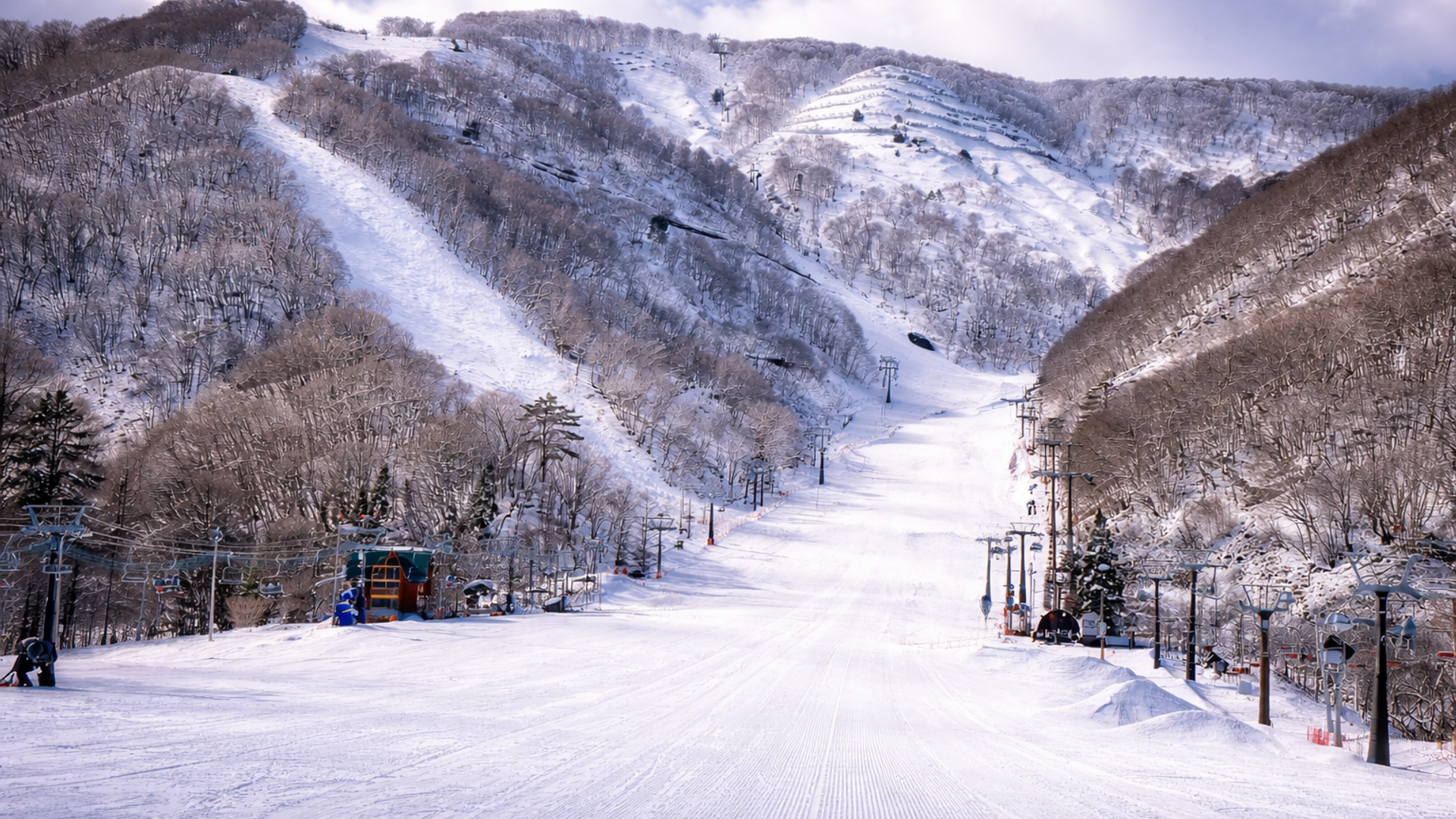
ScoreOnsenTerrain parkFreeride / Trees (guided)Village hang-outsGoryu is a vertical workhorse. It’s built for racking up metres, it skis bigger than it looks on a map, and it has a nice rhythm to the lift layout that makes repeat laps feel easy. If you are the type who likes to pick a lift line and farm it, Goryu is your friend.
The mountain also has a nice split personality. You can keep it simple and focus on long groomed runs, or you can use the same lift infrastructure to access natural snow zones when storms roll through. It’s a great “day two” resort after Happo-one when your legs are warm and you want to keep stacking vertical without overcomplicating the plan.
926mVertical drop
1676mElevation
~120haSkiable area
Japow
8.2
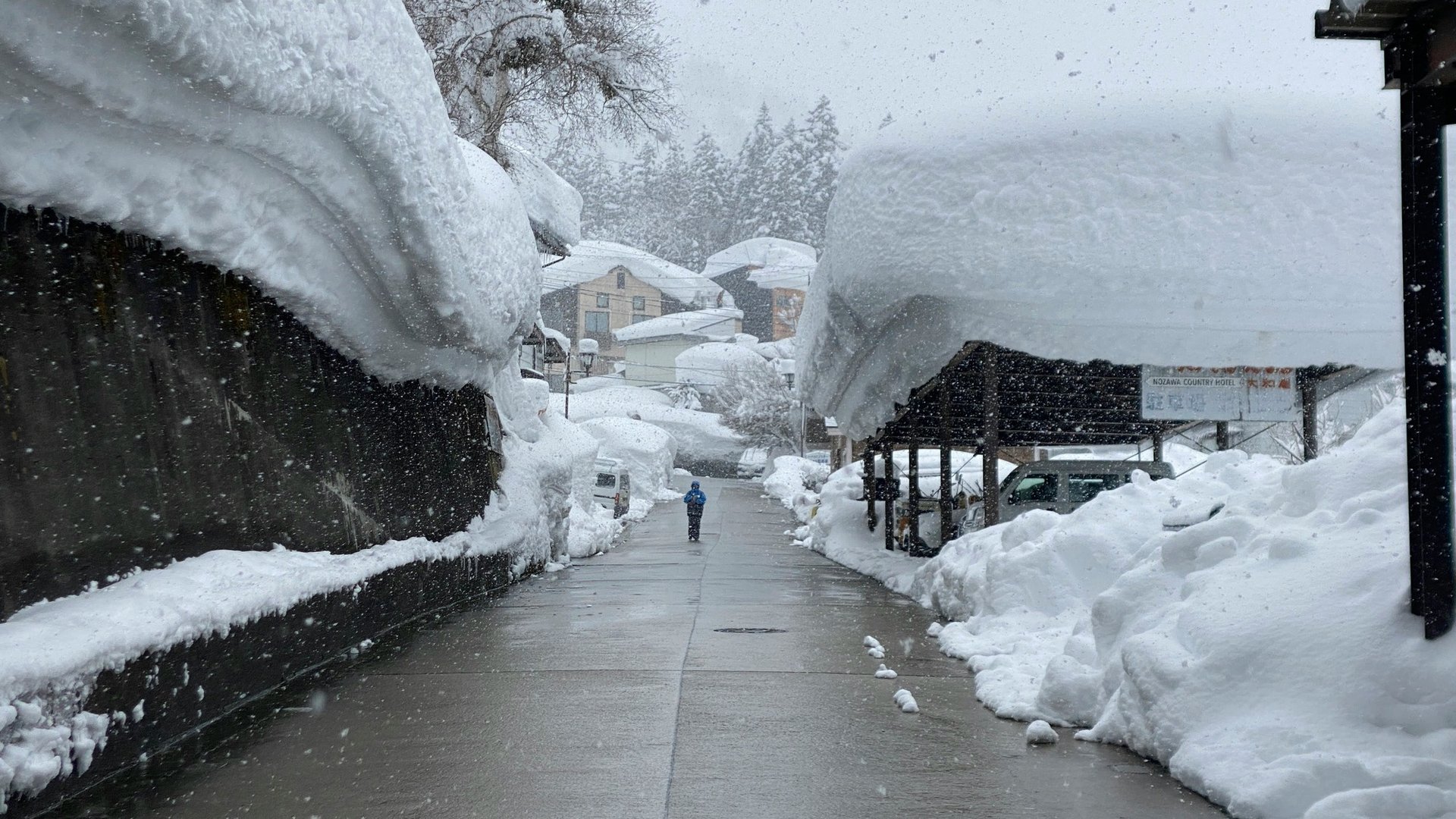
ScoreOnsenNight skiingVillage hang-outsStorm MagnetNozawa is the classic answer for “I want long runs and I want Japan to feel like Japan.” The vertical is legit, and the top-to-bottom skiing has that satisfying, continuous feel that’s easy to underestimate until you’ve done a few full drops and your quads start negotiating.
A big part of Nozawa’s appeal is how well the mountain pairs with the town. You get a proper onsen village vibe, plenty of food options, and the kind of end-of-day routine that makes long-run skiing feel earned. If you’re travelling from overseas and you want both vertical and atmosphere, Nozawa is an easy, confidence pick.
1085mVertical drop
1650mElevation
~300haSkiable area
Japow
8.6
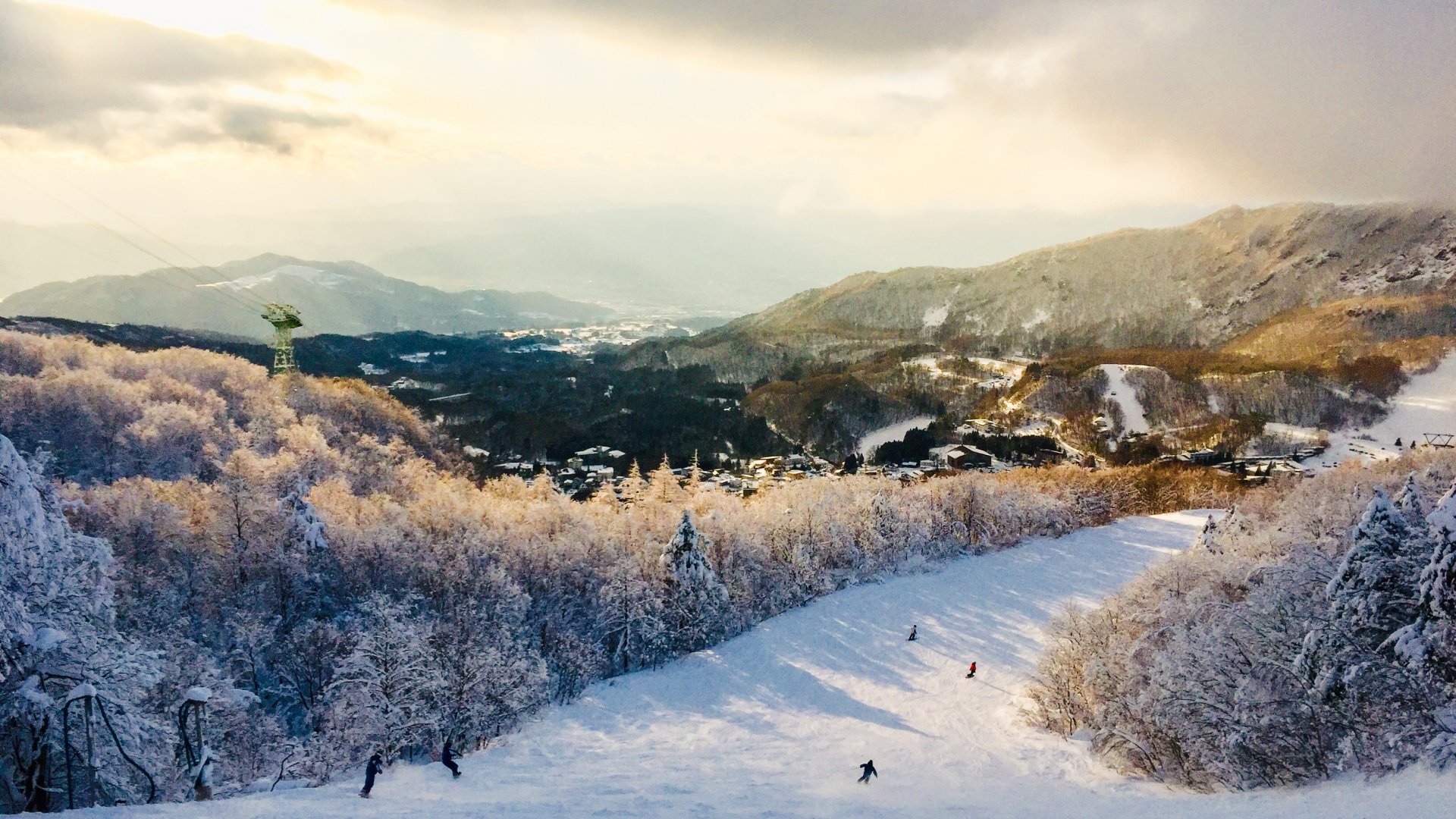
ScoreOnsenVillage hang-outsStorm MagnetRemoteShiga Kogen is different. It’s a huge linked area with a lot of terrain, and the “vertical experience” comes from building a route that drops through multiple zones rather than lapping one perfect fall-line. If you like exploring while still getting meaningful elevation change, Shiga is one of Japan’s best playgrounds.
On the right day, you can put together long descents that feel like proper touring laps, only with lifts. It’s also a great option for visitors who want consistent skiing across different aspects and elevations, especially when conditions vary. Shiga rewards a little planning, but the payoff is variety plus sustained runs that keep your legs busy.
980mVertical drop
2307mElevation
~607haSkiable area
Japow
9
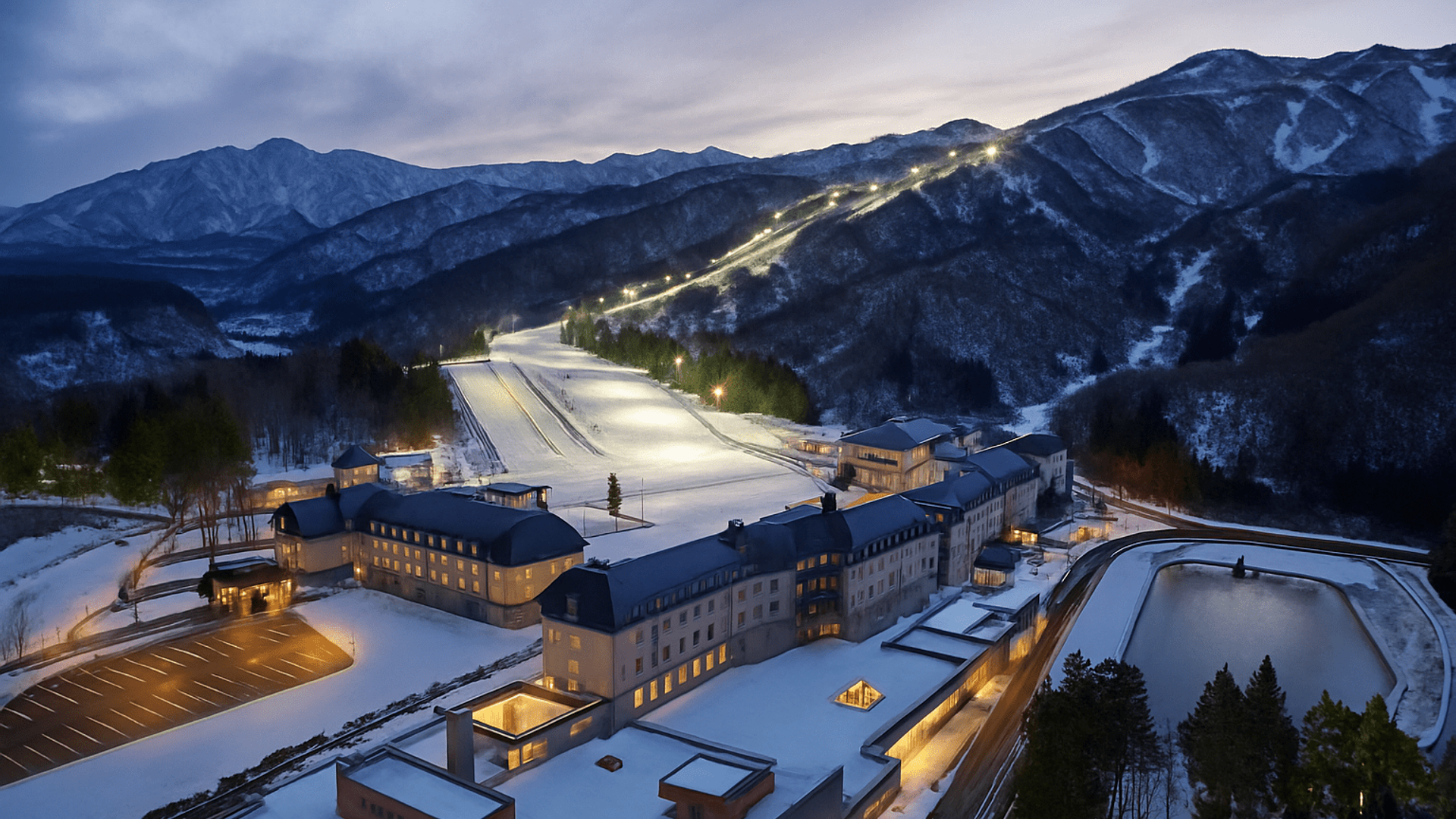
ScoreSki-in / Ski-outOnsenFreeride / Trees (guided)Storm MagnetArai is a vertical lover’s resort. It’s steep in places, it has serious top-to-bottom potential, and it tends to attract riders who want more “mountain” in their mountain day. When it’s on, Arai delivers that long, continuous drop feeling that people from the Rockies or the Alps are often chasing in Japan.
The other reason Arai belongs here is efficiency. You can keep your day simple, pick the best lift line for conditions, and stack long descents without constantly switching chairs. It’s also a strong candidate for travellers who want to combine vertical with freeride flavour, because the resort leans into that identity more than most.
951mVertical drop
1280mElevation
~212haSkiable area
Japow
8.7
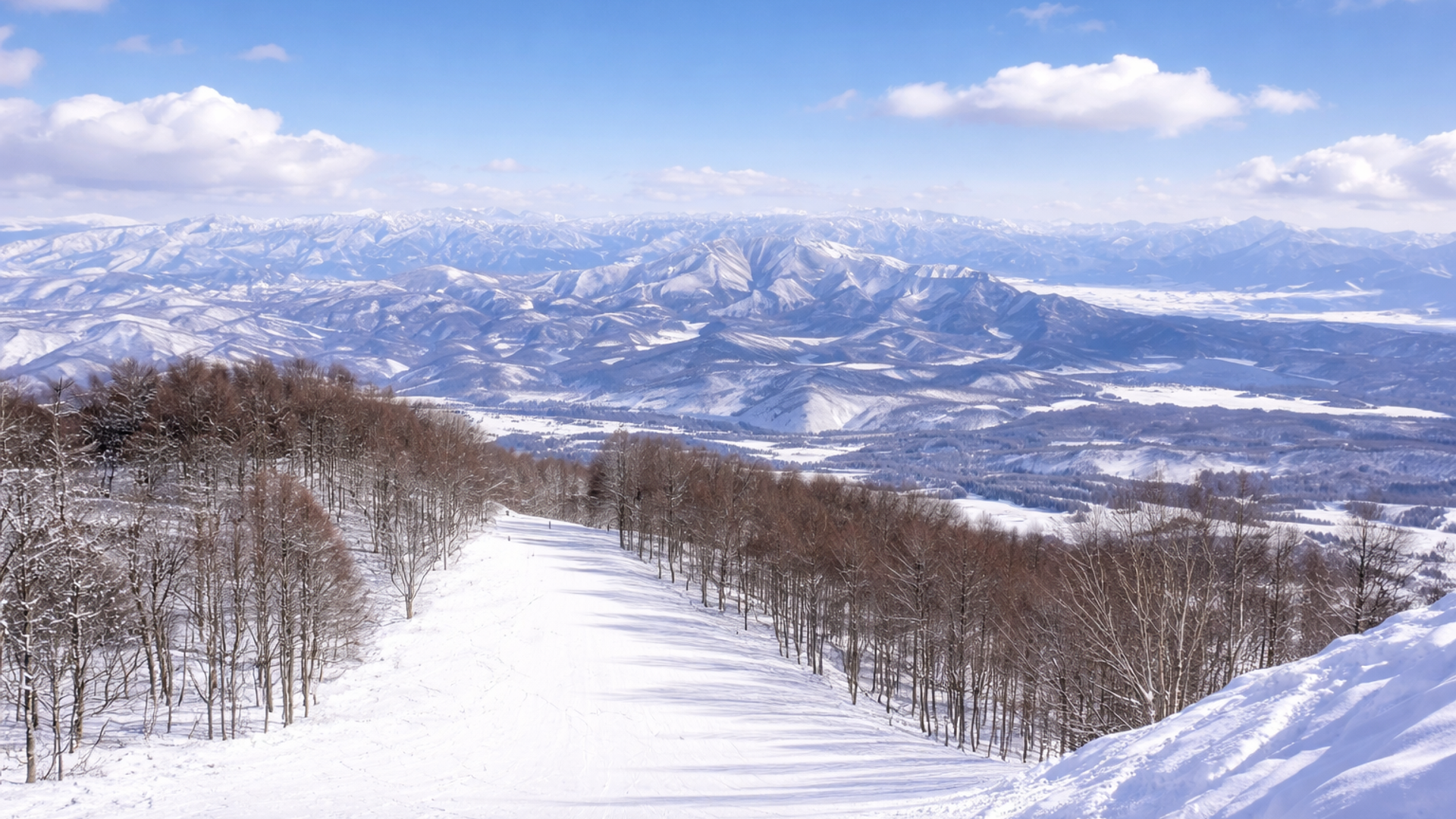
ScoreOnsenFreeride / Trees (guided)Village hang-outsStorm MagnetSuginohara is one of Japan’s most underrated “long run” resorts. The vertical feel is real, the pistes are satisfyingly long, and on a good day you can do full top-to-bottom drops that make you forget you’re in a country famous for compact ski areas.
Myoko as a region also gives you flexibility. You can base in an onsen town, chase storms, and swap resorts without changing accommodation. Suginohara is the place you go when you want the “I just want to ski long runs all day” feeling, with enough natural snow potential to keep things interesting when Japow turns up.
1124mVertical drop
1855mElevation
~90haSkiable area
Japow
8.5
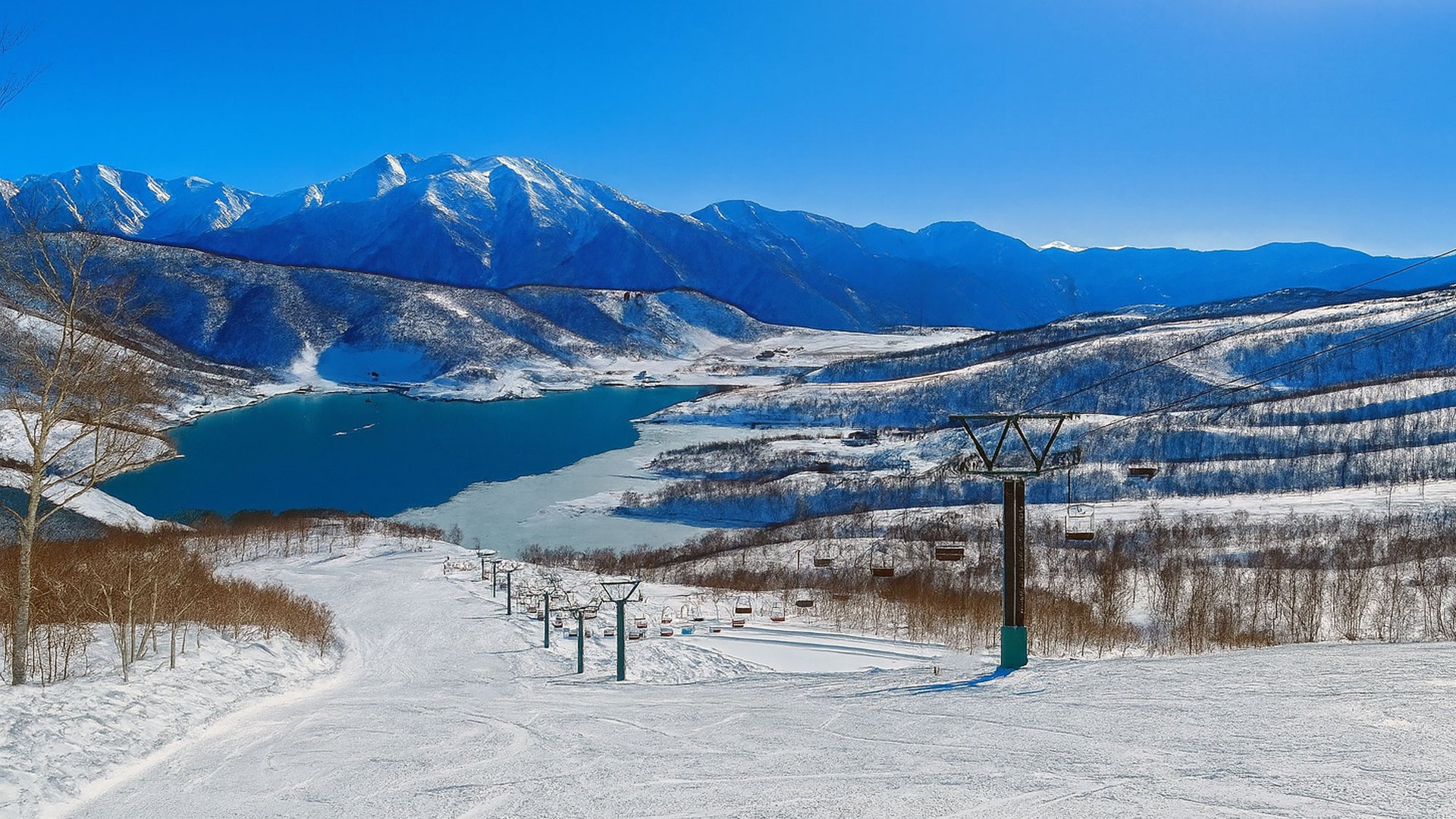
ScoreOnsenTrain-to-liftsFreeride / Trees (guided)Storm MagnetKagura is a vertical sleeper and a smart pick for people who value long runs and high elevation. It’s also one of the best options for late season skiing, which matters if your travel window sits outside peak midwinter.
The mountain has a big, open feel for Japan, and when you link the right lines it can deliver sustained descents that feel surprisingly “big.” Kagura is also a great choice if you are coming from Tokyo and want to spend more time skiing than transferring. It’s a strong move for short trips, or as part of a larger Niigata itinerary.
1225mVertical drop
1845mElevation
~170haSkiable area
Japow
7.7
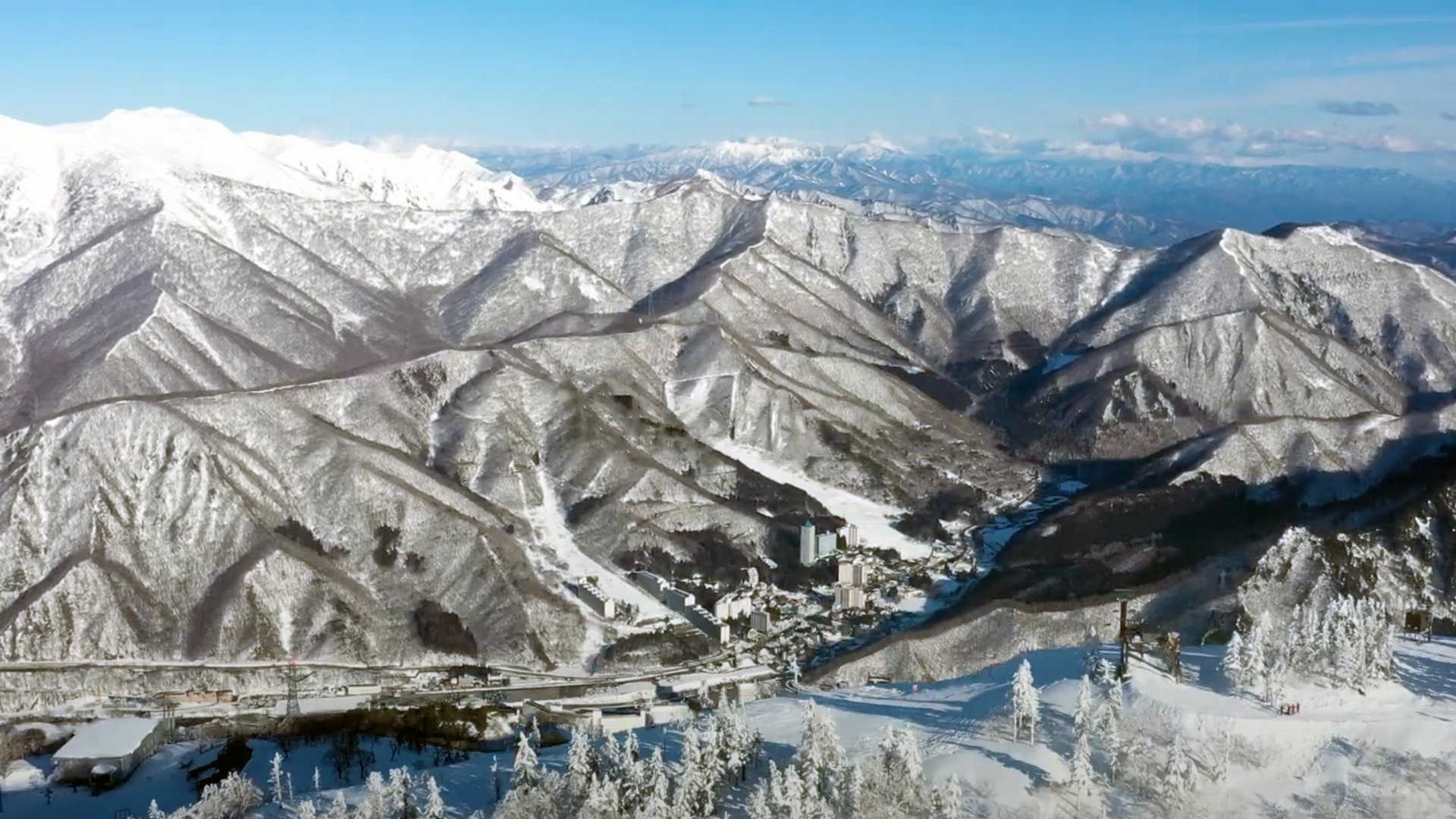
ScoreOnsenTrain-to-liftsVillage hang-outsStorm MagnetNaeba is built like a classic resort with long groomers and a mountain layout that encourages repeat laps. It’s not a secret powder cult destination, and that’s exactly why it works for vertical-focused travellers. You can get into a rhythm and stack metres without constantly hunting for the “one good zone.”
It’s also one of the more straightforward Niigata options for visitors who want a polished resort base and dependable infrastructure. If your priorities are long runs, fast lift access, and a trip that feels easy to execute from Tokyo, Naeba is worth serious consideration.
889mVertical drop
1789mElevation
~134haSkiable area
Japow
8.9
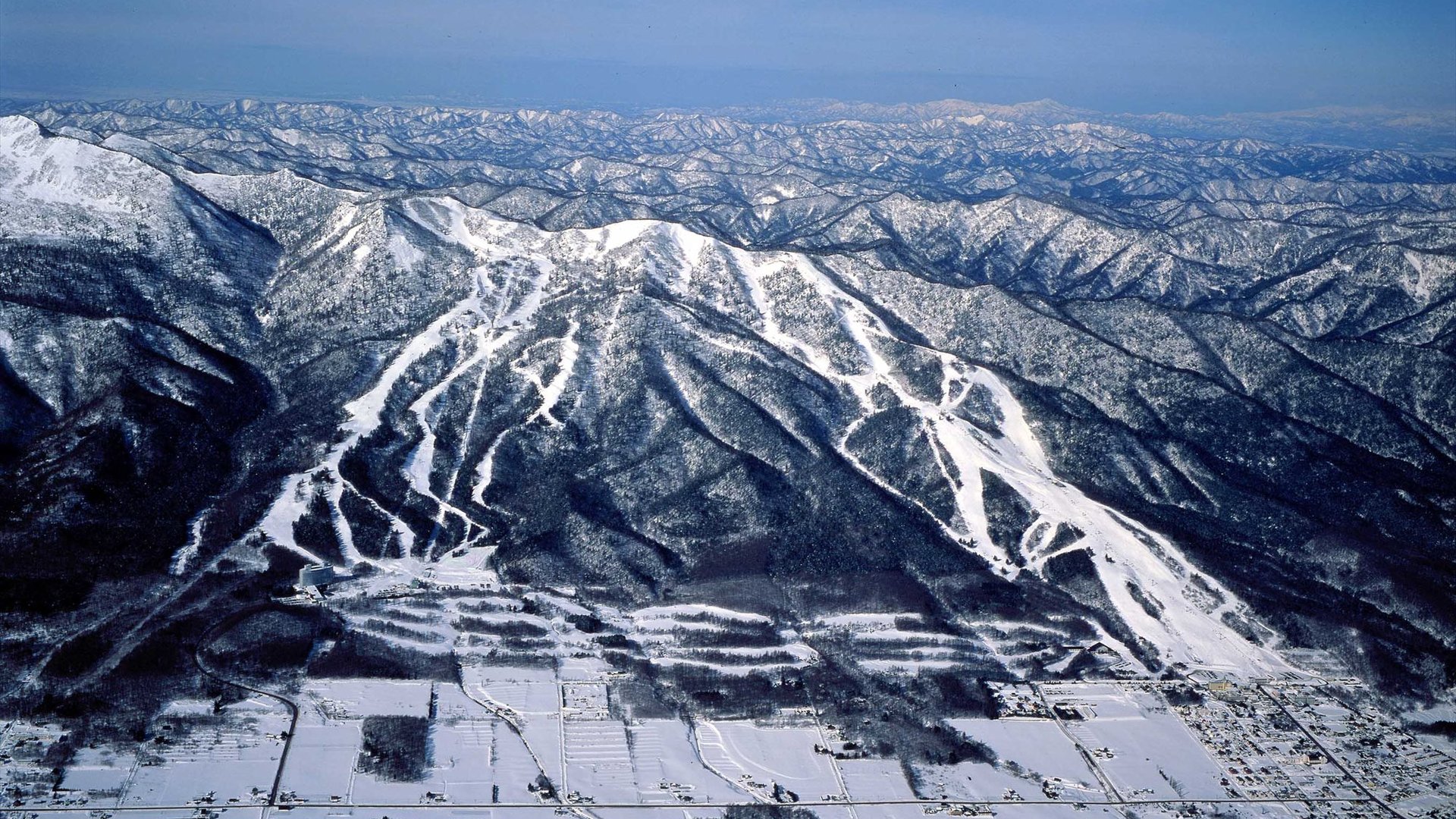
ScoreOnsenFreeride / Trees (guided)Village hang-outsStorm MagnetFurano is one of Hokkaido’s best answers to “I want powder, but I also want real vertical.” The mountain delivers long, satisfying descents, especially when you start high and take it all the way down. It has that rare Hokkaido combination of quality snow and a more sustained run length than many of the island’s smaller hills.
Furano also works brilliantly for trip planning. The town base is convenient, the vibe is friendly, and you can mix long groomer laps with tree and soft-snow hunting depending on the day. If you’re flying into Hokkaido and you want both leg burn and Japow, Furano should be high on your list.
839mVertical drop
1074mElevation
~168haSkiable area
Japow
9.1
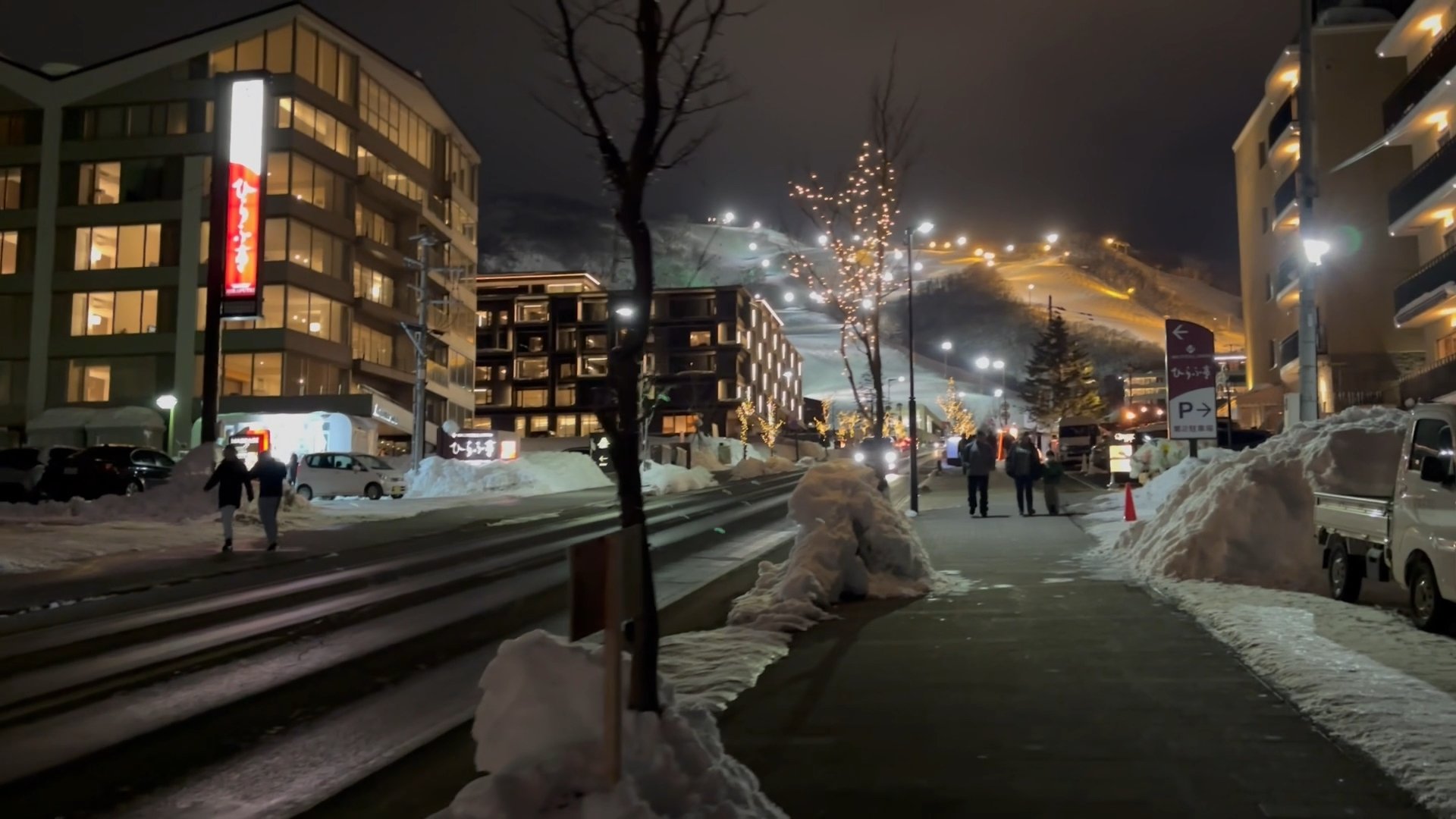
ScoreOnsenFreeride / Trees (guided)Village hang-outsBackcountry (guided)Niseko’s “vertical” reputation is complicated. The official feel of the resort is often about powder access, gates, and variety rather than huge top-to-bottom piste mileage. But if you ski it with a vertical mindset, it can absolutely deliver long runs, especially when you commit to full drops and avoid chopping your day into short sections.
The bigger reason Niseko belongs here is that it combines meaningful elevation change with terrain options. You can ski long groomer descents, then shift into trees and natural snow on the same mountain. It also has the most developed base-area ecosystem in Japan, which makes it easy for overseas visitors to build a trip around it.
940mVertical drop
1200mElevation
~887haSkiable area
 11Rusutsu
Japow
9
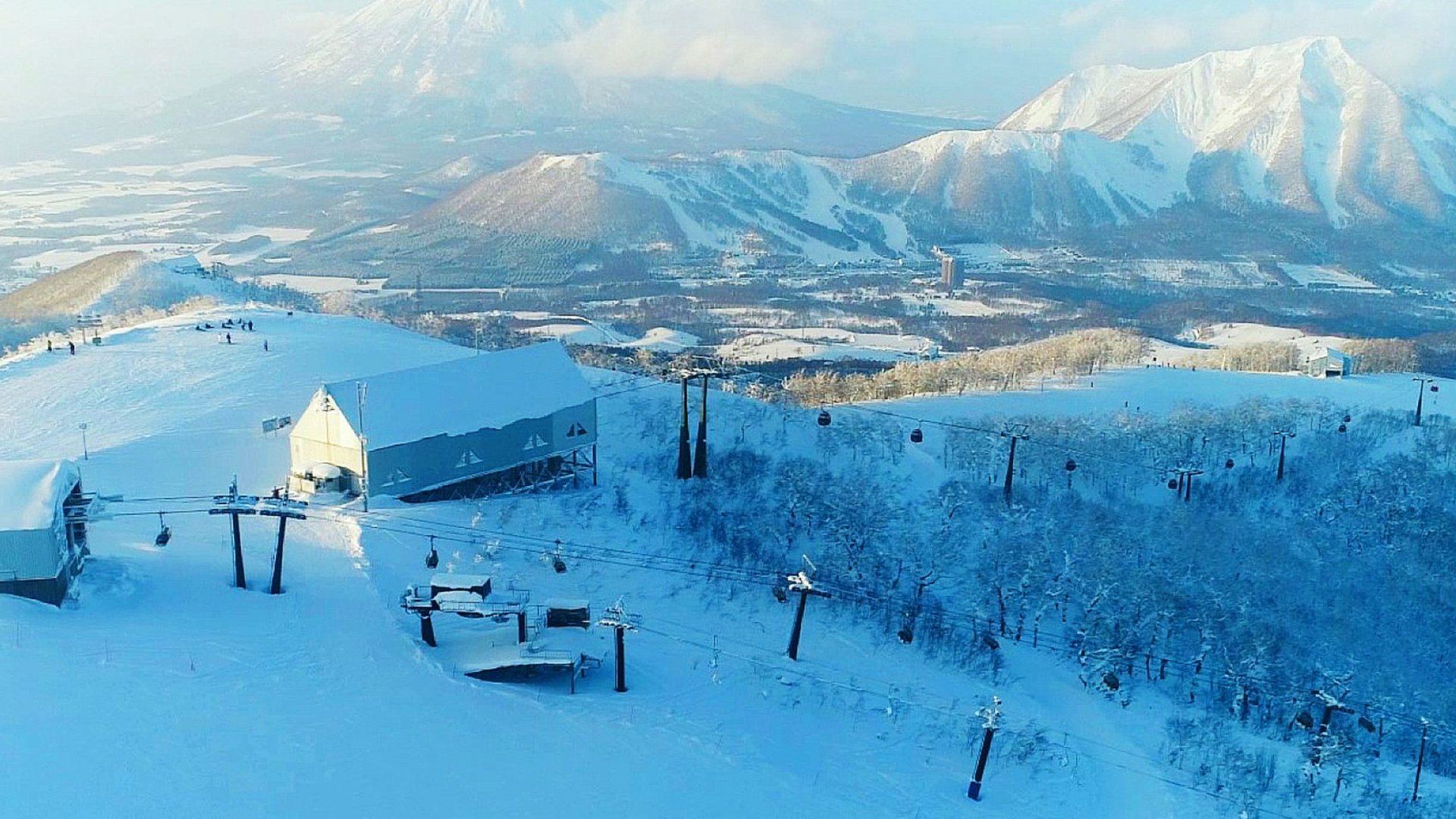
ScoreSki-in / Ski-outOnsenVillage hang-outsStorm MagnetRusutsu does not always win on raw vertical numbers, but it wins on “vertical feeling.” The runs are long, the layout is fun, and the resort encourages exactly the kind of lap rhythm that makes you look at your watch and realise you have been skiing for six hours without stopping.
It’s also one of Hokkaido’s best places for people who like sustained groomers with regular soft-snow opportunities on the sides. If you want a resort day that feels full and varied, with plenty of long descents, Rusutsu is a reliable pick.
594mVertical drop
994mElevation
~212haSkiable area
Japow
8.4
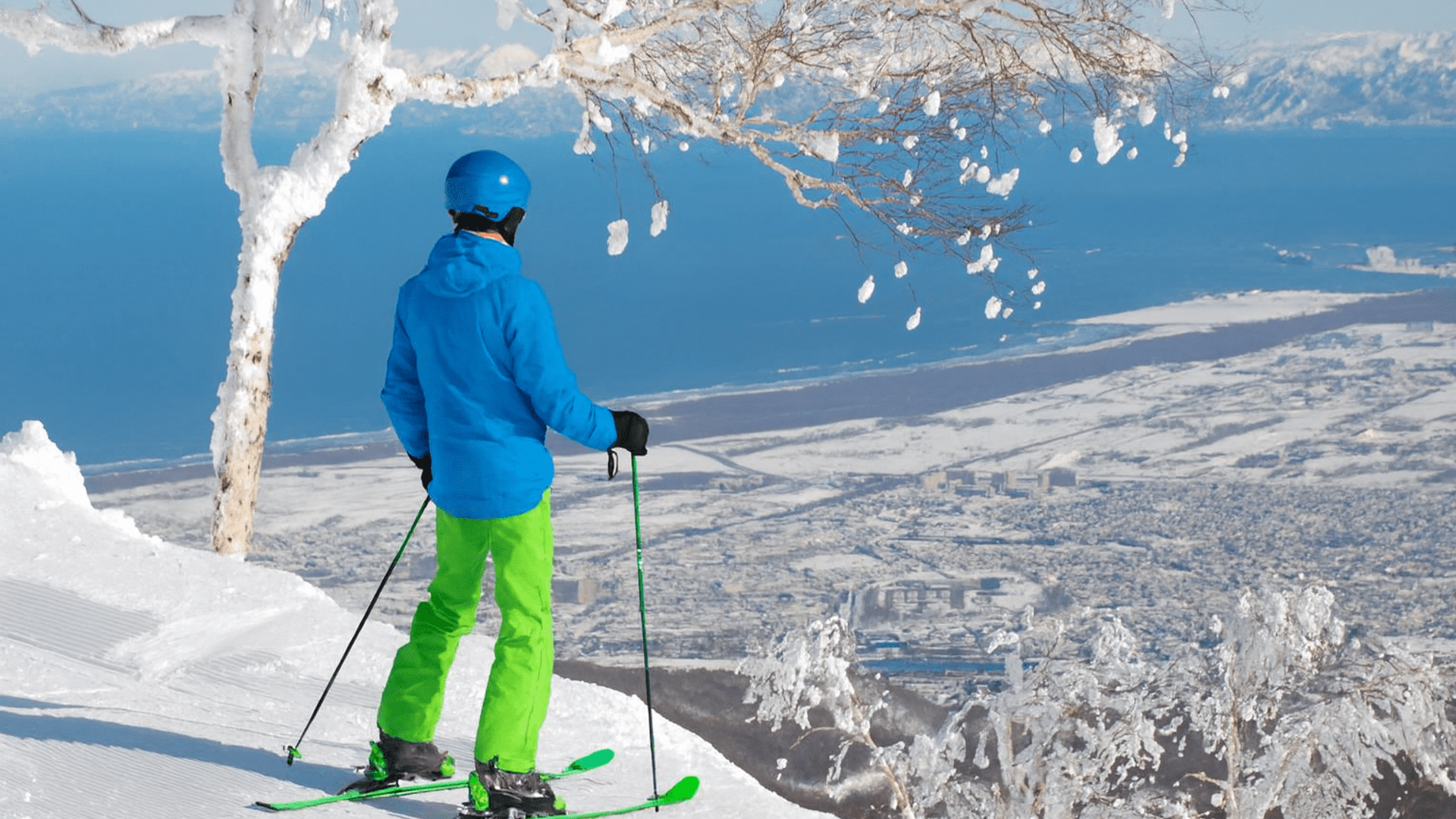
ScoreTerrain parkNight skiingBackcountry (guided)Teine is a sleeper hit for people who want meaningful vertical close to a major city. It has a proper summit-to-base feel, and it’s one of the best places to combine “big day energy” with a Sapporo-based trip.
Teine can also be a smart option if your group wants flexibility. Some people can chase vertical and steeper lines, while others can focus on resort skiing, and you can still meet up easily. It’s not a giant destination resort, but as a vertical-focused day in Hokkaido, it punches above its weight.
683mVertical drop
1023mElevation
~76haSkiable area
Japow
8.6
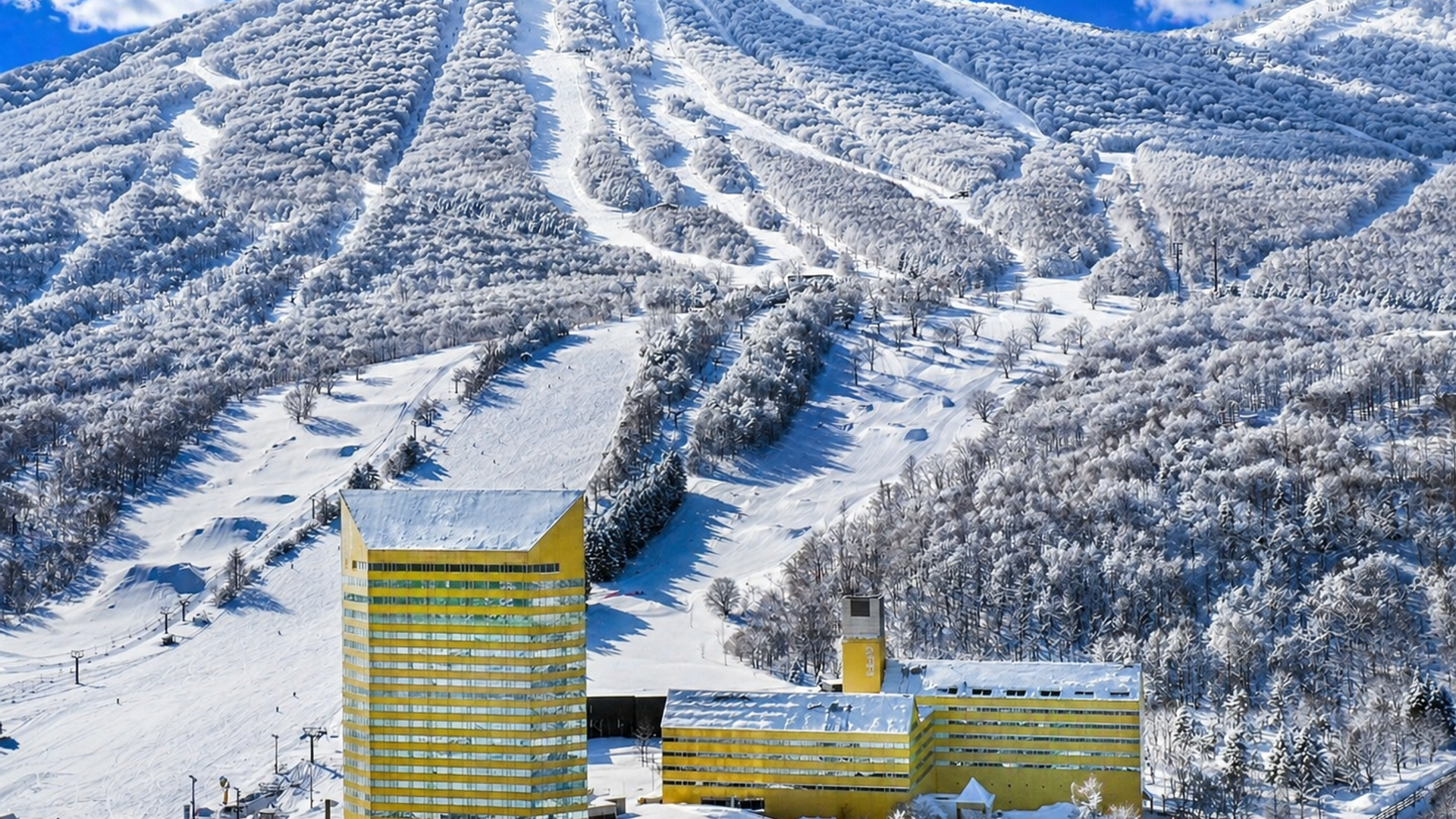
ScoreOnsenFreeride / Trees (guided)Village hang-outsStorm MagnetAPPI is one of Japan’s most underrated resorts for long, consistent runs. It’s known for wide pistes and an efficient feel that makes it easy to stack vertical. If you like the idea of skiing big groomers and putting in kilometres, APPI delivers in a way that surprises a lot of overseas visitors.
It also sits in a region that can be a great alternative to the usual “everyone goes to Hakuba or Niseko” pattern. For travellers who want a slightly different Japan trip with proper resort infrastructure and real run length, APPI is a strong contender.
708mVertical drop
1328mElevation
~282haSkiable area
Japow
8.7
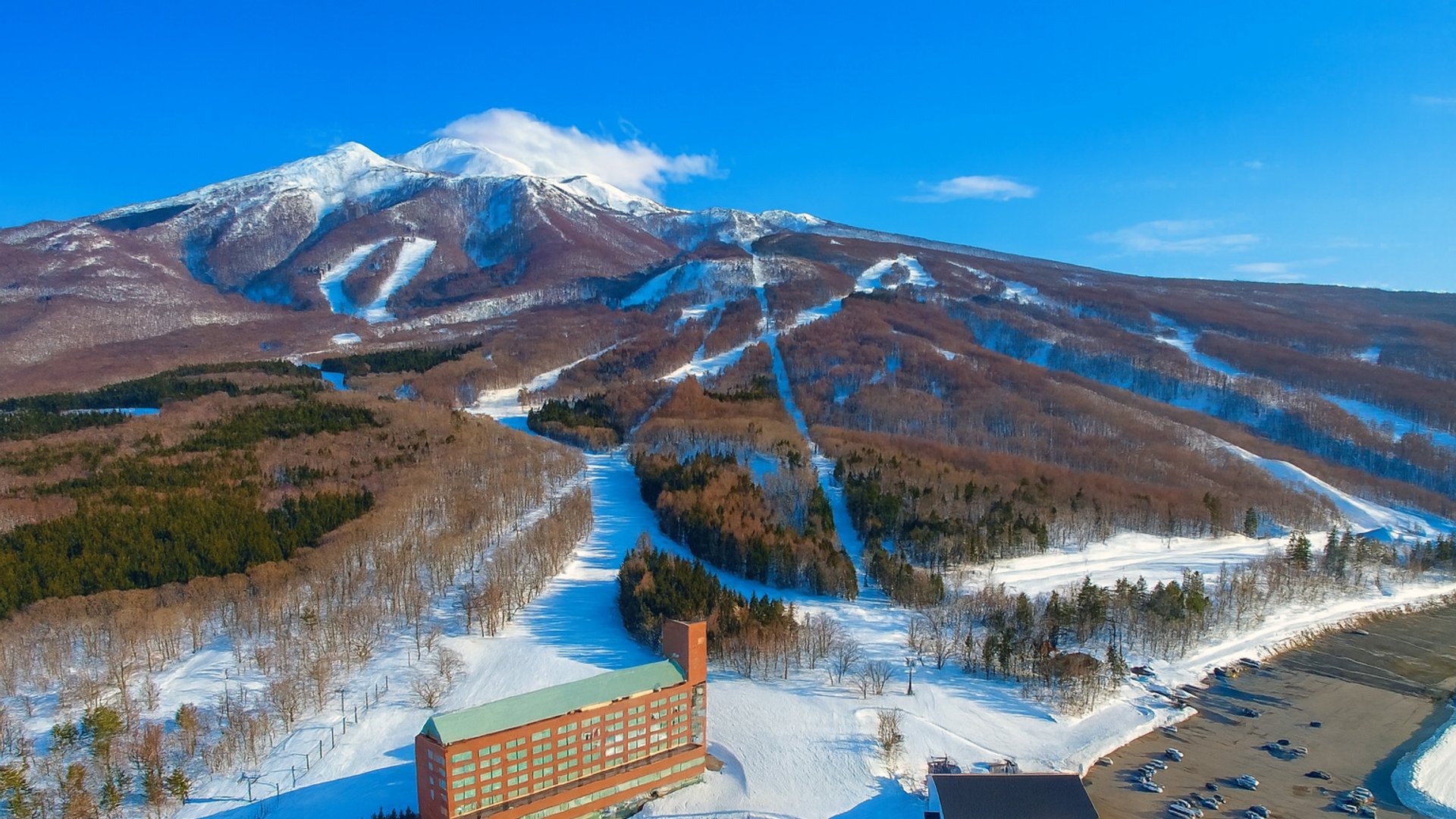
ScoreOnsenFreeride / Trees (guided)Storm MagnetRemoteAomori Spring is a great option for people who want a big-vert feel in northern Honshu without committing to a more complex backcountry setup. The mountain has a satisfying top-to-bottom flow, and it can deliver an excellent “one long run after another” day when conditions are good.
It’s also a nice pick for travellers who want something different. You get northern Japan atmosphere, strong snow potential, and a resort that feels more relaxed than the headline destinations. If you are building a Tohoku itinerary and want a resort with meaningful vertical, Aomori Spring is worth a look.
518mVertical drop
921mElevation
~70haSkiable area
Japow
8.4
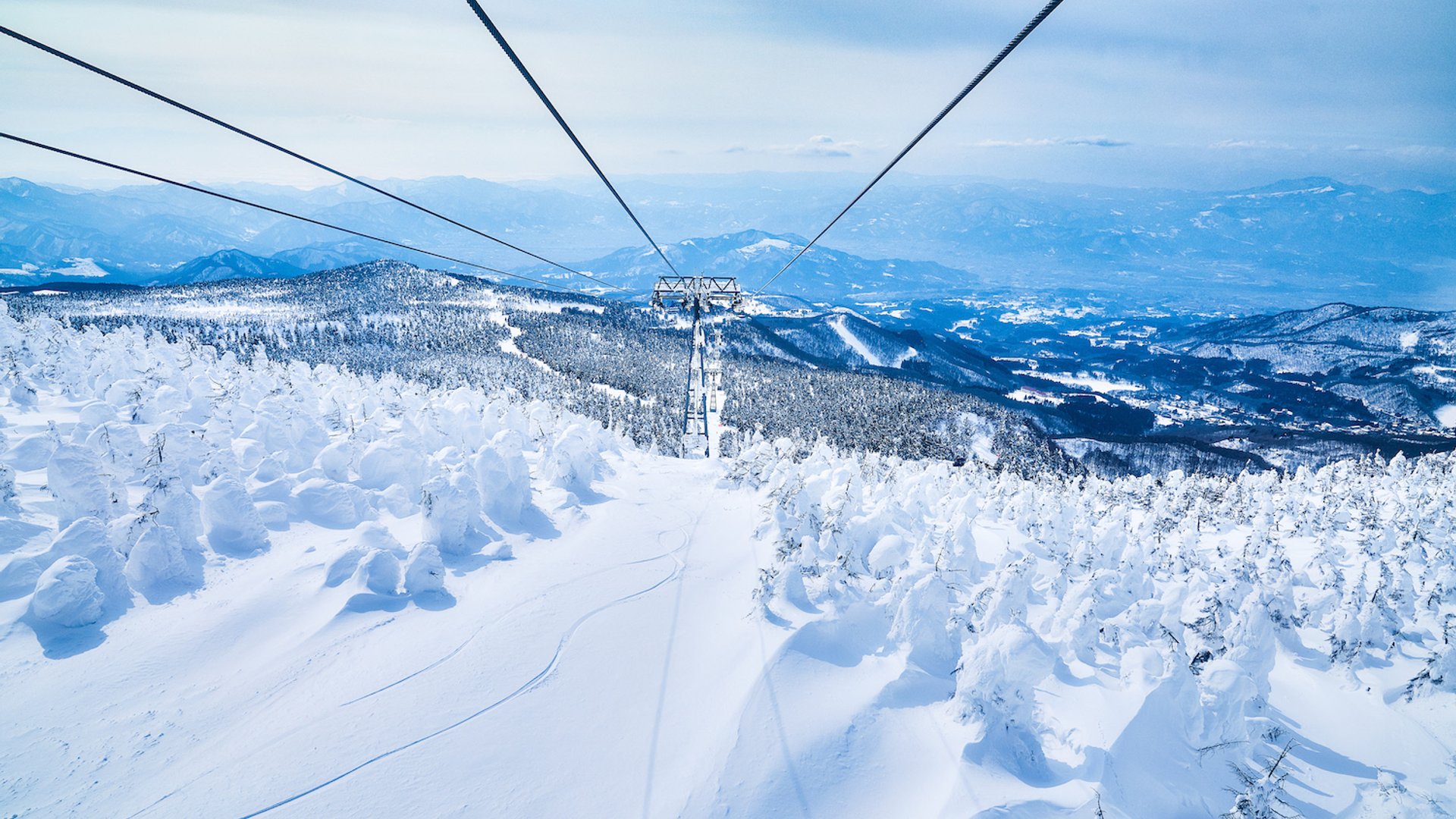
ScoreOnsenNight skiingVillage hang-outsStorm MagnetZao is famous for its snow monsters, but it also belongs on a vertical list because it can offer sustained, satisfying descents with a proper mountain feel. The skiing varies a lot by weather and visibility, so your best days here are often the calmer ones when you can actually see the terrain and commit to longer lines.
Zao also has one of the best post-ski routines in Japan. If you like the idea of finishing a long-run day, then sinking into an onsen town that feels properly historic, this is a great place to do it. It’s a strong “vertical plus culture” pick.
881mVertical drop
1661mElevation
~305haSkiable area
Quick picks: which one should you choose?
If you want Japan’s most familiar “big mountain” vibe, start with Hakuba Happo-one or Goryu. If you want long runs plus an iconic Japanese town, Nozawa Onsen is the move. If you want vertical with a modern resort base, look at Lotte Arai. If you want to maximise skiing time from Tokyo, Niigata has several fast-access options like Kagura and the Yuzawa side of the world. If you want Hokkaido with real run length, Furano is the safest bet, with Rusutsu as a close second for long-run satisfaction.
FAQ: vertical in Japan
Does Japan have resorts with 1,000m style vertical?
Yes, but they are not everywhere. The best way to find “real vertical” in Japan is to target the bigger Honshu mountains (Hakuba, Nozawa, Myoko, Arai, Shiga) or the bigger-feeling Hokkaido resorts like Furano, then ski them with a top-to-bottom mindset.
Is vertical or snow quality more important in Japan?
That depends on what you value. Japan’s superpower is snow quality, especially in storms. If you want a trip that feels like home in terms of run length, pick one of the resorts above and you can have both.
What is the best region for long runs plus easy travel from Tokyo?
Niigata is the most efficient. You can go from Tokyo to the snow quickly, ski long runs, soak in onsens, and still keep travel days light.