
Best Accessible Tree Skiing and Sidecountry in Japan
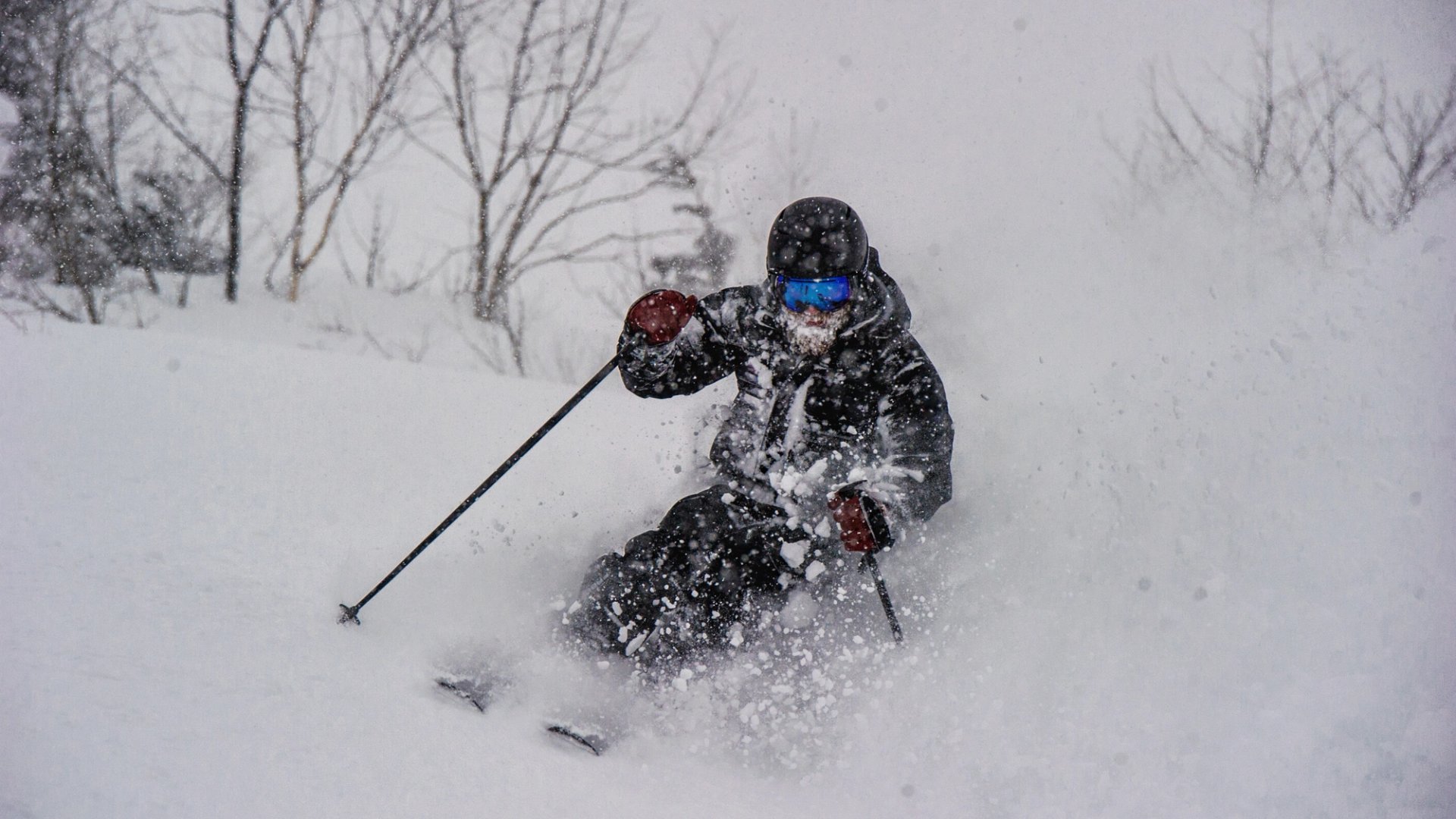
Tree skiing in Japan is a weird mix of “this is paradise” and “this is absolutely not allowed here”. If you want those dreamy pow glades without the stress of looking over your shoulder, the goal is simple: pick resorts that explicitly allow it through official tree-run zones, armband systems, or proper gate programs.
This list is built around one rule: if you need to duck ropes or roll the dice on pass confiscation to get into the trees, the resort does not make the cut. We’re chasing sanctioned tree skiing and sidecountry access.
What “accessible” means in this guide
Accessible does not mean “easy”. It means the trees are legally skiable through one of these setups:
- In-bounds tree run courses that appear on the trail map (still natural snow, still hazards, but officially part of the resort experience).
- Designated off-piste / powder zones inside the managed ski area.
- Gate-accessed sidecountry where the resort tells you exactly where to enter and exit.
You’ll see a few gate systems in here. They can be ridiculously fun, but they are also where avalanche gear and good decision-making stop being “nice to have”.
Resorts we intentionally did not include
Some places are legendary for trees, but they don’t fit the “accessible and pass-safe” definition because they lean heavily toward ropeway/backcountry, guide-only expectations, or highly consequential terrain where most people should not be freelancing. That’s why you won’t see names like Hakkoda, Asahidake, or Mt. T in this particular list.
Japow
8.7
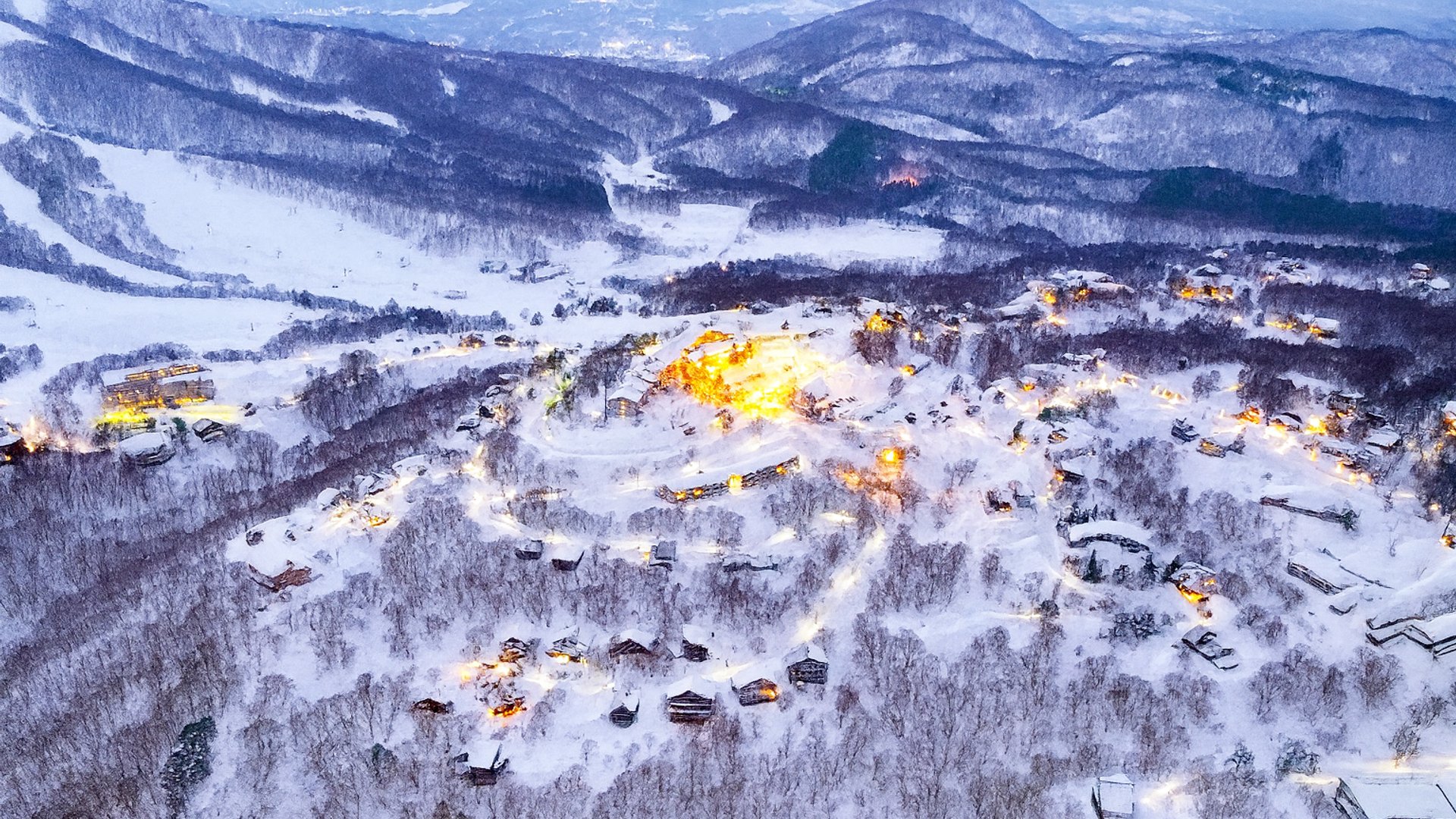
ScoreOnsenFreeride / Trees (guided)Village hang-outsStorm MagnetMadarao is basically Japan’s tree-skiing HQ. The resort built its reputation around official tree-run courses, gladed lines that are mapped, patrolled, and fully sanctioned. When it dumps, you can bounce between groomers and powder trees all day without a hint of rule-breaking. Tangram shares the same mountain as Madarao but feels more relaxed. Its designated tree courses are perfect for learning how Japanese powder behaves, a little tighter, a little deeper, a lot of fun. Ideal for riders who want legit tree lines with a calmer vibe.
440mVertical drop
~13mSnowfall
Crowds
Japow
8.6
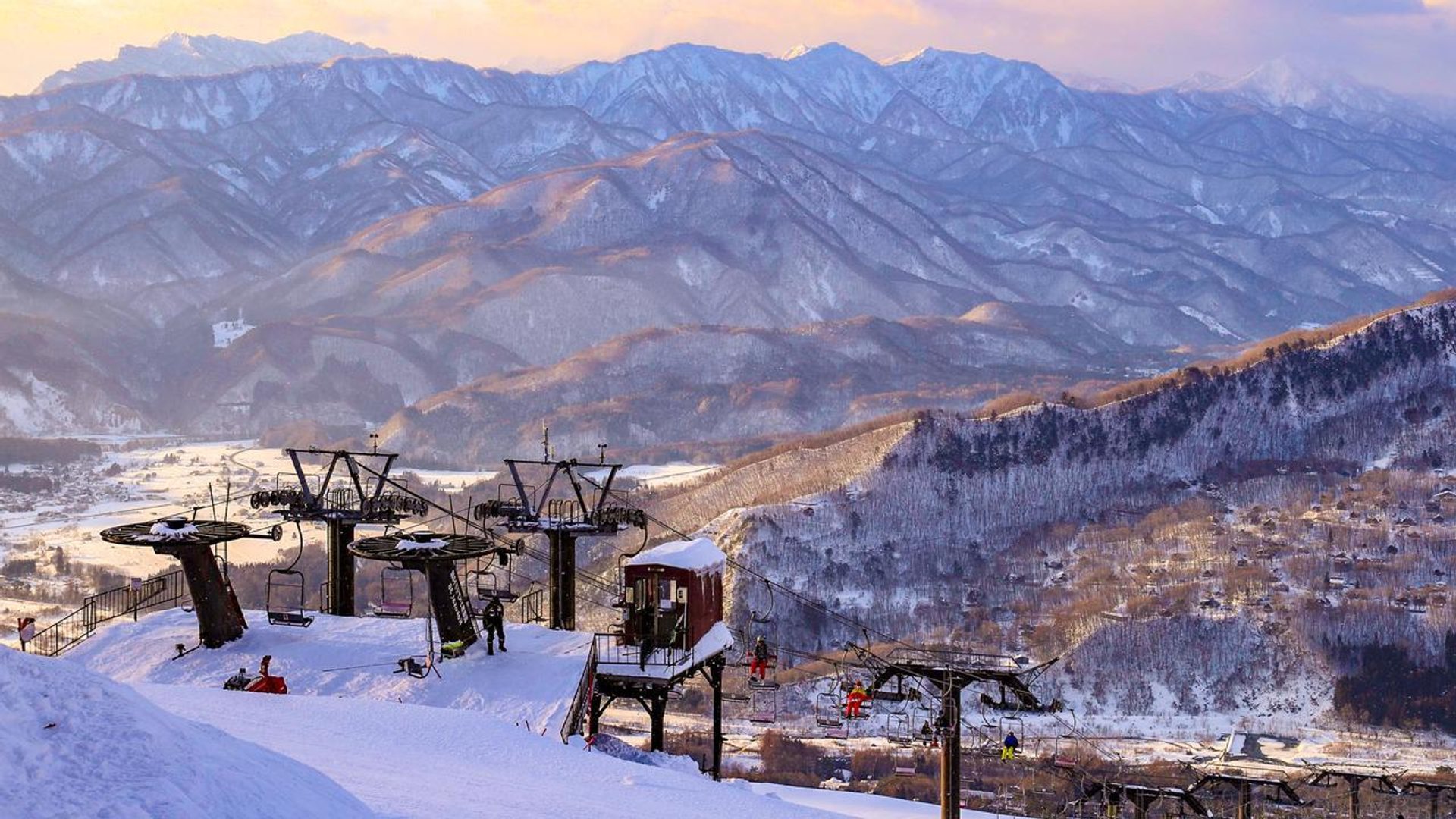
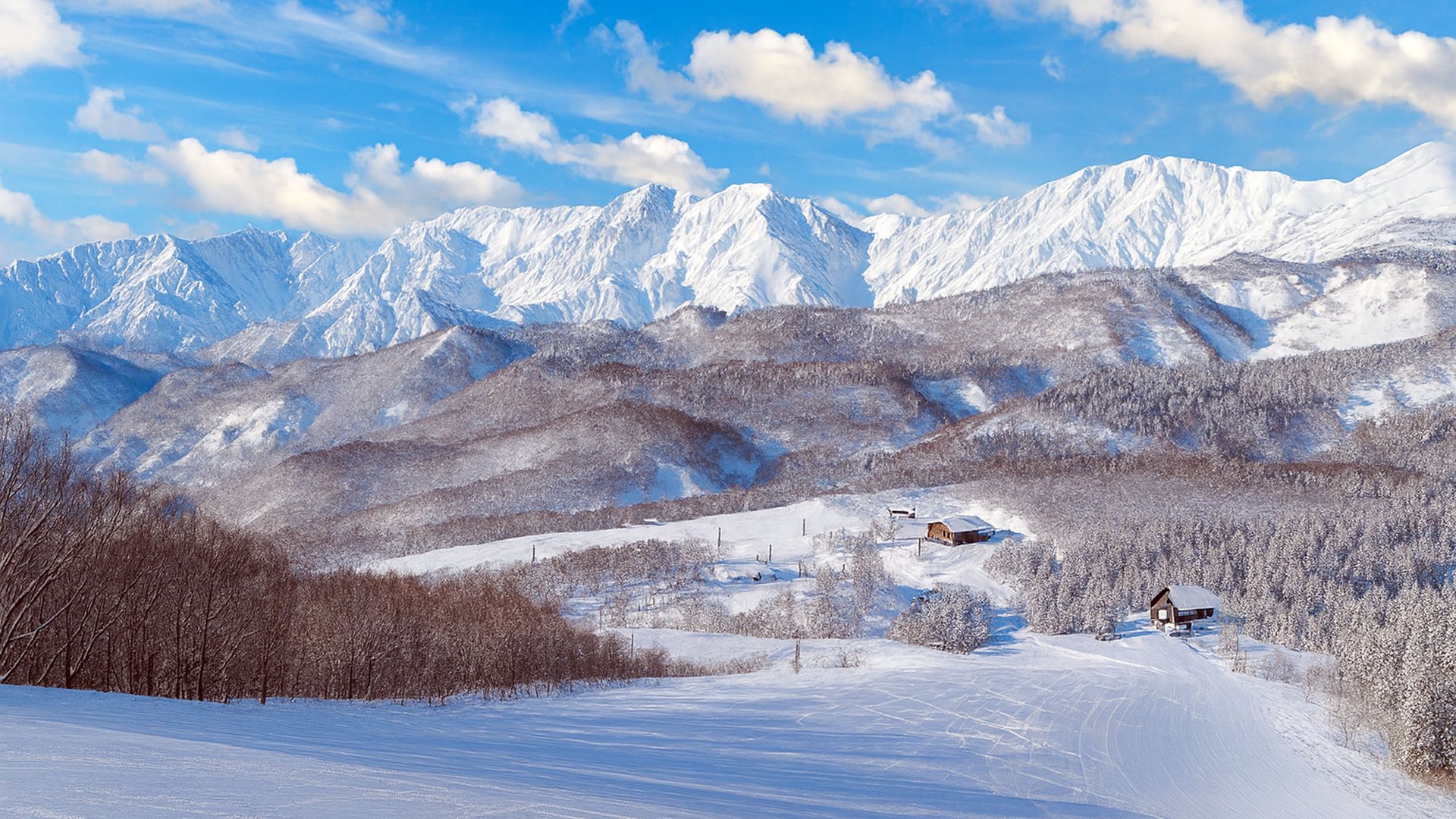
ScoreOnsenTerrain parkFreeride / Trees (guided)Village hang-outsHakuba 47 runs one of Japan’s clearest Tree Riding Zone systems. You sign the waiver, get the armband, and gain access to managed glades without risking your pass. When Hakuba storms hit, 47’s trees fill quickly, but at least you’re doing it the right way.
794mVertical drop
~12mSnowfall
Crowds
Japow
8.5
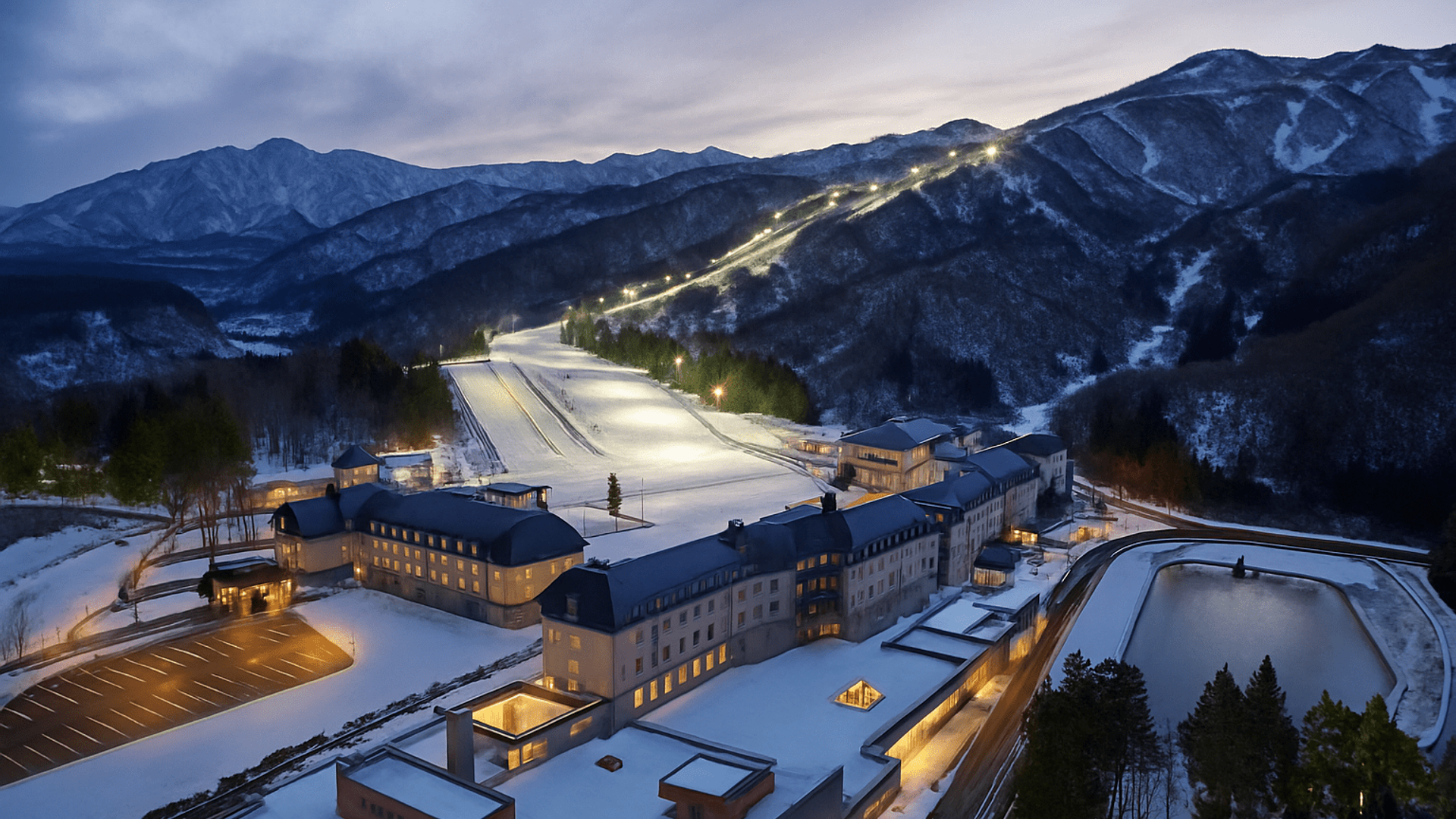
ScoreOnsenFreeride / Trees (guided)Village hang-outsStorm MagnetTsugaike’s TSUGA POW DBD program is Japan’s most structured tree-zone setup. Watch the safety video, register, wear your armband, and enter via the gates. On a storm day it delivers perfect Hakuba powder with none of the grey-area stress.
900mVertical drop
~10mSnowfall
Crowds
Japow
9
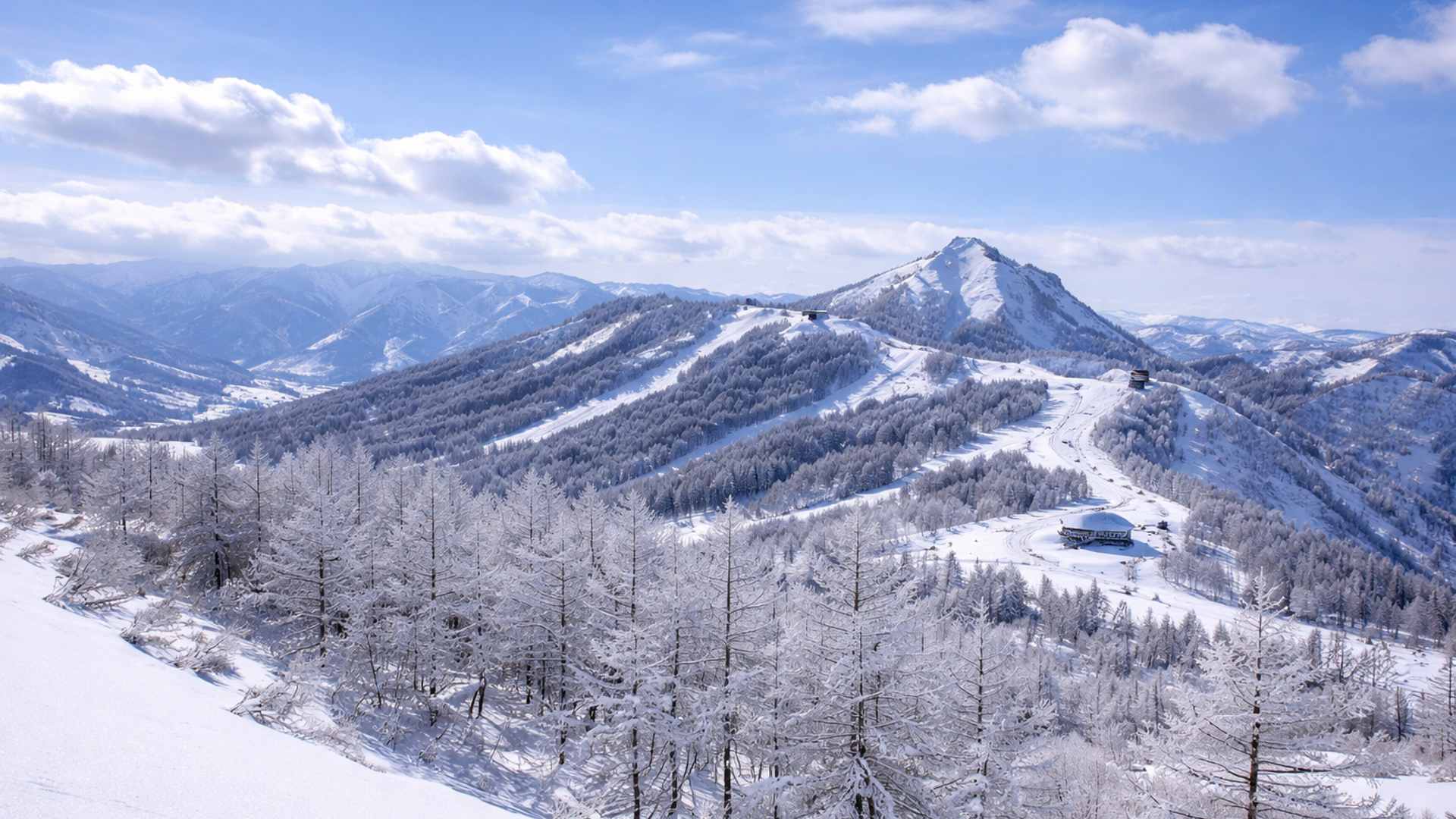
ScoreSki-in / Ski-outOnsenFreeride / Trees (guided)Storm MagnetArai is freeride heaven. The mountain is carved into multiple official freeride zones, steep, deep, and clearly mapped. It’s a serious mountain for confident riders who want in-bounds powder terrain that still feels wild.
951mVertical drop
~18mSnowfall
Crowds
Japow
8.3
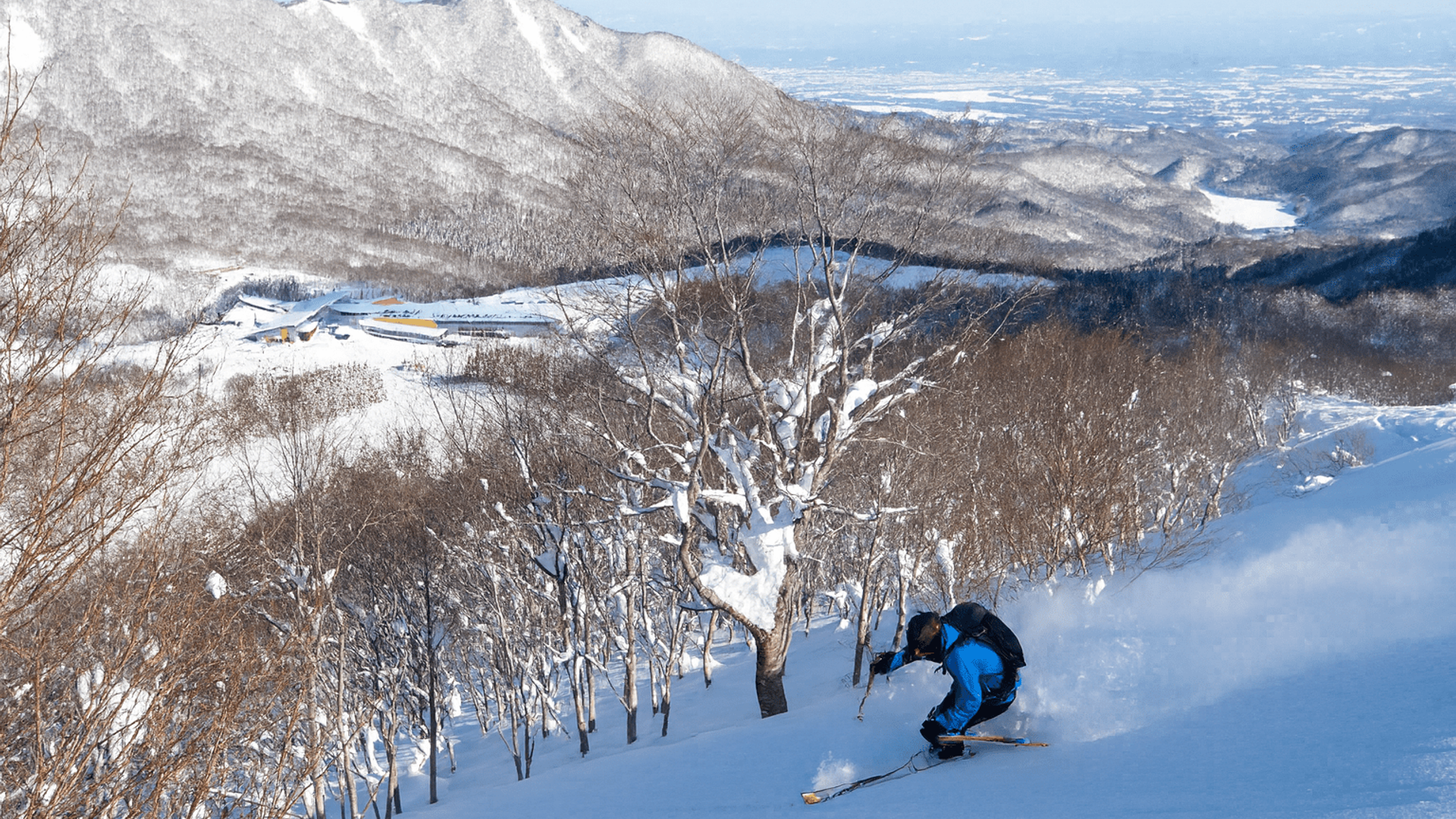
ScoreOnsenTrain-to-liftsFreeride / Trees (guided)Village hang-outsMaiko’s designated tree zones run on an easy registration system and sit only a short Shinkansen from Tokyo. It’s perfect for first-timers wanting safe, mellow tree lines without committing to a remote mission.
660mVertical drop
~10mSnowfall
Crowds
Japow
9.1
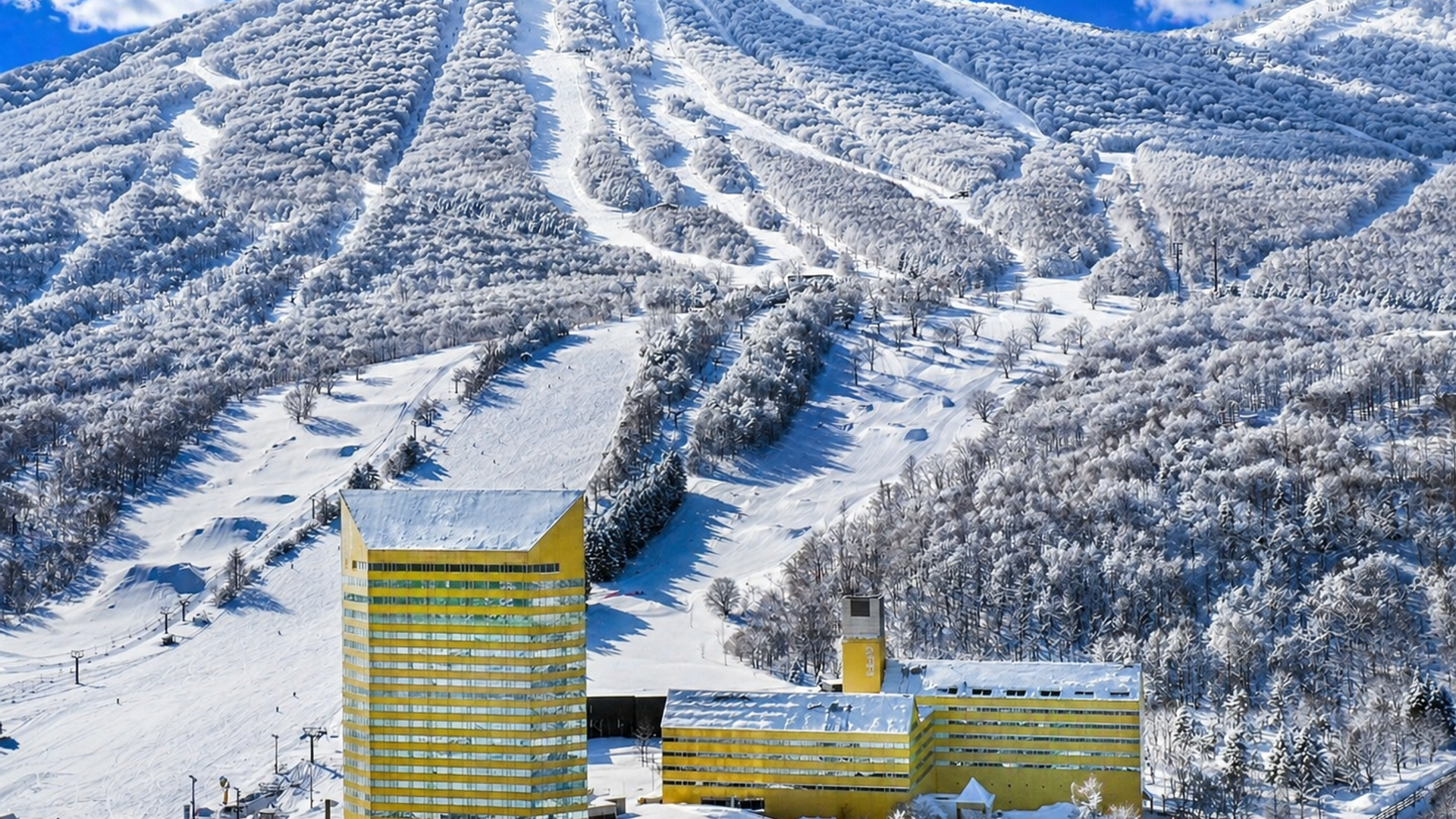
ScoreOnsenFreeride / Trees (guided)Storm MagnetRemoteGeto is a storm magnet with marked Tree Run Areas rated by difficulty. The snow stacks fast, the forests are gorgeous, and the vibe is “powder, bath, sleep, repeat.” It’s one of the deepest and most dependable tree-riding hills in Japan.
430mVertical drop
~15mSnowfall
Crowds
Japow
8.6
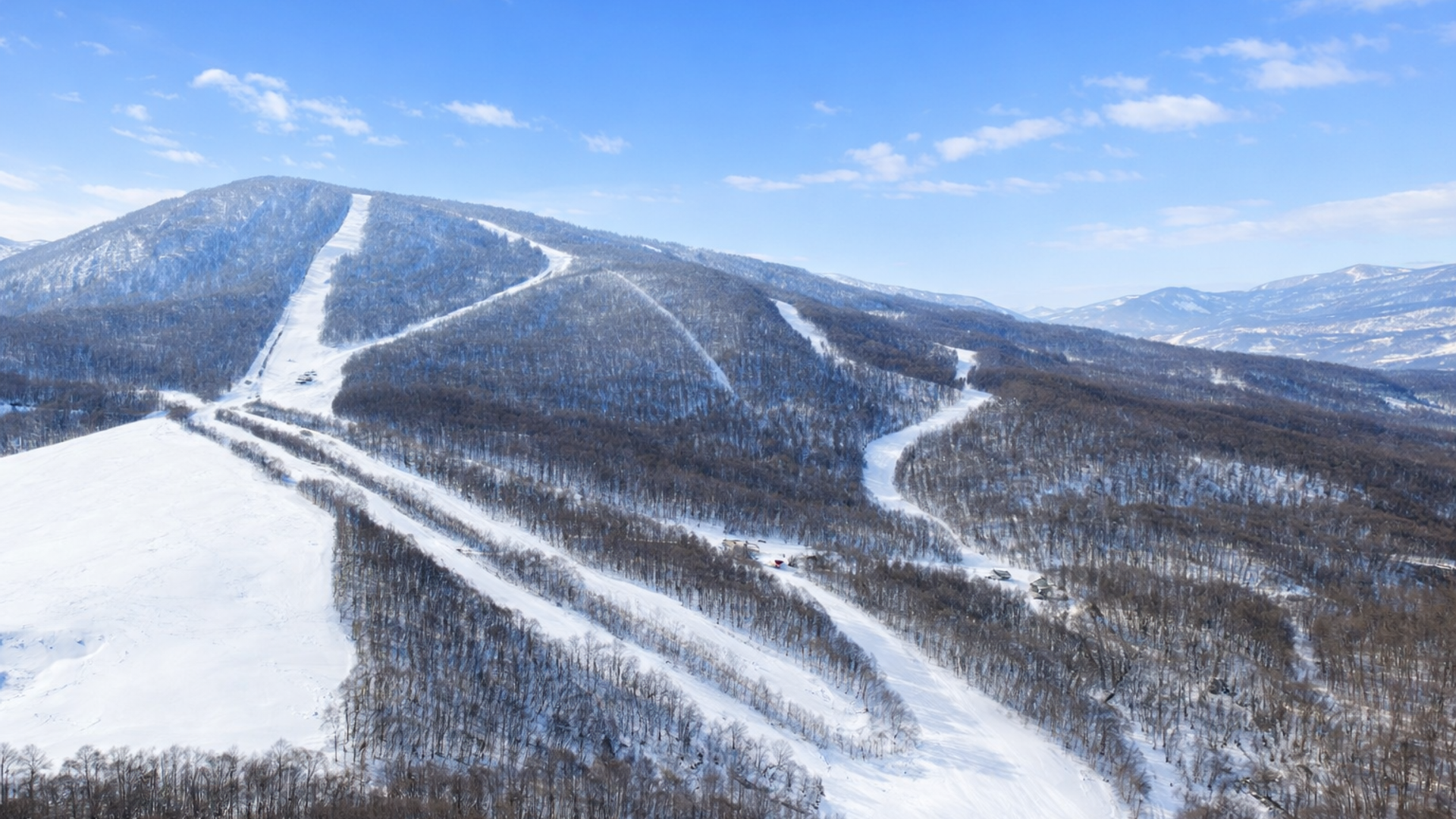
ScoreOnsenFreeride / Trees (guided)Village hang-outsStorm MagnetAPPI combines resort polish with serious snow. Its Tree Run Zones are signed, patrolled, and distinct from backcountry terrain, perfect for skiers who want real glades but still crave fast lifts and creature comforts.
708mVertical drop
~8mSnowfall
Crowds
Japow
8.6
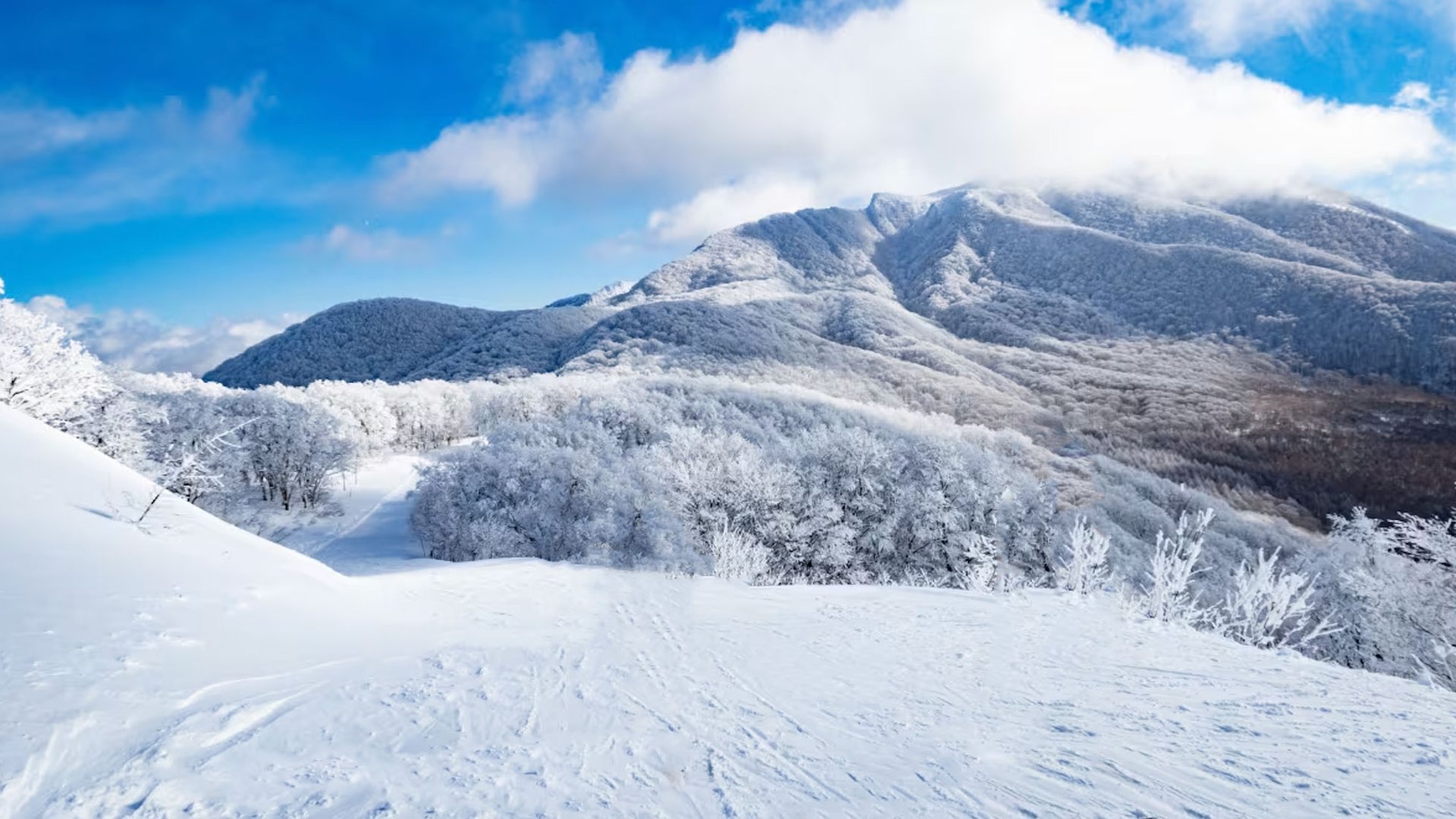
ScoreOnsenFreeride / Trees (guided)Storm MagnetRemoteSmall, steep, and soulful. Shimokura’s tree-run program uses a simple apply-and-armband system, giving you access to compact but high-quality glades. It’s a hidden gem that still plays by the book.
550mVertical drop
~8mSnowfall
Crowds
Japow
8.3
ScoreOnsenFreeride / Trees (guided)Storm MagnetRemoteNekoma’s new designated tree-run terrain brings legit powder access to the Bandai region. It’s a balanced mix of groomers, gladed lines, and local character, ideal for road trippers exploring northern Honshu.
638mVertical drop
~9mSnowfall
Crowds
 10Kiroro
Japow
9.2
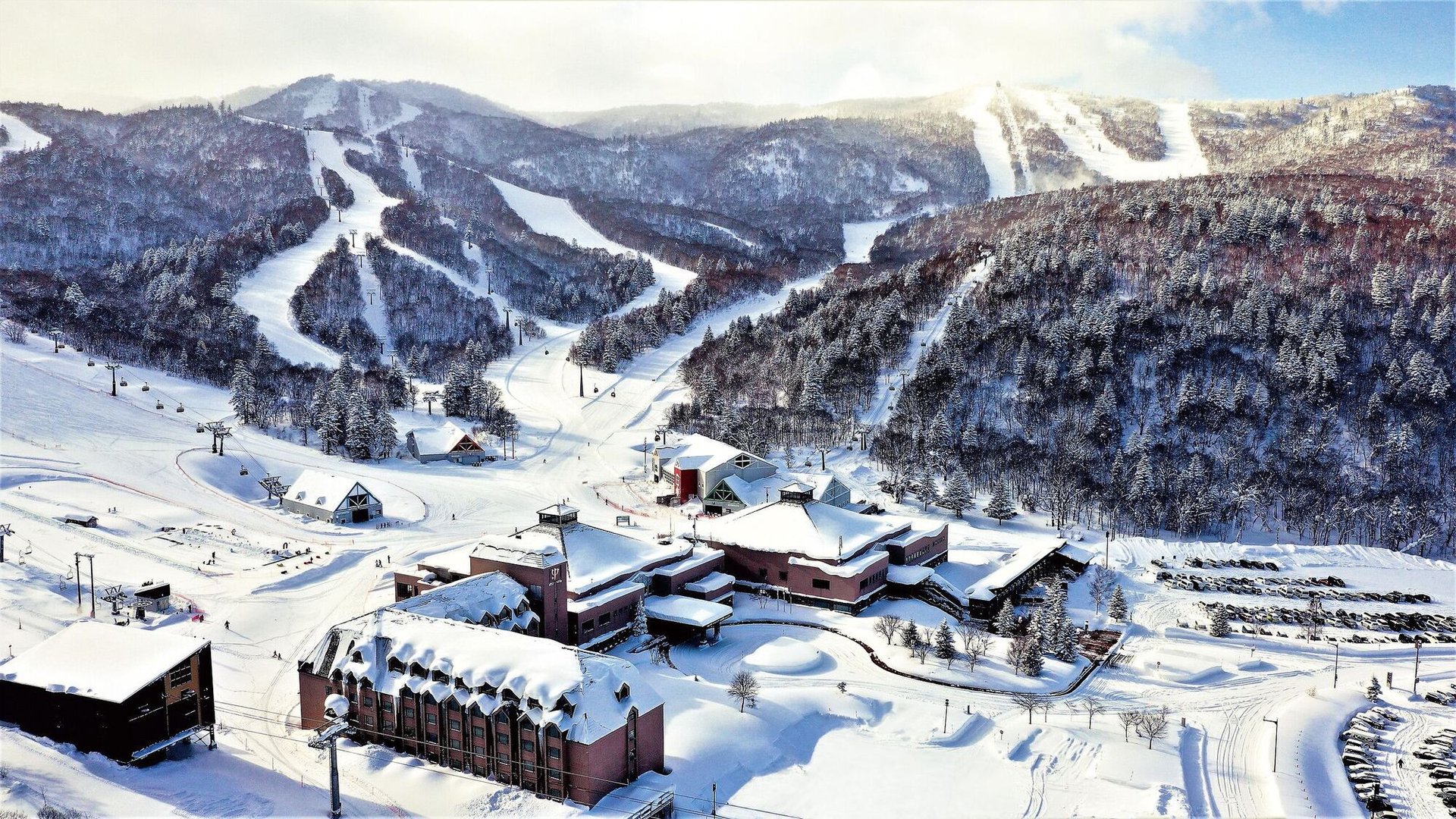
ScoreSki-in / Ski-outOnsenFreeride / Trees (guided)Storm MagnetKiroro quietly offers some of Japan’s best snow and official off-piste areas inside resort boundaries. Deep powder, birch forests, and clear rules, it’s the sweet spot between comfort and adventure.
610mVertical drop
~21mSnowfall
Crowds
Japow
9.1
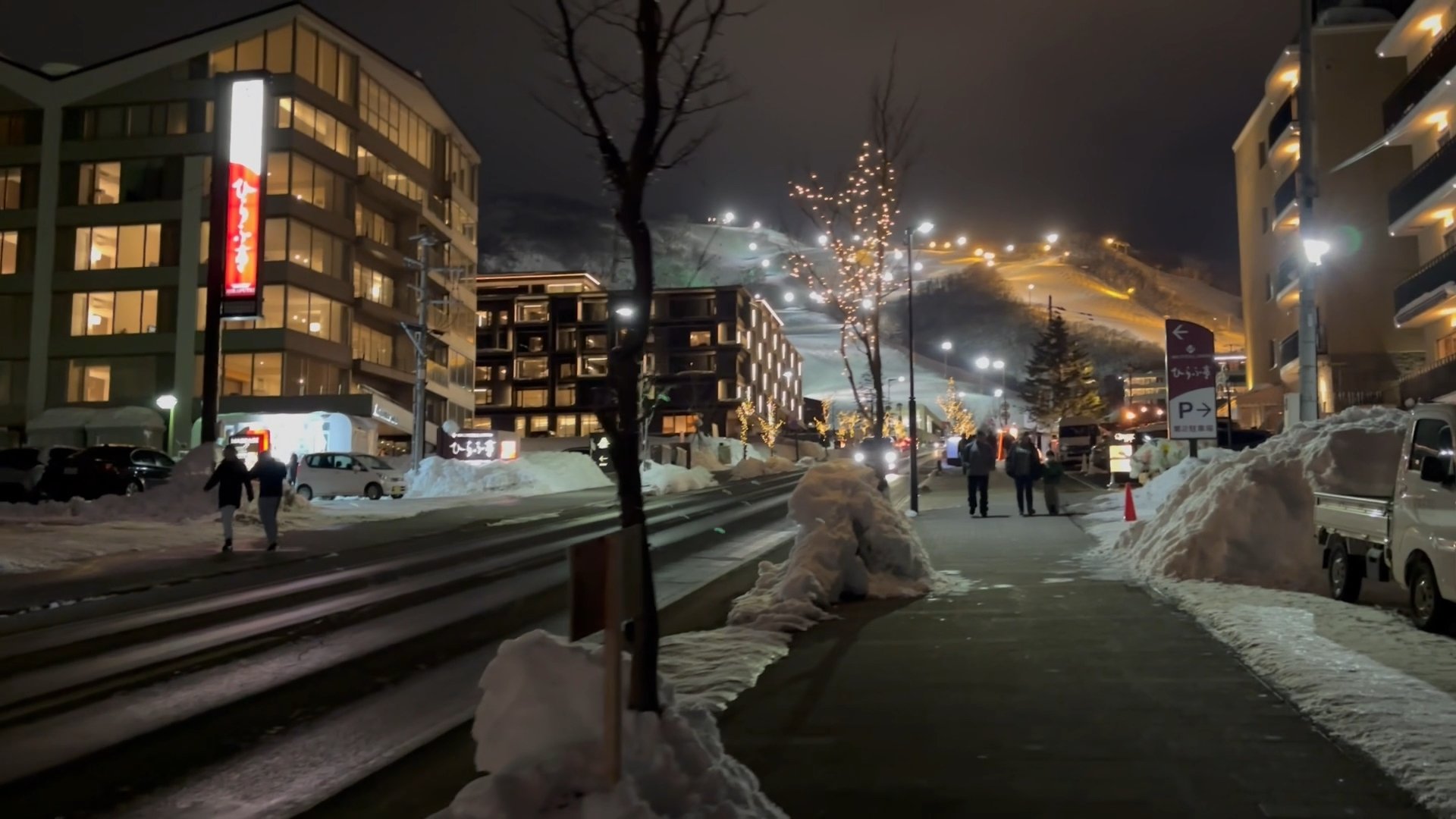
ScoreOnsenFreeride / Trees (guided)Village hang-outsBackcountry (guided)Niseko’s legendary gate system is the blueprint for modern Japanese sidecountry. Enter through the gates, stay within boundaries, carry your beacon/probe/shovel, and you’ll score world-class turns with zero rule-breaking drama.
940mVertical drop
~17mSnowfall
Crowds
Japow
8.4
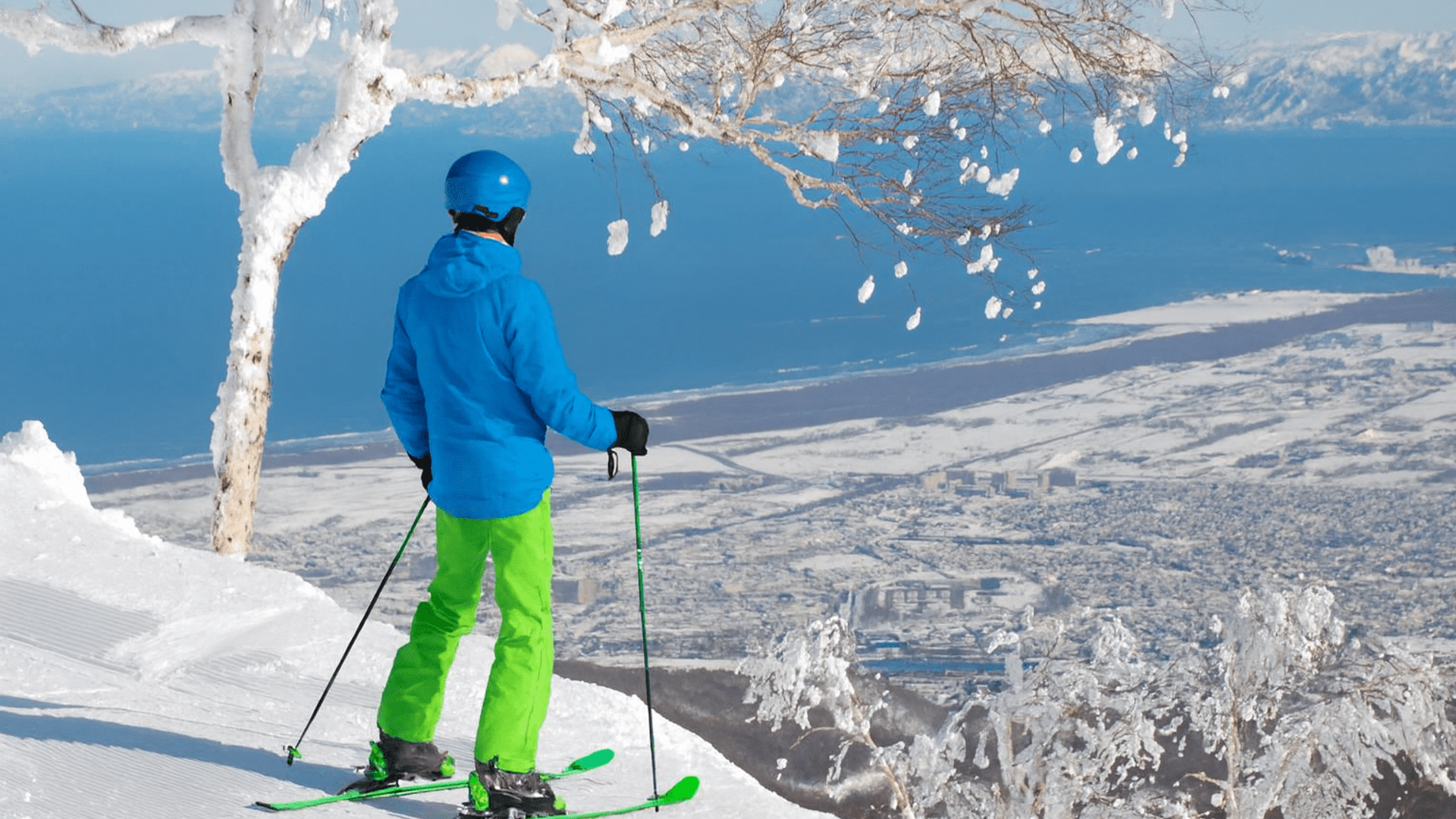
ScoreTerrain parkNight skiingBackcountry (guided)Teine mixes city convenience with legitimate gate-access sidecountry. It’s steeper and spicier than most, so treat it like real backcountry terrain. The reward is untouched lines just a short drive from downtown Sapporo.
683mVertical drop
~10mSnowfall
Crowds
Quick FAQ
Do I need avalanche gear? For in-bounds tree zones, not always. For any gate or sidecountry access, yes, beacon, shovel, probe, and a partner are standard.
What’s with the armbands? It’s Japan’s system for accountability. Register, watch the safety video, get the armband, and you’re good to go.
Where should I start if I’m new to tree skiing in Japan? Madarao and Tangram are the most forgiving intros. Once you’ve got your pow legs, head to Hakuba 47 or Arai for steeper, deeper challenges.