
Maiko
Snow Country cruisers with storm-day stamina
 舞子
舞子Quick-hit powder, long cruisers, zero faff
Maiko is one of those resorts that ends up being more useful than sexy, and that is not a criticism. Set just south of Yuzawa, it spreads across three linked zones with a nice mix of long groomers, easy logistics, and enough storm-day appeal to stop it feeling like just another Tokyo feeder hill. You can park at the base or stay slopeside, ride the gondola straight up, and get on with it. There is very little wasted motion here, which is part of why Maiko works so well.
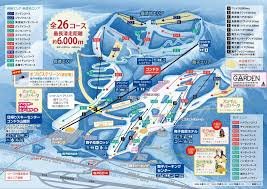
The layout is a big part of the appeal. Maiko Area handles the easy-access, family-friendly side of the mountain, Nagamine sits in the middle with the most versatile day-to-day skiing, and Okusoeji gives the resort its best pitch and longest top-to-bottom flow. That spread means the mountain feels broader than many mid-sized Niigata resorts without ever becoming a faff to navigate.
What makes Maiko stand out is how cleanly it suits different types of trips. Families get wide beginner terrain, kids facilities, and ski-in ski-out convenience at the base. Intermediates get long cruisers and a lot of mileage for not much mental effort. Stronger skiers and snowboarders do not come here for huge freeride terrain, but they can still have a very good day thanks to steeper groomers, a few ungroomed sections, and some sanctioned tree-run options.
It also helps that Maiko has better storm-day credibility than first-timers might expect. The snowfall is solid for the Yuzawa area, with third-party sources generally putting it around the 10 to 12 metre mark, and the mountain has a reputation for staying productive when you want dependable laps rather than some grand powder expedition. It is not a cult powder hill, but it is absolutely more than a pure groomer resort.
The best way to frame Maiko is as a high-value Snow Country resort with range. It is easy from Tokyo, easy to understand, and easy to enjoy, but it still has enough terrain shape and snow quality to keep better riders interested. That balance is what gives it staying power. Maiko is not trying to be the wildest resort in Niigata. It is trying to be a very good ski day with minimal nonsense, and it does that really well.
Resort Stats
Estimated cumulative fresh snowfall at major on-mountain ski areas; actual totals vary substantially by resort, elevation, measurement location, and season.
- Vertical660m (920m → 260m)
- Snowfall~10m
- Terrain 35% 45% 20%
- Tree Riding
- Lift Pass¥6,000
- Lifts1 gondola, 3 quad, 7 pair
- Crowds
- Out of Boundsnot allowed
- Night Skiing
- Family Friendly
- Trails26
- Skiable Area~200ha
- Vibeclean carve energy, storm-proof
Trail Map
Accommodation
View MapSlopeside: The Maiko Kogen Hotel anchors the base with ski-in/ski-out access, big gear rooms, and onsen baths for end-of-day soaks. Rooms lean comfortable and practical rather than flashy, perfect for first-chair missions and families who want an easy home base. You can step from breakfast to the gondola in minutes, which is gold on storm mornings.
Yuzawa hub: Stay near Echigo-Yuzawa Station for broader dining and easy rail connections. Reliable picks include Yuzawa Grand Hotel (big communal baths, station-side convenience), Hotel Futaba (multi-floor onsen, Japanese rooms), and Shosenkaku Kagetsu (classic ryokan vibes). From town, resort shuttles and short taxis make crack-of-dawn starts painless even when the valley is wearing a fresh white coat.
Muikamachi & surrounds: For a quieter base closer to Maiko, look to Hotel Route-Inn Muikamachi or small pensions in Minamiuonuma. You’ll trade nightlife for shorter morning drives and low-key izakaya dinners. Parking is straightforward, and many stays offer early breakfasts or bento options for dawn patrol types.
Powder & Terrain
Maiko splits into three main zones, and each one has a distinct role. Maiko Area by the base is the mellow, family-friendly pod with wide pistes and night skiing. Nagamine is the all-rounder, with the most consistent mix of cruising terrain and easy laps. Okusoeji is the upper mountain and the best part of the resort for stronger riders, with longer runs, better pitch, and the snowiest feel of the three. That spread is what makes the mountain work. With 26 trails, around 660 metres of vertical, and a longest run of about 6 kilometres, Maiko has enough size to feel worthwhile without becoming a puzzle map.
The core terrain story is long groomers and repeatable mileage. Maiko leans heavily toward beginner and intermediate skiing, with sources broadly putting the split around 40 percent beginner, 40 percent intermediate, and 20 percent advanced. That sounds tame, but in practice it means a lot of useful, confidence-building terrain and a resort that is very easy to ski well. Intermediates, in particular, have a huge amount to work with here.
For stronger skiers and snowboarders, the interest comes from snow quality and terrain shape rather than outright difficulty. The steepest pistes are not especially steep by expert-resort standards, but Okusoeji has enough fall line to make fresh snow fun, and the ungroomed courses give the hill a bit more bite than a standard family resort. This is not a big freeride mountain, but it is also not as one-paced as the first glance might suggest.
Powder is where Maiko gets more interesting. The mountain picks up regular Niigata resets, and recent resort coverage continues to highlight ungroomed slopes and sanctioned tree-run zones as part of the appeal. The Haglöfs tree-run area in Okusoeji, plus the ungroomed Gungun and Zokuzoku sections, give better riders somewhere to look once the groomers are done. It is not a free-for-all and it is not a gate-heavy sidecountry resort, but there is enough soft-snow terrain here to make a storm day feel very worthwhile.
The other thing Maiko does well is flow. The gondola gets you high quickly, the supporting lifts keep the laps moving, and the three-zone layout gives you options depending on weather and visibility. When it is dumping, Nagamine can be the easiest place to keep stacking sheltered laps. When visibility opens up, Okusoeji is where the resort feels most complete. That ability to shift around the mountain is a big reason Maiko skis better than many similarly sized resorts.
The honest read is that Maiko is at its best when you treat it as a versatile all-rounder, not a powder cult classic. It does families well, it does groomer mileage well, and on the right day it does soft-snow laps surprisingly well too. That combination is what makes the mountain useful. You can bring mixed-ability groups here, squeeze a lot out of a day ticket, and still come away feeling like you got more than just another easy Yuzawa ski day.
Getting There
- Train: From Tokyo, the Jōetsu Shinkansen to Echigo-Yuzawa takes ~75–90 minutes. Resort buses and short taxis connect you to Maiko in roughly 20 minutes.
- Car: Exit the Kan-Etsu Expressway at Shiozawa-Ishiuchi and follow well-plowed local roads to the base in ~10–15 minutes. Winter tires are mandatory; carry chains when it’s puking.
- Storm notes: Upper lifts can slow in big blows, but the gondola and sheltered mid-mountain pods usually keep the day productive. Arrive early on weekends, parking fills quickly after 9 a.m.
Who's it for?
- First-timersGood
- Powder huntersOkay
- Non-skiersGood
- BudgetOkay
- Après / nightlifeLimited
- LogisticsExcellent
Carvers, mileage hunters, and families who value smooth logistics will love Maiko. If your idea of bliss is racking up vertical on long, well-groomed pitches with a side of storm reliability, this is your place. Intermediates get a huge sandbox to dial edge angles and speed control; advanced riders can still get their fix on Okusoeji’s steeper groomers and soft edges after a reset. If your trip revolves around glades, gates, and off-piste exploration, you’ll feel fenced in, pair Maiko with a tree-forward day elsewhere in Snow Country for balance.
Food & Après
On the hill, cafeterias at the base and mid-stations do the Japanese comfort staples well, steaming ramen, katsu curry that fuels three more runs, and karaage bowls over Uonuma rice. Time lunch early or late to dodge the noon surge on weekends. Down in the valley, dive into Niigata musts: hegi soba (the funori-bound local style), pork ginger sets, and seasonal mountain veg. Sake lists are a highlight here; Niigata’s breweries make for easy pairing with izakaya plates. Après is mellow and onsen-centric, lot beers as the lights flick on, a soak, then an early night so you can snag first chair.
Japow Travel Tips
- Lift hours: Typical 8:00–16:30, with night skiing on select lower/mid runs until ~20:00 during peak periods.
- Avalanche / backcountry: Not applicable within the resort, off-piste/trees are closed; no gate network.
- Weather & snow: Frequent resets off the Sea of Japan; cool valley temps preserve groomers. Expect wind-buffed panels on exposed ribs after storms.
- Language & culture: Base ops and rentals handle basic English. In pensions and local eateries, a few phrases and patience go a long way.
- Unique angle: Three linked pods deliver storm-day options and night skiing, making Maiko a high-yield choice for tight itineraries.
- Good pairings: Ishiuchi Maruyama (night-ski mileage), Gala Yuzawa (rail-to-snow novelty), Kandatsu Snow Resort (different trail flow), all close enough for two-a-days.
Verdict: High-yield Snow Country
Maiko Snow Resort is the smart play when you want dependable snowfall, long groomed pitches, and operations that stay on their feet when the weather gets moody. It’s not a rope-drop freeride mecca, but it is a vertical machine with storm-day stamina, night turns, and dead-simple access from Tokyo. Slot it into a Niigata road-trip or make it basecamp for the week, either way, you’ll stack a heap of quality runs with minimal faff.