

Myoko + Northern Nagano/Niigata Powder Pantry Loop
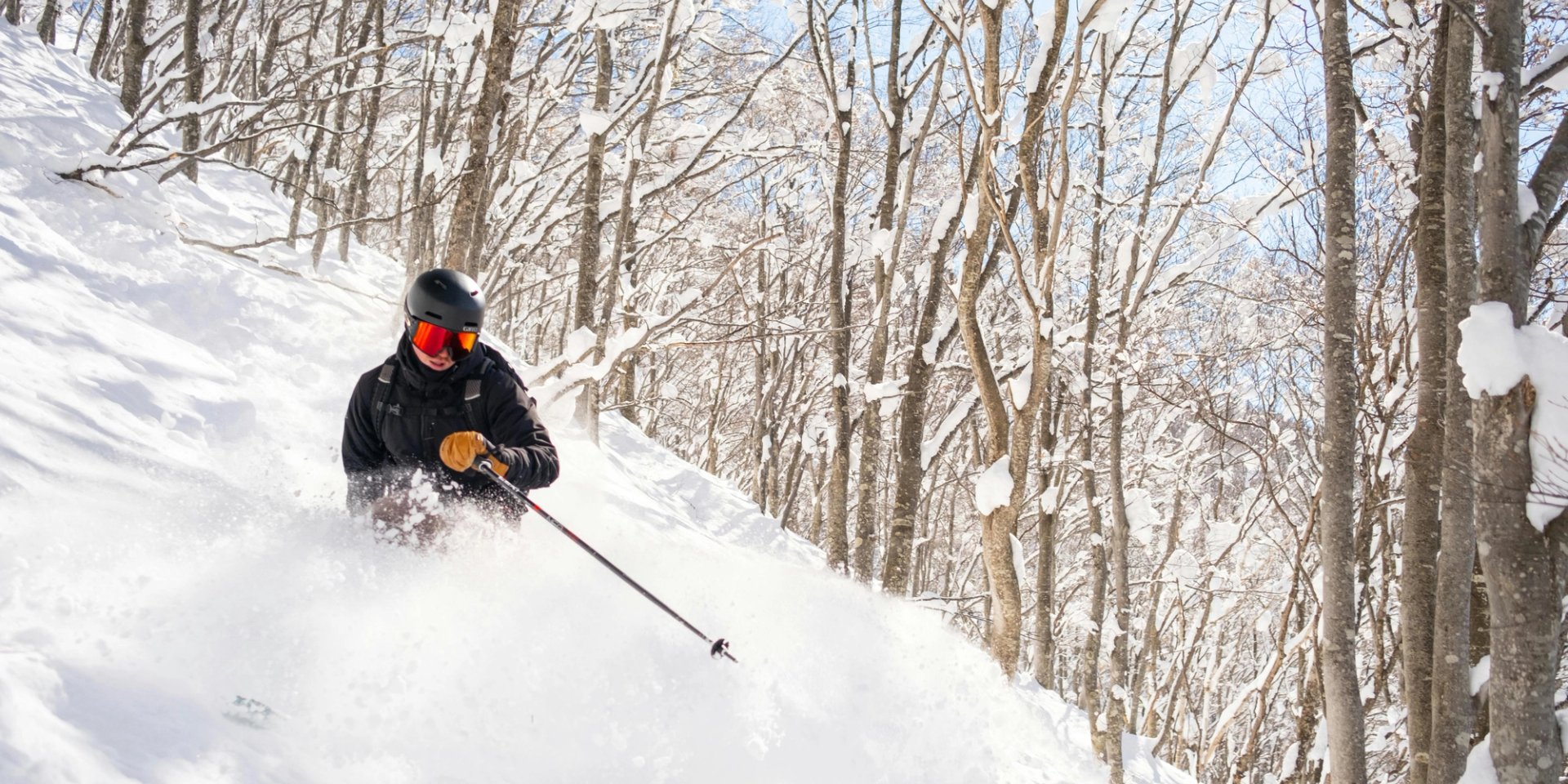
Myoko Kogen, Madarao, Lotte Arai, Nozawa Onsen
This loop is a pantry raid for powder hunters. Four headline stops, all close enough to swap plans on the fly when the forecast changes its mind. Myoko Kogen is your storm-day workhorse zone, Madarao is the tree-run giggle factory, Lotte Arai is the polished freeride playground, and Nozawa Onsen is the big-vertical, hot-spring-village finale.
The best part: you do not need to commit to a single mountain personality. If it’s nuking and visibility is a rumour, you ride trees. If it clears, you go hunting for bigger views and longer fall lines. If your legs are cooked, you soak, eat, and do it again tomorrow.
Route at a glance
Start at Joetsu-Myoko (easy from Tokyo by train), base in Myoko Kogen for flexibility, bounce to Lotte Arai and Madarao when conditions call for it, then shift to Nozawa Onsen for the village finish and big vertical days.
How to use this guide
- Build your trip around two bases (Myoko Kogen, then Nozawa Onsen) and day-trip the rest
- When storms get wild, prioritise trees and lower lifts over hero views
- Keep one day as a floating wildcard for whichever mountain gets the best overnight reset
- Treat onsens as mandatory maintenance, not an optional extra
Drive-time reality check
This loop is compact, but winter roads are the boss. Give yourself buffer after big overnight dumps, and assume parking lots fill faster on weekends and bluebird mornings.
Typical hops (in decent winter conditions):
- Myoko Kogen (Akakura area) ↔ Lotte Arai: about 45–60 min by road
- Myoko Kogen ↔ Madarao: about 45–60 min
- Madarao ↔ Nozawa Onsen: about 40–50 min
- Nozawa Onsen ↔ Myoko Kogen: about 60–90 min depending on route and weather
No car? You can still stitch parts of this together with seasonal buses and inter-resort shuttles, but the whole point of this guide is having the keys and changing plans at breakfast.
Day 0: Roll in, stock up, and set the storm traps
Arrival move: get yourself to Joetsu-Myoko, grab the rental car, then head for the Myoko Kogen side and settle in. Do a proper konbini and supermarket sweep tonight so tomorrow is just boots on, send it, repeat.
Where to sleep: if you want the most convenient base vibe, aim for the Akakura side of Myoko Kogen (more dining, more lodging, easier social energy). If you want quieter nights and faster morning exits, stay closer to the Myoko Kogen spreads.
Days 1–2: Myoko Kogen zone, the pick-your-own-adventure chapter
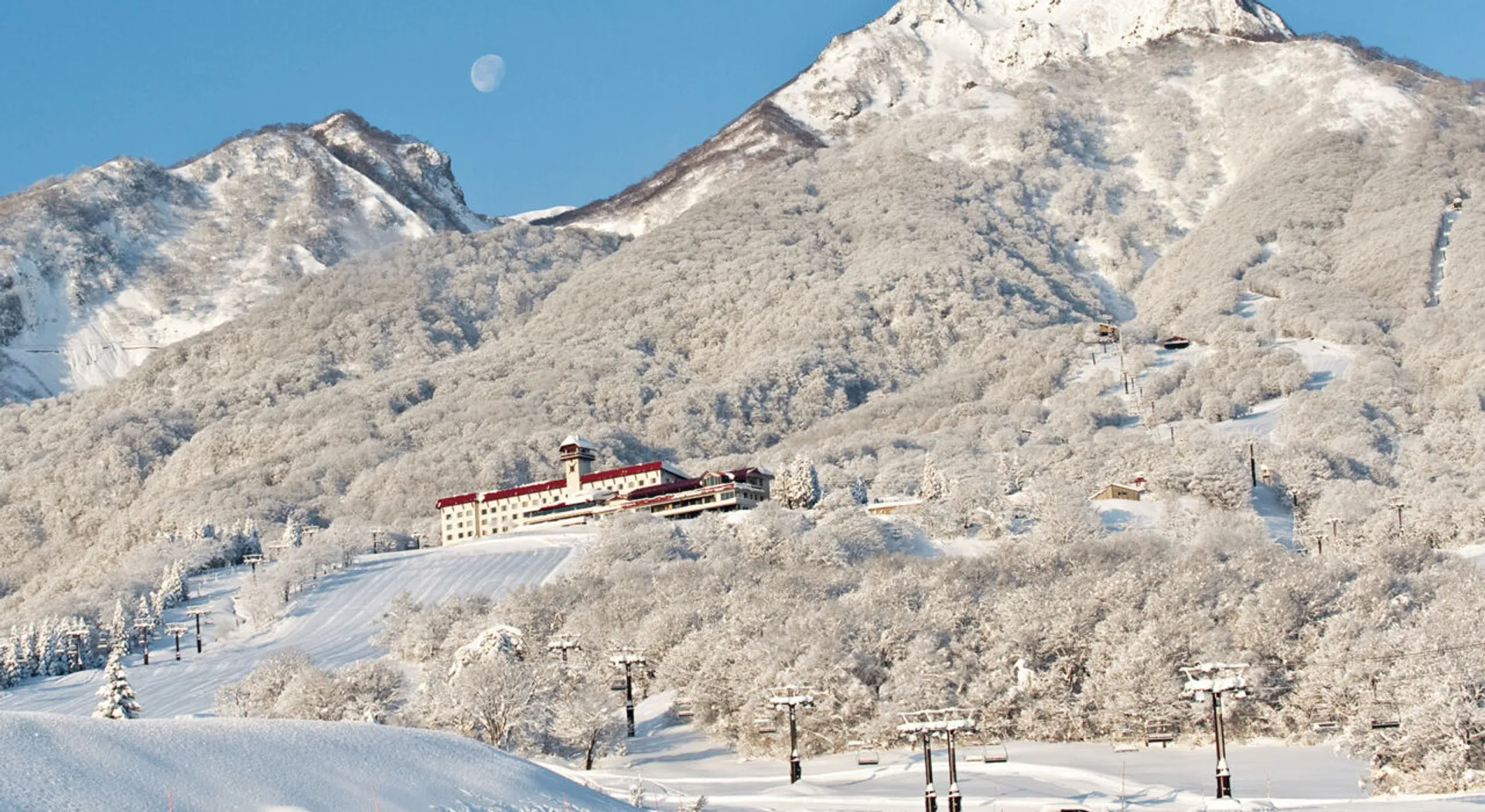
Myoko Kogen isn’t one ski resort, it’s a cluster, and that’s why it rules for storm chasing. You can choose your day based on what the weather is doing and what your legs are not doing.
Here are the actual choices you’re making:
If it’s dumping and visibility is mediocre: go tree-focused and low stress. Seki Onsen is a small-hill, deep-day specialist that can feel like a private powder club when it’s firing. Read: short lifts, fast resets, ridiculous snowfall energy.
If you want longer runs and efficient lift access: point it at Myoko Kogen Suginohara. It’s the mileage machine in this loop, and it gives you that satisfying top-to-bottom rhythm without needing a complicated strategy. Trees are there when you want them, but the headline is long vertical and a gondola doing the hard work.
If you want town energy and easy dinners: base around Akakura and treat it as your hub, then pick the best snow each morning.
Storm-day flexibility examples (three to actually remember):
Seki Onsen for deep and quiet, Suginohara for long runs and fast laps, and the Akakura area when you want town convenience, lessons, rentals, and more dinner options. Then you’ve got other nearby local hills in the Myoko Kogen cluster when you feel like mixing it up without a big drive.
Day 3: Lotte Arai, the polished freeride reset
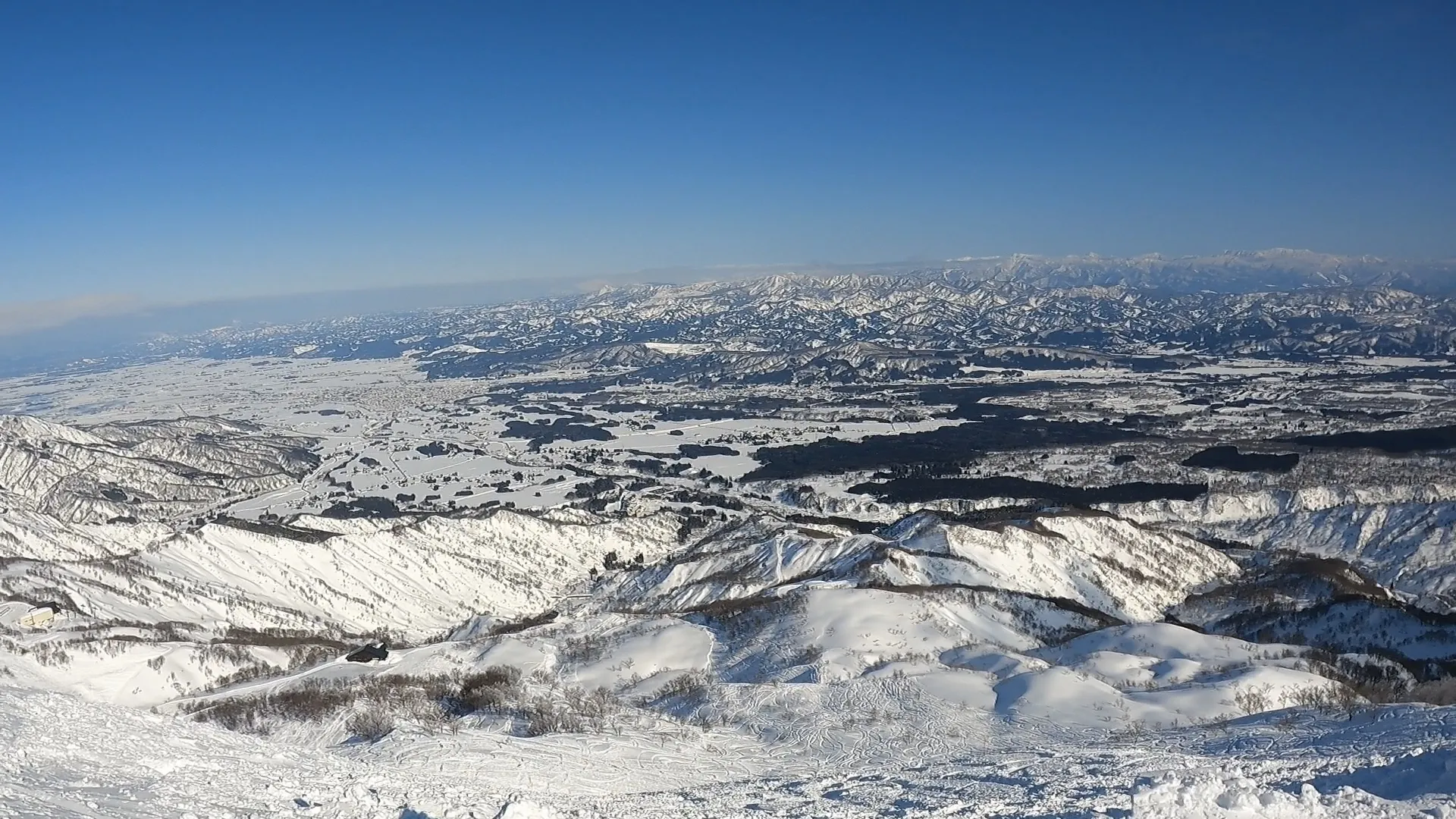
Today is about timing. Lotte Arai is famous for controlled freeride zones and progressive openings, so the smart play is to show up early, get organised, and then let patrol do their thing. When gates and zones open through the morning, you want to be ready to pounce, not still deciding if you are hungry.
It also gives you a different vibe from the rest of the loop. The base feels like a proper resort village: comfy, warm, and very good at turning a rough weather day into something you still brag about later.
Lotte Arai is your move when you want: steeper options, bigger bowls, and that managed-freeride feel without a full sidecountry mission.
Day 4: Madarao, the tree-run buffet
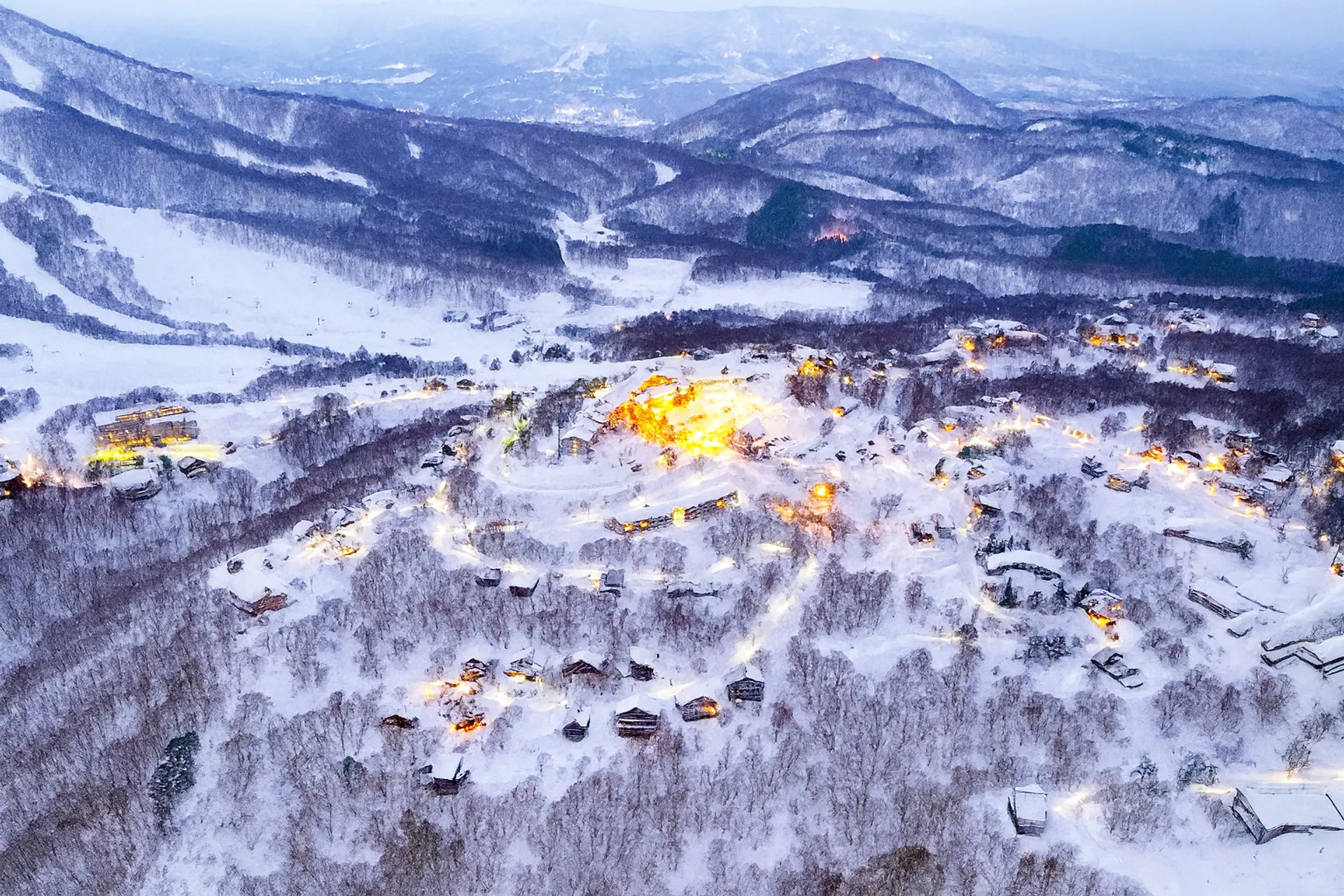
Madarao is where you go when you want playful, lap-friendly trees that stay fun even when the weather is fully committing. You are not here for massive alpine drama. You are here to weave through glades, laugh at how deep it is, and finish the day with legs that feel like they have been politely disassembled.
It pairs beautifully with this loop because it is different from Nozawa Onsen’s bigger mountain feel and different from Myoko Kogen’s cluster strategy. It’s simple in the best way: show up, follow the tree-run energy, and keep things rolling.
Day 5: Shift to Nozawa Onsen, arrive hungry
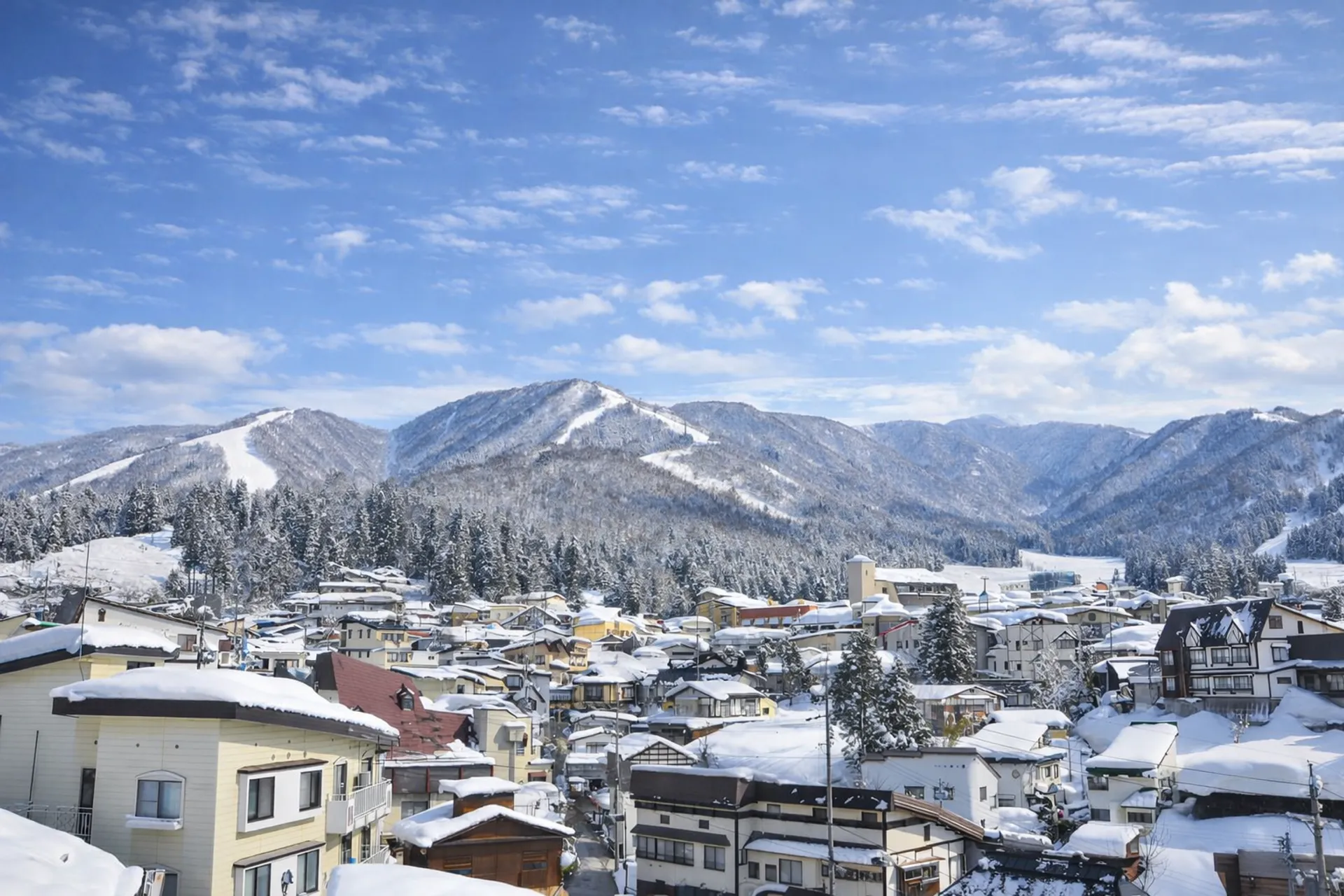
Move day, but keep it fun. Drive over, check in, then go straight into village mode: coffee, wander, snack, soak. Nozawa Onsen is not just a ski hill with beds nearby. It’s a proper old village that happens to have a big mountain attached, and the best way to enjoy it is to slow down just enough to notice the little stuff.
If you arrive early enough, you can squeeze in a short afternoon session or just save the legs for a first-chair start tomorrow. Either way, finish with an onsen. That’s the contract.
Days 6–7: Nozawa Onsen, big vertical and hot spring finish
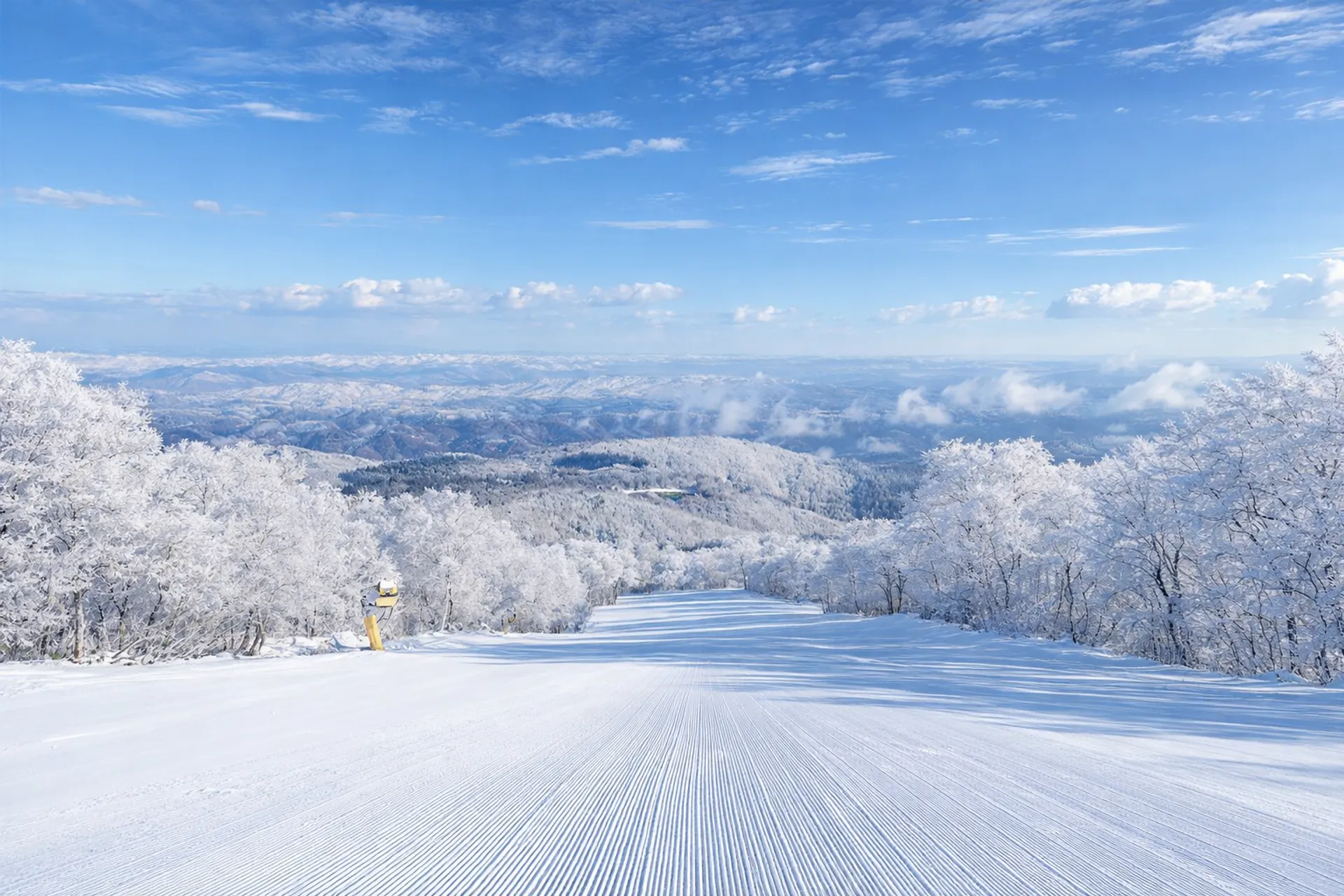
Nozawa Onsen is the closer for a reason. You get legit top-to-bottom vertical, a satisfying spread of terrain, and a village that makes you want to stay out for dinner even when it’s snowing sideways.
This is where your loop turns into a full Japan ski trip experience: ride, soak, eat, wander, repeat. The village has 13 free public baths, and yes, you should try more than one. Nozawa Onsen makes that easy.
Want a nearby bonus option while based here? Pop over to Togari Onsen for a more low-key, local-feeling day that still gets plenty of snow and keeps the vibe friendly.
Where to stay: the two-base strategy that actually works
Base 1: Myoko Kogen (3–4 nights). This gives you easy access to Suginohara and Seki, plus straightforward day hits to Lotte Arai and Madarao when conditions call for a change-up. It’s the most flexible start to the loop.
Base 2: Nozawa Onsen (2–3 nights). This gives you the full village experience and makes it easy to finish strong with big vertical, proper meals, and serious recovery options.
You can stay slopeside at Lotte Arai for a luxury reset night, but for most riders the two-base plan is the sweet spot.
Food that fuels the pantry
This loop rewards travellers who eat like they plan to ski tomorrow. Stock snacks early, keep a couple of emergency meals in the room, and treat hot lunches as a strategic decision on storm days.
Myoko Kogen brings classic mountain-town eats and good post-ride comfort food. Nozawa Onsen adds that village energy where dinner feels like part of the trip, not just refuelling. If you do this right, you’ll start choosing routes based on where you want to eat tonight, and honestly, that is a sign of wisdom.
The simple storm playbook
If the forecast is angry, lean into trees and quick laps (Myoko Kogen and Madarao shine here). If it clears, chase bigger terrain and longer lines (Suginohara and Nozawa Onsen do the heavy lifting). If winds are messing with upper lifts, stay mid-mountain, keep it safe, and let the onsen do the rest.
Verdict: a compact loop with a deep-day personality
Myoko Kogen gives you options, Madarao gives you trees for days, Lotte Arai gives you a freeride upgrade, and Nozawa Onsen gives you the classic village finale. It’s a loop that feels like you travelled, even though you never spend all day in the car. Bring good tyres, a flexible mindset, and a healthy respect for hot water.