
Best Japan Ski Resorts for Terrain Parks and Freestyle
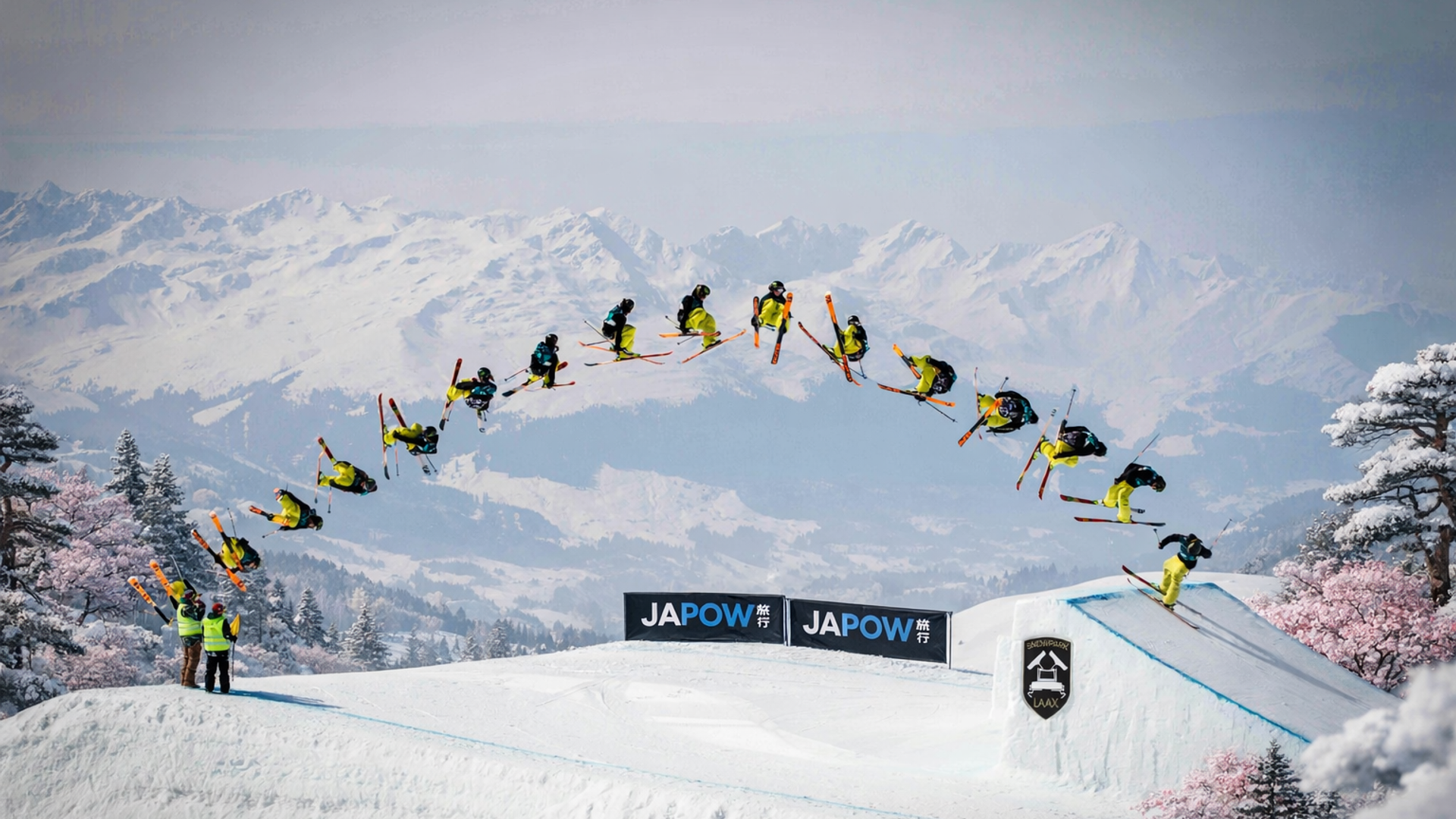
When the pow ain’t japow’n, there’s still a whole lot of fun to be had. Japan has a seriously underrated freestyle scene: proper superpipes, long progressive jump lines, and parks that get rebuilt and tweaked so often you can basically measure the season in fresh shapes. If you like your days served with smooth transitions, dialled landings, and a few “one more hit” moments, these are the ten to put on your list.
At a glance
For big, confidence-building park mileage, start with Hakuba 47 and Ishiuchi Maruyama. If your happy place is a proper pipe, aim for Aomori Spring, Ishiuchi Maruyama or Takasu for monster-scale pipes. Want springtime hero slush and sendy kickers? Rusutsu’s park steps up in March, and Tomamu does a March upgrade too. Chasing after-dark sessions? Kandatsu, Ishiuchi Maruyama, and Hanazono keep the lights on for night park laps.
Japow
8.6
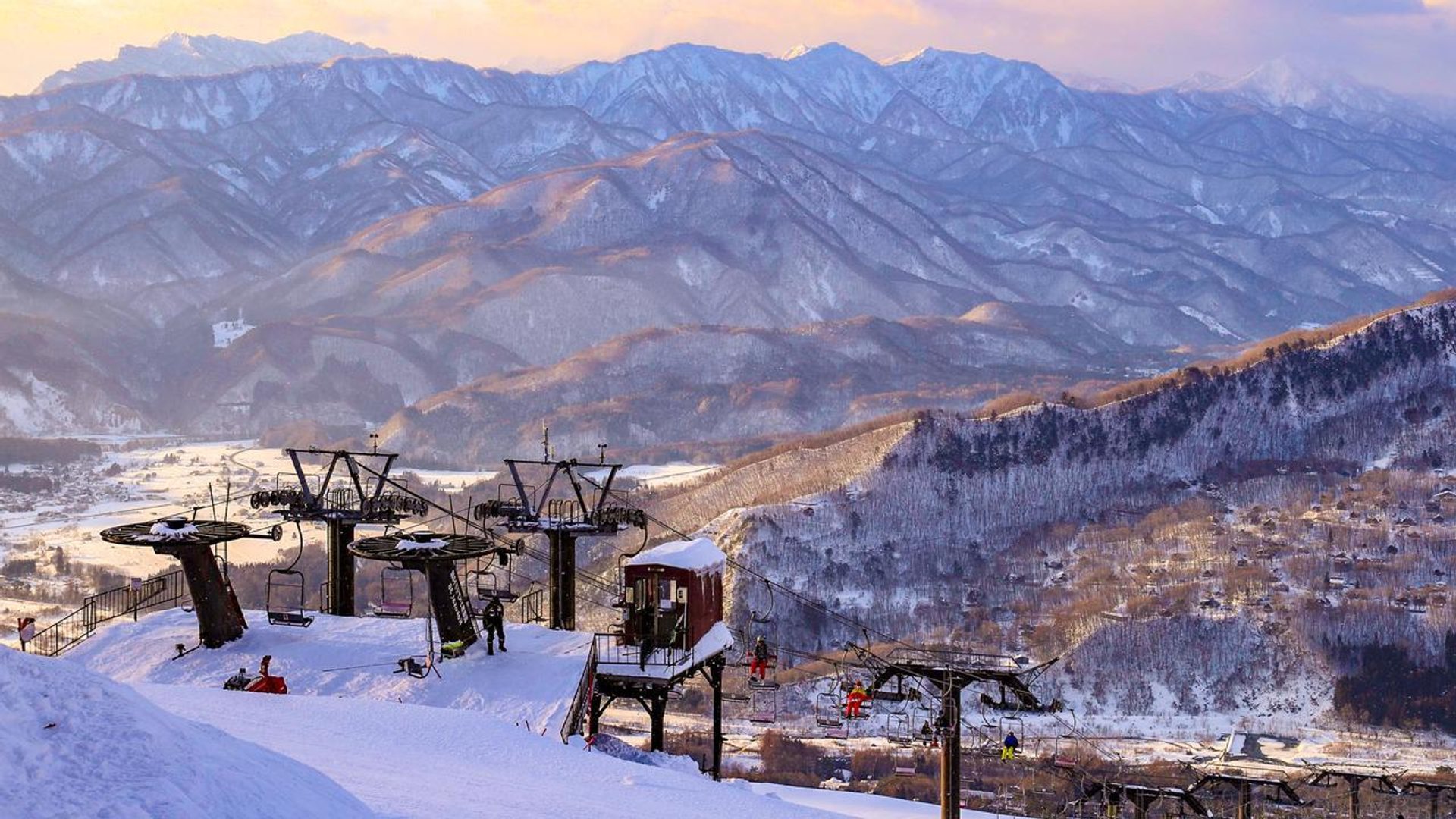
ScoreOnsenTerrain parkVillage hang-outsHakuba 47 is the benchmark for a reason: it’s a full-scale, everyone-welcome freestyle playground with enough variety to keep you progressing all day. The park setup is big and deliberate, with a large halfpipe, a stack of kickers (topping out at 20m), plus a proper spread of rails, boxes, and features that don’t feel like an afterthought. If you’re building up from medium to large jumps, this is one of the clearest “next step” parks in the country.
1614mElevation
¥9,500Lift pass
Crowds
Japow
8.4
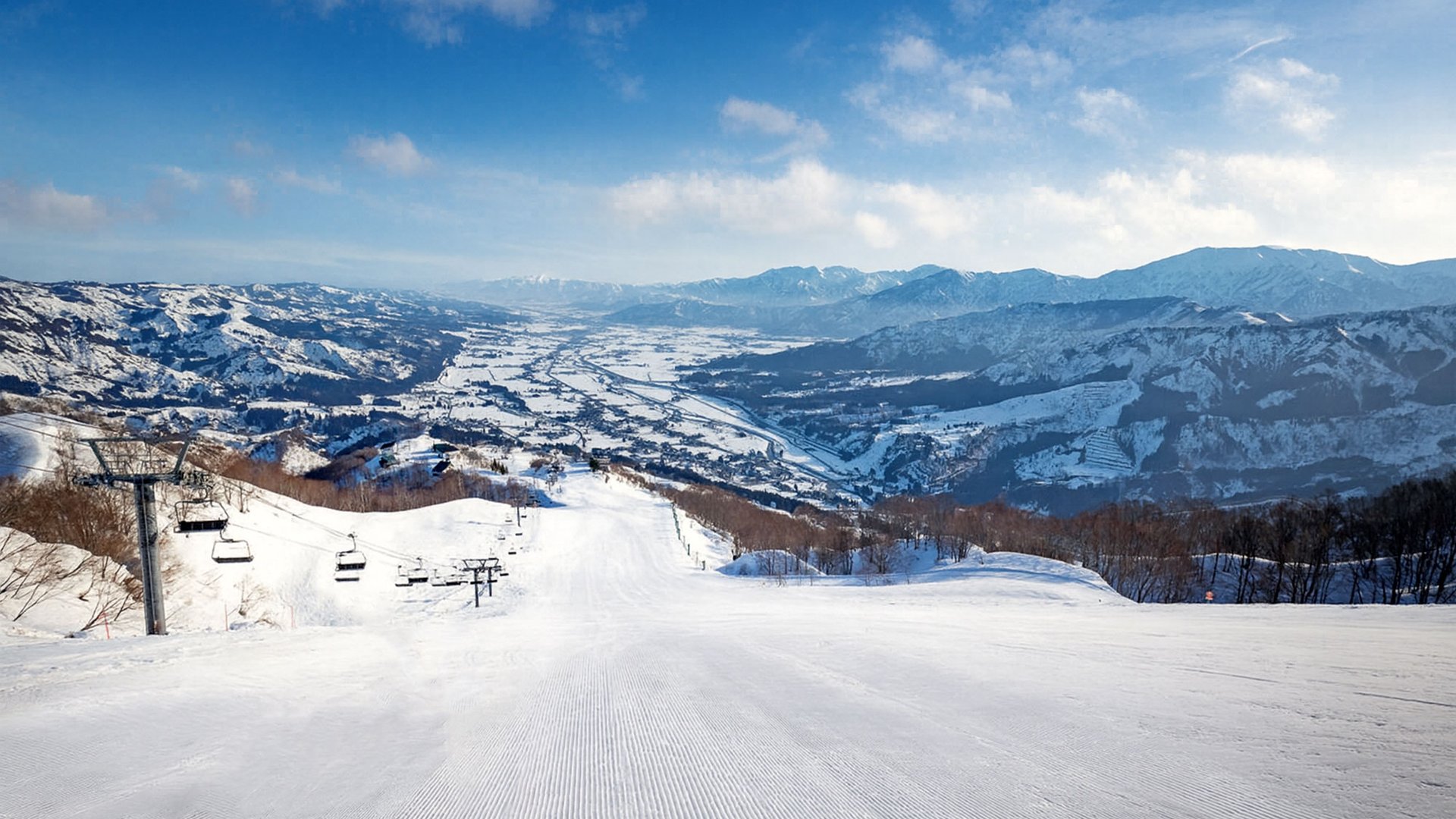
ScoreTrain-to-liftsTerrain parkNight skiingVillage hang-outsIshiuchi is what happens when a big, modern resort takes freestyle seriously. You’ve got a main park reported at 500m long, plus progression options so beginners aren’t dodging battle-hardened park rats. Then there’s the headline act: the Gungho Monster Pipe, with published specs around 6.7m high, 22m wide, and 170m long, which is… not subtle. Add night skiing and you’ve got one of Japan’s best places to stack reps until your legs ask for mercy.
921mElevation
¥6,500Lift pass
Crowds
Japow
8.7
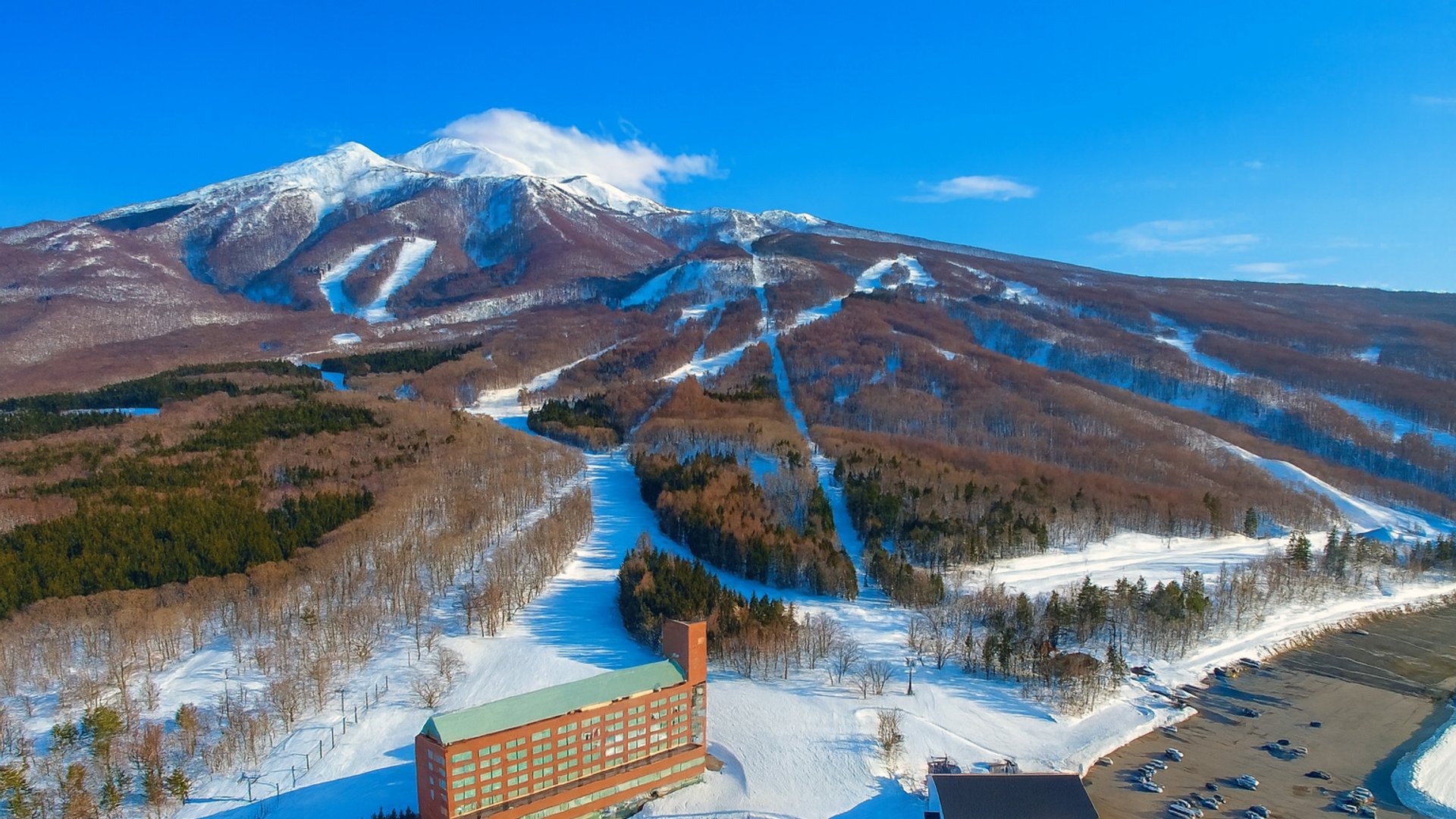
ScoreTerrain parkStorm MagnetRemoteAomori Spring has a proper park-and-pipe identity, and it’s not pretending. The resort runs a dedicated Park & Pipe program, with the halfpipe typically operating from January through April. It also serves as a national training centre for halfpipe, which tells you everything you need to know about the standard of the build. If you’re pipe-focused and want a serious setup without the circus vibes, Aomori belongs near the top of the list.
921mElevation
¥9,400Lift pass
Crowds
Japow
8
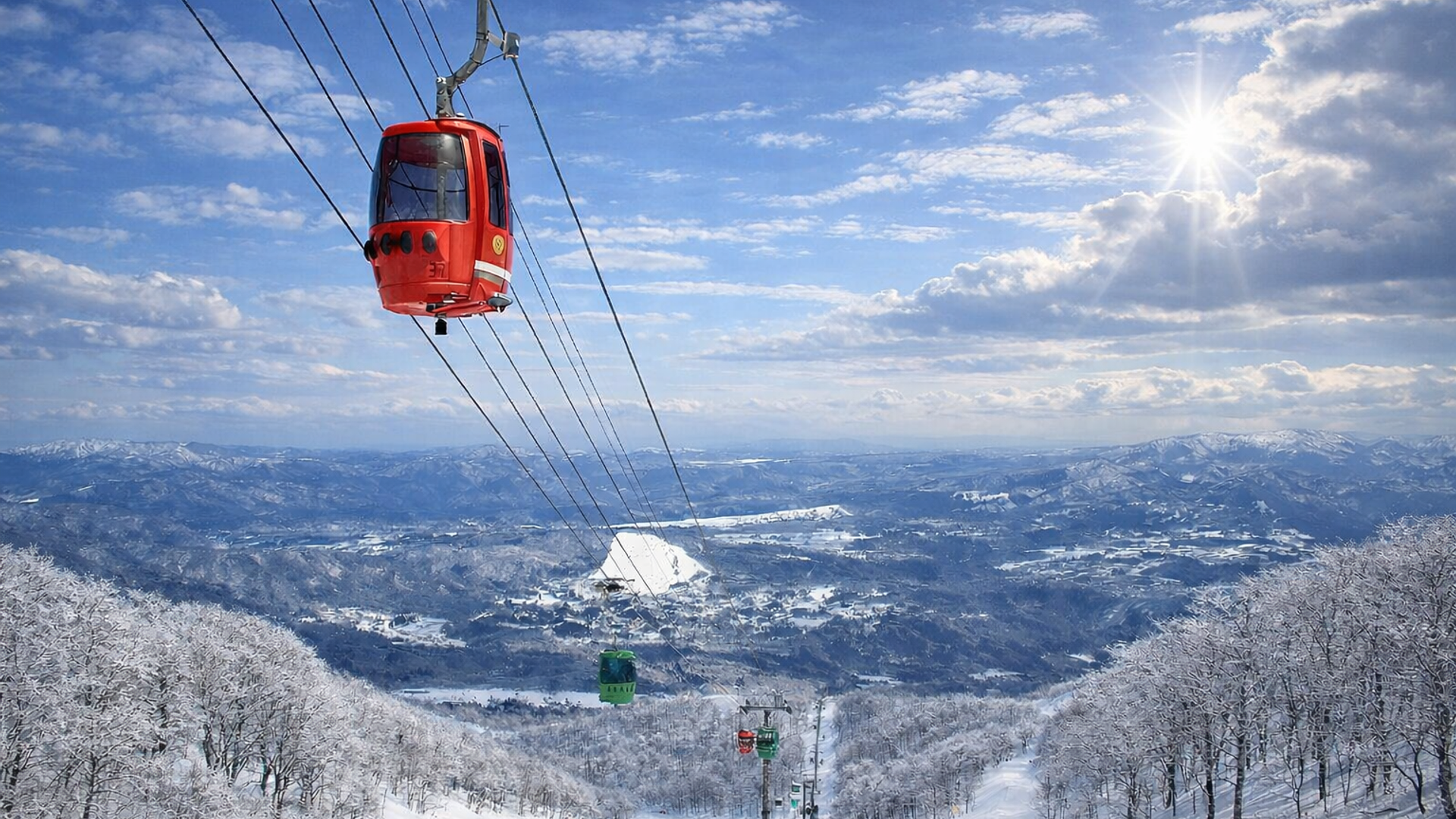
ScoreOnsenTerrain parkRemoteTakasu is a freestyle stronghold, full stop. The signature is a superpipe built to world-standard specs, reported around 120m long and 7m high, plus a high-spec park that leans into banks and kickers as well as the usual rails and boxes. One important reality check: Takasu itself isn’t a night-ski operation, so it’s all about making the most of daylight and lapping the features while they’re freshly shaped.
1550mElevation
¥6,000Lift pass
Crowds
Japow
9
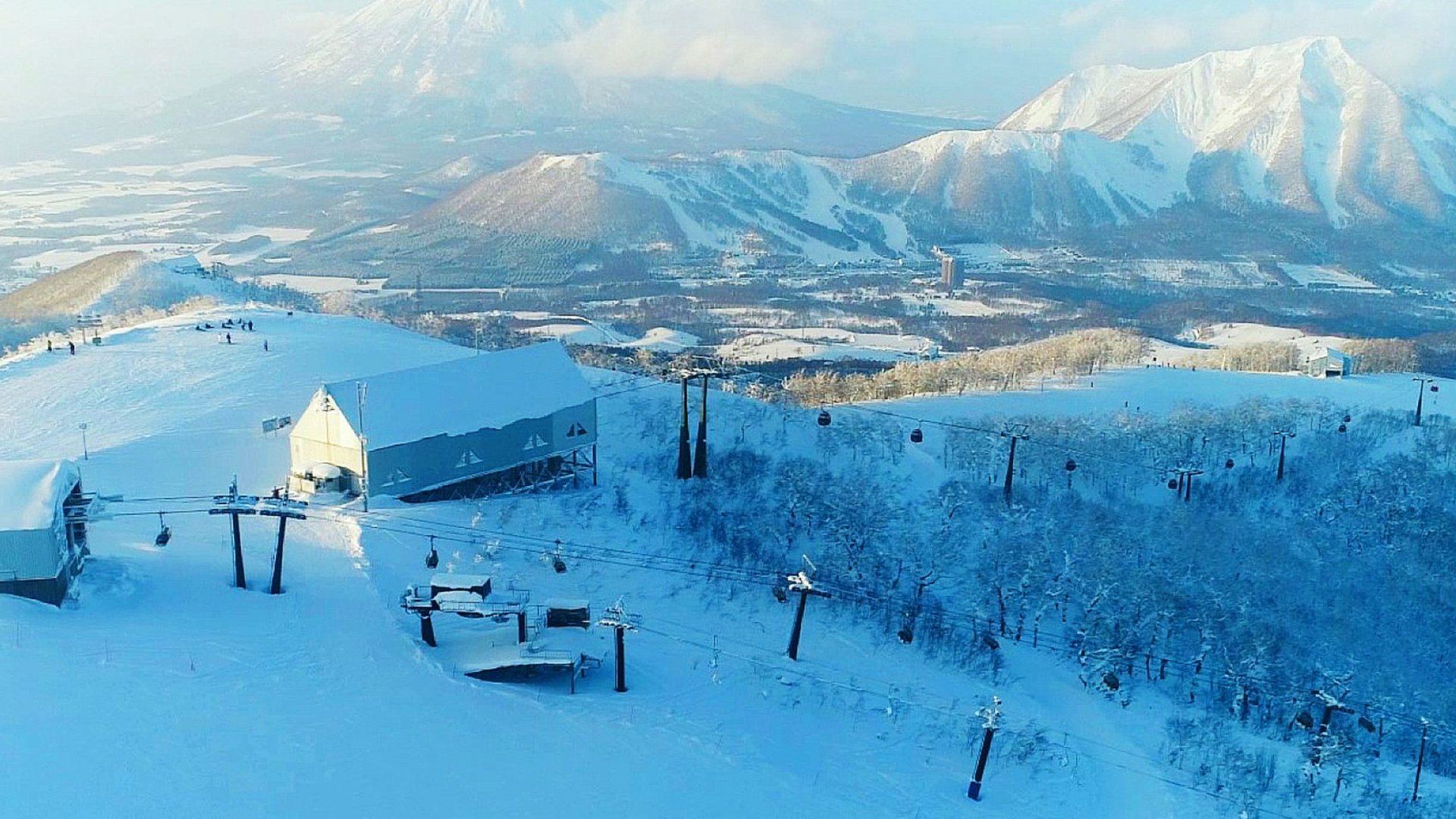
ScoreSki-in / Ski-outOnsenTerrain parkVillage hang-outsRusutsu’s Freedom Park is built with a lot of intent: dedicated lanes, clean progression, and a setup that works whether you’re learning to pop or hunting bigger airtime. The expert lane lists two-way kickers in the 5–8m and 8–12m range, and the resort installs a 15m kicker in March for spring season sending. Pair that with ski-in/ski-out convenience and a proper onsen to de-cramp afterwards, and Rusutsu is an easy top-tier pick for freestyle trips.
994mElevation
¥16,200Lift pass
Crowds
Japow
8.9
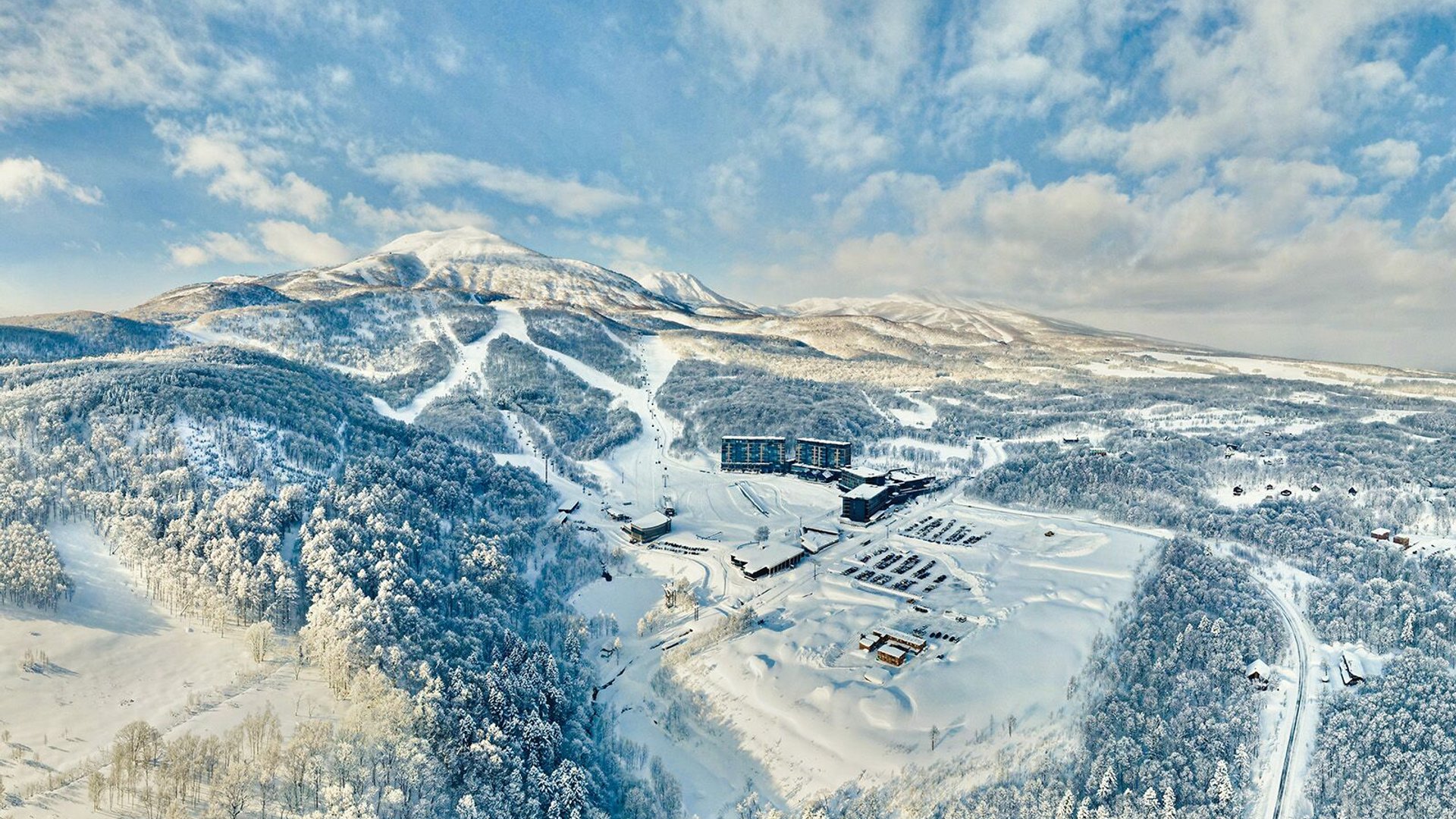
ScoreEnglish ski schoolTerrain parkNight skiingVillage hang-outsHanazono is the freestyle-friendly corner of Niseko that keeps getting better. The Main Park is aimed at intermediate to advanced riders, with 8–15m kickers, and there’s also a gondola-side park that’s open for night skiing, which is exactly the kind of detail that turns a good trip into a great one. If your crew is mixing pow days with park days, Hanazono is the ideal “we can do both” option.
1040mElevation
¥11,000Lift pass
Crowds
 OnsenTrain-to-liftsTerrain parkNight skiing
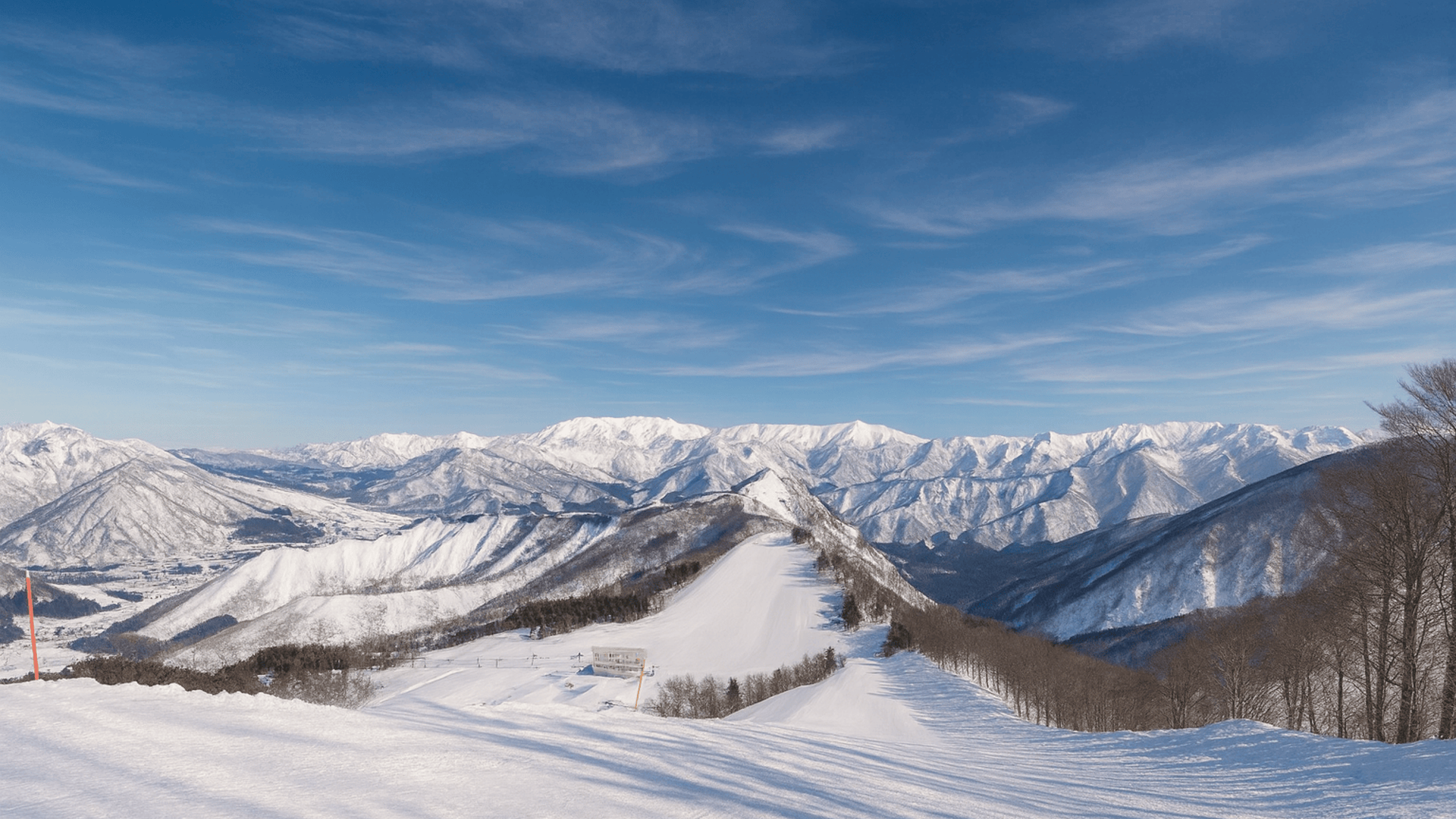
Kandatsu has a very specific personality: long operating hours and a park-first vibe. Night skiing runs late (commonly listed through to 2am on select nights), which is a dream if you want to get your freestyle fix after the crowds thin out. The resort is also positioned for easy rail-and-jump sessions: stay warm, take breaks, then go back out and keep clocking reps. It’s not the biggest mountain on this list, but for park addicts it punches way above its size.
1000mElevation
¥6,000Lift pass
Crowds
Japow
8.3
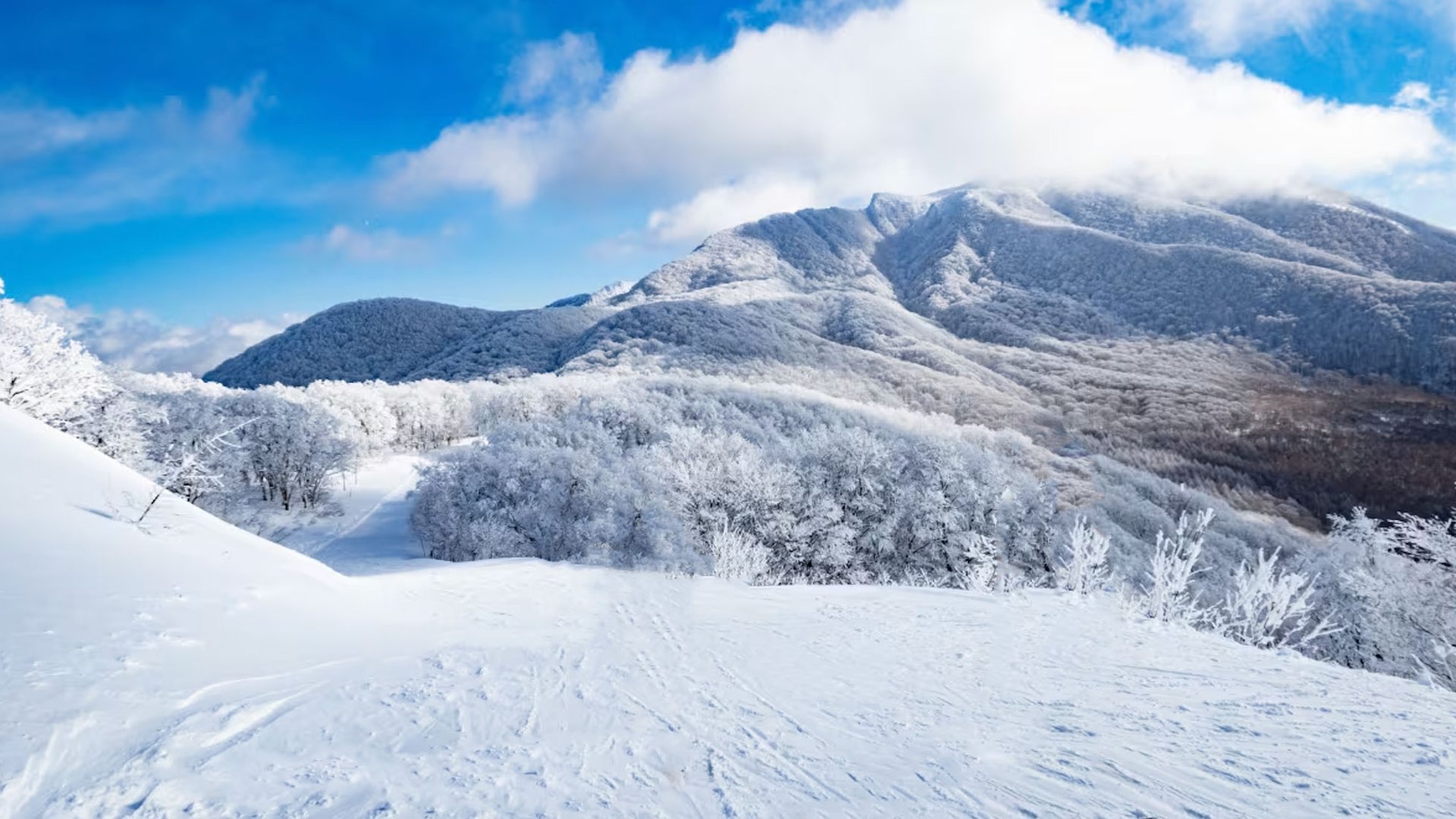
ScoreTerrain parkStorm MagnetRemoteNekoma is a progression machine with a big footprint, and it’s quietly become one of the best places in Japan to level up. The resort calls out its Step Up Park setup directly, including a 10m kicker in the north area, and the whole concept is designed around safe progression rather than random feature chaos. If you’re the kind of rider who wants to improve quickly (and not just send once), Nekoma is a very smart pick.
1338mElevation
¥5,500Lift pass
Crowds
Japow
8.5
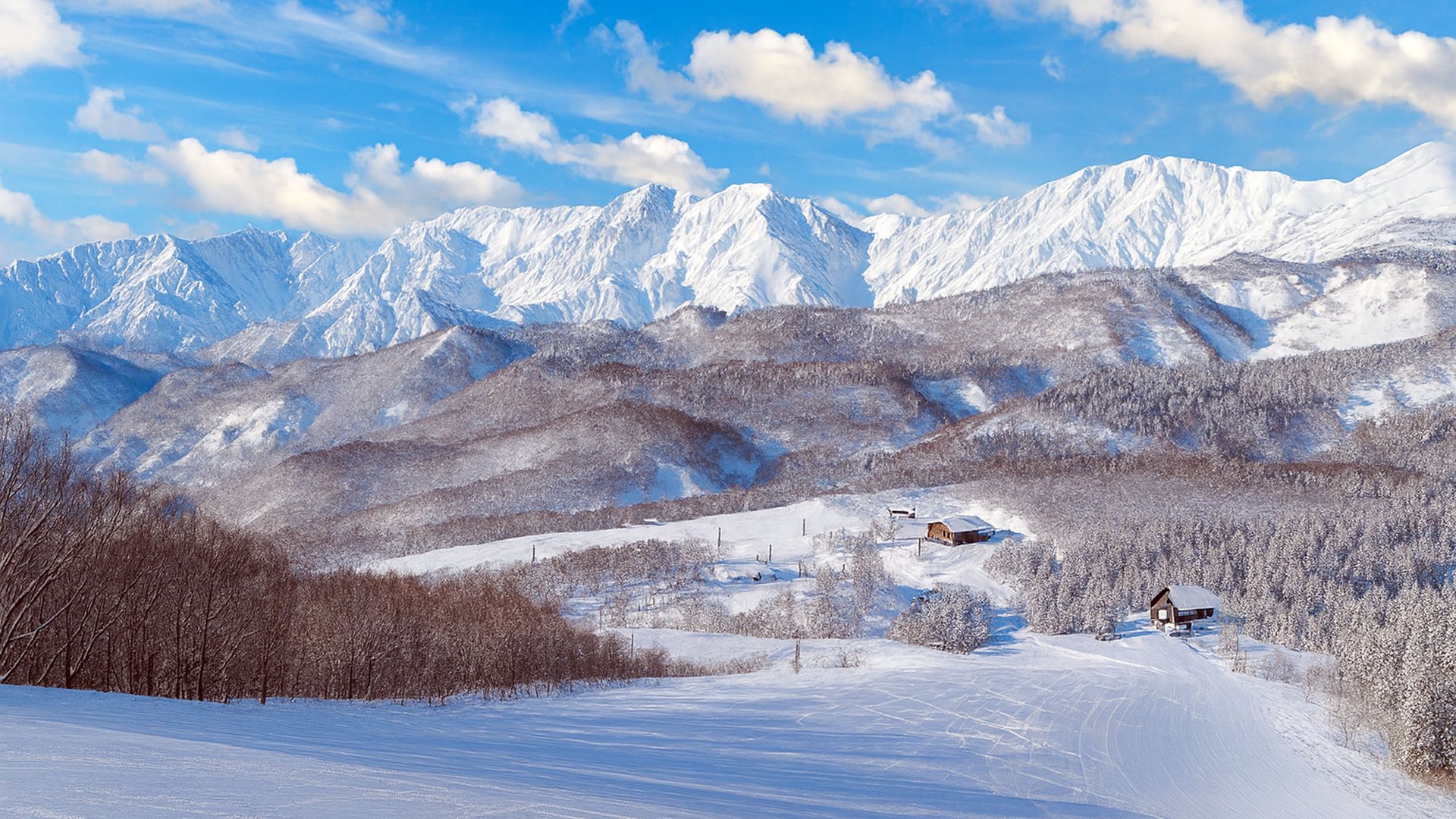
ScoreOnsenTerrain parkVillage hang-outsTsugaike makes the list because it combines a legit, full-spec park with a broader mountain that keeps things interesting between park sessions. TG PARKS is positioned as a complete snow park offering a range of layouts for different levels, and Tsugaike is also widely known for its lift-accessed trees and controlled access to backcountry zones, which makes it an awesome base for riders who want park in the morning and freeride flavour in the afternoon.
1700mElevation
¥7,200Lift pass
Crowds
 10Tomamu
Japow
8.9
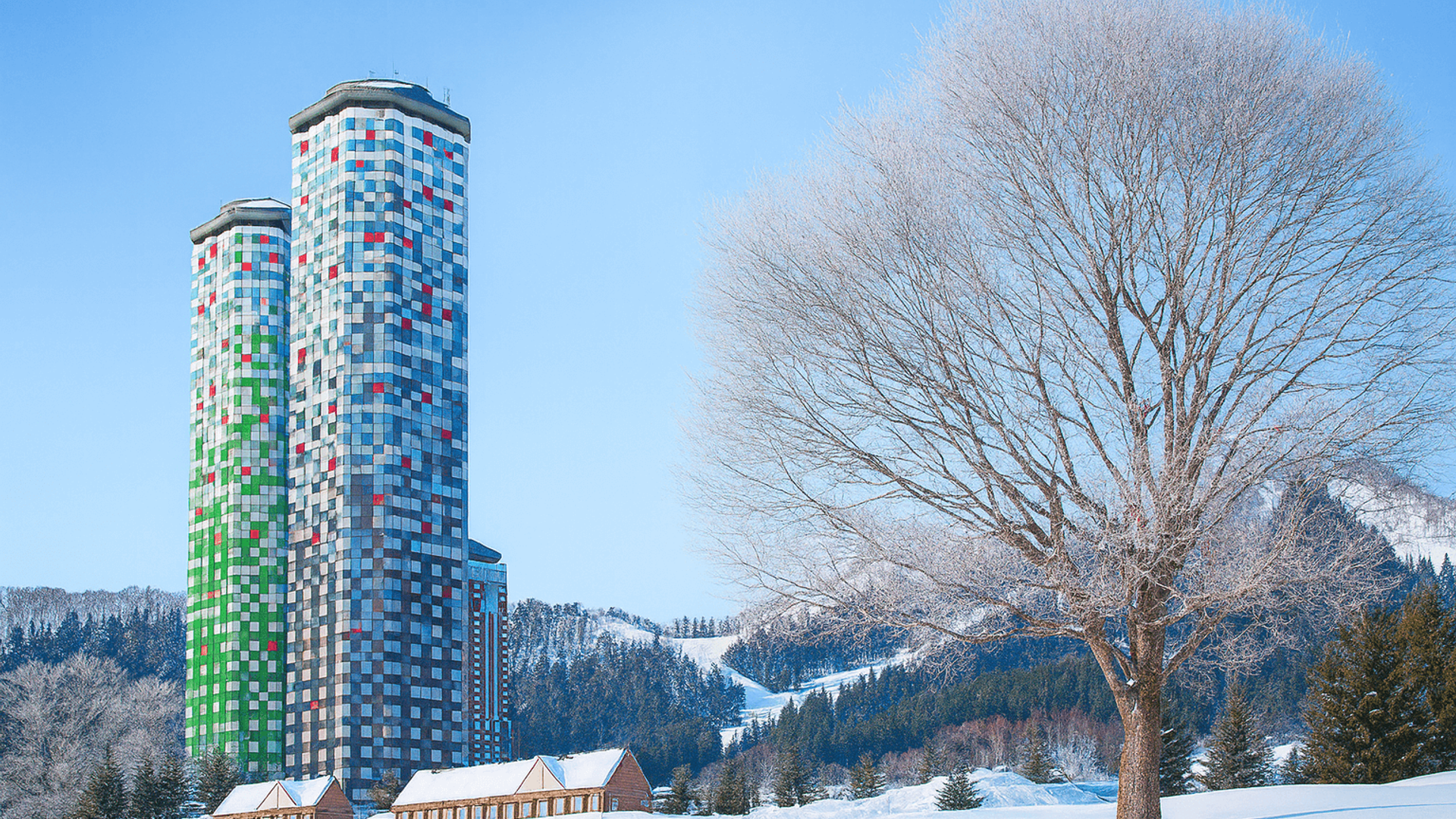
ScoreSki-in / Ski-outWave pool / Indoor playEnglish ski schoolTerrain parkTomamu is a stealth pick for freestyle because it does two things really well: it runs a serious slopestyle park, and it makes trips ridiculously easy. The Slopestyle Park is set up with three separate lanes for beginner, intermediate, and expert riders, and it gets a major renovation in March. Off-hill, it’s almost unfair: Japan’s largest wave pool at Mina-Mina Beach, on-site childcare (from very young ages), and a legit open-air bath at Kirin-no Yu. If you’re planning a crew trip with mixed priorities, Tomamu keeps everyone happy.
1171mElevation
¥8,000Lift pass
Crowds