
Rusutsu
Champagne Pow Under Mt. Yōtei
 ルスツ
ルスツWhere Bavarian Whimsy Meets Japow Dreams
You come around a bend through heavy, snow-loaded trees and suddenly there's a merry-go-round the size of a small building, a tree that sings, and an indoor wave pool sitting incongruously in the middle of Hokkaido winter. First reaction is usually confusion. Second reaction, once you've actually skied here, is that none of it matters, because Rusutsu turns out to be entirely serious about the thing that counts.
Underneath the theme-park exterior sits three genuinely distinct mountains, West, East and Isola, each with its own job to do. Between them you get untouched glades, wide cruising groomers and open bowls deep enough to disappear into, and unlike a lot of famous names, there's actual room to spread out across all three rather than funnelling everyone onto the same handful of runs.
The atmosphere lands somewhere between family holiday and serious powder mission, and it manages both without much friction. Set next to Niseko, the whole place feels calmer, less like a small city has been dropped onto a mountain. English works fine at the hotels, lifts and ski schools, but the underlying rhythm stays distinctly Japanese: polished, orderly, quietly efficient in a way that keeps a big day of skiing from ever feeling chaotic.
Crowd management here beats most of Hokkaido, plain and simple. Weekday mornings after a dump, you can often walk straight onto a gondola with barely a wait. Even the busy stretches, holidays and weekends, don't overwhelm the lift network, so fresh snow is still findable well past 10am, which almost never happens at bigger-name resorts. For the direct head-to-head with the mountain everyone compares it to, our Rusutsu vs Niseko comparison breaks down exactly where each one has the edge.
Resort Stats
Estimated cumulative fresh snowfall at major on-mountain ski areas; actual totals vary substantially by resort, elevation, measurement location, and season.
- Vertical594m (994m → 400m)
- Snowfall~14m
- Terrain 30% 40% 30%
- Tree Riding
- Lift Pass¥16,200
- Lifts4 gondolas, 7 quads, 7 pairs
- Crowds
- Out of BoundsAllowed with caution
- Night Skiing
- Family Friendly
- Trails37
- Skiable Area~212ha
- VibeTree-ski paradise meets quirky family resort
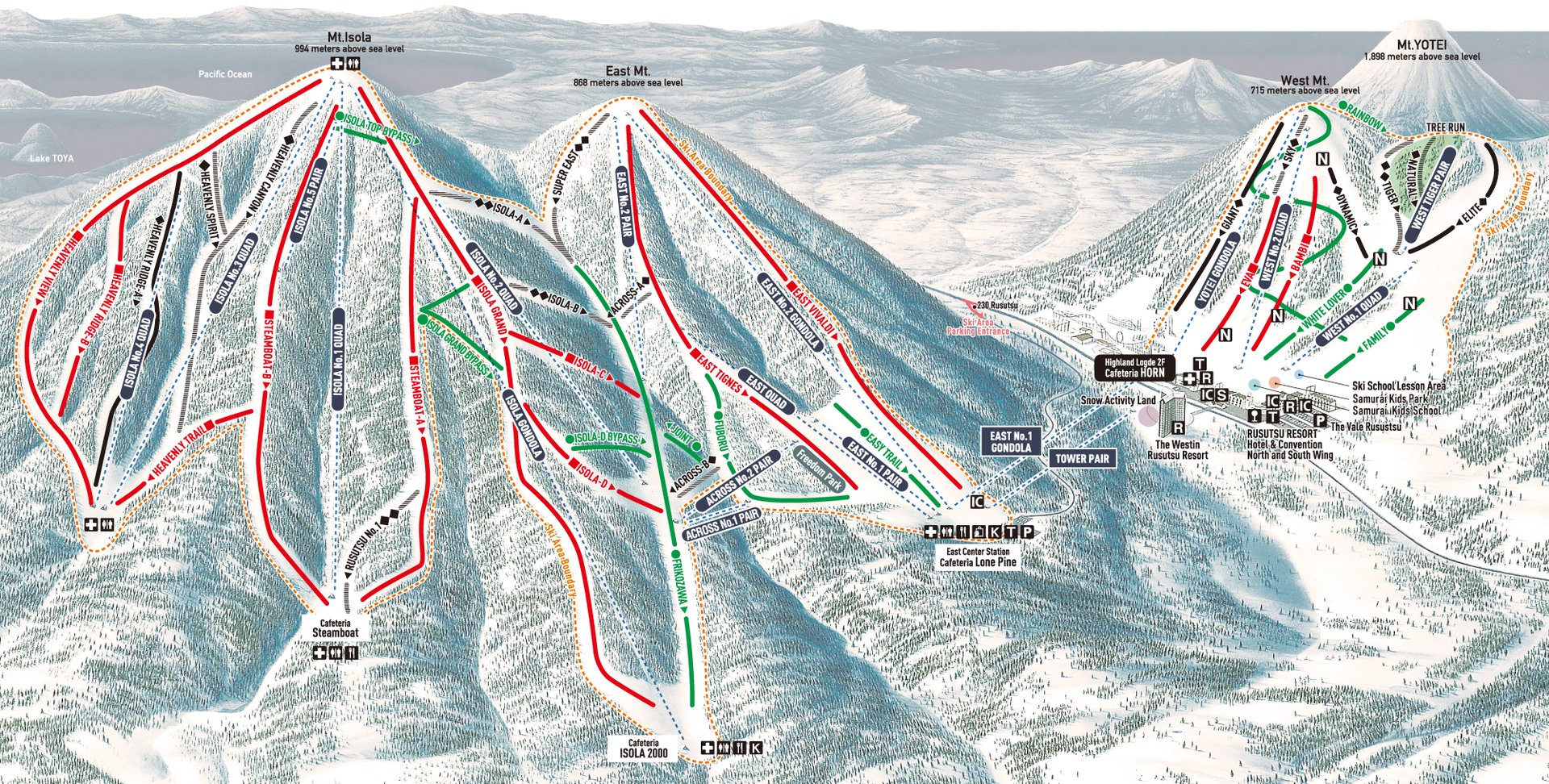
Trail Map
Accommodation
View MapOur Rusutsu accommodation guide covers the full area-by-area breakdown, but the short version below covers the main options.
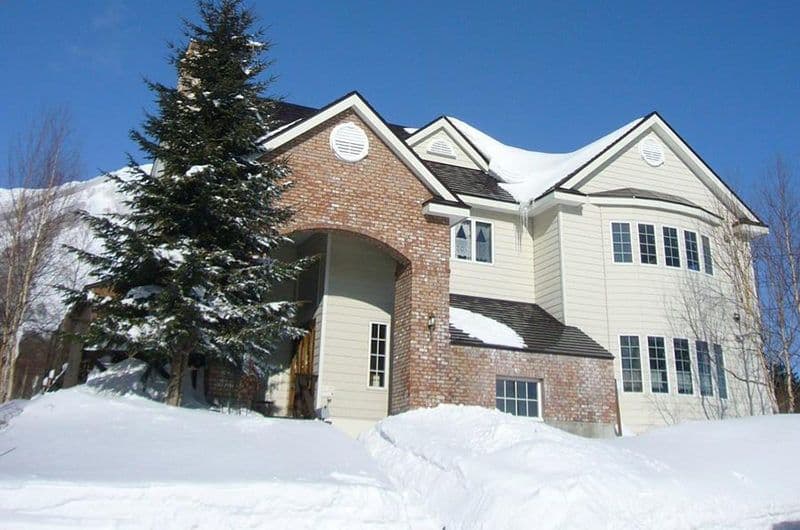
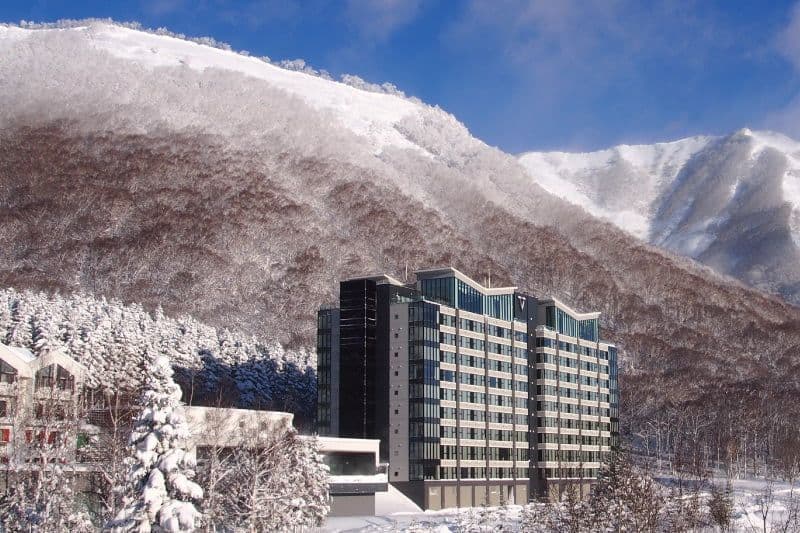
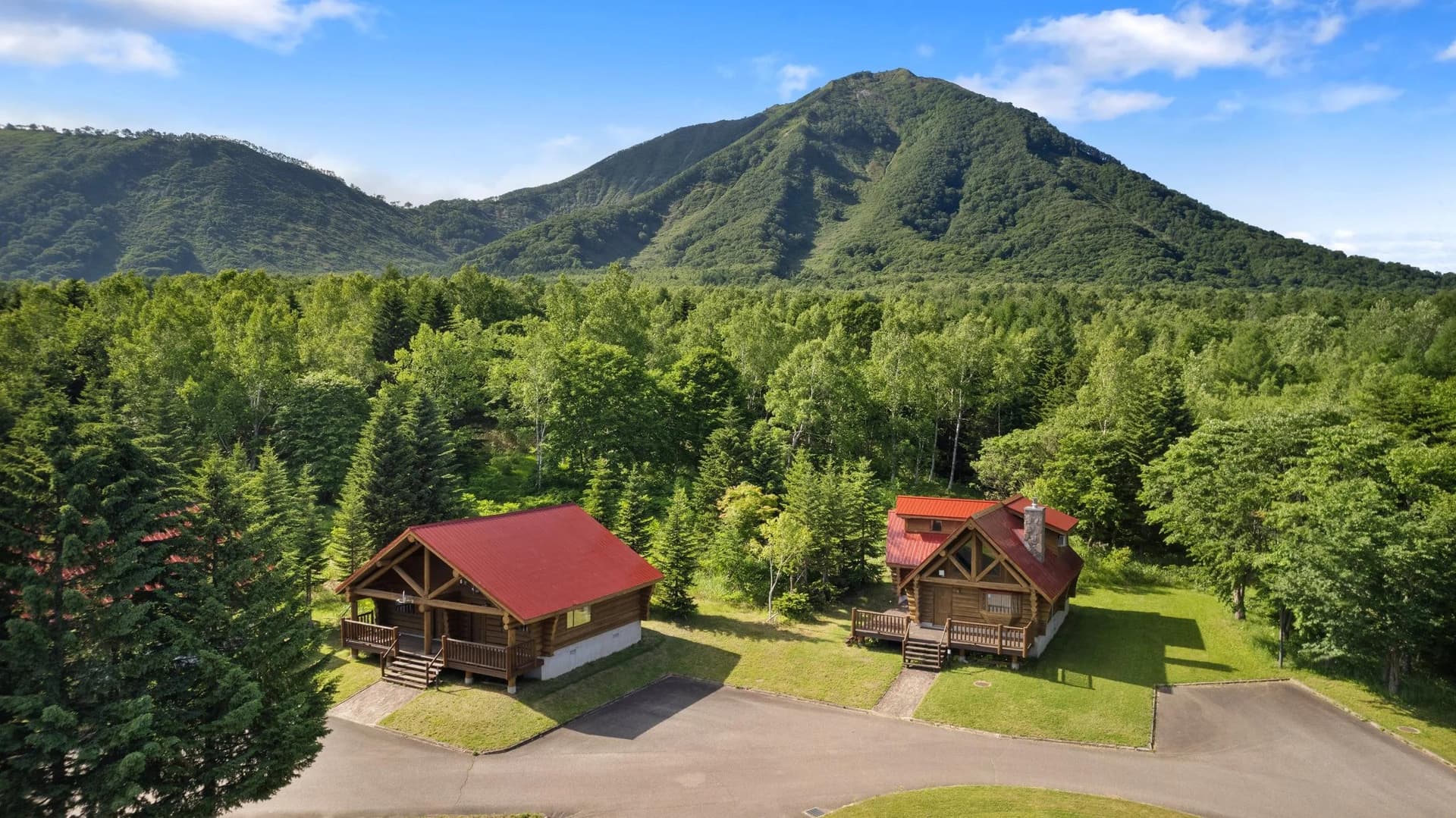
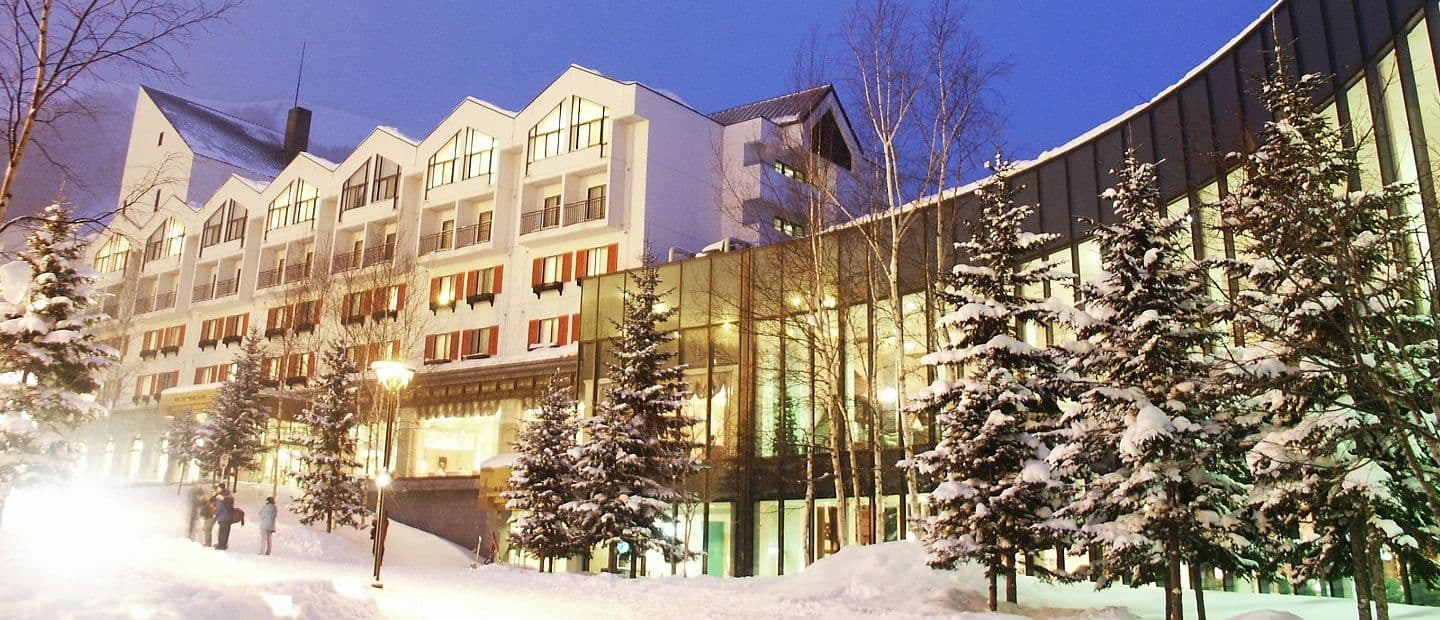
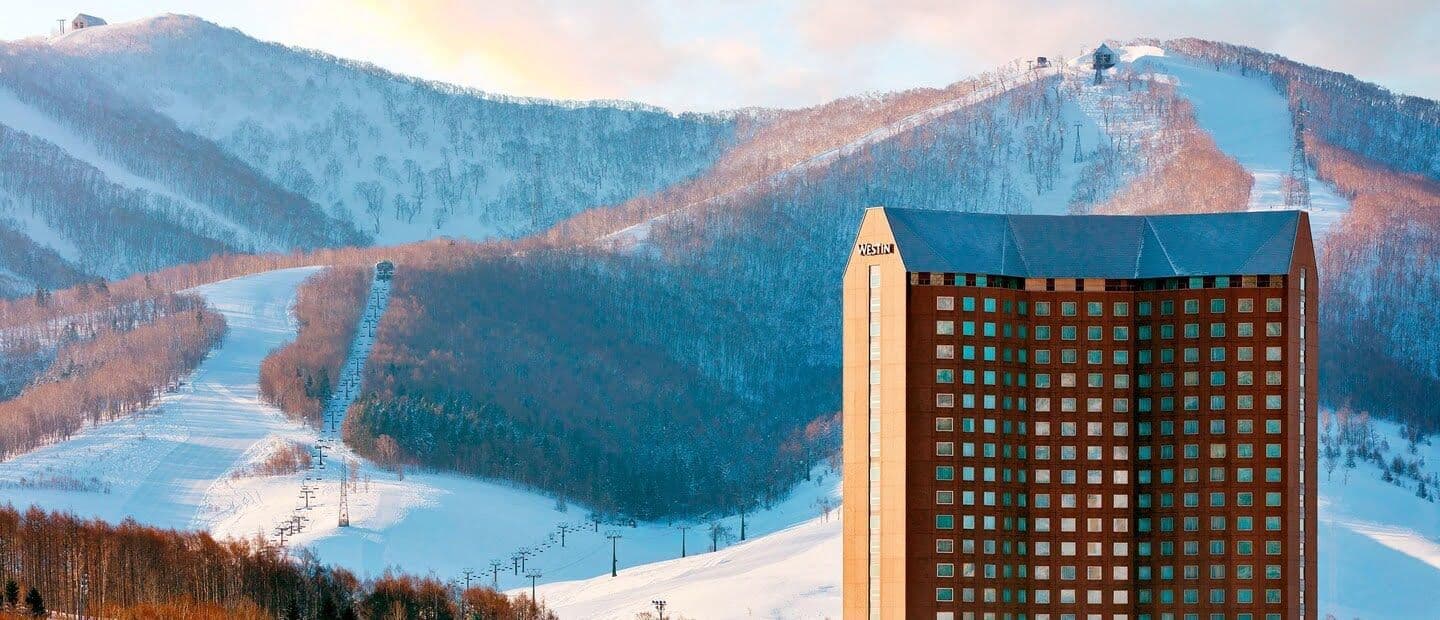
Rusutsu Resort Hotel & Convention drops you right into the family-oriented buzz of the main complex. Across the road, The Westin Rusutsu Resort offers a noticeably quieter, more polished stay without losing the convenience. For groups or families wanting real space, The Vale Rusutsu does self-contained apartment-style suites rather than standard hotel rooms, worth the upgrade if you're travelling with more than a couple of people.
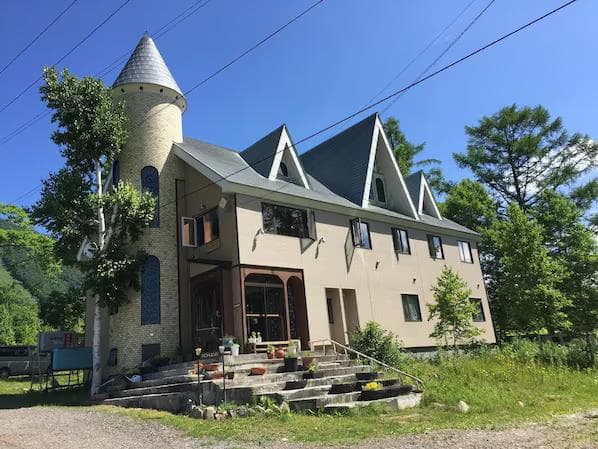
Tighter budgets have options too, pensions, guesthouses and small lodges scattered nearby, generally warm and good value, but plan for a car or shuttle since none of them sit right at the lifts.




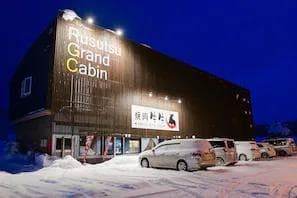


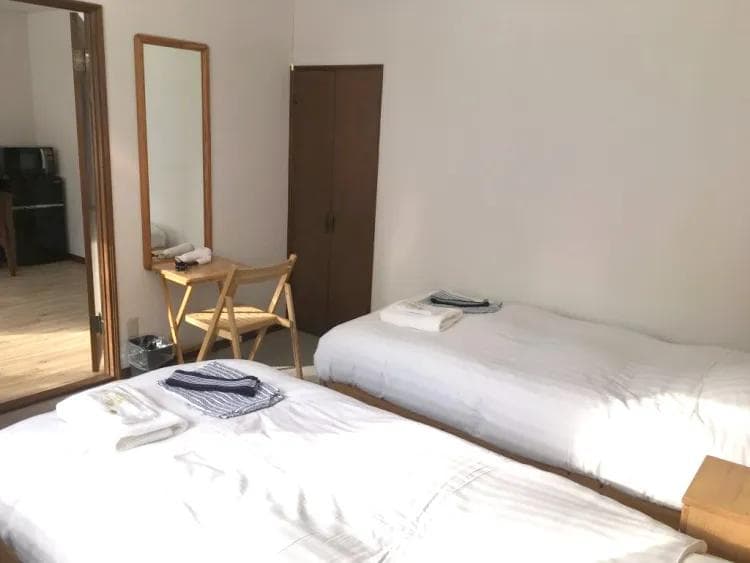
This page contains affiliate links, if you book through them, we may earn a small commission at no extra cost to you.
Powder & Terrain
There's a reason people keep coming back specifically for the snow. Storms arrive cold and steady off the Sea of Japan, laying down light, dry powder that holds its texture for days rather than turning heavy by lunchtime. Because most of the terrain here faces north, that quality survives sun breaks far better than you'd expect.
West Mountain does the warm-up work. Sitting right against the hotel strip, it mixes easy and intermediate runs with a handful of tree lines tucked in for anyone paying attention, ideal for a first-day reset or a couple of laps squeezed in before breakfast.
East Mountain turns the intensity up: steeper lines, fast open groomers built for carving, and side hits scattered along the tree edges for anyone looking to play. East Tignes and East Vivaldi both tend to hide powder for days after everyone else has skied it out. This side of the mountain is also the doorway through to Isola, where the real reason to visit lives.
Mt Isola earns the crown jewel label honestly. Long, uninterrupted fall-lines, birch glades spaced exactly right, and bowls that hide in plain sight make this the terrain advanced riders come here for. The Steamboat runs (A, B and C) have the reputation they deserve, fast enough to feel alive, steep enough to demand attention, sheltered enough that the snow actually stays put. Get on the Isola gondolas early and the reward is silence and untouched turns.
Storm days belong to Isola specifically. Tree cover keeps visibility workable when everything above the treeline goes white, and running the gondolas back to back keeps fresh snow coming most of the day. Wind ramps up, drop down to East Mountain instead, its lower runs sit more sheltered and keep moving when the exposed terrain shuts down.
There's sidecountry and backcountry access if you want it, but this isn't the place to wing it, patrols keep a close eye and the snowpack has genuine surprises in it. Realistically, the in-bounds trees alone will keep most visitors occupied well past the point of needing anything beyond the ropes.
Getting There
New Chitose Airport is the obvious gateway, roughly 90 minutes away by car or shuttle bus, with regular services running from both the airport itself and central Sapporo. Skipping the rental car entirely is a completely reasonable plan here.
A car earns its keep if you want side trips, Lake Toya, Niseko, or a spontaneous day in Sapporo are all realistic, along with easier reach to smaller local hills. The roads themselves are usually cleared well, but don't take the rental counter's word for it after a heavy storm, chains or proper winter tyres matter more than the paperwork suggests. Our winter car hire and driving in Japan guide runs through what's actually worth checking before you commit.
Niseko sits only 30 to 40 minutes away, which makes pairing the two resorts an easy call. A surprising number of travellers deliberately start at Rusutsu for the calmer pace, then move on to Niseko's bigger energy once they're warmed up.
Who's it for?
- First-timersGood
- Powder huntersExcellent
- Non-skiersGood
- Après / nightlifeOkay
- LogisticsGood
Strong riders will settle in fast. Isola's glades, East Mountain's steeper lines, and a genuinely permissive off-piste policy add up to enough terrain that a full week here won't feel repetitive.
Intermediate riders get an easy win too, wide groomers to build speed on and mellow tree lines to test without committing to anything too serious. East Mountain in particular sits right in that sweet spot for someone actively working on their riding rather than just cruising through a holiday.
Complete beginners have West Mountain to themselves, forgiving and low-stakes, though the terrain there won't last a determined learner more than a couple of days. Families tend to do particularly well at Rusutsu, thanks to genuine ski-in ski-out setups, solid ski schools, and enough serious terrain nearby to keep the adults from getting bored while the kids are in lessons.
If a big night out is the priority, this isn't your destination. Evenings here run toward a quiet drink and an early bed, in service of another full powder day.
Food & Après
The main hotel complex runs everything from sprawling buffet halls to quick noodle counters. The buffets don't hold back, sushi, tempura, hot pot, plus Hokkaido specialties like miso butter corn and jingisukan, the region's answer to lamb barbecue.
A handful worth seeking out specifically: a small miso ramen counter near the North Wing, genuinely crisp katsu curry in the food court, and a fresh seafood donburi when you want something that isn't fried.
Nightlife stays deliberately understated. A couple of hotel bars pour whisky highballs and Sapporo Classic, and there's an occasional karaoke room for anyone still awake. The smaller pensions nearby often have their own cosy lounge corners, a decent bet if you'd rather trade stories with fellow travellers than sit in a hotel bar.
Japow Travel Tips
- Lift hours: Roughly 9:00am to 9:00pm, with night skiing concentrated on West Mountain.
- Ticket price: Walk-up adult day tickets sit around ¥16,200 in regular season, but buying online ahead of time can bring that down toward ¥12,000, easily worth doing before you leave home.
- Best window: Late December into mid-February for maximum snowfall, March trades some depth for a lot more sunshine.
- Kit: Cold, dry snow rewards gear with good float, and low-light goggle lenses will earn their keep on the grey storm days.
- Side trip: Lake Toya's onsens and lookout points make a genuinely good half-day away from the lifts.
- Language: English covers resort facilities without trouble, though a few Japanese phrases still go down well.
- Overall feel: Busy and family-friendly by day, properly quiet by night. Come here to ride, not to rage.
Verdict: A Tree-Ski Lover's Paradise
Rusutsu pairs Hokkaido's trademark deep, dry snow with enough terrain variety across three mountains that repeating a lap barely comes up. Lifts run efficiently, crowds stay manageable even at their worst, and the tree skiing genuinely ranks among the best the country has to offer. A few days here or a full week, either way you'll be looking for an excuse to come back. Anyone who rates a good tree line over a big night out will find this place hard to fault.