
Northern Tohoku Storm-Chaser Loop
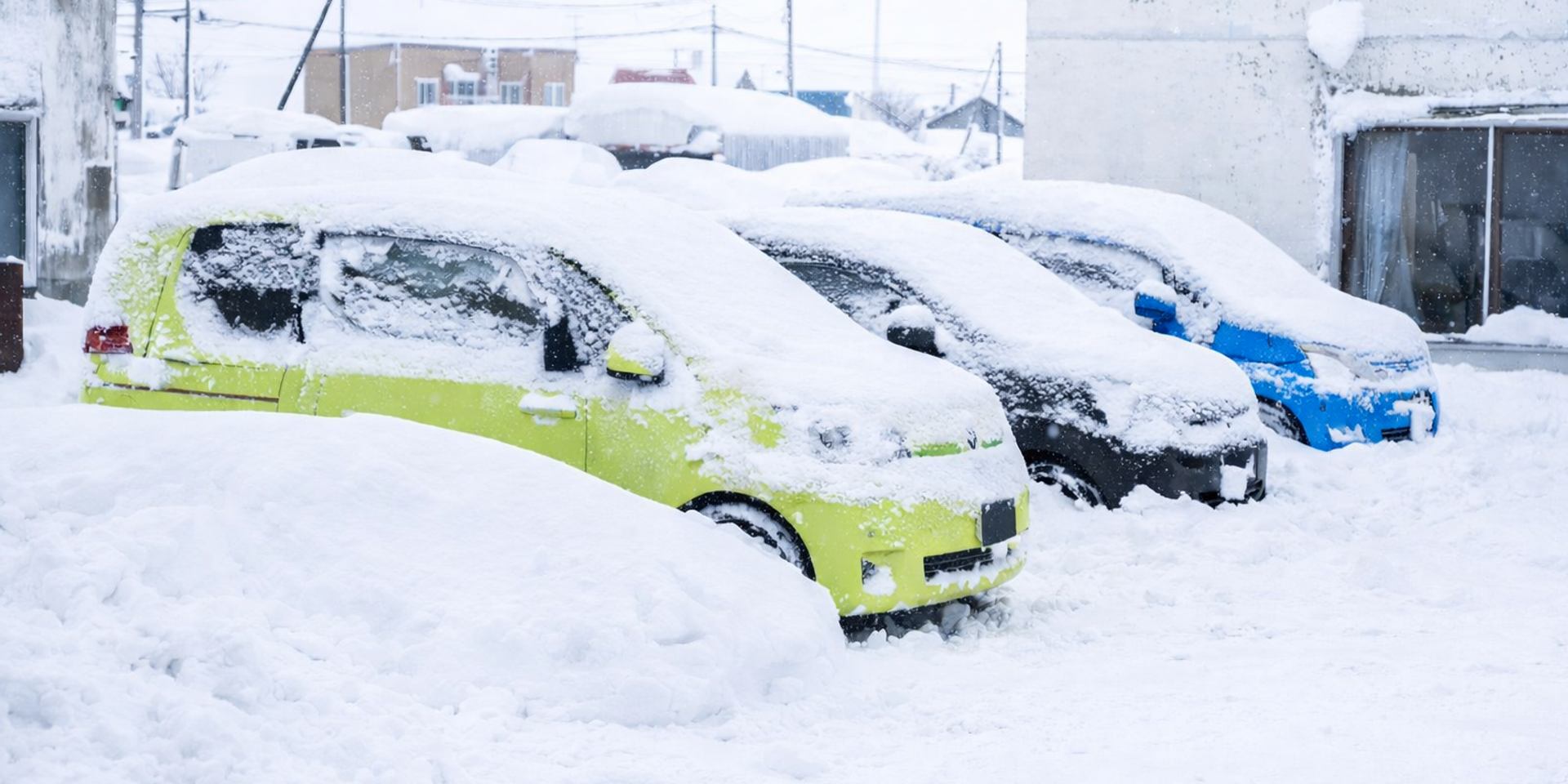
A 7 to 10 day Japan powder road trip through Aomori, Iwate and Akita
While Hokkaido might gets the billboards, Northern Tohoku gets the storms, the empty lift lines, the roadside ramen, and the kind of ski days that make you quietly smug about your life choices.
It is wilder, quieter, less polished, and all the better for it. This is a proper winter road trip through northern Honshu, built for skiers and snowboarders who want classic japow, quiet resorts, onsen towns and a bit of adventure between lift days.
The trick is not to chase every ski resort on the map. That is how good road trips turn into frozen admin. The best version keeps things sharp: Aomori → Hakkoda → Appi Kogen → Geto Kogen → Tazawako → Akita.
This gives you the big northern storm target, the reliable Iwate resort days, the deep Geto tree-skiing section, and a final Akita onsen finish without driving all over Tohoku like a lost delivery van.
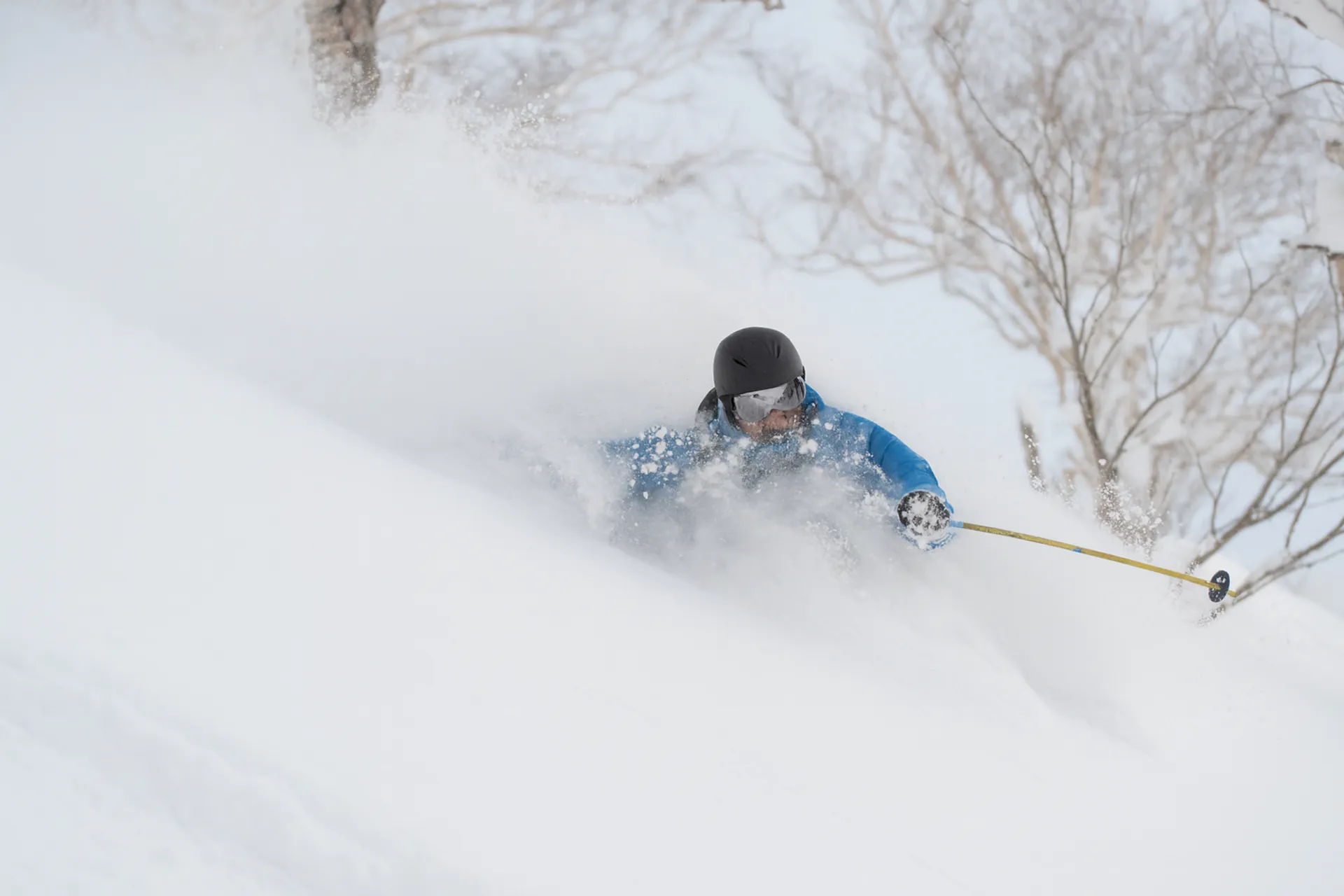
This guide follows the same logic as our Hokkaido powder routes: pick a flexible base, chase storms day by day, and don’t overcommit to a single resort unless the weather is dialled.
The Route
The best version is a one-way road trip. Start in Aomori, ski south through Iwate, then finish in Akita. Do not loop back to Aomori unless flights or car hire rules force your hand. It looks tidy on a map, but adds a long backtrack for no real win.
The route has four main ski zones: Aomori for Hakkoda, Iwate for Appi Kogen and Hachimantai, Kitakami for Geto Kogen, and Akita for Tazawako and Nyuto Onsen. That is enough. You do not need to squeeze in every local hill between Aomori and Akita. The goal is a kick arse powder road trip, not a spreadsheet with goggles.
For most travellers, this works best as a 10-day trip. Seven days is doable, but you should cut Akita and finish after Geto. More on that below.
Day 1: Arrive in Aomori
No skiing today unless you arrive very early. Land at Aomori Airport or arrive by train at Shin-Aomori Station, collect your rental car, stock up on road trip basics, and settle in.
Keep the first night simple. Winter road trips go better when Day 1 is not a mad scramble through snow, luggage, jet lag and rental car paperwork.
Where to stay
Best option: Aomori City.
Aomori City gives you hotels, food, rental car logistics, convenience stores and an easy launch point for Hakkoda the next morning. It is not the snowiest or most atmospheric choice, but it is the easiest and most practical.
Alternative: stay near Hakkoda or Sukayu Onsen if you want the full snowy onsen atmosphere straight away, but expect fewer food options and less flexibility.
Drive and route notes
Allow around 30 minutes from Aomori Airport to Aomori City, depending on your hotel and road conditions. Shin-Aomori Station to central Aomori is even shorter.
Use the evening to check the forecast, confirm road conditions, and get your gear sorted before the proper ski days begin.
Days 2–3: Hakkoda
This is the headline act of the Aomori leg. Hakkoda brings the big-mountain feel, ropeway-accessed terrain, heavy snowfall and proper northern Honshu wilderness. When it is on, this is exactly why you came.
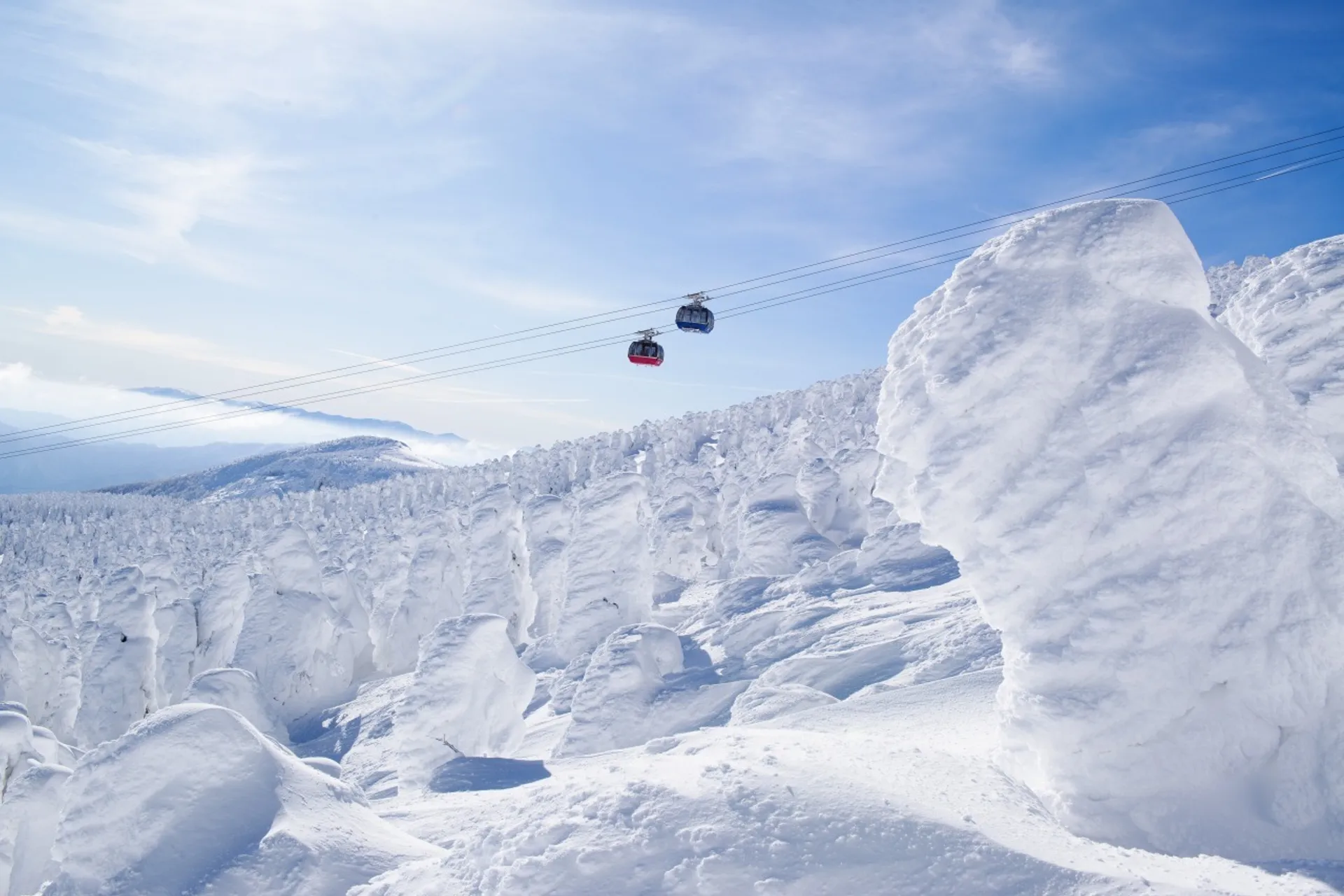
Give Hakkoda two days. One day is too risky for a mountain that can be affected by wind, visibility and ropeway holds. Two days gives you a much better chance of catching it in decent shape, and if both days line up, happy days. No friends on a powder day, especially when the ropeway is spinning.
Where to stay
Best option: Aomori City.
It keeps the trip flexible and gives you the easiest access to hotels, food and backup plans. If Hakkoda is on, you drive up. If Hakkoda is off, you still have options.
Alternative: stay around Hakkoda or Sukayu Onsen for maximum atmosphere, deep winter scenery and onsen energy. It is brilliant when the mountain is cooperating, but less convenient if you need to pivot.
Drive and route notes
Allow around 50 to 80 minutes from Aomori City to Hakkoda Ropeway in winter conditions. It can be quicker in clear weather, but this is mountain driving, so give yourself a buffer.
Check the Hakkoda Ropeway status before committing each morning. If Hakkoda is open and visibility is workable, go. This is not the section of the trip to be clever for the sake of it.
Alternative resort: Aomori Spring. Allow around 80 to 100 minutes from Aomori City or Shin-Aomori, depending on where you are staying and how winter is behaving. Use it as the backup if Hakkoda is shut, hammered by wind, or skiing like a milk bottle.
Day 4: Transfer to Iwate
Best option: make this a transfer day.
After two Aomori ski days, head south into Iwate and set up for the next section. You might squeeze in an afternoon ski if the roads are smooth and you leave early, but do not build the plan around it.
This is where the trip changes from wild Aomori storm chasing to a more structured Iwate ski zone. You are trading ropeway roulette for better resort infrastructure, easier logistics and a base that opens up several good ski days.
Where to stay
Best option: Morioka.
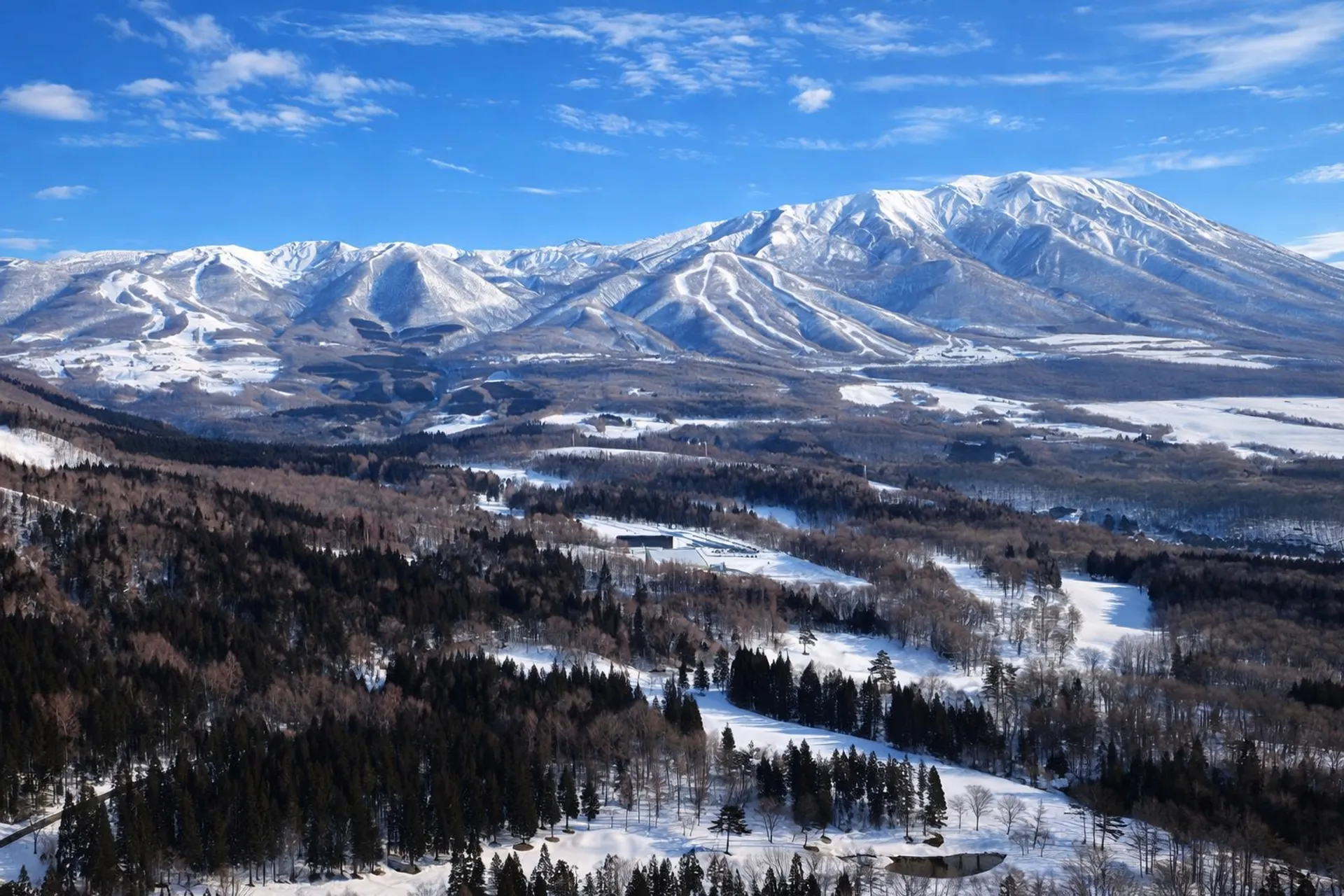
Morioka is not a ski town, but it is the best road trip base for this part of the route. You get better food, more hotels, easier evenings, and access to Appi Kogen, Hachimantai and Geto without changing accommodation every night.
Alternative: stay at Appi Kogen if you want resort convenience and easier ski mornings. It is less flexible, but very handy if Appi Kogen is your clear priority.
Drive and route notes
Allow around 2.5 to 3 hours from Aomori City to Morioka in winter conditions. If you are heading straight to Appi Kogen, allow roughly 2 to 2.5 hours, depending on road conditions and your exact start point.
This is the biggest transfer so far, so give it space. Avoid late-night driving if the weather is ugly, and do not stress if this becomes a simple travel day. A calmer Day 4 makes the next few ski days much better.
Day 5: Appi Kogen
Appi Kogen is your big, dependable Iwate resort day. After Hakkoda, it feels organised in the best way: better lifts, proper groomers, resort facilities and enough storm terrain to keep things interesting when the snow is on.
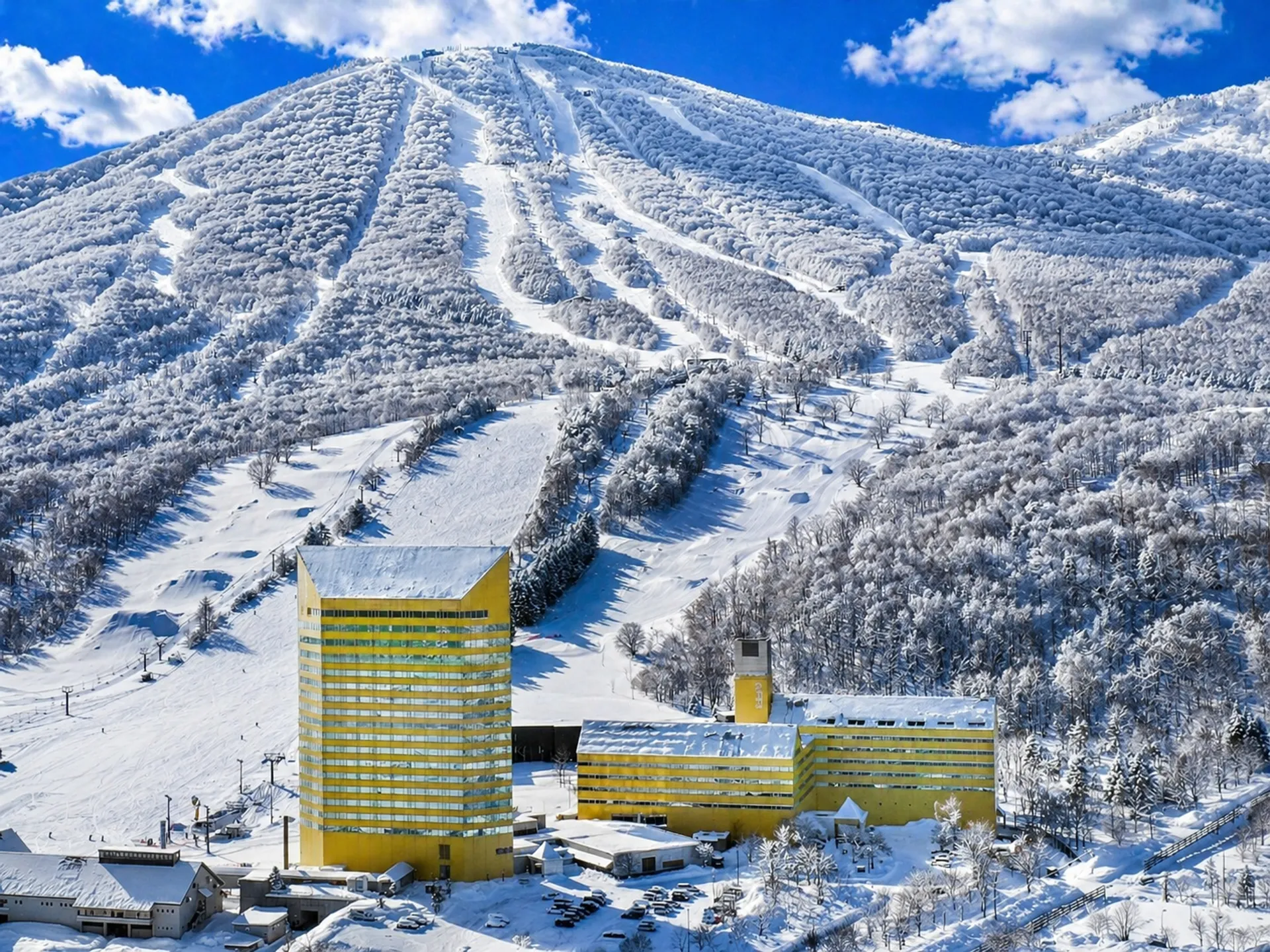
This is a great reset day. Ski fast, eat well, and enjoy not needing a ropeway weather miracle before breakfast. Appi Kogen gives the route some polish without dragging you into the mega-resort bubble.
Where to stay
Best option: Morioka.
Staying in Morioka keeps your evenings easy and your Day 6 options open. You can go back to Appi Kogen if it is skiing well, or pivot to the Hachimantai zone if conditions point that way.
Alternative: stay at Appi Kogen if you want the easiest resort morning and less driving.
Drive and route notes
Allow around 45 to 60 minutes from Morioka to Appi Kogen in winter conditions. It is very manageable as a day trip, especially compared with the bigger transfer days.
If Appi Kogen is getting refreshed, do not overthink it. Ski Appi Kogen.
Day 6: Appi Kogen or Hachimantai
Best option: ski Appi Kogen again.
If Appi Kogen is skiing well, repeat it. There is no prize for leaving good snow to chase a theory. This route is about smart decisions, not collecting resort names.
Use Day 6 as your simple local pivot day. The default is Appi Kogen. The backup is Hachimantai or Shimokura if Appi Kogen is wind-affected, busy by local standards, or not lining up with the storm. This is how alternatives should work on a road trip: close, logical and useful, not a giant menu of maybe.
Where to stay
Best option: Morioka.
Staying put keeps the route calm and avoids pointless repacking. By this stage of the trip, not moving hotels is a feature, not a flaw.
Alternative: Appi Kogen or Hachimantai if you prefer being closer to the lifts.
Drive and route notes
Allow around 45 to 60 minutes from Morioka to Appi Kogen, or roughly 45 to 75 minutes to the broader Hachimantai zone depending on the resort and road conditions.
This should be an easy ski day, not a big logistics day. Keep the base the same, choose the best nearby resort, and save your driving energy for the Geto transfer.
Days 7–8: Geto Kogen
Best option: ski Geto Kogen for two days.
Geto is the deep-day anchor of the trip. It is snowy, tree-filled, and exactly the kind of resort that makes a Northern Tohoku road trip worth the effort. It does not have the international profile of Niseko or Hakuba, but when Geto is on, it can deliver the kind of refill days people build whole trips around.
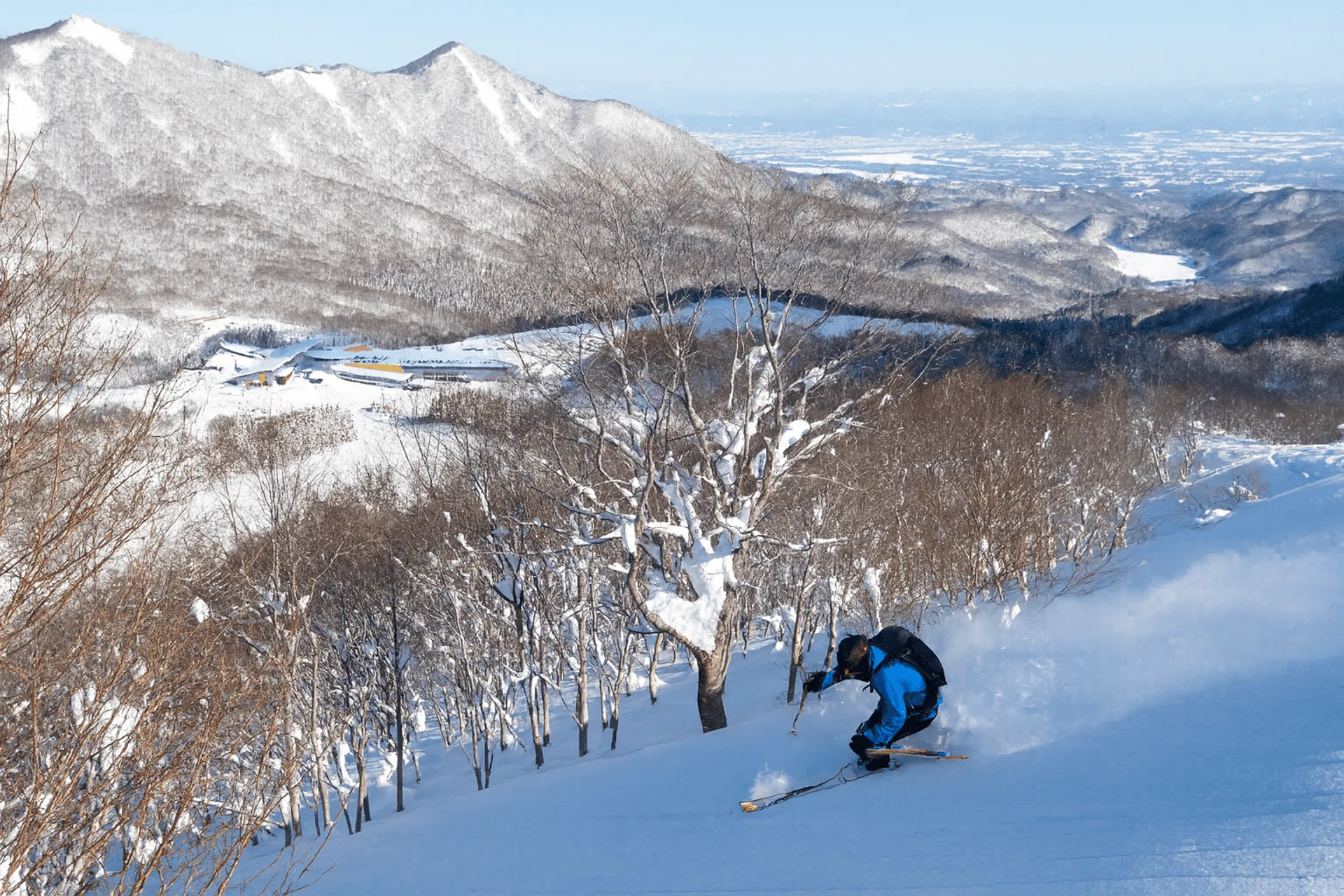
Do not rush this section. One Geto day is a gamble. Two days gives you a much better chance of catching the place doing what it does best, and it makes the transfer south feel properly worthwhile.
Where to stay
Best option: Kitakami.
Kitakami is the practical Geto base. It is not glamorous and it is not a dreamy alpine village, but it keeps the morning drive realistic and makes two Geto days easier.
Drive and route notes
Allow around 1.5 to 2 hours from Morioka or Appi Kogen to Geto Kogen, depending on your start point and conditions. After skiing, continue to Kitakami for the night.
From Kitakami, allow around 40 to 60 minutes to Geto Kogen in winter conditions. Keep Day 8 simple: wake up, drive to Geto, ski again.
Alternative plan: if Geto is clearly not the play, stay in Morioka for another Appi Kogen/Hachimantai day or move toward Tazawako early. But the default route should give Geto two days. That is where the powder upside is.
Day 9: Tazawako and Nyuto Onsen
Best option: ski Tazawako, then soak.
This is the Akita finish, and it should feel like a reward. Tazawako is not the deepest stop on the route, but it gives you lake views, a relaxed resort day and a scenic final ski before the onsen finale.
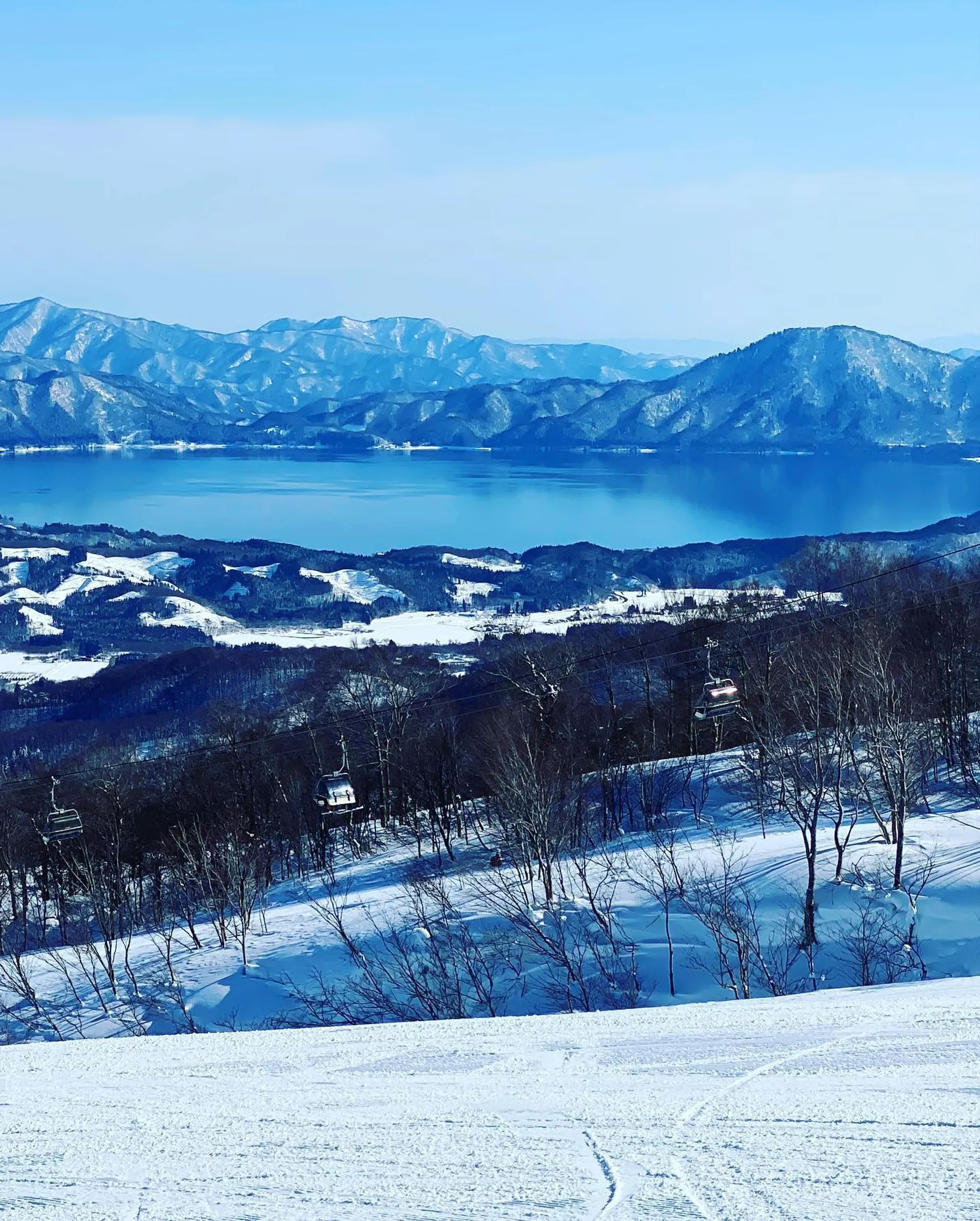
After Hakkoda, Appi Kogen and Geto, you do not need another high-pressure powder chase. You want a good ski day, a hot bath and a proper Tohoku finish. This is where the trip stops being just a powder mission and starts feeling like a northern Japan winter journey.
Where to stay
Best option: Nyuto Onsen.
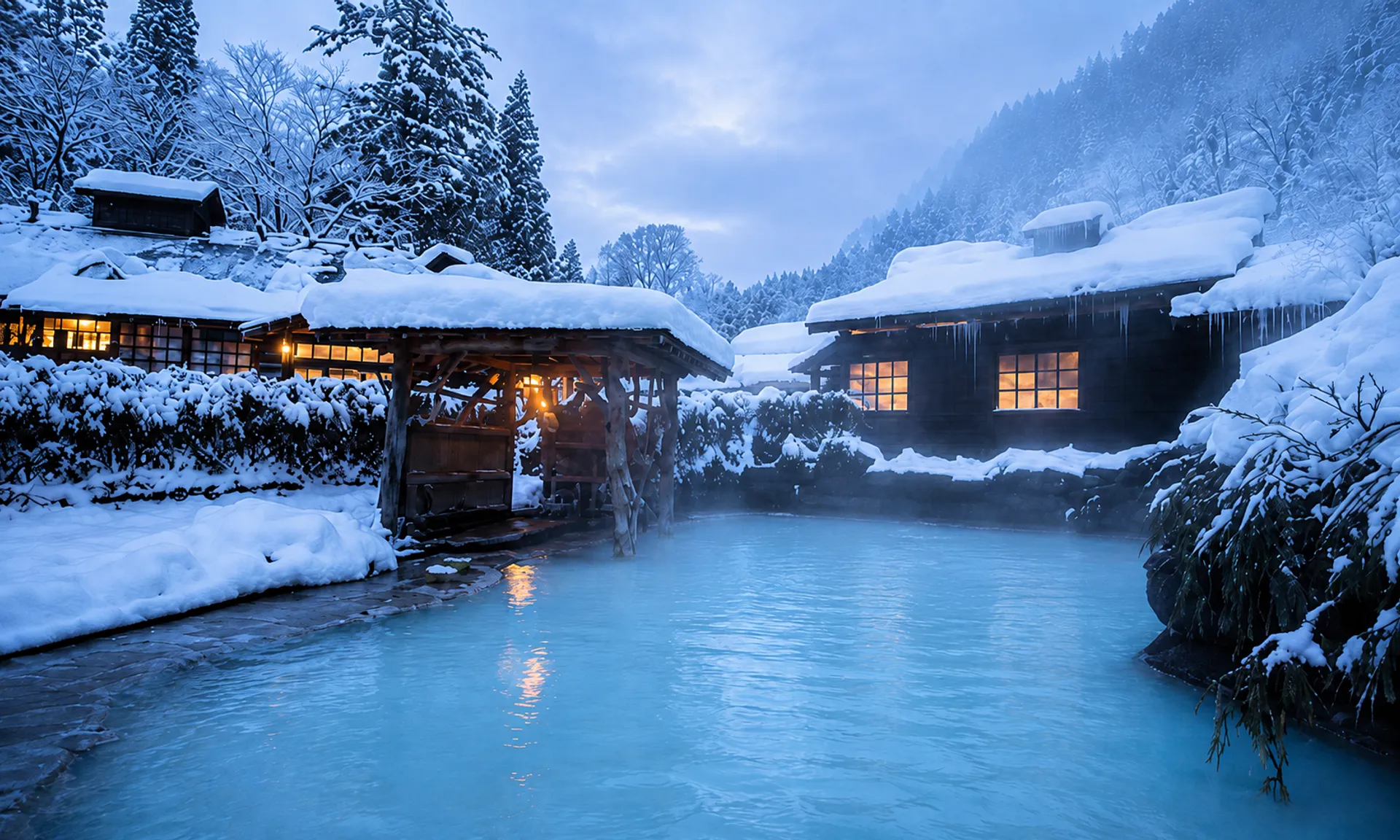
If you can make the logistics work, this is the best final night. It turns the road trip from a ski mission into the kind of Japan travel memory that survives long after you have forgotten which mid-station curry you ate on Day 5.
Alternative: stay around Tazawako or Lake Tazawa if you want easier ski-area access and simpler logistics.
Drive and route notes
Allow around 2 to 2.5 hours from Kitakami to Tazawako in winter conditions. If you are coming from Morioka instead, Tazawako is closer, around 1 to 1.25 hours.
After skiing, allow around 30 to 45 minutes from Tazawako Ski Resort to the Nyuto Onsen area, depending on your accommodation. If everyone is cooked, ski a half day. Nobody is checking your vertical metres at dinner.
Day 10: Depart Akita, Morioka or Sendai
No skiing unless flights are late and you are very keen. This is your exit day, so keep it simple and do not undo the relaxed onsen finish with a ridiculous final transfer.
If you have chosen the one-way version of the route, you should now be positioned for a much cleaner exit than if you had tried to loop all the way back to Aomori.
Where to finish
Best option: Akita Airport.
It is the cleanest finish if you end around Tazawako or Nyuto Onsen. Morioka Station also works well if you want the Shinkansen back to Tokyo. Sendai Airport can work for some flight plans, but it adds a longer final road leg.
Drive and route notes
Allow around 1.5 to 2 hours from Nyuto Onsen or Tazawako to Akita Airport in winter conditions. If you are returning to Morioka Station instead, allow around 1.5 to 2 hours from Nyuto Onsen, or closer to 1 hour from Tazawako.
Check rental car drop-off rules before locking in the route. One-way car hire can cost more, but the cleaner itinerary is often worth it. If it saves you a long backtrack in winter, that is money buying time, energy and fewer grumpy silences in the car.
Final verdict
Northern Tohoku is not the most obvious Japan ski road trip. That is exactly why it works.
The mistake is trying to ski everything: Hakkoda, Aomori Spring, Appi Kogen, Hachimantai, Geto, Tazawako, Ani, Zao Onsen, and every tiny local hill with a lift and a vending machine. That version looks exciting in planning mode and exhausting by Day 4.
The better version is sharper. Give Aomori two days for Hakkoda. Use Morioka or Appi Kogen as the Iwate base. Give Geto two days if you can. Finish with Tazawako and Nyuto Onsen if you have 10 days. Cut Akita if you only have seven.
That gives you a route with shape, snow upside, realistic drive times and enough breathing room to enjoy it. Aomori brings the storm. Iwate brings the structure. Geto brings the deep tree days. Akita brings the soak.
That is the Northern Tohoku Storm-Chaser Loop done properly.