
Norikura
Hakuba’s quiet north-side powder pocket
 白馬乗鞍
白馬乗鞍Hot springs, cold smoke, and a no-fuss Hakuba day
Hakuba Norikura Onsen sits on the north side of the Hakuba Valley, sharing the neighbourhood with the bigger, louder Hakuba Cortina next door. The vibe here is simple: park up, gear on, get up the hill quickly, and disappear into the trees when the weather is doing its thing. It’s not trying to be glam. It’s the kind of place where you’ll see a mix of locals, families, and powder hunters who’ve figured out that quieter mountains often ride better after lunch.
On a storm day, Norikura is the definition of practical. The treeline terrain gives you shelter when the alpine is getting sandblasted, and the mountain shape tends to hold snow in pockets rather than scraping down to polished base. You’ll still need to work for your best turns, but you’re not battling a wall-to-wall crowd just to get them. If you’re the type who likes to put in a bit of navigation effort for better snow, you’ll get along fine here.
Affordability lands in the middle for Hakuba. It’s not a bargain micro-hill, but it’s generally less of a wallet punch than staying right in the busiest parts of the valley. English support is “Hakuba level” rather than “Niseko level”, you’ll get by at most hotels and rental spots, but on-mountain signage and the day-to-day rhythm still leans local. Weekdays are mellow. Weekends and holidays can spike, especially when the forecast is screaming.
Families can absolutely make this work. The groomed runs are friendly, the base area is straightforward, and the onsen culture nearby is a legitimate win for tired legs. That said, the real magic for snow-savvy intermediates and up is the storm-sheltered tree riding and the feeling that you’re skiing Hakuba without being forced into Hakuba’s busiest lines.
Resort Stats
Estimated cumulative fresh snowfall at major on-mountain ski areas; actual totals vary substantially by resort, elevation, measurement location, and season.
- Vertical748m (1598m → 850m)
- Snowfall~11m
- Terrain 30% 50% 20%
- Tree Riding
- Lift Pass¥6,200
- Lifts1 gondola, 2 quads, 6 pair
- Crowds
- Out of Boundsnot allowed
- Night Skiing
- Family Friendly
- Trails18
- Skiable Area~85ha
- Vibe
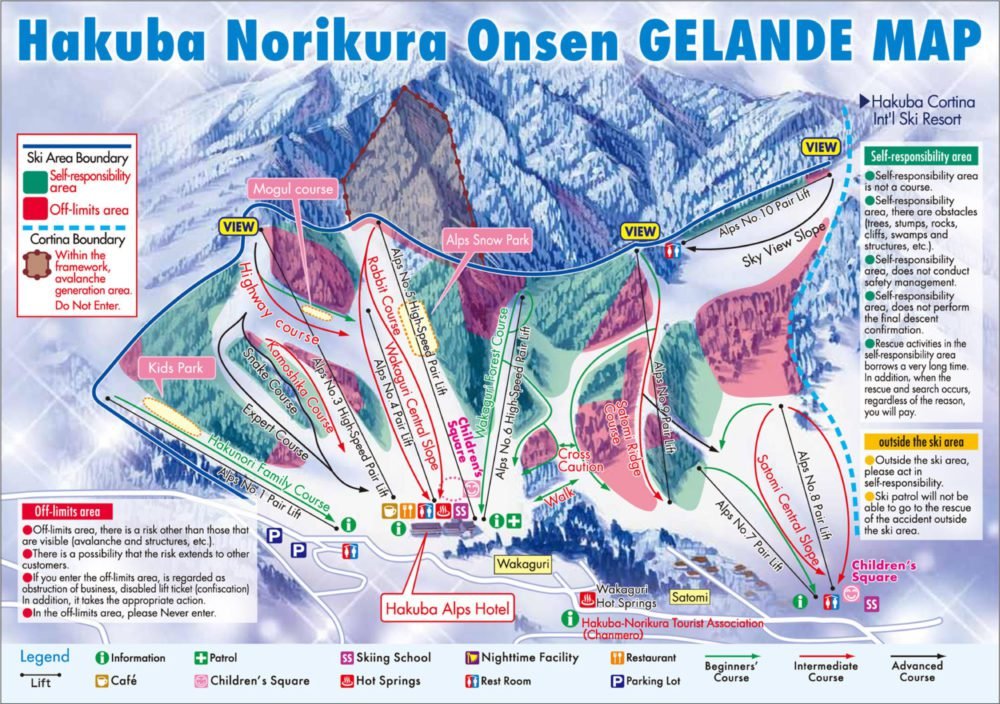
Trail Map
Accommodation
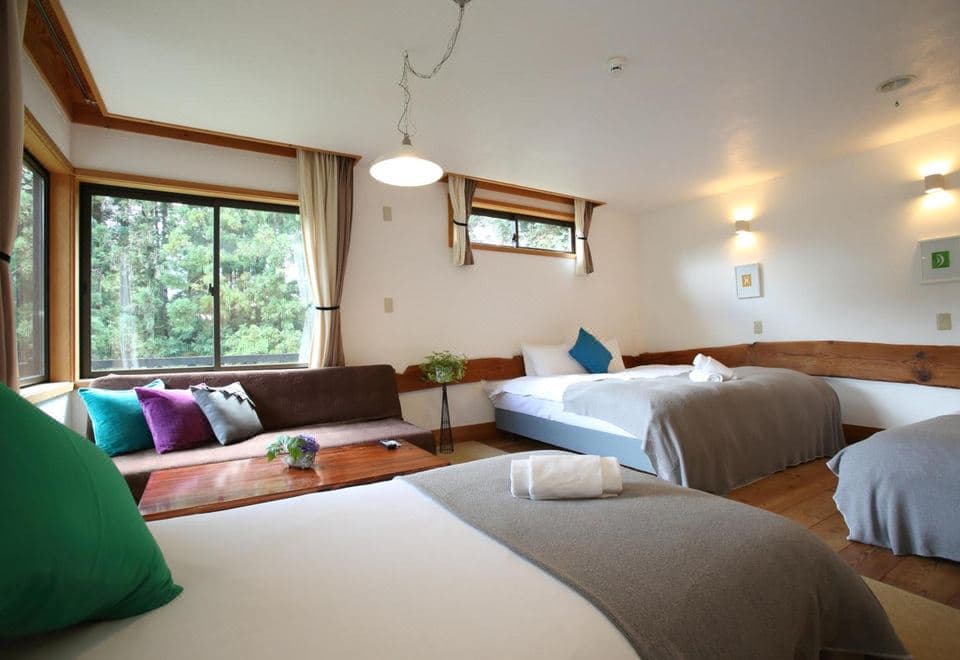
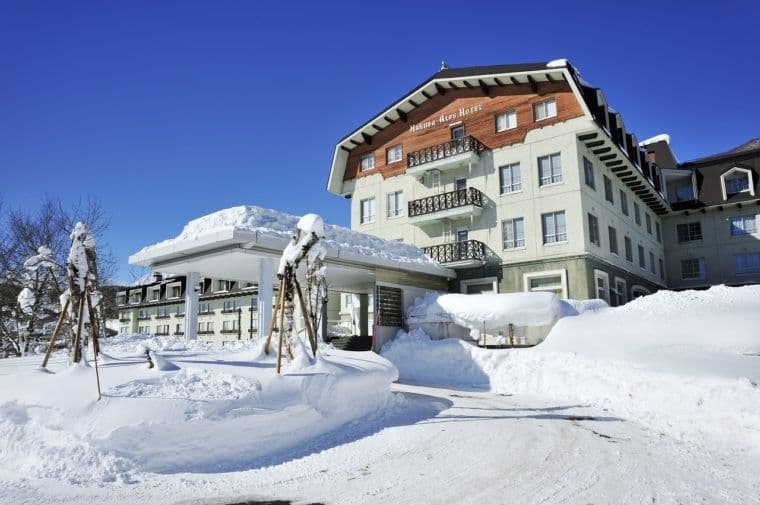
View MapIf you want true convenience, Hakuba Alps Hotel is the classic base-area option. It’s the kind of place where the day starts easy: breakfast, boots, lift. The vibe leans functional and ski-trip friendly, and being close to the action matters when the storm is dumping and you want to be in position early rather than commuting across the valley.
Right next door, Hotel Green Plaza Hakuba (at Cortina) is a bigger, resort-style stay that works well if you want facilities on tap and a more packaged feel. Even if you’re riding Norikura most days, being in this north Hakuba pocket keeps you close to the snowiest corner of the valley, and it’s a legit play for groups who want on-site comforts without chasing nightlife.
If you’d rather trade ski-in convenience for more restaurants and evening energy, base yourself in central Hakuba (Echoland or Wadano area) and commute up to Norikura. Places like Courtyard by Marriott Hakuba or Hakuba Tokyu Hotel give you a polished home base, better dining access, and a broader choice of bars. The practical trade-off is timing: on storm mornings, leave earlier than you think, because north Hakuba roads can get properly wintery and parking fills faster on weekends.




This page contains affiliate links, if you book through them, we may earn a small commission at no extra cost to you.
Powder & Terrain
Norikura’s snow character is what you come for: cold, dry, and frequent enough that you can build a trip around it. Being on the Hakuba side of Honshu means you’re still at the mercy of storm tracks and wind direction, but when it’s on, it’s properly satisfying storm riding rather than a token refresh. The best days feel like you’re skiing in a snow globe, with tree cover doing the heavy lifting for visibility.
The terrain skis bigger than you’d expect if you focus on the right zones. The groomers are there to move people around and keep legs warm, but the real riding is in the trees beside and between marked runs. Pitch-wise, it’s a mix: enough moderate-angle trees to keep things safe and playful when it’s deep, plus sections where the hill steepens just enough to let you open it up and actually carry speed through the fall line.
A typical powder day here is all about timing and choice. Early, the obvious lines near the main access routes get tracked first. If you’re hunting soft turns beyond the first hour, you want to keep rotating: hit a couple of faster-access tree shots while the crowd is still sorting rentals, then slide to slightly less direct zones where people don’t naturally funnel. Norikura rewards riders who keep moving rather than camping one lift and hoping for miracles.
Lift-wise, the gondola and quad access are your workhorses, and you’ll often find the best flow by matching your lift choice to the weather. If the top is windy or flat-light, don’t stubbornly chase summit turns. Ride the treeline terrain where visibility is workable and the snow stays protected. When the storm eases, push higher and you’ll usually find fresher snow pockets sitting just off the main corridors because most people default to the same few safe routes.
Sidecountry and touring realities: treat the boundary as a boundary. Even if you see tracks heading out, that’s not the same as it being sanctioned or safe. The Hakuba area has serious alpine hazards, and Norikura’s terrain funnels into places that can go from fun to consequential fast, especially after big storms or wind loading. If you want to step outside the ropes anywhere in Hakuba, do it with the right local knowledge, proper avalanche gear, and the humility to back off when conditions say no.
Getting There
The usual approach is via Nagano. From Tokyo, you’re looking at ~1.5 hours to Nagano by Shinkansen, then ~1 hour by bus to Hakuba. From central Hakuba, Norikura is another ~15–25 minutes north depending on road conditions. If you’re coming from Matsumoto, it’s a more direct mountain approach by road, typically ~1.5–2 hours to Hakuba in winter traffic.
Driving is totally doable, and honestly it’s the easiest way to hop between Norikura and nearby mountains, but winter rules apply. Proper winter tires are non-negotiable. Carry chains if you’re not used to Japanese snow roads, and keep your fuel topped up before storm nights. The “gotcha” here is the north Hakuba microclimate: Cortina and Norikura can be getting hammered while down-valley feels calm, so don’t let village conditions fool you.
If you’re relying on buses, plan your timing carefully. Storm days can slow everything down, and if you miss a key connection you can lose half a day. For powder hunters, being able to move on your own schedule is a real advantage.
Who's it for?
- First-timersGood
- Powder huntersExcellent
- Non-skiersOkay
- BudgetOkay
- LogisticsOkay
This is a sweet spot for upper intermediates and advanced riders who want storm-day trees without fighting the valley’s biggest crowds. If you can link turns confidently in soft snow, handle tight-ish trees, and you enjoy exploring terrain variations off the sides of runs, Norikura will keep you busy.
It’s also good for mixed-ability groups who want a calmer base scene and a straightforward day plan, especially if some people in the crew are more about groomers and hot chocolate while others are out chasing protected snow in the glades.
Who might feel limited: if you want huge continuous alpine faces, massive vertical variety, or a resort that runs like a high-speed lift machine, you may find yourself drifting to other Hakuba mountains for bigger objectives. Norikura is more about steady storm riding than mega-resort scale.
Food & Après
On-mountain food is generally simple and warm-your-core stuff: curry rice, ramen, soba, katsu, and the usual Japanese ski cafeteria staples. It does the job, but it’s not a destination dining scene. The move is to eat for efficiency on storm days, then reward yourself later.
For better variety, you’ll do most of your proper dinners in the Hakuba village zones. Echoland has the most concentrated strip of restaurants and easy-going bars, while Wadano has a quieter, upscale lean. The north Hakuba base areas are calmer at night, which is either perfect or boring depending on your crew. If you’re staying near Norikura, think early dinner, onsen, and an early alarm rather than a big one.
Après here is low-key by default. It’s more convenience-store snacks, a casual drink, and soaking tired legs than table-dancing. If you want louder nights, plan a couple of evenings down-valley and treat Norikura as your calm, sleep-well, ski-hard base.
Japow Travel Tips
- Lift hours: typically ~8:00–16:00, with weather and season timing shifting start and end by day
- Avalanche / backcountry reality: Hakuba terrain is serious, and uncontrolled areas can be hazardous even close to the resort boundary
- Weather & snow patterns: storms can be frequent and intense, with rapid visibility changes and wind affecting upper lifts
- Language/cultural quirks: it runs local-first; be patient, be polite, and don’t expect everything to be explained in English
- Anything unique to this resort: the north Hakuba onsen vibe feels more old-school than the valley’s flashier bases
- Nearby resorts worth pairing: Cortina is the obvious partner next door; Tsugaike Kogen and the central Hakuba mountains are easy day swaps depending on weather and crowds
Verdict: Quiet Hakuba turns done right
Hakuba Norikura Onsen is for powder chasers who value snow quality, tree shelter, and a calmer rhythm over hype and headline terrain. It’s not the biggest or the fanciest mountain in the valley, but it hits a very real sweet spot: frequent storms, fun trees, and a base vibe that makes it easy to ski hard, soak after, and do it all again tomorrow.