
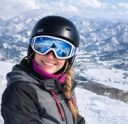
Hakuba Kashimayari
The quiet Hakuba side quest for storm-day cruising
 鹿島槍
鹿島槍Hakuba Kashimayari
8.6~10m
Snowfall
1550m
Elevation
8
Lifts
¥5,900
Price
The Hakuba day that feels like cheating
Kashimayari sits on the southern edge of the Hakuba Valley orbit, closer to Omachi than Happo One, and it feels like someone turned the volume down. The base area is calm, the runs are wide, and you can actually hear your edges on corduroy in the morning instead of a soundtrack of scraping and shouting. It’s not the mountain you fly across the world for, but it absolutely is the mountain you’re stoked you had in your back pocket when Hakuba is busy, socked-in, or just a bit too chaotic.
The vibe is local and family-forward without being a beginner-only snooze. You’ll see ski school groups, parents doing snack breaks with groms, and strong intermediates quietly farming turns all day. Advanced riders aren’t left out, but you need to enjoy making your own fun: quick fall line shots, ducking into treed edges where allowed, and hunting soft snow off the sides once the main groomers get tracked.
Affordability is a win here. The surrounding area (Omachi side) generally feels more mid-priced than the big-name Hakuba hubs, and you’re not locked into the international resort bubble. English is present but not a given. Expect polite, functional service, simple signage, and staff who’ll do their best even if the conversation is mostly hand gestures and smiles.
Crowds are the biggest reason to choose Kashimayari. Weekdays can feel empty in the best way. Weekends get a bit busier with families and local crews, but it rarely hits that tracked-by-10am vibe you see at the Hakuba headline acts. It’s also genuinely family friendly: mellow zones, straightforward navigation, and fewer sketchy choke points. Food access is mostly on-mountain cafeteria staples, with better eating and onsen options down in Omachi or over in Hakuba proper.
Resort Stats
- Vertical720m (1550m → 830m)
- Snowfall~10m
- Terrain 40% 45% 15%
- Tree Riding
- Lift Pass¥5,900
- Liftsmix of quads and pairs
- Crowds
- Out of Boundsnot allowed
- Night Skiing
- Family Friendly
- Trails15
- Skiable Area~78ha
- Vibequiet, local, cruisy
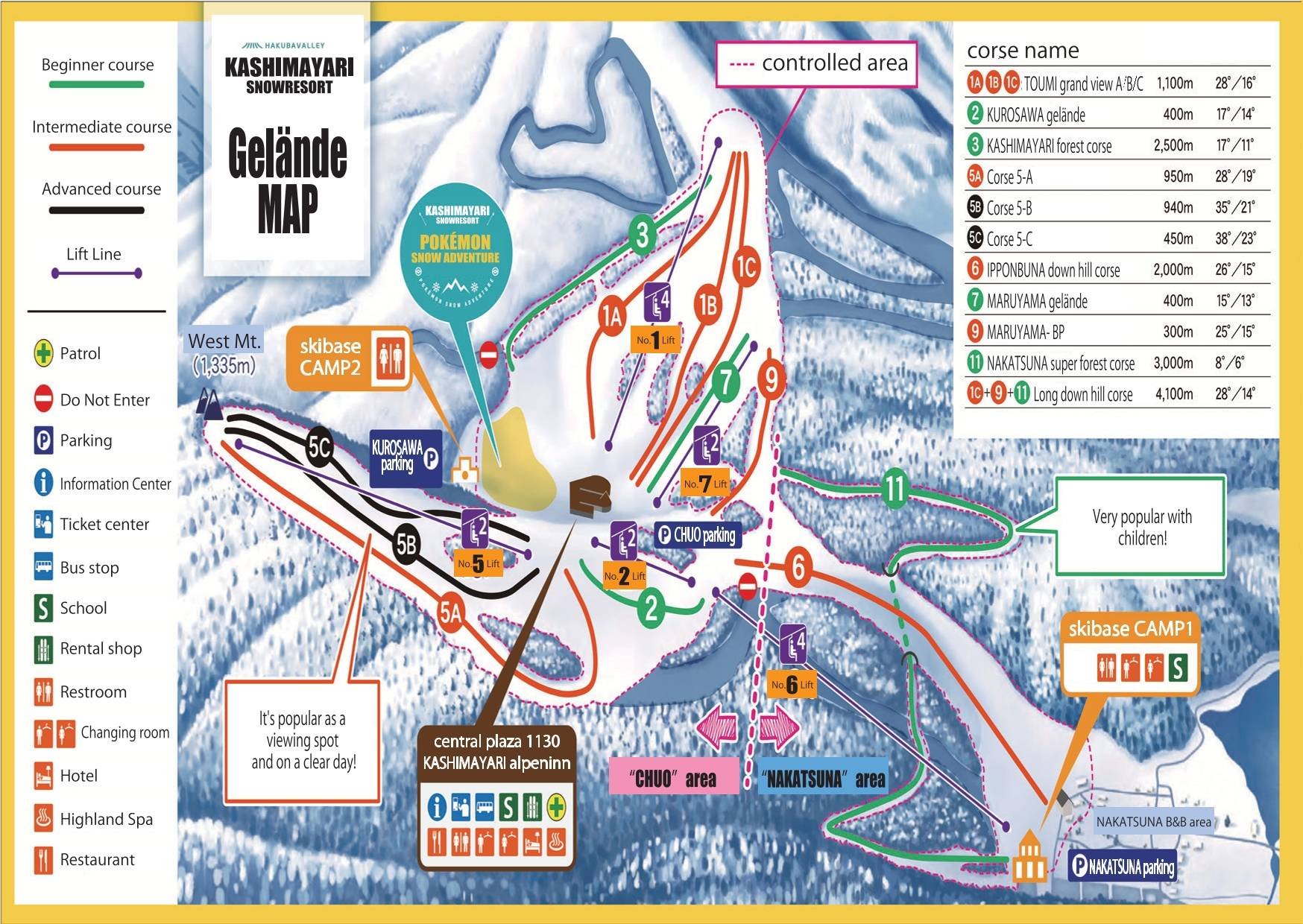
Trail Map
Accommodation
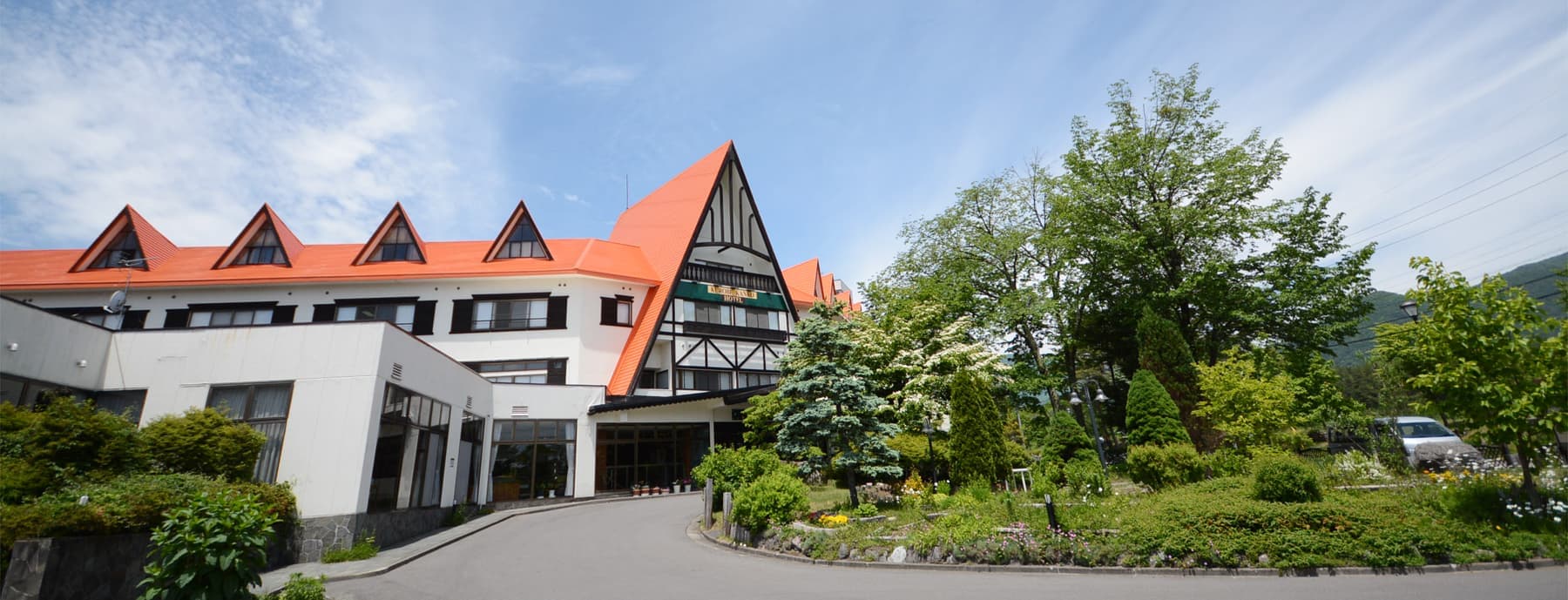
View MapThe most on-brand option is staying close to the hill itself at Kashimayari Sports Village. It’s practical, unfussy, and designed around being on snow time rather than nightlife time. Think early starts, easy logistics, and a vibe that’s more team camp than boutique retreat. If you want a low-stress ski-first base with minimal commute, this is the cleanest play.
For a more traditional Japan winter feel, base yourself in Omachi Onsenkyo. Options like Kurobe Kanko Hotel, Kurobe View Hotel, and Tateyama Prince Hotel give you that proper post-ski soak routine, generous Japanese breakfasts, and a calm evening atmosphere. It’s the kind of place where your day ends in a hot bath, a quiet dinner, and an early bedtime without feeling like you’re missing out.
If you want more restaurant choice and a bit more buzz, staying in Hakuba (Happo One, Echoland, or near Goryu) opens up the social side. You’ll trade a shorter commute for more options: bars, cafés, and the classic Hakuba winter scene. The drive to Kashimayari is usually straightforward, but on heavy storm mornings it can be slower than you’d like, so plan for a cushion if you’re chasing first chair.





This page contains affiliate links, if you book through them, we may earn a small commission at no extra cost to you.
Powder & Terrain
Kashimayari’s snow is classic Nagano side-of-the-alps: it can come in fast, a touch denser than Hokkaido cold smoke, and it bonds well to the base so you’re not constantly dodging sharky bits mid-season. On storm days, the lower elevation and tree-lined edges can actually ski better than the high alpine resorts that get hammered by wind slab or visibility issues. It’s a good place to keep moving when other hills are on wind hold or you’re over riding by braille.
The piste layout is straightforward and confidence-building. Think wide groomers, consistent gradients, and lots of room to open it up without playing slalom through crowds. Beginners get friendly terrain that doesn’t feel like a terrifying conveyor belt to nowhere, and intermediates get the best of the mountain: long, rolling fall line runs that let you settle into a rhythm. If you’re working on carving, speed control, or just want to rack up mileage without stress, this place delivers.
For advanced riders, the fun comes from timing and micro-features. Early morning after a reset, the edges of the main runs and the less-trafficked pods hold soft snow longer than you’d expect. You can stitch together little powder lines, then rejoin the groomer without drama. Later in the day, when the sun hits or traffic firms things up, you can flip the switch and hunt wind buff on exposed sections or find smoother snow in sheltered pockets.
Lift-wise, Kashimayari is built for circulation rather than spectacle. With multiple chairs feeding different zones, it’s easy to avoid repetition and keep your day interesting. There’s no formal gate network here, and the resort is not set up like a modern freeride playground. If your definition of a good day requires sanctioned sidecountry, ropes, and a menu of named zones, Kashimayari will feel conservative. Treat it as an in-bounds resort with a few natural edges rather than a backcountry gateway.
Storm-day strategy is simple: start where visibility is best, stick to the runs and margins that keep you oriented, and keep moving. Crowds are light enough that you’re not fighting for position at rope drop, and the hill doesn’t funnel everyone into one obvious chair. If you’re chasing soft turns, you’ll do better lapping less obvious lifts and letting other people stack up on the most central access.
Getting There
Closest airport access depends on your plan. If you’re keeping it regional, Matsumoto Airport is the nearest airport, then it’s typically ~1.5 to 2.5 hours to the resort area via train and road connections. The more common international path is via Tokyo, then a train to Nagano or Matsumoto and onward by bus, train, or rental car.
By public transport, the practical rail target is Shinano-Omachi Station on the Oito Line, then a taxi or local transfer to the ski area (typically ~20 to 40 minutes depending on conditions and routing). From Hakuba village areas, it’s usually ~25 to 45 minutes by car to Kashimayari depending on where you’re staying and how hard it’s dumping.
Winter driving is standard Nagano rules: proper snow tires are non-negotiable, and carrying chains is smart insurance. Storm mornings can be slow on the valley roads, and you’ll occasionally hit plows, single-lane sections, or brief hold-ups near intersections. Leave earlier than you think if you care about rope drop, and keep your fuel topped up.
Who's it for?
- First-timersGood
- Powder huntersOkay
- Non-skiersLimited
- BudgetOkay
- LogisticsOkay
If you like quieter hills, reliable snow, and a day that feels smooth from first chair to last chair, Kashimayari is your kind of place. Upper intermediates who want long cruisers, consistent pitch, and room to progress will have a great time. It’s also ideal if you’re traveling with mixed abilities: the mountain naturally keeps groups together without forcing experts to suffer or beginners to panic.
Pow chasers will enjoy it most as a supporting act, not the headline. It’s a smart call when Hakuba’s bigger resorts are busy, wind-affected, or visibility is cooked. You can still find soft turns, especially right after a storm, but you’re mostly working within the resort’s groomed-first design.
If you’re an advanced skier or rider hunting tight trees, steep no-fall zone lines, or legit sidecountry missions, you’ll probably feel limited after a day or two. Kashimayari can still be fun, but it won’t scratch that itch the way the more aggressive Hakuba terrain can.
Food & Après
On-mountain food is the usual Japanese ski hill lineup: curry rice, ramen, katsu, fries, and quick cafeteria meals that do the job. It’s functional, warm, and easy, but it’s not a destination dining hill. The upside is no stress: you’re not booking tables or waiting forever, you’re just fueling up and getting back out.
For better eating, Omachi is your friend. You’ll find satisfying local spots, simple izakaya-style meals, and the kind of hearty winter food that makes you want to order one more side dish because you earned it. If you’re staying in an onsen hotel, dinner is often part of the appeal: multi-course Japanese meals that feel like a full reset after a cold day.
Apres here is mellow. Don’t expect a party village. The move is an onsen soak, a good meal, and maybe a quiet drink back at your hotel. If you want louder energy, base in Hakuba and treat Kashimayari as your quiet-snow day trip.
Japow Travel Tips
- Lift hours: Typically 8:30 am to 4:00 pm.
- Avalanche / backcountry reality: This is not a gate-network resort. Treat anything beyond boundaries as out of bounds, and keep your big missions for places set up for that style of riding.
- Weather & snow patterns: Kashimayari can be a strong storm-day option when higher, more exposed terrain is getting blasted by wind or visibility is rough. Snow quality is best right after a reset and stays enjoyable in sheltered areas.
- Language/cultural quirks: English support exists but is limited. A few key phrases, a translation app, and basic etiquette go a long way.
- Anything unique to this resort: The combination of light crowds and long cruisy pistes makes it a sneaky productivity hill. If you want to rack up turns without stress, it delivers.
- Nearby resorts worth pairing: Use it as a calm counterbalance to the busier Hakuba giants. It also pairs well with an Omachi Onsenkyo stay for a quieter, more Japanese winter trip rhythm.
Verdict: The calm Hakuba day you’ll brag about later
Kashimayari isn’t the resort you name-drop to impress people, and that’s exactly why it works. It’s a low-fuss, low-crowd hill with real Hakuba-area snow, long confidence-building terrain, and enough variety to keep a full day interesting. If you’re chasing soft turns without the circus, want a family-friendly mountain that still keeps strong skiers entertained, or just need a storm-day fallback that skis better than it looks on paper, Kashimayari earns its spot in the rotation.