
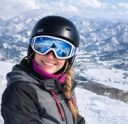
Jigatake
The mellow Hakuba side quest for low-stress turns
 爺ヶ岳
爺ヶ岳Small mountain, big easy
Jigatake is the kind of ski hill you end up loving for the wrong reasons, and that’s a compliment. It sits down near Omachi rather than in the heart of Hakuba village, so it feels like a proper local mountain: families, school groups, mellow vibes, and a day that runs on hot coffee and low expectations. When it’s snowing hard and the bigger Hakuba names are turning into a full-contact sport, Jigatake is where you can actually ride.
The footprint is compact and simple. You’re not studying trail maps or timing shuttles. You’re picking the lift that’s spinning, dropping into a mix of gentle groomers and tree-lined side zones, then doing it again. If your crew has mixed ability levels, or someone’s building confidence in Japan, this is a stress-free way to get everyone turning in soft snow without the intimidation factor.
Affordability and ease are the other big wins. The day feels straightforward, food options are simple, and you’re not paying for a destination resort experience you don’t need. English support exists in the basic, functional way you’d expect at a local Nagano hill: enough to buy a ticket and rent gear, but you’re not going to find a full international resort machine.
Crowds are usually light. Weekdays can feel almost empty, and even weekends tend to be manageable, especially if you avoid the mid-morning lesson rush. It’s also very family friendly: wide pistes, easy gradients, a relaxed base area, and none of that pressured Hakuba vibe where everyone is racing for first tracks.
Resort Stats
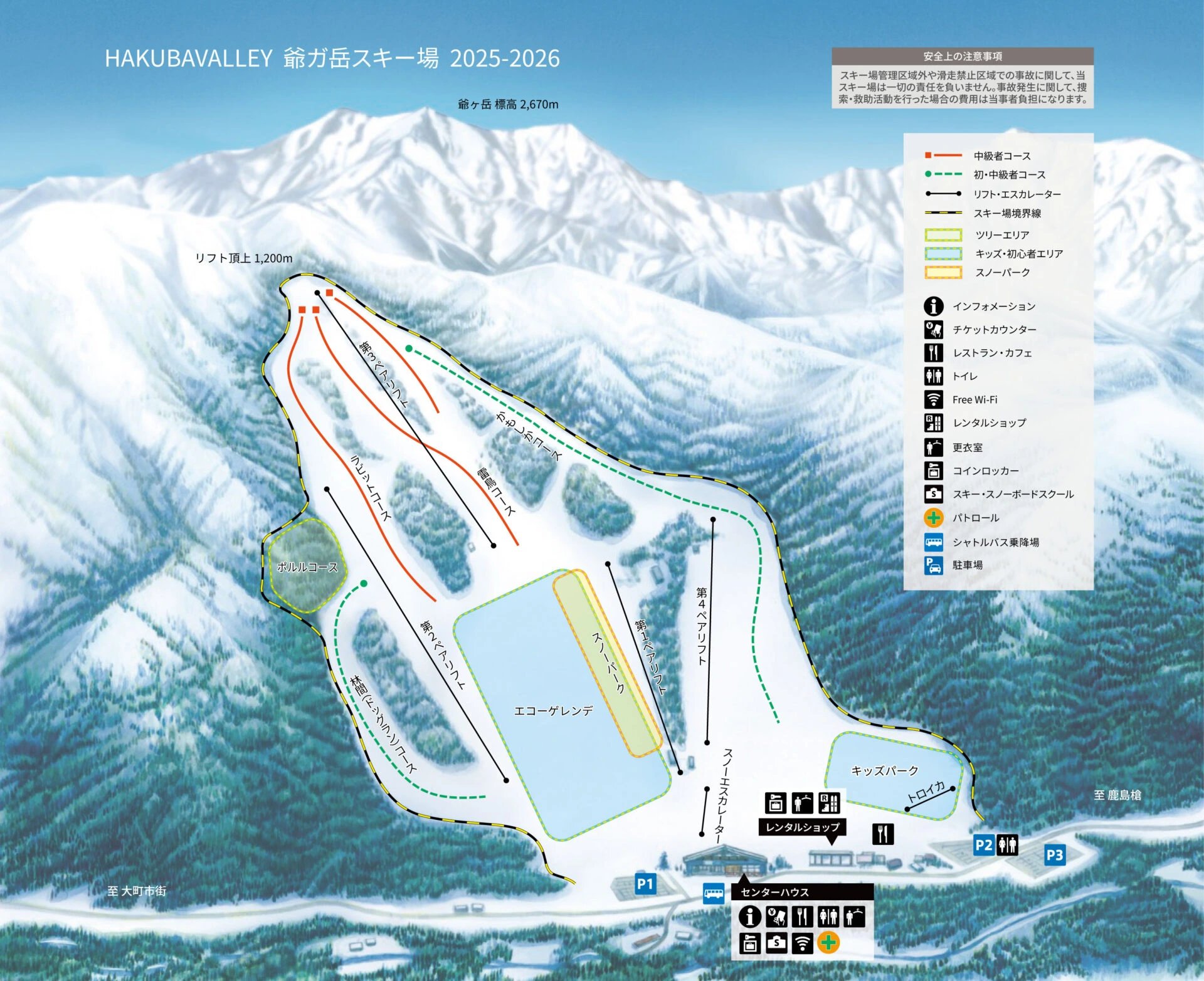
- Vertical260m (1200m → 940m)
- Snowfall~9m
- Terrain 70% 30% 0%
- Tree Riding
- Lift Pass¥5,200
- Lifts4 pair, 1 moving carpet
- Crowds
- Out of Boundsnot allowed
- Night Skiing
- Family Friendly
- Trails6
- Skiable Area~25ha
- Vibelocal, mellow, no drama
Trail Map
Accommodation
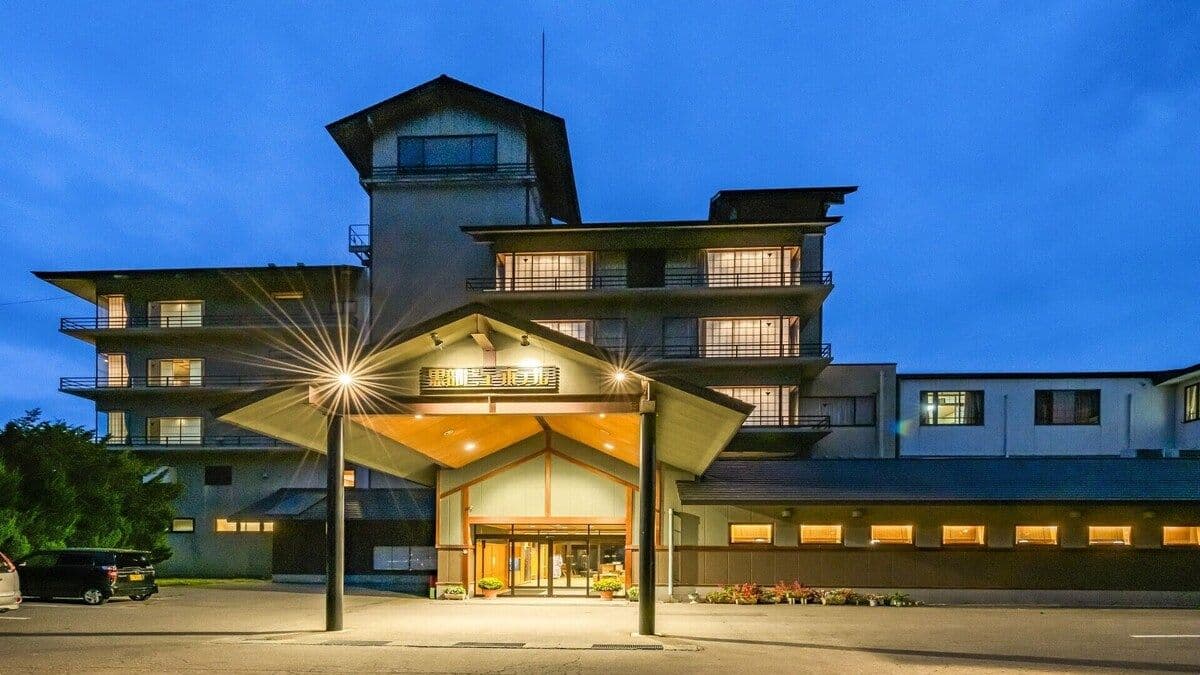
View MapThe sleeper move is staying down in Omachi or Omachi Onsenkyo. You get a proper onsen-town vibe, better value, and a quieter night’s sleep than central Hakuba. Tateyama Prince Hotel is a classic onsen hotel option in Omachi Onsenkyo, and Kurobe View Hotel is another comfortable base if you want that easy dinner-and-onsen routine after skiing.
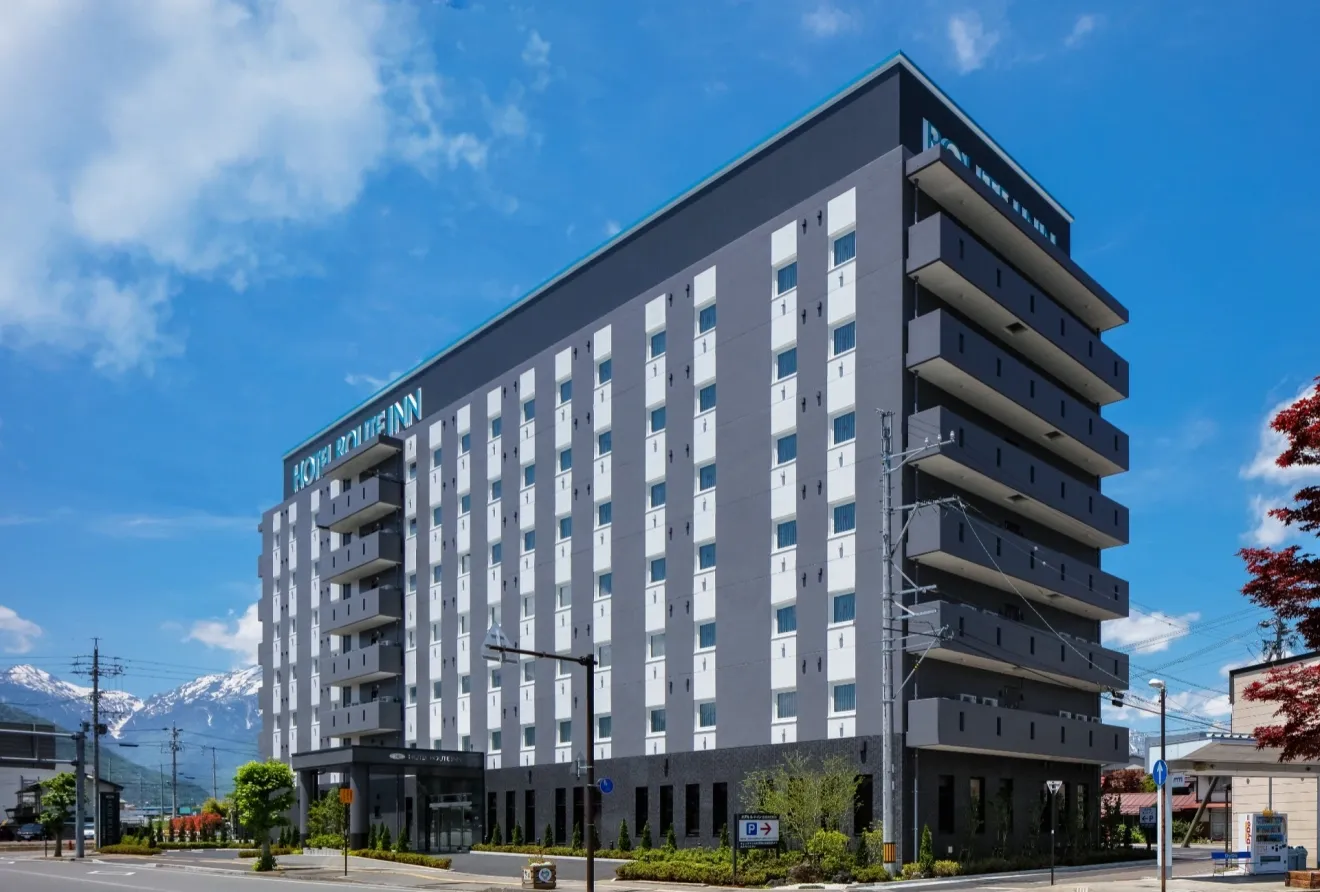
If you want maximum convenience for early starts without the resort bubble, staying near Shinano-Omachi Station can work well, especially if you’re moving around the region by train. Hotel Route-Inn Shinano Omachi Ekimae is the sort of practical, predictable business-hotel base that makes mornings easy: warm room, simple breakfast, then you’re out the door.
You can also stay in Hakuba village and day-trip Jigatake when you want a quieter day. That’s the best option if your trip is primarily Hakuba-focused and you want nightlife, more restaurant choice, and a bigger accommodation pool. The trade-off is a bit of driving, but it’s totally manageable, and it can feel like you’ve discovered a secret escape hatch when Hakuba proper is crowded or visibility is a mess.




This page contains affiliate links, if you book through them, we may earn a small commission at no extra cost to you.
Powder & Terrain
Jigatake rides best when you treat it like a storm-day grinder: keep it simple, repeat the same protected zones, and let the mountain do what it does well. The snow quality is solid for this part of Nagano, and because the top elevation is modest, it’s less about high alpine drama and more about sheltered, consistent turns when the weather is rough. Your best strategy is to use the upper pair lifts (the higher-numbered lifts tend to access the most interesting terrain) to cycle the tree-lined edges and any natural gullies that collect snow, then bail back to piste when visibility gets cooked. Lines don’t really develop in the same way as a big resort because the crowd is small, but the obvious stashes along the sides of the main runs get tracked first, so if you want softer snow later in the day, focus on tighter tree pockets and less direct fall-line entries. Boundary rules are typical Japan local-hill strict, with no formal gate network, so keep your powder hunting inside the ropes unless you’re prepared for consequences.
Getting There
Closest major airports are Tokyo (Haneda or Narita), with Matsumoto Airport as a smaller, closer option if the flights line up. From Tokyo, the usual play is train to Nagano or Matsumoto, then continue toward Omachi via local rail or bus, finishing with a short taxi or car ride to the resort.
By car, Jigatake is straightforward: it sits in the Omachi area and is an easy day trip from Hakuba village. From central Hakuba, you’re typically looking at ~30 minutes driving in winter conditions. From Nagano City, it’s ~80 minutes depending on weather and traffic. Winter driving rules apply: proper snow tires are non-negotiable, and on big storm cycles you’ll want extra time because the roads in the valley can get slow and slick.
The main gotcha is storm timing. The road network around Hakuba and Omachi can be fine one minute and chaos the next if the snow is dumping and everyone is moving at the same time. If it’s nuking, leave early, drive smoothly, and don’t assume your usual commute time.
Who's it for?
- First-timersExcellent
- Powder huntersOkay
- BudgetGood
- LogisticsLimited
If you’re an upper intermediate who likes control, comfort, and consistent turns, Jigatake is a great call. It’s also ideal for mixed groups where some people want easy groomers and others want to dip in and out of the trees without committing to anything serious. Families will love it, nervous riders will love it, and anyone who’s over the Hakuba circus for a day will definitely love it.
If you’re chasing steep pitches, big vertical, or proper freeride terrain, this is not the main event. Strong advanced riders can still have a fun day here by treating it as a relaxed powder day or a technique day, but you’ll run out of terrain variety quickly if you’re trying to ski it like Happo One or Goryu.
Food & Après
On-mountain food is local-hill simple: think hearty Japanese cafeteria staples that do the job between runs, plus the kind of snacks that keep kids happy and adults functional. Expect curry rice, noodles, and warming soups rather than destination dining. It’s not a gourmet scene, but it’s efficient and easy.
For better eats, Omachi and Omachi Onsenkyo are your friends. This is Nagano, so Shinshu soba is the obvious move when you want something that feels regional and actually satisfying after a cold day. If you’re based in Hakuba, you already know the drill: you’ll find far more variety in the village, and Jigatake becomes the quiet ski day that sets you up to eat well later.
Après is mostly onsen-driven rather than bar-driven. If you want a party, stay in Hakuba. If you want a calm soak, a good meal, and an early night so you can get after the next storm, Omachi Onsenkyo is the better match.
Japow Travel Tips
- Lift hours: Day operations are typically ~8:30am to ~4:00pm. Night sessions can run on selected evenings in peak season, but treat it as a bonus rather than a guarantee.
- Avalanche / backcountry reality: This is not a gate-network resort. If you’re thinking about heading beyond the ski area boundary, understand that it’s generally not the culture here and it can cause issues fast.
- Weather & snow patterns: Jigatake shines on storm days and low-visibility days. The terrain is low-consequence, and the trees and run edges give you reference points when the clouds drop.
- Language/cultural quirks: It’s a local hill. Expect polite, efficient service with limited English and a strong expectation that you follow the rules.
- Anything unique to this resort: It’s one of the best low-stress, family-first hills in the Hakuba orbit, and it’s a great reset day for legs and stoke when bigger terrain feels like overkill.
- Nearby resorts worth pairing:
- Kashimayari: The obvious partner, close by, with a bigger footprint and more variety while keeping a mellow, local feel.
- Hakuba Sanosaka: Another relaxed, family-friendly hill that’s great when you want cruisers and minimal chaos.
- Tsugaike Kogen: Step up to a bigger resort with long groomers and more terrain options when the weather is stable.
- Hakuba Goryu + Hakuba 47: When the crew wants steeper pitches, more trees, and a proper Hakuba day, this combo is the jump-up.
- Hakuba Norikura: A smart storm-day pairing if you want more tree skiing without the same level of hype as the marquee resorts.
Verdict: The quiet win
Jigatake isn’t trying to be a headline resort, and that’s exactly why it works. It’s a mellow, local Nagano hill that delivers simple, repeatable turns, light crowds, and a low-stress vibe that can save a trip when Hakuba is busy or the weather is rough. For pow chasers, it’s the kind of place you slot in as a smart alternative day, then quietly remember as one of the most pleasant surprises of the valley.