
Hakuba Iwatake
Views for days, trees for storms
 白馬岩岳
白馬岩岳Big views, chill vibe, sneaky-good powder
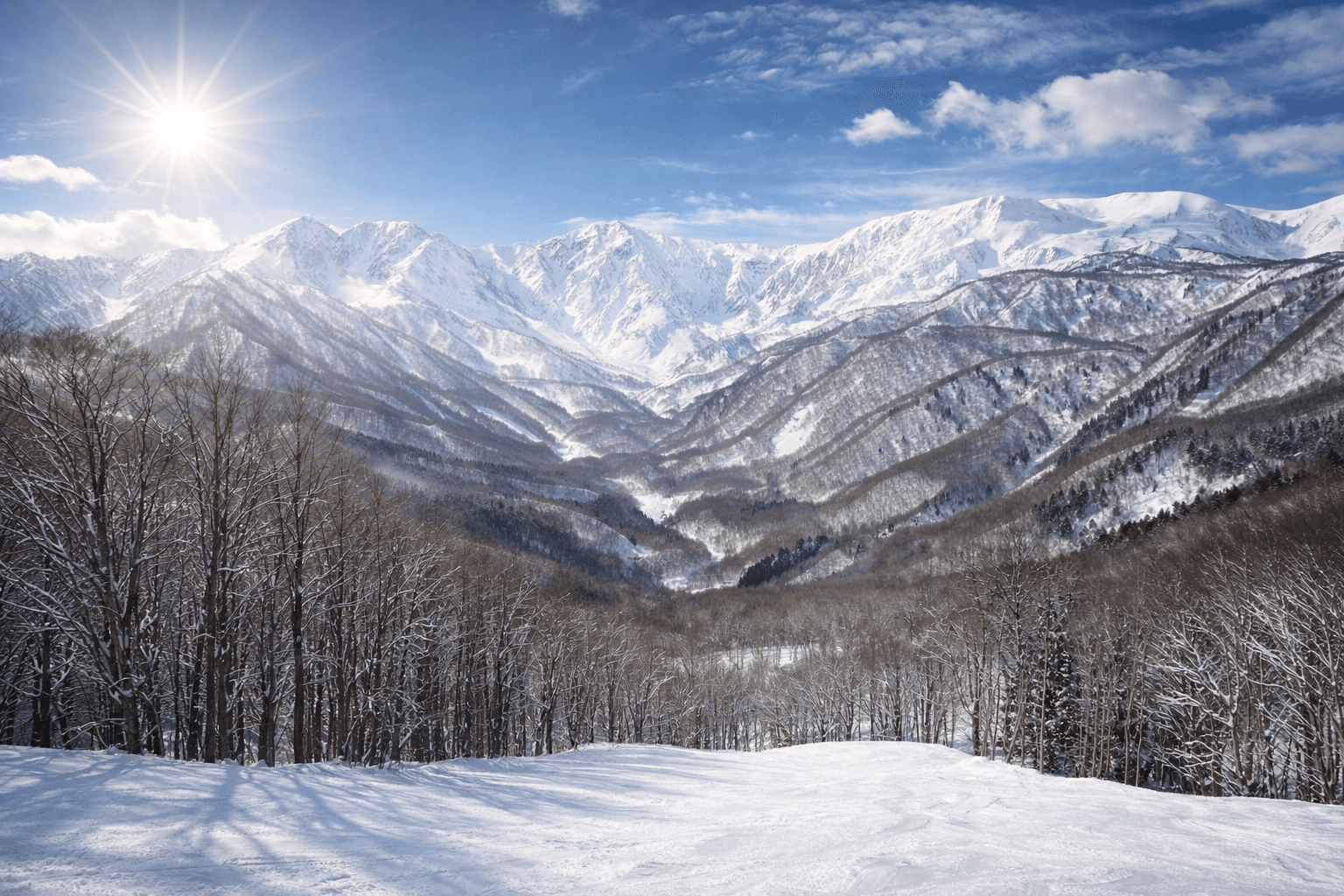
Hakuba Iwatake sits on the quieter side of the Hakuba circus, looking straight into the Northern Alps with a front-row seat to the jagged stuff. It’s the kind of place where you can ride a storm morning, then meet non-ski mates for coffee with a view that makes everyone suddenly “into mountains”. The base area is mellow and functional, and the whole mountain feels a bit more local-japanese-holiday than full send party town.
This is a resort that suits riders who like options without chaos. Upper intermediates get a friendly progression path with wide groomers and consistent pitch, while advanced skiers and snowboarders can duck into trees, work the terrain features, and keep finding little pockets after the obvious lines get tracked. It’s also a handy pick when visibility is cooked across the valley because the tree skiing here actually works as a plan, not a consolation prize.
On affordability, Hakuba in general has drifted toward pricey, especially in peak season, but Iwatake itself still feels more grounded than the flashiest corners of the valley. Expect prices around the resort to skew expensive overall (because Hakuba), though you can absolutely keep it simple with local food, basic lodges, and smart transport.
English presence is strong by Japan standards. Hakuba caters to internationals, and you’ll find enough English signage and service to operate easily, especially around rentals, ticketing, and popular accommodation zones. Weekdays are usually smooth and uncrowded-feeling, while weekends can get busy with Tokyo crews and local families, especially on sunny days when the views are doing half the marketing.
Resort Stats
Estimated cumulative fresh snowfall at major on-mountain ski areas; actual totals vary substantially by resort, elevation, measurement location, and season.
- Vertical539m (1289m → 750m)
- Snowfall~11m
- Terrain 30% 50% 20%
- Tree Riding
- Lift Pass¥7,000
- Lifts1 gondola, 5 chairlifts
- Crowds
- Out of Boundspatrol may take pass
- Night Skiing
- Family Friendly
- Trails26
- Skiable Area~120ha
- Vibescenic, laid-back Hakuba freeride
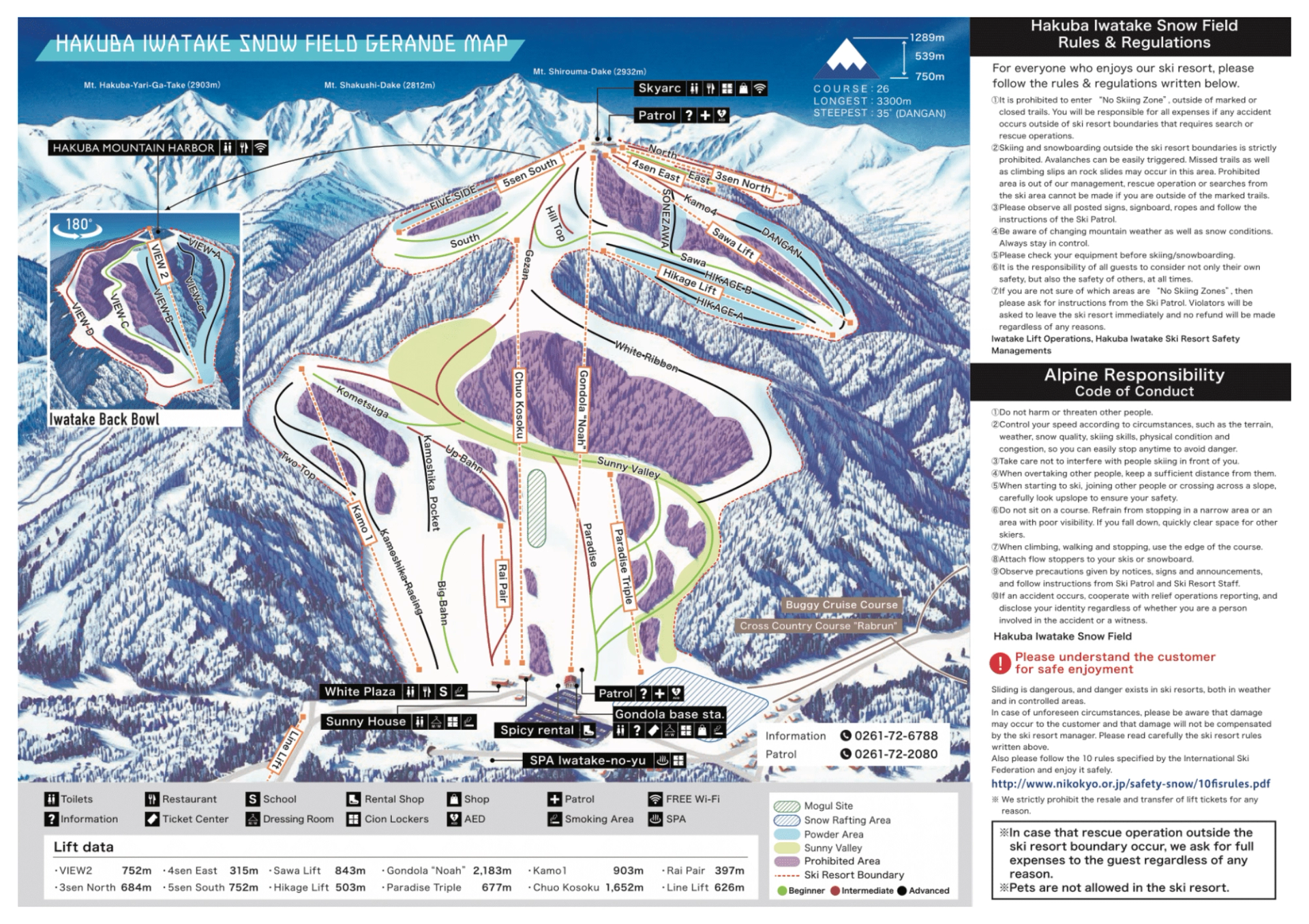
Trail Map
Accommodation
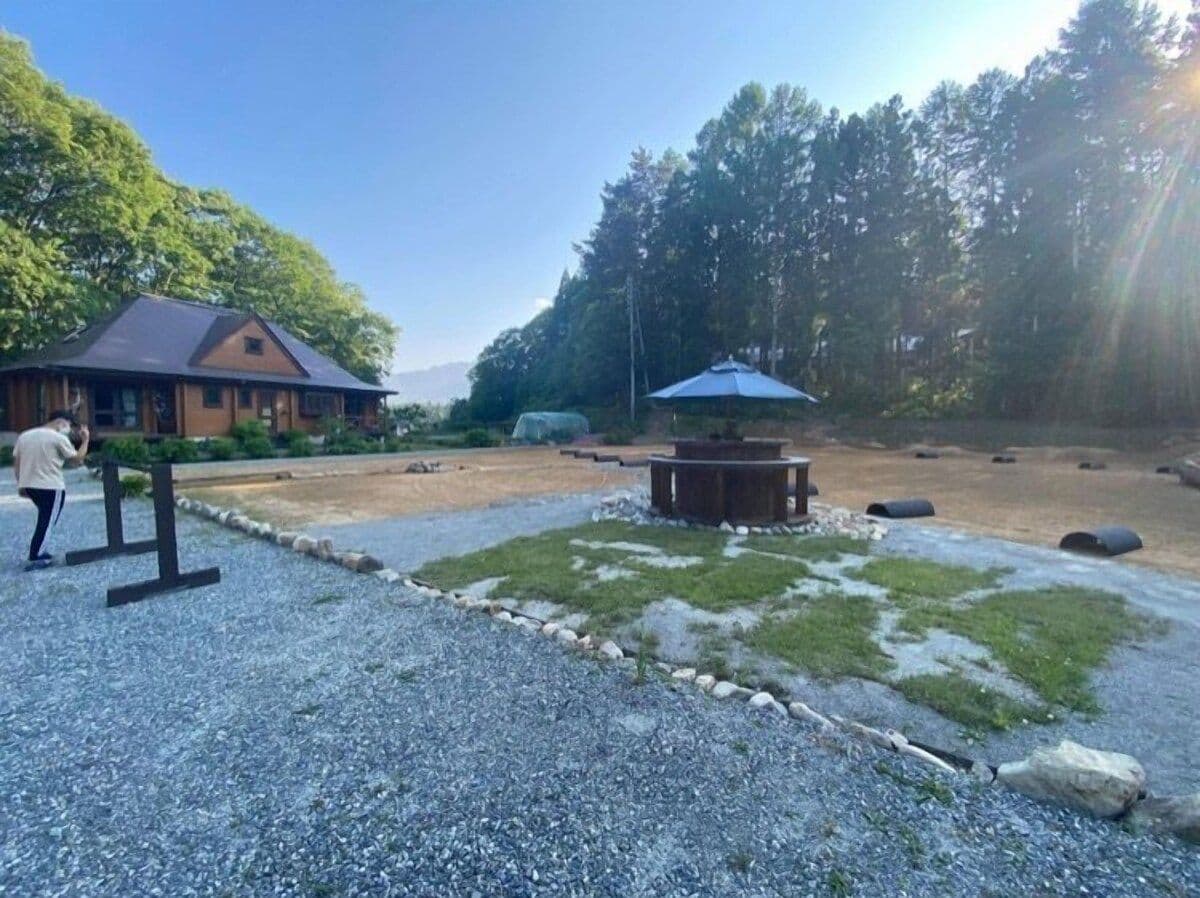
View MapIf you want the easiest mornings, stay close to Iwatake’s base area or nearby Hakuba villages where shuttles and short taxi rides make first chair painless. Hakuba Iwatake Lodge is a solid “keep it simple” option with a ski-focused vibe, and it puts you in the right neighbourhood for quick access without the nightlife tax.
For a more resort-style stay with comfort and quiet, Sierra Resort Hakuba is a strong pick. It’s the kind of place you come back to when your legs are cooked: warm interiors, proper downtime energy, and an onsen-style soak that feels like it was designed for people who spent all day getting snow in their hood. It’s not party central, but it nails the recovery routine.
If you want maximum restaurant choice and a more international scene, base yourself around Echoland or central Hakuba and commute to Iwatake. Hakuba Tokyu Hotel is a classic with polished service, and Courtyard by Marriott Hakuba is an easy, modern option that suits mixed groups who want reliable comfort. For an old-school boutique feel, Hotel La Neige brings that chalet-in-the-woods atmosphere, great for couples or anyone who likes a quieter, more tucked-away stay.




This page contains affiliate links, if you book through them, we may earn a small commission at no extra cost to you.
Powder & Terrain
Iwatake’s powder personality is tree-first. When the storm is on and the valley is a flat-light mess, the best riding happens below the ridgeline where the trees break the wind and give you depth perception. Snow quality in Hakuba can swing with temperature, but mid-winter cycles often land light, and the forest zones here hold it well because you’re not dealing with constant alpine exposure.
The mountain skis like two main moods: open groomers when you want speed and flow, and gladed lanes when you want to manage visibility and keep snow fresh longer. The groomed runs are genuinely fun, not just transport. There’s enough pitch to lay over big turns, and the fall lines tend to be straightforward, which keeps navigation easy even when you’re riding tired or it’s nuking sideways.
Off-piste riding exists in that classic Hakuba way: plenty of temptation, plenty of ropes, and a very real line between in-bounds fun and “you’re on your own” terrain. There isn’t a big, formal gate network vibe here like some other Japanese resorts, so don’t expect numbered gates and a resort-managed backcountry program. Think more like: defined ski area, closed zones, and side access that quickly becomes proper mountain travel.
On a powder day, the obvious lines near the main access get tracked early, especially on weekends. The play is to start fast with first chair, hit the most direct tree shots while they’re clean, then pivot into less visible stashes that sit slightly off the main traffic flow. If you ride with a bit of patience, you can keep finding soft snow well into the afternoon because a lot of people come here for the scenery and groomers, not to hunt trees all day.
Touring and sidecountry are possible from the upper mountain if you know what you’re doing, but the reality in Hakuba is simple: avalanche hazard is real, terrain traps exist, and consequences can stack up fast. Treat anything outside the managed ski area as true backcountry: beacon, shovel, probe, partner checks, and conservative decision-making. If you’re not confident, book a local guide and make it a learning day instead of a roll-the-dice day.
Getting There
Closest major arrival points are Tokyo (Haneda or Narita) plus the train into Nagano, or Matsumoto if you’re routing domestically. The standard path is Shinkansen to Nagano Station, then a bus into Hakuba. Total travel time from Tokyo to Hakuba is typically ~3.5 hours if connections line up well, longer if you just miss a bus.
Driving is straightforward but winter-real. From Nagano city to Hakuba is about ~1.5 hours by car in good conditions, and that can stretch when snow is actively falling. Snow tires are a must, chains are smart to carry, and you should assume some days will involve slow climbs and polished intersections near the villages. If you’re arriving during a storm cycle, plan extra time and keep your fuel topped up.
Once you’re in Hakuba, getting to Iwatake is easy by car, shuttle, or taxi depending on where you’re staying. Parking at the resort is convenient, but weekends and bluebird days fill up, so earlier is better if you hate the “where do we put the car” dance.
Who's it for?
- First-timersGood
- Powder huntersGood
- Non-skiersLimited
- BudgetOkay
- LogisticsOkay
If you like powder days that are actually rideable in bad weather, Iwatake will make you happy. Upper intermediates who want to step into tree skiing without committing to no-fall zones will find a lot to work with, and advanced riders will enjoy the playful freeride lines, the natural features, and the ability to keep moving without the full-on bustle of the valley’s biggest names.
If you’re chasing steep, sustained alpine faces inside the resort boundary, you might feel limited. The terrain is fun and practical, but it’s not the most aggressive hill in Hakuba. Park riders will find options around the valley, but if your whole trip revolves around rails and big jump lines, you’ll likely treat Iwatake as a scenic rest-day hill, not the main event.
Food & Après
On-mountain, expect the usual Japan ski cafeteria hitters: curry, ramen, katsu, and set meals that do the job fast when you’re trying to get back to the lift. The real move here is the summit experience: Iwatake’s top area is famous for big views and a more “hang out” culture than most powder-focused hills. It’s a great place for a warm drink and a reset when your crew has mixed abilities or mixed motivation.
Down in Hakuba, your best eats are off the hill. Go hunting for Shinshu soba (Nagano is soba country), and don’t sleep on small izakayas where the menu is half grilled things, half comfort food, and all good after a cold day. If you’re feeling adventurous, Nagano is also known for basashi, and Hakuba has plenty of spots that lean into local ingredients and hearty winter portions.
Apres in Iwatake’s immediate base area is more low-key than the loudest corners of Hakuba. If you want bar vibes, Echoland and Happo One have you covered with craft beer, cocktail bars, and the classic “one more then we’re done” spiral. If you want the Japanese version of perfect, hit an onsen, grab a convenience store snack haul, and call it a win.
Japow Travel Tips
- Lift hours: ~8:00 to 16:00 (season and day can shift this)
- Avalanche / backcountry reality: In-bounds is one thing, outside the ski area is full backcountry. There’s no magic safety bubble just because you’re in Hakuba.
- Weather & snow patterns: Sea of Japan storms bring consistent snowfall. Flat light is common mid-storm, which is why the trees matter here.
- Language/cultural quirks: Hakuba is international-friendly, but the mountain still runs on Japanese flow. Be polite in queues, follow rope rules, and don’t assume staff will negotiate boundary decisions.
- Anything unique: The summit hangout scene and views are genuinely elite, and it’s one of the better mixed-group resorts in the valley because non-pow hunters still have a great day.
- Nearby resorts worth pairing: Tsugaike Kogen for variety, Norikura and Cortina for storm-day trees, and Happo One for bigger, more consequential terrain when visibility cooperates.
Hakuba Iwatake is the kind of resort that makes sense the moment the weather turns. It’s not trying to be the steepest, loudest, or most famous hill in the valley. It’s trying to be rideable, enjoyable, and surprisingly productive when conditions are classic Japan storm mode. Come for the trees and the practical terrain, stay for the smooth flow, and treat the big mountain views as a bonus that somehow never gets old.