
Japan Ski Resorts with Less Crowds
Japan’s famous ski towns are famous for a reason: big snow, easy logistics, English support and enough ramen, rentals and accommodation to make the whole trip feel simple. They also come with a trade-off.
At peak times, your dream powder holiday can start to feel like a very expensive queue with snowboards. You came for waist-deep pow, quiet trees and legs full of lactic acid. Somehow you are now fighting for breakfast croissants with 200 Aussies in matching puffers.
The easiest crowd dodge is the calendar. Here is when to ski in Japan if you want the snow without the peak-week queues.
This guide is for skiers who want the good stuff with breathing room. Japow, minus the circus.
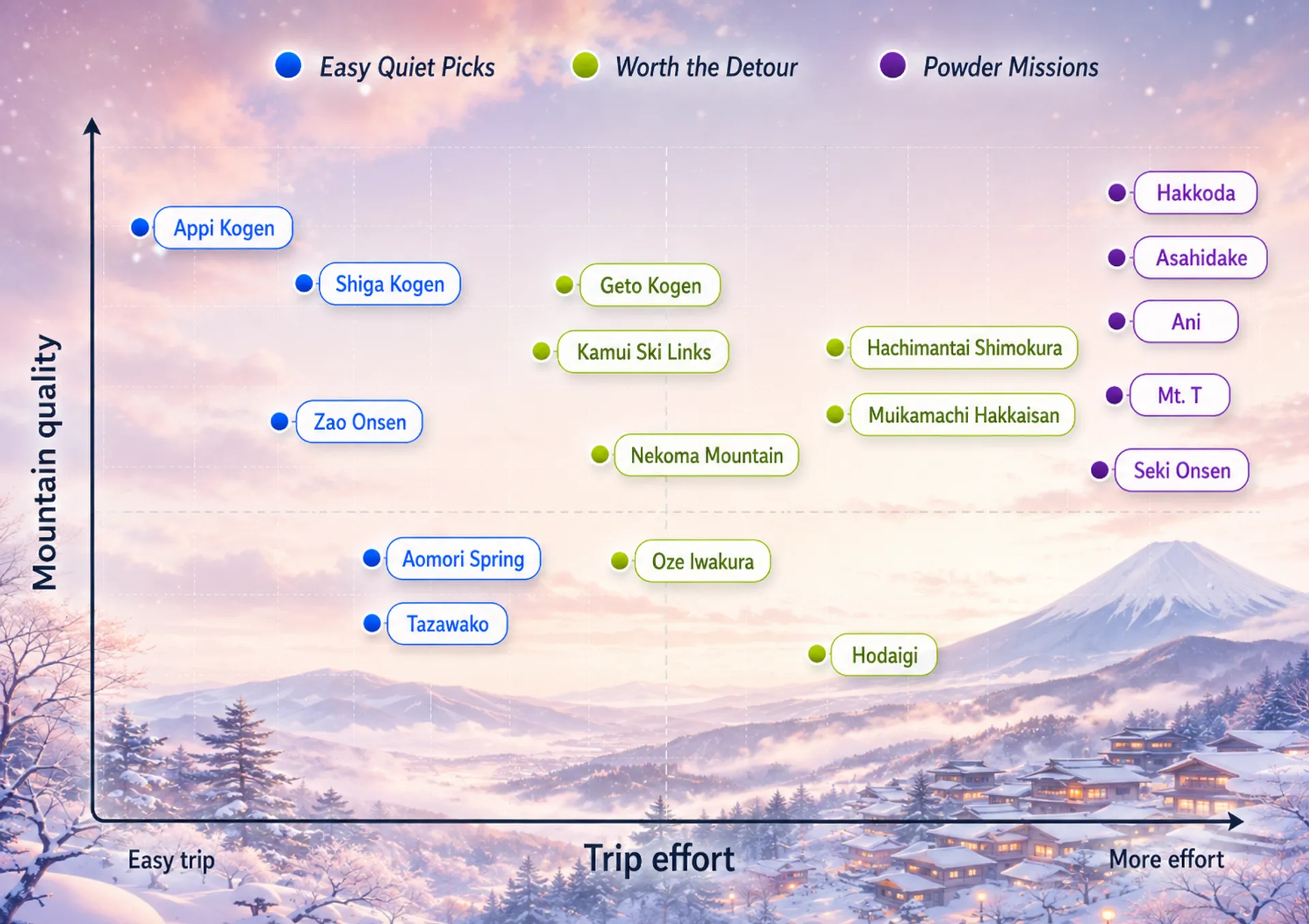
Category split:
- Easy Quiet Picks are the safest choices for most travellers. Proper lifts, decent accommodation, workable transport and fewer people breathing down your neck in the lift line.
- Worth the Detour resorts ask a little more from you, but usually give something back: better snow, stronger terrain, a more local feel or a ski day that does not look like the brochure everyone else booked.
- Powder Missions are the spicy ones. Higher effort, higher reward, and best for confident skiers who understand that quiet mountains can come with weather, terrain and logistics attached.
Easy Quiet Picks
These are the calmer resorts that still make sense for normal international travellers. You get proper ski infrastructure, realistic accommodation options and enough mountain to justify the trip, without feeling like everyone on the internet had the same idea.
Appi Kogen
Appi Kogen is the quiet achiever. It feels like a real destination resort, just without the international stampede. You get good hotels, solid lifts, wide groomers, tree options and enough mountain to keep mixed groups happy. It is not tiny, awkward or hidden in the useless sense. It is just calmer. Families, couples and first-timers looking beyond the obvious names should have Appi high on the list. Big resort feel, lower circus factor.
Shiga Kogen
Shiga Kogen is not unknown. It is just weirdly underused by international skiers compared with Hakuba and Nozawa. The appeal is space. The ski area is huge and spread out, so people disperse instead of funnelling into the same few lifts. The village scene is more practical than charming, but the skiing is excellent for intermediates, families and cruisy advanced skiers. Less boutique cocktail energy, more “we skied all day and barely queued” energy.
Zao Onsen
Zao Onsen is for travellers who want their ski trip to feel like Japan, not just a hotel with rental skis attached. You get a real hot spring village, sulphur onsen, snowy streets and the famous snow monsters up high. The skiing is better for intermediates and scenic cruisers than hardcore chargers, but the full trip has loads of charm. It can get busy around the ropeway, but overall it feels calmer and more soulful than the big-name international resorts.
Aomori Spring
Aomori Spring is a handy one because it gives you northern Japan snow without going full survival mode. There is accommodation at the base, decent ski infrastructure and a much quieter feel than the famous resort circuit. It is not the biggest mountain in Japan, but it has enough to work for a few days, especially if you want calm slopes, snowy views and easy access once you are there. Think of it as a softer Aomori option before jumping into Hakkoda.
Tazawako
Tazawako is the quiet scenic one. Lake views, Tohoku snow, calm slopes and very little international fuss. It is not the most hardcore powder mountain in Japan, and that is fine. The appeal is the mood: open turns, beautiful views and a ski day that does not feel like a race for leftovers. It works best for couples, families and intermediates who want skiing with a sense of place. Less chest-thumping powder quest, more “why isn’t this busier?”
Worth the Detour
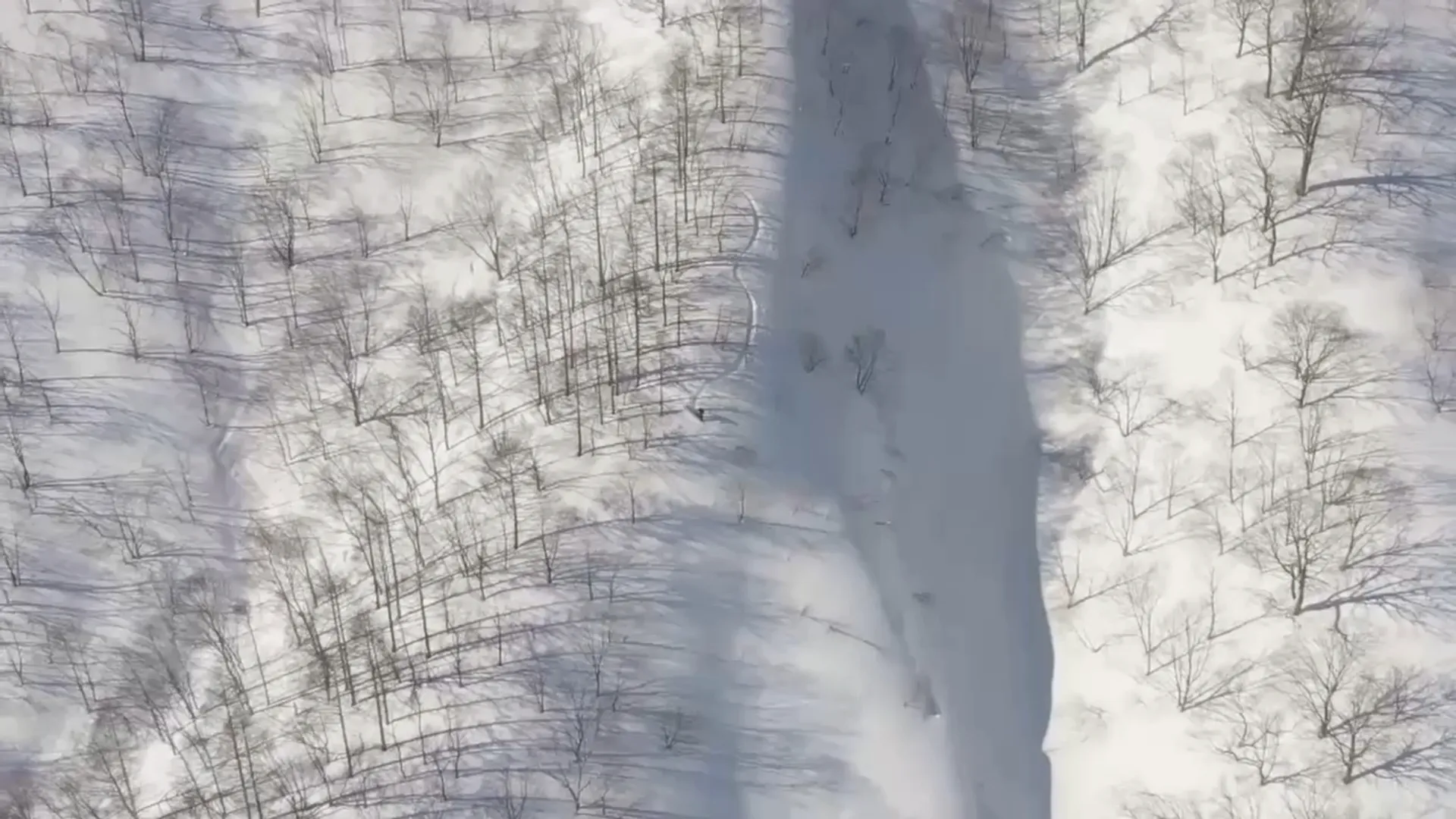
These resorts ask a little more from you. Maybe the access is less obvious. Maybe a car helps. Maybe the village is quieter. But this is where it starts getting properly interesting.
Geto Kogen
Geto Kogen is where the snow-chasing crowd starts paying attention. It gets serious snowfall, has proper tree-run areas and often feels much quieter than resorts with half the powder reputation and twice the marketing budget. The base is simple, the accommodation scene is limited, and nobody is going there for a cute village stroll. Good. That keeps the focus where it should be: storm days, trees, fat skis and trying not to grin too hard in the lift line.
Kamui Ski Links
Kamui Ski Links is one of the best Hokkaido alternatives if you want dry snow without the luxury tax and matching puffer parade. It works best from Asahikawa, either as a day trip or part of a Central Hokkaido snow chase. The mountain is not huge, but it skis well when the snow is on, with groomers, powder zones and a nicely local feel. Less resort bubble, more flexible ski trip. Pair it with Furano, Asahidake or city-base food missions.
Nekoma Mountain
Nekoma Mountain is a good “hang on, why don’t more people talk about this?” option. It has a proper mountain feel, decent scale and a location that can work for travellers coming through Tokyo. It is not as famous internationally as Hakuba, Nozawa or the Hokkaido big names, which gives it some breathing room. This is a strong repeat-visitor pick: different region, less predictable itinerary and a nice way to avoid doing the same Nagano loop again.
Hachimantai Shimokura
Shimokura is not polished, famous or trying desperately to impress foreign skiers. That is part of the appeal. It has tree-run zones, proper snow potential and a more local Tohoku feel than the big resort names. You will need to think about transport and where you stay, but the reward is a mountain that feels interesting without feeling overrun. It is a good pick for confident skiers who want trees, snow and fewer people in their peripheral vision.
Oze Iwakura
Oze Iwakura is a useful quiet pick because it is not just a tiny novelty hill. It has decent terrain variety, a local feel and enough mountain to make a proper ski day out of it. It is not a big international resort, so do not expect Hakuba-level English support or nightlife. But if you are comfortable with a more local setup, it can be a very good alternative. Solid mountain, fewer tourists, no need to make a huge drama about it.
Hodaigi
Hodaigi is the kind of place that makes more sense once you have already done Japan’s famous resorts. It is quieter, more local and better as part of a broader Gunma or Minakami trip than as a standalone international holiday. That is not a bad thing. On the right itinerary, it gives you exactly what you came for: snow, space and a break from the predictable resort circuit. Think supporting actor with scene-stealing potential on a good storm day.
Muikamachi Hakkaisan
Muikamachi Hakkaisan is not here to hold your hand. It is a compact, serious-feeling Niigata mountain with steep terrain, deep snow potential and a tram that can turn a good storm into a very memorable day. It is not a cute full-service ski village, and it is not ideal for nervous beginners. But for stronger skiers based around Yuzawa or chasing Niigata powder, it is a proper “worth the detour” option. Less polish, more punch.
Powder Missions
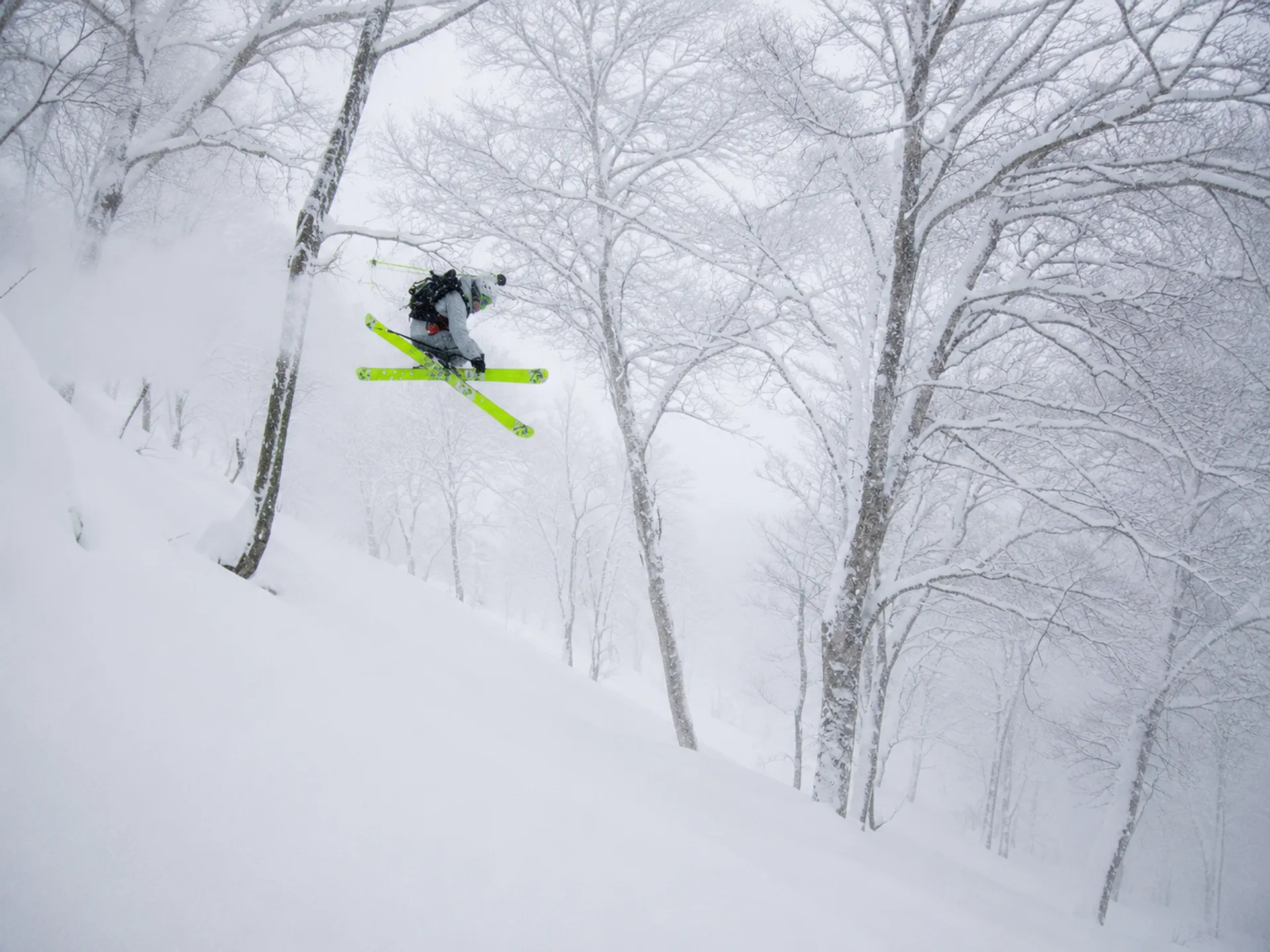
These are the full-send options. Not casual crowd-avoidance tips. Not “book it because you hate queues” picks. These are higher-effort, higher-reward mountains for skiers and snowboarders who understand that quiet can also mean weather, terrain, guiding and planning.
The reward can be huge. So can the lesson.
Hakkoda
Hakkoda is the heavyweight. Ropeway access, deep snow, snow monsters, volcanic terrain and a proper sense that you have left normal ski-resort Japan behind. It can be incredible, but it is not casual. Weather, visibility and route choice matter, and a guide is strongly recommended if you want the good stuff safely. This is for confident powder skiers who want a real adventure, not a groomer map and a hot chocolate stop every 40 minutes.
Asahidake
Asahidake is Hokkaido with the safety rails loosened. It is less a conventional ski resort and more a ropeway-accessed volcano that occasionally decides to serve some of the best snow of your life. The terrain is exposed, weather can shut things down, and the setup is not built for casual cruisers. But for strong skiers and snowboarders, especially with a guide, it can be magic. Raw, quiet, snowy and slightly intimidating in the best possible way.
Ani
Ani is the “how is nobody here?” pick. Remote, snowy, quiet and properly interesting for skiers who like their Japan trips with a bit of effort baked in. The gondola gives access to higher terrain, tree skiing and powder that can feel like a cheat code when conditions line up. But this is not plug-and-play tourism. Transport, weather, accommodation and planning all matter. Great for repeat visitors and road-trippers. Risky for anyone who thinks vibes are a logistics strategy.
Seki Onsen
Seki Onsen is tiny, rough-edged and not pretending otherwise. A couple of lifts, loads of snow, ungroomed character and a reputation that keeps powder goblins interested. This is not your main resort for a polished Japan ski holiday. It is a side mission from Myoko when the snow is on and your legs are feeling brave. Facilities are limited, polish is minimal, and that is exactly the point. Seki is not fancy. Seki is hungry.
Mt. T
Mt. T, formerly known to many skiers as Tanigawadake Tenjindaira, is close enough to Tokyo to tempt you and serious enough to punish lazy thinking. The inbounds area is small, but the surrounding terrain has a strong reputation with advanced skiers. Weather matters. Ropeway access matters. Experience matters. This is not a casual “pop in for a few laps” resort for everyone. It is a high-reward wildcard for confident skiers who want something sharper than the usual Tokyo-accessible ski day.
Which one should you choose?
Choose Appi Kogen, Shiga Kogen or Zao Onsen if you want the safest quiet choices for a normal international ski trip.
Choose Geto Kogen, Kamui or Hakkaisan if snow is the main reason you are travelling and you are happy to put in a bit more planning.
Choose Tazawako or Aomori Spring if you want a quieter trip with scenery, culture and a more relaxed pace.
Choose Hakkoda, Asahidake or Ani if you are a confident skier chasing the real stuff and you understand that the best days often come with homework.
Final verdict
Less crowded does not have to mean less mountain.
That is the whole point of this guide. You are not trying to find the most obscure ski lift in Japan. You are trying to find the places where the trade-off makes sense: fewer people, proper snow, useful terrain and a trip that still works.
For most travellers, Appi Kogen, Shiga Kogen and Zao Onsen are the best starting points.
For powder hunters, Geto Kogen, Kamui and Hakkaisan are where the guide gets exciting.
For confident skiers who want the real stuff, Hakkoda, Asahidake and Ani are the bigger missions.
Sometimes the best day of the trip is not at the resort everyone told you to book. It is the one where you drove a little further, planned a little better, clicked into your skis with nobody around, and realised the lift-line circus was optional all along.