

Best Japan Ski Resorts for Intermediate Skiers
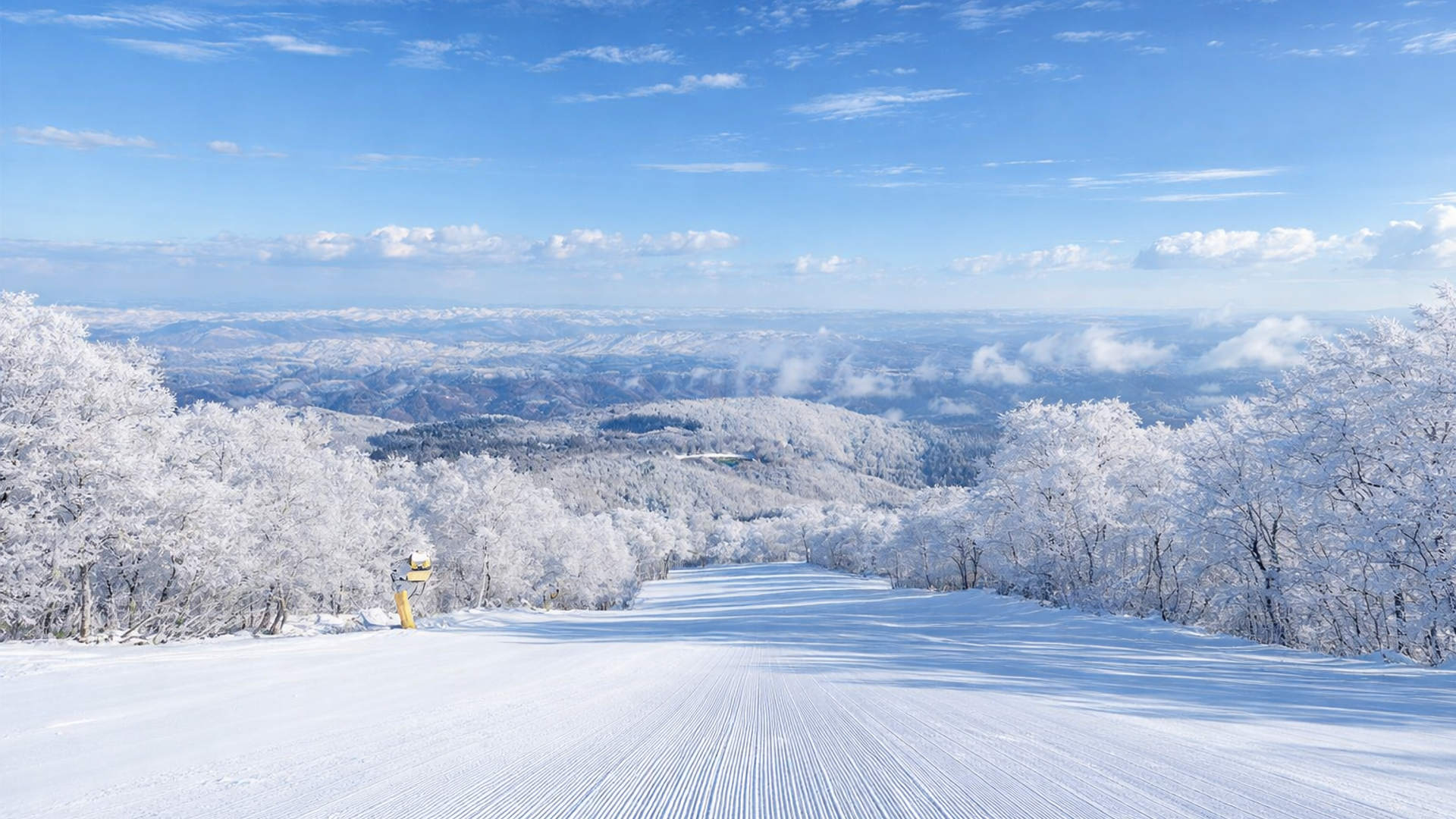
Big turns, soft snow, no survival skiing.
Japan is famous for snorkel-deep tree skiing. Most visitors, though, arrive somewhere between confident blue runs and their first proper powder turn. That is a brilliant place to be. Pick the right resort and you get long groomers, forgiving snow and a clean path into the soft stuff.
This ranking is built for real intermediate ski days. We looked for useful piste mileage, clear lift flow, readable terrain and fewer flat-link ambushes. Just as importantly, we asked how easily a powder-curious intermediate can move beyond corduroy without wandering into terrain that needs expert skills, avalanche gear or blind faith in somebody else's tracks.
One quick translation: Japanese trail maps usually mark intermediate runs red, not blue. Treat the colour as a clue, not a promise. A broad Appi red and a bumped-up Hakuba red can feel like different sports.
At a glance
The 10 resorts: Appi Kogen, Shiga Kogen, Furano, Hakuba Goryu + 47, Rusutsu, Nozawa Onsen, Myoko Suginohara, Niseko United, Zao Onsen and Tomamu.
- Best pure intermediate mountains: Appi Kogen, Shiga Kogen and Furano.
- Best first taste of powder: Rusutsu, Niseko United and Appi Kogen, with instruction.
- Best ski-town trips: Nozawa Onsen, Furano and Zao Onsen.
- Best for cautious riders and mixed groups: Tomamu, Shiga Kogen and Niseko United.
- Best for visible progression: Hakuba Goryu + 47 and Myoko Suginohara.
 Ski-in / Ski-outEnglish ski schoolFreeride / Trees (guided)Storm Magnet
Groomer Gold
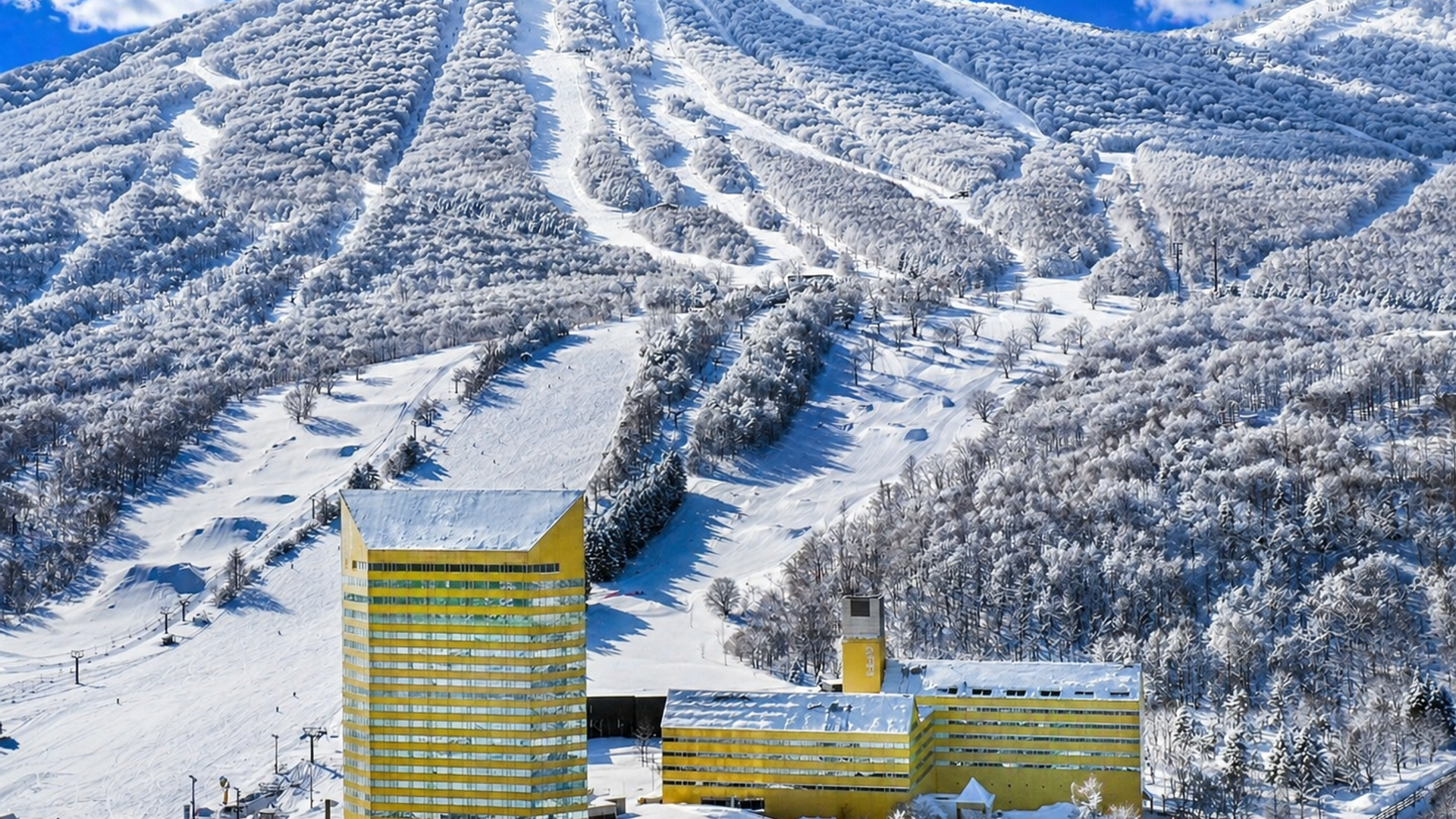
Appi is our number one because it lets intermediates ski properly. The pistes are long, direct and consistent, with enough pitch to carve without every lap turning into a leg-burning exam. Fresh corduroy through the silver birches is the headline act. You can find a rhythm, repeat it, then move to a harder variation without crossing half the mountain.
It also has a sensible powder pathway, provided you do not skip steps. Start with soft snow on familiar run edges and natural terrain beside the groomers. Appi's designated tree zones are for advanced riders, while forest outside those zones may be prohibited or beyond the managed area. The smart move is the resort's guided natural-terrain programme, which is designed to take capable intermediates beyond the pistes without guesswork.
The base is polished and convenient, but quiet after lifts close. Come for clean fall-lines, easy navigation and runs that improve your skiing.
- Best for: long groomers and confident progression.
- Watch out: tree-zone access is not a casual powder shortcut.
30/40/30%Terrain split
~8mSnowfall
708mVertical drop
 Ski-in / Ski-outEnglish ski schoolOnsenNight skiingFreeride / Trees (guided)
Cruise for Days
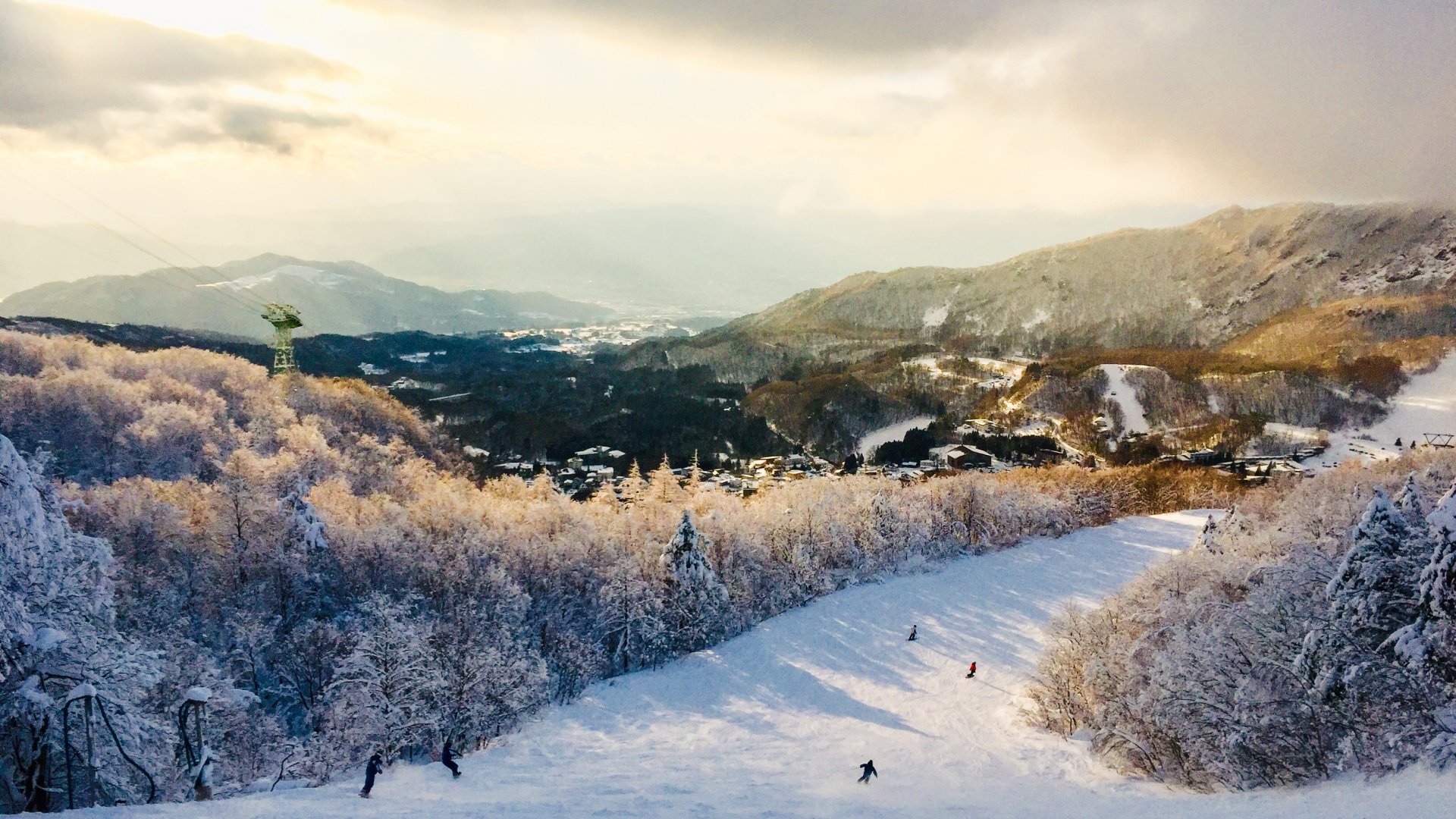
Shiga Kogen is the answer for intermediates who get bored skiing the same chair. Its sprawling areas let you change zones and snow texture all week. Yakebitaiyama and Okushiga Kogen are the cleanest cruising picks. Ichinose and Terakoya add steeper tests and sheltered storm laps.
Powder-curious riders should keep the first step simple. Marked, ungroomed runs such as Yakebi Coast offer natural snow without pretending you are in the backcountry. Several of Shiga's famous powder faces are steep, expert terrain, and rules can vary between areas. Learn on an open course, check the day's grooming and operation board, then use a local guide if you want to venture farther.
The catch is navigation. Some links are transport, not skiing. Pick one cluster each day and Shiga becomes huge, calm and deeply satisfying.
For cautious riders, this scale means real choice without having to touch expert terrain.
- Best for: piste variety and multi-day exploring.
- Watch out: the map is bigger than the useful lift-linked flow.
30/40/30%Terrain split
~10mSnowfall
980mVertical drop
 Ski-in / Ski-outEnglish ski schoolOnsenNight skiingFreeride / Trees (guided)Village hang-outs
Carve, Then Float
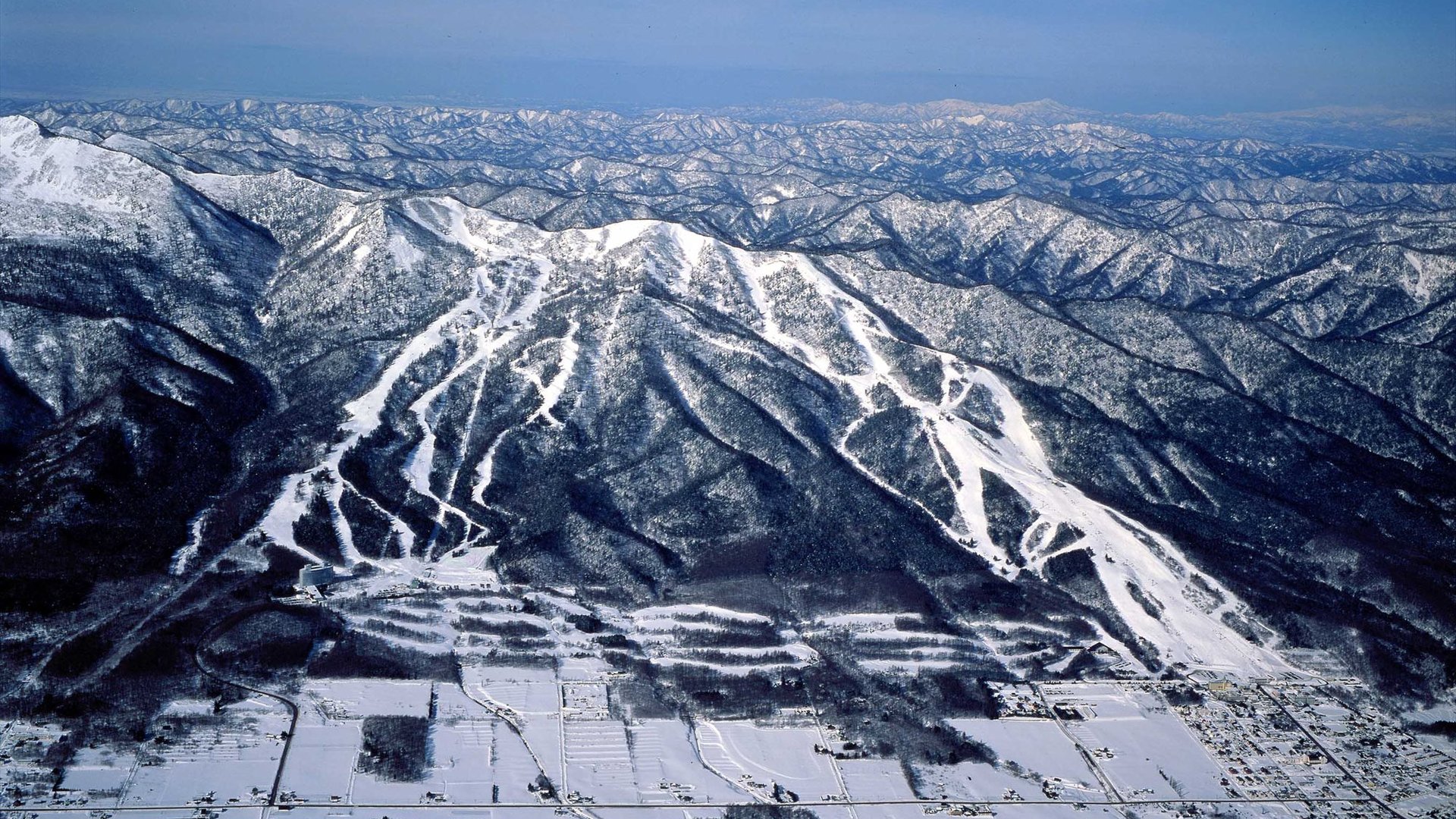
Furano is Hokkaido for people who still care about the skiing between powder turns. Its two sides deliver sustained fall-line pistes, cold snow and enough vertical to make a top-to-bottom lap worthwhile. Start on the broader lower runs, then head higher when visibility clears.
The powder potential is excellent, but Furano is more serious than Rusutsu for a first experiment. A storm can refill ungroomed terrain quickly, and the mountain's natural features include trees, drops and terrain traps. Begin inside the controlled area with an instructor or qualified guide. Resort-boundary exits are a separate backcountry decision, not something to try because a track looks inviting.
Furano town adds izakaya, ramen and local life beyond the resort hotels. The trade-off is a split base and town setup, plus upper lifts that can be weather affected. When the corduroy is fast and the edges are soft, Furano hits the sweet spot.
- Best for: Hokkaido snow with proper cruising.
- Watch out: some red runs have real bite.
40/40/20%Terrain split
~9mSnowfall
839mVertical drop
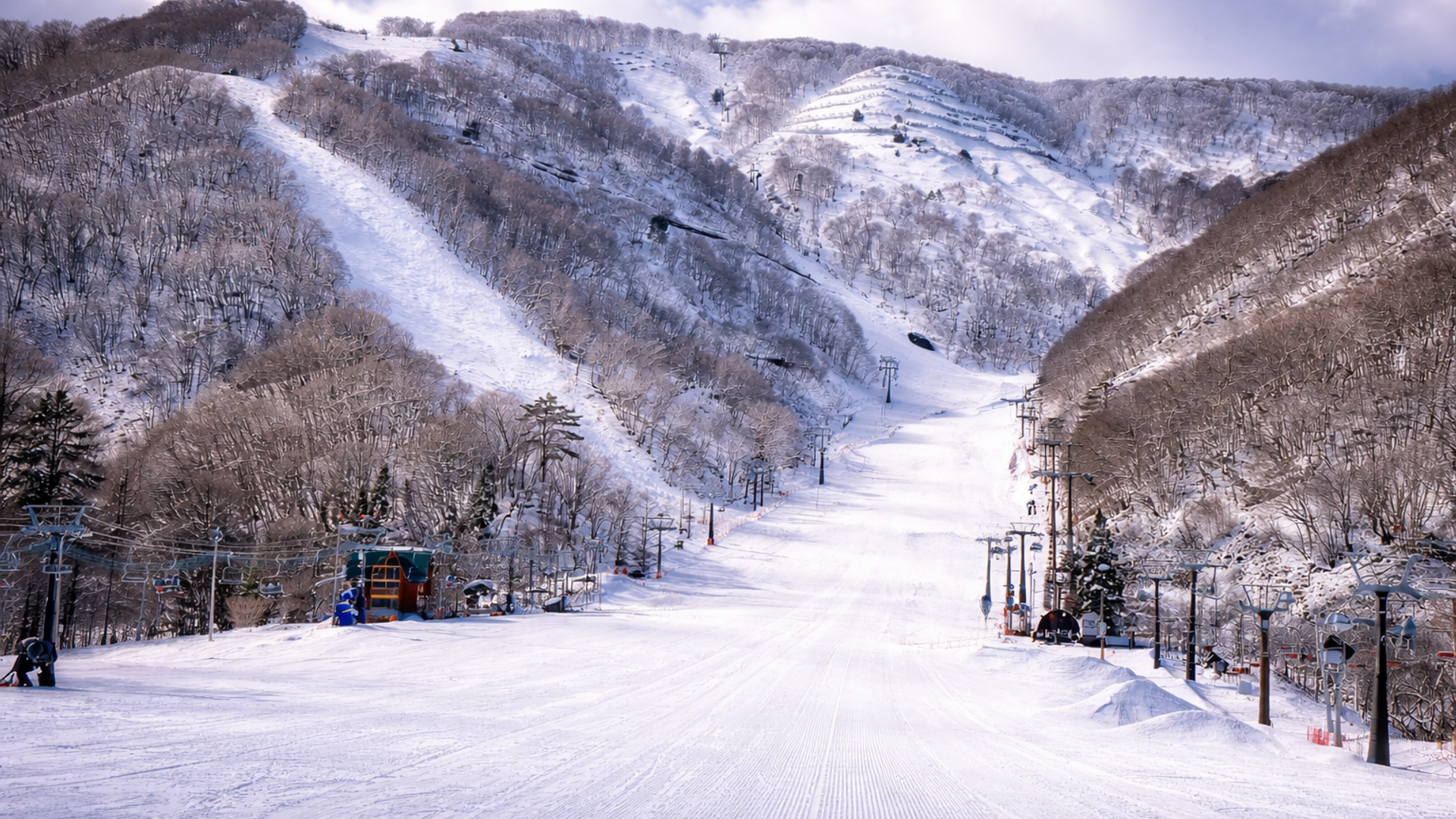 English ski schoolTerrain parkNight skiingFreeride / Trees (guided)Village hang-outs
Level Up
Goryu and Hakuba 47 give intermediates a visible ladder. Warm up on Toomi, step into high Panorama laps, hit Grand Prix early for corduroy, then cross into 47 for natural snow, park laps and sharper terrain. The mountain asks for more each run without throwing you straight onto Happo-one's steeper faces.
The powder setup is structured, which is good, but the labels matter. Hakuba 47 has open tree terrain plus a separate high-hazard Tree Riding Zone with registration and safety requirements. Other off-track areas are prohibited. For a first powder day, use an authorised school or guide in the gentlest permitted natural snow. The registered tree zone is a future goal, not a first powder lesson.
Merges become busy and scraped later, while linking tracks reward snowboarders who hold speed. Start early and this is one of Japan's clearest skill-building combinations.
- Best for: intermediates who want to improve fast.
- Watch out: rough exits and narrow merges appear late.
35/40/25%Terrain split
~12mSnowfall
926mVertical drop
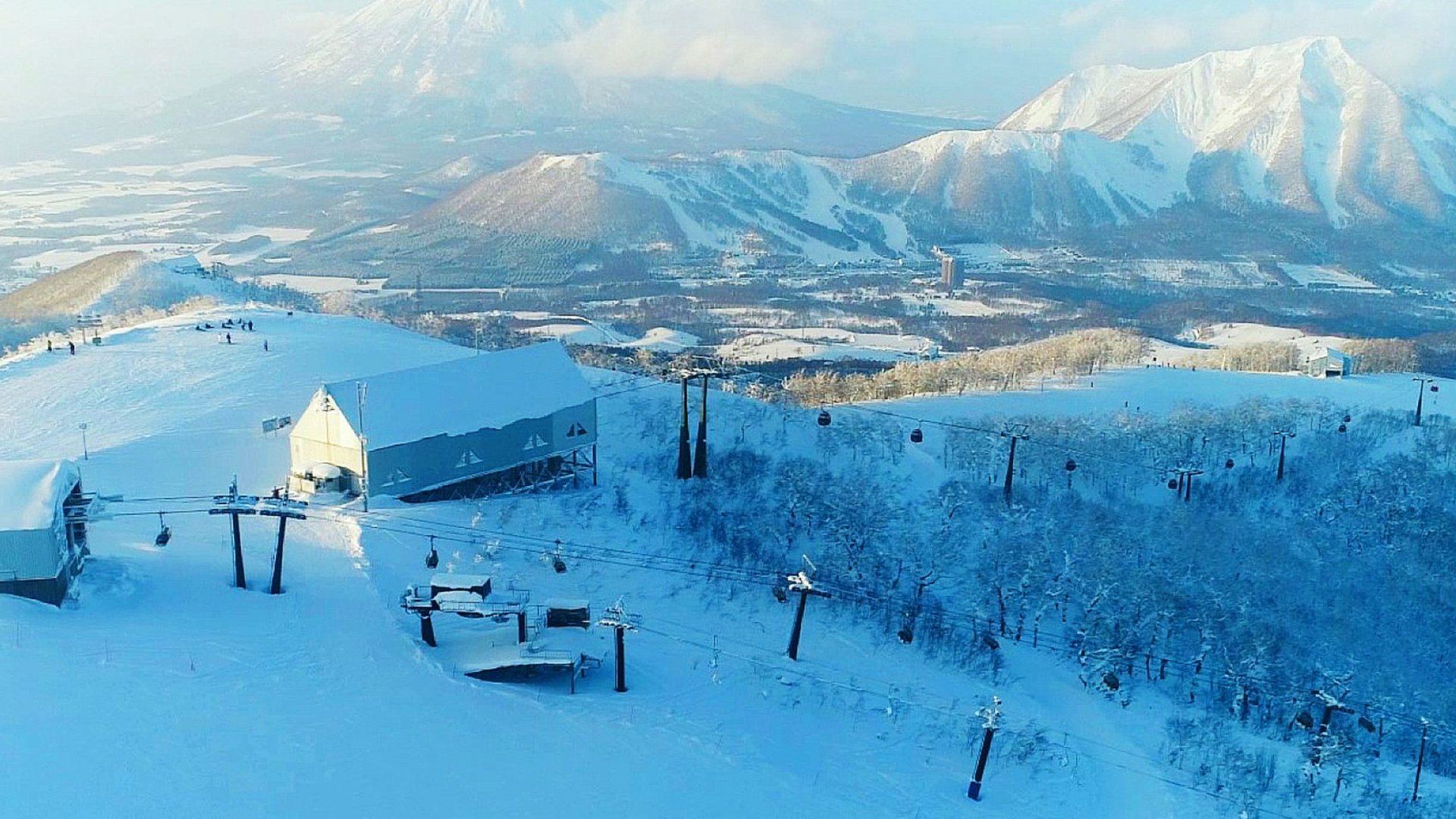 Ski-in / Ski-outEnglish ski schoolWave pool / Indoor playNursery / ChildcareOnsenFreeride / Trees (guided)
Powder School, Proper Fun
Rusutsu makes powder curiosity practical. East Mountain and Mount Isola mix rolling groomers, playful side features and soft snow without feeling intimidating. West works for calibration laps; across the road, long cruisers and quiet pockets reward a relaxed, balanced stance.
For a first taste of powder, Rusutsu is our pick. Book a private lesson after a proper skills check, get comfortable on soft piste edges, then let an instructor choose mellow, permitted tree terrain with a clean exit. Do not simply follow a group into the forest. Tree wells, buried branches and flat run-outs remain real, and the resort's marked Natural trail and formal off-piste guiding are aimed at stronger riders.
The resort bubble is slick rather than soulful. You get slope-side convenience, onsen and plenty for kids, but not a lantern-lit village. Snowboarders should keep speed through signed links after a storm.
- Best for: first powder turns with instruction.
- Watch out: playful terrain still has serious hazards.
30/40/30%Terrain split
~14mSnowfall
594mVertical drop
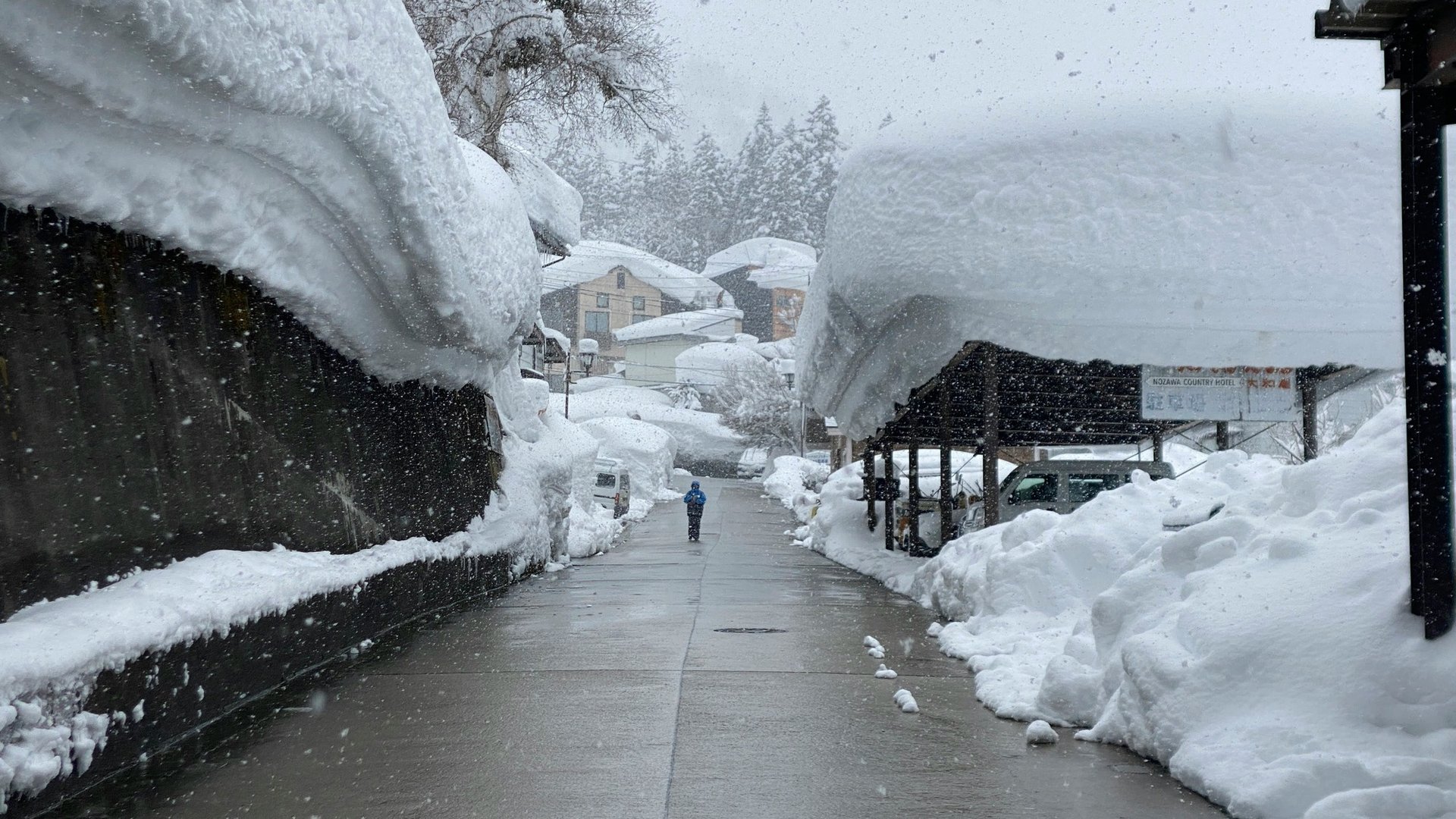 English ski schoolOnsenNight skiingVillage hang-outsFreeride / Trees (guided)Storm Magnet
Cruise, Soak, Repeat
Nozawa gives the skiing and the town equal weight. Up high, Yamabiko, Uenotaira and Paradise deliver broad intermediate terrain, colder snow and storm-day softness. Down low, return trails get narrow, busy and firm. Lap high, then choose your home route before tired legs do it for you.
For powder-curious intermediates, Nozawa has a useful middle ground. The resort identifies open powder areas between courses that can be ridden at your own risk. Start there with instruction, keep the exit obvious and stay inside the managed resort. Beyond the boundary there is no normal ski-patrol safety net. That is backcountry, not a bonus lap.
Then the village takes over. Public bathhouses, oyaki stalls, ramen, izakaya and snowy lanes make boots-off time part of the holiday. Accommodation can mean a morning walk and storm-day gondola queues are real, but few resorts give intermediates this much mountain and Japan together.
- Best for: good skiing with a great town.
- Watch out: valley returns are not carefree cruisers.
40/30/30%Terrain split
~11mSnowfall
1085mVertical drop
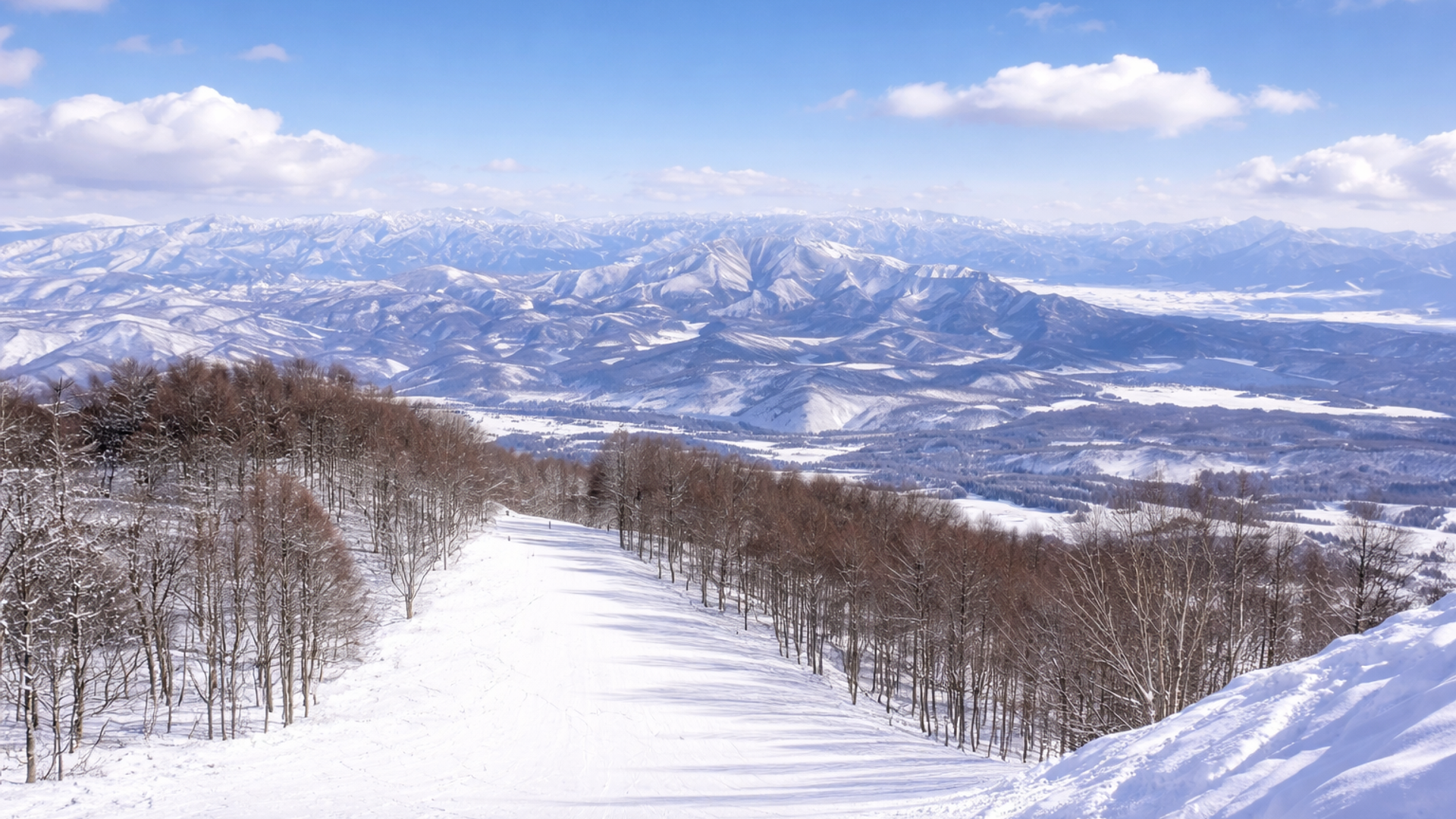 OnsenStorm MagnetRemoteFreeride / Trees (guided)
Long-Lap Legs
Suginohara is the cure for anyone who thinks Japanese runs are too short. The mountain falls away in one satisfying line, with stronger pitches and colder snow up high before the terrain eases below. The map is simple, the Lake Nojiri views are huge and a morning lap keeps your legs busy.
Designated ungroomed areas bring good powder potential, but less hand-holding than Niseko or Rusutsu. The resort flags avalanche, tree-well and terrain-trap hazards. Check with patrol, ride with a partner and use a qualified local guide for your first move away from obvious runs. Build judgment here, not bravado.
Use Suginohara as part of a Myoko week. Stay around Akakura for restaurants, then visit for quiet lifts and a top-to-bottom mission. Snowboarders should keep speed on the gentle lower reaches, especially after heavy snow.
- Best for: long cruising and simple navigation.
- Watch out: the base is quiet and support is thinner.
40/40/20%Terrain split
~13mSnowfall
1124mVertical drop
 Ski-in / Ski-outEnglish ski schoolNursery / ChildcareNight skiingVillage hang-outsFreeride / Trees (guided)
Learn the Deep Stuff
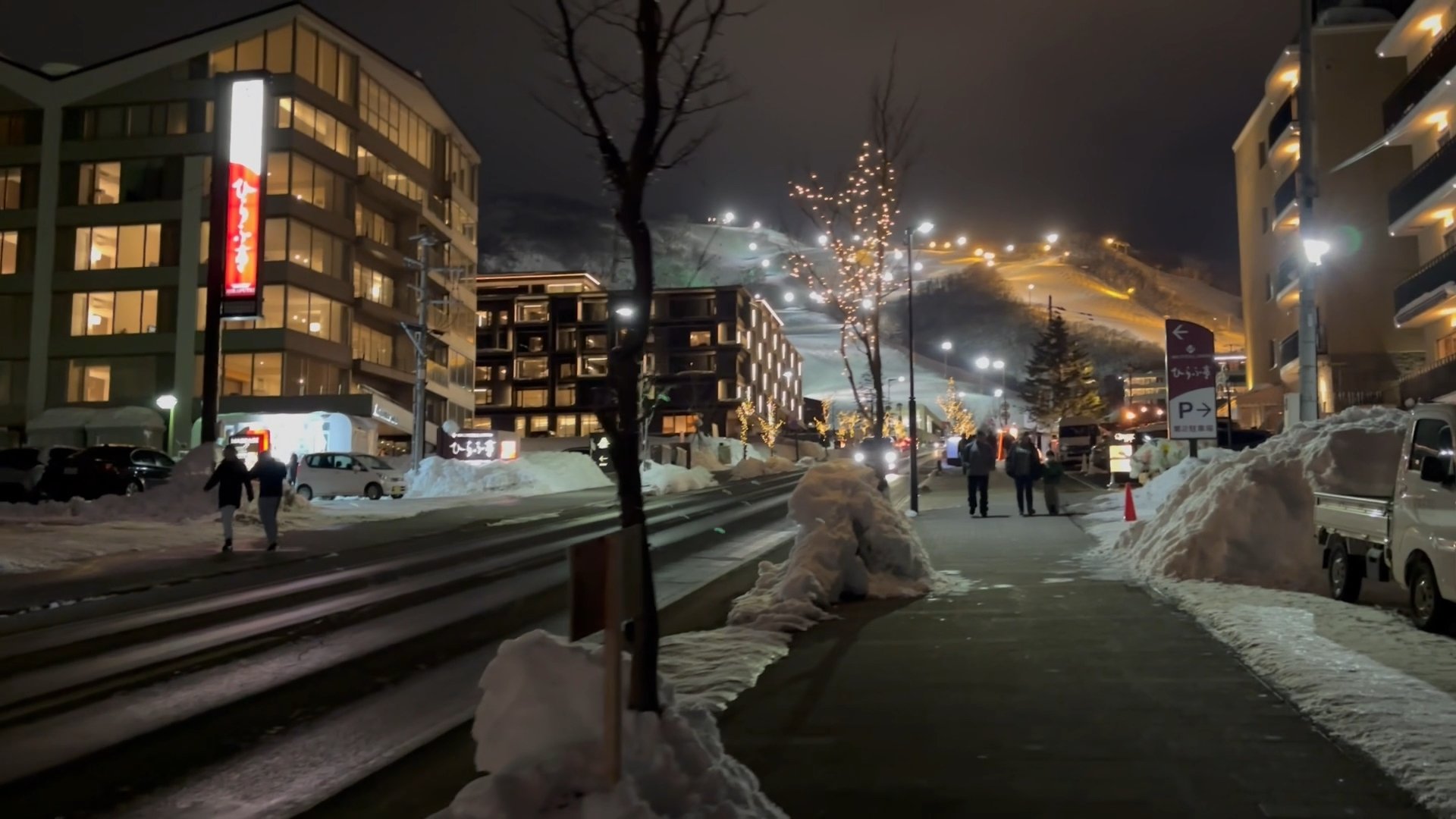
Niseko is not Japan's best intermediate piste mountain. It may be the easiest place to organise an intermediate powder holiday. English-speaking schools, modern rentals and four bases work when one rider wants coaching, another wants trees and somebody else wants coffee.
Annupuri is the calmer cruiser. Hanazono feels progression-friendly. Hirafu has the deepest mix of terrain, lessons, restaurants and night skiing, but also the most traffic. Pick one area per day.
Powder progression is excellent with a coach and risky without one. Learn in storm-softened in-bounds terrain before chasing Niseko's gates. They lead beyond resort boundaries, where patrol does not control the terrain. Equipment, avalanche information and judgment matter. Never learn by following strangers.
Crowds, logistics and flat exits can frustrate, especially on a snowboard. In return, Niseko offers a superb support network for turning powder wobbles into linked turns.
- Best for: English coaching and easy trip planning.
- Watch out: fame does not create groomed mileage.
30/40/30%Terrain split
~17mSnowfall
940mVertical drop
 OnsenNight skiingVillage hang-outsStorm Magnet
Scenic, Soft, Slow-Burn
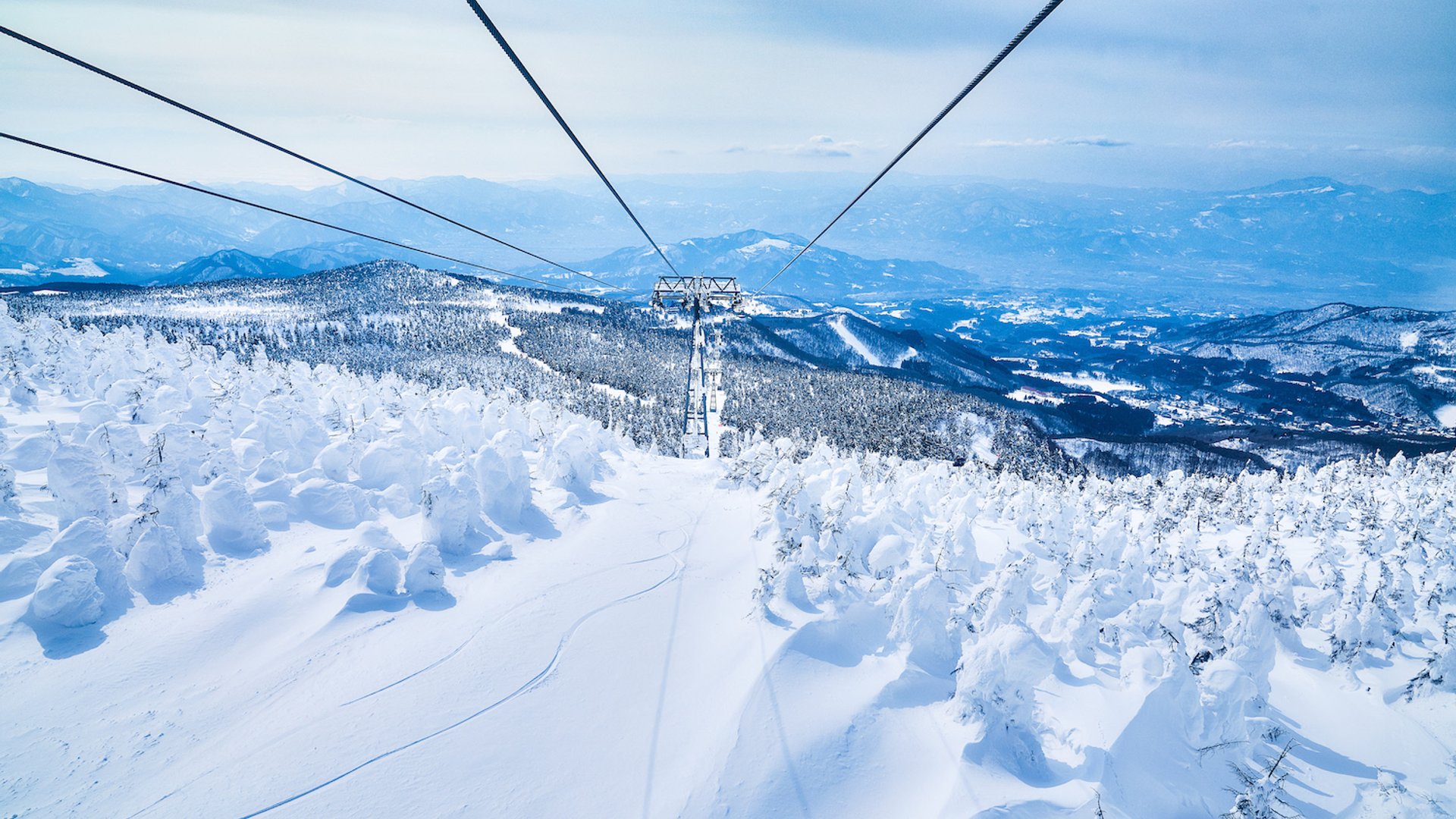
Zao is a ski journey, not a lap-counting machine. Link old lifts, cross pockets of terrain and ski beneath the juhyo snow monsters before returning to a steamy onsen town. Chuo, Utopia and Diamond Valley are comfortable starts; the summit routes add scenery, changing pitch and expedition energy.
True off-piste progression is limited, but marked runs such as Sailer and the Omori Giant glade bring soft snow and trees without inventing an exit. That is the right first step. Zao lacks a simple managed tree system, so stay marked unless you book a specialist guide.
The mountain can be slow, flat and confusing. Wind or cloud can close the upper experience, and snowboarders need momentum on connectors. Go for atmosphere, onsen and a mountain that reveals itself slowly.
- Best for: scenic cruising and winter-town character.
- Watch out: route-finding is part of the day.
40/40/20%Terrain split
~12mSnowfall
881mVertical drop
 10TomamuSki-in / Ski-outEnglish ski schoolWave pool / Indoor playNursery / ChildcareMagic carpetFreeride / Trees (guided)
Easy Holiday, Hard Boundary
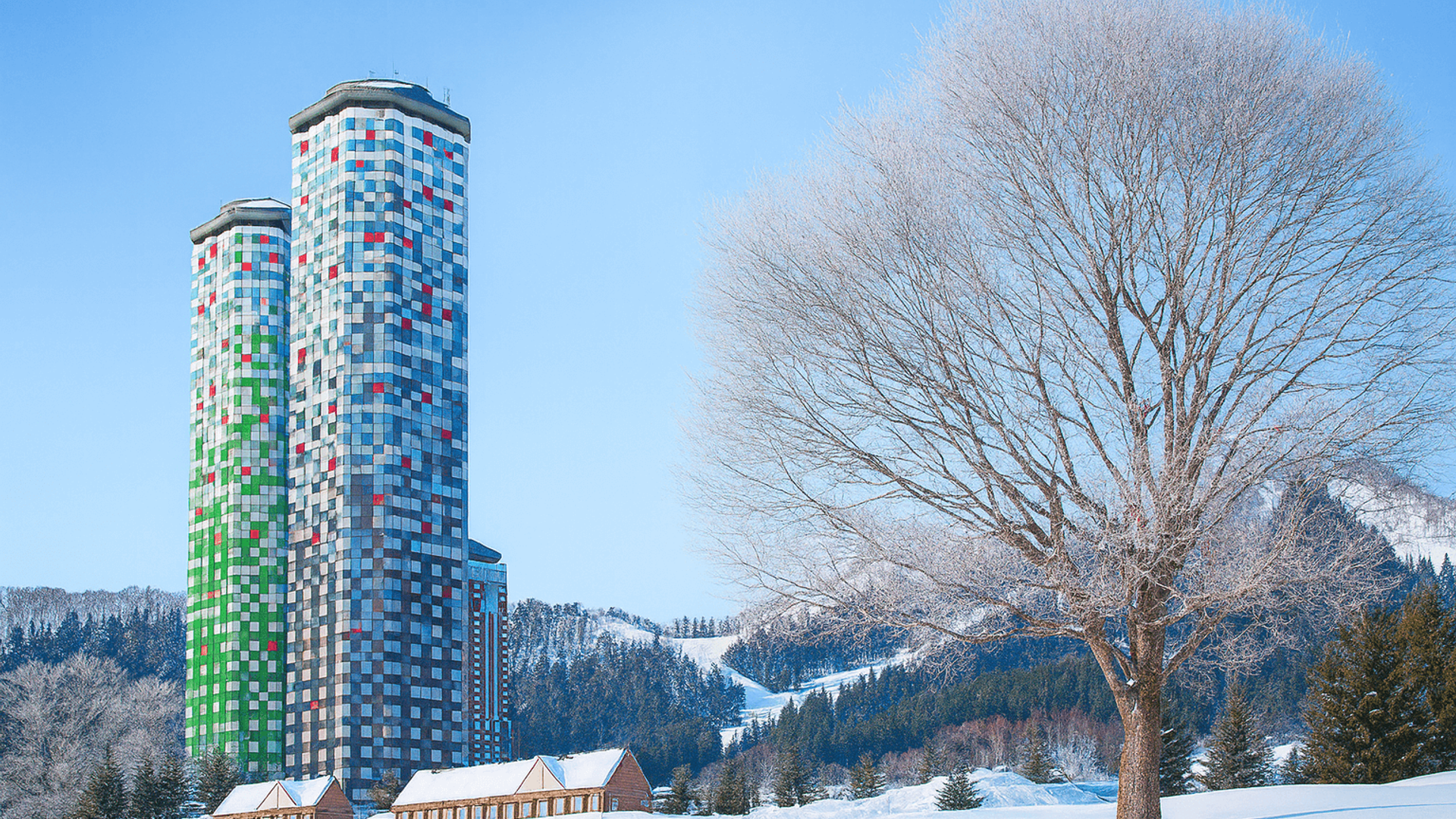
Tomamu makes intermediate family trips painless. Hotels, rentals, lessons and indoor entertainment sit inside one tidy setup. Tower Mountain builds confidence. Mount Tomamu adds pitch and variety without a morning spent decoding bus routes.
The powder message needs honesty. Tomamu's designated off-piste area is explicitly for experts. Organised access does not make it a learning zone. Powder-curious intermediates should start on storm-softened pistes or book a guided session, then keep the expert area on the future-goals list.
It is also easy to stop skiing without ending the day. The wave pool and warm indoor spaces save mixed groups when legs are finished. The compromise is less piste mileage and little ski-town texture.
It works especially well for parents splitting ski time, or groups where one person wants lessons while another retreats indoors after lunch.
- Best for: cautious intermediates and mixed families.
- Watch out: the expert powder zone means exactly that.
38/48/14%Terrain split
~14mSnowfall
585mVertical drop
How to pick for your group
- You want long, confidence-building groomers: Appi Kogen, Shiga Kogen or Furano.
- You want your first real powder turns: Rusutsu first, then Niseko United or Appi Kogen with an instructor.
- You want a clear skills ladder: Hakuba Goryu + 47 or Myoko Suginohara.
- You want skiing plus a proper Japanese town: Nozawa Onsen, Zao Onsen or Furano.
- You have cautious riders, kids or non-skiers: Tomamu, Niseko United or selected Shiga Kogen zones.
- You are on a snowboard and hate flat links: Appi Kogen or Furano. Plan routes carefully at Shiga Kogen, Niseko United and Zao Onsen.