9.4
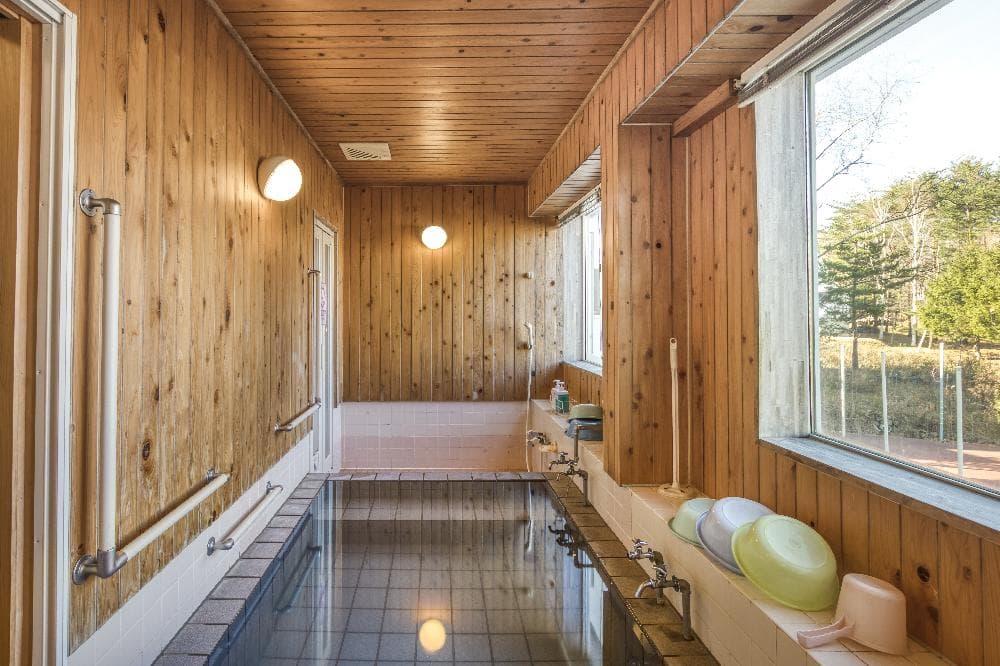
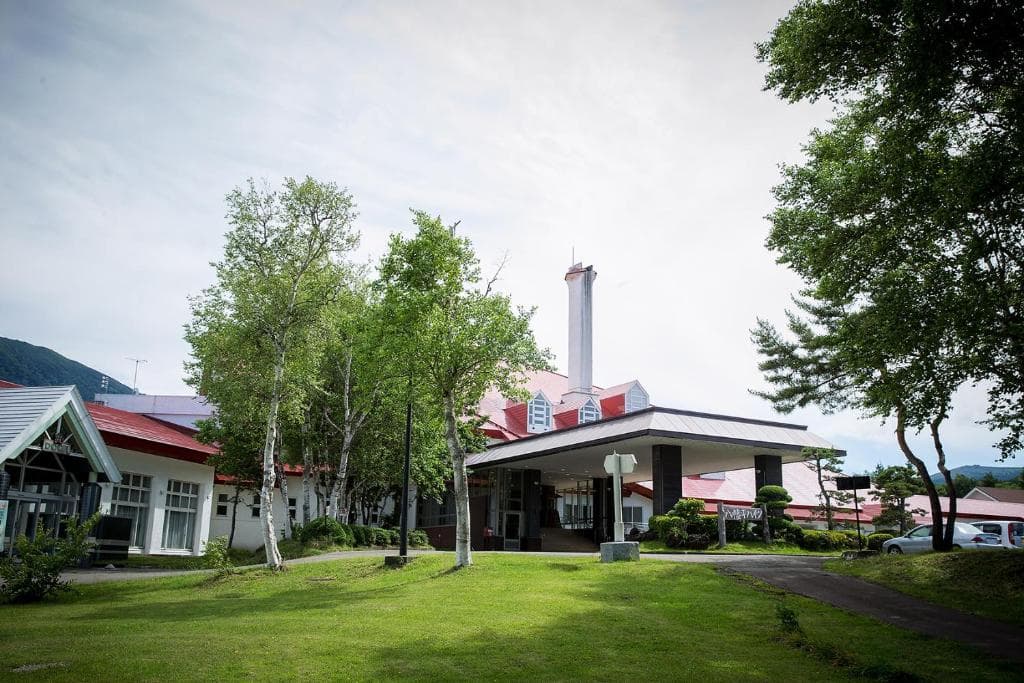
ANA InterContinental Appi Kogen Resort
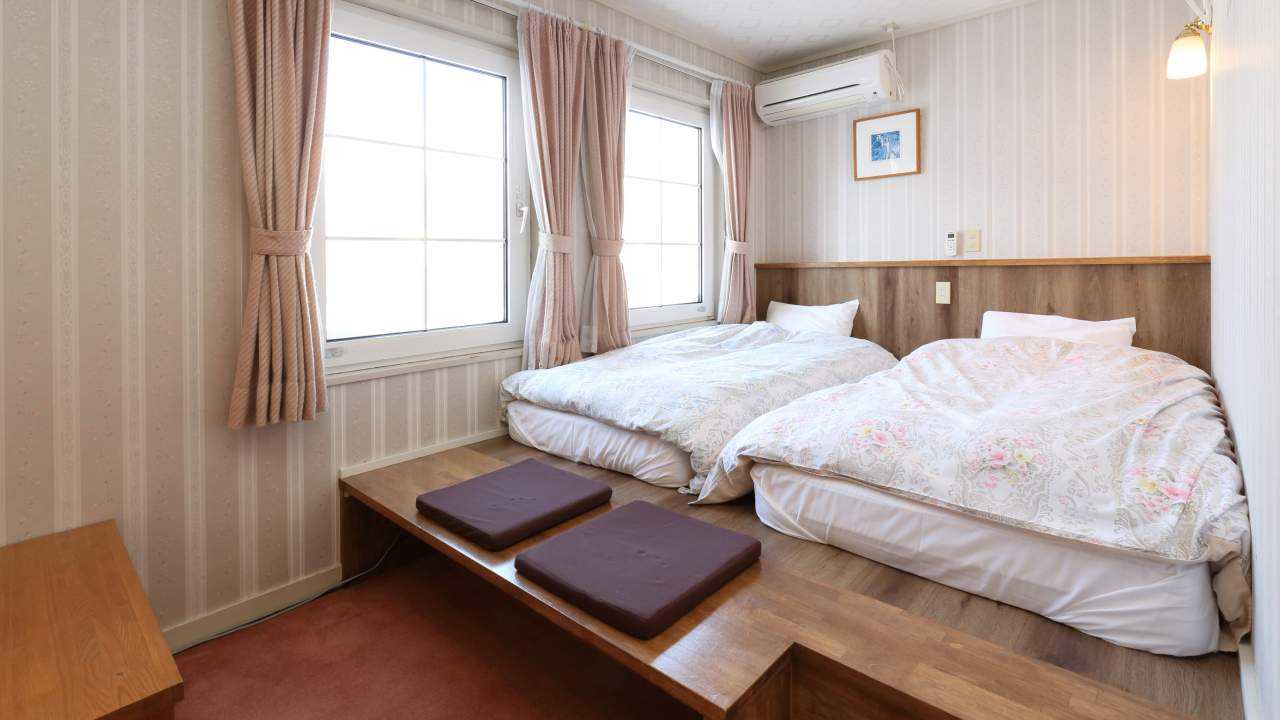
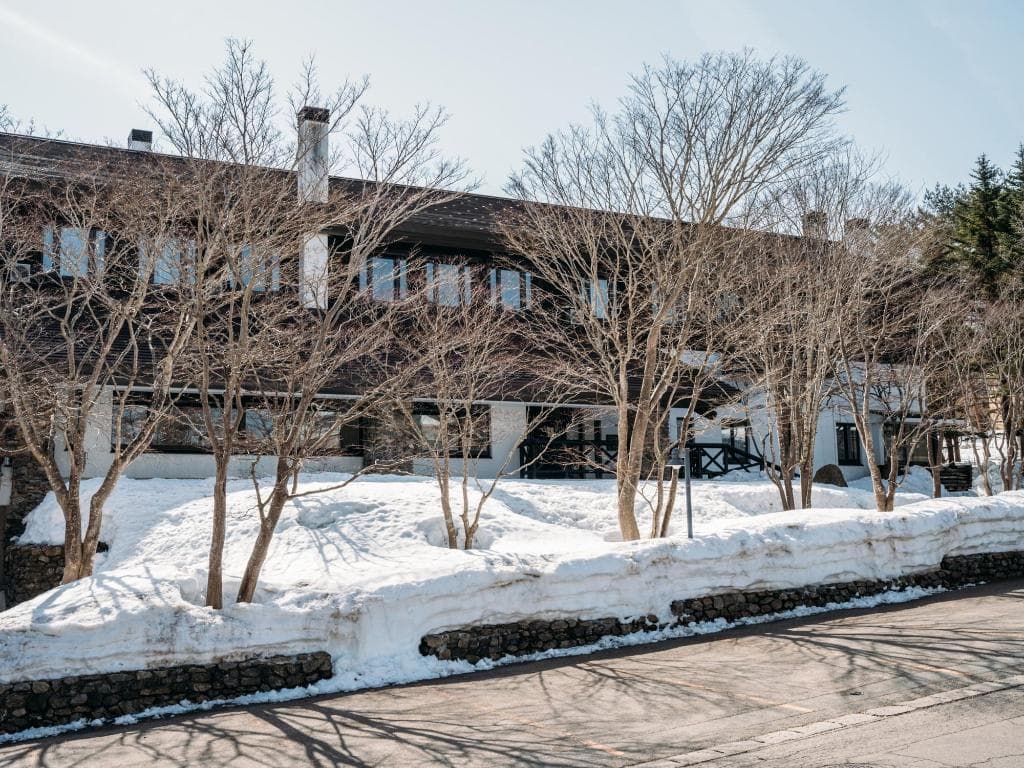
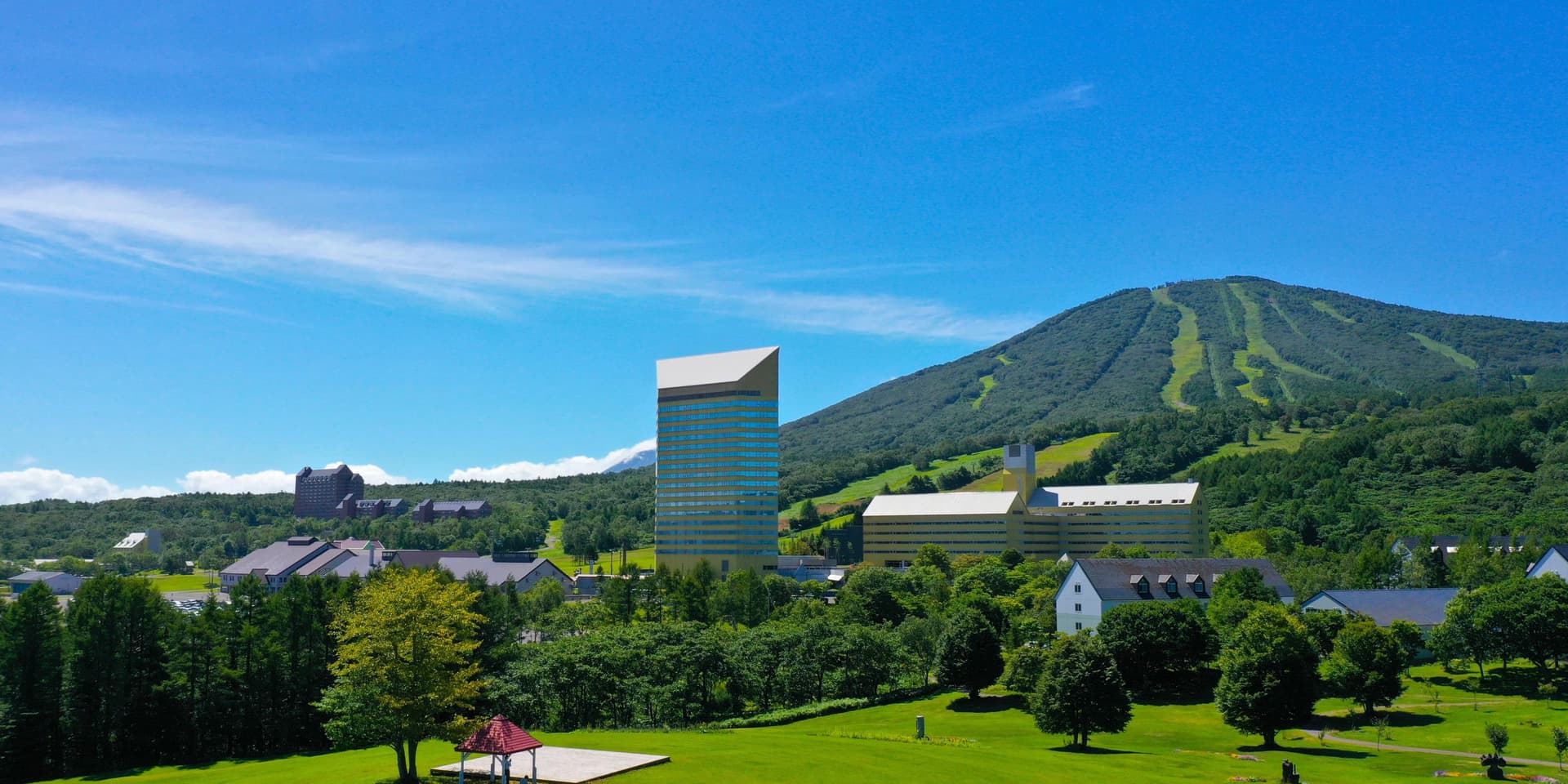
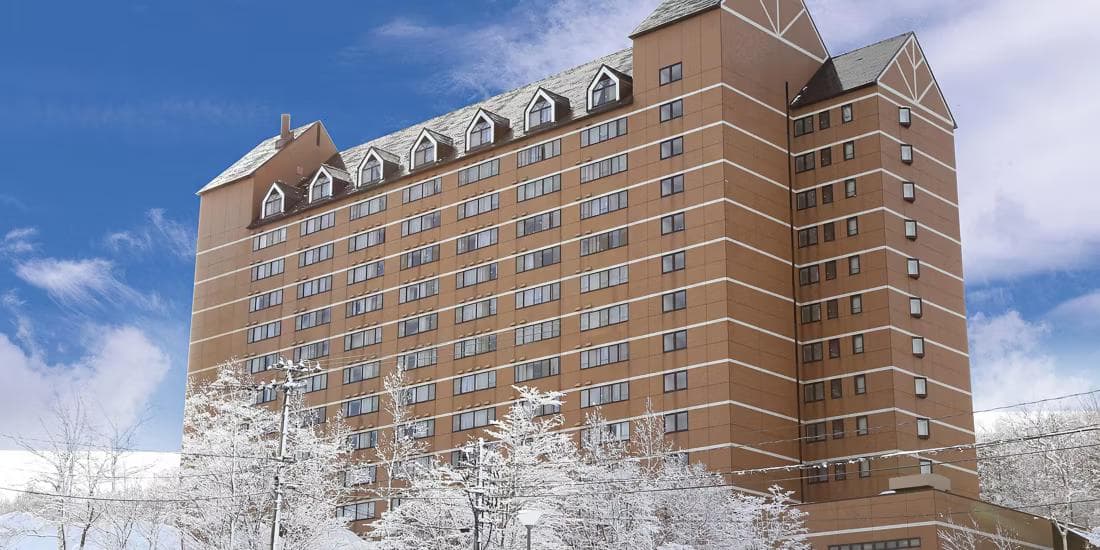
A premium ski-in ski-out resort with refined rooms, onsen access and polished service, best for couples or families wanting Appi's smoothest stay.
$$$$$

View rates

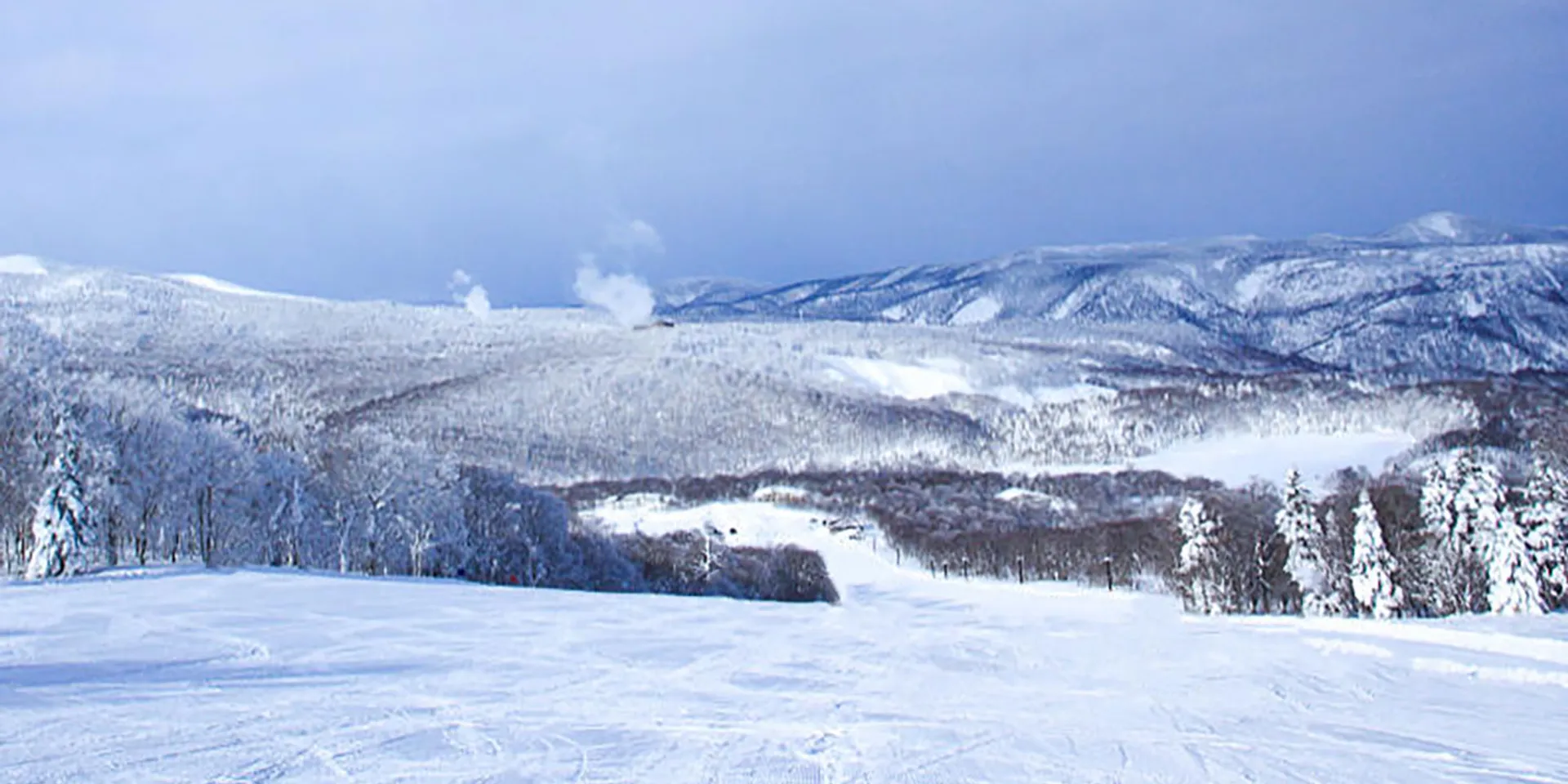
Hachimantai is not one tidy ski village. It is a broad mountain region covering Appi Kogen, Hachimantai Resort, remote onsen valleys and a scattering of smaller ski areas beneath Mt Iwate.
For most skiers, the accommodation decision comes down to four bases: Appi Kogen for convenience, Hachimantai Resort for Panorama and Shimokura, Matsukawa Onsen for the full Japanese mountain experience, or Morioka for flexibility and better value.
Hachimantai covers several separate ski areas rather than one connected resort.
Appi Kogen is the largest and most polished, with the strongest facilities and easiest resort-style accommodation.
Hachimantai Panorama has wide, gentle terrain and accommodation close to the lifts, making it particularly good for families and mixed groups.
Hachimantai Shimokura is smaller but more interesting for advanced riders, with sheltered terrain, lighter crowds and better storm-day potential.
Iwate Kogen Snow Park sits further south beneath Mt Iwate and works better as a day trip than an accommodation base.
There are also backcountry and snowcat opportunities around the wider Hachimantai mountains, which become considerably easier to explore with a rental car.
Appi is the obvious choice when you want slope-side accommodation, straightforward transport, English-speaking services and enough terrain to stay put for several days.
It is also the most polished and generally most expensive base in Hachimantai. There is no traditional ski village outside the door, so evenings revolve around the resort hotels, restaurants and onsen facilities.
Appi already has its own detailed accommodation guide covering the best places to stay, including slope-side hotels and cheaper alternatives.
Read our full Appi Kogen accommodation guide.
This page contains affiliate links, if you book through them, we may earn a small commission at no extra cost to you.
For skiers wanting to explore Hachimantai Panorama and Shimokura, staying around Hachimantai Resort is the most practical option.
Panorama is the gentler side of the pair, with broad groomers and an easy layout for beginners, intermediates and families. Shimokura is the mountain stronger riders will usually gravitate towards, with more sheltered terrain, fewer people and a better chance of finding soft snow after the obvious lines have been tracked elsewhere.
The two ski areas share a lift pass and are linked by shuttle, so there is little reason to choose accommodation based solely on which one is outside the front door. Staying near Panorama generally gives you the easiest setup while keeping Shimokura accessible.
Accommodation here is much quieter than Appi. Expect resort hotels, pensions and onsen stays rather than a developed ski village. Restaurants are limited, particularly once you move away from the main properties, so half-board can be genuinely useful rather than something you automatically skip.
This is a good base for mixed groups. Families can spend their days on Panorama while stronger skiers and snowboarders head to Shimokura, then everyone meets back at the hotel or onsen.
A rental car makes the area substantially better. It gives you the freedom to reach Appi, Matsukawa Onsen, Iwate Kogen and other nearby mountains without relying on relatively limited public transport.
This page contains affiliate links, if you book through them, we may earn a small commission at no extra cost to you.
Matsukawa Onsen is one of the most memorable places to stay in Hachimantai, but it is not a conventional ski base.
The tiny hot-spring settlement sits deep in the forest beneath the Hachimantai mountains. Snow piles around traditional ryokans, steam rises from outdoor baths and evenings revolve around Japanese dinners rather than bars or restaurants.
This is where you stay because you want the accommodation to be part of the trip.
Matsukawa works particularly well alongside skiing at Shimokura and Panorama, or for travellers joining guided backcountry activities around Hachimantai. The surrounding mountains receive serious winter weather and the whole area feels considerably more remote than its position on the map suggests.
The trade-off is convenience. There are very few restaurants outside the ryokans, transport is limited and English may not be widely spoken. Many stays include breakfast and dinner, which is exactly what you want here.
For most ski trips, one or two nights is enough. Pair Matsukawa with Hachimantai Resort or Appi rather than trying to use it as your only base for a week.
It is especially good for couples and repeat Japan visitors who have already done the big international ski resorts and want somewhere that feels unmistakably Tohoku.
This page contains affiliate links, if you book through them, we may earn a small commission at no extra cost to you.
Morioka is the practical alternative to staying in the mountains.
The city sits on the Tohoku Shinkansen and has a far larger range of hotels, restaurants and bars than anywhere around the Hachimantai ski areas. Accommodation can also be considerably cheaper, particularly if you are happy with one of Japan's reliable business hotels.
From Morioka, Appi Kogen is around an hour away, while Hachimantai Resort and Iwate Kogen are also realistic day trips. Shizukuishi sits to the west, giving drivers another substantial ski area to add to the rotation.
That makes Morioka surprisingly useful for powder chasers with a rental car. Instead of committing to one mountain, you can watch the forecast each evening and decide where to ski the next morning.
The downside is obvious: you have to drive.
An hour each way is perfectly manageable for a couple of ski days, but less appealing across a full week. Heavy snowfall can also stretch drive times, and nobody particularly enjoys scraping ice from the windscreen before sunrise after discovering the mountain reported another 30 centimetres overnight.
Morioka works best at the start or end of a trip, or as a base for riders planning to move between several Iwate ski areas rather than skiing the same resort every day.
It is also the strongest choice if food matters. After several nights eating exclusively at resort hotels, being able to walk out for yakiniku, izakaya food or Morioka's famous noodles can feel like a minor luxury.
This page contains affiliate links, if you book through them, we may earn a small commission at no extra cost to you.
Choose Appi when you want the easiest ski holiday. It has the biggest mountain, the strongest resort infrastructure and the least complicated logistics.
Best for:
Choose the Panorama and Shimokura area when you want quieter skiing and better access to the wider Hachimantai mountains.
Best for:
Choose Matsukawa when you want the accommodation experience to be part of the trip.
Best for:
Choose Morioka when you want value, restaurants and the freedom to ski several different mountains.
Best for:
You do not need a car if you are staying at Appi and intend to spend most of the trip there.
For almost every other Hachimantai itinerary, a car makes life considerably easier.
The region is spread out, and there is no single resort shuttle network tying Appi, Panorama, Shimokura, Matsukawa Onsen and Iwate Kogen neatly together. Public transport exists, but it is designed around specific destinations rather than powder chasers changing plans at breakfast.
With a car, you can ski Shimokura when conditions suit it, head to Appi on another day, visit an onsen after skiing and adjust the itinerary when wind or visibility changes.
It also makes accommodation easier because you are no longer restricted to whatever happens to be beside a bus stop.
Winter driving around Hachimantai can be serious. Snow tyres are standard on rental cars, but roads can still be icy and visibility can disappear quickly during storms. Allow more time than Google Maps suggests and avoid building a daily itinerary that depends on perfect road conditions.
This is the main accommodation decision for most ski trips.
Appi has more terrain, better lifts, more restaurants and easier logistics. If you are travelling with children, arriving without a car or simply want the trip to run smoothly, it is the safer choice.
Hachimantai Resort is smaller and much quieter. The appeal is having Panorama for cruising and Shimokura for better powder terrain, while staying within reach of the rest of the Hachimantai mountains.
Strong riders with a car may actually prefer Hachimantai Resort because they are less locked into one mountain.
First-time visitors will usually find Appi easier.
Stay near Hachimantai Resort when skiing is the priority.
Stay in Matsukawa Onsen when the experience is the priority.
Panorama gives you straightforward lift access and puts Shimokura within easy reach. Matsukawa puts you in a remote hot-spring valley where the evening meal, outdoor bath and snow-covered forest are as memorable as the skiing.
A good compromise is to ski from Hachimantai Resort for several days, then spend the final night or two at Matsukawa.
For a full ski week at one mountain, probably not.
For a road trip, Morioka makes much more sense.
Accommodation is plentiful, food is excellent and the city sits within driving distance of Appi, Hachimantai Resort, Iwate Kogen and Shizukuishi. You can also arrive directly by Shinkansen from Tokyo and pick up a rental car nearby.
The best use of Morioka is usually one to three nights rather than an entire ski holiday.
First Hachimantai trip: Appi Kogen
Powder hunters: Hachimantai Resort with a rental car
Beginners: Appi Kogen or Panorama
Families: Appi Kogen or Hachimantai Resort
Advanced riders: Hachimantai Resort or Appi Kogen
Couples: Matsukawa Onsen
Non-skiers: Appi Kogen
Traditional Japanese experience: Matsukawa Onsen
Budget travellers: Morioka
Without a car: Appi Kogen
Multi-resort trip: Morioka or Hachimantai Resort
Hachimantai does not have the enormous accommodation inventory of Niseko or Hakuba, so the best-positioned properties can disappear surprisingly early.
Appi has the largest number of rooms, but convenient slope-side accommodation still books heavily during January, February and Japanese holiday periods.
There are fewer options around Hachimantai Resort, particularly if you want larger family rooms or accommodation close to Panorama.
Matsukawa Onsen has very limited inventory. If a particular ryokan is part of the reason you are visiting, book it as soon as your dates are reasonably firm.
Morioka is much easier to book late, although weekends and major local events can tighten availability.
For peak January and February trips, starting six to nine months ahead gives you the best choice.
No. Hachimantai is a wider mountain region containing several separate ski areas, including Appi Kogen, Hachimantai Panorama, Shimokura and Iwate Kogen.
Yes. Appi Kogen is located within Hachimantai City, but it operates separately from Hachimantai Resort.
They operate together under Hachimantai Resort and share a lift pass, with a shuttle connecting the two ski areas. You cannot ski directly between them.
Stay around Hachimantai Panorama or elsewhere in the Hachimantai Resort area. Accommodation directly at Shimokura is very limited.
It can work for skiing around Hachimantai, but choose it primarily for the ryokan and onsen experience. For the easiest daily lift access, stay closer to Panorama or Appi.
Yes. Morioka is a viable base with a rental car, particularly if you want to ski several different resorts. For a full week at one mountain, staying closer to the lifts is easier.
Not necessarily for Appi. For a multi-resort trip involving Panorama, Shimokura, Matsukawa and other nearby mountains, a rental car is strongly recommended.
Hachimantai works best when you stop trying to find one perfect ski village.
Stay at Appi for the easiest resort holiday. Base yourself around Hachimantai Resort for quieter skiing and better access to Shimokura. Add a night at Matsukawa Onsen when you want something unmistakably Japanese, or use Morioka when the plan involves chasing conditions across several Iwate mountains.
For powder chasers with a car, Hachimantai's scattered layout is not really a weakness. It is what gives you options.
Still choosing a Tohoku ski base?
Read the Appi Kogen accommodation guide if you want the bigger nearby resort with more hotel choice and family terrain.
Read the Geto Kogen accommodation guide if you want another deep-snow Iwate base with a simpler resort layout.
Read the Hakkoda accommodation guide if you want a wilder ropeway powder trip further north.
Read the ryokan accommodation guide if you want the traditional tatami, onsen and kaiseki version of a ski trip.