
What Is Ryokan Accommodation in Japan?
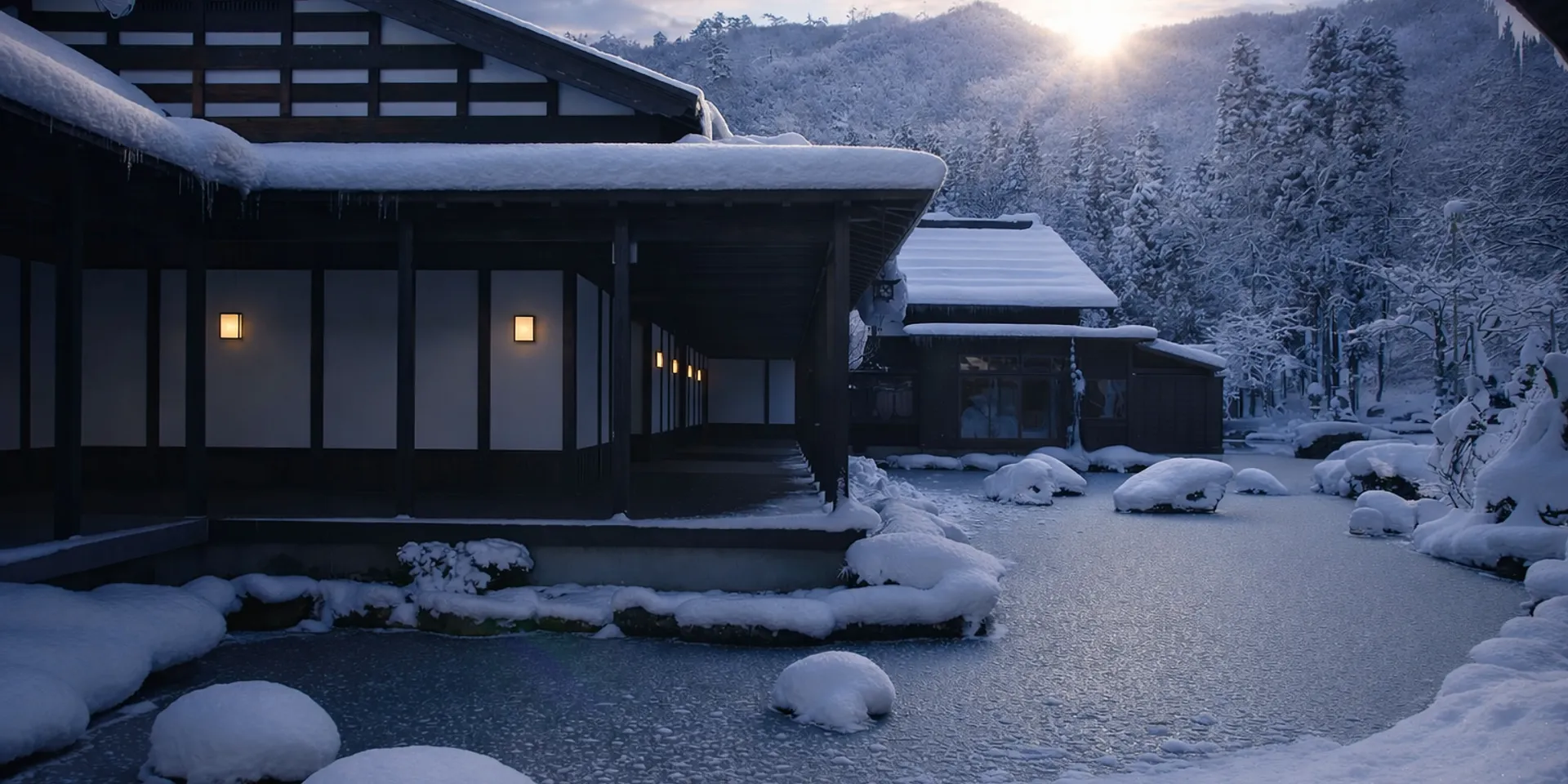
A ryokan is a traditional Japanese inn. Think tatami-mat rooms, futon bedding, calm minimal interiors, and hosts who run the place with a bit more care and rhythm than a standard hotel. You’re not just booking a bed, you’re booking a vibe.
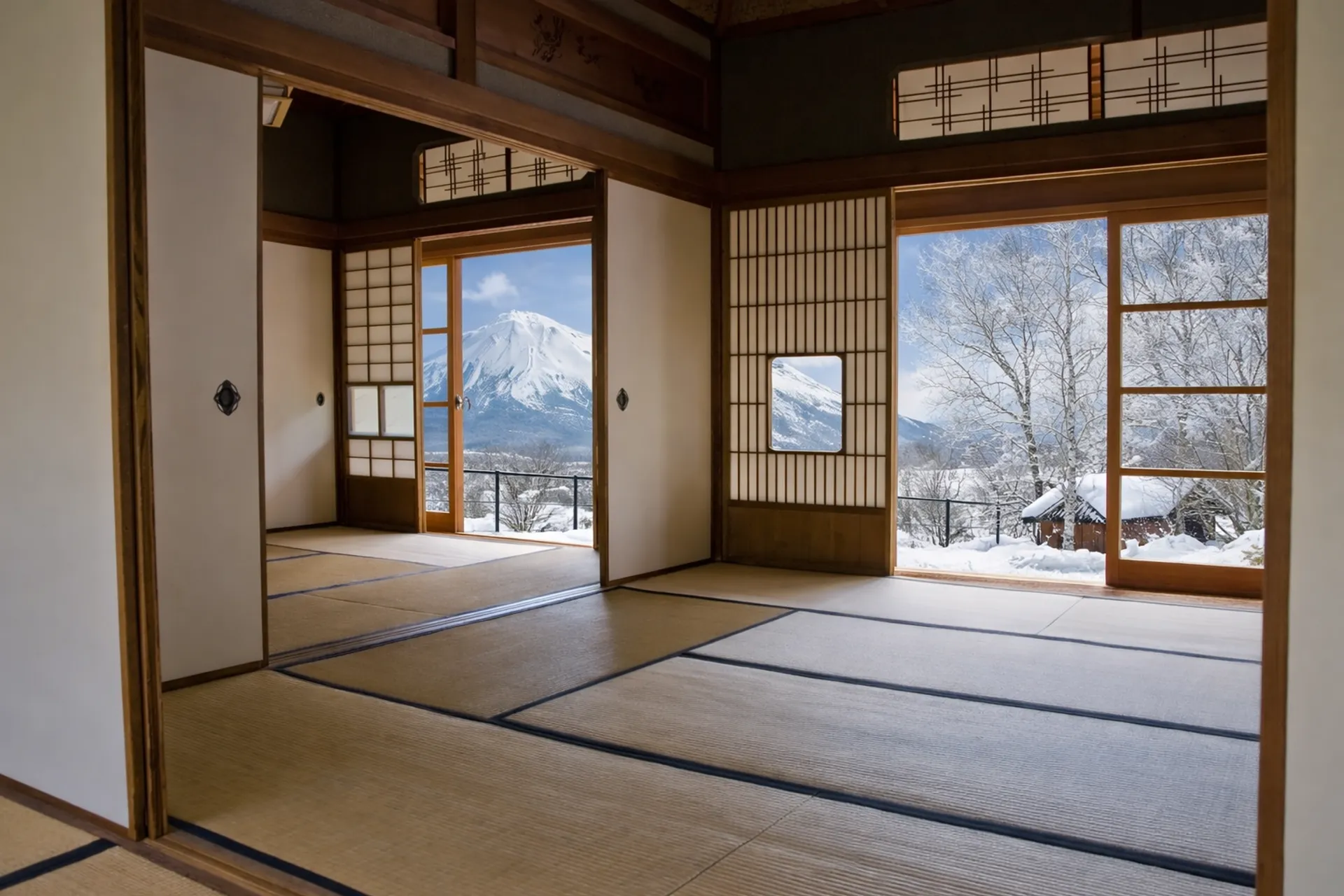
For ski travellers, ryokan can be a perfect match. Warm, quiet, and restorative after a cold day, with the tradeoff that many ryokan run on set routines, especially around meals and bathing.
What a Ryokan Stay Is Like
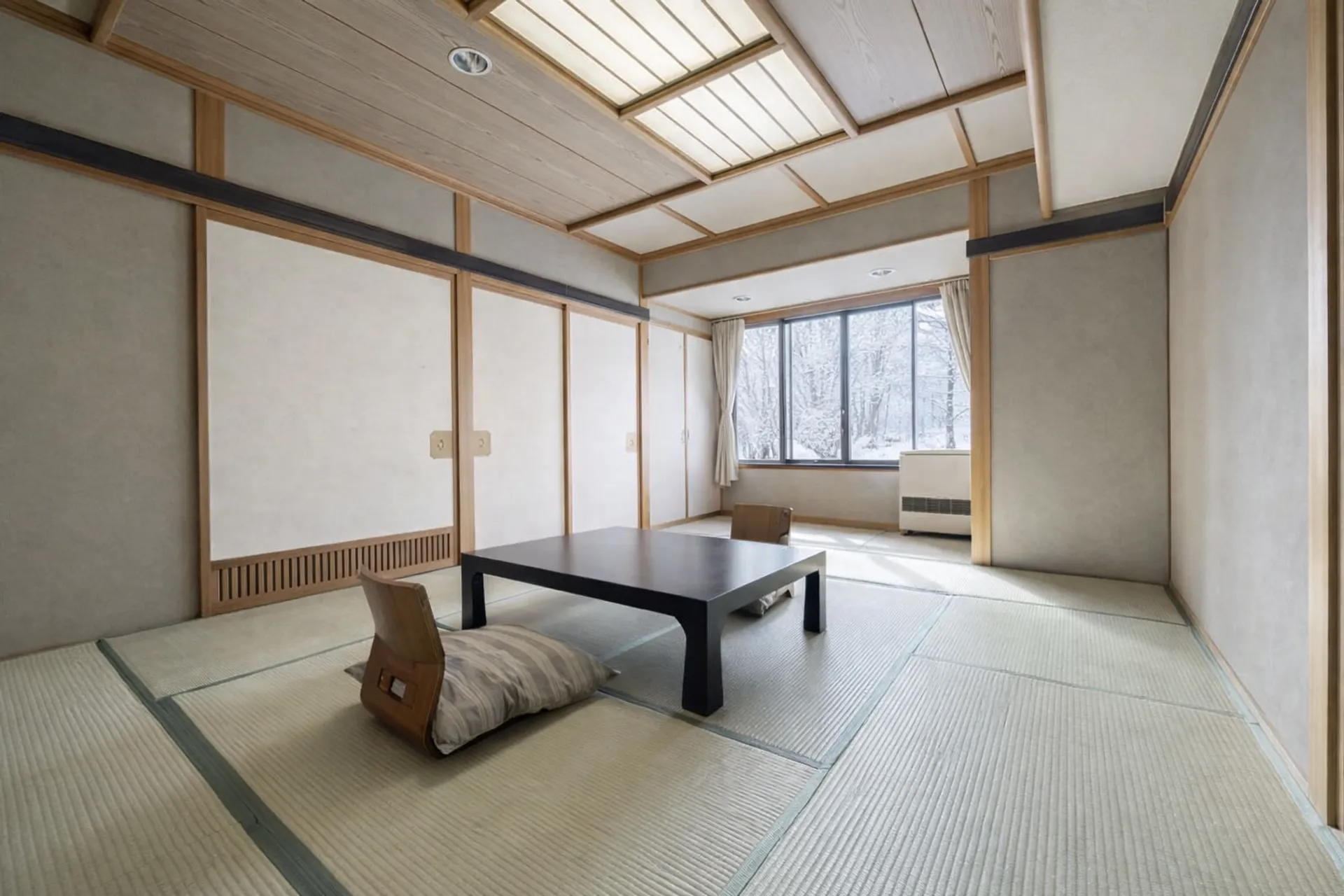
A typical ryokan room is simple and uncluttered. Tatami flooring, low tables, sliding doors, and a layout designed to feel calm rather than flashy. Futons are usually laid out in the evening, either by staff or by you, depending on the property.
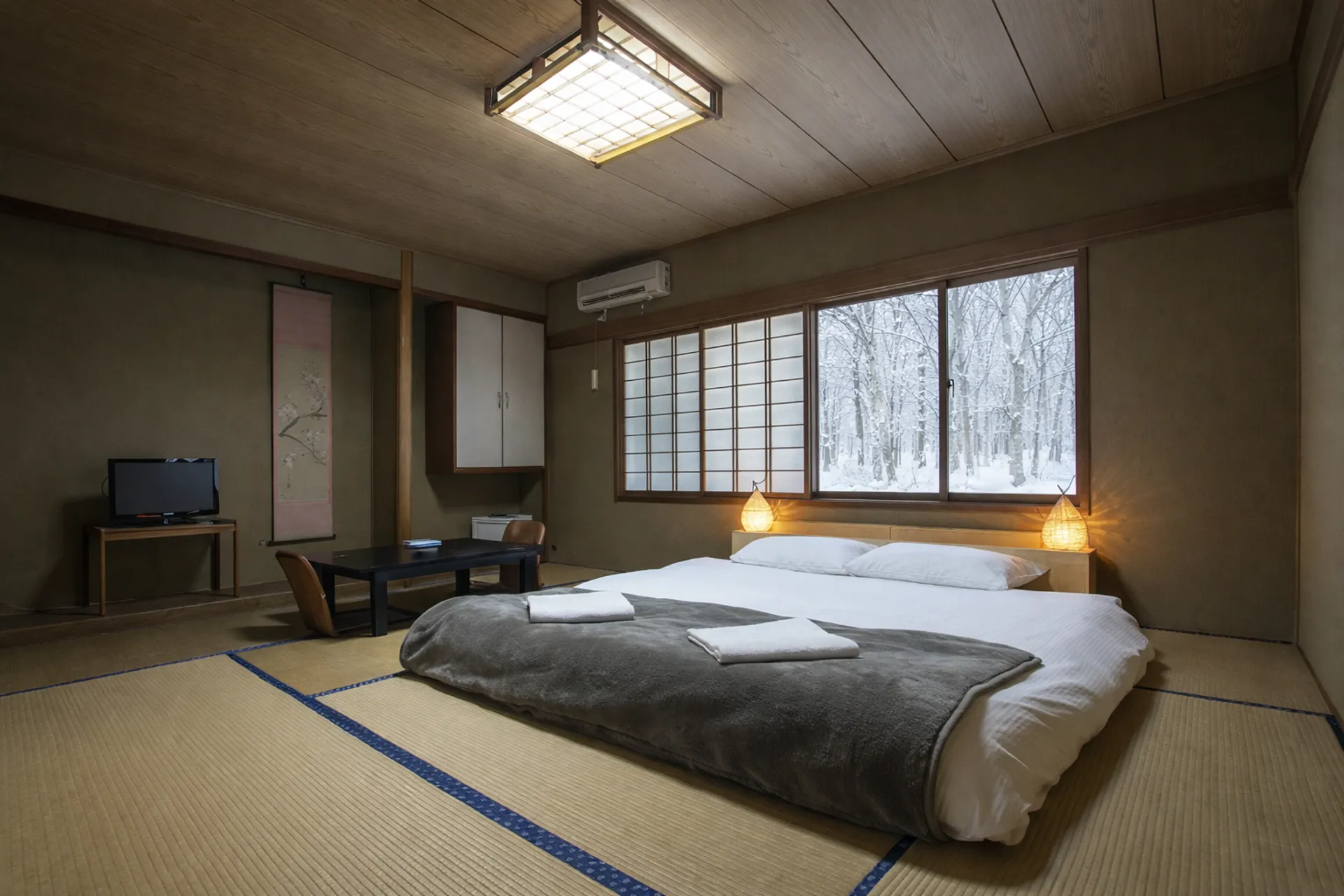
Service is often personal, but not overbearing. You’ll usually be asked your arrival time, and if meals are included, you’ll often confirm dinner or breakfast timing too. Many ryokan lean quiet at night, which is great if you’re here for early starts and big days.
Meals Are Often the Whole Point
Many ryokan stays include breakfast and dinner, served at set times. This is part of the experience and for a lot of people it’s the reason to book.
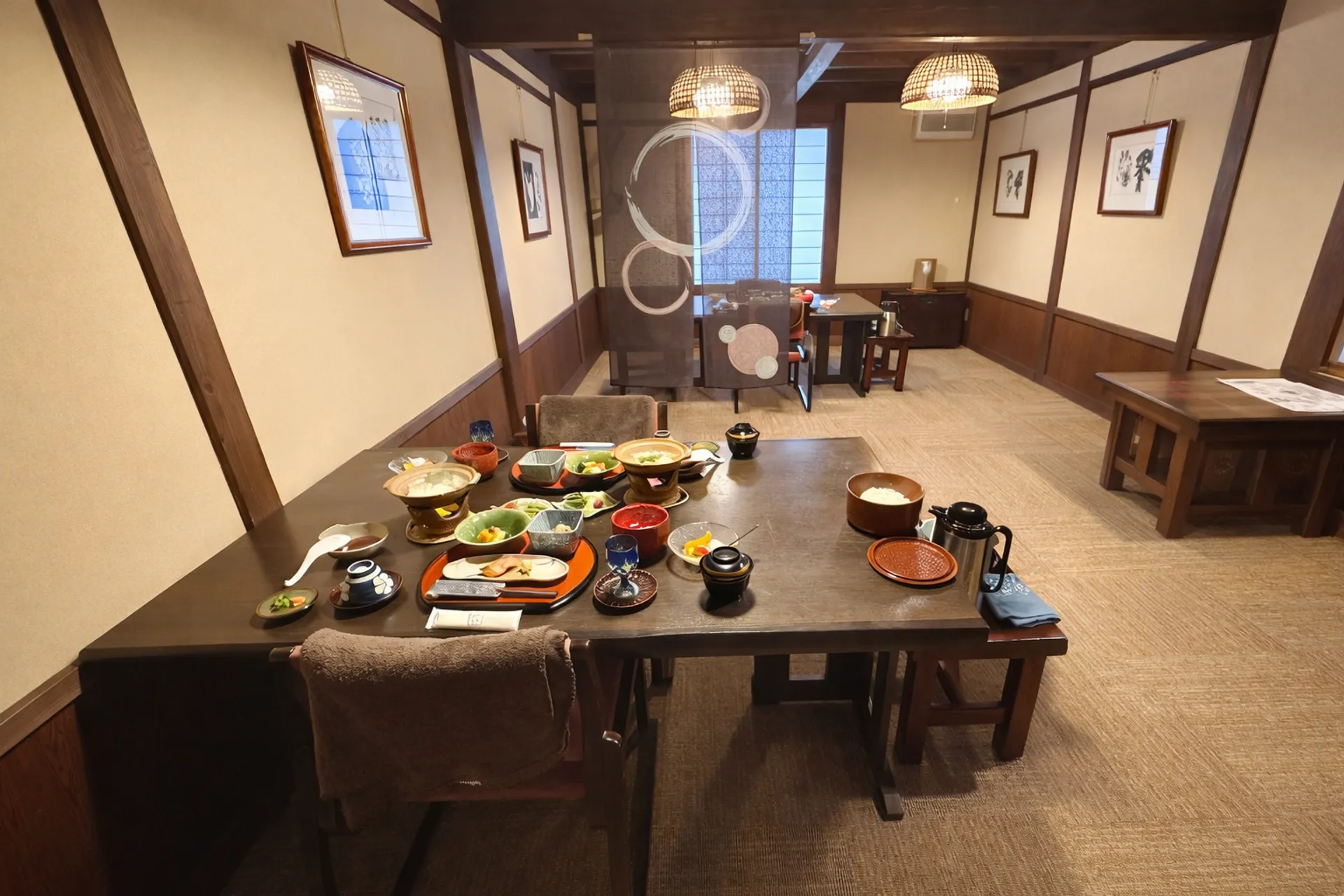
The practical ski-travel angle is simple. If you love the idea of getting home from the mountain and having dinner handled, ryokan feels like a cheat code. If you want total flexibility for late afternoons, night skiing, or spontaneous plans, choose carefully or book a ryokan that offers room-only options.
Also, message the property if you’ll arrive late or need dietary changes, because many ryokan plan meals around your stated times.
Shared Bathrooms
Some ryokan, especially older or more traditional ones, have shared bathrooms. That might mean the toilet is shared, or there’s no shower in the room and bathing is done in a communal onsen-style bath. Other ryokan are modernised with fully private bathrooms, showers, and hotel-style setups.
The important bit is read the room details closely, because room names and photos can look similar across very different setups. If privacy matters to you, look for wording that clearly says private or ensuite bathroom. If the description is vague, message the property and confirm before you book.
Shared bathroom does not automatically mean uncomfortable. Often it’s spotless and well-run. It just means the building is traditional and the bathing setup is part of the culture, not an ensuite-first hotel layout.
Onsen Basics
Onsens are Japanese hot spring baths with a few simple etiquette rules. For the full rundown, read our onsen guide.
Ryokan vs Hotel vs Pension
If you want the traditional Japan experience, ryokan wins. It’s calm, hosted, and often includes excellent meals.
If you want flexibility, hotel wins. Late check-ins, predictable amenities, private bathrooms, and fewer rules around timing.
If you want budget and a casual ski-town base, pensions and guesthouses can be the sweet spot, especially for quick trips or social vibes.
What to Book for a Ski Trip
Ryokan can be unreal for ski travel when the details line up. Prioritise easy lift access or a reliable shuttle, somewhere you can dry gear, breakfast early enough for first lifts, and meal timing that fits how you ski. If you’re planning long days and late finishes, consider doing a few nights in a ryokan for the experience, then switching to a hotel or apartment for pure convenience.
FAQs
Is a ryokan the same as a hotel?
Not really. A hotel is built for flexibility. A ryokan is built around tradition, calm service, and often set routines like meals and bathing.
Do all ryokan have onsens?
No. Many do, but some have standard baths, private baths you can book, or no onsen at all. Always check the facilities list.
Are shared bathrooms normal in ryokan?
Yes, especially in older or more traditional properties. Some have shared toilets, some have no in-room shower, and some are fully modern with ensuite bathrooms. Don’t assume, confirm.
Do ryokan include dinner and breakfast?
Often, yes. Many ryokan sell packages that include both. Room-only options exist, but they’re not universal.
Related Stays
- Minshuku: Same local warmth, less ceremony, and often a better-value ski-town base that still feels properly Japan.
- Pensions: The mountain-lodge lane for people who want a simple routine, a hot meal, and minimal effort between ski days.
- Ski hotels: Convenience-first stays with the good stuff built in: lockers, drying rooms, early breakfasts, and often a bath to finish the day.
- Capsule hotels: The “sleep, shower, roll out” move for travel nights when you’d rather save cash for lifts than a big room.
- Snow glamping: When you want the accommodation to be a highlight: domes, cabins, and winter scenery that feels unreal.