8.7
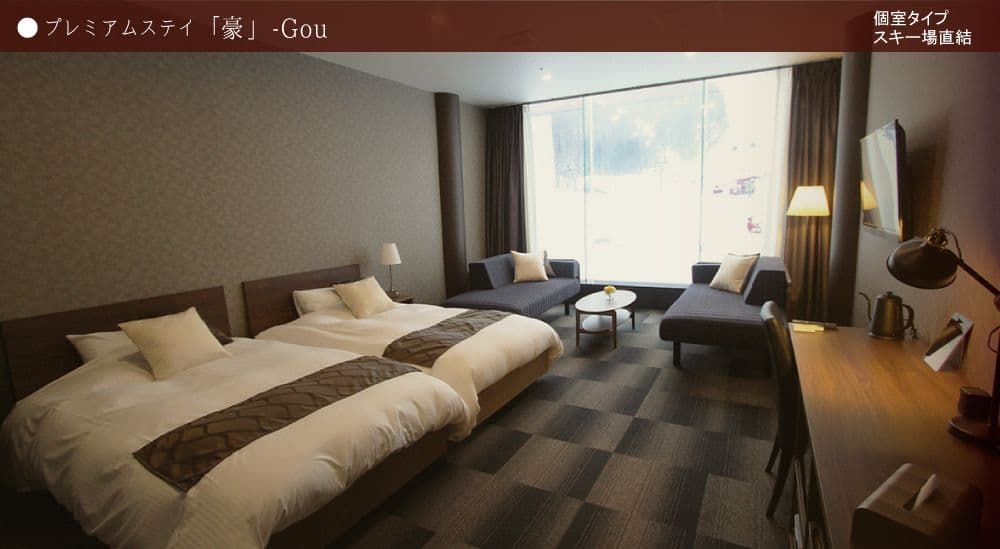
Premium Stay ‘Gou’
Geto's most comfortable on-mountain stay, with private rooms, slope views, ensuite bathrooms, and unbeatable lift access for families or groups who want powder-first convenience.
$$$$

View rates


Geto Kogen is not a polished ski village with cute cafés, cocktail bars and a neat row of apartment hotels. You choose where to stay based on convenience, atmosphere and transport.
It is a proper snow-chasing resort in the Iwate mountains. You come here for powder, storm days, tree laps, refills and the kind of skiing that makes you forget your legs are attached to your body.
Stay on mountain for first chair, storm days and the easiest ski mornings.
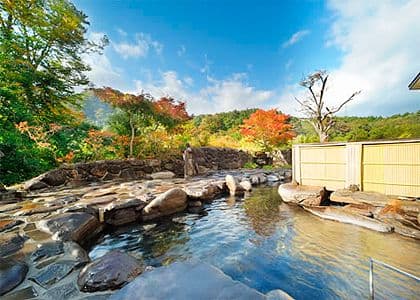
Stay near Semi Onsen for hot springs, ryokan-style accommodation and a quieter Japan experience.
Stay in Kitakami for better value, more restaurants, train access and a wider choice of hotels.
Stay elsewhere in Iwate when Geto is one stop on a rental-car road trip.
For most trips, the choice is simple: on mountain, Semi Onsen or Kitakami.
Staying at the resort removes the daily commute. You can wake up, eat, gear up and head straight to the lifts without checking shuttle times or clearing snow from a rental car.
That convenience matters at Geto. When a storm rolls through, being ready for first chair can mean fresher tree laps and more skiing before the crowds arrive.
The trade-off is the evening atmosphere. Accommodation is basic, quiet and focused almost entirely on skiing. There is no village to explore and little choice for dinner or après.
Choose the mountain for a short, powder-focused trip where skiing is the priority. Choose Kitakami or Semi Onsen if you want more from your evenings.
This page contains affiliate links, if you book through them, we may earn a small commission at no extra cost to you.
If you want the trip to feel more like Japan and less like a ski camp, look around Semi Onsen and the nearby onsen pockets.
This is the sweet spot for travellers who still want to be close to Geto, but do not necessarily want dorm-style or resort-contained accommodation. You get a quieter stay, hot springs, Japanese-style rooms in some properties, and the classic ski-soak-sleep rhythm that makes a Japan powder trip so good.
The upside is atmosphere. After a deep day at Geto, an onsen ryokan feels pretty hard to beat.
The trade-off is logistics. Some nearby stays are very convenient by car, but not all are easy without one. Before booking, check exactly how you will get to the resort each morning. Do not assume there will be a shuttle just because the property looks close on a map.
This area is especially good for couples, families and travellers who want Geto powder without giving up the onsen side of the trip.
This page contains affiliate links, if you book through them, we may earn a small commission at no extra cost to you.
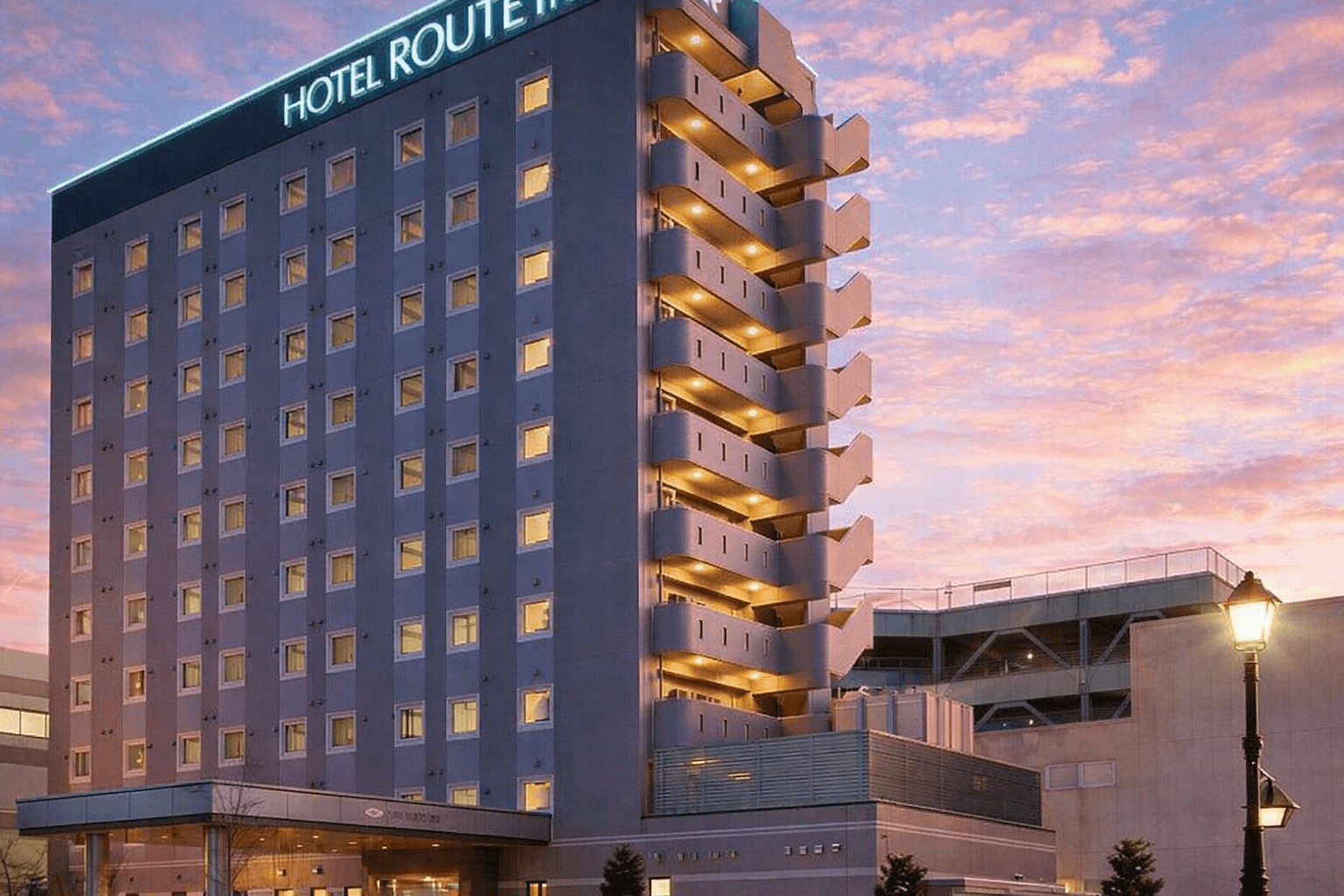
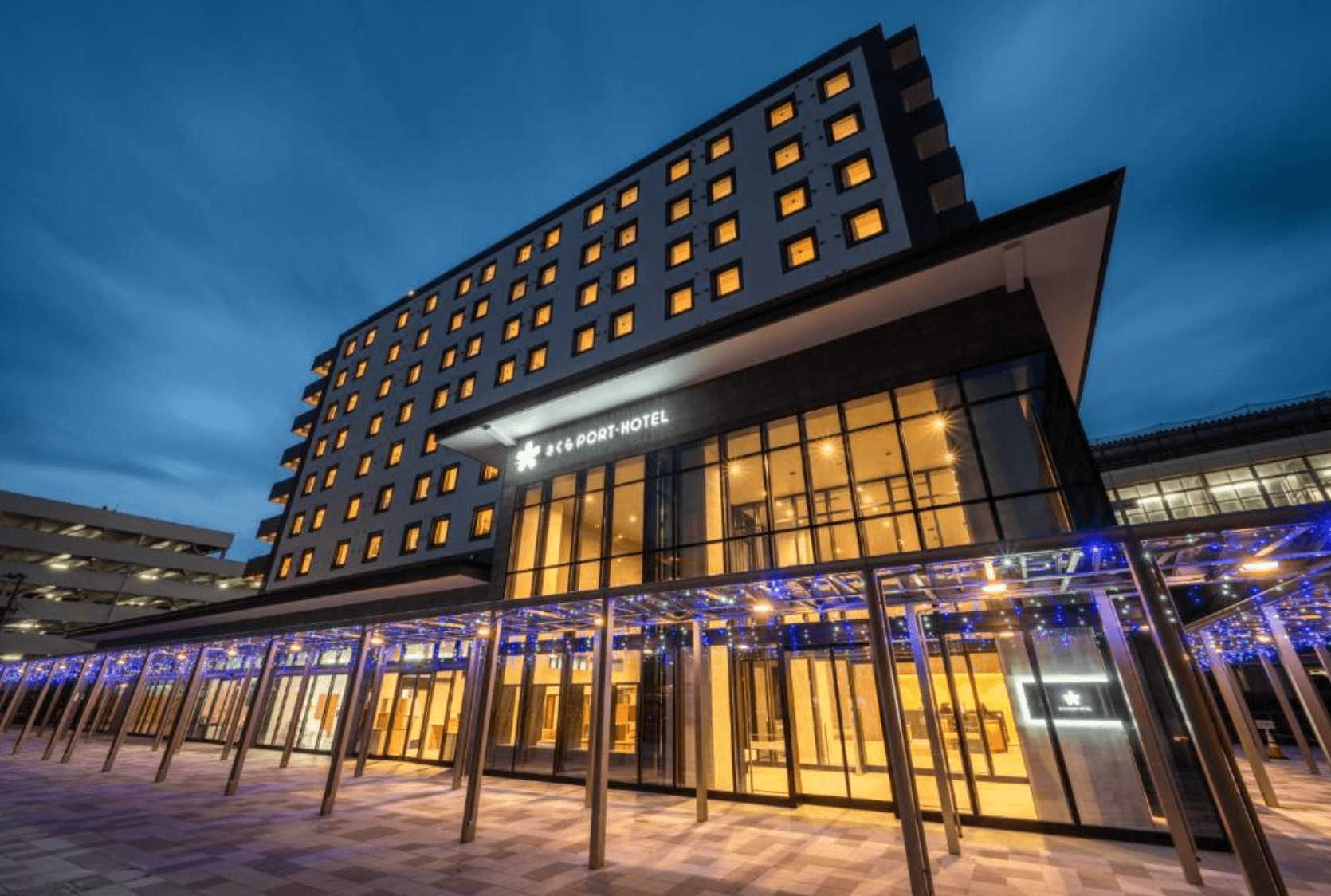
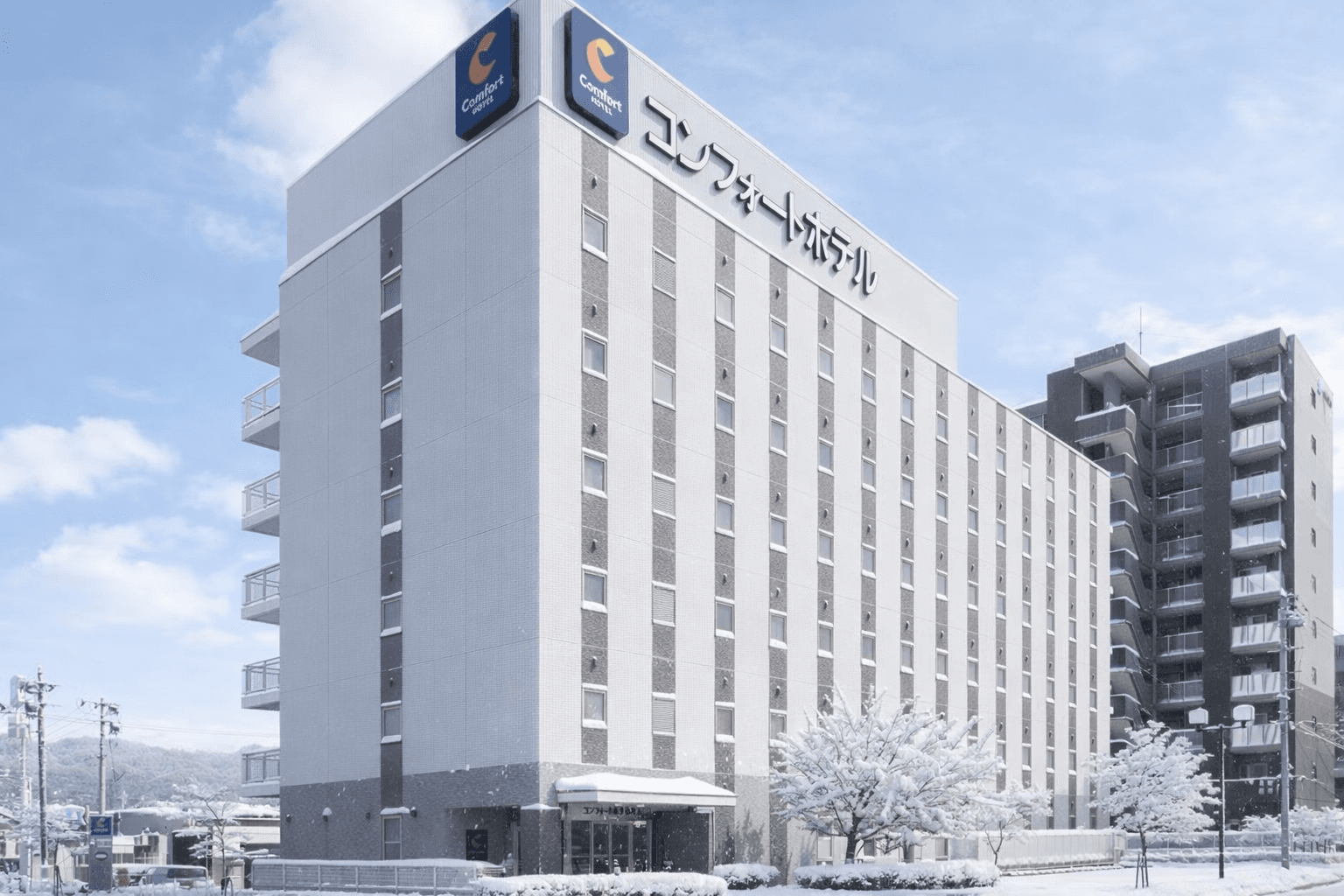
Kitakami is not a ski village. It is a working city base with a shinkansen station, business hotels, restaurants, convenience stores and the kind of practicality that can save a ski trip from becoming annoying.
For a lot of international skiers, this is the smartest Geto setup. Arrive by train, stay near the station, use the resort shuttle or drive up to Geto, ski hard, then come back to town for dinner and a proper bed.
It is also the easiest choice if Geto is part of a wider Tohoku itinerary. From Kitakami, you can link towards Appi, Shizukuishi, Tazawako, Morioka or other Iwate ski areas depending on your route.
The big win is value and flexibility. You usually get more hotel choice than the mountain area, more places to eat, and a much easier arrival and departure day.
The downside is the commute. You are not waking up at the lifts. You need to watch shuttle times, or be organised with a car. But if you want a sensible base for two or three Geto powder days, Kitakami is very hard to beat.
This page contains affiliate links, if you book through them, we may earn a small commission at no extra cost to you.
This is the move if Geto is one stop in a broader Iwate or Tohoku ski trip.
Instead of staying as close as possible to the lifts, you choose a nicer ryokan, a quieter onsen town or a practical road-trip hotel, then drive to Geto when the forecast lines up.
It is not the most efficient setup for skiing Geto every day. But it can make sense if you want better baths, better meals, a more relaxed pace or access to multiple ski areas.
This is also where the trip starts to feel less like “I’m staying at Geto” and more like “I’m exploring winter Iwate.” That can be brilliant, but only if you have a car and are comfortable driving in snow.
If you are a first-time visitor and Geto is the main event, this is probably not the best base. Stay on mountain, near Semi Onsen or at Kitakami Station instead.
This page contains affiliate links, if you book through them, we may earn a small commission at no extra cost to you.
Stay on mountain if snow access is the priority. Stay in Kitakami if you want easier transport, better value and more food options.
For most first-timers, Kitakami is the safest choice. It is not the most atmospheric, but it makes the logistics much easier.
Stay on mountain if you can get a room. This is the easiest way to maximise storm days and early starts.
Semi Onsen is the better choice if you want more comfort and hot springs, but still want to stay close to the resort.
Look first at the more comfortable on-mountain options or the Semi Onsen area. These make the trip feel more contained and less like a daily commute.
Kitakami can also work well for families who want cheaper rooms, restaurants and easy train access, especially if you are only skiing Geto for a couple of days.
Semi Onsen or a nearby ryokan is the better fit. Geto is not a nightlife resort, so you may as well lean into the hot-spring, quiet-evening version of the trip.
Kitakami is fine if you want value and convenience, but it is more practical than romantic.
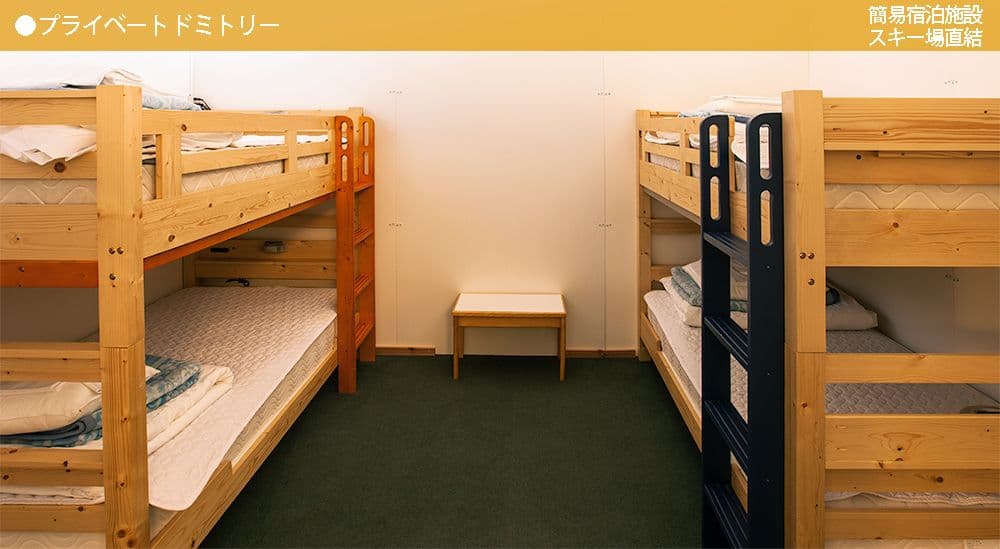
On-mountain dorm-style accommodation is the obvious snow-chaser choice. It keeps costs down and puts you right at the resort.
Kitakami is better if you want your own room, restaurants nearby and an easier train-based trip.
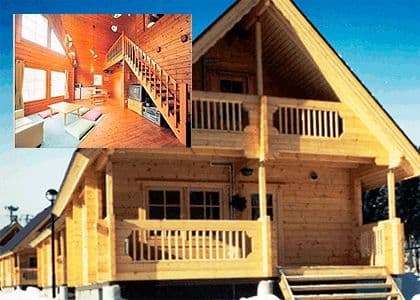
Groups should compare on-mountain rooms, Santa House-style self-contained stays and Kitakami hotels.
If everyone is there to ski hard, stay as close to Geto as possible. If the group has mixed priorities, Kitakami will probably be easier.
Stick to on-mountain accommodation or Kitakami Station.
Semi Onsen can work, but only if you have confirmed shuttle or transfer options. Do not book a random rural property without a clear transport plan.
No, but it depends where you stay.
If you stay on mountain, you do not need a car for skiing. If you stay near Kitakami Station, the resort shuttle makes a no-car trip realistic. That is one of the big reasons Kitakami works so well as a base.
A car becomes much more useful if you stay around Semi Onsen, Mizugami Onsen, Hanamaki, Nishiwaga or any of the smaller rural properties. It also opens up the wider Iwate road-trip angle.
For a simple Geto-only ski trip, you can avoid renting a car. For a flexible powder chase through Tohoku, a car is a big upgrade.
For most travellers, two or three nights is a good Geto stay.
That gives you enough time to catch a storm, ski the resort properly and enjoy the onsen side of the trip without running out of things to do after dark.
Hardcore powder chasers could stay longer, especially in January or February. But if you want restaurants, nightlife and variety, Geto is usually better as part of a wider Tohoku trip rather than a full week in one spot.
A good itinerary might look like:
Book early if you want to stay on the mountain or in one of the better nearby onsen options.
Geto does not have a massive accommodation base, so the best-located rooms can disappear quickly in peak powder season. January and February are the main crunch months, especially weekends and holiday periods.
Kitakami has more hotel capacity, so it is usually more flexible. But even there, it is worth booking ahead if your dates are fixed.
The smart move is to book something cancellable, then refine your base once flights, train plans and the snow-chasing route are clearer.
Geto Kogen is a snow-first resort, so accommodation should be chosen around logistics.
Stay on mountain if you want the cleanest powder setup. Stay near Semi Onsen if you want hot springs and a more memorable Japan-style stay. Stay in Kitakami if you want value, train access, restaurants and easier travel days.
For most skiers, the best all-round base is Kitakami Station. It is practical, flexible and works well without a car.
For the best ski convenience, stay on mountain.
For the best trip feel, stay near Semi Onsen and soak your legs after chasing refills all day.
On-mountain is best for ski convenience. Kitakami Station is best for value, transport and food. Semi Onsen is best if you want hot springs and a more traditional Japanese stay close to the resort.
Yes. Geto has on-mountain accommodation options, including private and dormitory-style stays. These are the easiest choices for first chair and storm days.
Yes. Kitakami is one of the most practical bases for Geto because it has shinkansen access, more hotels, restaurants and shuttle access to the resort.
Not always. You can stay on mountain or base yourself near Kitakami Station without a car. A car is useful if you want to stay in smaller onsen properties or explore more of Iwate.
Families should look at on-mountain accommodation for convenience, or Semi Onsen for a quieter ryokan-style stay. Kitakami is better if you want cheaper rooms, train access and more food options.
Solo travellers should look first at on-mountain dorm-style accommodation if the goal is cheap and easy ski access. Kitakami is better if you want a private room and more town facilities.
It can be if you are a dedicated powder skier, but most travellers will prefer Geto as part of a wider Tohoku trip. Two or three nights is a good starting point.
Still building a Tohoku powder trip?
Read the Appi Kogen accommodation guide if you want a more conventional resort-hotel setup with easier family skiing.
Read the Hachimantai accommodation guide if you want onsen stays and another quieter Iwate ski base nearby.
Read the Tazawako accommodation guide if you want lake views, onsens and a softer Akita ski trip.
Read the ryokan accommodation guide if you want the traditional tatami, onsen and kaiseki version of a ski trip.