
Tazawako
Japow’s Local Secret with a Lake View
 田沢湖
田沢湖Japan's Deepest Lake, A Ski Hill Sized To Match
The first thing that catches you at Tazawako isn't the skiing, it's the lake. Step off the top lift on a clear day and Lake Tazawa opens up below, cobalt blue against white pine. At 423.4m it's the deepest lake in Japan, deep enough that it never fully freezes even in the coldest snap, which is exactly why it holds that improbable colour all winter. You're a long way from the mega-resort circuit here, in a corner of Akita most overseas skiers have never heard of, and the whole place runs at a noticeably gentler pace than anywhere near Niseko United or Hakuba Valley.
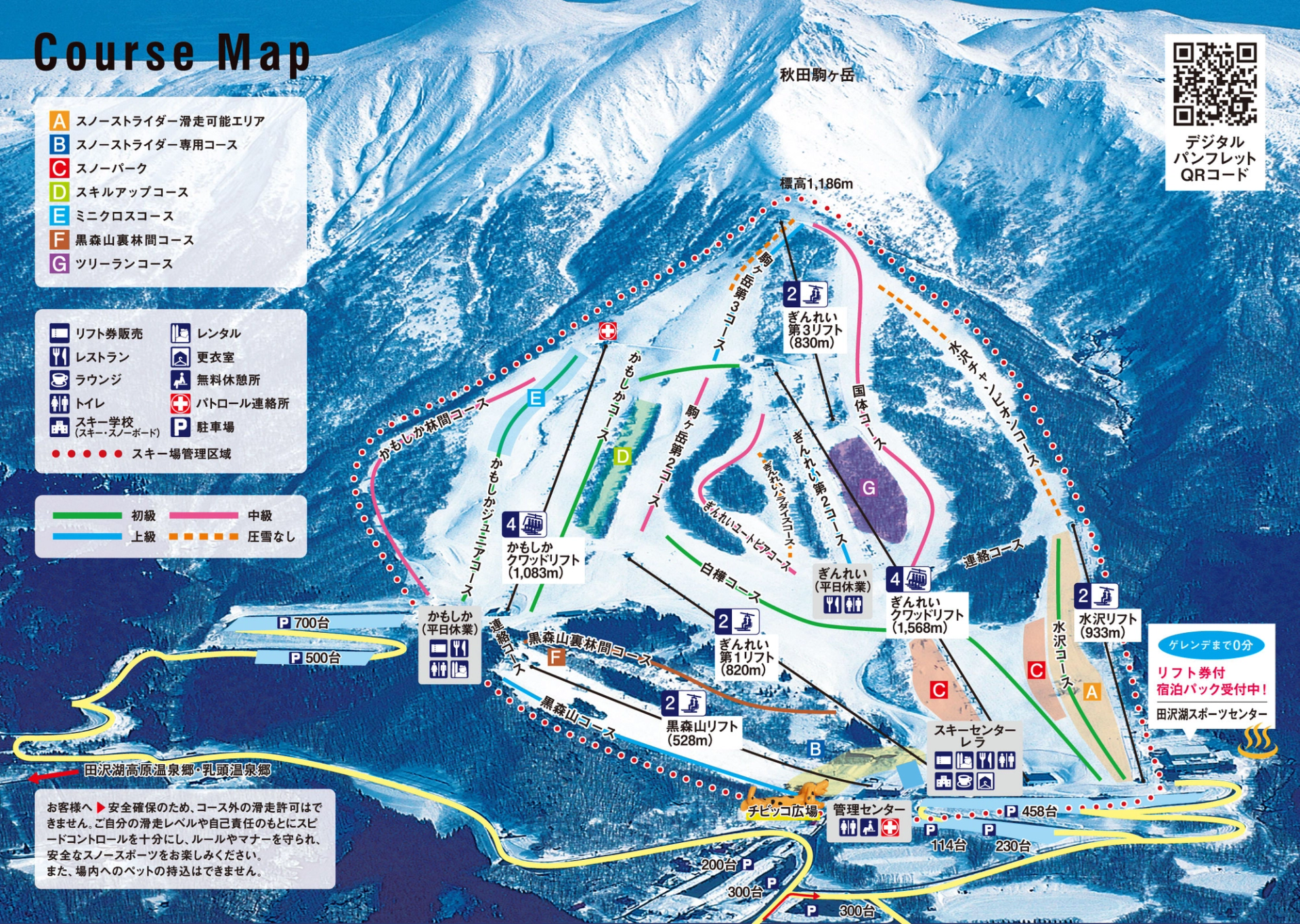
Everything about Tazawako is compact enough to hold in your head after one lap. Thirteen runs drop off Mt. Kuromori across roughly 100 hectares, small enough that a fit skier could genuinely lap every trail before lunch, and small enough that a lift line, on the rare occasion one forms, resolves itself in a couple of minutes rather than a couple of chairs. Walk from most lodges to the base and you'll cover the whole distance in about ten minutes, there's no sprawling resort village to navigate, just a handful of places clustered near the lifts.
Don't expect much English beyond the trail map and ticket counter, though staff manage well enough with gestures and goodwill. What you get instead of a polished international operation is somewhere that still feels genuinely local, lifties who know the regulars by name, a base lodge that smells like miso and wet gloves rather than imported lager, nobody trying to upsell you a lift pass bundle.
The payoff for putting up with the size and the language gap is straightforward. Because so few overseas skiers have found Tazawako yet, a storm here empties onto slopes nobody's fighting you for, and that lake view is the kind of thing you'll still be describing to people back home years later.
Resort Stats
Estimated cumulative fresh snowfall at major on-mountain ski areas; actual totals vary substantially by resort, elevation, measurement location, and season.
- Vertical608m (1186m → 578m)
- Snowfall~8m
- Terrain 30% 30% 40%
- Tree Riding
- Lift Pass¥4,800
- Lifts2 hooded quads, 4 doubles
- Crowds
- Out of BoundsAllowed (use judgment)
- Night Skiing
- Family Friendly
- Trails13
- Skiable Area~100ha
- VibeQuiet pow-gem with lake views
Trail Map
Accommodation
View MapForget slope-side towers and shopping arcades, Tazawako's idea of a base is a handful of characterful places within walking or short-shuttle distance of the lifts. Our Tazawako accommodation guide breaks down the full list, including lake stays and the Nyuto Onsen options a short drive away, but here's where to start.
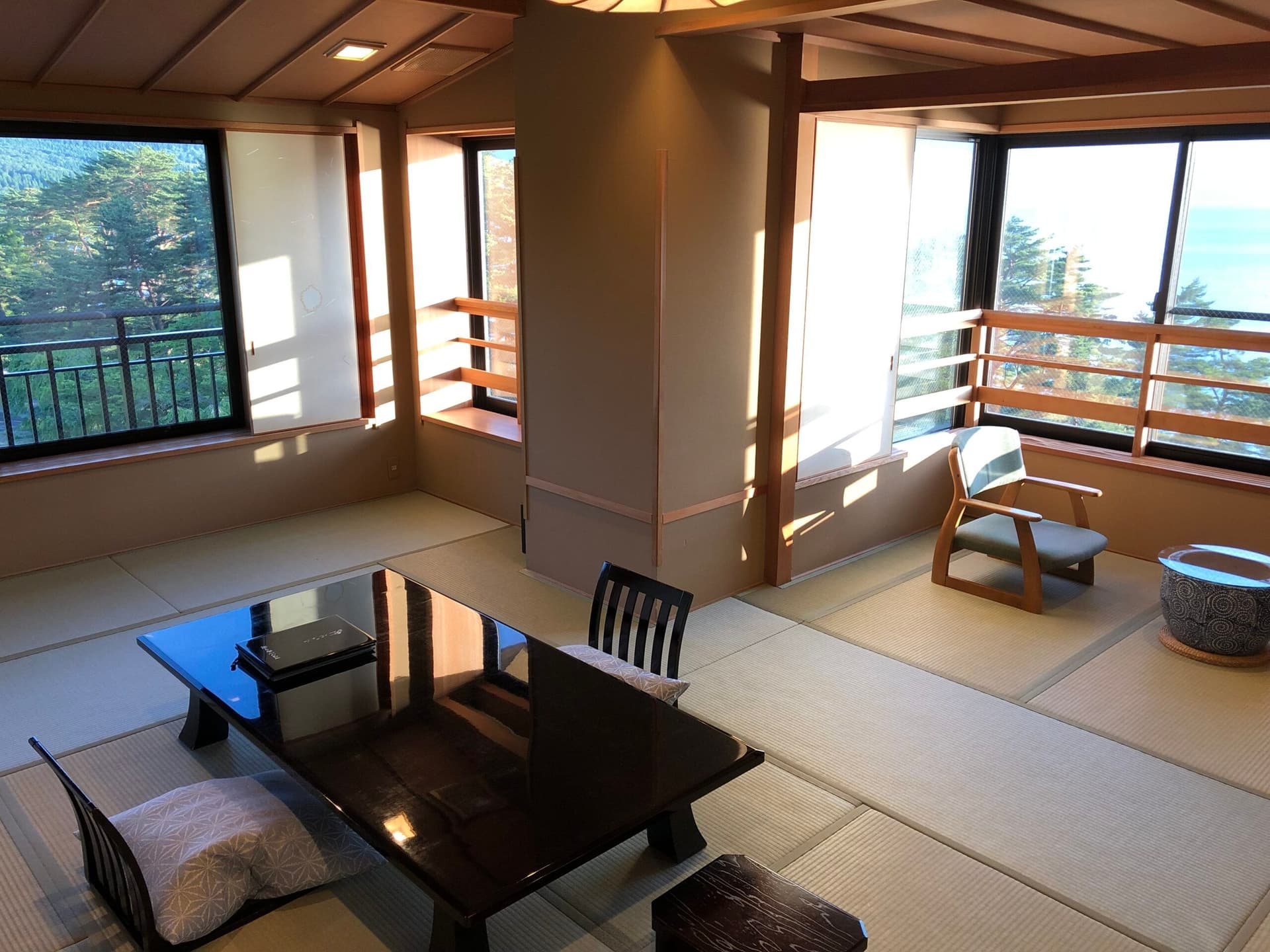
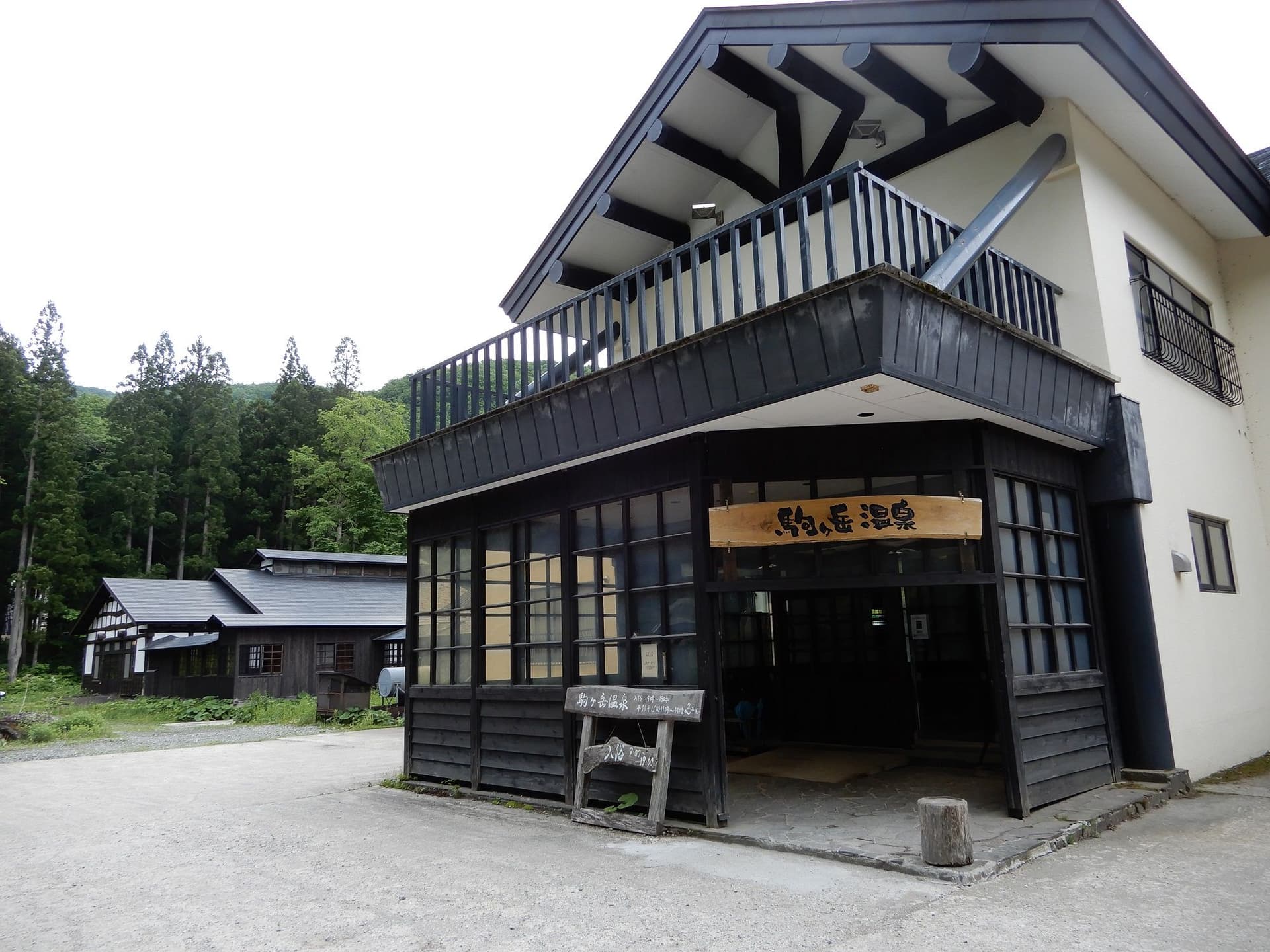
- Mizusawa Onsen Ryokan: traditional tatami rooms, kaiseki dinners and open-air baths with snow-covered pines for company. About as deep a dive into Japanese hospitality as a ski trip gets.
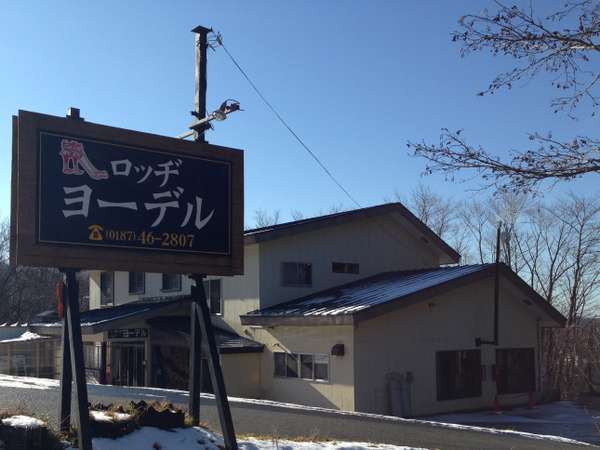
- Hutte Birke: a small alpine-style lodge a short shuttle from the slopes, well suited to couples or solo travellers who want a low-key base with friendly hosts.
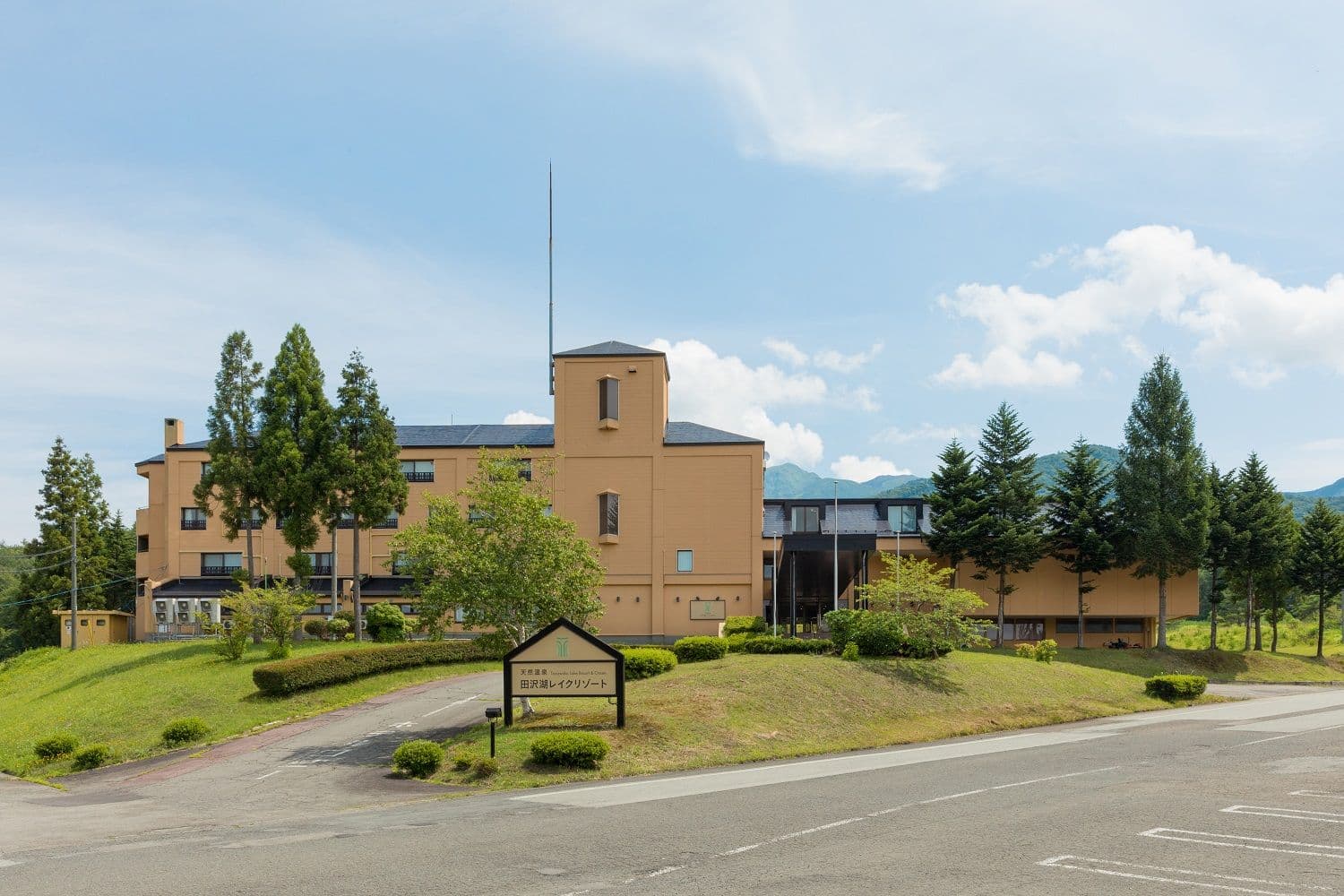
- Tazawako Lake Resort & Onsen: bigger and more modern, buffet dining plus indoor and outdoor baths overlooking the lake. Solid for groups or anyone who wants more amenities.
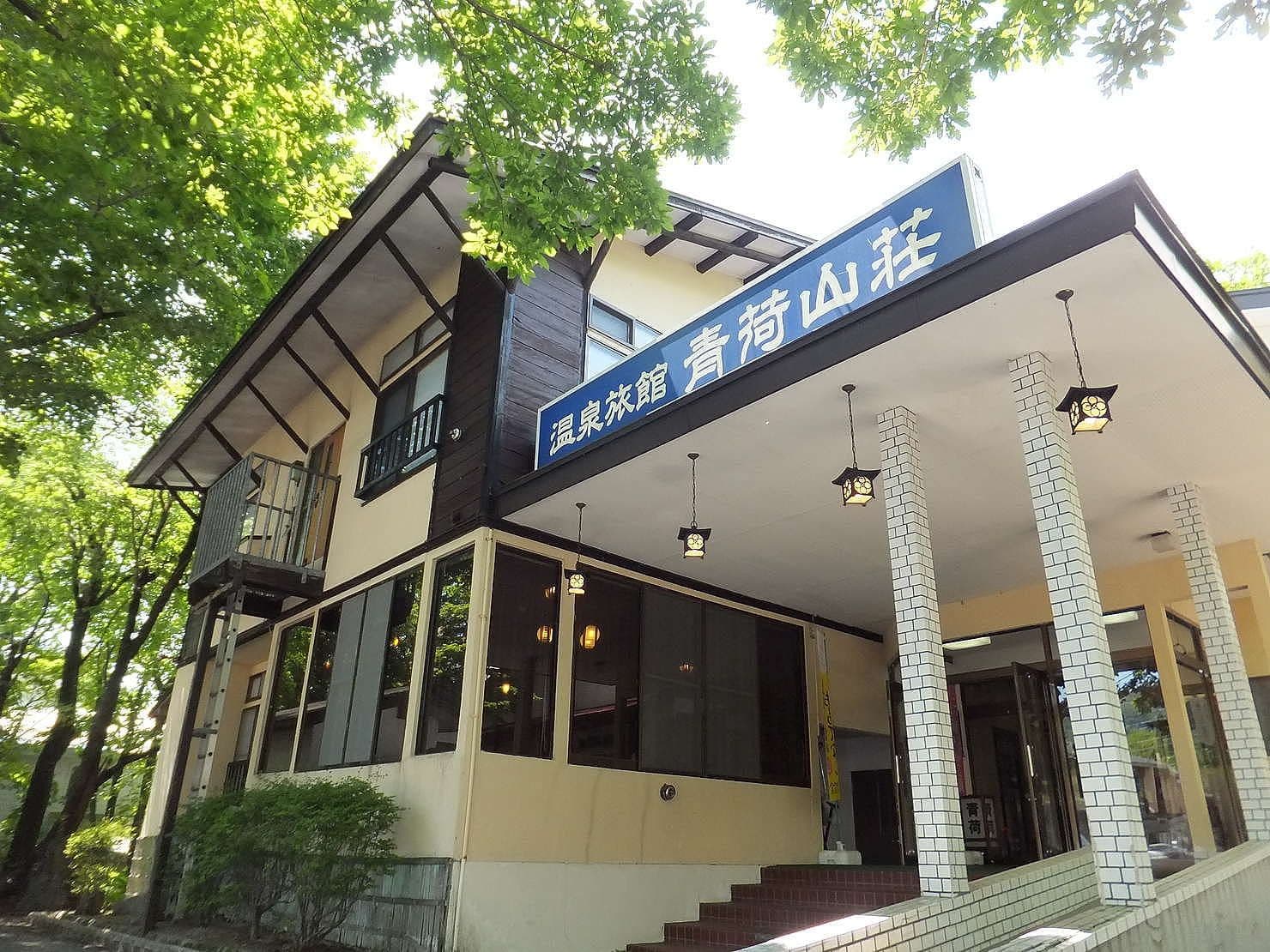
- Budget picks: places like Kamenoi Hotel Tazawako offer clean, functional rooms at a fair price with breakfast included, useful if you'd rather spend the savings on extra ski days.
Nearly every option here comes with onsen access built in, so even after hammering powder lines all day you'll be floating in hot mineral water under the night sky by dinner. First time in one? Our onsen etiquette guide covers the basics.




This page contains affiliate links, if you book through them, we may earn a small commission at no extra cost to you.
Powder & Terrain
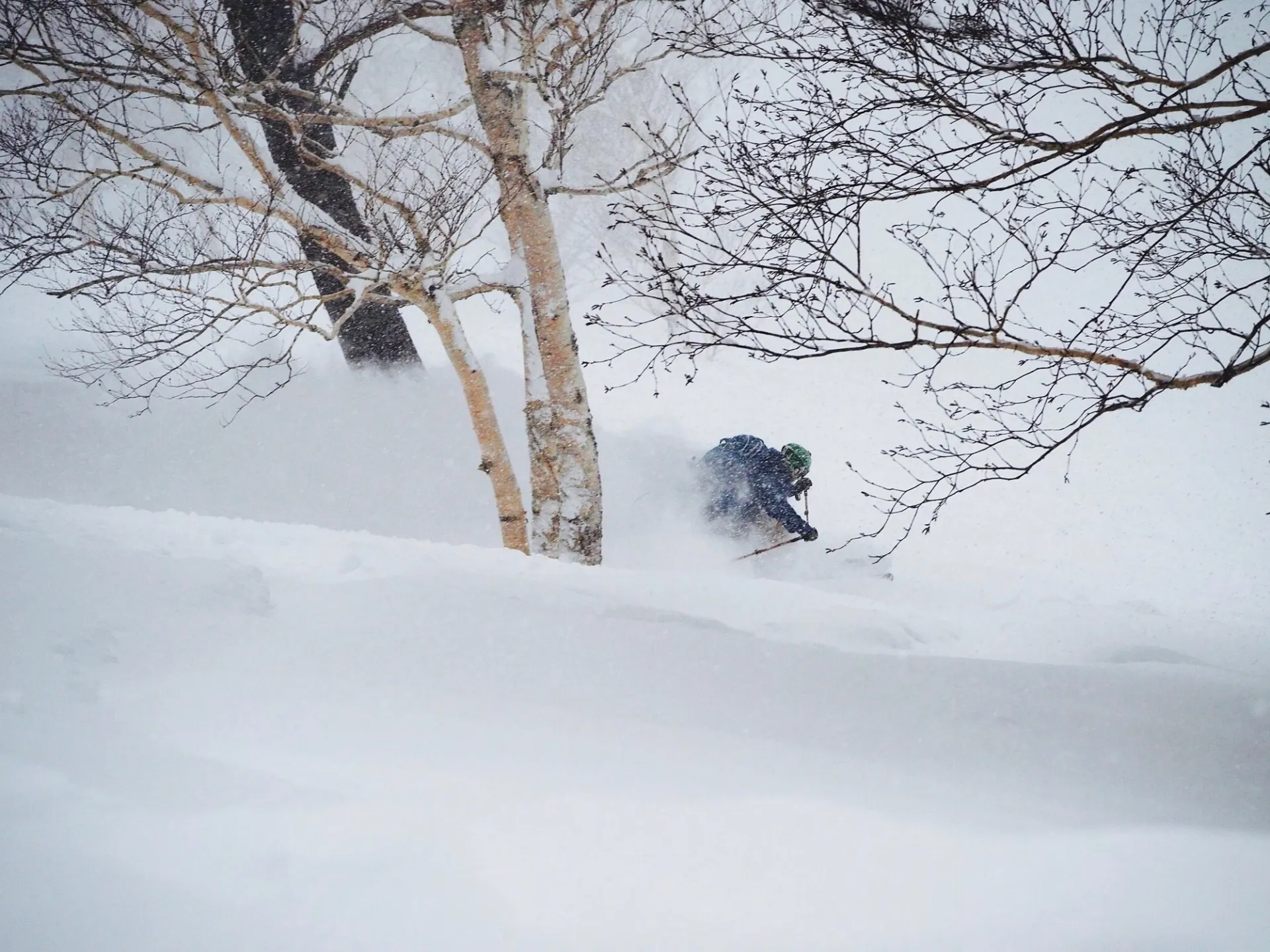
Here's what a good powder morning looks like at Tazawako: first chair on one of the two hooded quads before the resort's properly awake, since those covers are the only lifts worth queuing for when the wind comes off the lake sideways. A couple of laps up top while it's still untracked, then a shift toward the tree pockets on Kuromori's skier's left once the open pitches start showing tracks. By early afternoon you're hunting the traverses out toward the resort boundary, where the snow holds up longest because almost nobody bothers to go looking for it.
The snow itself has that classic mid-Tohoku dryness, not quite as feather-light as central Hokkaido, but fine and forgiving underfoot. An average of around 8 metres a season keeps things topped up, and the lake effect throws in the occasional surprise squall on top of whatever the main system delivers, so a day that looks mediocre on the forecast can turn into a bonus powder morning.
Terrain-wise, Tazawako's 608m of vertical doesn't sound like much on paper, and it isn't trying to be a big-mountain resort. The Kuromori course is the advanced drawcard, a black-rated fall line with a natural pitch that comes alive once loaded with fresh snow. Lower down, Shirakaba and Mizusawa handle the intermediate traffic, well-groomed enough to carve confidently between powder sessions rather than feeling like filler runs.
Tree skiing is where this place quietly punches above its size. The trail map barely mentions it, but there are gladed sections with exactly the right spacing, open enough to let it rip in soft snow without feeling boxed in. Regulars know which lines hold up best a day or two after a storm, and they're not hard to find if you explore rather than stick to the marked runs. Patrol takes a relaxed approach to off-piste, as long as you're not ducking ropes into a closed avalanche zone.
None of this requires fighting anyone for it. Because Tazawako sees a fraction of the traffic bigger Honshu resorts pull, snow that would get skied out by 10am elsewhere here survives well into the afternoon, even on a weekend.
Getting There
You don't strictly need a car at Tazawako, which sets it apart from a lot of rural Tohoku skiing. From Tokyo, the Tohoku Shinkansen gets you to Tazawako Station in a little over three hours, and a 30 minute bus timed to meet incoming trains covers the rest. Coming from Sendai cuts the trip to around 90 minutes by train.
A rental car still helps if you want to explore beyond the resort or tour the onsen villages around Nyuto Onsen, and driving is straightforward, about 60 minutes from Morioka IC. Winter tires or chains are non-negotiable, the roads climb quickly and storms can roll in with little warning. The closest major airport is Akita, about 90 minutes away, though plenty of visitors fly into Hanamaki and connect by train instead.
Who's it for?
- First-timersOkay
- Powder huntersGood
- Non-skiersOkay
- BudgetOkay
- LogisticsLimited
Tazawako rewards riders who'd rather have a mountain to themselves than a big-name resort on their trip itinerary. Advanced skiers and snowboarders get real value out of the steeper blacks and tree zones, and intermediates get something a lot of Japan trips don't offer, blue runs that actually hold fresh snow instead of turning to groomer traffic by 10am.
Families can genuinely spend a full week here without running out of things to do, the compact layout means nobody gets lost and nobody's skiing above their level by accident, and the sheltered beginner zones mean a bad-weather day doesn't wreck the trip. What you won't get is sprawling alpine terrain, a big gate network, or the multi-mountain pass flexibility of somewhere like Hakuba Valley or Niseko United, if that's the brief, look elsewhere. But for a genuine cultural experience, some of the best lake views in Japanese skiing, and powder you don't have to fight for, this is your mountain.
Food & Après
Skip the base cafeteria's noodle and curry plates if you can, they're fine for a quick refuel but they're not why you're here. The real eating happens off-mountain: Akita's signature kiritanpo nabe, rice skewers simmered down in a rich miso hot pot, plus inaniwa udon and whatever mountain vegetables are in season, all easy to find in the small restaurants scattered near the lake and in Senboku City.
Après stays deliberately low-key, think sake or beer in an onsen lounge rather than a bar crawl. Our izakaya guide will help you order with a bit more confidence than pointing at the menu. If you want an actual night out, you'll need to make the trip into Morioka, most people staying at Tazawako are here for first chair, not last call.
Japow Travel Tips
- Season: mid-December to early April.
- Lift hours: 9am to 4pm.
- Lift tickets: expect around ¥4,800 for an adult day pass.
- Sidecountry: allowed, but carry a beacon, shovel and probe and know the terrain before you commit.
- Weather: can shift from calm to whiteout fast, check forecasts daily.
- Language: limited English, but plenty of smiles and patience from locals.
- Nearby skiing: Appi Kogen, Shizukuishi and Hachimantai Resort are all within one to two hours.
Verdict: Proof You Don't Need A Big Name
Nobody chooses Tazawako for the brand. They choose it because 100 hectares of well-used terrain, snow that actually lasts, and a lake view most resorts couldn't dream up adds up to more fun per day than plenty of famous names manage. It's small, quiet, and knows exactly what it is. If your idea of a perfect day is fresh lines until your legs give out, an onsen soak after, and a bowl of nabe to finish, Tazawako will win you over faster than you'd expect from somewhere this size.