

Rusutsu vs Furano
Resort Bubble Bliss or Dry-Snow Ski-Town Swagger?
Rusutsu and Furano are both the sort of resorts that make you feel annoyingly pleased with yourself at breakfast. The difference is the flavour of smugness. Rusutsu is the polished slope-side operator: three mountains, resort hotels, kid-friendly extras, and a trip that runs suspiciously smoothly once you arrive. Furano is the colder, drier, more local-feeling option, with a proper Hokkaido city ten minutes from the ski area and a bit more old-school ski-town soul.
So this is not a powder-or-no-powder question. It is a day-to-day feel question. Do you want your Japan ski trip wrapped in a neat resort-hotel bow, or do you want dry inland snow, racehill pedigree, and dinner that might end in sake and karaoke rather than a short walk back to the buffet?
The quick verdicts
- First-timers to Japan: Rusutsu. Easier on-ground flow, strong international lessons, and a more contained resort setup take a lot of guesswork out of the trip.
- Family with young kids: Rusutsu. Kids lessons, beginner terrain, snow-play zones, dog sledding, snow rafting, hot springs, and an indoor pool make it absurdly family-friendly.
- Family with older kids or teens: Rusutsu. Three mountains and all the extra resort activities give older kids more to do once they are done with pure ski-school energy.
- Mates trip: Furano. Less polished, more local, with the city centre ten minutes away for izakaya, sake, karaoke, and a bit more night-time personality than people expect.
- Budget trip: Furano. A regular adult 1-day pass is ¥8,000 at Furano versus ¥16,200 at the Rusutsu window, and Furano’s town-based food and lodging mix usually helps too.
- Luxe trip: Rusutsu. The Westin, resort-hotel convenience, monorail links, on-site dining, baths, and polished resort flow make it the smoother premium play.
- Powder reliability: Rusutsu. Furano’s snow is famously dry, but Rusutsu is the safer pick if your brain is wired to chase deeper, more consistently storm-fed days. This is a practical inference from each resort’s official snow profile.
- Big mountain terrain and variety: Rusutsu. Three mountains, 37 trails, and 42 km of terrain give it the broader ski canvas.
- Culture and Japan-ness: Furano. It plugs into a traditional Japanese city, not just a purpose-built resort zone.
- Short trip and easy logistics: Rusutsu. About 90 minutes from both New Chitose Airport and Sapporo is hard to argue with for a quick Hokkaido hit.
The Resorts
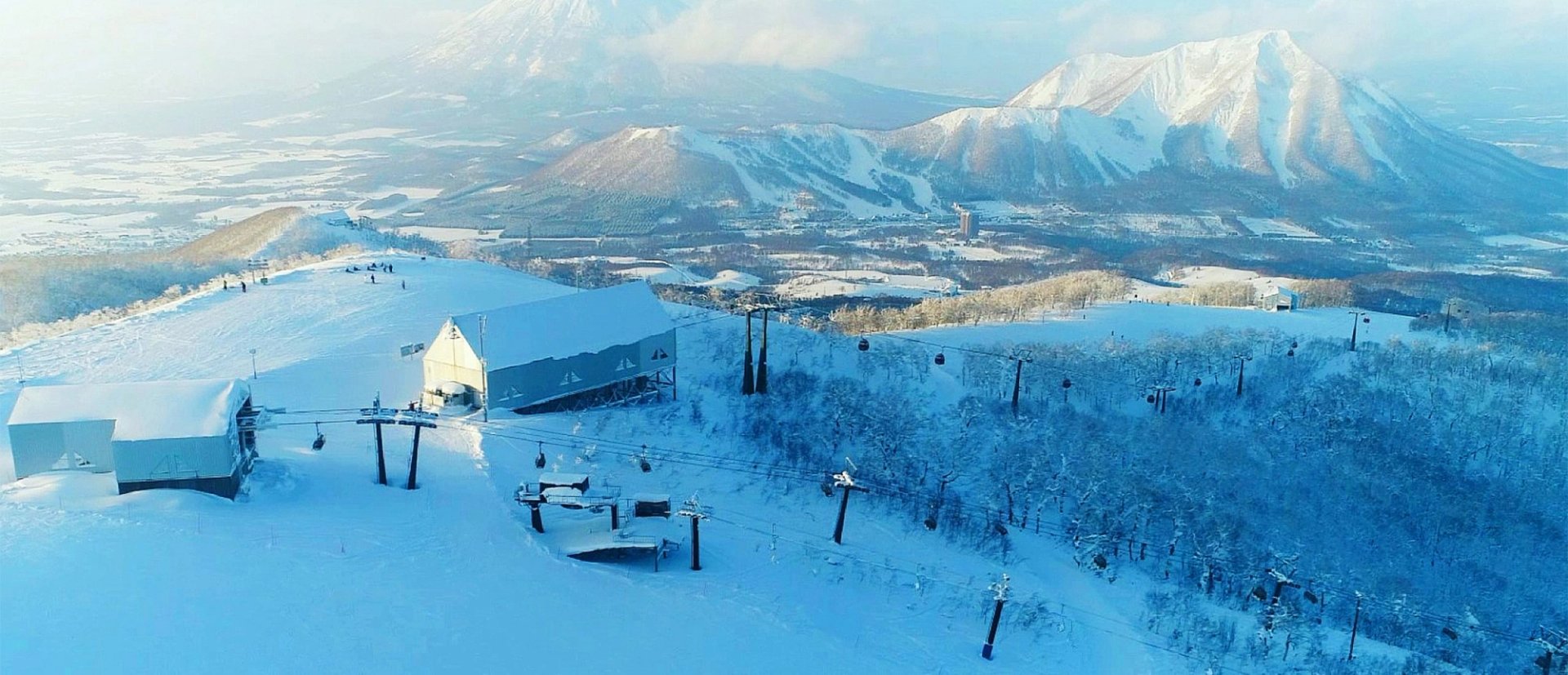
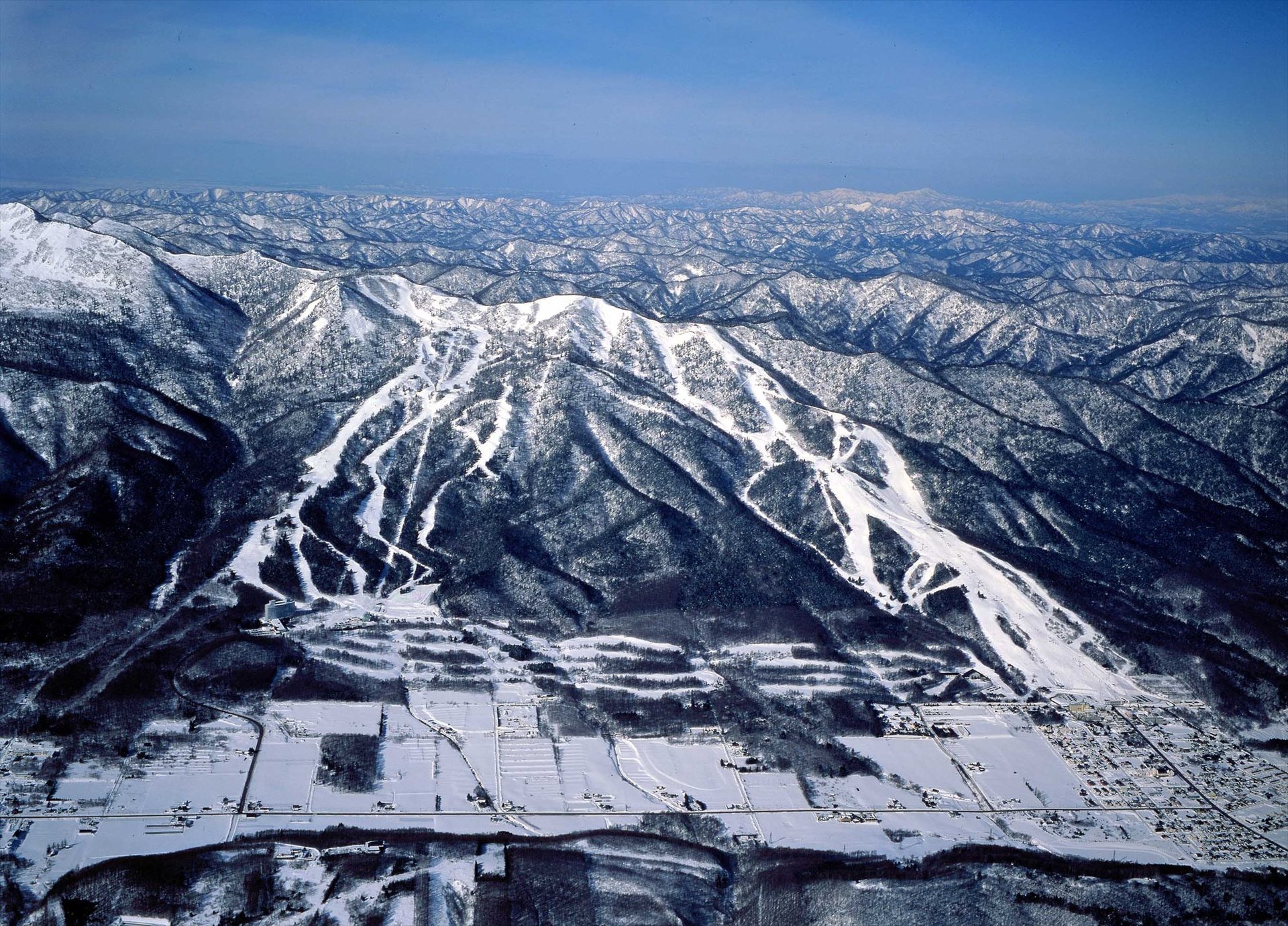
Explore each full review for a deeper look at what each resort has to offer.
Vibe check
Rusutsu feels like someone sat down and removed as many annoying bits of a ski holiday as possible. You have resort hotels, on-site dining, family facilities, baths, a pool, and a mountain setup designed to keep the day moving. It is not soulless, just efficient in a very satisfying way.
Furano feels more like actual Hokkaido life with a very good ski resort bolted onto it. The ski area is serious, but the bigger story is that you can ski all day and then drift into a real town for dinner, drinks, and a more local atmosphere. It feels less like staying inside a resort bubble and more like having a proper base in a ski city.
Snow and weather
Estimated cumulative fresh snowfall at major on-mountain ski areas; actual totals vary substantially by resort, elevation, measurement location, and season.
Rusutsu’s snow story is about depth, flow, and a mountain that tends to keep the holiday machine humming. The resort highlights its location southeast of Mt. Yotei as protection from harsher northwest winds, which helps explain why Rusutsu often feels like a reliable powder choice without the same weather chaos some coastal setups can get.
Furano’s snow story is different, and it is one of the best reasons to pick it. Furano Tourism says the resort gets around eight metres of some of the lightest powder in the world, thanks to its inland setting, and Prince leans into the extra-dry inland snow and beautifully groomed corduroy. Furano is the one for people who get a bit misty-eyed over cold-smoke snow and crisp, squeaky mornings.
Monorail bubble or real town
Rusutsu is very much a resort-stay kind of holiday. The Westin links to the main resort and West Mt. by monorail in about five minutes, and most of the dining, baths, hotel life, and family infrastructure are concentrated in a way that makes the whole trip feel compact and easy. That is gold if you value convenience more than wander-around charm.
Furano gives you more than one way to do the trip. There are true ski-in ski-out options like New Furano Prince Hotel, but there are also guesthouses, cottages, town hotels, and the city centre just ten minutes from the ski area. That mix gives Furano a more lived-in feel and usually more personality once the boots come off.
We go deeper on both in Rusutsu accommodation and Furano accommodation, base by base.
Terrain and tree skiing
Rusutsu wins on scale. Official resort material puts it at three separate mountains connected by 37 trails and 42 km of terrain, which means more room to spread out, more ways to shape a day, and more reason to stay a full week without things getting same-y. It is the stronger pick if you want a big resort feel without Niseko-level buzz.
Furano is smaller, but it has character. Prince says the resort has two zones and 28 trails, plus ungroomed powder runs and steep cruisers that were once used for FIS World Cup races. So while Rusutsu has the broader menu, Furano has more racehill bite and a really satisfying mix of dry powder, faster groomers, and cleaner fall-line skiing.
Crowds and lift flow
Rusutsu usually feels calmer than a resort of its quality has any right to. Three mountains help spread people out, and the whole place is built around smooth resort flow, so even when it is busy, the day often feels less frantic than the famous-name resorts. That smoother rhythm is a big part of its charm.
Furano is not exactly empty either, but it carries a different kind of crowd. You get a mix of international visitors and domestic skiers, and the overall vibe tends to feel less resort-managed and more ski-town natural. If you prefer a mountain that feels grounded rather than choreographed, Furano can be very appealing even if Rusutsu is the smoother operator.
Cost and value
Furano takes this one pretty comfortably. Its regular 1-day adult pass is ¥8,000, while Rusutsu’s regular 1-day adult ticket is ¥16,200 at the window or ¥12,000 online. That is a meaningful gap before you have even bought lunch, booked a room, or convinced yourself that ski socks count as a reasonable souvenir.
Rusutsu does fight back with flexible ticketing. Its 25-hour ticket can be used in one-hour increments across the season, which is brilliant for families, half days, late arrivals, or anyone who does not ski bell-to-bell every single day. So Furano is cheaper on paper, but Rusutsu can still feel good value if convenience and flexibility are high on your list.
Food and nightlife
Rusutsu has plenty to eat, just not much in the way of wandering-town energy. The resort has more than 30 restaurants, from buffet and café options to izakaya, bars, and hotel dining, so you will not go hungry. But it is still mostly resort dining, meaning the nights tend to feel neat, easy, and a bit self-contained.
Furano is the better pick if you want a little more local flavour after skiing. Tourism material literally calls out the city centre being ten minutes away for Japanese cuisine, sake, and karaoke, and the evening shuttle setup is clearly built around people moving between the resort side and town. It is not a wild party town, but it is more likely to give you a memorable izakaya night than Rusutsu.
Logistics
Rusutsu is the simpler answer for many Aussie and Kiwi trips because New Chitose is the usual Hokkaido gateway. Official access puts the resort about 90 minutes by car from both New Chitose Airport and Sapporo, which is a very tidy start for a short snow trip. If your patience for transfer admin is low, Rusutsu is a strong opener.
Furano can be brilliantly efficient too, but only if you use the right airport. Furano Tourism says it is about one hour from Asahikawa by car or bus, while New Chitose is more like two to two and a half hours by car. So Furano is slick if you can fly into Asahikawa, but Rusutsu is the easier default if your trip is built around New Chitose.
The X-factor
Resort-hotel ease vs dry-snow ski-town nights
Rusutsu’s X-factor is how little friction there is once you arrive. The monorail, the family setup, the on-site baths, the indoor pool, the extra winter activities, the big-resort terrain, the hotel-dining machine, it all adds up to a ski holiday that feels suspiciously easy to execute. For families and mixed-ability groups, that is not a small thing. It is the whole game.
Furano’s X-factor is that it does not feel like a sealed resort world. It has World Cup history, dry inland snow, a proper city ten minutes away, and a more local end-of-day rhythm built around restaurants, sake, karaoke, and hot springs rather than just going back upstairs. That makes Furano feel more distinctly Japanese in a way many overseas skiers really end up loving.
The tiebreaker
Pick Rusutsu if you want the smoother, more polished ski holiday with bigger terrain, easier resort flow, better family infrastructure, and fewer moments of logistical nonsense.
Pick Furano if you want colder inland snow, better value, more local flavour, and a trip that feels like skiing in a real Hokkaido town rather than inside a resort bubble.
FAQ
Is Rusutsu or Furano better for families?
Rusutsu is the safer family pick, especially with younger kids. Kids lessons start from age 4, there are dedicated kids areas, snow activities, hot springs, and an indoor pool, so the whole trip is easier to keep fun even when not everyone wants nonstop laps.
Which has better powder, Rusutsu or Furano?
Rusutsu is usually the safer bet for deeper, more storm-fed powder days, while Furano is famous for drier inland snow and very clean cold conditions. If you are choosing with your face shots first, Rusutsu wins; if you are choosy about snow texture and visibility, Furano stays very interesting.
Is Furano cheaper than Rusutsu?
Yes, generally. Furano’s regular adult 1-day pass is ¥8,000, while Rusutsu’s regular 1-day ticket is ¥16,200 at the window, though Rusutsu’s online and 25-hour products can soften that a bit.
Which resort is better for advanced skiers and snowboarders?
Rusutsu gives you more overall scale and variety, so it is the broader advanced-resort pick. Furano is excellent too, especially if you like steeper groomers, racehill flavour, and dry inland snow rather than just pure resort size.
Which one feels more Japanese?
Furano, comfortably. Furano Tourism describes it as a traditional Japanese city with the centre just ten minutes from the ski area, which means your trip can include more local food, sake, karaoke, and everyday town life than a resort-only stay.
Which is easier to get to?
Rusutsu is easier if you are coming through New Chitose, because it is about 90 minutes away by car from the airport. Furano is easier if you can use Asahikawa, where it is about an hour away, but slower from New Chitose.
When is the best time to go?
January and February are the money months for both. Rusutsu is a great call when you want a reliable midwinter powder trip with minimal fuss, while Furano is especially appealing if you like very cold, dry inland conditions and do not mind properly brisk mornings.