

Niseko vs Appi Kogen
Powder circus or polished sleeper hit?
Niseko is the big-name headliner. It is the resort you tell your mates about when you want them to picture face shots, packed ramen joints, and a village that feels more like a full ski town than a quiet mountain base.
Appi Kogen is the smoother operator. Less swagger, less chaos, more slide-straight-from-hotel-to-lift ease. It is not trying to be the centre of the ski universe, which is exactly why a lot of people end up loving it.
The quick verdicts
- First-timers to Japan: Appi Kogen. It is more self-contained, with slope-side hotels, onsen, and straightforward Morioka-to-resort transfers, so the trip feels simpler from day one.
- Family with young kids: Appi Kogen. The combo of hotel-base convenience, indoor kids play, tubing, and onsen makes the daily rhythm much easier.
- Family with older kids or teens: Niseko. Four connected resorts, more lesson options, and more going on after skiing keep everyone entertained.
- Mates trip: Niseko. Bigger dining scene, more bars, more night skiing, and a lot less chance the crew is in bed by 8:45.
- Budget trip: Appi Kogen. The resort pass pricing is far softer than Niseko’s regular-season day ticket, and the Morioka hotel shuttle is cheap by Japan ski-resort standards.
- Luxe trip: Niseko. Appi has a very polished InterContinental-led stay mix, but Niseko has the broader spread of upscale stays and destination dining.
- Powder reliability: Niseko. Appi gets light, dry snow too, but Niseko still feels like the safer bet if your whole holiday is built around storm resets.
- Big mountain terrain and variety: Niseko. Four interconnected resorts just give you more ways to shape a ski day.
- Culture and Japan-ness: Appi Kogen. It pairs more naturally with Morioka and Iwate than Niseko’s highly international Hirafu bubble.
- Short trip and easy logistics: Niseko. For Aussie and NZ skiers flying into Sapporo, the direct airport-bus-to-resort flow is hard to beat.
The Resorts
Explore each full review for a deeper look at what each resort has to offer.
Resort Comparison
Vibe check
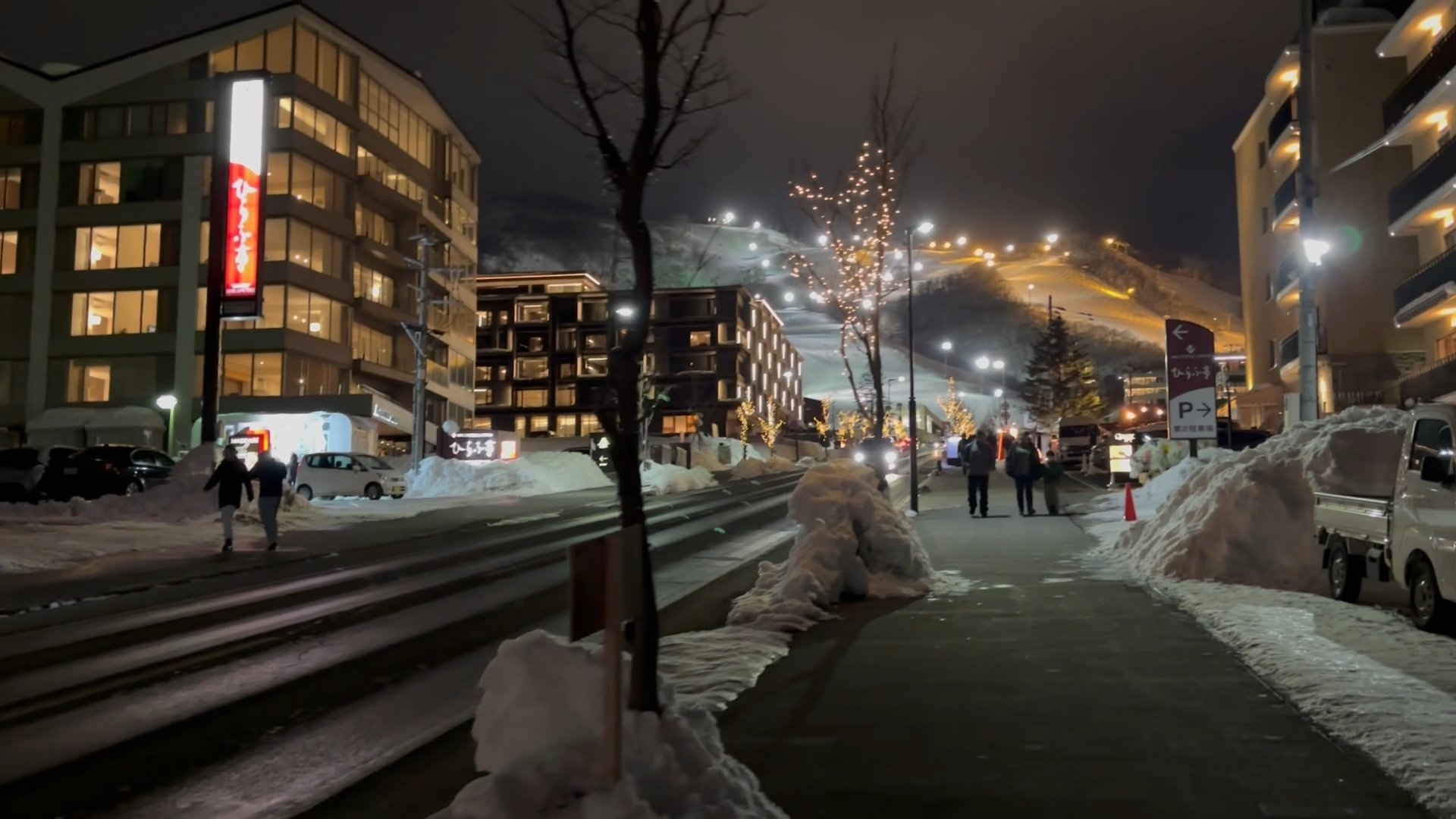
Niseko feels like a proper ski orbit rather than a single resort. You have four resorts on one mountain, multiple base areas, heaps of accommodation, and Hirafu doing most of the heavy lifting when it comes to restaurants, bars, and general buzz. It is exciting, social, and full of options, but it can also feel like you are managing a small winter campaign rather than just going skiing.
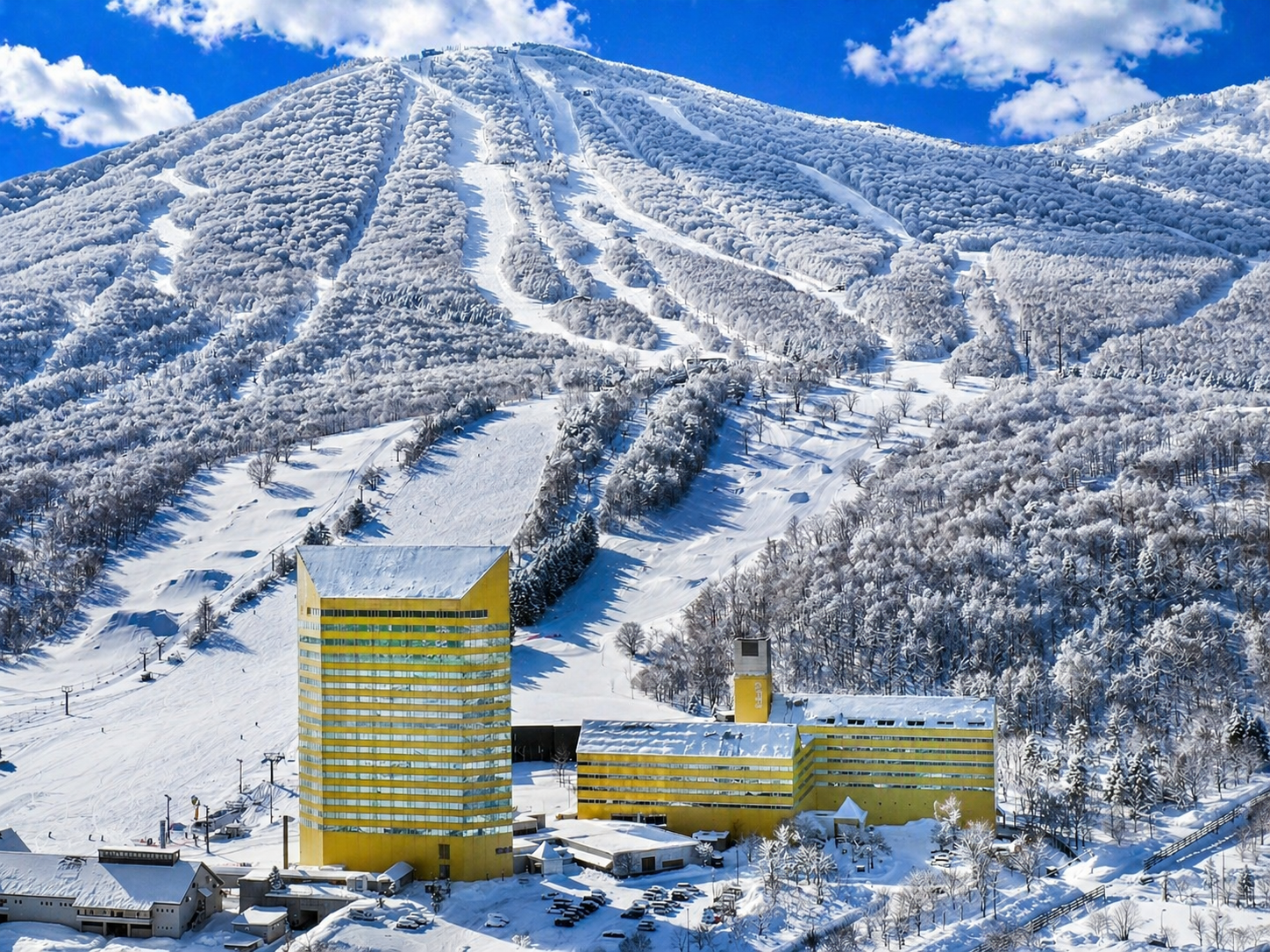
Appi is the opposite. It is neat, purpose-built, and hotel-led in a way that makes the whole trip feel tidy. You stay close to the slopes, dip into a proper onsen, eat in-resort, and repeat. For some people that sounds too contained. For others, especially families or anyone who values friction-free ski days, it sounds perfect.
Snow and weather
Estimated cumulative fresh snowfall at major on-mountain ski areas; actual totals vary substantially by resort, elevation, measurement location, and season.
Niseko still owns the bigger powder reputation for a reason. The resort itself says the seasonal winds crossing the Sea of Japan help create some of the driest, lightest powder in the world, and that is the whole reason people build full trips around chasing storms there.
Appi is no slouch. Officially it pitches abundant snowfall and light, dry powder, and that absolutely tracks with the sort of snow quality the resort is known for. The difference is less about Appi lacking snow and more about Niseko feeling like the place where the entire holiday is built around waking up, checking the window, and making bad decisions in very good snow.
Where you stay
Niseko wins on sheer range. You can do apartments, chalets, large family stays, upscale hotels, and just about every version of ski-week convenience around Hirafu and the other bases. That flexibility is brilliant if your crew has mixed budgets or you want more than one style of stay in the same area.
Appi wins on simplicity. The resort hotels are built around the skiing day rather than around village wandering, and several have direct access to onsen or slope-side convenience built in. You are not spending energy figuring out which shuttle, which base, or which side of town you accidentally booked.
We go deeper on both in Niseko accommodation and Appi Kogen accommodation, base by base.
Terrain and tree skiing
For terrain variety, Niseko gets the nod. Four connected resorts means you can ski mellowers, lappable trees, groomers, and more adventurous lines all in one linked zone. On top of that, Niseko’s gate system is a huge part of its appeal for stronger riders who want a more adventurous feel while still starting from a lift network.
Appi is stronger than a lot of people give it credit for. It has over 20 slopes and 43km of terrain, plus five designated tree-run areas, English-guided resort guiding, and the Nishimori CAT for those wanting more. The big difference is that Appi feels more curated and controlled, while Niseko feels broader and a bit more choose-your-own-mischief.
Crowds and lift flow
This one is not complicated. Niseko is busier. Even the official Niseko content talks about peak windows like Chinese New Year bringing busy streets and packed restaurants, while quieter periods are specifically described as having shorter lift lines and a more relaxed feel.
Appi’s own guiding pitch practically leads with the idea of losing the crowds. That does not mean you will have the hill to yourself on every powder morning, but the overall pace is usually calmer, less frantic, and less line-focused than Niseko. If your dream ski day involves fewer elbows and more breathing room, Appi is the easier answer.
Cost and value
Niseko has a habit of charging like it knows how famous it is. You are paying for big-name Japow, a huge international scene, and the convenience that comes with a mature, high-demand resort.
Appi is usually the easier sell for value-conscious skiers. It still delivers a well-run resort experience, but without quite as many premium-priced touches sneaking into the trip. If you want strong skiing and smoother overall trip costs, Appi often feels like the more sensible spend.
Food and nightlife
Niseko, especially Hirafu, absolutely walks this category. Official Niseko material leans hard into Hirafu as the main restaurant-and-bar hub, with everything from casual spots to high-end dining, plus bars, clubs, and proper late-night options. For a social ski trip, it is miles ahead.
Appi is more about eating well than going hard. The resort has polished hotel dining, a proper Farm to Table flagship restaurant, buffet options, and a tucked-away bar, but it is not a place you choose for a big après crawl. You choose it because a good dinner, a soak, and an early night before more skiing sounds like a pretty decent life.
Logistics
For most Aussie and NZ travellers, Niseko is the easier classic Japan ski holiday. Fly into New Chitose, jump on a direct winter bus, and roll into Hirafu, Niseko Village, or Annupuri without needing to piece together a more involved rail transfer.
Appi gets very interesting if Tokyo is part of the trip. The resort has hotel-guest shuttles from Morioka that take about 1 hour 10 minutes, and JR services from Morioka to Appi Kogen Station take roughly an hour. That makes Appi a very clean Tohoku add-on if your Japan trip is not just a pure Hokkaido powder mission.
The X-factor
Ski-town orbit vs resort-campus cocoon
This pairing really comes down to how you want your ski trip to feel at 7:30am and again at 7:30pm. Niseko is the ski-town orbit: four resorts, multiple bases, loads of dining, night skiing, and plenty happening once you click out of your bindings. It is bigger, livelier, and more dynamic, but it asks a bit more from you in return.
Appi is the resort-campus cocoon. You can stay in the hotel zone, sort the kids, ski, hit the onsen, feed everyone, and repeat with almost no logistical drama. Add the easy Morioka pairing and Appi starts to look less like a compromise to Niseko and more like a very deliberate call for people who want their ski trip smoother, calmer, and more Japanese-domestic in feel.
The tiebreaker
Pick Niseko if powder priority, terrain variety, dining choice, and proper trip buzz matter more than price or peace.
Pick Appi Kogen if you want a calmer, better-value, slope-side ski holiday with less crowd stress and a very easy family rhythm.
FAQ
Is Niseko or Appi Kogen better for families?
For families with young kids, I would lean Appi. The slope-side hotel setup, indoor kids activities, tubing, and onsen make the off-snow part of the day much easier to manage. For older kids or teens, Niseko often wins because there is more terrain variety, more lesson infrastructure, and more happening after skiing.
Which one is better for powder?
Niseko is still the stronger powder bet overall. The resort explicitly ties its famous light snow to the weather systems coming across the Sea of Japan, while Appi also has light, dry snow but a slightly less storm-chaser identity. If first tracks are the whole point of the trip, Niseko stays in front.
Which resort is cheaper?
Appi is the easier value pick. Example: lift ticket pricing has Niseko’s 1-day at double that of Appi.
Which is better for beginners?
Appi is the more relaxed beginner environment because the whole resort experience is more contained and less hectic. Niseko is still excellent for learning, especially if you want lots of school options and strong English-language support, but the overall resort energy is busier.
Which is better for advanced skiers and snowboarders?
Niseko wins for advanced riders who want more variety and that famous gate-access culture. Appi is still a very solid call thanks to its five tree-run zones, guided options, and Nishimori CAT, especially if you want strong riding without the same level of powder-day frenzy.
How do you get to each resort?
Niseko is the smoother airport-to-snow option from Sapporo, with direct winter buses from New Chitose to the main resort bases. Appi is very straightforward from Tokyo via the Tohoku Shinkansen to Morioka, then a resort shuttle or JR connection onward.
When is the best time to go?
For best snow quality, mid-January through February is the sweet spot for both. If you want fewer crowds and a more relaxed feel, Niseko’s own guidance points to early December and spring as quieter windows, and the same logic broadly applies if you are happy to trade a little certainty for more space.