

Furano vs Myoko Kogen
Dry-Smoke Groomers or Onsen Storm-Chaser Chaos?
Choosing between Furano and Myoko Kogen is a very good Japan ski problem to have. Furano is the cleaner operator: colder inland snow, one main resort with two linked zones, a proper Hokkaido city ten minutes away, and a day that tends to run in a nice straight line. Myoko Kogen is the looser powder town: five main ski resorts, onsen villages, more than fifty restaurants scattered around the area, and a trip that feels a bit more like a snow-chasing adventure.
So this is not really a which one gets snow question. Both do. It is more a what kind of holiday brain do you have question. Do you want one strong ski resort with crisp inland snow and a proper city edge, or a multi-resort powder zone where the plan might involve hot springs, shuttle hops, and somebody saying let’s try a different hill tomorrow?
The quick verdicts
- First-timers to Japan: Furano. One main resort, English lessons, kids-friendly slope infrastructure, and an easier overall layout make it the tidier first Japan ski trip.
- Family with young kids: Furano. Two magic carpets, children’s lesson options, kids-free lift tickets for 12 and under, and simpler day-to-day logistics make life easier.
- Family with older kids or teens: Myoko Kogen. Multiple resort personalities, night skiing at Akakura Onsen, and more town energy keep the trip from feeling too same-y.
- Mates trip: Myoko Kogen. More onsen-town flavour, more local bars and restaurants, and more scope to bounce between resorts gives it stronger ski-trip character.
- Budget trip: Myoko Kogen. Furano’s regular 1-day pass is ¥8,000, while key Myoko options range from ¥7,000 to ¥8,500, and Myoko’s lodge-and-inn mix usually gives you more ways to keep costs sane.
- Luxe trip: Furano. Shin Furano Prince Hotel has direct ski-in ski-out access, multiple restaurants, bars, and its own hot spring setup, which is a very polished package.
- Powder reliability: Myoko Kogen. Furano’s inland snow is famously dry, but Myoko pitches around 14 metres of snowfall each winter and has several resorts to chase conditions across.
- Big mountain terrain and variety: Myoko Kogen. Furano is a strong single resort, but Myoko’s five main ski resorts and wider area options give it the bigger toy box.
- Culture and Japan-ness: Myoko Kogen. Furano has a real city beside the slopes, but Myoko’s onsen-village DNA, traditional inns, and local food scene feel more old-school ski Japan.
- Short trip and easy logistics: Furano. Being about an hour from Asahikawa Airport is a very tidy setup if you want less transfer pain.
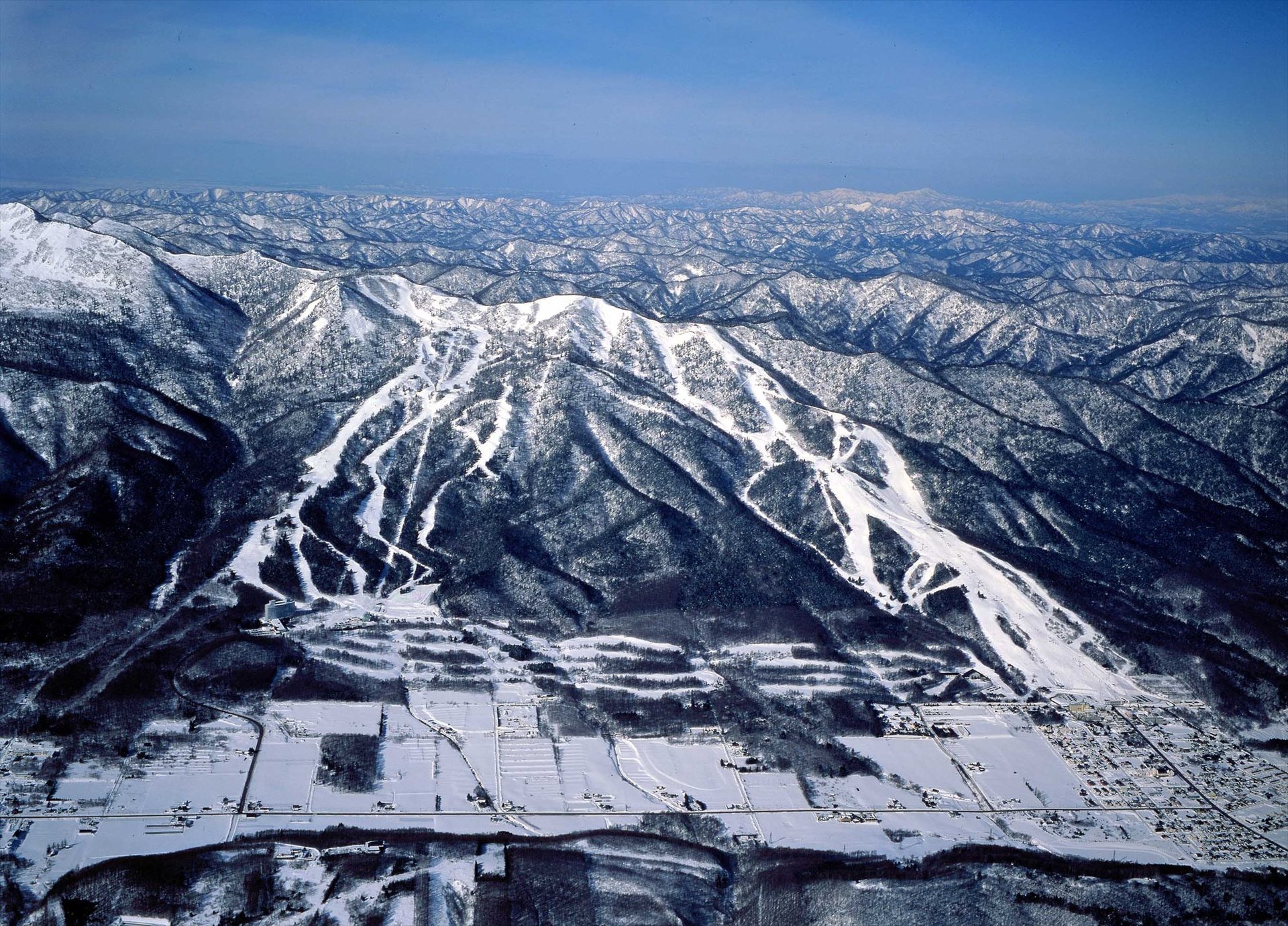
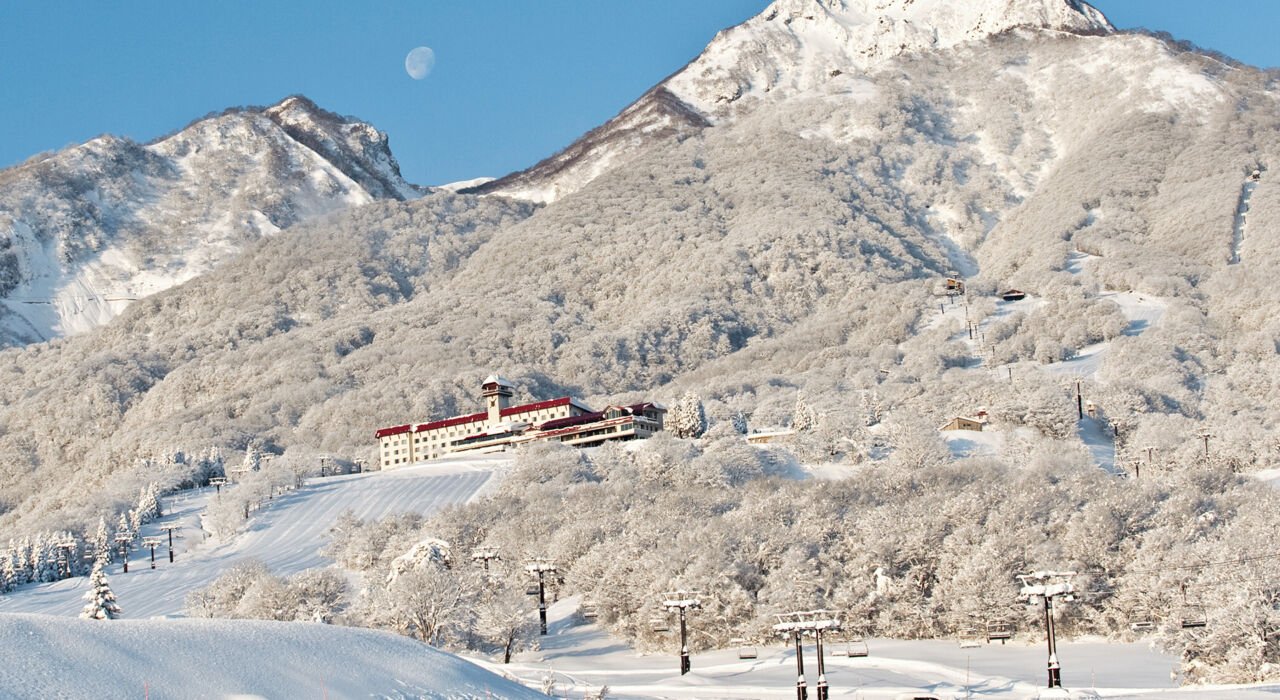
The Resorts
Explore each full review for a deeper look at what each resort has to offer.
Resort Comparison
Vibe check
Furano feels composed. You have the Furano Zone and Kitanomine Zone linked at the top, a real resort structure, proper English-speaking ski schools, and the city centre just ten minutes away when you want dinner, sake, or karaoke without feeling trapped in a resort bubble. It feels a bit more polished than people expect, but not in a fake way. More like a resort that quietly knows what it is doing.
Myoko Kogen feels more like a region than a resort, because that is exactly what it is. Akakura Onsen, Akakura Kanko, Ikenotaira, Suginohara, and Seki Onsen all bring different personalities, and most visitors base around Akakura Onsen, which started life as a hot spring retreat before lifts arrived. It is less neat than Furano, but that is a big part of the charm.
Snow and weather
Estimated cumulative fresh snowfall at major on-mountain ski areas; actual totals vary substantially by resort, elevation, measurement location, and season.
Furano’s snow has a very specific kind of appeal. The resort leans into its inland climate and ultra-dry snow, and the official trail description calls out ungroomed powder runs plus steep cruisers used for FIS World Cup races in the past. That means Furano is not just soft and pretty. It also has a bit of edge, especially if you like cold chalky mornings and proper groomer speed between powder top-ups.
Myoko Kogen is more of a storm zone. The area promotes around 14 metres of snowfall each winter, and because you are dealing with several resorts rather than one main hill, there is more of a powder-chasing feel to the trip. It is the kind of place where conditions can shape the plan, and that tends to suit skiers and riders who like a bit more movement in the mission.
Where you stay
Furano gives you a clean split. Stay slope-side at Shin Furano Prince Hotel and you get true ski-in ski-out convenience, hot springs, bars, and restaurants right on hand. Or stay around Kitanomine or town and use the fact that the city centre is only about ten minutes from the ski area to build a trip with more local dining and accommodation choice.
Myoko Kogen is more about choosing your village personality. Most foreign visitors base around Akakura Onsen, roughly ten minutes by taxi from Myoko Kogen Station, but there are also options near the station, in Ikenotaira, at Suginohara, and around other resorts. You get everything from simple pensions and family-run inns to ski-in ski-out hotels and newly renovated apartments, which makes the stay feel more personal and less standardised.
We go deeper on both in Furano accommodation and Myoko accommodation, base by base.
Terrain and tree skiing
Furano is smaller, but it skis with intent. The two-zone layout keeps things simple, while the terrain mix gives you beginner areas, strong intermediate cruising, ungroomed powder runs, and steeper pitches with proper racehill flavour. If you like a resort that can go from laid-back morning laps to proper leg-burning descents without needing a shuttle bus, Furano does that beautifully.
Myoko Kogen wins on sheer variety. Suginohara is known for long runs, Akakura Onsen has mixed-level terrain and night skiing, Akakura Kanko brings more heritage-resort feel, and Seki Onsen has a cult following for deep powder and rustic vibes. The trade-off is that this variety is spread across separate resorts, not handed to you in one neat package.
Crowds and lift flow
Furano usually feels cleaner underfoot. One main resort means less decision fatigue, and the access from town is straightforward enough that the whole day tends to click into place pretty quickly. It can still get busy, of course, but the general rhythm is simpler and more predictable than a multi-resort region.
Myoko Kogen tends to feel less concentrated but a bit more fragmented. Because the terrain is spread across several separate ski areas, you usually avoid the one-resort funnel effect, but you also trade away some seamlessness. On Myoko trips, I find the skiing itself can feel wonderfully relaxed while the bigger planning picture gets just a little more fiddly.
Cost and value
This one is closer than some Japan comparisons, but Myoko Kogen still gets the nod. Furano’s regular 1-day pass is ¥8,000, while Akakura Onsen is ¥7,000 for a daytime 1-day ticket, Akakura Kanko is ¥7,000, and the combined Akakura Onsen and Kanko pass is ¥8,500. So the skiing itself is not wildly cheaper across the board, but it is often a little gentler on the wallet.
Then there is the rest of the trip. Furano absolutely has budget-friendly options, but Myoko’s mix of pensions, inns, apartments, and family-run lodging gives it a more value-driven feel overall. It is the sort of place where you can still have a proper Japan ski holiday without every booking feeling like it comes with a scenic surcharge.
Food and nightlife
Furano has a quietly strong evening game. The city centre is only ten minutes from the ski area, and the tourism site specifically calls out Japanese cuisine, sake, karaoke, and outdoor natural hot springs as part of the après rhythm. So while it is not a full-blown party resort, it is much better after dark than people who have only looked at the trail map might expect.
Myoko Kogen feels more local and a little more ski-town scruffy in the best way. The area promotes more than fifty restaurants across the resorts and town area, plus Niigata specialties like sasazushi, local soba, mountain vegetables, koshihikari rice, and sake. Furano is tidier. Myoko is tastier in a more roam-around-and-see-what-happens sort of way.
Logistics
Furano is the easy short-trip engineer’s pick. Official tourism info puts it about one hour from Asahikawa Airport and around two hours ten minutes from New Chitose Airport, with the Kitanomine side about ten minutes from Furano Station and the Furano Zone about fifteen to eighteen minutes depending on mode. That is a pretty civilised set of numbers for Hokkaido.
Myoko Kogen is the smarter play if Tokyo is part of the trip. The area markets itself as about 2.5 hours from Tokyo, and it also notes a roughly two-hour shinkansen ride from Tokyo followed by a local train. That changes the whole shape of the holiday. Furano is a Hokkaido ski trip. Myoko can feel like a wider Japan trip with excellent snow attached.
The X-factor
Single-resort simplicity vs onsen-region energy
Furano’s X-factor is how neatly the pieces fit together. Two linked resort zones, city access in ten minutes, proper ski-in ski-out options, hot springs, English lessons, and a snow profile that mixes dry powder with seriously satisfying groomers. It is the kind of place that makes a trip feel smooth without making it feel generic.
Myoko Kogen’s X-factor is that it feels like several Japan ski holidays for the price of one. Onsen village base, multiple resort personalities, Tokyo access, night skiing at Akakura Onsen, and a food scene spread through town rather than packed into one resort core. It is looser, more atmospheric, and a bit more chaotic, which is exactly why plenty of snow people end up loving it.
The tiebreaker
Pick Furano if you want the cleaner, simpler ski trip with colder inland snow, stronger short-trip logistics, better polish, and a resort that skis beautifully without much fuss.
Pick Myoko Kogen if you want more region-hopping character, stronger onsen-town flavour, better value, and a trip that fits naturally into a wider Tokyo-and-snow mission.
FAQ
Is Furano or Myoko Kogen better for first-timers?
Furano is usually the safer first pick. One main resort, English-speaking lessons, kids-friendly slope infrastructure, and very straightforward access from town make it easier to get your bearings fast.
Which has better powder?
Myoko Kogen gets the nod for raw powder obsession because the area promotes around 14 metres of snowfall each winter and gives you several resorts to chase conditions across. Furano fights back with exceptionally dry inland snow, so the texture there can be all-time even when the total depth is not trying to break the internet.
Is Myoko Kogen cheaper than Furano?
Usually, yes, though not by a massive margin on every ticket. Furano’s regular 1-day pass is ¥8,000, while core Myoko options range from ¥7,000 to ¥8,500, and accommodation in Myoko tends to skew more lodge-and-inn than big-resort polish.
Which is better for families?
For younger kids, Furano is easier. It has two magic carpets, children’s lessons, and a neater overall setup, while Myoko can work well for families but asks a bit more in terms of picking the right base and moving around the area.
Which feels more Japanese?
Myoko Kogen, comfortably. Furano has a real city beside the slopes, but Myoko’s onsen-village history, traditional inns, local Niigata food, and train-linked mountain-town rhythm feel more distinctly old-school Japan.
Which is easier to get to?
Furano is easier if you are flying into Hokkaido, especially via Asahikawa. Myoko Kogen is easier if Tokyo is in the plan, because the area is about 2.5 hours away and slots naturally into a shinkansen-based itinerary.
When should you go?
January and February are the sweet spot for both. Furano is brilliant if you love cold inland snow and crisp visibility, while Myoko Kogen really shines for storm-chasing travellers who want deeper midwinter energy and do not mind a bit more moving around.