

Niseko vs Shiga Kogen
Powder party or ski safari?
Niseko and Shiga Kogen are both big-name Japan ski trips, but they scratch very different itches. Niseko is the polished international powder machine: four interconnected resorts, proper dining, plenty of English support, and a ski holiday that feels easy to plug into. Shiga Kogen is Japan’s biggest ski area, a spread-out 18-area mountain playground that feels more local, more old-school, and more like a proper ski mission than a packaged resort week.
Put simply, Niseko is the one for people who want the famous powder holiday with minimal friction. Shiga Kogen is the one for people who like covering ground, don’t mind a bit of mountain geography, and want their ski trip to feel more Japanese once the boots come off.
The quick verdicts
- First-timers to Japan: Niseko. Easier signage, more English-speaking lessons, and less chance of spending day one trying to decode bus stops and hotel clusters.
- Family with young kids: Niseko. The kid-specific programs and beginner facilities are broader, especially across Hirafu, Hanazono, and Niseko Village.
- Family with older kids or teens: Shiga Kogen. More room to roam, more ski mileage, and it feels a bit more like an adventure than staying in one main village.
- Mates trip: Niseko. Better bars, bigger restaurant scene, and more life after lifts stop spinning.
- Budget trip: Shiga Kogen. It is usually the easier place to keep accommodation and dinner costs from getting silly.
- Luxe trip: Niseko. This is where Japan ski luxury goes to flex.
- Powder reliability: Niseko. The snowfall reputation is not hype, and that consistency is a big part of why people keep going back.
- Big mountain terrain and variety: Shiga Kogen. Niseko has the more famous powder zones, but Shiga Kogen wins on sheer spread and day-to-day variety.
- Culture and Japan-ness: Shiga Kogen. It feels closer to the classic Nagano ski-and-onsen rhythm than Niseko’s global resort bubble.
- Short trip and easy logistics: Shiga Kogen. If you are already flowing through Tokyo, the train-to-Nagano then bus combo is very clean.
The Resorts
Explore each full review for a deeper look at what each resort has to offer.
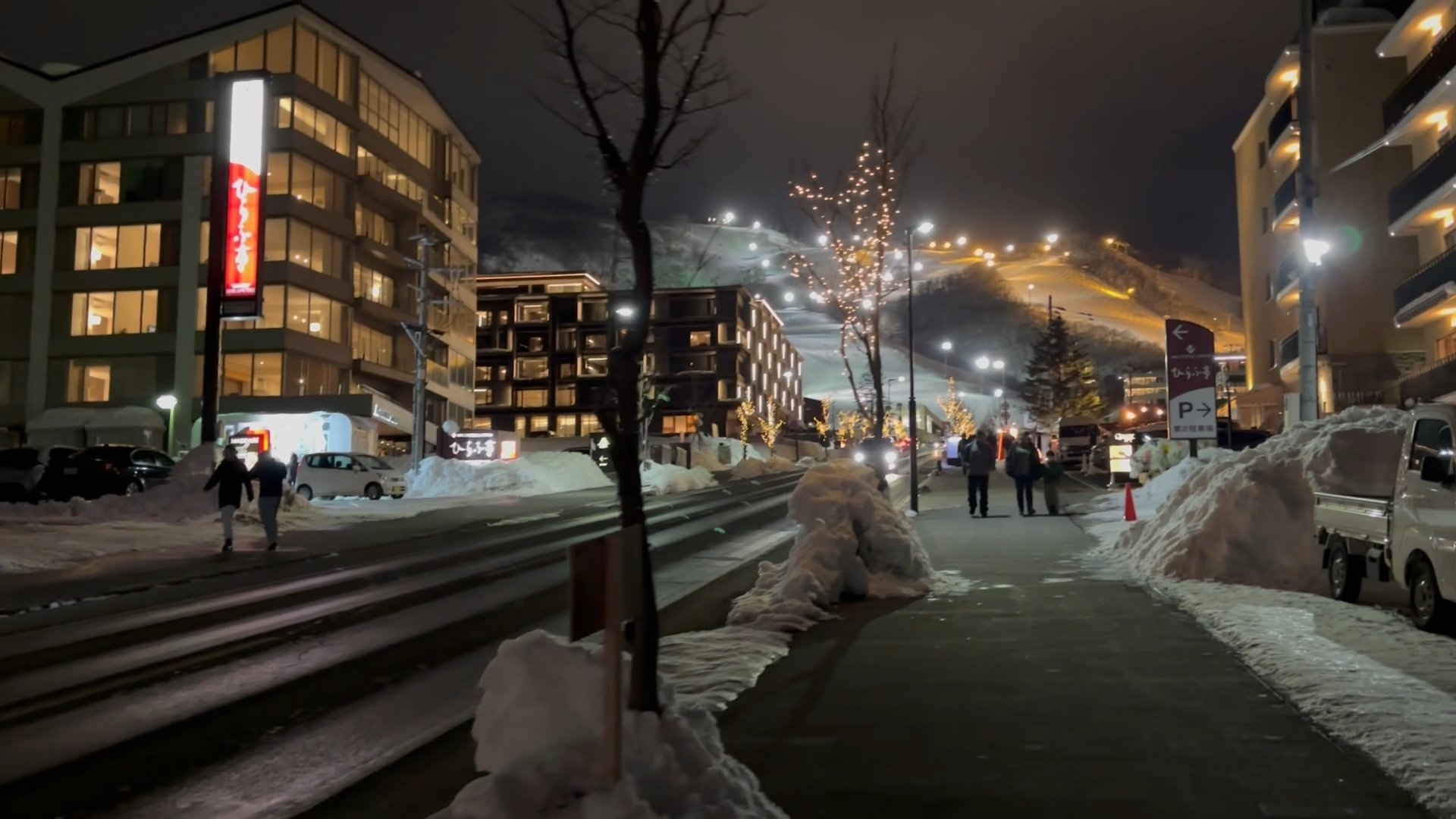
Niseko United
Japan’s Powder Playground Gone Global
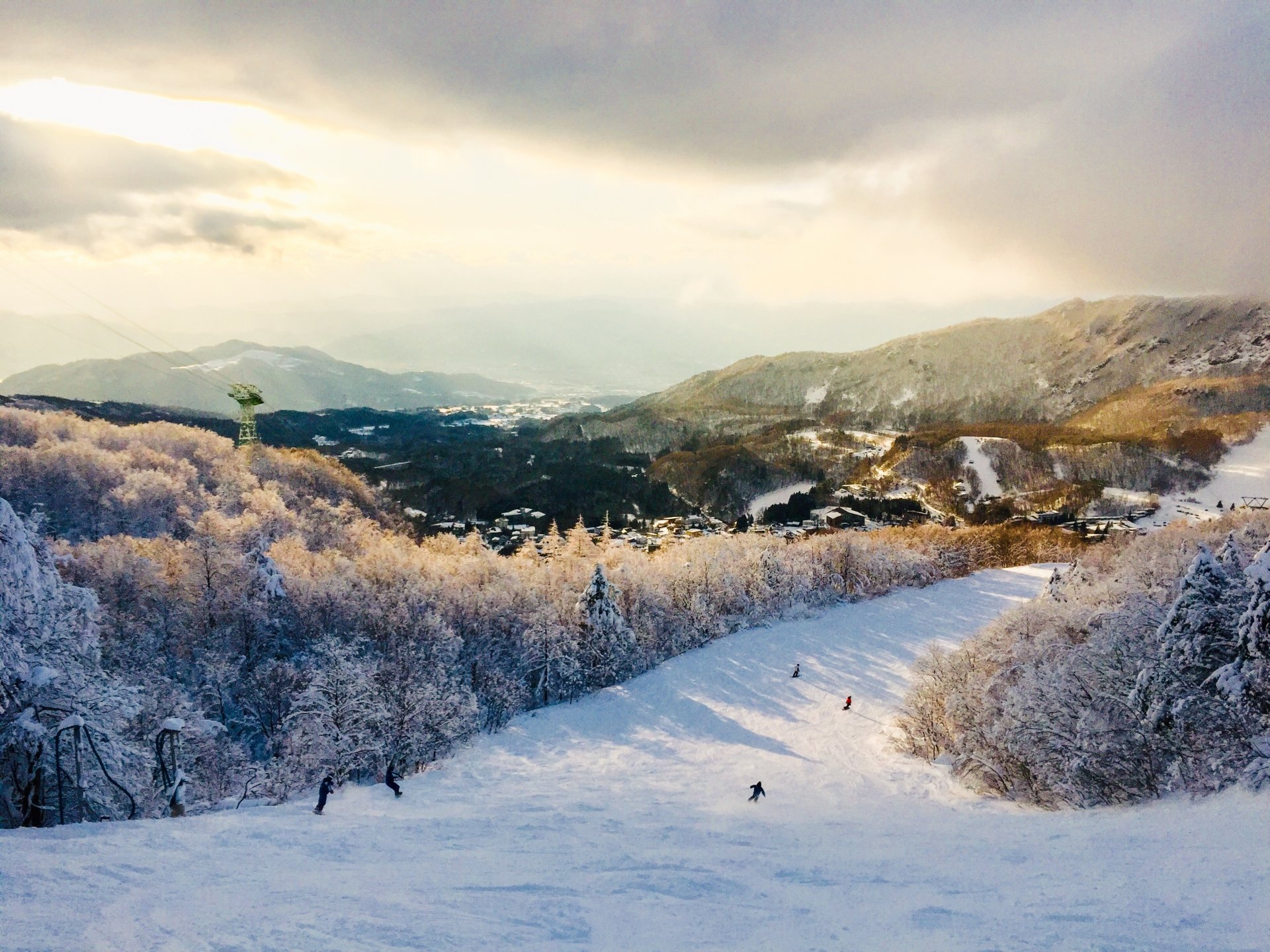
Shiga Kogen
Japan’s high-alpine giant with quietly reliable pow
Resort Comparison
Resort bubble vs ski safari
Niseko feels like Japan’s most internationally fluent ski holiday for a reason. Hirafu is the unofficial heart of the place, the airport connections are straightforward, and the whole setup is built to help visitors get from plane to powder without much drama. You can land, bus in, rent gear, book a lesson, line up dinner, and barely need a planning spreadsheet.
Shiga Kogen feels different from the first morning. Instead of one dominant village, you are dealing with a chain of ski areas and hotel pockets across a big national-park setting. That gives it a more ski-safari feel: less polished in the resort-town sense, but more rewarding if you like the rhythm of moving around and piecing together your own mountain day.
Snow and weather
Estimated cumulative fresh snowfall at major on-mountain ski areas; actual totals vary substantially by resort, elevation, measurement location, and season.
If powder is the lead actor in your holiday, Niseko still has the stronger headline. JNTO notes the area averages over 15 metres of snowfall a year, with the heaviest snowfalls usually from late December to mid-February, and Niseko United’s official season stretches into spring with core night-ski dates running through winter. That is a very nice combo if you like storm days, soft trees, and late-afternoon refills under the lights.
Shiga Kogen fights back with altitude. Official resort material highlights elevations over 2,000 metres and a long season, which helps it hold snow well and stay appealing into spring. The snow is still very good, but the overall feel is less about constant snorkel days and more about a broader mix of groomer speed, chalkier cold-snow days, and powder pockets when the storms line up.
One main base or pick-your-pocket stay
Where you stay matters more in this matchup than people think. In Niseko, most visitors end up orbiting Hirafu because that is where the energy, restaurants, and much of the accommodation stock cluster, while Annupuri and Niseko Village offer quieter alternatives with easier exhale-at-the-end-of-the-day vibes. That means you can choose your pace, but Hirafu is still the gravitational pull.
Shiga Kogen is more about choosing the pocket that suits your ski style. Ichinose is the handiest all-rounder and bus hub, Yakebitaiyama is the obvious ski-in ski-out play, Okushiga is quieter and more tucked away, and nearby Shibu Onsen gives you a very different, more traditional base if you do not mind commuting up. There is no single obvious answer, which is either charming or mildly annoying depending on your personality.
Once you have picked a side, where to stay in Niseko and where to stay in Shiga Kogen cover the bases and budgets.
Terrain and tree skiing
Niseko’s sweet spot is not terrifying steepness. It is the ease of finding fun, soft, repeatable powder terrain. The official and JNTO material leans into the same story: four linked resorts, tree runs, sidecountry gates, and plenty of terrain that lets strong intermediates feel like heroes on a good snow day. That is a massive part of Niseko’s magic.
Shiga Kogen is better when your idea of a great day is range. You can ski a lot of different zones, stack up kilometres, and shape the day around cruisers, steeper pitches, high-elevation laps, or easier family terrain rather than repeatedly hammering one famous powder pocket. For riders who get bored skiing the same face from slightly different angles, Shiga is properly satisfying.
Crowds and lift flow
Niseko is famous enough now that you should go in with eyes open. On a big storm cycle, the premium zones do not stay secret, and the front-side mood around Hirafu and Hanazono can feel busy by Japan standards. The upside is that the infrastructure is visitor-friendly and the resort layout is easy to understand, so even when it is humming, it rarely feels confusing.
Shiga Kogen usually feels less compressed because the skiable footprint is so spread out. The trade-off is that you need to think a bit more about where you are heading, which lift chain gets you there, and whether you are skiing home or hopping a shuttle. Officially, the resort runs free internal shuttles across the ski areas, and that helps a lot once your legs are cooked or you have drifted a bit too far from base.
Cost and value
This is where Shiga Kogen lands a few clean blows. Niseko can still be done sensibly, especially away from prime Hirafu real estate, but it is one of the easiest places in Japan to burn through cash on accommodation, dinner, transfers, and little convenience spending. A powder holiday there can become a premium holiday almost by accident.
Shiga Kogen tends to feel more grounded. The accommodation style is often simpler, hotel dinners are more common, and the overall trip can feel less like every meal and movement has surge pricing attached to it. It is not dirt cheap in peak season, but it is generally the easier place to come home from without needing emotional recovery from your credit-card statement.
Food and nightlife
Niseko wins this one by a decent margin. Official tourism and resort directories show a genuinely broad restaurant and bar scene, especially around Hirafu, and it is one of the few ski towns in Japan where dinner can feel like a nightly event rather than a practical refuel. Good news if you like izakaya one night, a nicer dinner the next, and a few bars that still have pulse after 9 p.m.
Shiga Kogen is more restrained. You will eat well enough, but the energy is more hotel dining rooms, early starts, and low-key evenings than proper nightlife. If you want the atmospheric Japanese add-on, the nearby Yudanaka and Shibu Onsen areas give you a stronger sense of place than Shiga’s hotel clusters themselves, which is a nice bonus for travellers chasing more than just ski laps.
Logistics
For a dedicated Hokkaido powder trip, Niseko is smooth. Official airport bus services run between New Chitose Airport and the key Niseko bases including Hirafu, Niseko Village, and Annupuri, which makes arrival day pleasantly brainless. That ease is a big reason Niseko works so well for shorter fly-in ski holidays.
Shiga Kogen is the cleaner option for a broader Honshu trip. The official access flow is simple: Hokuriku Shinkansen to Nagano, then about 70 minutes by express bus into the resort, with free shuttle services linking ski areas once you are there. It fits neatly into a Tokyo-and-ski itinerary without needing the extra Hokkaido hop.
The X-factor
International snow bubble vs Japanese ski circuit
Niseko’s X-factor is that it feels effortless for overseas visitors without losing what people came for in the first place: deep snow, Mt Yotei views, proper lessons, modern lift access, and a post-ski scene that can still feel like a holiday even when your legs are gone. It is the place I would send someone who wants their Japan ski trip to go smoothly first and feel adventurous second.
Shiga Kogen’s X-factor is the way skiing plugs into the rest of Nagano. Official tourism material pushes the nearby Snow Monkey Park, Yudanaka, and Shibu Onsen for good reason. That means your ski trip can feel less like a self-contained resort bubble and more like a winter Japan trip with skiing at the centre of it. That is a very different flavour, and for some people it is the whole point.
The tiebreaker
Pick Niseko if you want the most reliable powder-first holiday, better nightlife, more English support, and the easiest all-round setup for first-timers or mixed-ability groups.
Pick Shiga Kogen if you want more ski mileage, better value, a more Japanese feel, and a trip that blends skiing with Nagano onsen-town energy.
FAQ
Is Niseko or Shiga Kogen better for families?
For young kids, I would lean Niseko because the official resort setup has a broader spread of kids programs, beginner facilities, and multilingual lesson options across multiple bases. Shiga Kogen is still a solid family option, especially with kids parks and English-language schools, but it feels a bit less plug-and-play.
Which has better powder, Niseko or Shiga Kogen?
Niseko is the safer bet if powder is the main reason you are booking flights. JNTO cites more than 15 metres of annual snowfall on average, while Shiga Kogen leans more on altitude and season length than sheer powder legend.
Which one is cheaper?
Usually Shiga Kogen. Niseko can be brilliant, but it is far easier there for accommodation, dinners, and general holiday convenience costs to drift upward, especially around Hirafu.
Is Shiga Kogen or Niseko better for beginners?
Both can work, but for true beginners I would still give the edge to Niseko because of its stronger English-speaking lesson ecosystem and purpose-built beginner and kids facilities. Shiga Kogen also has English lessons and family-friendly zones, so it is not a bad beginner choice at all, just a little less frictionless.
Which is better for advanced skiers and snowboarders?
If advanced means powder trees, sidecountry gates, and storm-day hunting, Niseko is the better fit. If advanced means wanting a bigger ski canvas and more terrain variety across a long day, Shiga Kogen has a very strong case thanks to its 18 linked areas.
Which is easier from Tokyo?
Shiga Kogen, comfortably. The official route is straightforward via Hokuriku Shinkansen to Nagano and then an express bus of roughly 70 minutes, while Niseko is easier once you are already coming through Hokkaido and New Chitose.
When should I go?
For Niseko, late January through February is the classic powder window, with the heaviest snow typically late December to mid-February. For Shiga Kogen, January and February are prime, but its altitude and long season also make it a strong late-season option if you want spring laps without giving up decent snow.