

Niseko vs Kiroro
Ski town orbit or powder bunker?
Niseko and Kiroro are both in Hokkaido, both score big on snow, and both can deliver the kind of days that make you text the group chat in all caps. But they feel wildly different once you are on the ground. One is a full-blown ski trip universe with restaurants, bars, side missions, and enough accommodation options to keep everyone happy. The other is more like locking yourself inside a snow globe and saying right, let’s just ski powder until our legs file a complaint.
That is the real split here. Niseko is broader, busier, more social, and more flexible. Kiroro is quieter, stormier, more contained, and more laser-focused on the snow itself. Neither is wrong. It just depends whether you want your trip to feel like a big ski holiday or a very efficient powder mission.
The quick verdicts
- First-timers to Japan: Niseko. Easier to navigate, more English support, and fewer friction points when you are still figuring out how Japan ski trips work.
- Family with young kids: Kiroro. Simpler base setup, less running around, and easier to keep the day contained.
- Family with older kids or teens: Niseko. More terrain variety, more lessons, more food choice, and more to do when they are done skiing.
- Mates trip: Niseko. Better dining, better nightlife, and more chance the trip keeps going after the lifts stop.
- Budget trip: Kiroro, with an asterisk. Lift-day efficiency can be strong, but accommodation deals matter a lot because the on-mountain options are not always cheap.
- Luxe trip: Niseko. Bigger range of premium stays, private transfers, standout dining, and more polished high-end choice overall.
- Powder reliability: Kiroro. When the storms stack up, Kiroro gets properly silly.
- Big mountain terrain and variety: Niseko. More scope across the linked resorts and more ways to shape your day.
- Culture and Japan-ness: Kiroro. It is not a traditional village destination, but it feels less like an international ski bubble than Niseko.
- Short trip and easy logistics: Kiroro. Fewer decisions, less faffing, and more ski-now energy once you arrive.
The Resorts
Explore each full review for a deeper look at what each resort has to offer.
Resort Comparison
Vibe check
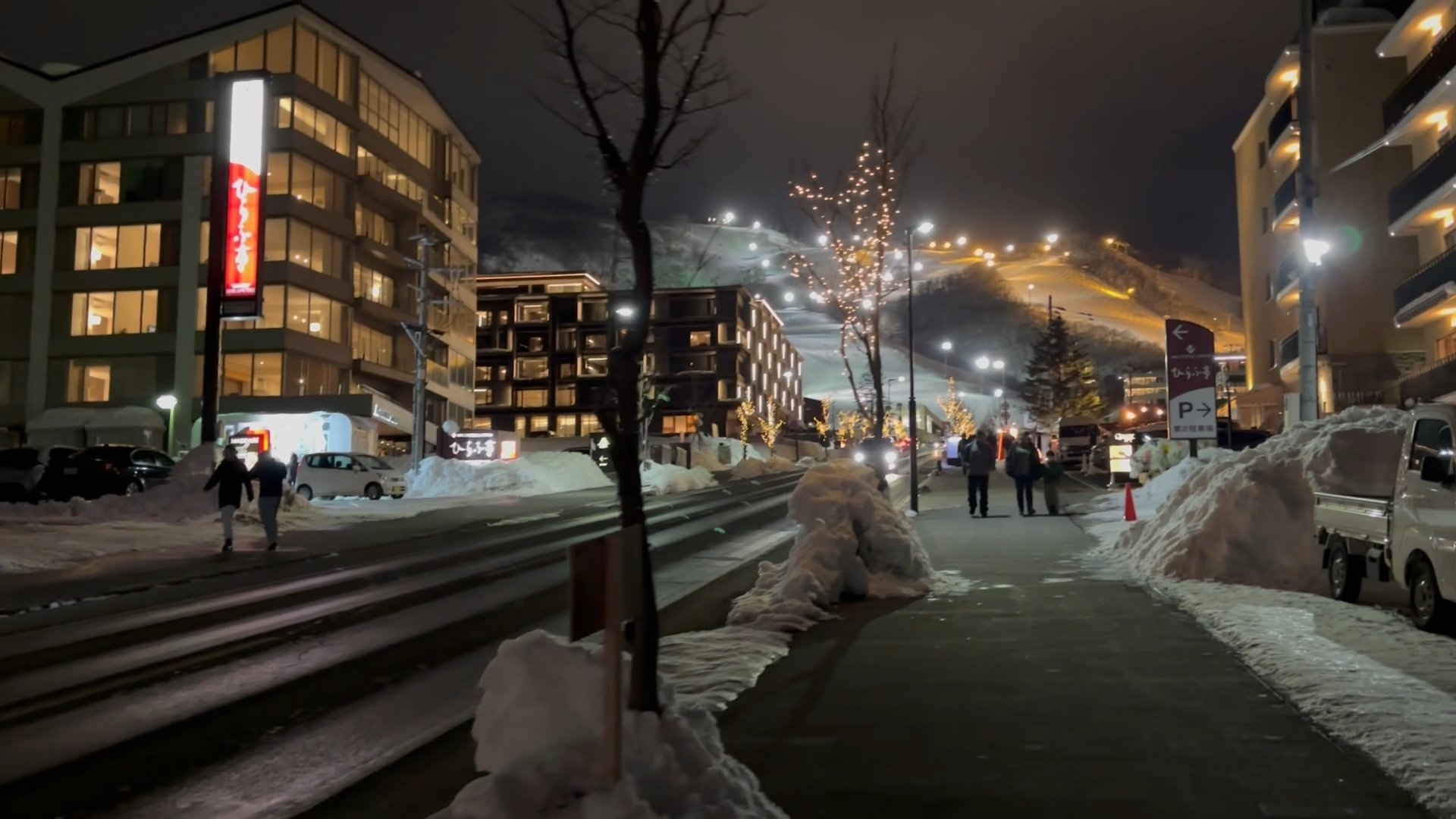
Niseko feels like four ski towns stitched together by lifts, buses, and shared powder froth. Hirafu is the loudest and most international, with plenty of places to eat, drink, and accidentally spend too much money on dinner after a big day. Even if you stay in one part of Niseko, the whole place has movement to it. You feel like there is always another zone, another café, another crew, another plan.
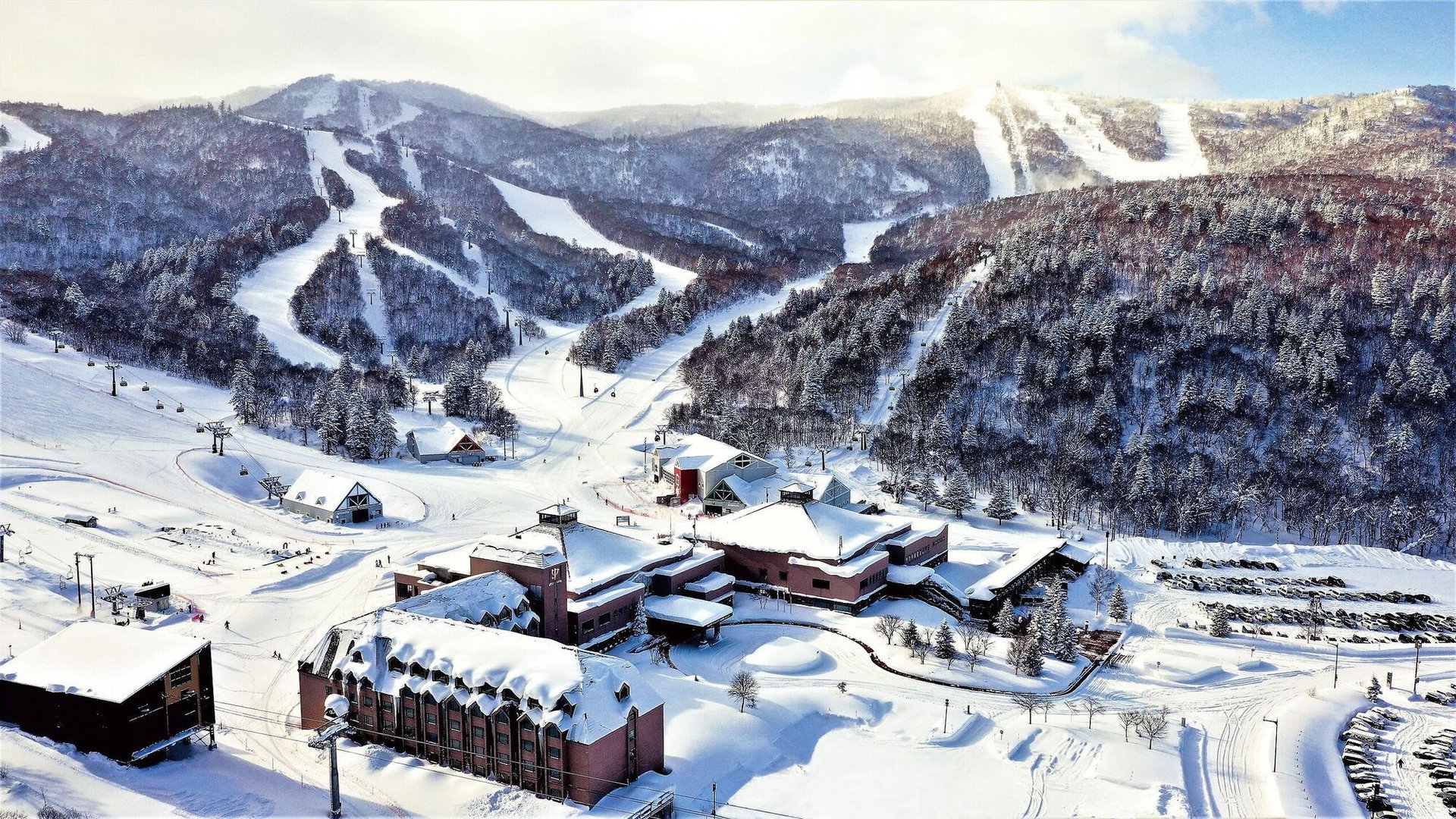
Kiroro is the opposite in the best possible way. It feels contained, purpose-built, and less interested in distracting you from the snow. There is less atmosphere in the classic village sense, but that is also the point. Wake up, look outside, see another overnight refresh, and get on with it. If Niseko is social orbit, Kiroro is a powder bunker with very comfortable heating.
Snow and weather
Estimated cumulative fresh snowfall at major on-mountain ski areas; actual totals vary substantially by resort, elevation, measurement location, and season.
Both resorts are snow magnets by global standards, but Kiroro has a serious reputation for being one of the safer bets when the storm cycle is on. It is colder-feeling, often snowier day to day, and more likely to serve up those proper face-shot mornings where visibility is average and happiness is high. The trade-off is obvious: storm snow is great, but storm weather can also mean flatter light and more weather-affected skiing.
Niseko still gets all-time snowfall and absolutely deserves its legendary status, but it can feel a touch more variable in how the day skis. Wind can matter around the upper mountain, and because more people are hunting the same fresh lines, good snow can feel more contested. Still excellent, obviously. Just a little less private once the secret is out, which it very much is.
Where you stay
Niseko gives you options for days. Full-service hotels, apartments, chalets, family setups, luxe stays, mid-range bases, and plenty in between. That flexibility is a genuine strength because different travellers can build very different trips without changing resort. Want ski trip convenience with nice dinners? Easy. Want a crew house and a seven-minute walk to lifts? Also easy. Want a polished five-star stay and a whisky list longer than your leg-day recovery? Niseko has that too.
Kiroro is more concentrated around resort accommodation, and that can be either ideal or limiting depending on your personality. If you love the idea of staying close, keeping things simple, and not needing a spreadsheet to work out your week, it works beautifully. If you like strolling a proper town, bouncing between bars, or having loads of dinner options within easy reach, it can feel a bit boxed in after a few nights.
Once you have picked a side, where to stay in Niseko and where to stay in Kiroro cover the bases and budgets.
Terrain and tree skiing
Niseko wins on overall breadth. The linked resort setup gives you more groomers, more side hits, more tree zones, more ways to move around the mountain, and more scope across ability levels. It is a very easy place to make a mixed-ability group work because everyone can peel off and still find terrain that feels worth skiing. Advanced riders get enough off-piste and gate-access excitement to stay interested, while strong intermediates will still have heaps of fun without feeling out of their depth.
Kiroro is more focused, but what it does, it does properly. Tree skiing is a massive part of the appeal, and on the right day it can be absolutely ridiculous in the best way. The terrain is not as sprawling or varied as Niseko overall, but it does not need to be if your main brief is simple: find soft snow, ski soft snow, repeat until your legs forget your name. For pure powder hunting, Kiroro punches very hard.
Crowds and lift flow
Niseko crowds are real. Not every day is chaos, and it is a large enough ski area that you can still have brilliant sessions, but you are sharing the mountain with plenty of other people who have also heard that Japan gets snow. On powder mornings, fresh lines disappear quickly in obvious places. Lift queues can build, and some parts of the resort can feel a bit over-loved by mid-morning, especially in peak windows.
Kiroro is usually calmer, and that changes the whole rhythm of the day. You spend less energy dodging the human side of the ski holiday machine and more time just skiing. That does not mean empty slopes all season, but it does mean the resort often feels less frantic and more efficient. If your ideal powder day includes fewer elbows and more repeat laps, Kiroro has a strong argument.
Cost and value
Niseko is the more expensive habit. Accommodation can be pricey, meals add up, and the overall trip budget has a way of drifting north if you are not paying attention. The upside is that you get choice. There is enough range in the destination that you can still shape a trip around your budget, but you need to be intentional. Niseko is one of those places where convenience and buzz are brilliant right up until the credit card statement arrives.
Kiroro can deliver better value in actual ski-day output, especially if your trip is short and snow-focused. Less commuting, less fluff, and a good chance of high-quality snow make the cost per smile pretty compelling. But it is not automatically cheap. Because the stay options are more concentrated, you do not always get the same bargain flexibility as a bigger resort area. It can be great value, just not always bargain-basement value.
Food and nightlife
Niseko wins this by a decent margin and barely has to unclip for it. There is real depth here now, from ramen and izakaya-style comfort food through to polished dinners, wine bars, bakeries, cafés, and the sort of places that make a non-skiing partner think this trip was their idea. Nightlife is not wild by major European standards, but for Japan ski towns it is strong, and the social energy is a big part of the draw.
Kiroro is more of an eat-where-you-are setup. That can be perfectly fine if your priorities are simple and your appetite peaks at large bowl of noodles and early bed. But you are not going there for culinary wandering or a different bar every night. The evening program is more likely to be dinner, onsen, maybe a drink, then bed by a respectable hour because tomorrow looks deep again.
Logistics
Niseko is easy by Japan standards and especially easy by first-time Hokkaido ski-trip standards. Transfers are well worn, English support is better than most Japanese resorts, and there is enough tourism infrastructure that it all feels fairly forgiving. Even when it is busy, it is a destination that has been built around people arriving from elsewhere and needing things to work.
Kiroro is even simpler once you accept what it is. Get there, check in, ski. That is the magic. For shorter trips especially, that low-friction setup is gold because there is less transport admin and less wasted time shuffling around. The trade-off is that it is less useful as a base for a varied wider holiday unless you deliberately build that in.
The X-factor
Village sprawl vs powder cocoon
This pairing really comes down to how you want your ski trip to feel between the good runs. Niseko gives you sprawl. Different villages, different moods, different dinner plans, and the sense that the trip has texture beyond the skiing. That is brilliant if you want the holiday to have momentum all day and night. It is also why people keep going back even when they know it will be busier and pricier.
Kiroro gives you cocoon energy. It is compact, weatherproof in spirit, and weirdly satisfying because there are fewer moving parts. You are not spending mental bandwidth deciding where to go next. You are just skiing what is in front of you, which is often a lot of snow. There is something very clean about that. Not glamorous in the same way, maybe, but deeply effective.
Storm-day confidence vs trip-wide flexibility
If the forecast looks rowdy and you want to bet on storm skiing, Kiroro has serious main-character energy. It is one of those places where ugly weather can still mean a very good day if your expectations are aligned and your outerwear is doing its job. You go there because you trust the snow.
Niseko is the more adaptable all-rounder. Powder day, cruisy day, family day, lunch day, non-skier day, fancy dinner day, one-last-lap-turned-into-three day, it has a shape for all of them. That flexibility matters more than people admit. A trip is not just the best run of the week. It is the whole week.
The tiebreaker
Pick Niseko if you want the bigger trip: more terrain, more places to stay, more food, more nightlife, and more ways to make different people happy on the same holiday.
Pick Kiroro if you want the cleaner powder mission: quieter slopes, simpler days, and a resort that feels built for snow-first travellers.
FAQ
Is Niseko or Kiroro better for powder?
Kiroro gets the nod for pure powder reliability. Niseko still delivers huge snow, but Kiroro more often feels like the cleaner bet when you want storm snow, fewer people, and faster access to soft turns.
Which is better for families?
For young kids, Kiroro is often easier because the whole trip feels more contained and less hectic. For older kids and teens, Niseko usually wins because there is more terrain variety, more lessons, and more going on off the mountain.
Which resort is better for beginners?
Niseko is generally the safer beginner pick because the resort infrastructure is broader and the learning environment is more forgiving overall. Kiroro is still workable, but it makes more sense if the trip is already being planned around stronger skiers or powder-focused parents.
Which is better for advanced skiers and snowboarders?
It depends what sort of advanced rider you are. If you want more overall variety and room to roam, Niseko is stronger. If you mostly care about soft snow, tree laps, and quieter powder hunting, Kiroro can be more satisfying.
Is Kiroro cheaper than Niseko?
Usually, the overall trip can work out better value in Kiroro, especially for short, ski-focused stays. But it is not automatically cheap, because the resort accommodation mix can keep prices fairly firm compared with the broader spread of options around Niseko.
Which is easier to get to from Sapporo or New Chitose?
Both are fairly straightforward by Hokkaido standards, but Niseko has more established transfer flow and more people doing the same trip every day. Kiroro is very easy too, especially when you want a simple transfer and then minimal movement once you arrive.
When should you go to Niseko or Kiroro?
For the best chance of classic midwinter Hokkaido conditions, late December through February is the sweet spot. January is the obvious powder-chaser favourite, while late February can still be excellent with a touch more breathing room in the overall trip feel.