9.2
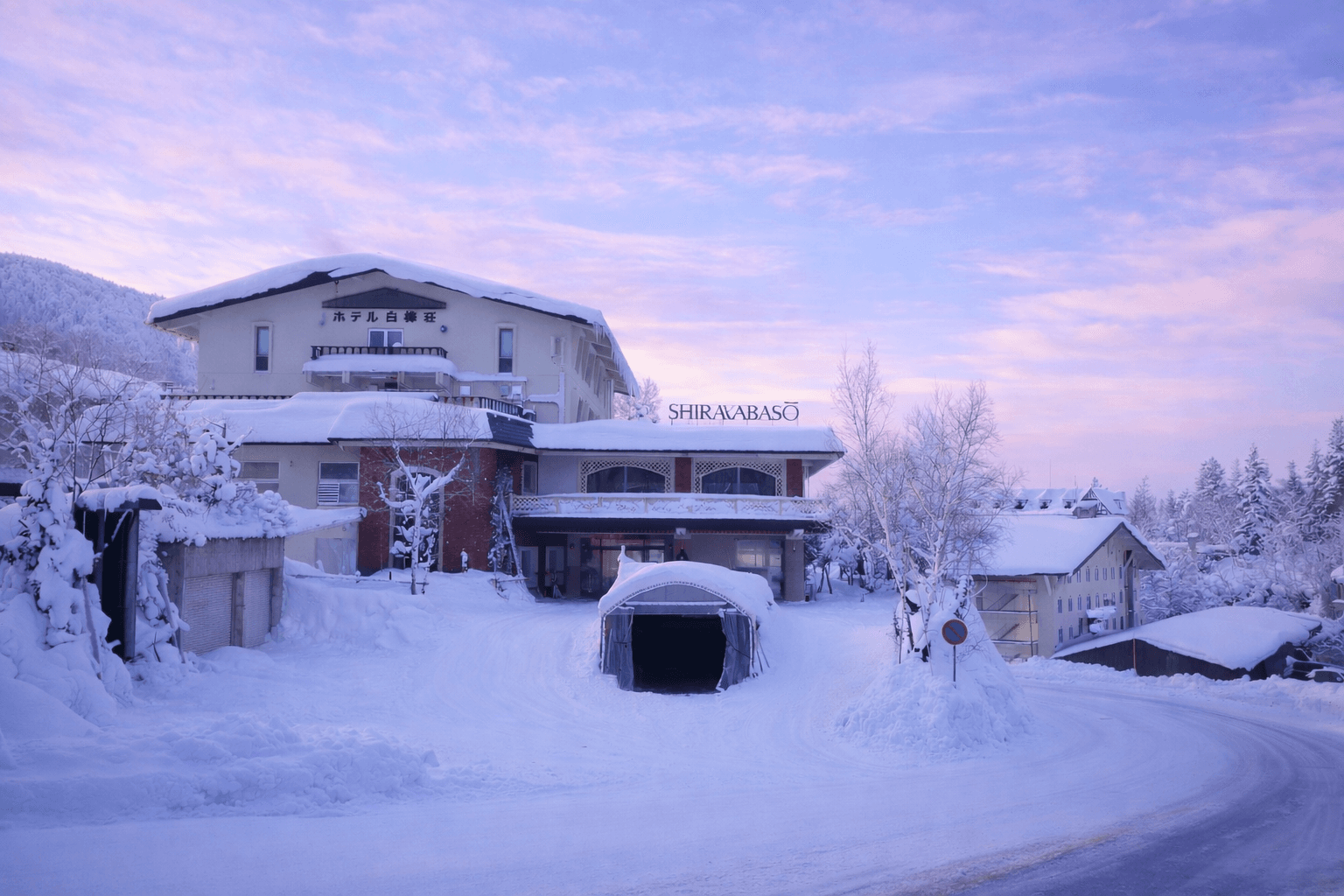
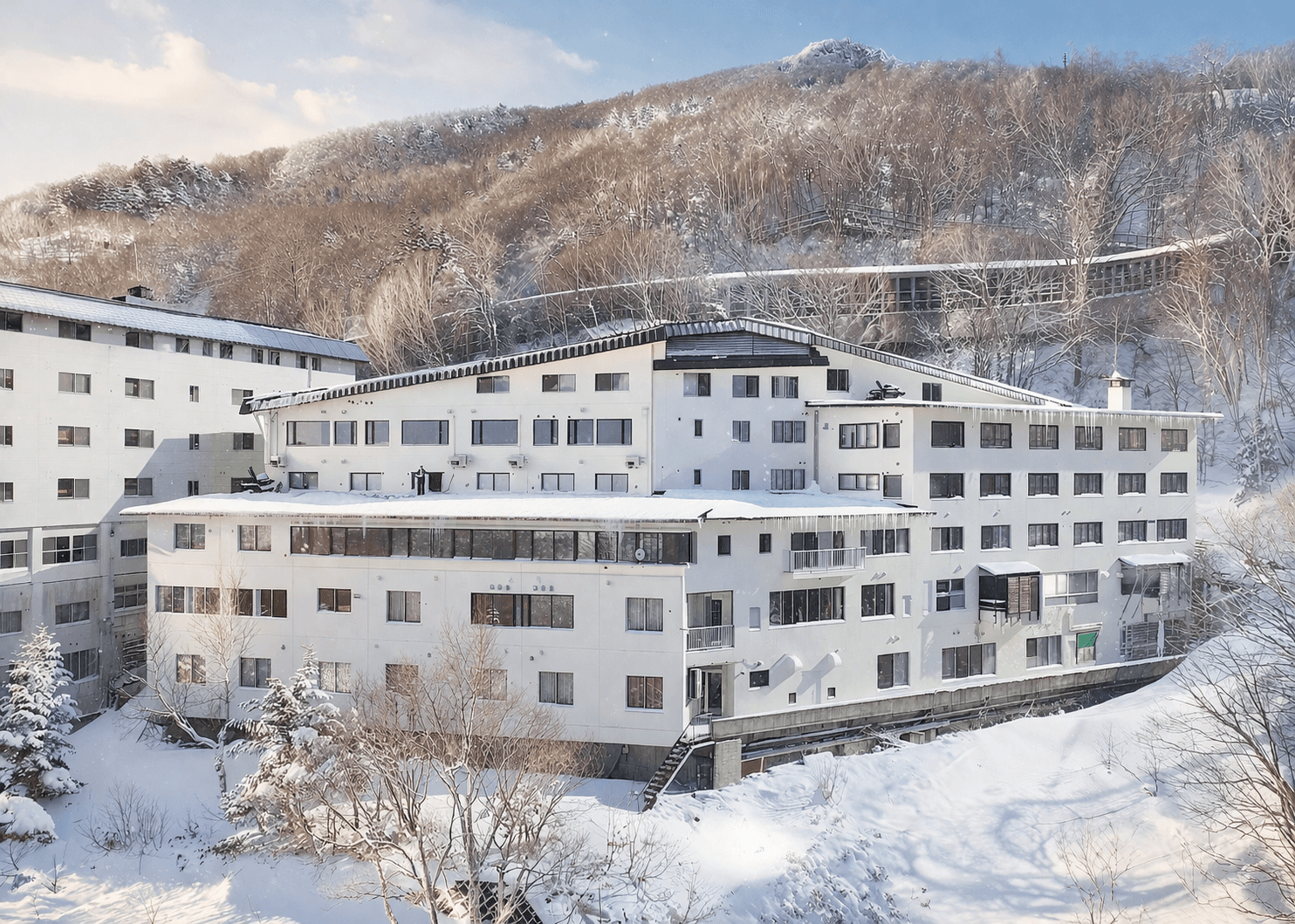
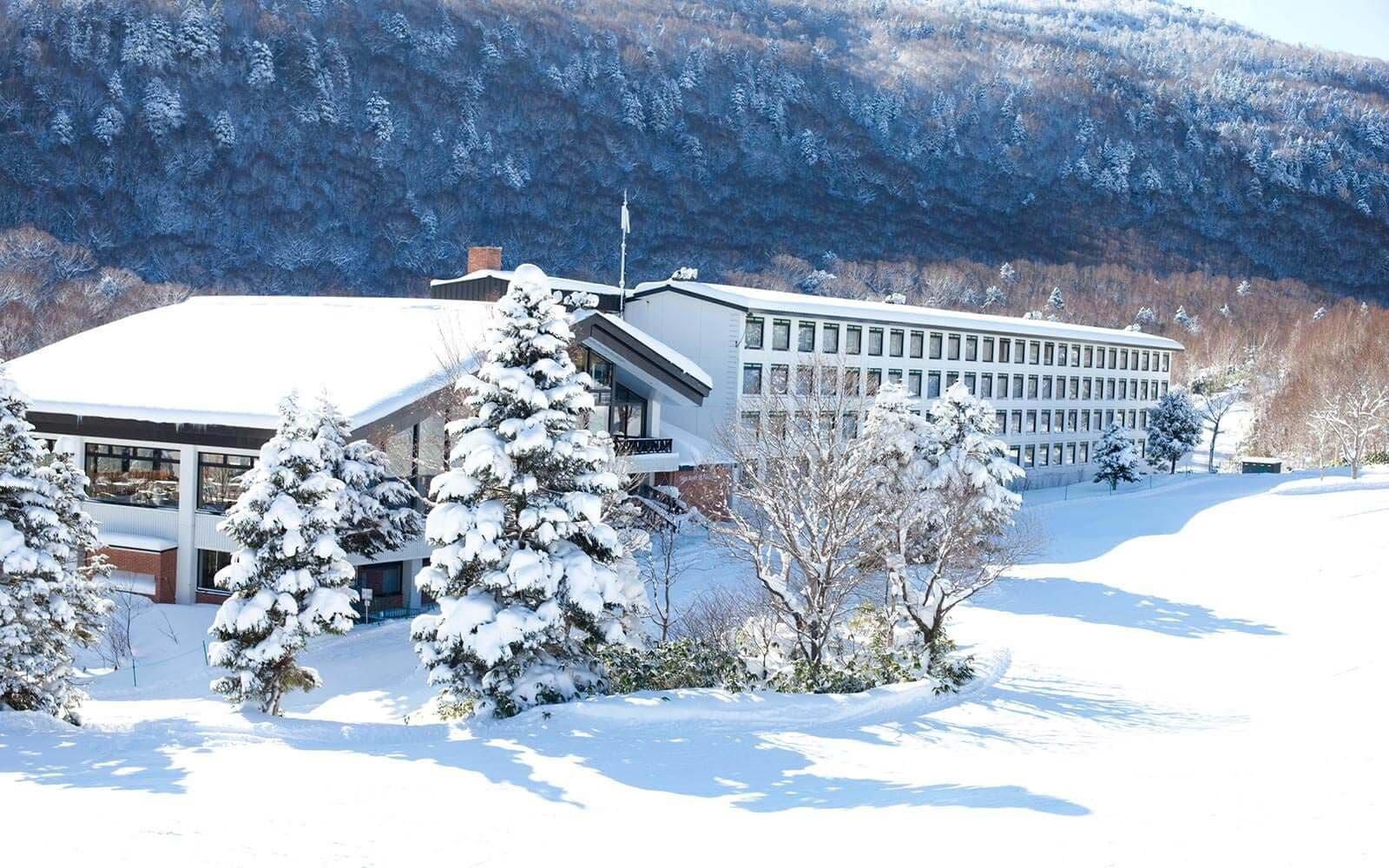
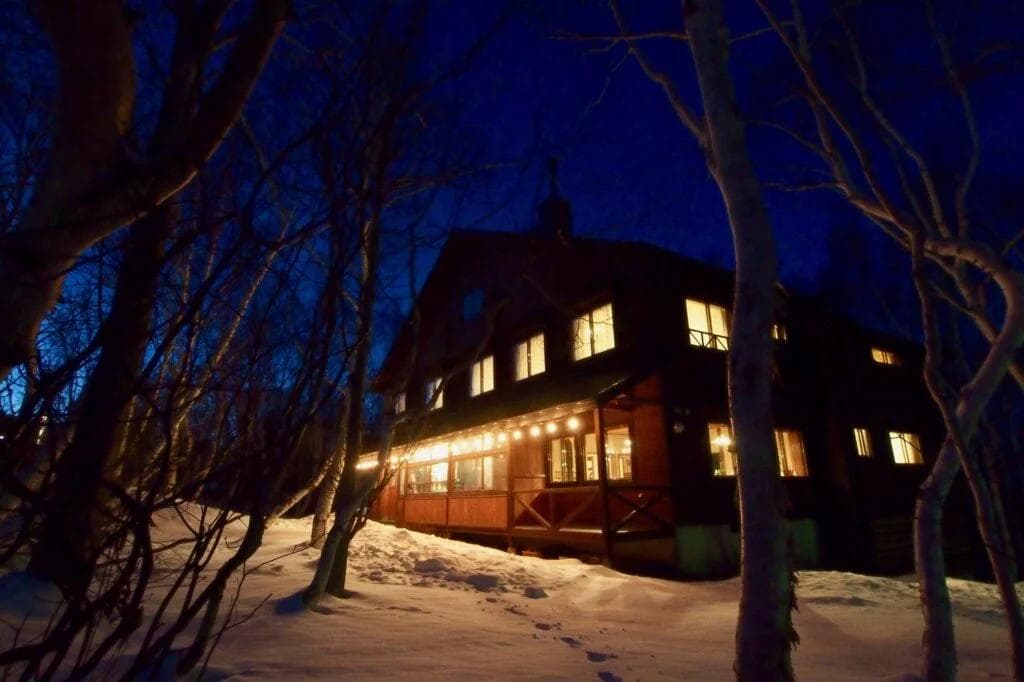
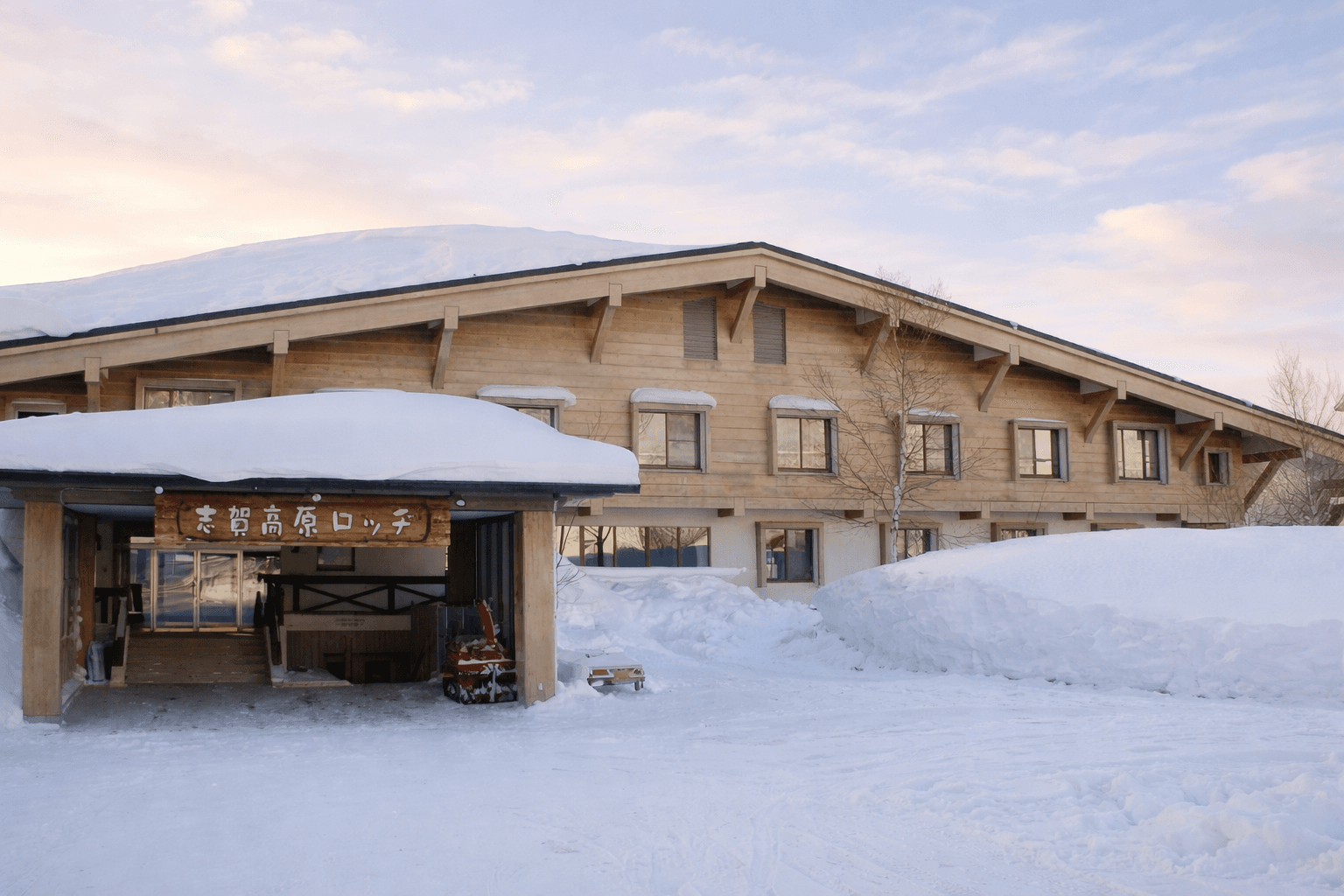
Shiga Kogen Lodge
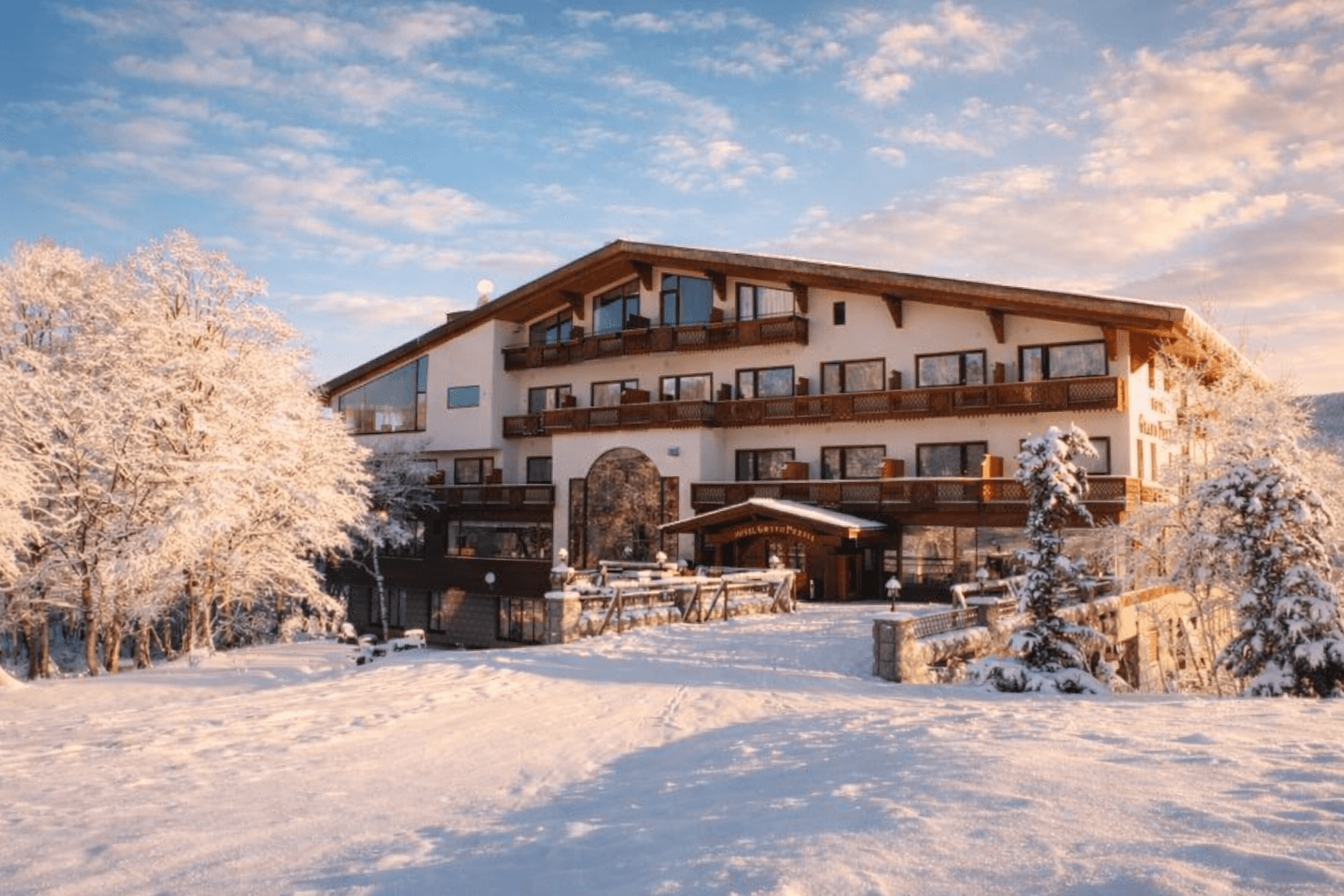
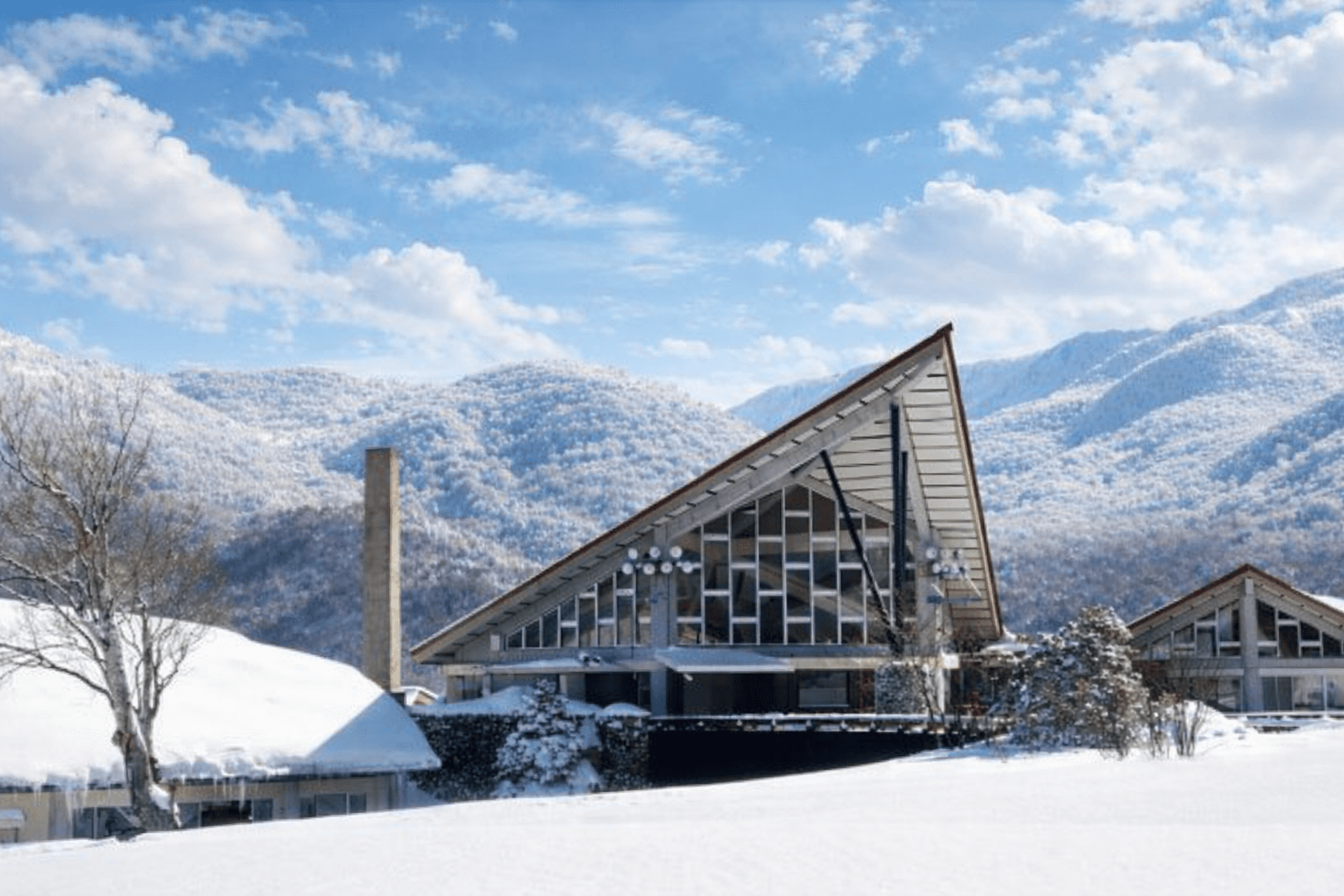
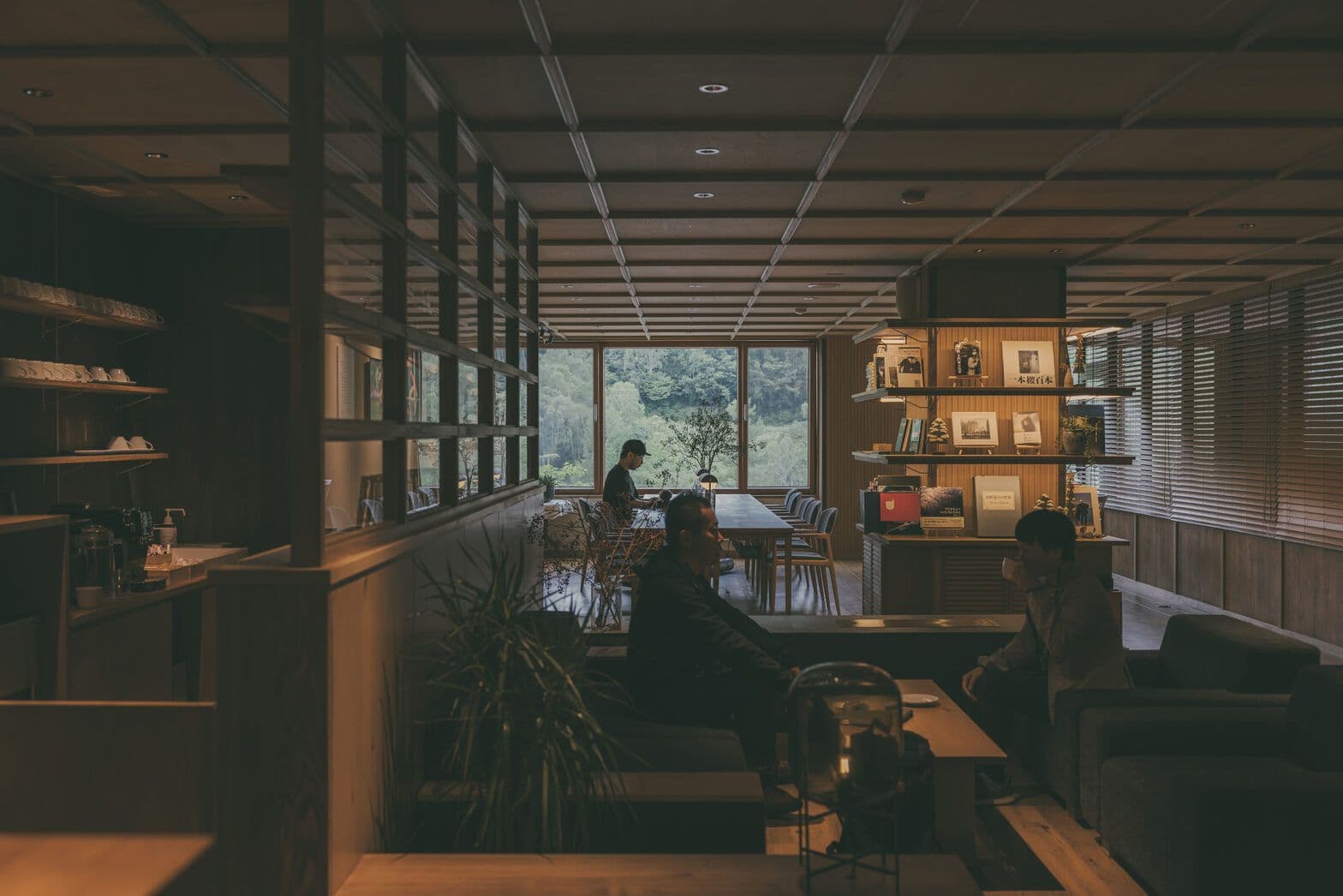
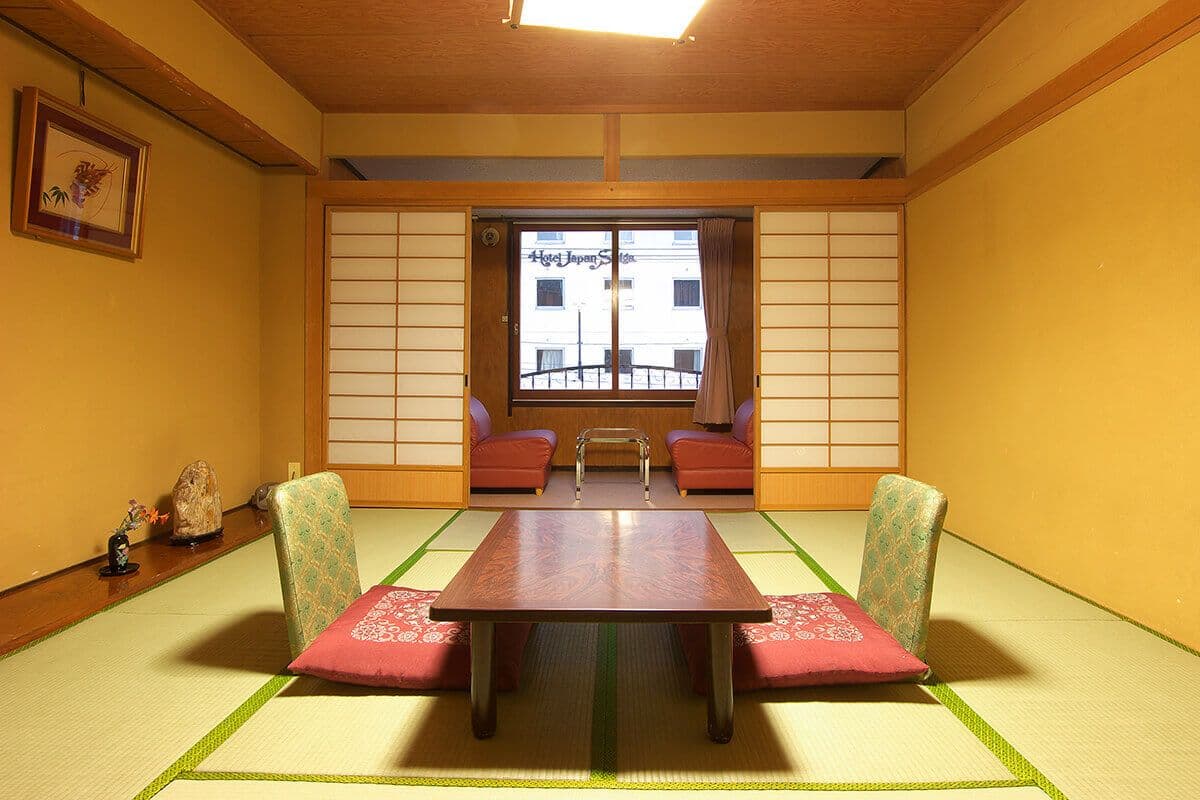
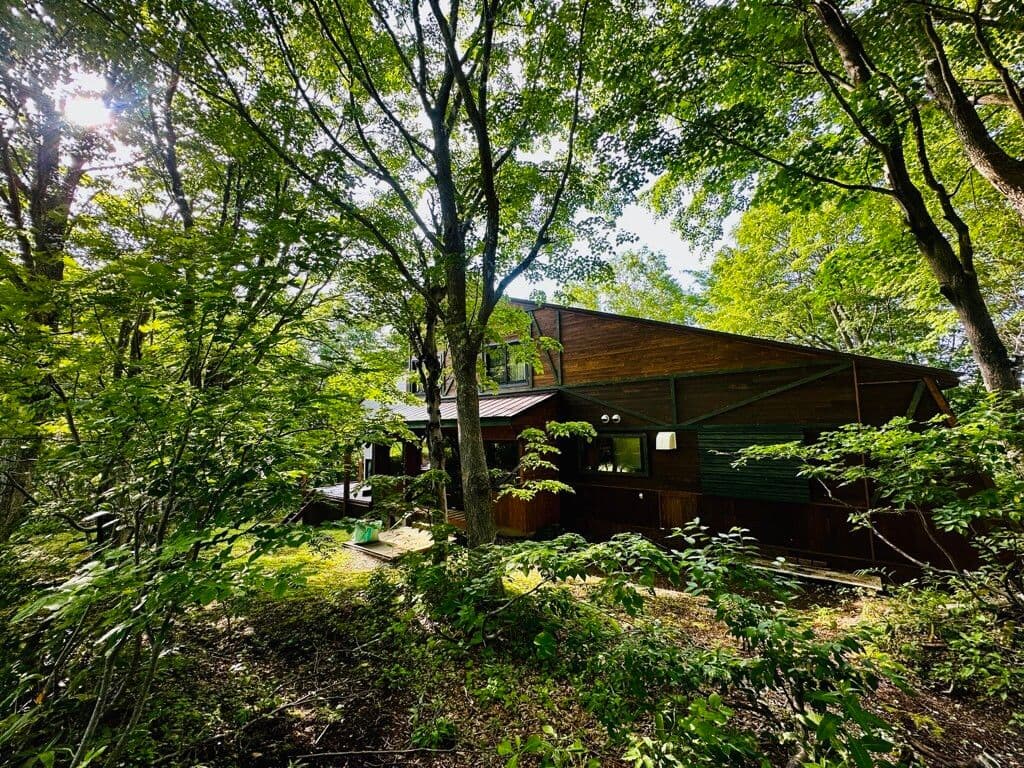
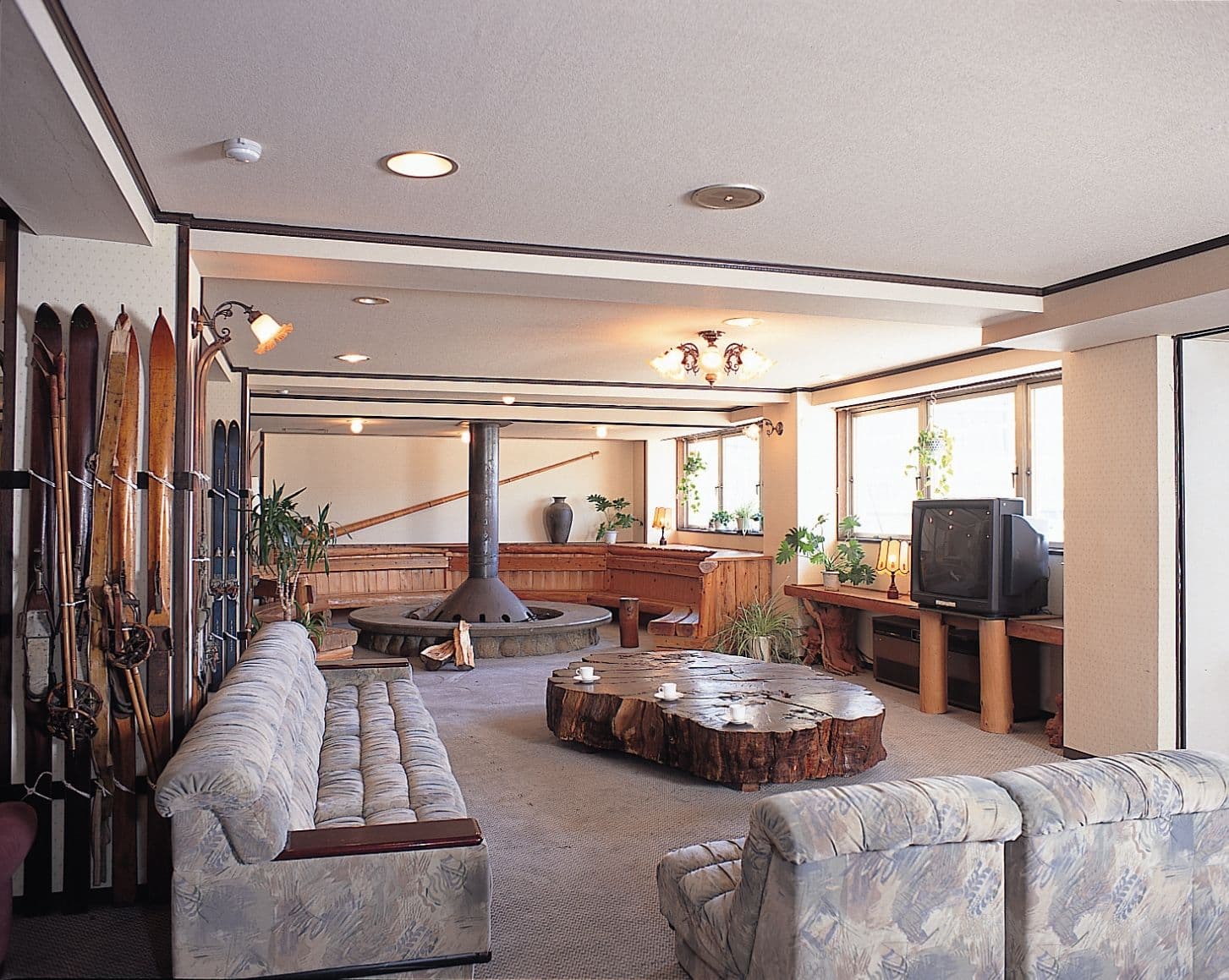
A warm, character-filled lodge with standout hospitality, a proper mountain feel, and strong value for Shiga, best for couples, families, or small groups who care more about atmosphere than polished luxury.
$$$

View rates

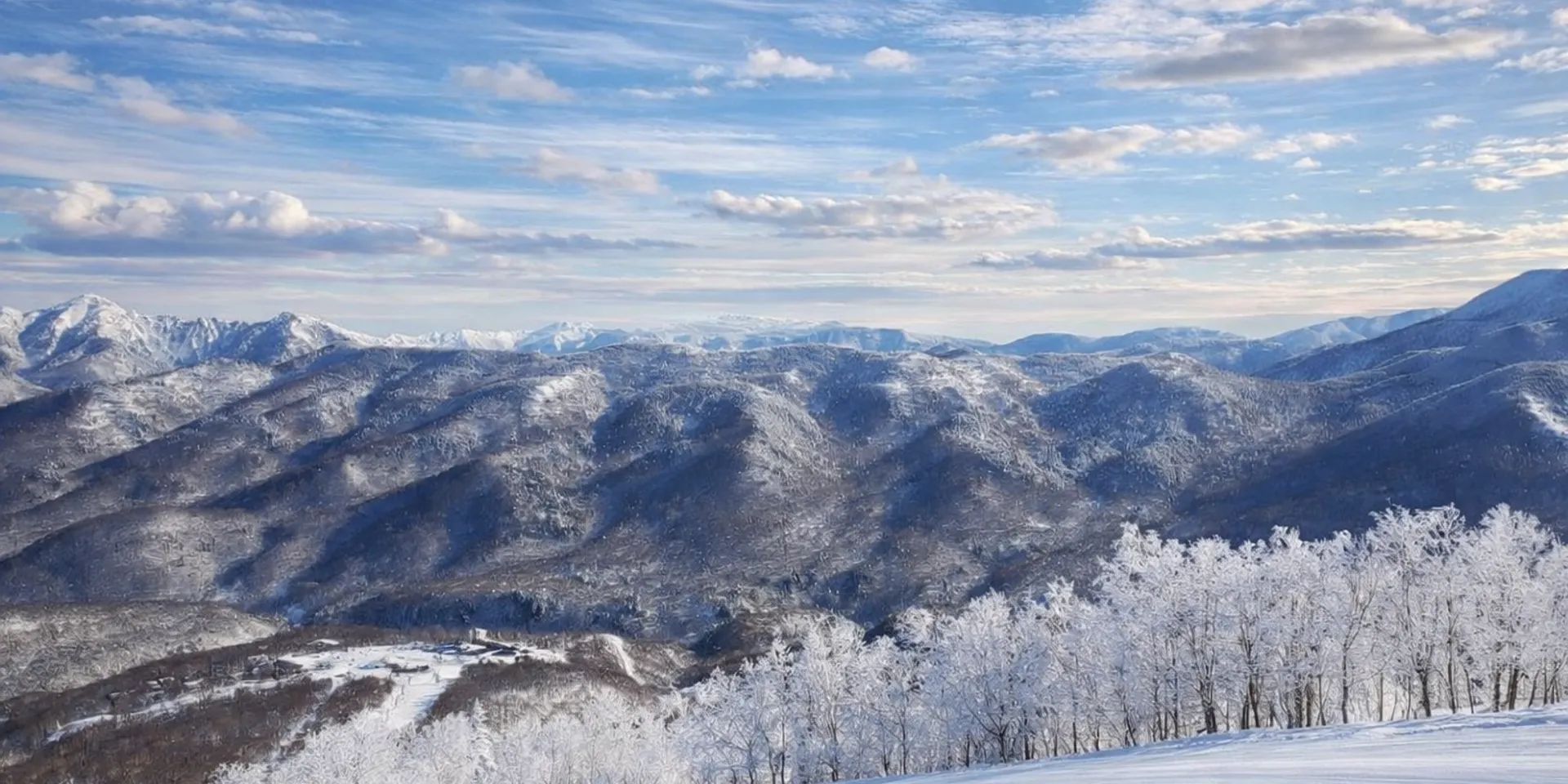
Shiga Kogen is not a one-village ski trip. It is a huge, connected mountain made up of multiple base areas, each with its own feel, lift access, and rhythm.
You will not struggle to find a place to stay here. The real challenge is choosing the right base. Get that right and your trip feels smooth, spacious, and easy to navigate. Get it wrong and you will spend too much time traversing, waiting on buses, or doing long end-of-day missions just to get home.
In Shiga Kogen, where you stay matters more than what you stay in.
Reservation for most hotels typically open around September to October. Places like Okushiga Hotel open up their bookings from Sept 1. Don't snooze on the higher rated hotels, Phenix Hotel for example, booked out most of January in a couple days after opening their bookings on July 1st.
Some hotels will do early-bird offers, but you'll likely need to contact the specific hotel for this.
Before you book, check the best snow months in Japan so your dates and your room line up.
Shiga stretches across a long ridgeline, and while the map looks chaotic at first, it breaks down into the zones that matter.
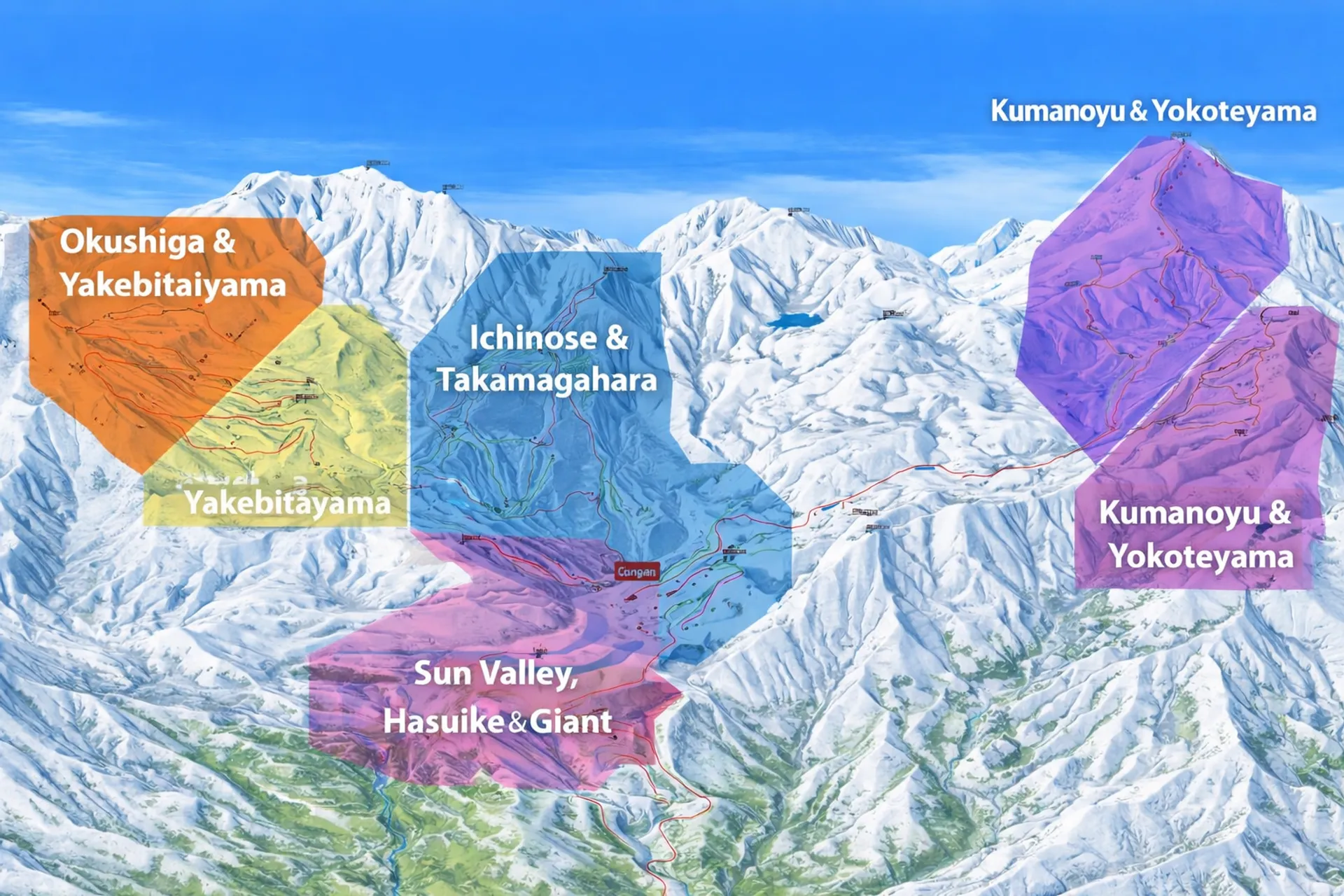
At one end you have Okushiga and Yakebitaiyama, a quieter, more premium-feeling side of the mountain. In the middle sits Ichinose and Takamagahara, the most central and practical base for moving around. Lower down are Sun Valley, Hasuike and Giant, where you will find more value-driven and old-school stays. Then on the far side, higher up, Kumanoyu and Yokoteyama feel more rugged, more exposed, and a little removed from the main flow.
Once you understand those four pockets, the whole resort starts to make sense.
If you want one answer that works for almost everyone, this is it.
Ichinose sits right in the middle of the resort, which makes it the easiest place to base yourself if you plan to explore. You can head out in either direction without committing to long traverses or bus rides, and that flexibility adds up over a full week.
It also has the most balanced feel in Shiga. There is enough going on to keep things interesting after skiing, without pretending to be a full-blown village. Restaurants are easy to access, logistics are straightforward, and it works well if your group is not all skiing the same pace.
For first-time Shiga trips, mixed ability groups, or anyone who just wants a smooth, low-friction week, Ichinose is the smart play.
This page contains affiliate links, if you book through them, we may earn a small commission at no extra cost to you.
If your ideal ski day is wake up, click in, and go, Yakebi delivers.
This is where some of the cleanest ski-in ski-out setups live, backed by one of the strongest lift networks in the resort. Mornings are simple, resets are easy, and you spend less time thinking about logistics.
It is especially good for families, or anyone who values efficiency over wandering. The terrain is broad, the lifts are reliable, and everything feels designed to keep you moving.
The trade-off is character. This is not the part of Shiga you stay in for charm or atmosphere. It is functional, comfortable, and built around skiing first.
This page contains affiliate links, if you book through them, we may earn a small commission at no extra cost to you.
Okushiga is where Shiga slows down.
Sitting out on the edge of the resort, it has a calmer, more relaxed feel than the central zones. Accommodation here tends to lean more premium, with larger rooms, better dining, and a quieter overall vibe.
This is where you stay if you want space, both on and off the mountain. It suits couples, smaller groups, and anyone who prefers a more polished experience without crowds.
The flip side is that you are committing to this end of the resort. You can still move across the mountain, but it takes more intent. For some people that is a downside. For others, it is exactly why they choose it.
This page contains affiliate links, if you book through them, we may earn a small commission at no extra cost to you.
Lower down the mountain is where Shiga shows its more old-school side.
This is where you will find better value, more traditional ski hotels, and a setup that leans into the classic rhythm of a Japan ski trip. Big meals, onsen soaks, early nights, and repeat.
It is not as polished, and it is not as central, but it works well if you are prioritising cost or travelling with a larger group. You get more space for your money and a more local feel, just with a bit less convenience when moving across the resort.
If you are happy trading a little location for better value, this part of Shiga makes a lot of sense.
This page contains affiliate links, if you book through them, we may earn a small commission at no extra cost to you.
Out on the far side of the resort, things feel a bit different.
Kumanoyu and Yokoteyama sit higher, more exposed, and more removed from the main flow of Shiga. The vibe is quieter, a little rougher around the edges, and much more about the mountain than anything off it.
This is not the easiest base if you want to cover the whole resort, but it can be a great fit for return visitors or skiers who like the idea of staying somewhere that feels a bit more tucked away.
If you are chasing atmosphere over convenience, this is where you will find it.
This page contains affiliate links, if you book through them, we may earn a small commission at no extra cost to you.
One of the underrated perks of Shiga is how achievable ski-in ski-out is.
Across Yakebitaiyama and parts of the central zones, you can stay right on the snow without stepping into ultra-premium pricing. It is one of the easier resorts in Japan to set yourself up for simple, low-effort ski days.
Just keep in mind that ski-in ski-out here does not always mean luxury. Sometimes it is a polished hotel, sometimes it is a more practical lodge. Both can work well, as long as you know what you are booking.
This page contains affiliate links, if you book through them, we may earn a small commission at no extra cost to you.
If you strip it right back, the decision is simple.
Stay in Ichinose if you want balance and flexibility. Stay in Yakebitaiyama if you want ease and lift access. Stay in Okushiga if you want quiet and a more premium feel. Head lower if you want value, or further out if you want something a bit different.
Everything else comes second.
Get the base right, and Shiga Kogen opens up into one of the most varied and rewarding ski trips in Japan.
Still choosing a Nagano ski base?
Read the Hakuba Valley accommodation guide if you want a bigger valley with more restaurants and resort variety.
Read the Nozawa Onsen accommodation guide if you want a classic onsen village with a stronger traditional Japan feel.
Read the Madarao + Tangram accommodation guide if you want a quieter tree-skiing base with simpler lodging options.
Read the ski hotels guide if you want a clearer picture of resort hotels versus ryokan and pensions.