
Booking a Japan Ski Trip for Christmas & New Year
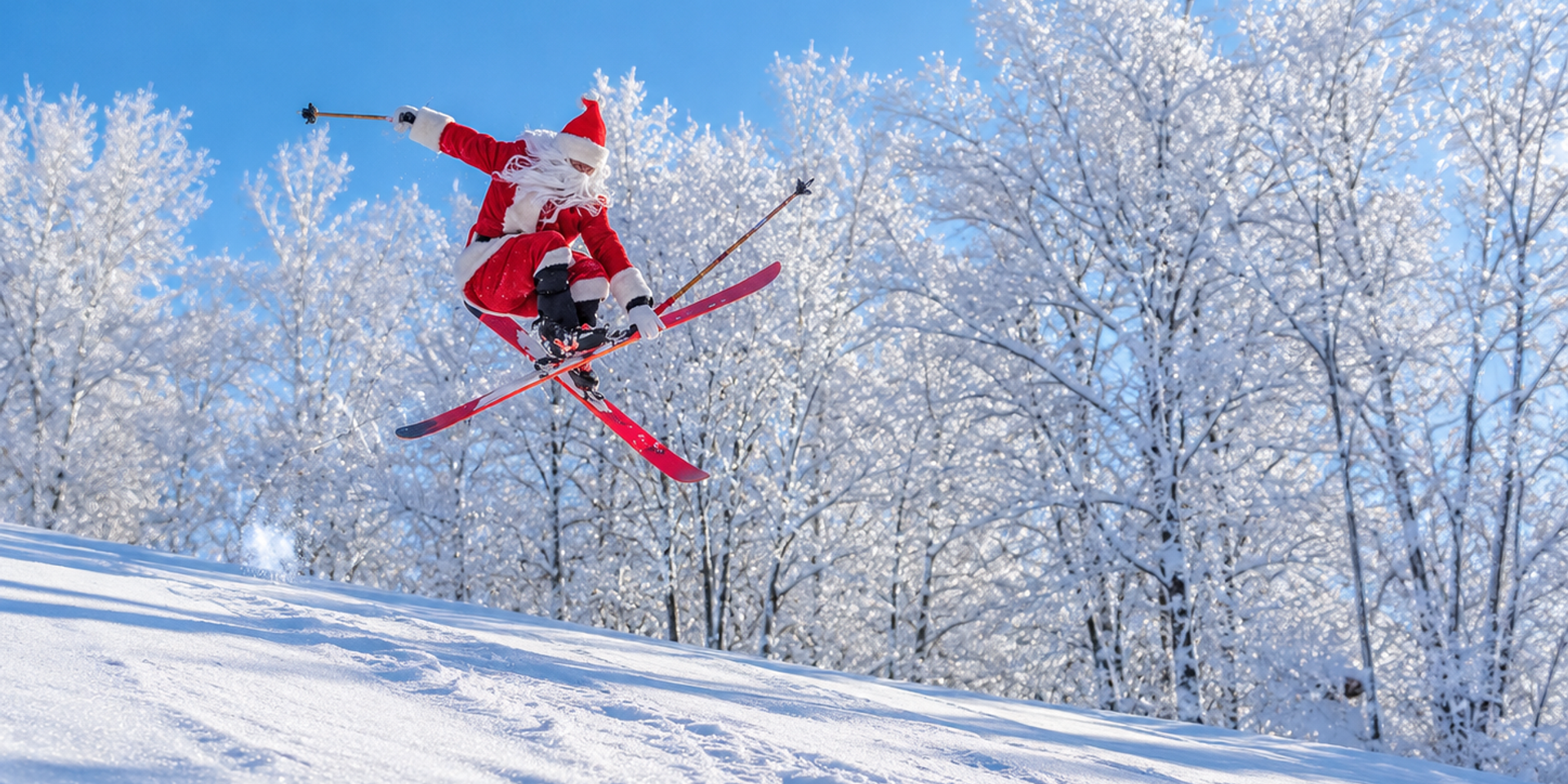
A white Christmas in Japan sounds simple. Book the flights, point the skis towards the mountains and wait for the snow gods to open the taps. Then you see the price of a Niseko apartment, the English lessons are full and the last airport bus has already left.
Christmas and New Year can be brilliant for families tied to school holidays. The villages feel festive and New Year's Eve on snow beats another night on the sofa. It is also peak-season planning in hard mode.
Is Christmas and New Year a good time to ski Japan?
Yes, with a few catches.
By late December, Japan's major resorts are normally operating. You can score proper powder in Hokkaido and at higher resorts on Honshu. However, Christmas is earlier than the January and February powder window. A slow start can mean fewer lifts, thin lower slopes and closed tree zones.
It is also one of the most expensive and heavily booked periods. If powder is the only goal, late January is a stronger bet. If Christmas is when you can travel, Japan still stacks up beautifully.
Will there be enough snow by Christmas?
Usually, at the right resort. Guaranteed, nowhere.
Hokkaido offers the strongest early-season odds. Niseko, Kiroro, Rusutsu, Furano and Tomamu are sensible Christmas targets. On Honshu, altitude helps. Shiga Kogen is one of the safer choices, while Hakuba, Nozawa Onsen and Myoko can shine once the December storms arrive.
The catch is terrain coverage. Main runs may be open while lower lifts, resort links, tree areas and sidecountry gates remain closed. By New Year, the odds improve, but choose a resort that still works with part of the mountain open.
Estimated cumulative fresh snowfall at major on-mountain ski areas; actual totals vary substantially by resort, elevation, measurement location, and season.
For more, see our guide to the best time to ski Japan.
Where should you ski?
For reliable snow and easy logistics, start with Niseko or Rusutsu. Niseko has the deepest choice of lessons, restaurants and accommodation. Rusutsu is more contained and family-friendly.
Tomamu puts lessons and indoor activities inside one polished resort bubble. Furano adds a proper town and cold snow, although accommodation is split between the ski base and centre.
On Honshu, Shiga Kogen is the snow hedge. Its altitude and huge lift network help when early coverage is patchy. Hakuba delivers terrain, nightlife and dining, but conditions vary across the valley. Nozawa Onsen wins for village atmosphere, provided the snow cooperates lower down.
Price reality: prepare for sticker shock
Japan can still be excellent value for a ski holiday. Christmas and New Year at the headline resorts is where that reputation goes for a little lie-down.
Niseko is the main shock. Apartments, chalets, lessons, transfers and popular restaurants operate at international resort prices. The friendly exchange rate will not come charging over the hill to save you.
Hakuba has a wider price range, but rooms around Happo, Wadano and Echoland climb sharply. Cheaper accommodation may leave you relying on busy shuttles or taxis, so check the location.
Rusutsu and Tomamu can produce an alarming first quote because beds are concentrated in large hotels. Check what is included. Meals, transfers or activities can make the total less wild. Nozawa Onsen feels more traditional, but limited family rooms create their own Christmas premium.
Save by choosing one base, staying outside the famous village centres or shifting flights away from the busiest dates. This is not the week for a last-minute bargain.
What to book first, and when
Lift passes can wait. A family apartment, four English lesson places and the airport bus meeting your flight cannot.
- Flights and accommodation: Start nine to twelve months ahead. Many Niseko properties release the following winter around April, while other hotels open later.
- English lessons and childcare: Bookings often open between July and November. An empty calendar may mean sales have not started, rather than everything being sold.
- Airport and resort transfers: Book when winter timetables appear. Check the final departure before paying for anything non-refundable.
- Christmas and New Year meals: Popular restaurants and hotel dinners can fill months ahead, particularly for large groups.
- Rentals and guiding: Standard equipment is easier to find than instructors, but early booking secures sizes, premium gear and convenient pickup.
- Lift passes: Buy later, once operating dates and online offers are published.
Our English ski lessons guide covers booking windows and schools at the major resorts.
Christmas and Japanese New Year are different
Christmas Day is not a public holiday in Japan. Lifts run and resorts generally treat it as a normal day with added fairy lights, Santa visits and hotel buffets. If a traditional lunch matters, book it. Roast turkey will not appear because you wore a festive jumper.
New Year is the serious holiday. From roughly December 29 to January 3, transport demand jumps and smaller businesses may close or reduce hours. Major resorts keep operating, but restaurants, shops and services can change their schedules.
Place major Tokyo, Kyoto or Osaka sightseeing outside this period. Ski resorts can be simpler because the mountain and large hotels are geared towards holiday guests.
Getting to the resort during peak week
Do not land late in Tokyo or New Chitose and assume you will solve the mountain transfer after collecting your bags. Final buses can leave surprisingly early, and peak services sell out.
Reserve shuttles and long-distance rail seats when booking opens. Many train reservations become available one month ahead, although some services open earlier. Certain Shinkansen also switch to reserved seating during holiday periods.
Leave breathing room between connections. Hauling ski bags through a packed station while the children slowly mutiny is not the festive opening anyone ordered. For awkward arrivals, stay near the airport and travel fresh the next morning.
Luggage forwarding helps enormously, but allow a holiday buffer. Your skis do not teleport, no matter how beautifully organised the delivery counter looks.
Lessons, childcare and Christmas dinner
For families, these bookings can decide whether the week feels easy or exhausting.
Check the lesson meeting point against your accommodation. Hakuba and Niseko cover multiple bases, and a cheap lesson loses its shine when it requires two buses before breakfast. Confirm ages, levels, language and lunch supervision.
Childcare places are limited and some centres do not cover lunch. Secure the important dinners, then keep a few easy nights for ramen, convenience-store raids or the hotel restaurant.
What Christmas and New Year feel like
Christmas is cheerful rather than traditional. Larger resorts may run Santa laps, kids' activities, special dinners or fireworks. New Year's Eve is the bigger experience, with torchlight skiing, countdowns and fireworks held at some resorts.
Away from the slopes, look for toshikoshi soba on New Year's Eve, temple bells around midnight and hatsumode, the first shrine visit of the year. Programs change every season, so confirm the calendar before building plans around an event.
How to make the week easier
Choose one resort and stay put. Changing accommodation during the New Year rush adds cost, luggage and another booked-out transfer. A hotel with breakfast, half-board or a kitchenette also helps when restaurants are full.
If possible, leave one buffer night between the mountain and your flight. The snow is why you came, but it can also close roads, delay trains and tangle airports.
Final verdict
A Christmas ski trip to Japan can deliver powder, festive villages and a New Year that feels completely different from home.
It also brings peak prices and little room for a casual booking strategy. Choose a snow-reliable resort, prepare for the sticker shock and secure accommodation, lessons, childcare and transfers first. Once those pieces are sorted, all that remains is hoping the snow gods deliver your Christmas present overnight.