

Japan Ski Trip From Australia
Flights, Costs and Best Time to Go
A Japan ski trip from Australia sounds simple: fly north, find snow, eat ramen.
The first important decision is whether you want to ski Hokkaido or Honshu.
That choice determines the airport you need, the flights worth comparing and whether the seasonal Sydney to Sapporo service is genuinely useful or simply an expensive detour.
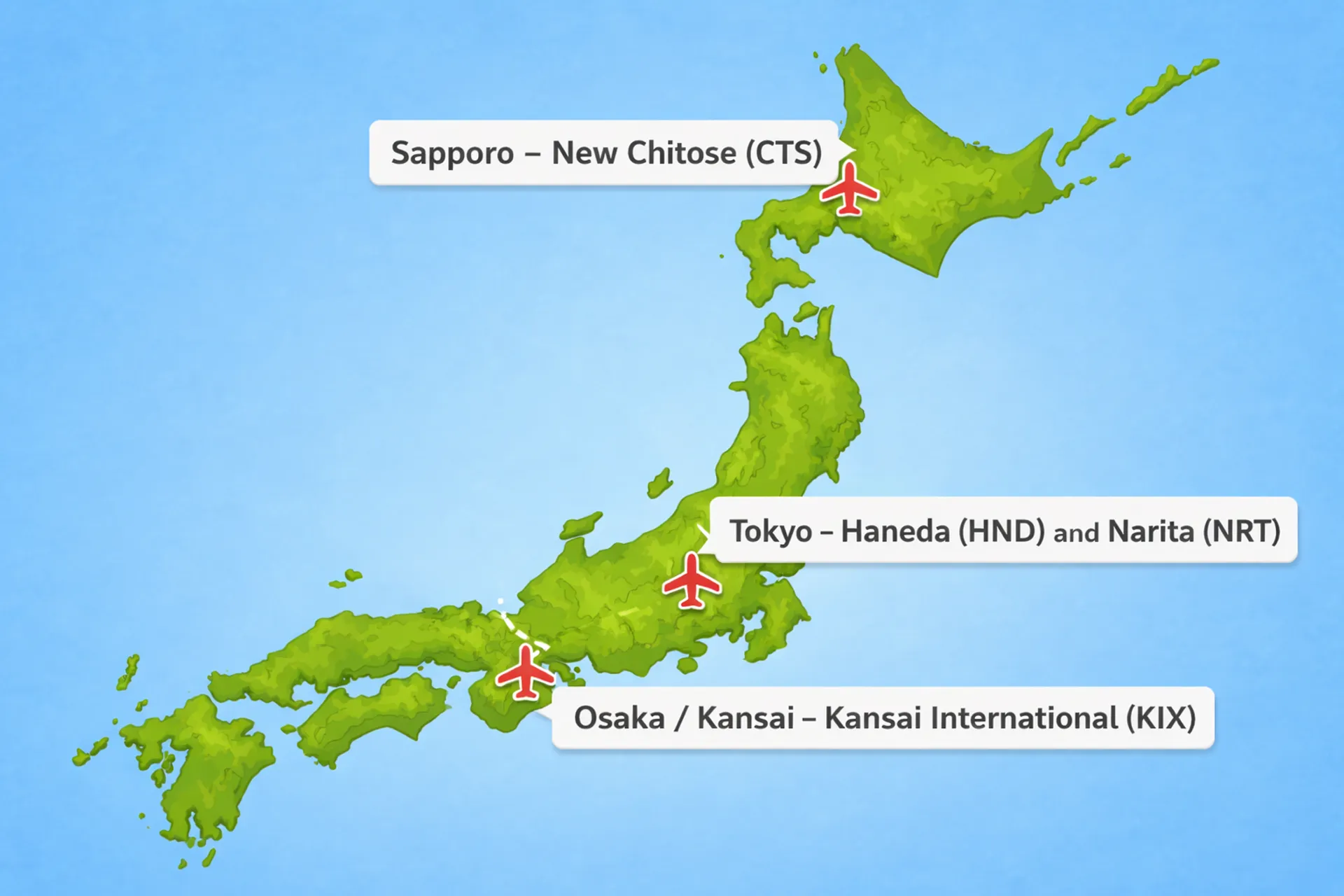
If you are heading to Hakuba, Nozawa Onsen, Myoko Kogen, Shiga Kogen or Yuzawa, fly to Tokyo.
If you want Niseko, Rusutsu, Kiroro, Furano or Tomamu, you need to reach Hokkaido.
For a Hokkaido trip, Australians can fly directly from Sydney to Sapporo, position through Sydney from another Australian city, or find a cheaper international fare to Tokyo or Osaka and add a domestic flight.
This guide covers the how. If you are still wondering why so many Australians are swapping the local slopes for Japan, see how the costs compare and what makes Japan’s snow so ridiculously good. If you have not picked a resort yet, the Japan Ski Resort Finder can narrow the field by ability, budget and travel style.
Direct to Hokkaido
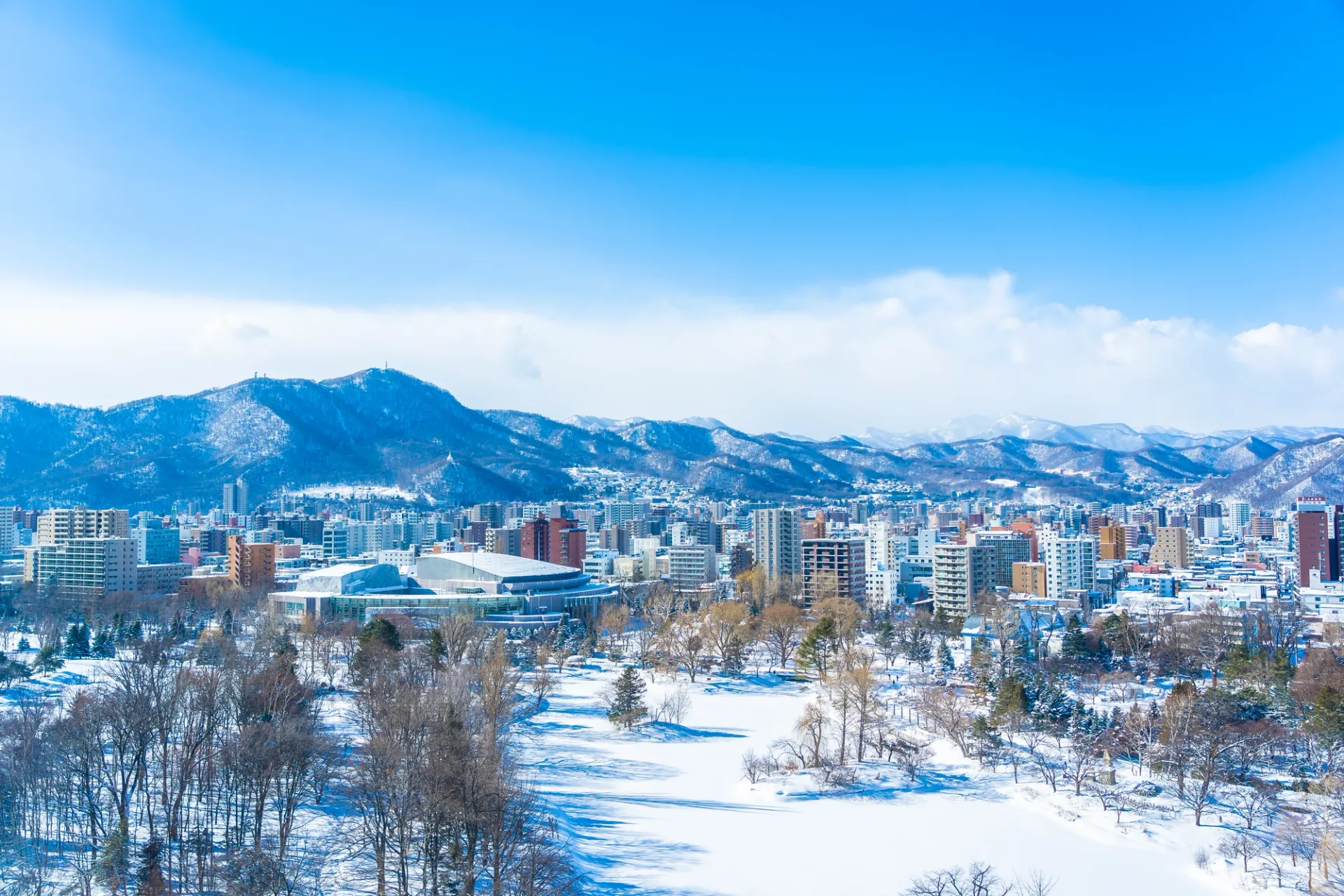
For the 2026/27 season, Qantas is flying non-stop between Sydney and Sapporo New Chitose. It is the only non-stop route between Australia and Hokkaido. The published schedule runs from 7 December 2026 to 31 March 2027. Qantas plans three services per week at the start of December, up to five per week from mid-December through January, four per week in February and three per week during March. The schedule remains subject to change.
For a Hokkaido-only holiday, it is comfortably the cleanest route. The catch is the...
Costs
Qantas launched the expanded 2026/27 schedule with return economy fares from ~$1,500. That is the semi-attractive headline, but it is not representative of ski-season dates.
When checked in August 2026 (albeit late to book flights), the Qantas fare page showed:
- ~A$3,500 return in January.
- ~A$2,400 return for most of February.
Prices only really start dropping at the end of Feb into March, eg. ~A$1,820 return for 24th of Feb - to 3rd March.
Those prices will move, but the pattern is useful. January is punishing! Cheaper flights in January disappear before you get the chance to enter qantas.com in the search bar. If you're making use of the school holiday, family return fares will set you back ~$12,000+. We love Japow, but don't want to sell a kidney for seat 34F while a toddler kicks you in the back all the way across the Pacific.
Tokyo
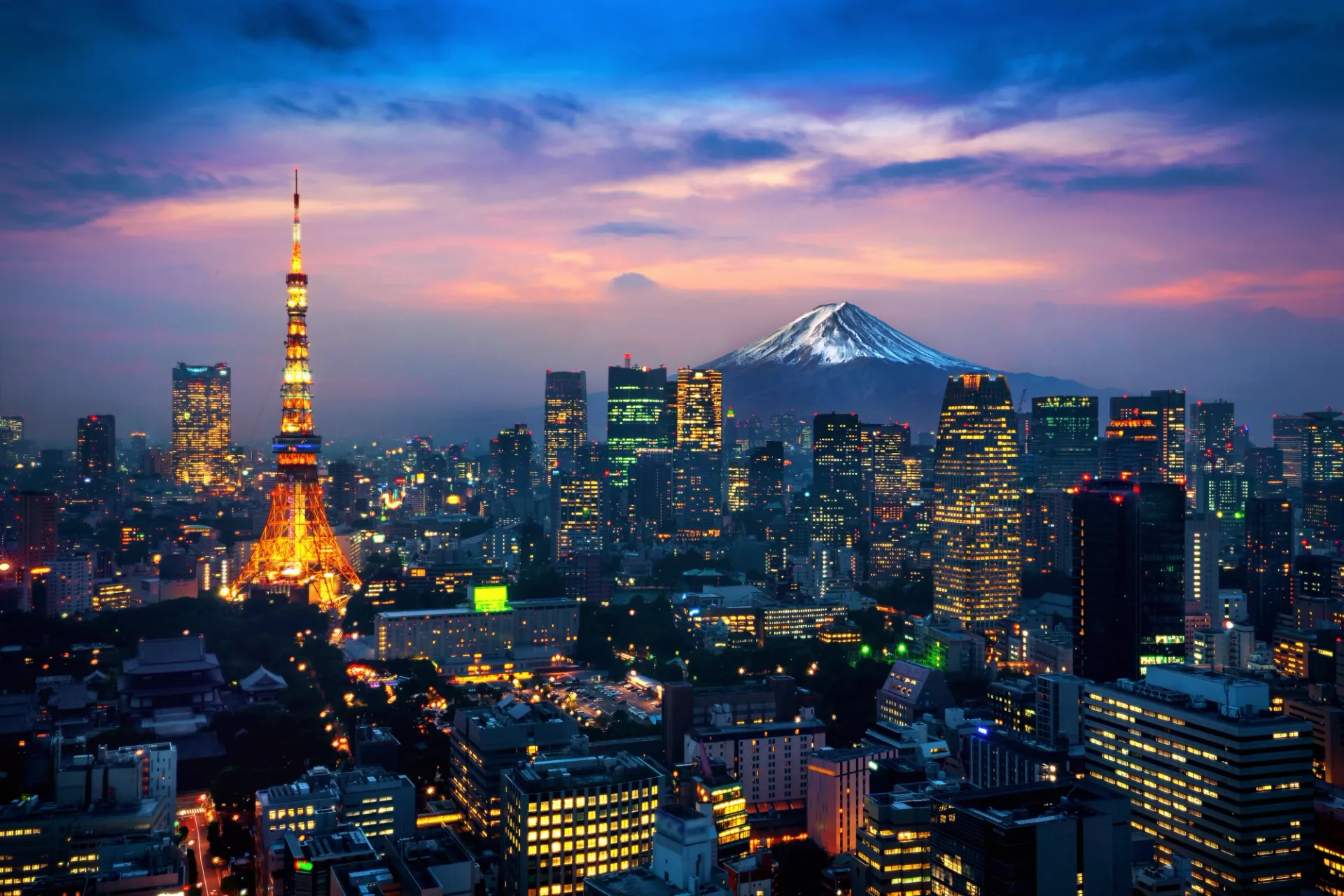
Tokyo gives Australians the widest choice of airlines and fares. It also has frequent domestic flights to New Chitose, making it the most flexible connection point for Hokkaido.
Haneda is closer to central Tokyo and has a huge domestic network. If your international and domestic flights both use Haneda, the route is clean.
Narita has low-cost flights to New Chitose and can be excellent when both sectors use the same airport. The trap is arriving at Narita and departing from Haneda. With immigration, ski bags and the cross-city transfer, make that an overnight stop.
For separate tickets from the same airport, allow at least four to five hours. A through-ticket is safer because the airline protects the connection if your first flight is delayed.
Honshu ski resort on arrival day?
Sometimes. Direct flight patterns from Australia look roughly like this:
| City | Typical Tokyo flight |
|---|---|
| Sydney | Around 10 hours, with daytime and overnight options. |
| Melbourne | Around 10 hours, usually arriving late afternoon or evening. |
| Brisbane | Around 9 hours, usually arriving late afternoon or evening. |
| Perth | Around 10 hours, with an overnight direct service. |
| Adelaide | No direct flight. The quickest connections take around 13 hours or more. |
A daytime flight can get you to a resort that night, but it will be a long day. Think 5am start, Tokyo around 5 or 6pm, Nagano after 9pm and Hakuba around 10:30 or 11pm.
Haneda is better for a tight transfer. Narita generally adds another hour.
As a rough rule, landing before 1pm is easy. Between 1pm and 3pm is workable. After 3pm, check every connection. After 5pm, stay in Tokyo unless a late resort transfer is already confirmed.
Late seasonal shuttles can reach Hakuba, Nozawa Onsen and other Nagano resorts after an evening flight, but some do not arrive until after midnight. Rental shops will probably be closed, so gear fitting waits until morning.
Echigo-Yuzawa is the exception. It is only 70 to 90 minutes from Tokyo Station by shinkansen, making it the easiest ski region to reach after a late-afternoon arrival.
Fly overnight
Perth & Sydney, looking at you.
Sydney has the best direct overnight options, while Perth also has an overnight Tokyo service. Melbourne, Brisbane and Adelaide travellers may need to connect.
An early arrival gives you time to reach the resort during the afternoon, collect rental gear, organise lift passes and be ready for first lifts the next morning.
Jet lag is minor. Japan is only one or two hours different from most of Australia during ski season. The long journey is the problem, not the time zone.
Osaka
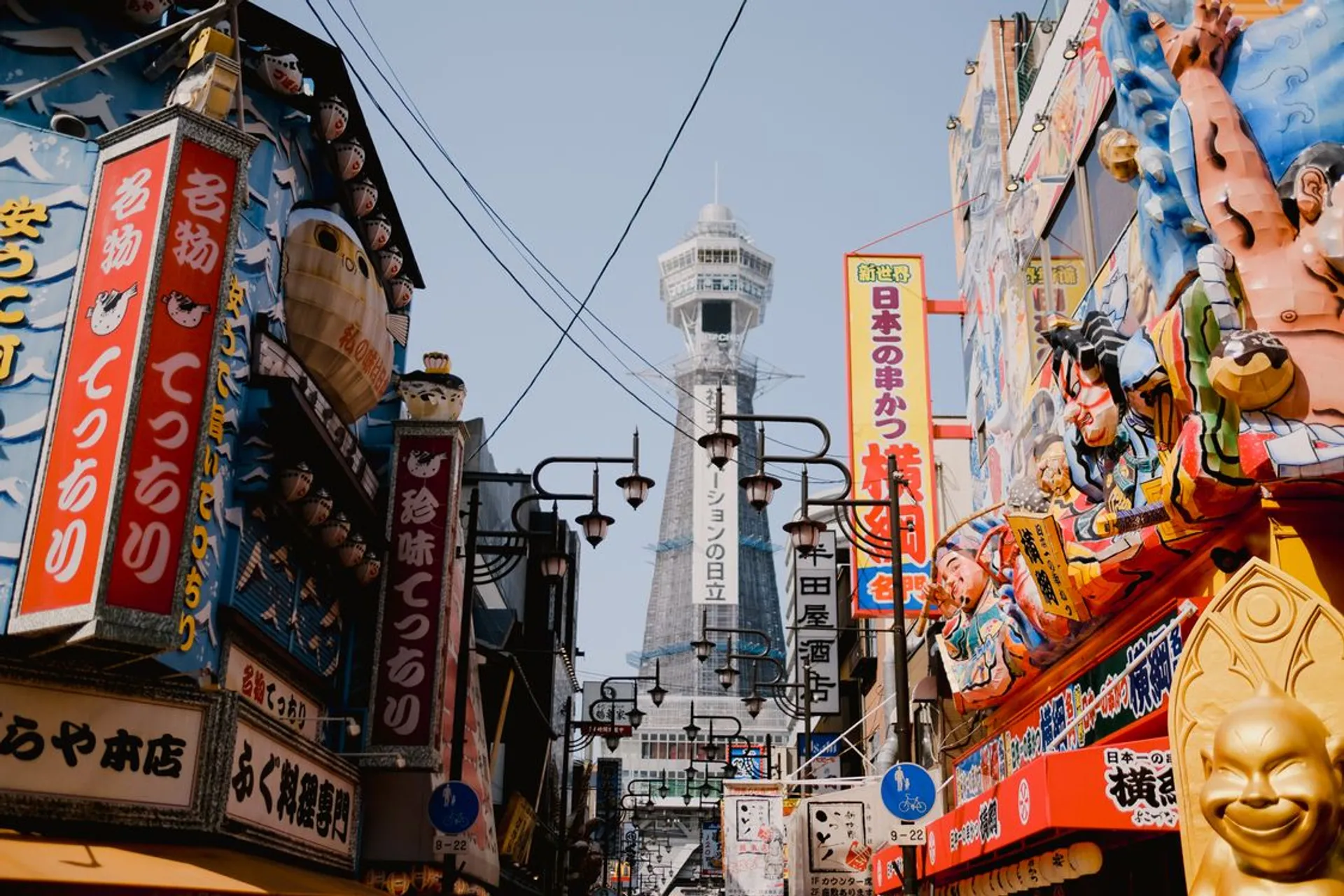
Osaka is worth pricing when Sydney, Tokyo or Sapporo fares are getting ridiculous. Especially interesting if you're just heading up to Hokkaido or bolting Osaka or Kyoto to the holiday. Australians can find competitive fares into Kansai International Airport, and domestic flights connect Kansai with New Chitose.
We tested this route with the kids and it was suspiciously painless. We landed in Osaka in the afternoon, watched robots zoom dinner over to us at Olive Hill, then enjoyed an awesome breakfast buffet at The Brasserie the next morning. After that, it was an easy Peach flight to Hokkaido with no mad airport dash. By 3pm, lessons were organised, lift passes collected, rental gear fitted and cold beer in hand while watching snow fall in the hotel room. Japow mode activated.
For a family of 4: comparing to Sydney - Sapporo, a Jetstar flight (with luggage) + a Peach domestic flight in Japan (with luggage) comes out ~$3000+ cheaper.
However, KIX it's not a smart gateway for Hakuba, Nozawa Onsen, Myoko or Yuzawa, Tokyo is much more convenient for those resorts.
When should Australians go?
Snowfall by month in Japan
Estimated cumulative fresh snowfall at major on-mountain ski areas; actual totals vary substantially by resort, elevation, measurement location, and season.
Christmas and January school holidays are the easiest dates for families and the hardest dates for bank accounts. Flights, family rooms, English lessons and transfers are all under pressure.
Christmas also carries more snow risk. Hokkaido and higher Honshu resorts are safer choices, but an advertised opening date does not mean every lift, return trail or tree zone will be operating. Full detail read at Christmas & New Year ski trip in Japan.
Late January is the better family compromise. The snowpack is more established, New Year has passed and some Australian families are beginning to return home.
Flexible adults should look closely at February. The snow is normally deep, Australian school-holiday demand has eased and fares often improve later in the month. Check Lunar New Year dates before booking because they can create another surge in demand.
Early March can deliver much better value. Expect warmer conditions at lower resorts, but Hokkaido and high areas such as Shiga Kogen can still offer excellent skiing.
Our month-by-month Japan ski guide covers the trade-offs in more detail.
Ski bags change the fare
Compare the complete journey, not just the headline airfare.
Add checked luggage, oversized ski-bag fees, seat selection, domestic flights and any airport hotel. Low-cost carriers can still win, but baggage fees on several separate flights add up quickly.
A through-ticket to New Chitose is normally safer for families. With separate tickets, the second airline may treat you as a no-show if the international flight arrives late.
Luggage forwarding is useful if you are stopping in Tokyo or Osaka. Ski bags can be sent to many resort hotels, but delivery is not instant. Keep your boots and one set of ski clothing with you.
Our Japan ski luggage-forwarding guide explains the process.
What should you budget?
A budget-conscious adult can build a seven to ten-night trip for around A$3,000 to A$4,500. A comfortable midrange trip is more likely to cost A$4,500 to A$7,000 per person.
A family of four travelling during January can easily spend A$15,000 to A$30,000 once flights, accommodation, transfers, rentals and lessons are included. Niseko, private lessons and childcare can push it higher.
Use the Japan Ski Trip Cost Calculator to test your group, dates and travel style.
When to book
For a January trip, start looking for accommodation between February and April of the preceding year (although a lot wont open until later in the year)- see our accommodation section for specific resort guides. If possible, book flights as soon as they are available (usually around a year in advance) especially if you are trying to get a good deal - base rate fares disappear quick.
By September or October, aim to have English lessons, childcare and major airport transfers confirmed. These can be harder to replace than the hotel.
Flexible adults travelling in February or March have more room to wait for sales. Refundable accommodation gives you that flexibility without leaving the entire trip to chance.
Entry and insurance
Australian passport holders can generally visit Japan for up to 90 days without arranging a tourist visa in advance. Visit Japan Web can be used to complete immigration and customs information before arrival.
Travel insurance needs to match how you ski. Standard snow cover may include groomed runs while excluding trees, terrain parks, official gates, backcountry terrain or search and rescue. Read the Product Disclosure Statement, not just the words “snow sports cover”.
How long should you go?
Seven nights works for a focused Hokkaido trip with one resort base.
For Honshu, eight to ten nights gives you room for Tokyo and one ski region. Allow twelve to fourteen nights if you want to combine Honshu and Hokkaido without turning the holiday into one long transfer.
The Japow verdict
For Honshu, fly to Tokyo. An overnight flight is ideal, but a daytime service can work if the final mountain transfer is confirmed.
For Hokkaido from Sydney, check the direct Sapporo flight first. From elsewhere in Australia, compare routes through Sydney, Tokyo and Osaka.
Price the whole journey, including bags, connections and airport hotels. Then choose the option least likely to begin your ski trip with a midnight sprint through a train station.
Flying with kids makes the arrival day the part worth optimising. See which Japanese resorts suit families for the options that skip a second flight.