

Does Japan Have the Best Snow in the World?
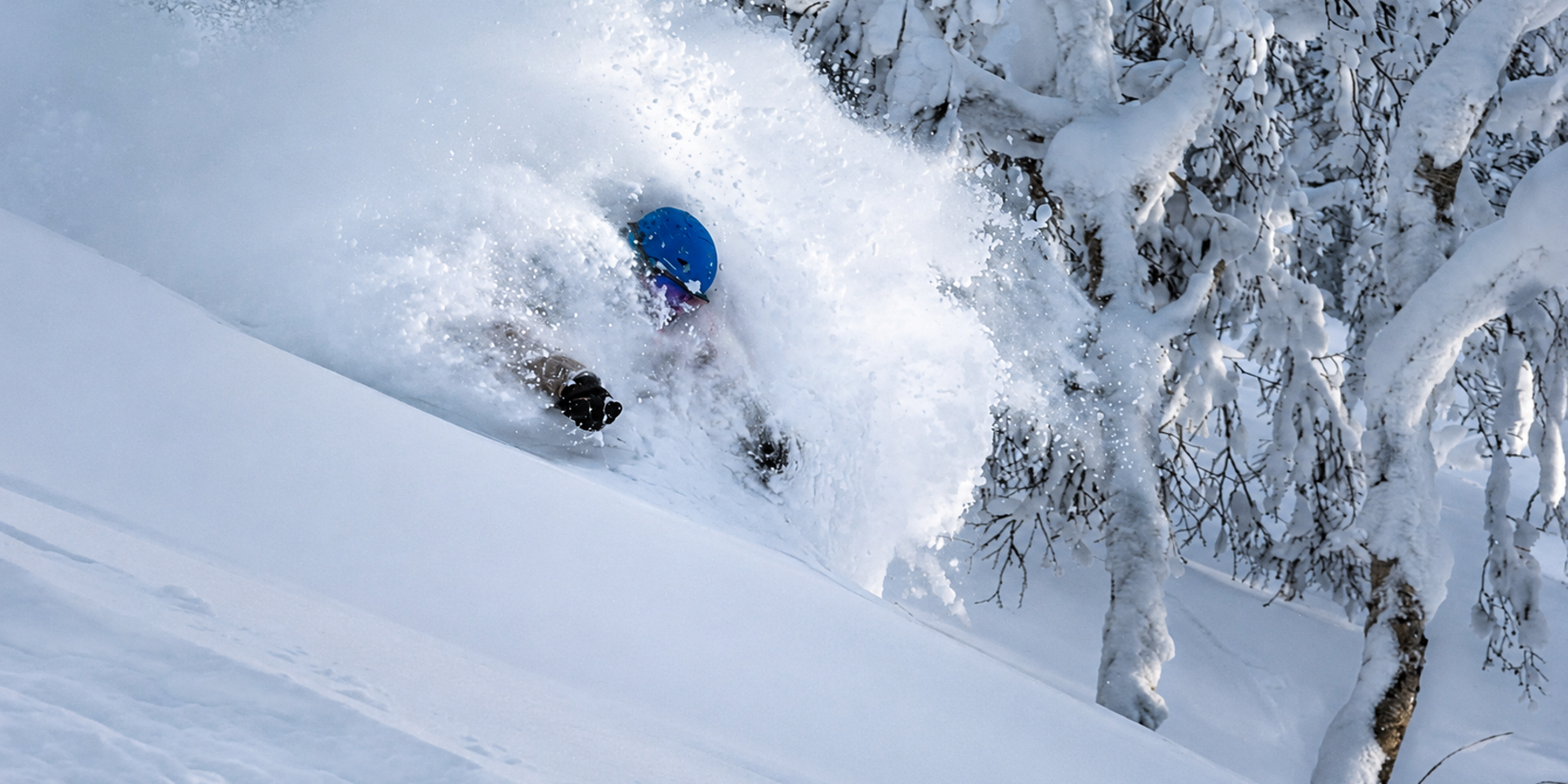
Is the snow good in Japan?
Yes. Ridiculously good.
Japan is not home to the world’s biggest ski resorts, longest verticals or rowdiest après scenes. What it does have is an outrageous amount of snow, regular midwinter refills, excellent tree skiing and a ski holiday that comes bundled with ramen, onsens, izakayas and convenience stores full of dangerously good snacks.
The famous powder is not just clever tourism marketing either. Major Japanese ski resorts commonly collect 10 to 15 metres of snow in a season, while the snowiest mountains push well beyond that.
More importantly, it keeps coming.
Does Japan get much snow?
A lot.
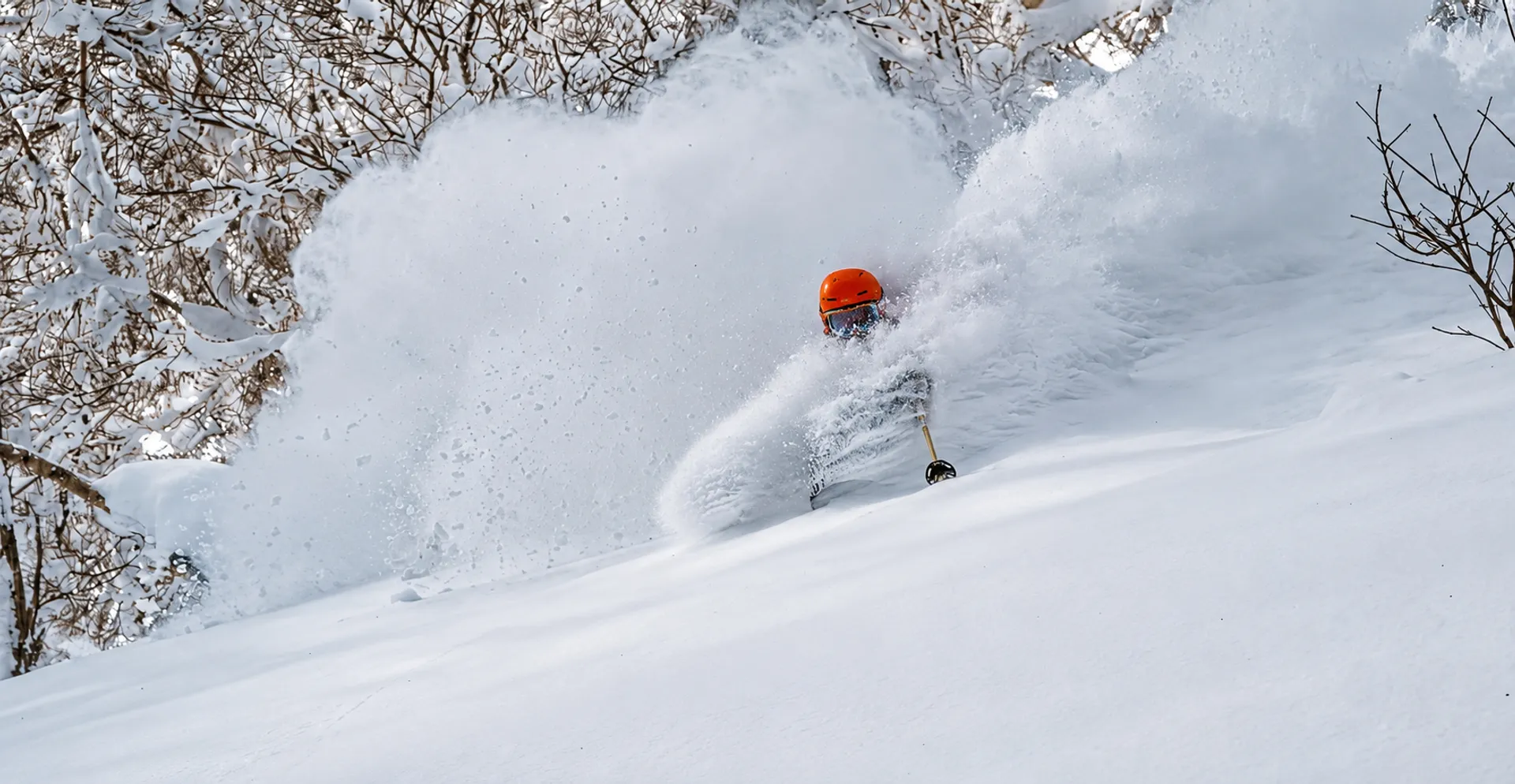
Niseko recorded a six-season average of 13.7 metres at Grand Hirafu’s upper-mountain measuring station. Rusutsu publishes an annual average of 14 metres, while Kiroro promotes an enormous 21-metre average. Myoko Suginohara states that Mt Myoko receives up to 13 metres per year.
Those figures are cumulative snowfall, not snow depth.
Why Japan gets buried
Japan’s powder factory begins in Siberia.
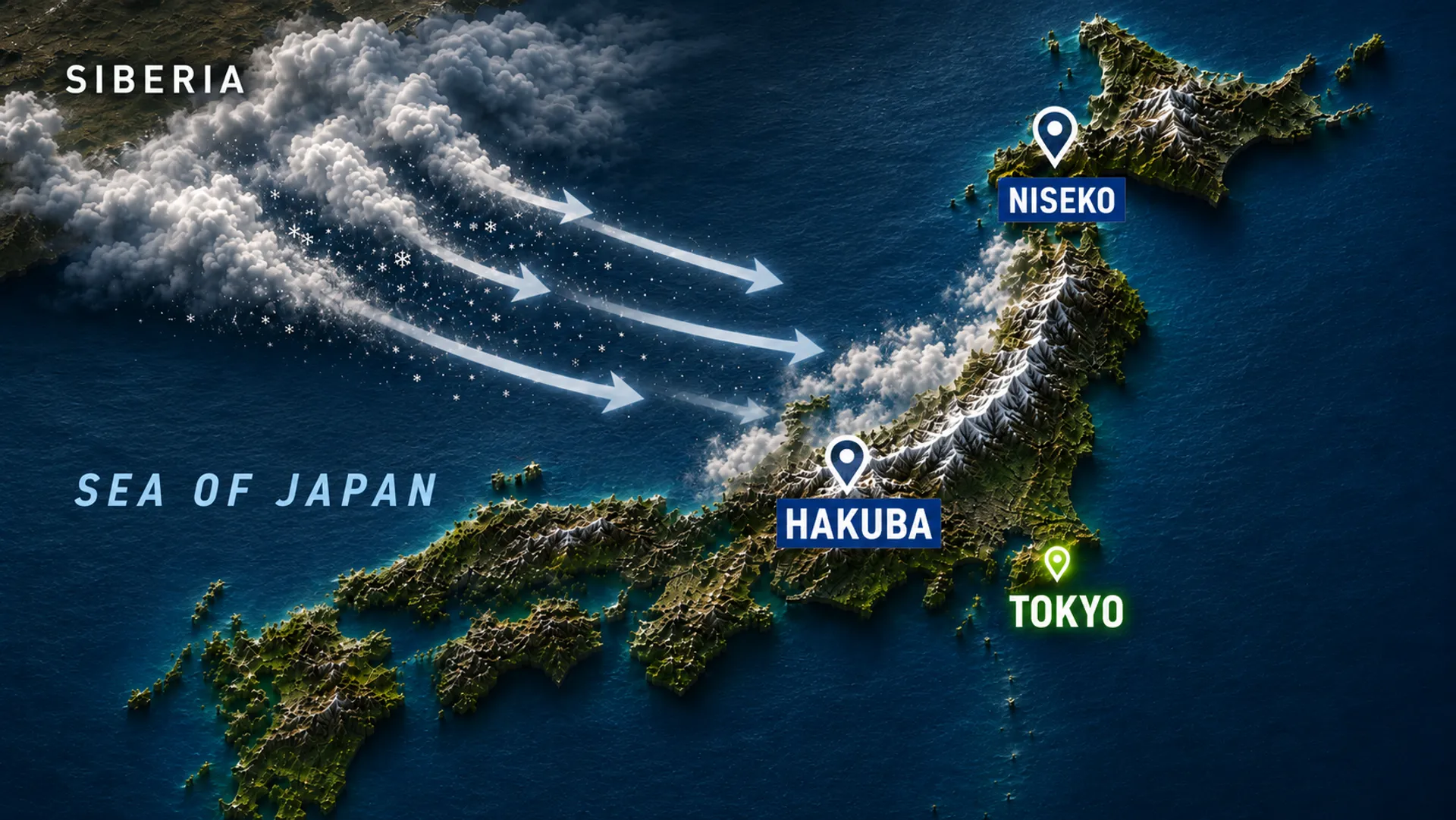
Cold, dry air moves across the comparatively warm Sea of Japan, collecting heat and moisture along the way. Snow clouds form, reach Japan and collide with the mountains running through Hokkaido and Honshu.
The air is forced upwards, cools and unloads on the Sea of Japan side. Much of the moisture is gone by the time it reaches the Pacific side, which is why Tokyo can be clear and sunny while mountain towns a few hours away are disappearing beneath another refill.
It is similar to lake-effect snow, except someone handed it an ocean and a mountain range.
The refill rate
Annual totals are impressive, but frequency is what makes Japan feel different.
In January, Kiroro and Niseko average significant snowfall on more than six days per week. Nozawa Onsen and Hakuba 47 sit just above five.
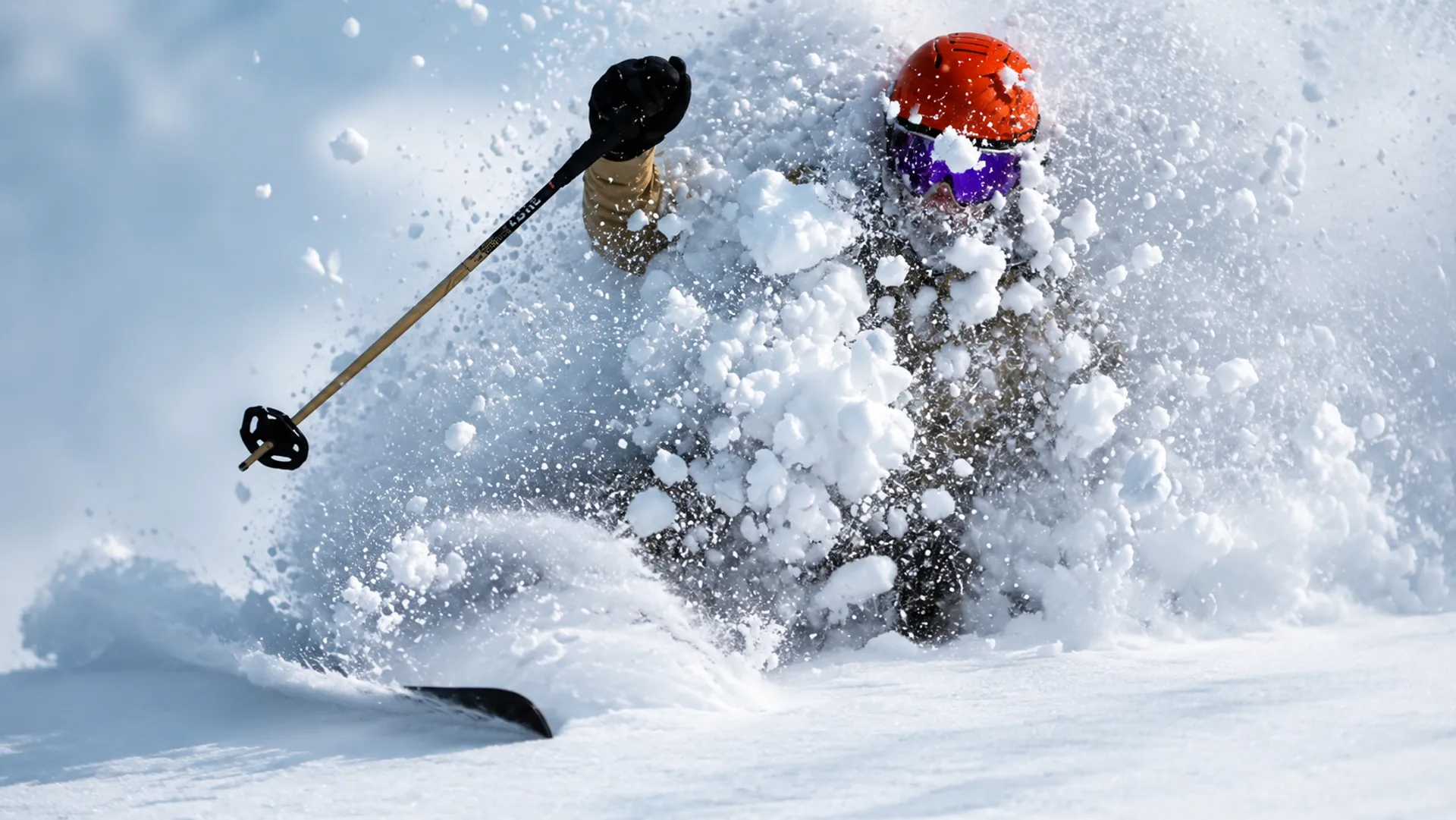
That does not mean waist-deep powder every morning. Five centimetres is a refresh, not a snorkel day. But when snow falls this often, old tracks soften, tree runs refill and the mountain gets repeated chances to reset.
A real Niseko winter
Niseko’s official measurements provide a useful reality check.
During the 2025–26 season, Grand Hirafu recorded fresh snow on 25 days in December, 27 days in January and 19 days in February. January alone delivered 6.2 metres, and the season finished with 13.5 metres across 80 fresh-snow days.
Snow on 27 January days. That is not a storm cycle. That is a gold member subscription!
Hokkaido or Honshu?
Both islands get hammered, but they do it differently.
Estimated cumulative fresh snowfall at major on-mountain ski areas; actual totals vary substantially by resort, elevation, measurement location, and season.
Hokkaido
Hokkaido generally offers colder temperatures, lighter snow and a broad midwinter peak.
Western resorts such as Niseko United, Kiroro and Rusutsu can settle into long stretches of almost daily snowfall. The terrain is often lower and less dramatic than the Japanese Alps, but the trees are beautifully spaced and the snow stays soft.
Hokkaido is the safer bet for travellers who want consistent powder and have no objection to skiing with snow blowing into every available gap in their clothing.
Honshu
Honshu usually has a more pronounced January peak.
Hakuba Valley, Myoko Kogen, Nozawa Onsen, Hakkoda, Geto Kogen and the Niigata resorts can receive huge storms, with steeper terrain, bigger verticals and a wider mix of alpine and tree skiing.
The trade-off is slightly more variable weather. Honshu is more likely to mix monster snowfalls with wind, sunshine or an occasional warmer spell.
Hokkaido keeps feeding the meter. Honshu occasionally kicks the vending machine over.
Japan’s snowiest resorts
Ranking Japanese resorts by snowfall is surprisingly messy.
Some resorts measure at the base. Others measure higher on the mountain. Some publish cumulative snowfall, while others quote maximum snow depth or figures from a particularly enthusiastic marketing department.
The table below is best treated as a practical guide to ten of Japan’s snowiest ski areas, not a courtroom-certified league table.
| Ski area | Typical annual snowfall |
|---|---|
| Kiroro | 18–21m |
| Hakkoda | 15–17m |
| Asahidake | 15–17m |
| Mt Tanigawa | 15–16.5m |
| Lotte Arai | 14–16m |
| Geto Kogen | 14–16m |
| Niseko | 13–14m |
| Rusutsu | 13–14m |
| Myoko Kogen | 12–13m |
| Nozawa Onsen | 10–13m |
Then there is Gassan
Gassan is the strange one.
It is a small spring ski area in Yamagata that normally opens in April, after the road has been cleared and winter has finally stopped trying to erase it from the map.
Gassan gets around 30 metres of snow in a typical winter. That is not just a big season. It is a full-blown snow apocalypse, putting Gassan among the snowiest ski areas anywhere on Earth.
Estimated cumulative fresh snowfall at major on-mountain ski areas; actual totals vary substantially by resort, elevation, measurement location, and season.
Japan vs the world
Japan is not the only place capable of enormous snowfall.
Mount Baker, Alta, Whistler and Revelstoke can all produce huge winters. Some North American resorts match or beat major Japanese mountains in individual seasons.
Representative cumulative fresh snowfall at leading ski resorts in each country or region; figures are researched, blended and rounded estimates rather than nationwide snowfall averages.
The bigger difference is often frequency.
Niseko and Kiroro sit around six significant snow days per week during peak winter. Whistler and Revelstoke generally sit closer to four or five, while Alta and Mount Baker are more commonly around three or four.
North America can deliver bigger individual storms, more vertical and some enormous terrain.
The European Alps offer vast linked resorts, high elevations, glaciers and enough groomed pistes to require their own public transport network.
Australia and New Zealand can have fantastic storm cycles, but their snowfall is lower and more variable.
Japan’s party trick is not simply that it snows heavily. It is that during January, the next refill can arrive before you have finished tracking out the last one.
When should you go?
For the best chance of deep powder and regular refills, aim for January or February.
For a full run down on month-to-month, take a peek at our Best Time to Ski in Japan article
The verdict
Japan earns the hype because winter rarely sits still. The snow keeps coming back, tree runs keep resetting and January can feel like someone forgot to turn the weather off.
Add deep powder, intermediate-friendly terrain, reasonable lift prices, onsens, ramen and villages that are worth visiting even after the lifts stop, and Japan becomes far more than a very snowy ski trip.
So, does Japan have the best snow in the world? At Japow Travel, we are slightly biased. But yes. We would like to think so.