

Tokyo Long Weekend Powder Escape Loop
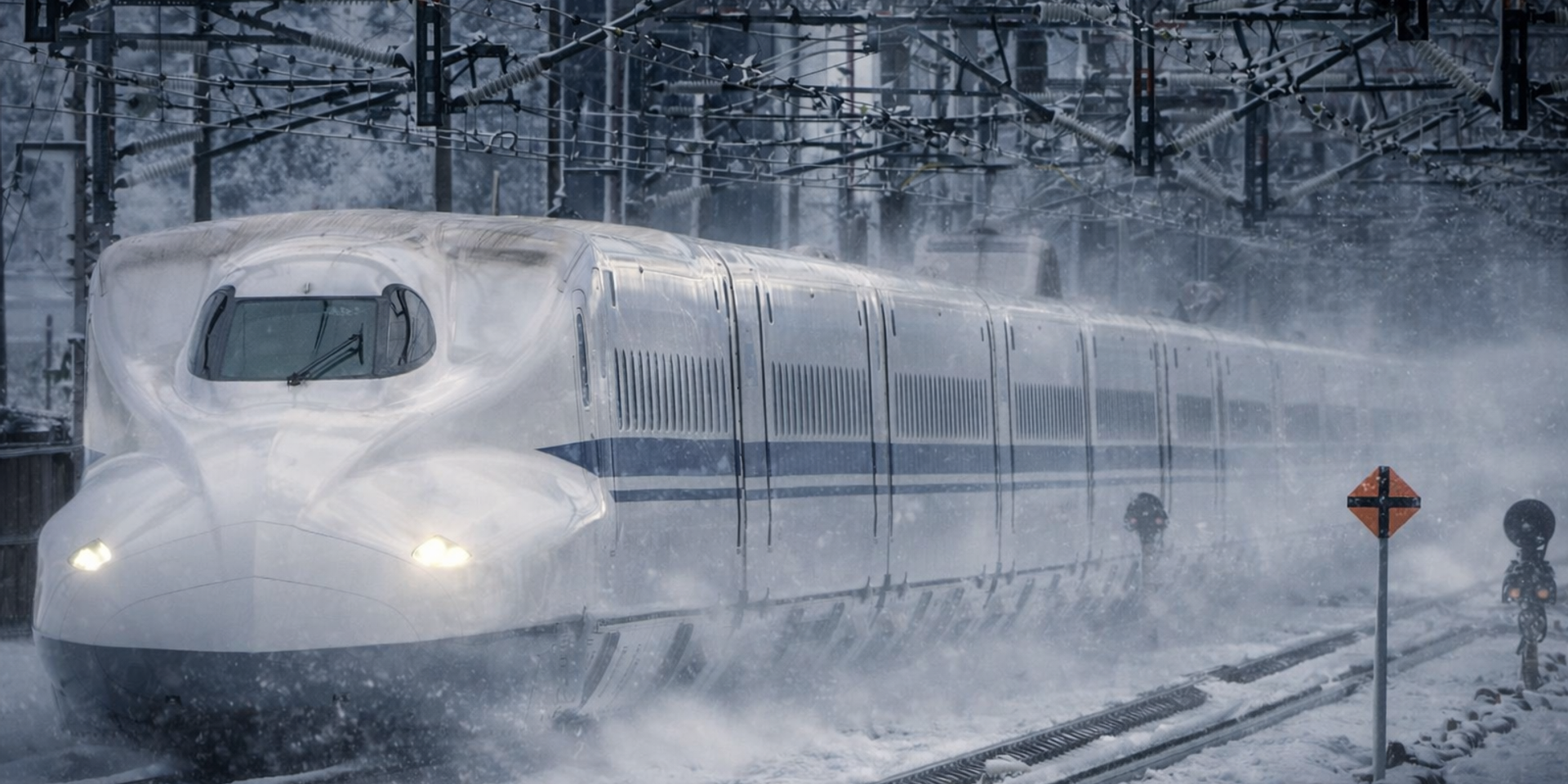
Gunma + Niigata
Tanigawadake Tenjindaira • Kagura • Naeba • Gala Yuzawa
This is the Tokyo escape hatch that actually delivers. Not a token day trip, not a rushed there-and-back where you spend more time in service-station queues than on snow. This is a proper long-weekend loop that starts in Gunma, dips into Niigata’s snow belt, then (if you have the days) finishes with a heavier-hitting northern pantry raid around Myoko Kogen and Lotte Arai.
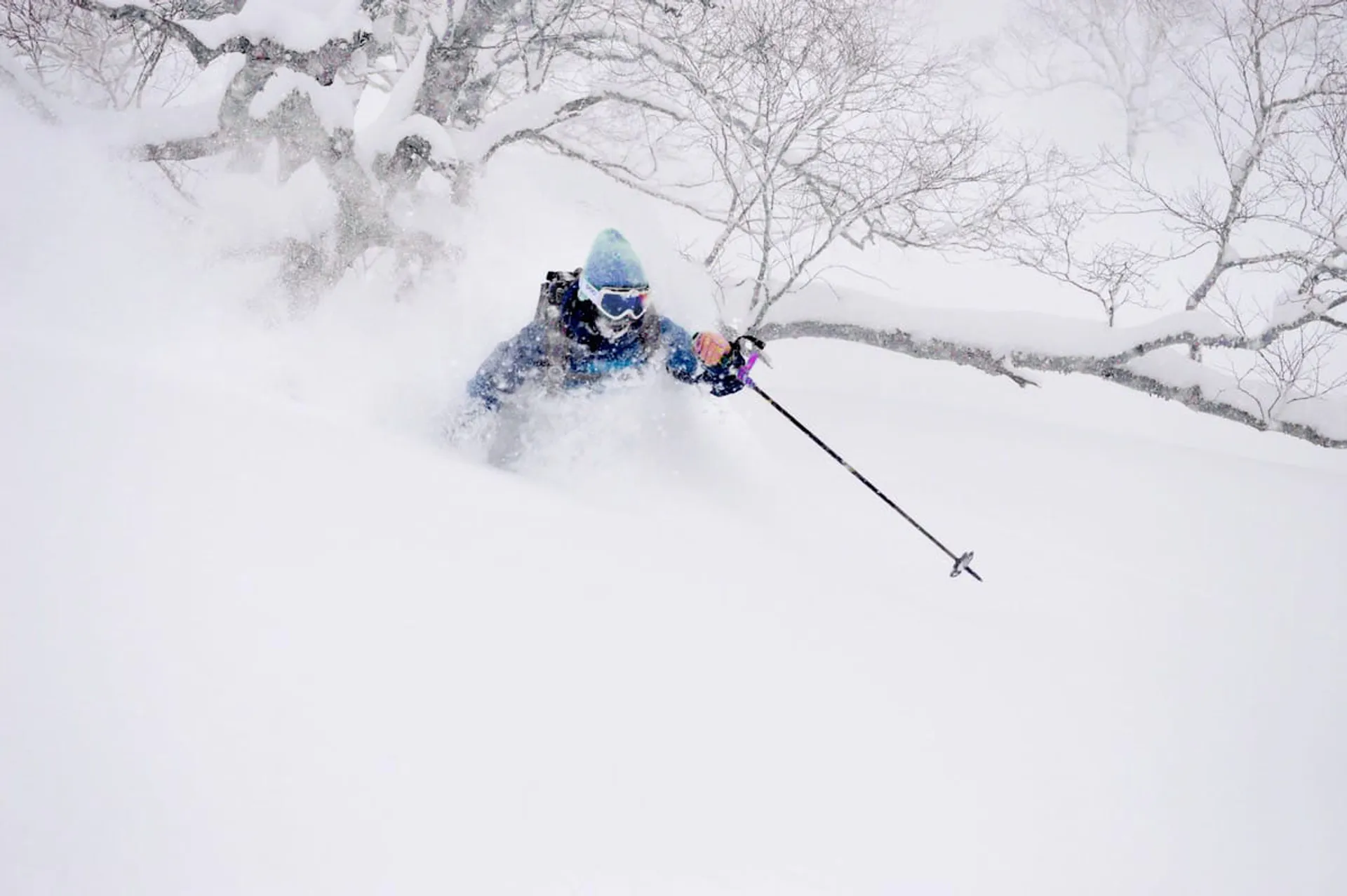
The vibe: eat well, soak often, ski where the storm is happiest, and keep a Plan B in your pocket for when the alpine looks like a blank white screen. Gunma gives you fast access and legit terrain. Niigata gives you depth, variety, and those big base-area hotels when you just want to stumble from dinner to bed.
If you only have 2 days, you can still do pieces of this. But it shines with 3 to 5 days, because you get flexibility. Flexibility is how you win in Japan. Storm hits and lifts hold? You pivot. Snow line creeps up? You pivot. Bluebird window opens? You pivot hard and go high.
The loop logic
Think of it in three chapters:
Chapter 1: Gunma warm-up, Minakami base
You get on snow quickly and start stacking turns without committing to a long drive. This is where you chase quality, not quantity.
Chapter 2: Echigo-Yuzawa hub, Niigata storm lanes
This is your choose-the-best-visibility chapter. You’ve got multiple resorts close together, plus easy meals, onsens, and lodging.
Chapter 3: Optional northern finish, Myoko Kogen + Lotte Arai
This is the long-weekend upgrade. If you have the extra day or two, push north for deeper totals and bigger terrain options.
You can drive it as a true loop (returning to Tokyo via a different highway line) or as a mostly-linear run that ends with the easiest return route. Either works. The goal is not a perfect circle. The goal is fresh tracks and hot water.
Quick stats
- Ideal trip length: 4 days (sweet spot), with a very solid 3-day version and a deluxe 5-day version
- Best months: mid-January through late February for the most consistent snow and temps, with March as a wildcard bonus round
- Car: strongly recommended for storm-day flexibility (and for the backup hills that make this loop work)
- Best base towns: Minakami (Gunma) and Echigo-Yuzawa (Niigata), with Myoko Kogen as the optional final base
Getting out of Tokyo without pain
If you’re driving, leave Tokyo early and you’ll feel like a genius by lunchtime. The expressways are straightforward, but winter weekends can bottleneck, especially if everyone else has the same powder-dopamine plan. If you’re doing a long weekend, consider leaving Friday morning or Friday midday rather than Friday night.
If you want a hybrid approach, you can also shinkansen to a hub and rent a car there. Two common plays:
- Minakami access: shinkansen to Jomokogen, then car
- Niigata access: shinkansen to Echigo-Yuzawa, then car
Either way, once you have wheels, the loop becomes a buffet instead of a single fixed booking you’re stuck with.
Stop 1: Minakami base (Tanigawadake Tenjindaira + Hodaigi, plus storm-day backups)
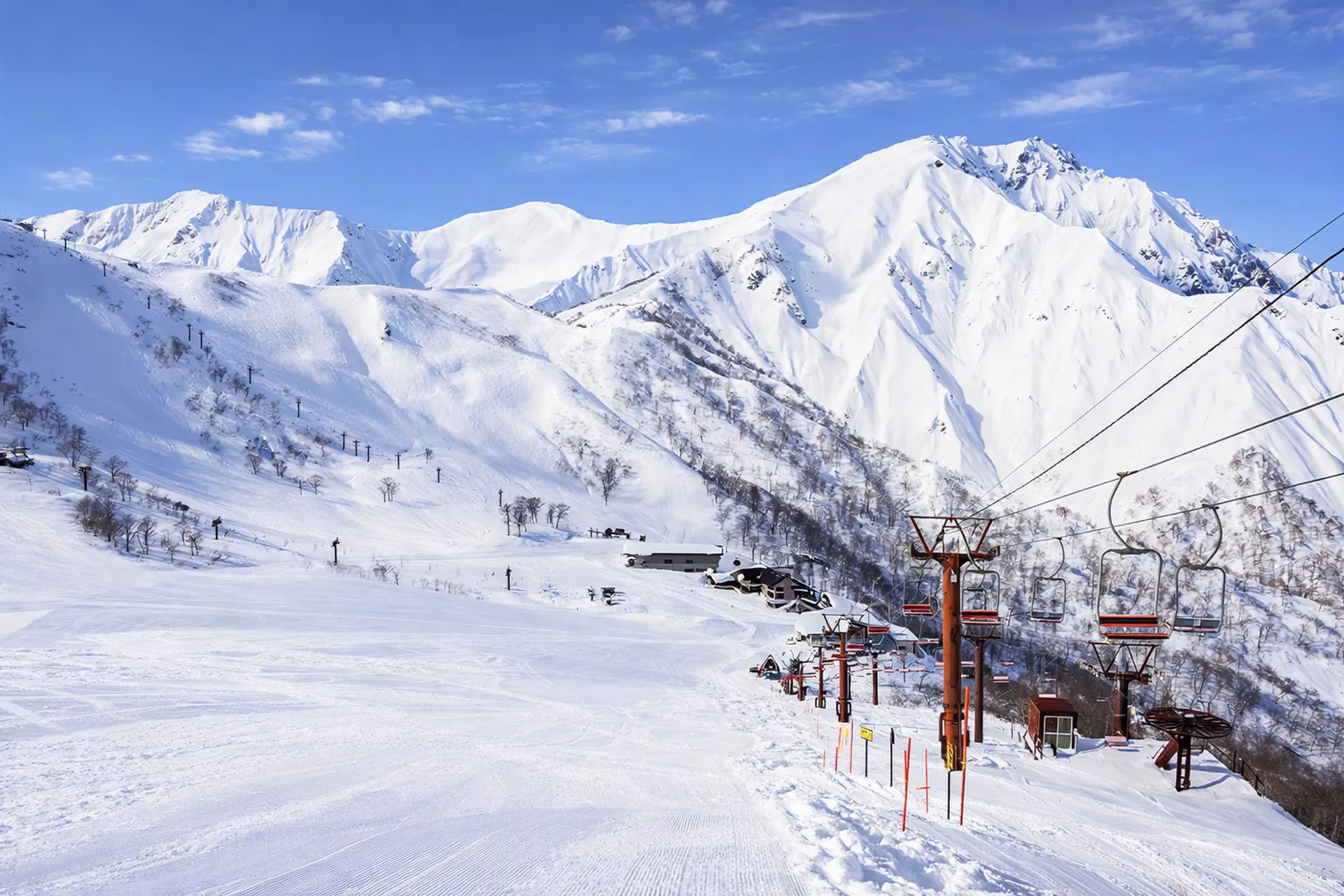
Minakami is the powder gateway that Tokyo skiers quietly love because it feels like cheating. You’re not committing to a full northern odyssey, but you’re still getting proper winter. It’s also where you can start strong even if your group has mixed ability, because you can pick the right hill for the day.
Mt. T is the headline act. When it’s firing, it’s steep, dramatic, and properly alpine. It can also be moody. Wind and visibility can turn it into a patience test. That’s not a dealbreaker, it’s the whole reason this loop includes backups.
Hodaigi is a classic storm-day friend. More sheltered, easier to navigate in flat light, and it keeps you skiing when the upper mountain is doing its best impression of a snow globe.
If you want more flexibility in the same zone, keep these in your back pocket: Norn Minakami (quick hits, handy timing) and Okutone Snow Park (another practical option when you just need turns and don’t want drama).
Where Minakami really shines is the post-ski routine. You can go full comfort mode here: hearty dinners, early nights, and serious onsens. This is the best place in the loop to set the tone for Eat, Soak, Repeat.
Where to stay in Minakami
Pick your base based on the vibe you want:
- Onsen ryokan: for the full Japan winter feeling (and the motivation to finish your last run before you turn into a prune)
- Simple hotels and guesthouses: cheaper, practical, more flexible if you’re changing plans based on weather
If you’re travelling with a crew, consider booking a place that makes evenings easy. In a storm cycle, the best après is not a nightclub. It’s dinner that appears without effort and a bath that makes your legs feel human again.
Stop 2: Echigo-Yuzawa hub (Kagura + Naeba, plus the local-hill safety net)
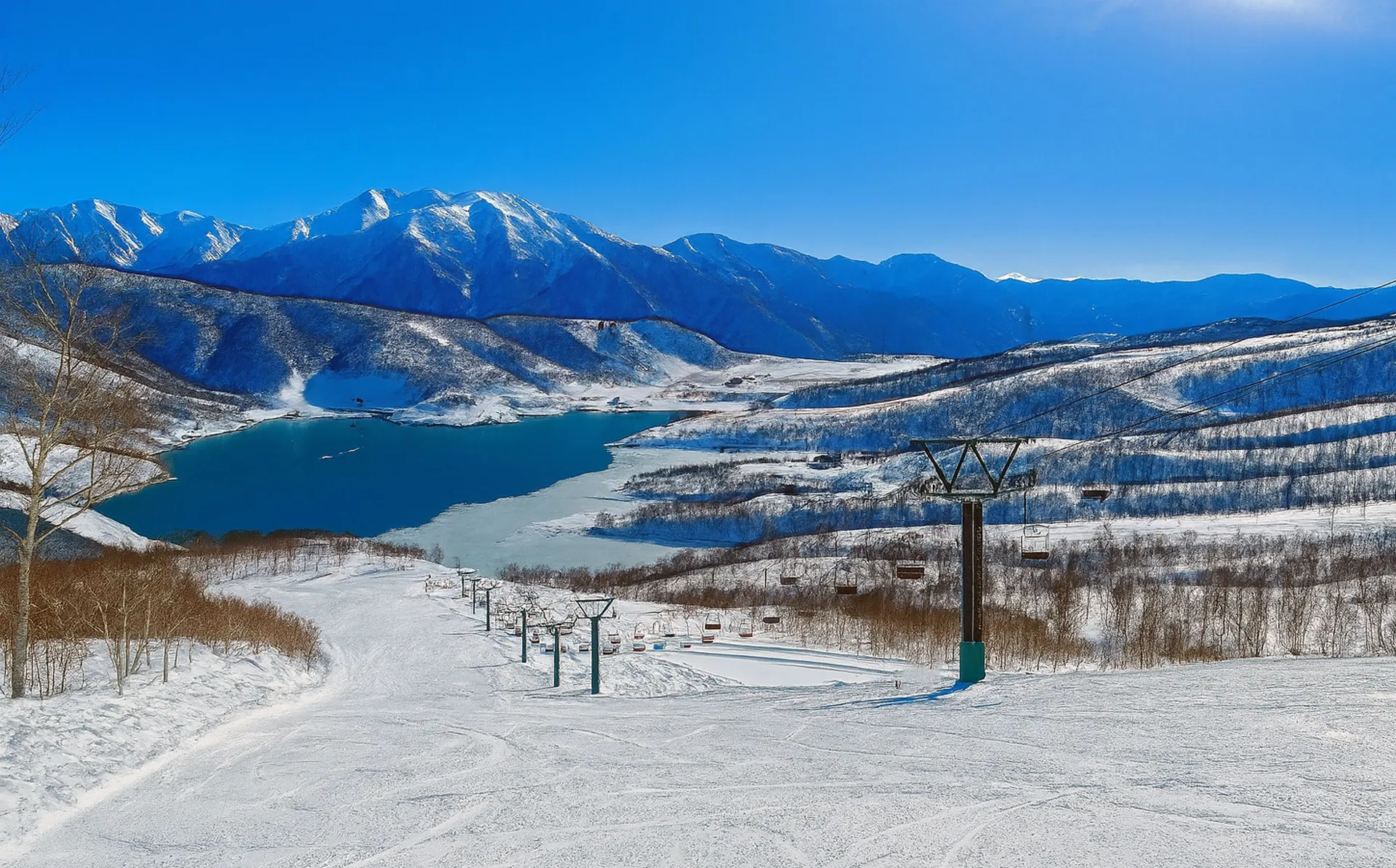
Echigo-Yuzawa is the operational heart of this loop. It’s the spot where you can wake up, check the weather, and choose your weapon. It’s also where you can keep everyone happy: big-resort convenience, lots of food, plenty of accommodation, and multiple ski areas close enough that you can switch plans mid-trip.
Kagura is the storm-chaser’s pick. When snow is stacking and you want quality, this is often where you point the car. It can feel more rugged and local than the resort-hotel giants, and it rewards people who like to explore and keep moving.
Naeba is the easy button. Big base, strong infrastructure, and a very comfortable place to rack up a full day without thinking too hard. It’s also a solid choice if your group has different energy levels, because it’s simple to regroup.
Now the real trick: don’t treat Yuzawa as only Kagura and Naeba. The area has multiple nearby hills that can save your day when conditions shift.
Three practical examples:
- Ishiuchi Maruyama: a great option when you want variety close to town and a straightforward, high-fun day
- GALA Yuzawa: ridiculously convenient if you want a quick session with minimal logistics (and it’s right there)
- Joetsu Kokusai: big and comfortable when you want mileage and don’t want to overthink it
Then you’ve got other nearby local hills that can fill in the gaps when you’re chasing the best visibility or the best snowline on a tricky day.
Food and onsen in Yuzawa
This is where you stop pretending you’re going to cook. Yuzawa is built for hungry skiers. Lean into it. Keep it simple: big breakfasts, convenient lunches, and dinners that feel like you earned them.
Onsen-wise, you’re spoiled. The play is to soak nightly, not as a special treat. You’ll ski better on day three if you’re not moving like a rusted robot.
Stop 3: Optional northern finish (Joetsu Myoko Kogen + Myoko Kogen + Lotte Arai)
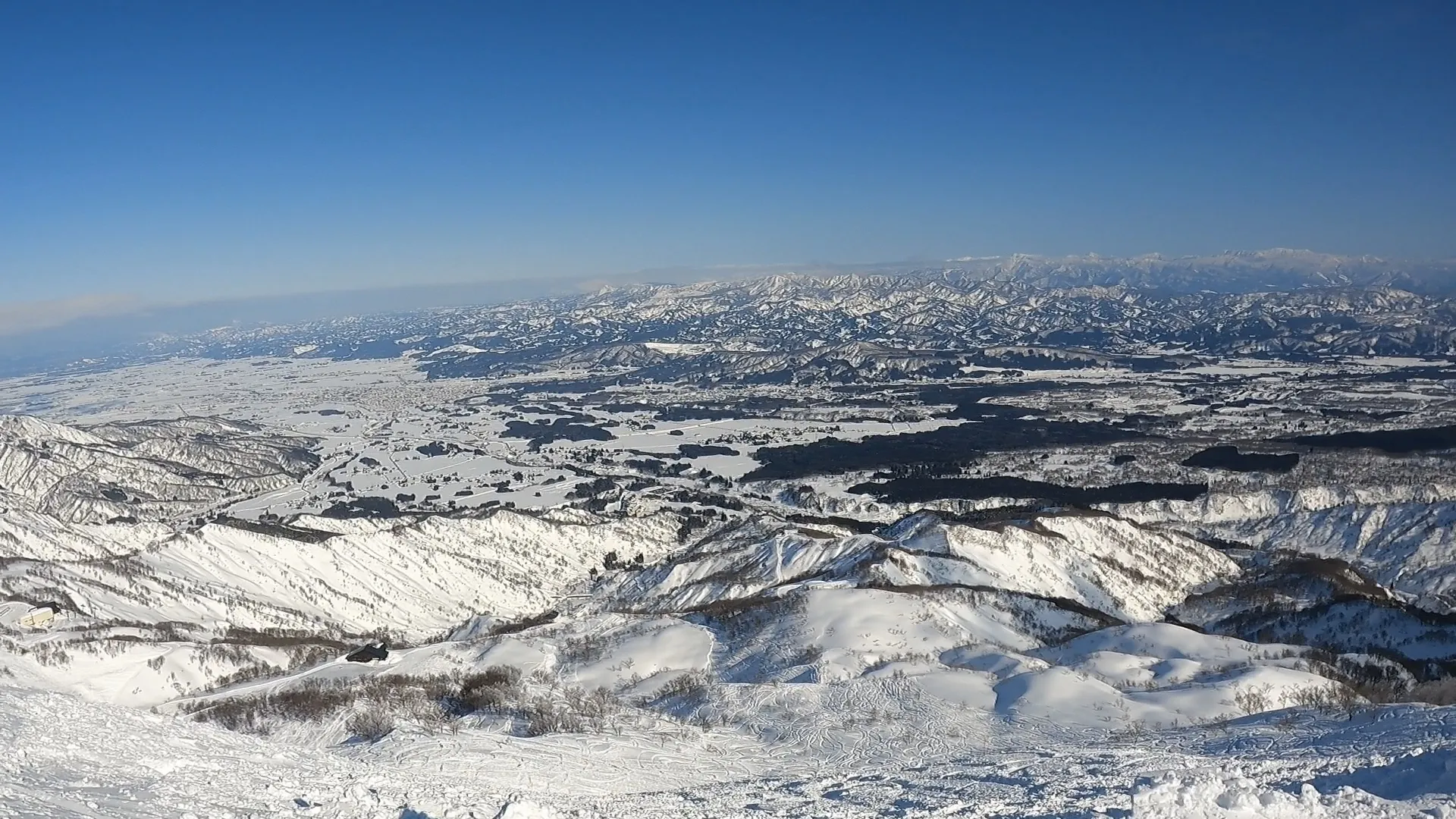
If you have a true long weekend, this is the upgrade that turns a good trip into a memorable one. Myoko Kogen sits in a snow-favored zone and gives you a different flavour than Yuzawa. It can feel more like a ski area with a town rhythm, rather than a hub that exists purely to serve weekend traffic.
Myoko Kogen gives you classic terrain variety and that proper winter-town feeling. It’s a great place to slow down just enough to enjoy the trip, without losing the storm-chasing edge.
Lotte Arai is the high-energy add-on. If you want modern resort comfort and you’re chasing depth, it belongs on the list. It’s a strong choice when you’re trying to stack vertical and you want the day to feel big.
The practical reason to add Myoko Kogen is simple: it gives you another weather card. If Yuzawa is getting slammed with wind or your timing lines up better north, you can relocate and keep the trip on track.
How to choose your daily plan (the actual choices)
This is the part that matters most, because it’s what turns this guide from a list of names into something you can run on autopilot.
If it’s nuking and visibility is rough:
Prioritise sheltered, tree-friendly hills and easy navigation. Think Hodaigi in Gunma, or the more straightforward Yuzawa-area options like Ishiuchi Maruyama or Joetsu Kokusai.
If the storm clears for a bluebird window:
Go higher and go earlier. Tenjindaira becomes the move, and Kagura can be excellent when you catch it at the right time.
If the snowline is weird (warm temps, mixed precip):
Drive to the coldest, most reliable zone for that day. Sometimes that means pushing north to Myoko Kogen or Lotte Arai. Sometimes it means staying in Yuzawa but choosing the hill that’s holding snow best.
If your legs are cooked but you still want turns:
Pick convenience. GALA Yuzawa is a very real option here. Shorter day, still fun, and you save energy for tomorrow.
That’s the loop. You don’t lock yourself into one resort and pray. You make a good decision every morning.
Suggested itineraries
Here’s the 4-day sweet spot that most people should run:
- Day 1: Tokyo → Minakami (afternoon turns at Hodaigi or a quick session nearby) → onsen night
- Day 2: Tanigawadake Tenjindaira (go big if weather allows, pivot if not) → Minakami onsen round two
- Day 3: Drive to Echigo-Yuzawa → Kagura or Naeba depending on storm and visibility → eat well, soak well
- Day 4: Choose-your-best-day in Yuzawa (Ishiuchi Maruyama, GALA, Joetsu Kokusai, or a return to Kagura/Naeba) → drive back to Tokyo
If you have 5 days, add Day 4 as a drive-and-ski day into Myoko Kogen, then Day 5 as Lotte Arai or Myoko Kogen before returning. That’s the deluxe version, and it’s worth it if the storms line up.
Winter driving tips that actually matter
This loop is very doable, but winter roads are not the place for optimism and vibes.
Make sure your rental has proper winter tyres. Keep chains in the car and know how to use them before you’re on the side of a mountain road with frozen fingers. Give yourself extra time on transfer mornings, because a 90-minute drive can quietly become a two-hour crawl when the snow really starts cooking.
Also, plan your fuel and food like an adult. The best storm-day strategy is not arriving hungry and low on petrol.
Who this loop is perfect for
This is for people who want real snow without burning a full week. It’s for crews that want flexibility, not a single big-resort booking. It’s for anyone who likes the idea of skiing hard, soaking nightly, and eating like you’re not counting macros.
It also works brilliantly for mixed groups. You can keep the keen beans entertained on the higher-commitment terrain days while giving the cruisers plenty of fun options nearby. Everyone meets back in the onsen. Everybody wins.
Final word
Tokyo makes it easy to forget how close proper winter can be. Give yourself a long weekend, grab a car, and run this loop like a storm-chaser with a dinner reservation. You’ll get more snow, more variety, and way more fun than a single fixed base where you’re stuck with whatever the mountain decides to serve.
Eat, soak, repeat. Tokyo will still be there on Monday.