

Nagano Alps Core Loop: A Hakuba to Shiga Kogen Powder Road Trip
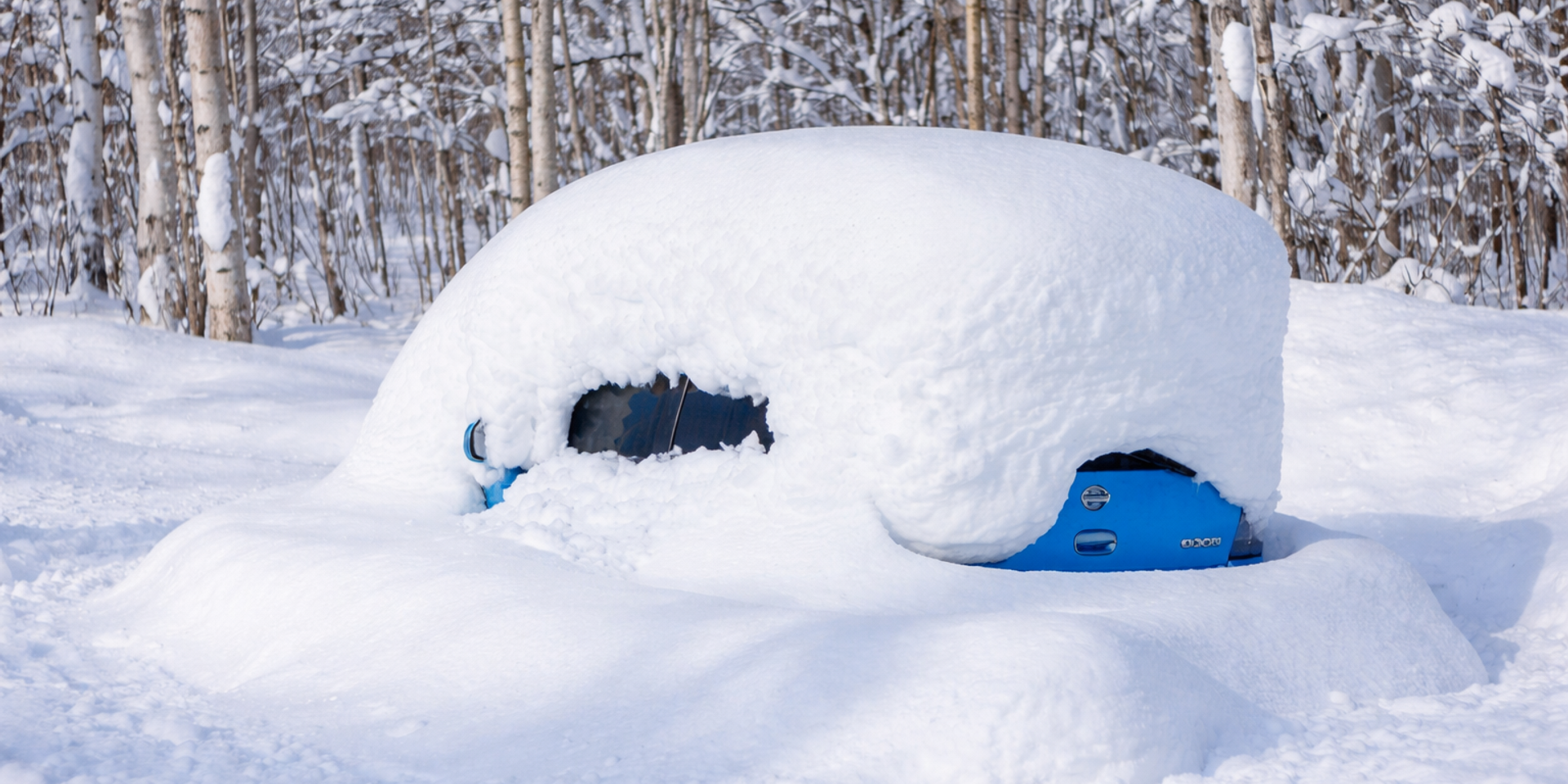
Hakuba, Nozawa Onsen, Shiga Kogen, Yudanaka
Give Nagano a week, a rental car, and a willingness to pivot when the forecast gets dramatic, and this loop delivers the best kind of problem: too many good options. Hakuba brings big terrain and big-mountain energy. Nozawa Onsen serves classic Japan vibes with a side of sneaky good tree lines. Shiga Kogen is sprawling, cold, and weirdly addictive once you learn how to “ski the map” without wasting half your day in transit. Add in Yudanaka and the Shibu onsen streets for the nightly leg reset, and you’ve got a loop that feels properly earned.
Route at a glance: Tokyo (or Nagano City) → Hakuba (3 nights) → Nozawa Onsen (2 nights) → Shiga Kogen base via Yudanaka/Shibu (2 nights) → return to Tokyo (or swing back through Nagano).
How to use this guide
- Swap days to chase the storm. This loop works clockwise or counter-clockwise, and you should absolutely change plans when the weather tells you to.
- Shelter vs spectacle. When it’s nuking and flat, stay lower and treed. When it clears, go hunting for alpine lines and views.
- Base smart, not pretty. You want easy parking, a short morning drive, and an onsen within striking distance. Romantic is optional.
- Eat fast, soak daily. Curry, ramen, gyudon, repeat. Then onsen. Then sleep like a satisfied animal.
Drive-time reality check
- Tokyo (Haneda/Narita) → Hakuba: about 4 to 5+ hours depending on traffic and conditions.
- Nagano City / Nagano Station → Hakuba: roughly 1 hour in decent conditions.
- Hakuba → Nozawa Onsen: about 2 to 2.5 hours by road.
- Nozawa Onsen → Yudanaka/Shibu: roughly 30 to 45 minutes.
- Yudanaka/Shibu → Shiga Kogen: about 30 to 45 minutes, and the road gets properly wintery.
Day 0: Roll in and set up the win
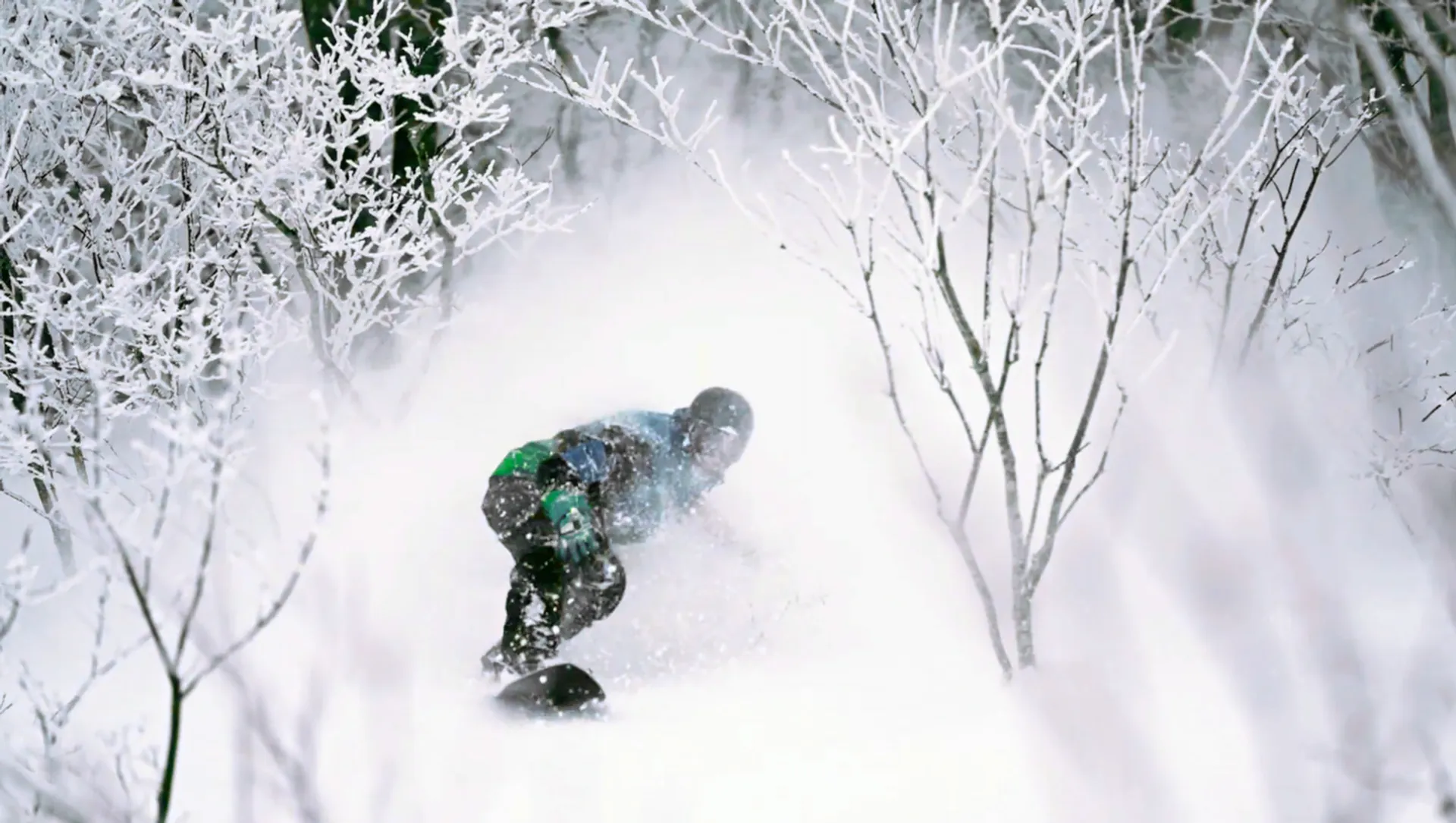
Arrive in Tokyo or Nagano, grab your car, and do the classic konbini raid: onigiri, hot canned coffee, waters, and a bag of emergency snacks that will mysteriously disappear by Day 2. Make sure you have winter tires, and if they offer an ETC card for tolls, take it and pretend you’re a local.
If you land late, consider sleeping closer to Nagano City and driving to Hakuba the next morning. Doing the final mountain leg in daylight is a lot more relaxing, and your passengers will complain less, which is the true definition of luxury.
Days 1 to 3: Hakuba
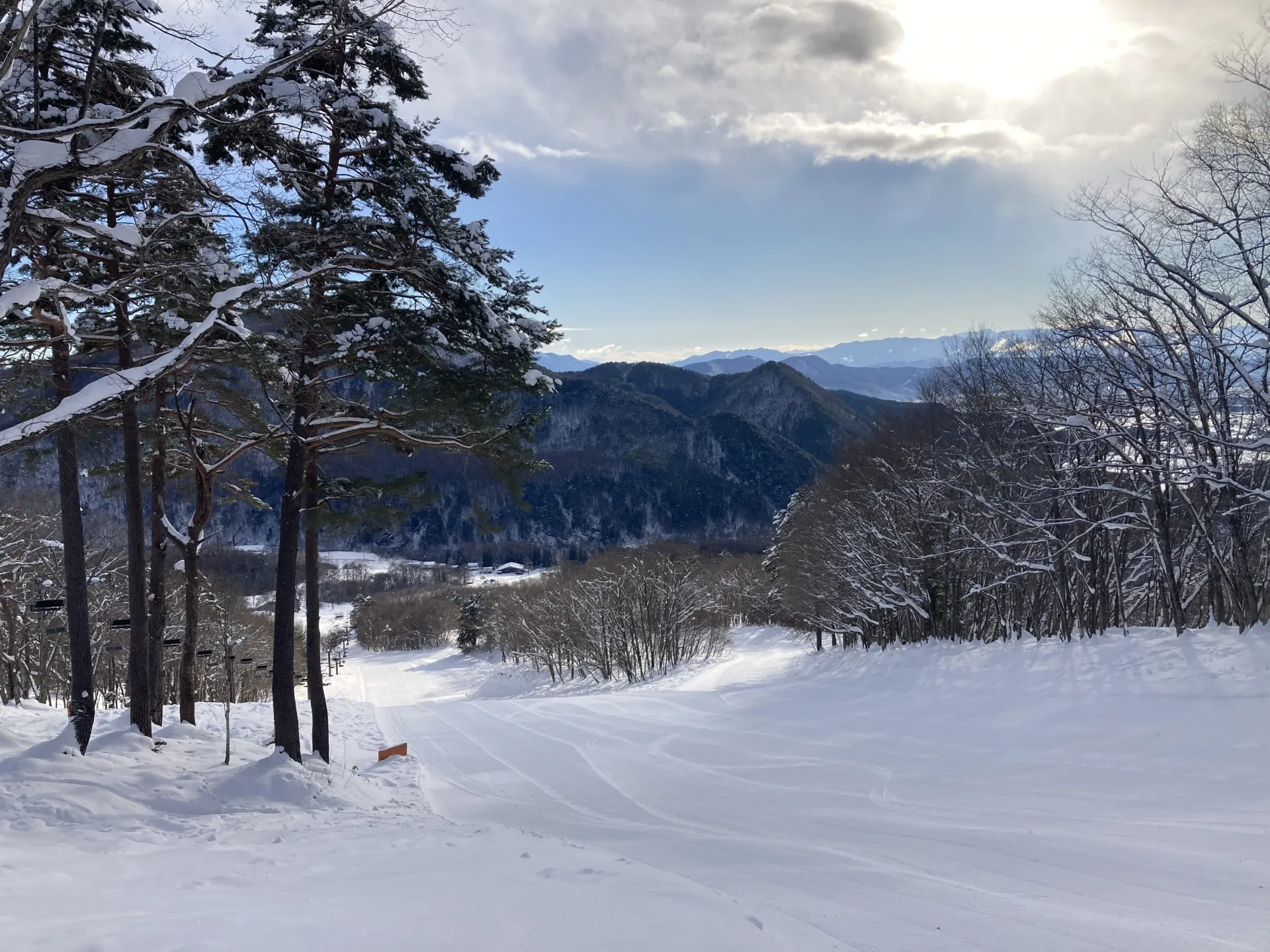
Hakuba is the choose your own adventure chapter of this loop because you can tailor the day to the storm, the crew, and your energy level. Want lift-served steeps and that big-mountain feel? Head to Happo One. Chasing storm-day trees and softer visibility when it’s nuking? Cortina and Norikura are your safety blanket (in the best way). Got a mixed-ability crew or you’re teaching someone to love pow without the fear factor? Goryu and Hakuba 47 keep things fun and manageable, with plenty of terrain variety. Feeling like a longer, cruisier day with options to dip into side hits and mellow off-piste? Tsugaike Kogen is the easy win. And if the legs are cooked, you can still win Hakuba by doing the most important lap of all: an onsen session and a proper dinner in town.
Morning plan: pick one main resort to start and commit to it for the first half of the day. The classic mistake in Hakuba is trying to sample everything and spending half your time on buses or driving between base areas.
Storm-day play: prioritize tree zones and lower chairs where visibility is manageable. If it’s windy up top, don’t stand around staring at closed lifts like they owe you money. Keep moving, stack quality turns, and let the storm do its thing.
Clear-window play: if you get a proper bluebird break, go higher and take advantage. This is when Hakuba feels like the Japan Alps postcard you’ve been DM’ing to your friends.
Food drill: keep lunch simple and early. Hakuba can get busy, and the best move is eating before hunger makes you do something silly like buy a convenience-store sandwich you don’t actually want.
Night plan: onsen. Every night. Even if you “don’t feel sore.” That’s how they get you.
Days 4 to 5: Nozawa Onsen
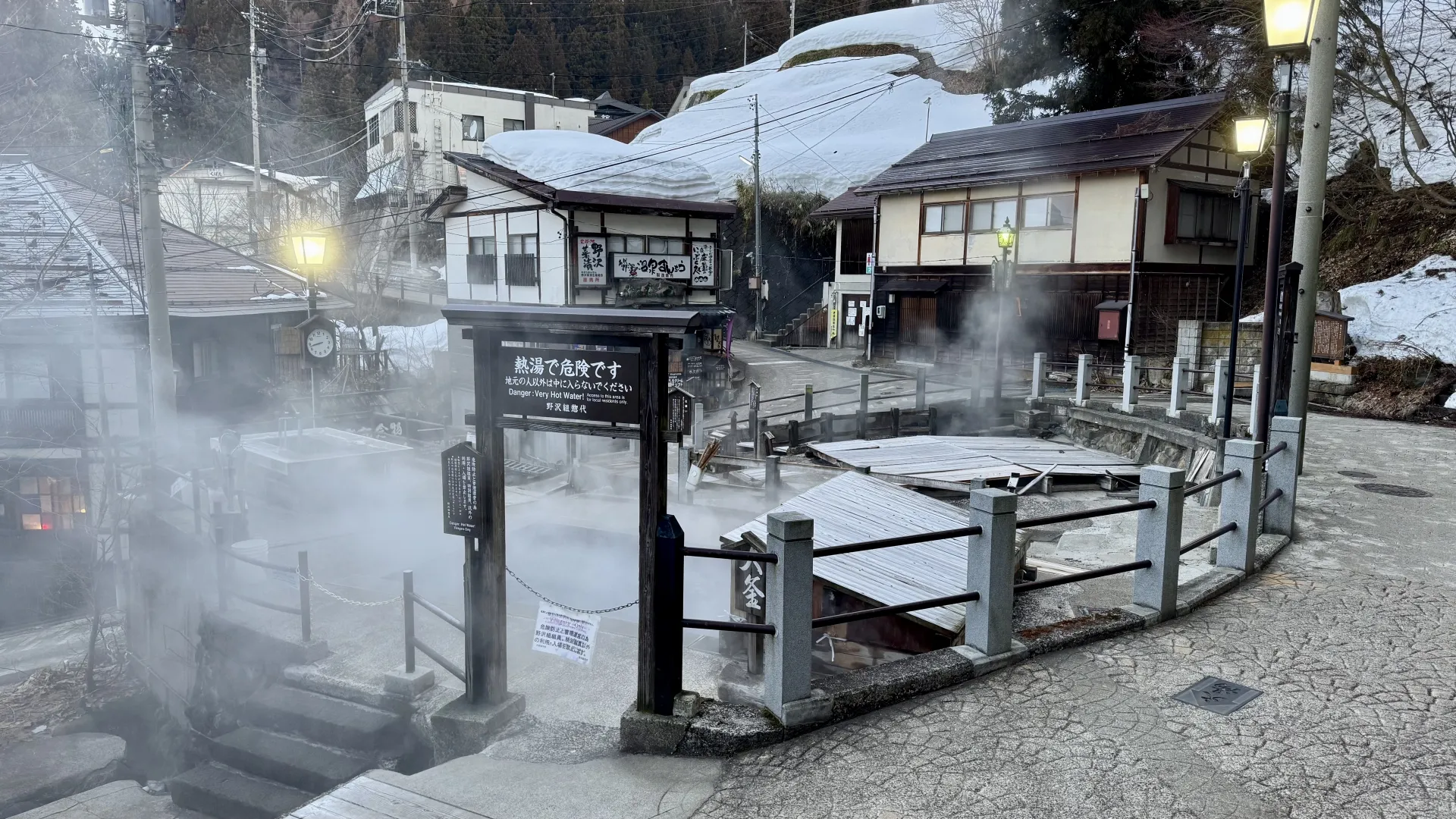
Nozawa Onsen is a vibe shift in the best way. You’re trading some of Hakuba’s scale for a classic onsen town and a mountain that skis better than a lot of people expect, especially if you treat it like a storm-day resort with options.
Morning plan: start with quick-hit laps while the legs wake up, then work into the best visibility zone for the day. Nozawa Onsen rewards staying in rhythm rather than constantly hunting.
Storm fork: if it’s snowy and flat, focus on sheltered terrain and keep the day flowing. Nozawa Onsen is great for stacking consistent turns without the drama.
Clear fork: if the sky opens, explore more of the mountain and take the scenic bits without turning it into a sightseeing tour. You’re still here to ski.
Town mission: wander the streets at dusk, grab something warm, and do a proper onsen circuit. Nozawa Onsen nights are dangerously good at convincing you to stay longer than planned.
Days 6 to 7: Shiga Kogen with Yudanaka/Shibu base
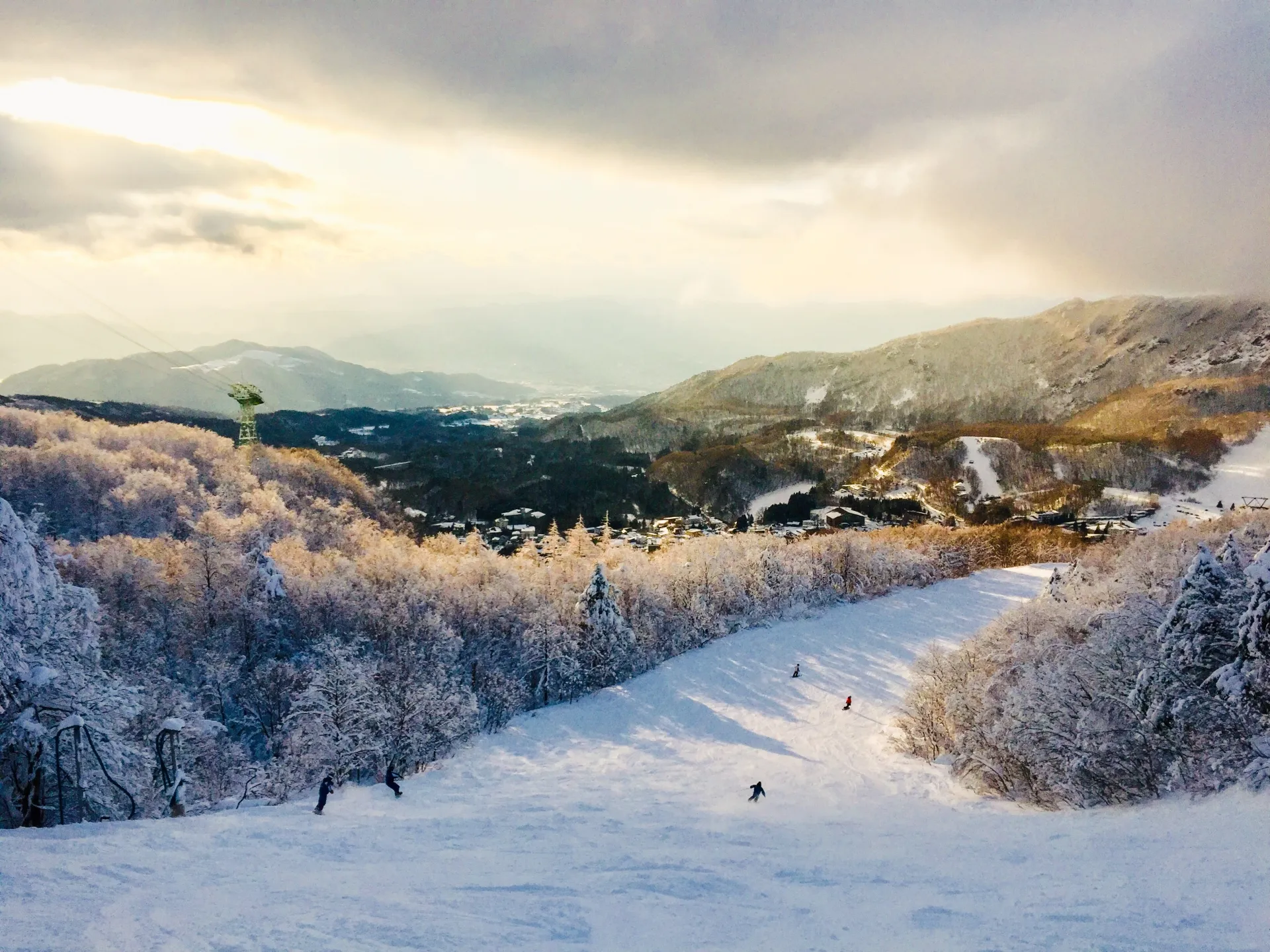
Shiga Kogen is huge, spread out, and quietly legendary once you stop fighting it. The trick is not “ski everything” but “ski the right areas for the weather.” Base in Yudanaka or Shibu Onsen if you want a real town and an easy nightly soak, then drive up each morning.
Morning plan: pick a zone and work it properly. Shiga has enough terrain to keep you busy all week, but only if you avoid wasting time zig-zagging across the map for novelty.
Visibility play: when it’s flat, choose zones that keep you oriented and out of wind exposure. Shiga can be brutally cold and foggy, and it will happily eat your stoke if you try to force the wrong plan.
Bluebird play: if you get a clear day, Shiga feels endless. Keep it simple: find a zone with good snow, repeat what’s working, and only roam if the conditions genuinely improve somewhere else.
Après upgrade: drive down, hit an onsen, then eat in town. Yudanaka and Shibu are perfect for that “we did something real today” feeling, without needing nightlife to validate your choices.
The cheat codes that make this loop better
- Don’t over-plan. The whole point is storm-chasing flexibility.
- Drive like you want to arrive. Winter roads in Nagano are usually well managed, until they’re not.
- If the day looks average, commit anyway. These areas are famous for turning “meh” forecasts into surprise bangers.
Why this loop works
Hakuba gives you scale and drama. Nozawa Onsen gives you culture and comfort with legit skiing attached. Shiga gives you cold, quiet, high-altitude mileage and that “why is this so good?” feeling once you find your rhythm. Put them together and you’ve got a Nagano road trip that’s equal parts storm-chasing and hot-spring therapy, which is basically the correct balance for winter life.