

Niseko vs Myoko Kogen
Powder Rockstar or Onsen Storm-Chaser?
Choosing between Niseko and Myoko Kogen is a bit like choosing between the big-name headline act and the band your snow-obsessed mate insists is better live. Niseko is the polished superstar: four linked resorts, big international energy, loads of dining, and the kind of ski trip that can accidentally turn into a proper scene.
Myoko Kogen is the powder-town operator with a slightly messier haircut and a lot of charm. It is not one single resort but a cluster of ski areas around an onsen base, with five main resorts in the core area, more than 50 restaurants scattered through town, and a Tokyo-friendly location that makes it feel more like a proper Japan ski mission than a fly-in resort bubble.
The quick verdicts
- First-timers to Japan: Niseko. Bigger English-speaking infrastructure, broader lesson options, and a more obvious soft landing for a first Japan ski trip.
- Family with young kids: Niseko. Easier logistics, more accommodation choice, and less chance of the holiday turning into a daily transport puzzle.
- Family with older kids or teens: Myoko Kogen. Cheaper skiing, multiple resort personalities, and enough town energy that teens do not feel trapped inside one resort compound.
- Mates trip: Niseko. More bars, more dining, more late-day momentum, and proper night skiing across all four resorts.
- Budget trip: Myoko Kogen. A day pass is usually around ¥7,000 to ¥8,500 depending on resort, versus Niseko’s ¥12,000 regular-season day ticket.
- Luxe trip: Niseko. More premium hotels, more polished resort product, and a far deeper bench of high-end dining and slope-side stays.
- Powder reliability: Niseko. Myoko gets hammered too, but Niseko still has the more proven big-volume, all-winter powder reputation.
- Big mountain terrain and variety: Niseko. Four resorts on one mountain still beats Myoko’s more fragmented, shuttle-linked setup for pure week-long range.
- Culture and Japan-ness: Myoko Kogen. Onsen town base, local restaurants, old-school inns, and a stronger everyday Japanese feel.
- Short trip and easy logistics: Myoko Kogen. If Tokyo is in the plan, being about 2.5 hours away is a huge card to play.
The Resorts
Explore each full review for a deeper look at what each resort has to offer.
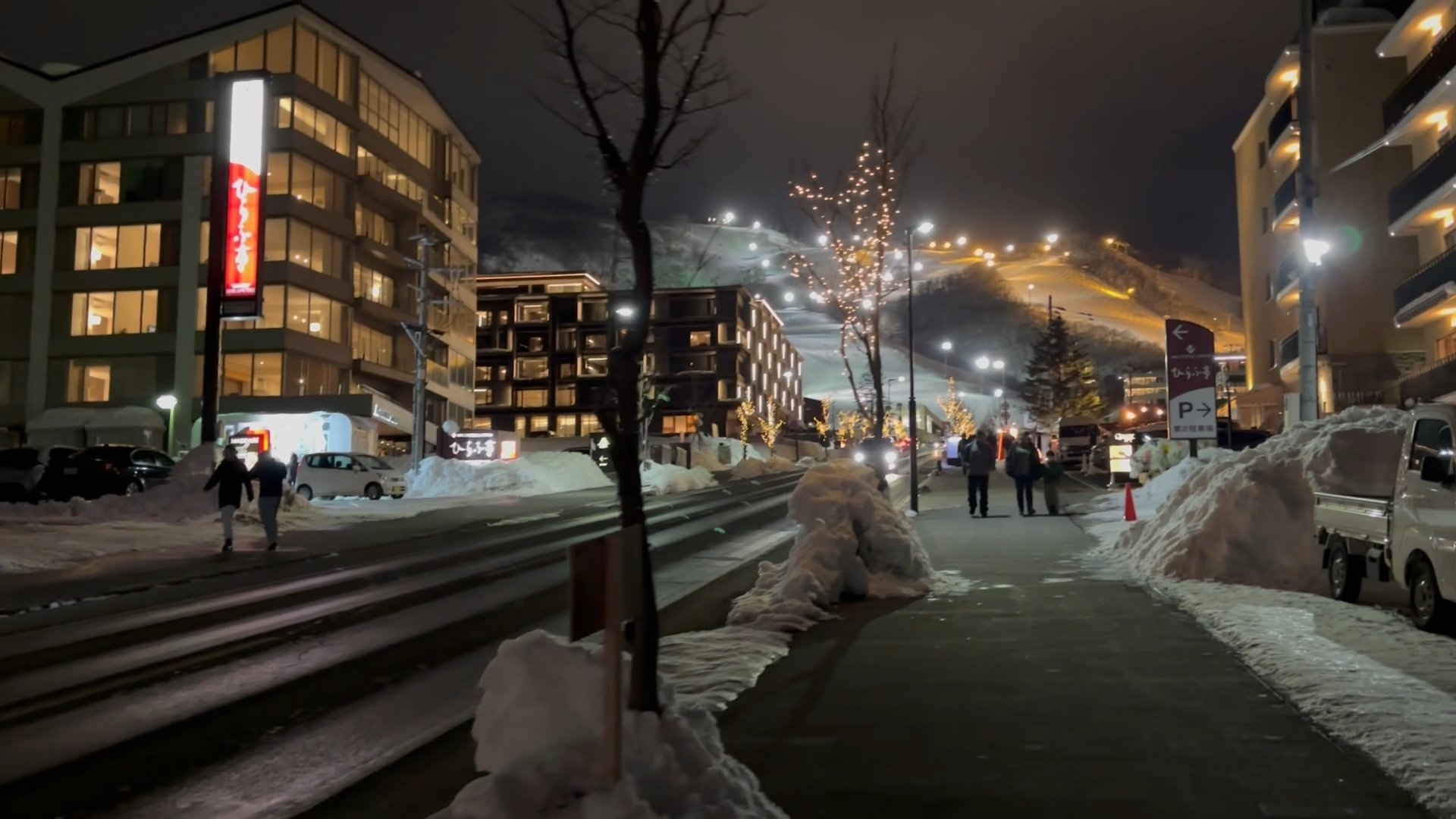
Niseko United
Japan’s Powder Playground Gone Global
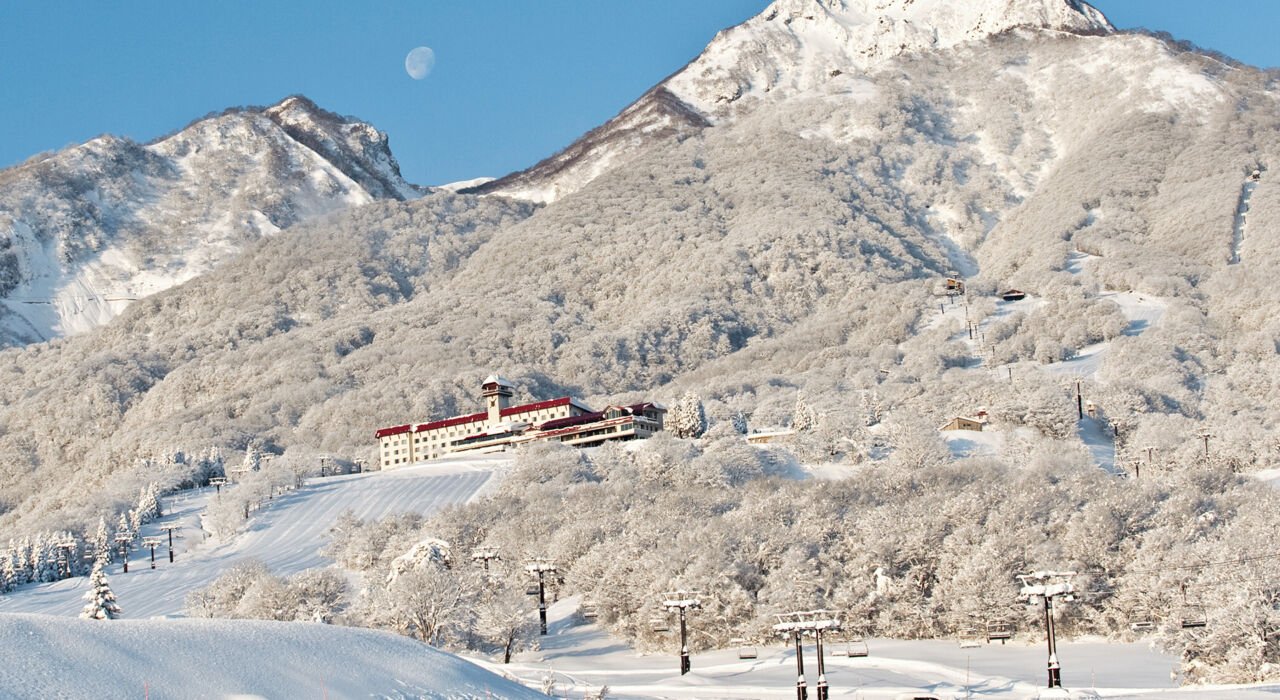
Myoko Kogen
Honshu’s Powder Canvas & Onsen Hideaway
Resort Comparison
Vibe check
Niseko feels like a full-scale destination. Hirafu is the loudest part of that story, with apartments, chalets, restaurants, bars, ski shops, and enough snow-holiday momentum that you can finish a lap and roll straight into dinner without the day ever really stopping. It is polished, busy, and very easy to understand as a visitor from Australia or New Zealand.
Myoko Kogen feels looser and more local. The area is spread across different resort zones like Akakura Onsen, Akakura Kanko, Ikenotaira, Suginohara and Seki Onsen, so the trip has more of a ski-town cluster feel than a single master-planned resort. That makes it a little less seamless, but also a lot more characterful.
Snow and weather
Estimated cumulative fresh snowfall at major on-mountain ski areas; actual totals vary substantially by resort, elevation, measurement location, and season.
Niseko wins on sheer global powder prestige, and not by accident. Official Niseko material still leans hard into its reputation as one of the world’s premier powder destinations, with strong midwinter conditions across all four resorts and a long regular season running deep into March before spring operations. If your dream trip is built around storm totals and repeat reloads, Niseko still has the bigger aura.
Myoko Kogen is no slouch, though. This is one of Honshu’s proper storm zones, and the skiing feels more like a powder-chasing region than a single resort holiday. Suginohara has long fall-line terrain and tree runs up high, Akakura Onsen gives you the bigger classic base-town feel, and Seki Onsen sits there quietly being the sort of name powder nerds say with a knowing look. That last part is an inference from the area structure and reputation, but it is a grounded one.
Where you stay
Niseko gives you range, but also sprawl. You can stay in busy Hirafu, quieter Annupuri, luxe-leaning Niseko Village, or around Hanazono, and that flexibility is useful if you want to tune the trip around nightlife, budget, or ski-in ski-out convenience. The trade-off is that Niseko is not one neat little base. Book the wrong zone for your priorities and you can add more movement to the trip than you meant to.
Myoko Kogen is more about choosing your flavour of town base. Most foreign visitors stay around Akakura Onsen, which sits about 10 minutes by taxi from Myoko Kogen Station, and that area is packed with lodges, inns, pensions, apartments, restaurants, and drop-in onsens. There is ski-in ski-out in places like Akakura Kanko, but the bigger draw is that you feel like you are staying in an onsen ski town rather than a resort complex.
We go deeper on both in Niseko accommodation and Myoko accommodation, base by base.
Terrain and tree skiing
For overall variety, Niseko gets the nod. Four resorts sharing one mountain means more ways to shape a day, more ways to dodge weather, and more scope to keep a week fresh without needing buses or transfers. Grand Hirafu, Hanazono, Niseko Village and Annupuri each bring their own feel, and together they make Niseko the broader ski canvas.
Myoko Kogen fights back with personality. Suginohara alone has an 8.5 km run and good upper-mountain snow with tree runs, Akakura Onsen offers night skiing and broad mixed-level terrain, and Akakura Kanko adds steeper laps plus a genuinely nice ski-in ski-out hotel setup. It is not as tidy a network as Niseko, but for skiers and riders who like the idea of sampling different resort moods across a trip, Myoko has real appeal.
Crowds and lift flow
Niseko’s popularity is part of the deal. The same things that make it easy and exciting also make it busier, especially around obvious zones, obvious lifts, and obvious powder mornings. It is still brilliant, but it rewards having a mild plan rather than just wandering out the door and hoping the mountain will sort itself around you.
Myoko Kogen generally feels calmer, though a bit less streamlined. Because you are dealing with multiple resorts and more spread-out bases, there is less sense of one giant international crowd funneling into the same village core. The trade-off is that lift flow can be smoother on the snow but clunkier between resorts, especially if you are bouncing around the area.
Cost and value
This is one of Myoko’s clearest wins. Niseko’s regular-season 1-day pass is ¥12,000. In Myoko, a 1-day ticket is ¥8,500 for the Akakura Onsen all-mountain ticket, ¥7,000 at Akakura Kanko, and ¥8,000 at Suginohara. You do not need a calculator to work out which side of the comparison is gentler on the wallet.
The broader trip usually follows the same pattern. Niseko has more premium product and more high-end options, which is great if that is what you want, but Myoko’s mix of family-run lodges, pensions, apartments, and local dining gives it the stronger value feel. It is the kind of place where the holiday can still feel full-fat without every decision carrying a luxury tax.
Food and nightlife
Niseko wins on volume and variety. Official Niseko content keeps banging the drum for its dining scene for good reason, and Hirafu in particular has enough restaurants, bars, late options, and slope-adjacent energy that the trip can feel almost as social as it is snowy. Add night skiing across all four resorts and Niseko has more after-dark gears.
Myoko Kogen is more local and more low-key, but not remotely dead. The area has more than 50 restaurants, local Niigata specialties, sake, and bars spread through the resort and town zones, and Akakura Onsen adds the simple pleasure of wandering between dinner, drinks, and a hot bath without the whole evening feeling overly curated. It is less flashy than Niseko, but arguably more Japan.
Logistics
For Australian and New Zealand travellers doing a pure ski trip, Niseko is usually the simpler Hokkaido play once you have committed to the flight. Official access puts the direct Chuo Bus from New Chitose Airport to Hirafu at about 3 hours 33 minutes, with Annupuri and Niseko Village slightly earlier on the route. It is not short, but it is clear, well-trodden, and built around winter visitors.
Myoko Kogen is the smarter choice if Tokyo is part of the trip. The area pitches itself as about 2.5 hours from Tokyo, and once you hit the Joetsumyoko or Myoko Kogen side of the route, you are in a proper ski region rather than a fly-in resort world. That makes Myoko far more attractive for a mixed Japan trip with city days, shinkansen travel, and a slightly more organic adventure feel.
The X-factor
Resort machine vs onsen storm town
Niseko’s X-factor is that everything is turned up. More scale, more polish, more restaurant choice, more international ease, more night skiing, and more of that I-came-all-this-way-so-I-want-the-full-show energy. It is not subtle, but subtle is not really the point.
Myoko Kogen’s X-factor is that it feels like several good powder trips mashed into one. You have the Akakura Onsen bath-and-beer town vibe, the Akakura Kanko ski-in ski-out heritage feel, the long Suginohara laps, and the fact that you can build the trip around Tokyo rather than around a Hokkaido flight. It is a little less polished and a lot more characterful, which for plenty of skiers and riders is exactly the point.
The tiebreaker
Pick Niseko if you want the bigger, easier, more social powder holiday with stronger nightlife, broader terrain variety, and a polished international setup.
Pick Myoko Kogen if you want better value, more Japanese ski-town flavour, onsen-town atmosphere, and a trip that fits beautifully into a wider Tokyo-and-snow mission.
FAQ
Is Niseko or Myoko Kogen better for first-timers?
Niseko is usually the easier first pick. The resort network is more polished for international visitors, the accommodation range is broader, and the whole place is built to make a first Japan ski trip feel pretty painless.
Which has better powder, Niseko or Myoko Kogen?
Niseko gets the safer nod for all-round powder reliability and sheer reputation. Myoko Kogen still gets seriously good snow, but it feels more like a storm-chasing region with different resort personalities than one giant powder machine.
Is Myoko Kogen cheaper than Niseko?
Yes, generally. Niseko’s regular-season day pass is ¥12,000, while common Myoko options sit around ¥7,000 to ¥8,500 depending on the resort, and accommodation tends to feel less internationally priced as well.
Which feels more Japanese?
Myoko Kogen, comfortably. The onsen-town base, family-run lodging, local restaurants, and Tokyo-train access make it feel more connected to everyday Japan than Niseko’s very international resort ecosystem.
Which is better for families?
For younger kids and a smoother first family ski trip, Niseko is easier. For families with older kids, or anyone trying to keep costs from going fully rogue, Myoko Kogen becomes a much stronger option.
Which is easier to get to?
It depends on the trip shape. Niseko is easier for a dedicated Hokkaido ski holiday via New Chitose, while Myoko Kogen is much easier to slot into a Tokyo itinerary because it is about 2.5 hours away.
When should you go?
January and February are the money months for both. Niseko suits classic storm-chasers beautifully, while Myoko Kogen is a great shout for travellers who want deep midwinter snow with a more local, less polished ski-town feel.