
Southern Tohoku Onsen & Snow Monsters Loop
Yamagata + Miyagi + Fukushima
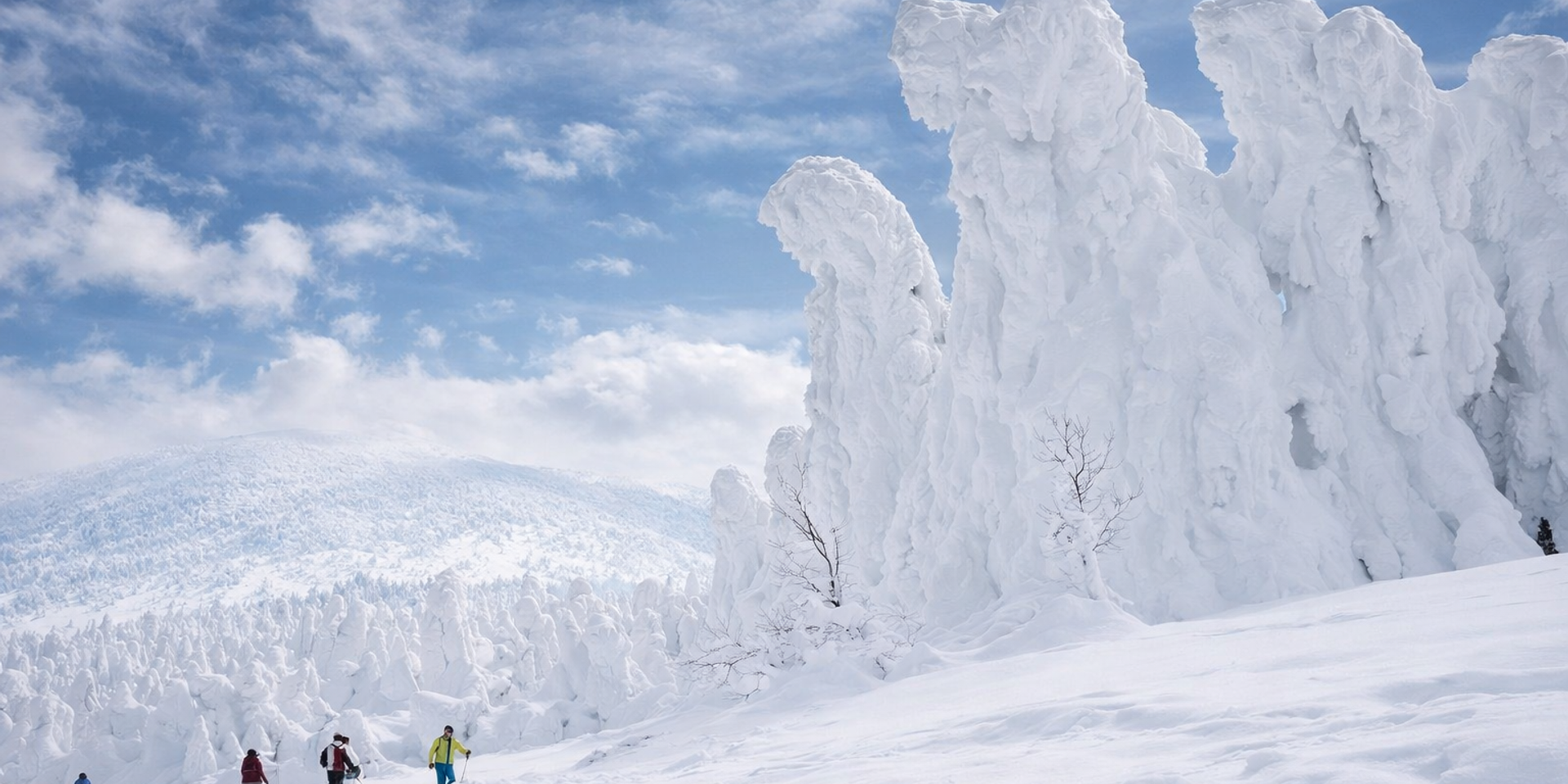
Give Southern Tohoku a week, a snow-ready rental, and a willingness to pivot, and you get one of Honshu’s most underrated winter combos: proper onsen towns, legit storm riding, and that only-in-Japan moment when the Snow Monsters appear out of the fog like a wintery dream.
This loop is built around three anchors:
- Yamagata for Zao Onsen’s Snow Monsters plus smaller, quieter hills that shine when it’s puking.
- Miyagi for quick-hit ski days near Sendai and an easy onsen reset.
- Fukushima for big-mountain mileage in the Bandai zone when you want to open it up.
Route at a glance: Sendai → Zao Onsen (2 nights) → Yamagata storm-day hills (1–2 nights) → Miyagi (1 night) → Bandai, Fukushima (2–3 nights) → Sendai
How to use this guide
- Chase the storm, not the schedule. If Zao Onsen is windy up top, ski lower and save the ropeway for a calmer window.
- Onsen is the secret weapon. Soak early, eat simple, sleep hard, repeat.
- Use the small hills like cheat codes. When visibility is trash, they keep you skiing instead of staring at a lift-status screen.
- Keep a Bandai trump card. If you need longer runs and more lift time, the Fukushima leg is where you stack vertical.
Drive-time reality check
Southern Tohoku roads get ploughed, but conditions can swing fast. If it’s actively dumping or you’re driving after dark, add buffer and keep the tank above half.
- Sendai → Zao Onsen: ~1.5–2 h
- Zao Onsen → Yamagata City: ~45–60 min
- Yamagata City → Tengendai: ~60–75 min
- Yamagata City → Yudonosan: ~60–90 min (area dependent)
- Yamagata City → Onikobe (Miyagi): ~1.5–2.5 h
- Onikobe → Spring Valley (Sendai area): ~1–1.5 h
- Spring Valley → Bandai (Nekoma Mountain/Grandeco area): ~2.5–3.5 h
- Bandai → Sendai: ~2.5–3.5 h
Day 0: Roll in via Sendai, point the car at steam
Fly into Sendai, grab a 4WD with proper winter tyres, and do the classic konbini sweep: onigiri, hot drinks, snacks you forget about until you really need them. If you land late, overnight near Sendai or Yamagata City. If you land early, go straight to Zao Onsen and start the trip the correct way: check in, soak, eat something hot, sleep like your legs already earned it.
Little ritual that saves headaches: offline maps on, fuel above half, scraper and brush in the boot, and tomorrow’s first parking lot pinned.
Days 1–2: Zao Onsen, Snow Monsters, and storm-day tree saves
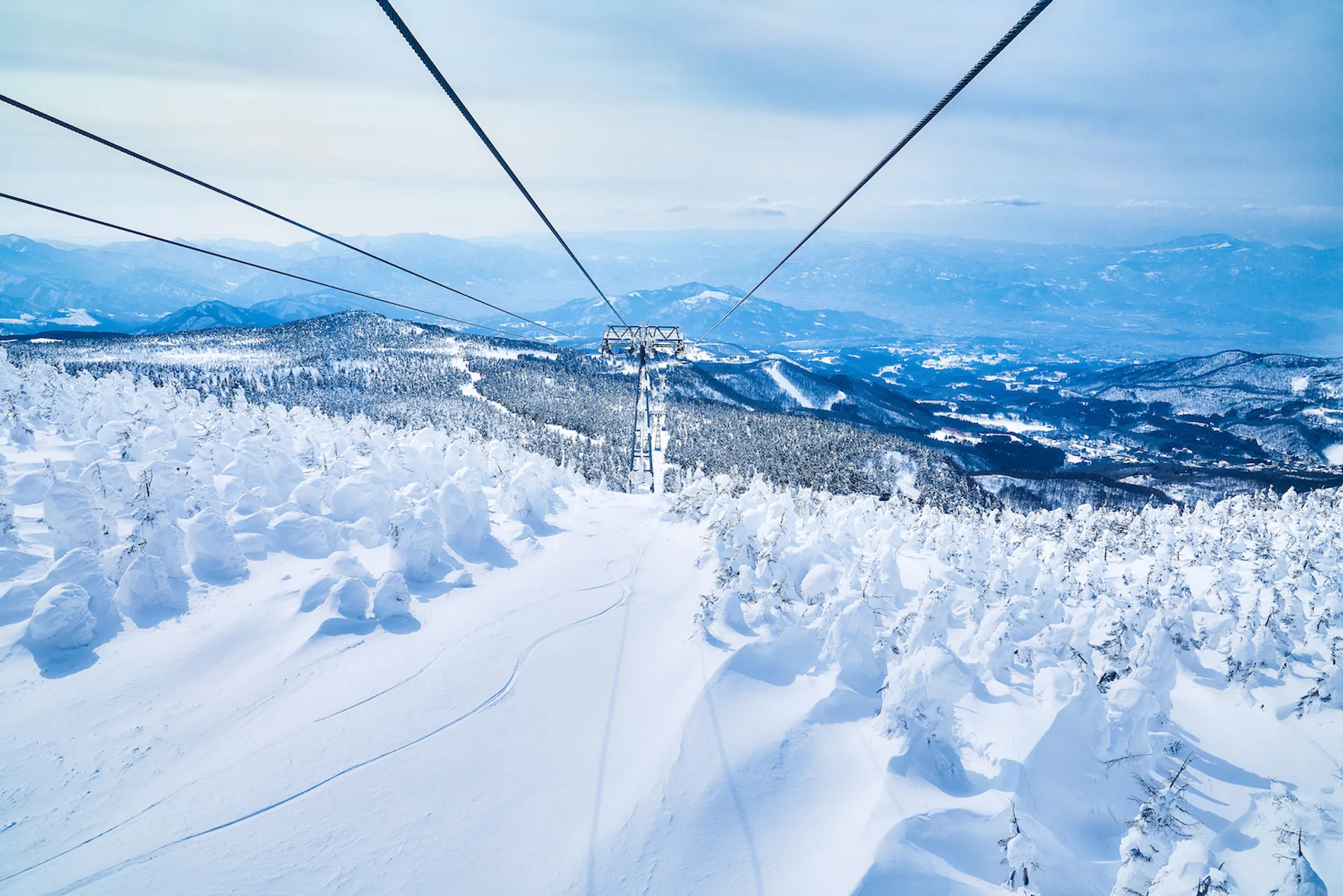
Zao Onsen is the headline act, but the best way to enjoy it is to treat it like a mood ring. When it’s calm, you go high and chase the iconic scenery. When it’s windy and white, you ski the lower mountain and keep it fun.
Morning plan: If you want the Snow Monsters, aim for a clearer window and get up there early. If it’s howling, accept reality, ski lower, and save the monster mission for later.
What to ski: Zao Onsen’s upper mountain can be full drama. That’s the point. The smarter play is to build your day in layers: start low, feel the visibility, then climb as conditions allow. When the top is a no-go, you can still have a great day lapping sheltered terrain and keeping speed where the trees give you definition.
Après: Zao Onsen is a proper hot-spring town, not a ski suburb pretending to be charming. Soak, eat, stroll the steamy streets, and let your body reset. If someone tries to talk you into a late night mission, remind them tomorrow is also a ski day.
Where to sleep: In Zao Onsen village if you want maximum vibe and minimum driving. In Yamagata City if you prefer more food options and a flexible launchpad.
Day 3: Yamagata storm-day flexibility, pick your weapon
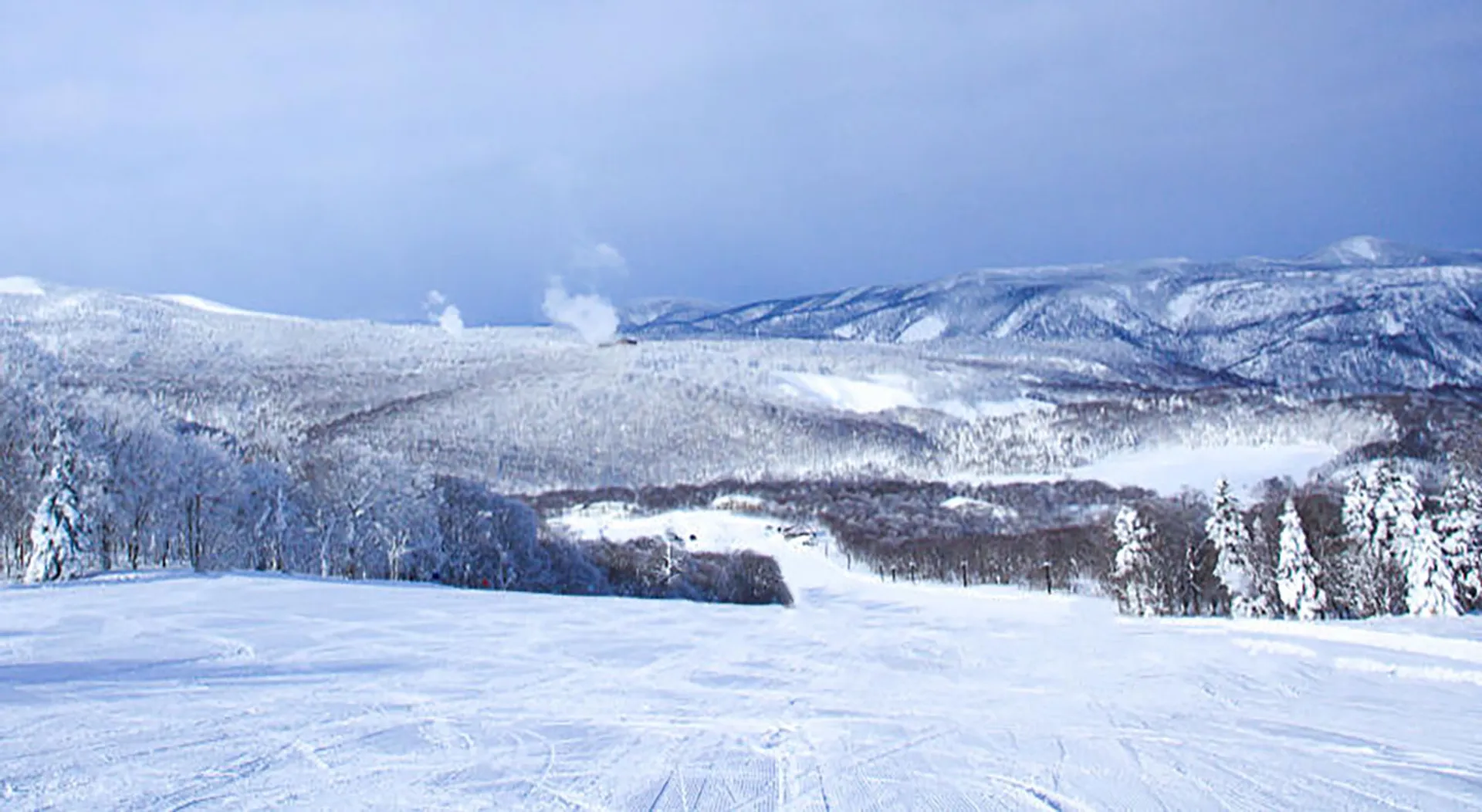
This is where the loop gets good. Yamagata has a bunch of smaller hills that are perfect when the weather is doing that classic Honshu thing: snowing sideways, visibility questionable, and the radar looking like it needs a hug.
Two strong options, with hero resorts for each area:
Akita side vibe (quieter, under-the-radar accumulations): If you’re leaning north from Yamagata and want something that feels calmer and less polished, the hero pick is Akita Hachimantai. It’s the kind of place where storm days feel productive, not punishing.
Yamagata side vibe (onsen towns, consistent snowfall, iconic scenery): If you want the classic postcard energy, the hero is Zao Onsen for the big-day scenery and culture, backed up by Tengendai and Yudonosan when you want sheltered turns and fewer crowds.
And when you want to keep it ultra-flexible, you’ve also got nearby local hills like Jungle Jungle (Kurobushi Kogen), plus other smaller options around the valley that can turn a messy forecast into a surprisingly fun ski day.
How to decide: If your group wants comfort and a sure thing, pick the hill with the easiest access and the best trees for visibility. If the weather gives you a break, use the day to reposition for the next leg.
Night plan: Overnight in Yamagata City for convenience, or pick an onsen stay that lines up with tomorrow’s drive.
Day 4: Miyagi quick-hit day, onsen reset, keep it moving
Miyagi is your palate cleanser. You’re still skiing, but the vibe shifts from iconic to practical. The hero options here are Onikobe for a quieter, local-feeling day, and Spring Valley for convenience near Sendai.
Morning plan: Choose based on the weather and where you slept. If you stayed inland, Onikobe makes sense. If you’re closer to Sendai, Spring Valley is the easy button.
What you’re aiming for: A fun day that doesn’t try to be the biggest, just the most efficient. Ski a solid block, keep lunch simple, and use the afternoon to reposition toward Fukushima so you wake up close to the Bandai zone.
Evening: This is a great night for a proper soak and an early bedtime. The next chapter is about stacking runs.
Days 5–6: Fukushima Bandai zone, big-mountain mileage at Nekoma Mountain and friends
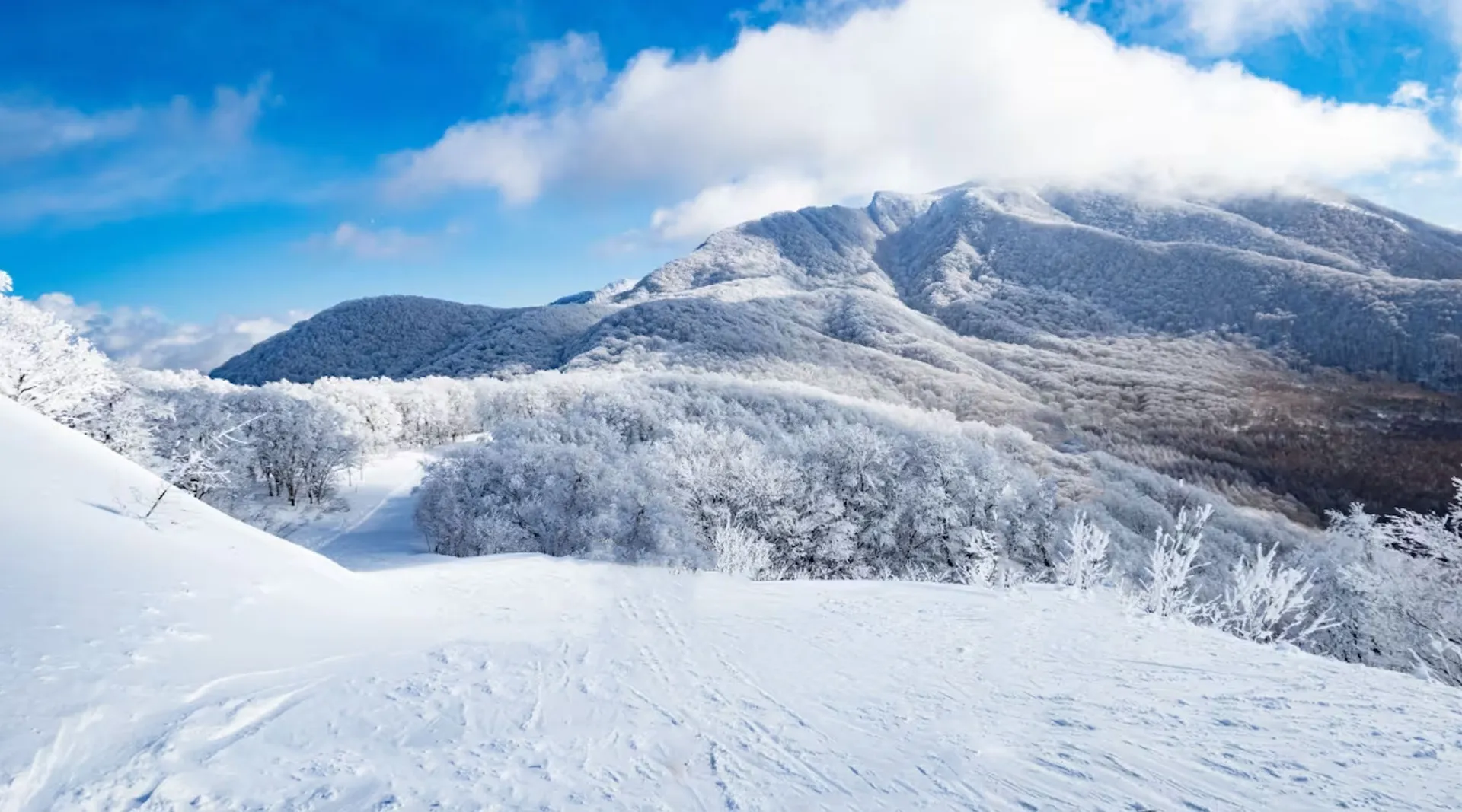
Now you cash in. The Bandai area is where you go when you want longer runs, more lift time, and terrain that feels like a step up in scale.
The hero resort here is Nekoma Mountain. It’s the kind of place that can carry an entire trip if the snow is firing. If you want variety, Grandeco is a strong supporting act and a great option when you’re prioritising cruising, visibility, or just a smoother day.
Morning plan: Start early, choose a side of the mountain that matches the wind, and build rhythm. This is not the day to overthink a complicated itinerary. Pick your favourite zone, repeat it until your legs complain, then repeat it again.
Storm logic: When it’s dumping, you’ll want trees and definition. When it clears, you can finally open it up and enjoy the wider feel of the terrain.
Where to sleep: Base near the Bandai resorts so you’re not commuting in the dark. You’re here to ski, not to practise your ice-driving technique.
Day 7: Buffer day, bonus laps, or cruise home
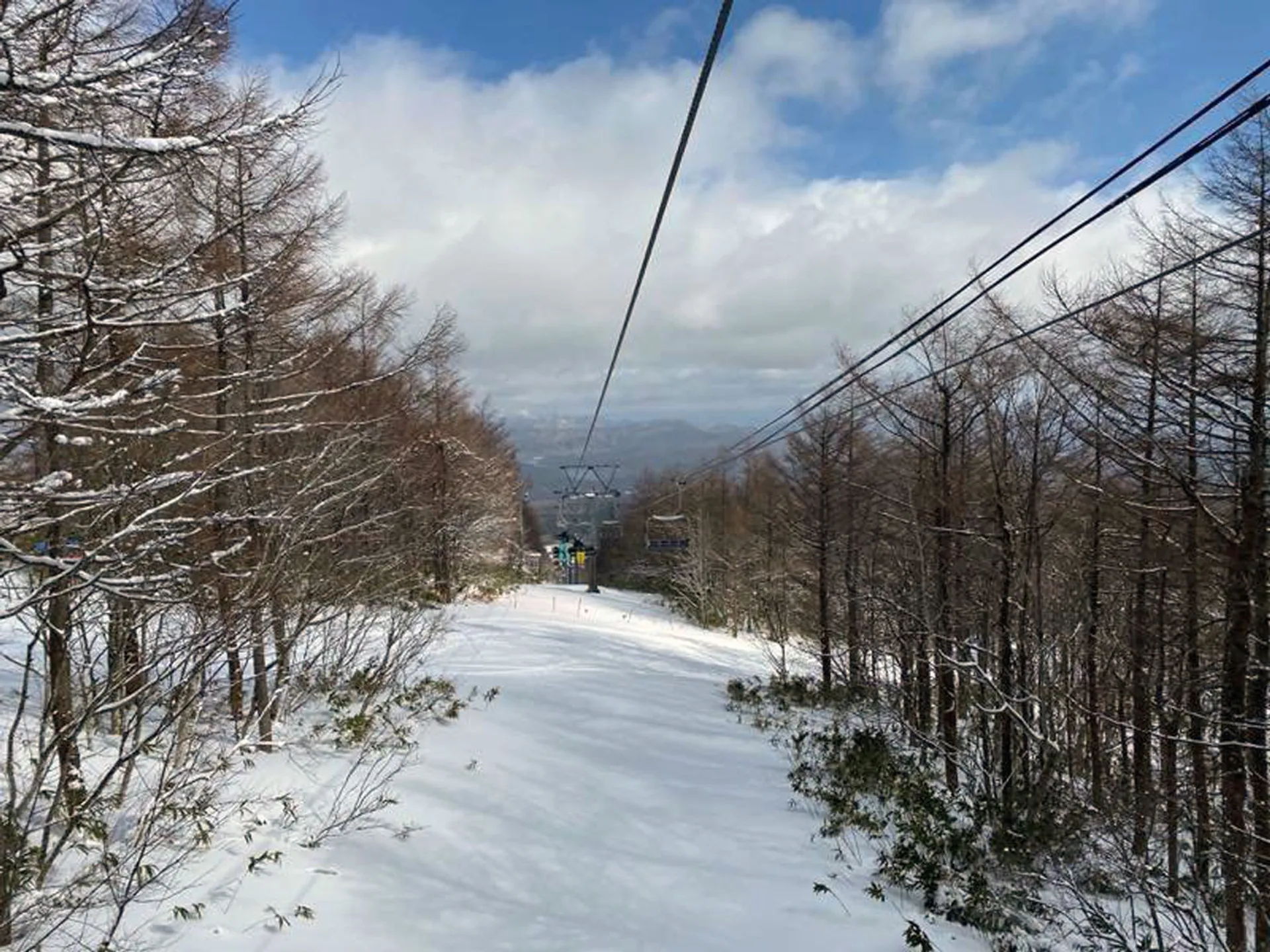
This loop works best when you keep one day loose. Use it for a final morning at your favourite Bandai hill, a relaxed reposition back to Sendai, or a last onsen stop to rinse the week out of your joints.
If the weather gave you one of those surprise bluebird mornings, this is the day you cash it in. If the weather stayed stormy all week, this is the day you pick the most sheltered option and squeeze out a final set of turns.
Where to stay: three bases that just work
Zao Onsen: For the full Snow Monsters and onsen-town experience with minimal effort.
Yamagata City: For flexibility, food choices, and easy day trips to multiple hills.
Bandai area (Fukushima): For maximum ski time at Nekoma Mountain and nearby resorts.
Food that fuels the loop
Keep it simple and fast: cafeteria curry, ramen, tonjiru, rice bowls. Konbini snacks are your insurance policy when the day runs long or the storm turns navigation into a guessing game.
The vibe check
This is not a glamorous loop. It’s a real one. It rewards people who like storm riding, hot water, and the satisfaction of making the right call when the forecast gets chaotic. Come for the Snow Monsters. Stay for the low-key powder days you’ll end up bragging about more.