

Myoko Kogen vs Kiroro
Storm-Chasing Soul or Powder-on-Tap Luxury?
Myoko and Kiroro both know how to fill your goggles with snow, but they go about it in very different ways. Myoko is the scruffier, more old-school option: a cluster of resorts, local town pockets, creaky charm, and the kind of trip that feels a bit more earned. Kiroro is the polished powder machine: compact, efficient, modern, and built for people who want deep snow without turning the holiday into a transport puzzle.
If Myoko feels like a winter region you settle into, Kiroro feels like a high-output storm bunker with hotel room service. One leans more Japan-with-skiing. The other leans more skiing-with-convenience. Both can deliver a serious powder week. They just make the rest of the trip feel very different.
The quick verdicts
- First-timers to Japan: Kiroro. Easier to understand, easier to move around, and less chance of spending day one figuring out which bus goes where.
- Family with young kids: Kiroro. Simpler logistics, more self-contained stays, and less friction between breakfast and first chair.
- Family with older kids or teens: Myoko. More variety across the area, more chance to explore, and a bit more adventure built into the trip.
- Mates trip: Myoko. Better for crews who want character, izakayas, and a trip that feels like more than just hotel-lift-repeat.
- Budget trip: Myoko. Usually easier to piece together better value across lodging, food, and day-to-day spending.
- Luxe trip: Kiroro. This is the easy call. Kiroro is the cleaner, more premium-feeling setup.
- Powder reliability: Kiroro. Both score well, but Kiroro is one of those places where snow totals get silly in a hurry.
- Big mountain terrain and variety: Myoko. Not because one single resort is massive, but because the area gives you more ways to mix up a week.
- Culture and Japan-ness: Myoko. More local feel, more everyday Japan, more sense that you are in a snow region rather than a resort bubble.
- Short trip and easy logistics: Kiroro. Better for maximising ski time and minimising faff.
The Resorts
Explore each full review for a deeper look at what each resort has to offer.
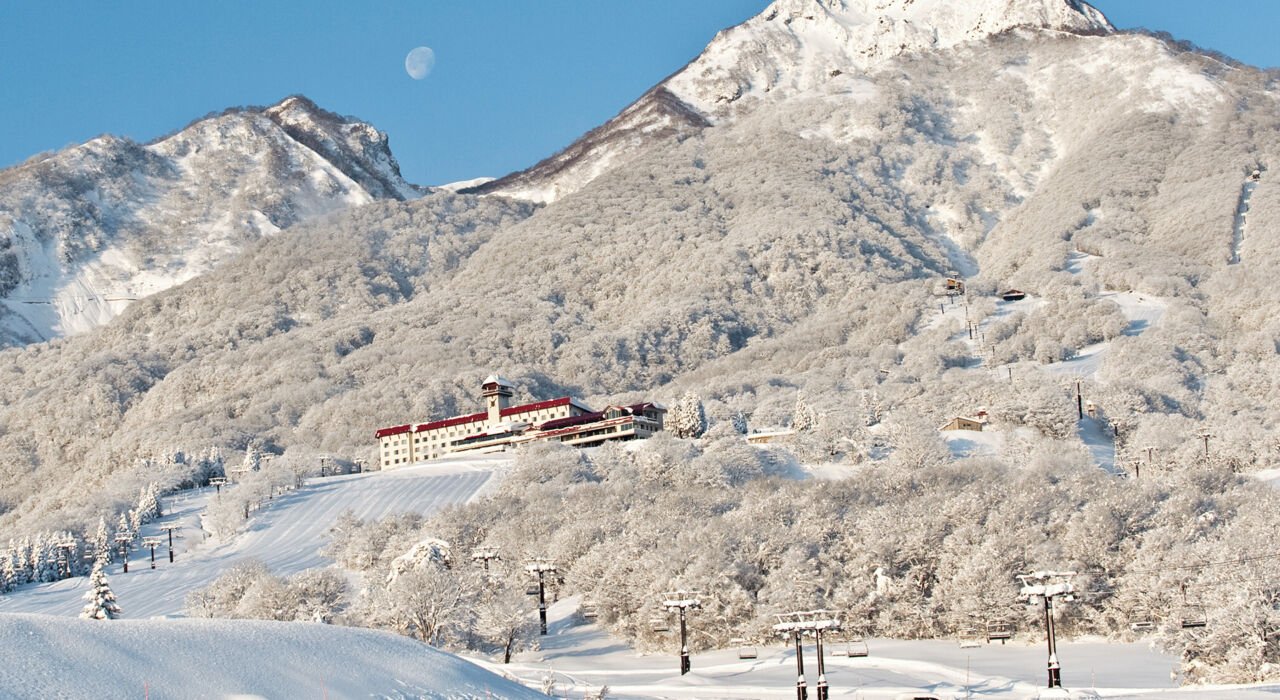
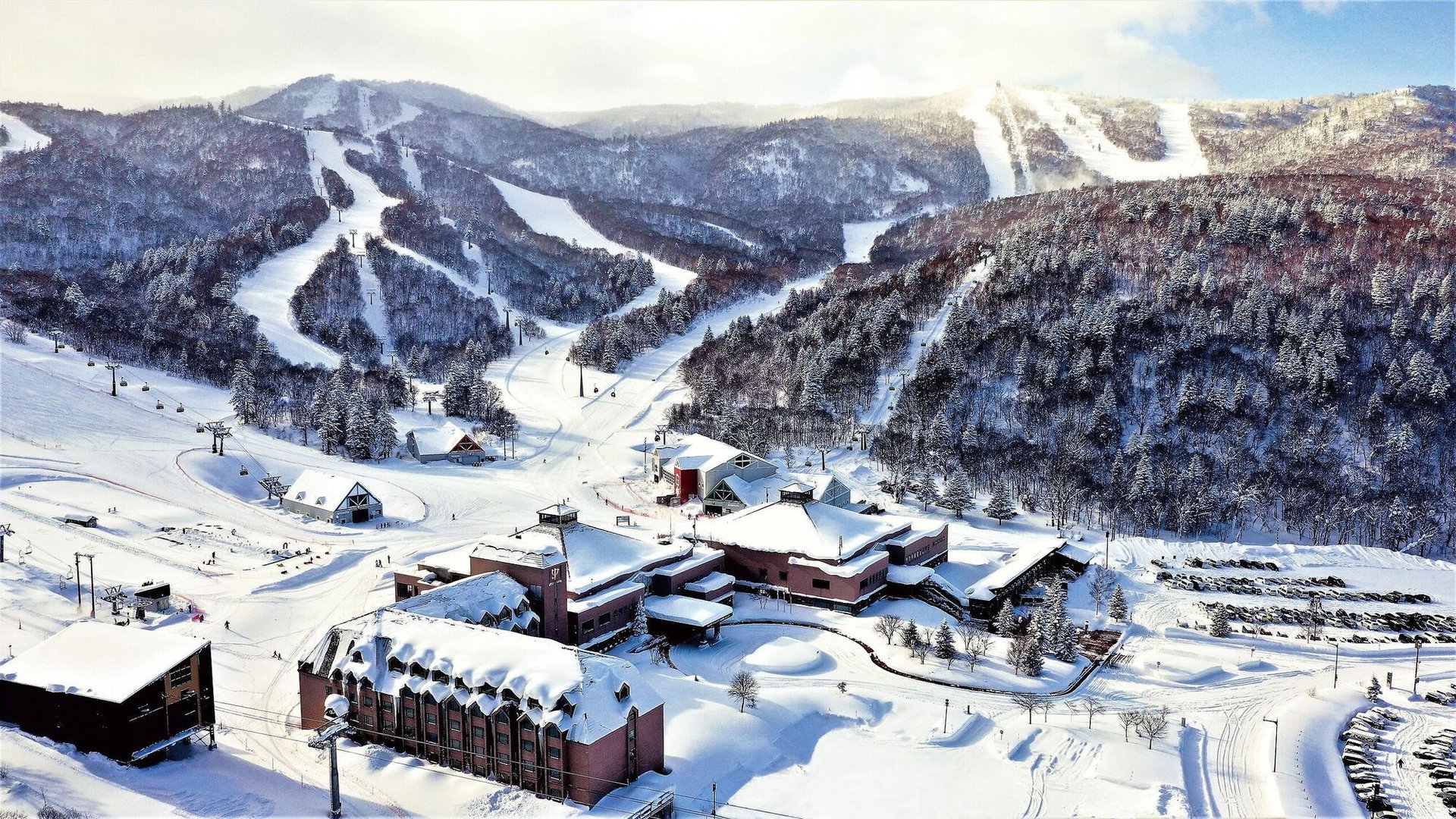
Resort Comparison
Vibe check
Myoko feels loose, local, and properly wintry. You have little town pockets, old pensions, family-run lodges, roadside restaurants, and a wider ski region that feels stitched together rather than masterplanned. That is a compliment. It has character. It feels like the kind of place where a powder day ends with damp gloves by the heater and a strong dinner in a room that has not changed much in years.
Kiroro is more controlled. It is neat, compact, and designed to make the holiday run smoothly. You are not here for charming backstreets or old bathhouse atmosphere. You are here because it dumps, the accommodation is convenient, and the whole place makes it easy to stay focused on skiing. For some travellers, that is the dream. For others, it can feel a touch sealed-off.
Snow and weather
Estimated cumulative fresh snowfall at major on-mountain ski areas; actual totals vary substantially by resort, elevation, measurement location, and season.
This is the heavyweight round. Myoko gets serious snowfall and has a deserved reputation as one of Japan’s classic storm-chasing regions. When the weather lines up, the place can feel buried in the best possible way. The snow stacks up fast, visibility can go flat, and everything starts to revolve around tree laps, face shots, and trying to keep the chairlift snow from freezing onto your jacket.
Kiroro, though, is one of the few places where even hardened powder snobs tend to go a bit quiet and just nod. It is a snow trap. Storm cycles hit hard, and the consistency is outrageous. The big catch is that Kiroro can also feel quite weather-exposed and shut-in on full nuking days. But if you are choosing purely on who is most likely to keep serving deep, Kiroro gets the narrow win.
Where you stay
Myoko gives you range, but not always simplicity. You can stay in Akakura Onsen, Akakura Kanko, Ikenotaira, Suginohara side, or spread yourself elsewhere in the broader area depending on what kind of trip you want. That flexibility is a strength, but it does mean your experience can vary a lot depending on where you book. Choose well and it is atmospheric and convenient. Choose badly and you can end up doing more shuffling than you wanted.
Kiroro is the opposite. Accommodation is far more concentrated and more plug-and-play. You stay close, you walk less, and the whole rhythm of the trip is easier. That is excellent for families, short stays, and anyone who wants minimal hassle. The trade-off is obvious: fewer charming surprises, fewer local town vibes, and usually less choice once you step outside the premium end of the market.
Terrain and tree skiing
Myoko’s strength is the wider area. You are not dealing with one single mega-resort that dominates everything. Instead, you get different flavours across the region. Some hills are steeper, some are more mellow, some are stronger for cruisers, and some come alive when the trees fill in and the storm skiing starts getting fun. For a week-long trip, that variety matters. It keeps the days from blurring together.
Kiroro is more concentrated, but what it does well, it does very well. The resort is famous for its off-piste appeal, powder stashes, and easy access to soft snow when conditions are on. The tree skiing reputation is deserved. The main limitation is that the overall experience can feel narrower if you like big-area exploration or want lots of distinct on-mountain zones. Kiroro is less about roaming and more about lapping what works until your legs tap out.
Crowds and lift flow
Myoko can get busy in obvious places, especially where international visitors cluster and where access is easiest, but the broader region helps spread people out. You are not trapped in one funnel all week. Some days you can move around and find a quieter rhythm. Other days the transfers, bus timing, or resort-hopping effort can chip away at that advantage. Myoko wins on breathing room, but not always on smoothness.
Kiroro is more efficient day-to-day, but it can feel more concentrated. Everyone is operating in the same contained system, so powder mornings can develop that familiar energy: quick breakfast, early line, game on. The upside is less travel friction and less mucking around. The downside is that when demand compresses into a single resort footprint, you feel it faster. I would still take Kiroro for smooth family flow, but Myoko for a week where I want options.
Cost and value
Myoko is usually the friendlier choice for value-minded travellers. Not cheap in the absolute sense, because popular Japan ski areas are not exactly giving holidays away anymore, but more forgiving. You have a better chance of finding accommodation that does not make your credit card wince, and food, drinks, and general day-to-day spend can feel less premium-coded.
Kiroro is where the wallet starts coughing earlier. It is the sort of place where convenience and comfort are baked into the experience, and you pay accordingly. That does not mean it is poor value. If you want seamless access, quality lodging, and a smoother overall trip, the spend can make sense. But if your goal is to stretch the budget without feeling like you are compromising the snow, Myoko is the smarter play.
Food and nightlife
Myoko is more fun after lifts close. Not because it is some wild party capital, but because it has more actual ski-town texture. You can bounce between izakayas, casual spots, lodge dinners, bars, and whatever little local gem someone points you toward after a storm day. The nights feel more varied and more rooted in place.
Kiroro is quieter and more self-contained. That can be a positive if your ideal evening is soak, dinner, sleep, repeat. For couples, families, or powder-focused travellers who want all energy reserved for first tracks, that rhythm works. But if your crew likes a bit of social life and wants the trip to have a pulse after dark, Myoko is comfortably ahead.
Logistics
Myoko asks more of you. Not outrageously so, but enough that it matters. Transfers, choosing the right base, understanding how the different resort areas fit together, and deciding whether to stay put or move around all require a bit more thought. That added complexity is part of the reward for some travellers. For others, it is just admin wearing a snow jacket.
Kiroro is the easier holiday. That is a huge selling point. It is particularly strong for shorter trips where every half-day matters, or for travellers who do not want to burn time on planning, shuttles, or figuring out a multi-base setup. If you are flying in, skiing hard, and flying out without wanting a lesson in regional transport, Kiroro makes a very convincing case.
The X-factor
Storm-region soul vs powder-bunker ease
This pairing really comes down to how you want the snow trip to feel between the runs. Myoko has storm-region soul. It feels like a real place with ski fields attached, a broader local identity, and that satisfying little bit of roughness around the edges. You are not just consuming powder. You are stepping into a snowy Japanese region and making a trip out of it.
Kiroro is powder-bunker ease. It strips away a lot of the moving parts and keeps the focus squarely on comfort and snowfall. Wake up, gear up, go ski deep snow, come back warm. That is a very strong pitch, especially for travellers who want maximum reward with minimum operational nonsense. Less romance, maybe. More efficiency, definitely.
The tiebreaker
Pick Myoko if you want a trip with more local flavour, better value, more off-mountain character, and a broader regional feel.
Pick Kiroro if you want the easiest path to premium powder skiing, cleaner logistics, and a more comfortable, self-contained stay.
FAQ
Is Myoko or Kiroro better for powder?
Kiroro gets the nod for pure powder reliability. Myoko is still a storm-chasing classic, but Kiroro is one of the few resorts where absurd snowfall can feel almost routine.
Which is better for families?
Kiroro is usually the easier family choice, especially with younger kids. The more contained layout and simpler stay-ski rhythm remove a lot of the day-to-day hassle.
Which is better value?
Myoko is the better bet for value. It usually gives you more room to manage accommodation, meals, and trip style without everything feeling premium-priced.
Is Myoko or Kiroro better for advanced skiers?
This depends on what kind of advanced skier you are. Kiroro is brilliant for powder-focused riders who want to lap soft snow, while Myoko suits people who like variety across different resorts and a more exploratory week.
Which is better for beginners?
Kiroro is generally easier for first-timers to Japan because the whole trip is simpler to navigate. Myoko can still work for beginners, but choosing the right base and terrain mix matters more.
Which one feels more Japanese?
Myoko, easily. It has more town character, more local texture, and more of that everyday Japan feeling once you step off the snow.
Which is easier to get to for a short ski trip?
Kiroro is the better short-trip option because it wastes less of your holiday on logistics. Myoko rewards longer stays more, where the extra regional variety has time to pay off.