

Hakuba vs Myoko Kogen
Olympic Playground or Storm-Chasing Hideout?
Hakuba and Myoko Kogen can both deliver that grinning-on-the-chairlift kind of Japan trip, but they go about it very differently. Hakuba is bigger, broader, busier, and more built for variety. Myoko Kogen feels looser, snowier, more old-school, and a bit less polished in ways that many powder hounds will love.
If Hakuba is the place where you spread out a trail map and start plotting options, Myoko is the place where you wake up, look outside, see fresh snow stacking up, and think right, this is going to be one of those days. One is a full valley-sized ski holiday. The other is a stormy little region that punches above its weight.
The quick verdicts
- First-timers to Japan: Hakuba. Easier to understand, easier to book around, and there is more choice if your trip starts wobbling.
- Family with young kids: Hakuba. More accommodation variety, more ski school options, and a smoother landing for mixed-ability family trips.
- Family with older kids or teens: Hakuba. More terrain variety and more ways to keep everybody entertained once ski energy levels go sideways.
- Mates trip: Hakuba. Better nightlife, more restaurant choice, and enough terrain spread to keep a crew busy for days.
- Budget trip: Myoko Kogen. Usually better value once you stack up lodging, food, and the general feel of the place.
- Luxe trip: Hakuba. This is where the higher-end stays, polished chalets, and more premium trip styles live.
- Powder reliability: Myoko Kogen. When storms roll through, Myoko can feel like a snow globe with a chairlift.
- Big mountain terrain and variety: Hakuba. More resorts, more scale, more ability to change gears day to day.
- Culture and Japan-ness: Myoko Kogen. A bit less international gloss, a bit more traditional rhythm, and more local texture.
- Short trip and easy logistics: Hakuba. Direct access from Tokyo is simpler and the overall trip planning is less fiddly.
The Resorts
Explore each full review for a deeper look at what each resort has to offer.
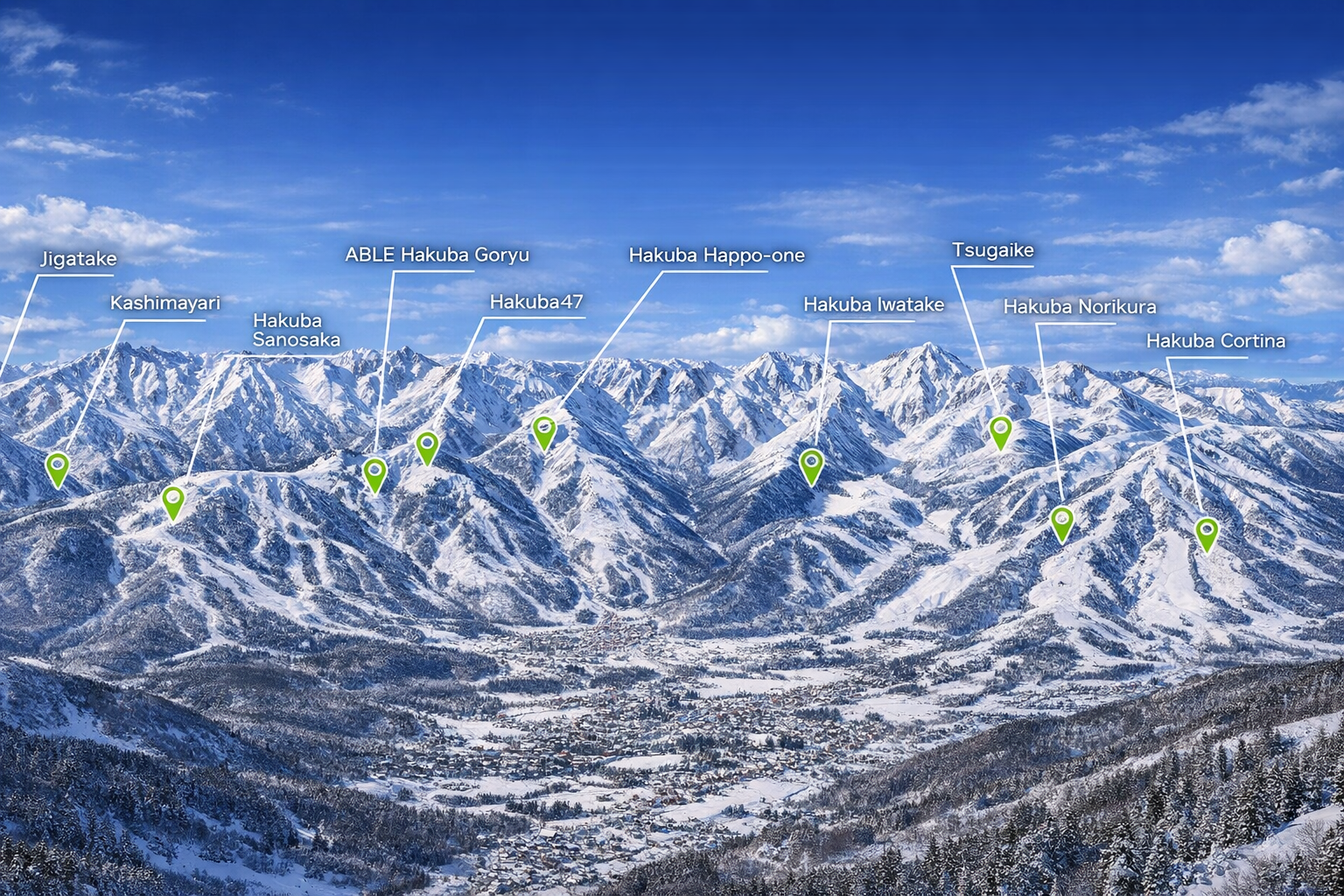
Hakuba Valley
Hakuba Valley: Japan’s alpine playground with ten different personalities
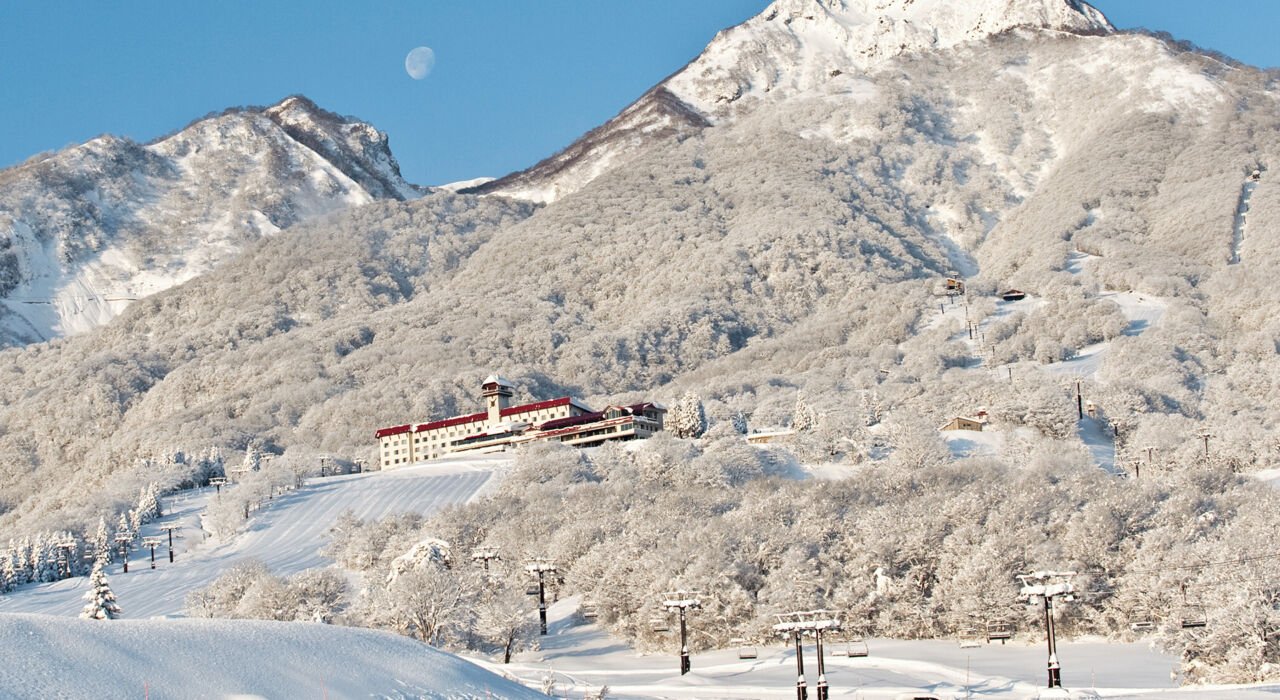
Myoko Kogen
Honshu’s Powder Canvas & Onsen Hideaway
Resort Comparison
Vibe check
Hakuba feels like a proper mountain zone with a lot going on. You have multiple resorts, multiple base areas, plenty of accommodation styles, a bigger international footprint, and enough bars, cafés, shuttle runs, and lift choices to make it feel like a full ski ecosystem. It can be brilliant for that exact reason. There is always another option, another hill, another dinner booking, another plan.
Myoko Kogen feels more intimate and more weather-driven. It is not trying to be a giant all-things-to-all-people valley. It feels more like a cluster of snow towns and ski areas where the trip revolves around conditions, good laps, a hot bath, and dinner without much fuss. The pace is slightly slower, the edges are slightly rougher, and that is a big part of the charm.
Snow and weather
Estimated cumulative fresh snowfall at major on-mountain ski areas; actual totals vary substantially by resort, elevation, measurement location, and season.
Hakuba gets very good snowfall by Honshu standards and can absolutely fire, especially when storm cycles line up and upper mountain terrain fills in properly. But it can also be more variable than people expect. You are dealing with a broader valley, a mix of elevations and aspects, and weather that can swing from dreamy to a bit damp or wind-affected depending on where you are skiing.
Myoko Kogen has a stronger reputation for straight-up storm-day reliability. This is one of those places where snowfall is not just a feature, it is the mood. Heavy dumps, deep accumulations, and regular reset days are a huge part of why people keep going back. The trade-off is that visibility can be properly grim and the snow can be denser than the super dry stuff people associate with inland Hokkaido, but for sheer here-we-go-again powder energy, Myoko is hard to ignore.
Where you stay
Hakuba gives you range. You can go full chalet trip, family apartment, slick hotel, pension, or something more practical and bus-friendly. It is also one of the easier Japanese ski areas to tailor to different budgets and trip styles because there is just so much inventory spread across different villages and bases. The downside is that the best spots can get booked hard, and where you stay really changes your trip. Pick badly and you can spend plenty of time in shuttles and boots.
Myoko Kogen is narrower in style and that is not a bad thing. You get more pensions, inns, traditional-feeling stays, and low-key lodging that feels part of the mountain town rather than floating above it. There are fewer flashy options, fewer true luxe plays, and less of that polished resort sheen. But if you like the idea of stepping into a warm, unfussy base with character and good access to snow, Myoko does that very well.
Terrain and tree skiing
Hakuba wins on scale and variety, comfortably. You have steeper faces, bigger resort personalities, more lift networks, more on-piste mileage, and more ways to shape a week depending on weather and ability. One day can be cruisers and wide-open groomers, the next can be technical terrain, alpine views, or tree laps if conditions allow. It is the better pick for skiers and riders who get bored easily.
Myoko Kogen is more about the quality of the snow experience than giant scale. Resorts like Akakura Kanko, Akakura Onsen, Suginohara, and nearby options such as Lotte Arai give the broader region real appeal, but the feeling is still more storm-pocket than mega-domain. Tree skiing fans will find plenty to like when conditions and access line up, and the soft snow can make moderate terrain ski far better than it looks on paper. You come here less for endless menu options and more for repeated deep, satisfying laps.
Crowds and lift flow
Hakuba’s popularity is both a strength and a tax. There is enough infrastructure to move a lot of people, but on peak mornings, powder days, and holiday periods, that machine gets tested. Lift lines can build, key access chairs can back up, and the most obvious terrain gets tracked fast. A savvy Hakuba trip means knowing where to go, when to move, and when to bail on the popular plan before everyone else has the same idea.
Myoko Kogen is usually calmer, and the crowd experience often feels gentler. That does not mean empty. A good storm day will still get people moving, and some areas have older infrastructure or a more limited lift layout. But the overall rhythm is less hectic than Hakuba. You are less likely to feel like the day has turned into a queue-management exercise, which is a big win for people who came for snow, not logistics.
Cost and value
Hakuba can get expensive fast, especially if you lean into the nicer end of the market, eat out every night, and want convenience in the most popular zones. It has the full spectrum, but it is one of those places where it is easy to accidentally build yourself a premium holiday. The breadth of choice helps, though. If you plan carefully, stay in the right area, and avoid treating every dinner like an event, you can still do Hakuba sensibly.
Myoko Kogen tends to feel better value day to day. Accommodation often stretches further, meals are usually less of a wallet sting, and the whole trip can feel less commercial. You are not paying as much for scene, scale, or valley-wide convenience. You are paying for a snow trip. For a lot of people, especially repeat Japan skiers who care more about storm cycles than polished packaging, that is a very good deal.
Food and nightlife
Hakuba is the easy winner for variety. There are more restaurants, more bars, more people around, and more chance of finding exactly the kind of night you want, whether that is ramen and an early bed or a bigger night out with the crew. It feels more social, more international, and more tuned for travellers who want their ski trip to keep rolling after the lifts stop.
Myoko Kogen is quieter and more old-school. You can eat well, drink well enough, and have a very good time, but it is not built around nightlife in the same way. The appeal is more subtle. Think satisfying local meals, a couple of drinks, hot bath, snow check, repeat. If you want dinner reservations, buzzing bars, and plenty of options within easy reach, Hakuba is the safer play. If you like low-key evenings that feel part of a snow town rhythm, Myoko lands nicely.
Logistics
Hakuba is one of the easiest big-name Japanese ski destinations to organise from Tokyo. The transport chain is straightforward, there are plenty of services aimed at international travellers, and the volume of accommodation and transfer options removes a lot of stress. For first-timers, families, or groups with different confidence levels around Japan travel, that matters more than people admit.
Myoko Kogen is still very doable, but it asks for a bit more intention. It feels slightly more tucked away, slightly less plug-and-play, and a little more dependent on getting your transfers and resort-area choices right. Nothing dramatic, just less idiot-proof. For experienced Japan travellers, that is no issue at all. For someone doing their first ski trip in Japan with kids, bags, and a low tolerance for transport puzzles, Hakuba is the easier answer.
The X-factor
Olympic sprawl vs storm-cycle soul
Hakuba has that rare thing in Japan where the ski trip can genuinely feel big. Not just good, big. It has the old Olympic halo, the valley-hopping mindset, and the sense that you are exploring a major ski region rather than settling into one snow pocket. That gives the trip momentum. Even on a longer stay, Hakuba keeps handing you new angles.
Myoko Kogen’s superpower is the opposite. It has storm-cycle soul. It feels like the kind of place where the weather writes the itinerary and everyone just nods in agreement. There is less theatre, less scale, less noise, but a stronger sense of snow-first purpose. You are not there to conquer a valley. You are there to time it right, ski hard, eat well, and soak your legs while more snow falls outside.
The tiebreaker
Pick Hakuba if you want the bigger all-round ski holiday, more terrain variety, easier planning, and better dining and nightlife options.
Pick Myoko Kogen if you want stronger powder vibes, better value, more traditional mountain-town character, and a trip that feels built around storms rather than scene.
FAQ
Is Hakuba or Myoko Kogen better for first-time visitors to Japan?
Hakuba is the easier first trip. It is better set up for international visitors, has more accommodation and dining choice, and the logistics are simpler to piece together. Myoko is still very manageable, just a little less forgiving if you want everything to run smoothly on autopilot.
Which is better for powder, Hakuba or Myoko Kogen?
Myoko Kogen gets the nod for powder reliability. Hakuba can absolutely deliver big days, but Myoko more often feels like the place where snow just keeps showing up and quietly doing damage to your leg strength.
Which is better for advanced skiers and riders?
Hakuba is usually better for advanced skiers and riders who want variety, scale, and more terrain options across a longer trip. Myoko is excellent if your idea of a great advanced day is repeated soft-snow laps rather than ticking off lots of different resort personalities.
Is Myoko Kogen cheaper than Hakuba?
Usually, yes. Myoko often feels better value on accommodation, meals, and the general cost of being there. Hakuba can still be done without blowing the budget, but it is easier for costs to creep upward.
Which is better for families, Hakuba or Myoko Kogen?
Hakuba is the safer family recommendation, especially with younger kids or mixed abilities. There is more choice, more support infrastructure, and more ways to rescue the day if weather, energy, or lesson plans go a bit sideways.
Is Hakuba or Myoko Kogen easier to reach from Tokyo?
Hakuba is generally the easier option for most travellers. The transport is simpler to understand, there are more transfer options, and the whole trip feels more streamlined. Myoko is not difficult, but it usually takes a bit more planning.
When is the best time to go to Hakuba or Myoko Kogen?
For both, the sweet spot is when winter has properly settled in and base depth is no longer a nervous conversation. Myoko is the stronger play if your whole trip is chasing regular storm snow, while Hakuba shines once more of the valley is skiing well and you can take advantage of its bigger terrain mix.