
Zao Sarukura
Ski-only storm shelter for quiet turns
 猿倉
猿倉Small hill, big peace of mind
Zao Sarukura is the kind of place locals duck into when the weather is messy and bigger resorts are either busy, windy, or just feeling like too much admin. It’s a compact ski area tucked on the Zao Onsen side of Yamagata, with a simple layout, two chairlifts, and a small set of courses that you’ll learn quickly. If you like figuring out a hill in an hour and then spending the rest of the day farming the best snow, this is your lane.
The vibe is unapologetically old-school Japan: practical, quiet, and aimed at skiers. Snowboarders should know the headline up front: this is a ski-only hill. That single detail keeps the crowd profile mellow and the hill’s rhythm consistent. You’ll see families, ski clubs, and locals doing tidy turns, plus the occasional powder hunter who’s clocked that small hills can deliver big smiles on the right day.
Affordability is a big part of the charm. The day ticket is relatively gentle by modern Japan standards, and the whole place feels built for a relaxed day out rather than a destination spectacle. English is limited, but the hill is easy to navigate without much language, and the staff are typically helpful if you’re polite and patient.
Crowds are usually light on weekdays and still pretty manageable on weekends, especially compared to headline resorts in the region. There’s not a huge food scene on the mountain, but you’re close enough to Zao Onsen and Kaminoyama that you can eat well before or after skiing. This is more about clean, simple turns and sneaky storm-day stashes than it is about “the full resort experience”.
Resort Stats
- Vertical180m (880m → 700m)
- Snowfall~8m
- Terrain 30% 50% 20%
- Tree Riding
- Lift Pass¥3,800
- Lifts2 double chairs
- Crowds
- Out of Boundsnot allowed
- Night Skiing
- Family Friendly
- Trails5
- Skiable Area~10ha
- Vibequiet, local, ski-only
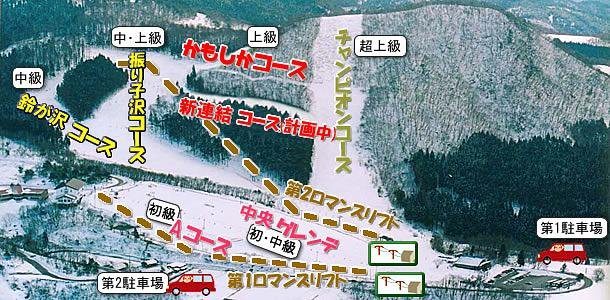
Trail Map
Accommodation
View MapMost visitors treat Sarukura as a day-trip hill and sleep somewhere with better onsen and dinner options. The obvious base is Zao Onsen, where you can go full classic Japan winter town: soak after skiing, wander in boots, and eat well without thinking too hard. Standout stays here tend to lean ryokan or resort-hotel comfort. If you want a traditional onsen-ryokan feel with history, Miyamaso Takamiya is a well-known name in town. For a more hotel-style stay with easy access to amenities, Zao Onsen Kokusai Hotel is another solid option, especially if you want that straightforward ski-trip flow.
If you prefer quieter evenings and easy access to the Shinkansen, Kaminoyama Onsen is a practical base. You’ll trade the ski-town buzz for a calmer onsen-town vibe, which can be a win if you like early nights and early starts. A classic option here is Hayamakan, which leans into the relaxing, traditional hot-spring stay rather than party energy.
If you’re doing a broader Tohoku road trip, Yamagata City also works as a hub. It’s not charming like an onsen town, but it’s convenient, you’ll have plenty of food choices, and you can position yourself for multiple hills. Hotel Metropolitan Yamagata (right by the station) is the kind of easy base that makes logistics painless when the forecast is bouncing around.
Powder & Terrain
Sarukura is a small-hill puzzle you can solve fast, and that’s the point. On storm days, the best plan is to ride the chairs early, take a couple of warm-up groomers to feel the snow density, then start hunting the side-of-run pockets and the softer edges that don’t get scraped by traffic. Because the vertical is short, snow quality is more sensitive to temperature than high alpine resorts, but when it’s cold it skis surprisingly well and can refill quickly between runs. The steeper pitches (for this hill) give you a brief fall-line pop, and the tree-lined margins offer sheltered turns when visibility goes flat. The downside is obvious: limited terrain means you’re repeating the same zones, so your day improves if you’re happy to ski with a plan and keep moving rather than expecting endless variety.
Getting There
Closest major airport is Sendai, with Yamagata Airport sometimes working depending on your routing. Most visitors coming from Tokyo will find the smoothest winter path is the Yamagata Shinkansen into Yamagata Station or Kaminoyama-Onsen Station, then a car or local transfer up toward the Zao Onsen area.
A rental car is the easiest way to make Sarukura part of a flexible powder plan, especially if you’re bouncing between smaller hills and bigger resorts depending on wind and visibility. Winter driving in this zone is real: get proper snow tyres, don’t be the person trying to “make it work” on all-seasons, and keep chains in the car if the forecast looks aggressive. After big snowfall, the last stretch can be snowpacked and slick, and plough timing matters.
If you’re relying on public transport, it’s more viable if you’re staying in Zao Onsen and using local buses or taxis, but Sarukura is not the kind of place with a super streamlined international resort shuttle setup. It’s doable, just less plug-and-play.
Who's it for?
- First-timersOkay
- Powder huntersOkay
- Non-skiersLimited
- BudgetExcellent
- LogisticsLimited
If you’re an upper intermediate or advanced skier who enjoys low-traffic hills and doesn’t need big vertical to have fun, Sarukura is a great little arrow in the quiver. It’s also a solid option for mixed-ability groups where some people want groomers and others want to sniff out softer snow on the sides.
If you’re chasing big, sustained steeps, long tree shots, or a destination-level freeride setup, you’ll feel capped pretty quickly. And if you snowboard, this one is a hard no. Consider it a calm, ski-only day that complements a bigger Zao Onsen trip rather than replacing it.
Food & Après
On-mountain food is usually simple and functional: think curry rice, ramen, udon, and the kind of cafeteria meals that do the job when it’s puking and you don’t want to leave the hill. Don’t overthink it. Fuel up, warm up, get back out.
For better eats, plan your real meal in town. Zao Onsen has a mix of casual Japanese spots and small izakaya-style places where you can settle in with something hot, plus local staples like soba and hearty winter dishes. Yamagata Prefecture is good eating in general, so even a low-key night can turn into a proper feed if you pick a place with local ingredients.
Après here is more onsen than bar stool. If you want the classic Japanese recovery routine: soak, steam, cold air, repeat. If you’re after nightlife, you’re better off staying closer to the main Zao Onsen strip or using Yamagata City as your evening base.
Japow Travel Tips
- Lift hours: Typically daytime operations around 8:30 to 16:30; night skiing is limited and not every night (when offered, it’s usually early evening).
- Avalanche / backcountry reality: This is not a gate-network freeride hill. Treat it as an in-bounds resort where ducking out is not the vibe and can cause problems fast.
- Weather & snow patterns: Strong mid-winter snowfall is common, but the relatively low elevation means snow quality tracks temperature more closely than higher resorts. Cold storms are the money days.
- Language/cultural quirks: Expect minimal English and a very local flow. Be polite, follow signs, and you’ll be fine. Also, it’s ski-only.
- Anything unique: The ski-only rule and small size keep the crowd calm and the hill’s rhythm consistent. It’s a great mental reset day.
- Nearby resorts worth pairing: Pair it with Zao Onsen for bigger terrain and the full winter-town experience. Zao Liza is another nearby option if you want a change of pace without moving far.
Verdict: Small hill, sneaky good storm-day call
Zao Sarukura isn’t trying to be a destination headline, and that’s exactly why it works. It’s a quiet, ski-only local hill where you can keep things simple: show up, ride the chairs, hunt the soft edges, and finish the day feeling like you got more turns than drama. If you’re building a Zao Onsen-area trip, Sarukura is a smart add-on for stormy weather, lighter crowds, and a mellow day that still scratches the Japow itch.