

Rusutsu vs Myoko Kogen
Polished powder machine or storm-chasing classic?
Rusutsu and Myoko Kogen both deliver proper Japan ski-trip energy, but they go about it in very different ways. Rusutsu is the smoother operator. It is tidy, easy to ski, easy to stay at, and built for people who want very good powder without turning every day into a logistics puzzle.
Myoko Kogen is scrappier, snowier-feeling, and more regional in vibe. It is less about one slick resort experience and more about tapping into a whole powder zone with different hills, little towns, old-school accommodation, and that lovely sense that a storm could roll through and turn the next 24 hours into mayhem in the best possible way. Rusutsu feels premium and polished. Myoko feels hungry.
The quick verdicts
- First-timers to Japan: Rusutsu. It is easier to understand, easier to move around, and far less likely to fry your brain on day one.
- Family with young kids: Rusutsu. Smoother base setup, simpler ski days, and less stuffing around between areas.
- Family with older kids or teens: Rusutsu. Better lift-access tree laps and a more instantly fun mountain for confident young skiers and riders.
- Mates trip: Myoko Kogen. Bigger storm-chasing feel, more local flavour, and a better setup for crews who do not need everything wrapped in a neat resort bow.
- Budget trip: Myoko Kogen. It is usually the easier place to stretch the holiday budget without feeling like you are downgrading the skiing.
- Luxe trip: Rusutsu. No contest. This is the one for comfort, convenience, and a more premium sleep-ski-eat-repeat setup.
- Powder reliability: Rusutsu. Hokkaido quality is hard to beat, even if Myoko can absolutely get buried.
- Big mountain terrain and variety: Myoko Kogen. More of a region-style experience, with multiple areas and more ways to mix up a longer stay.
- Culture and Japan-ness: Myoko Kogen. It feels more local, more weathered, and more like a real ski town zone than a resort bubble.
- Short trip and easy logistics: Rusutsu. You can land, transfer, settle in, and get on with skiing without much mental admin.
The Resorts
Explore each full review for a deeper look at what each resort has to offer.
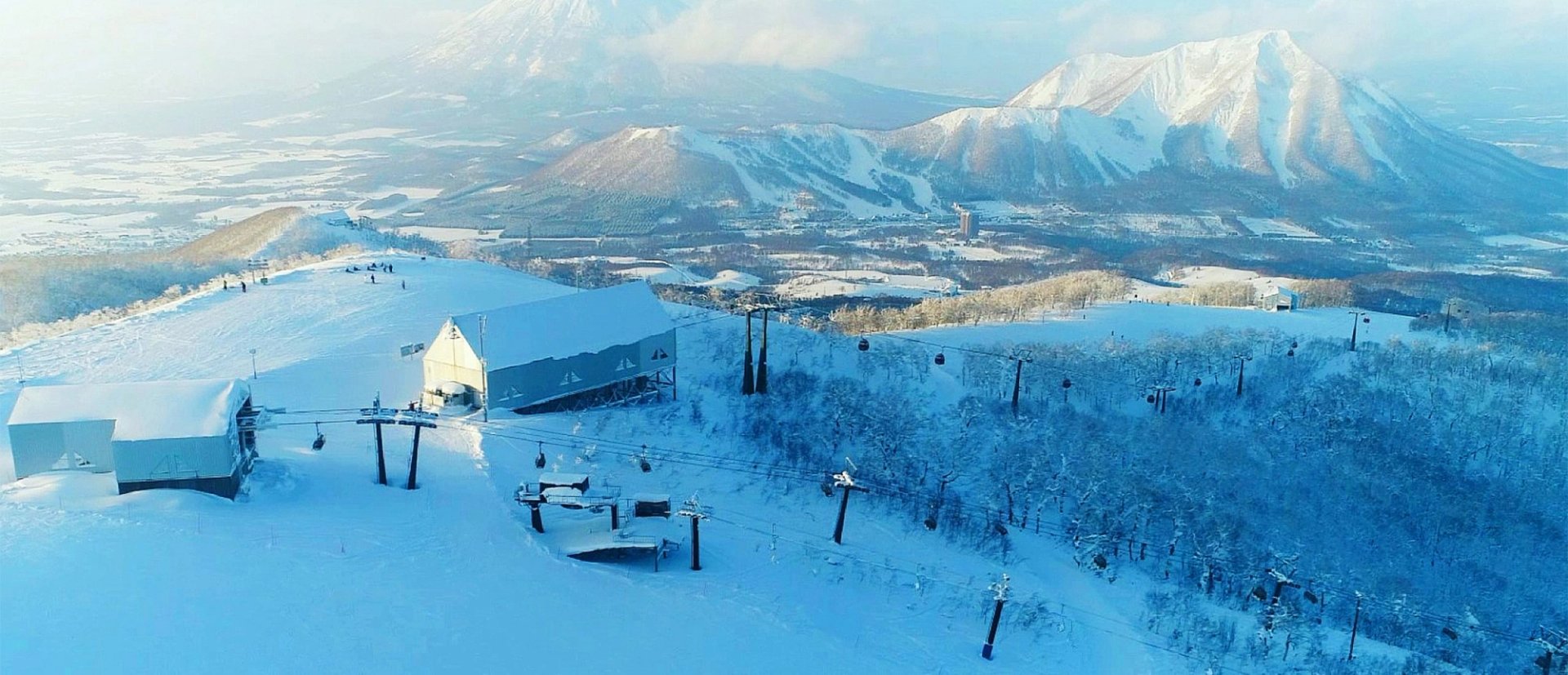
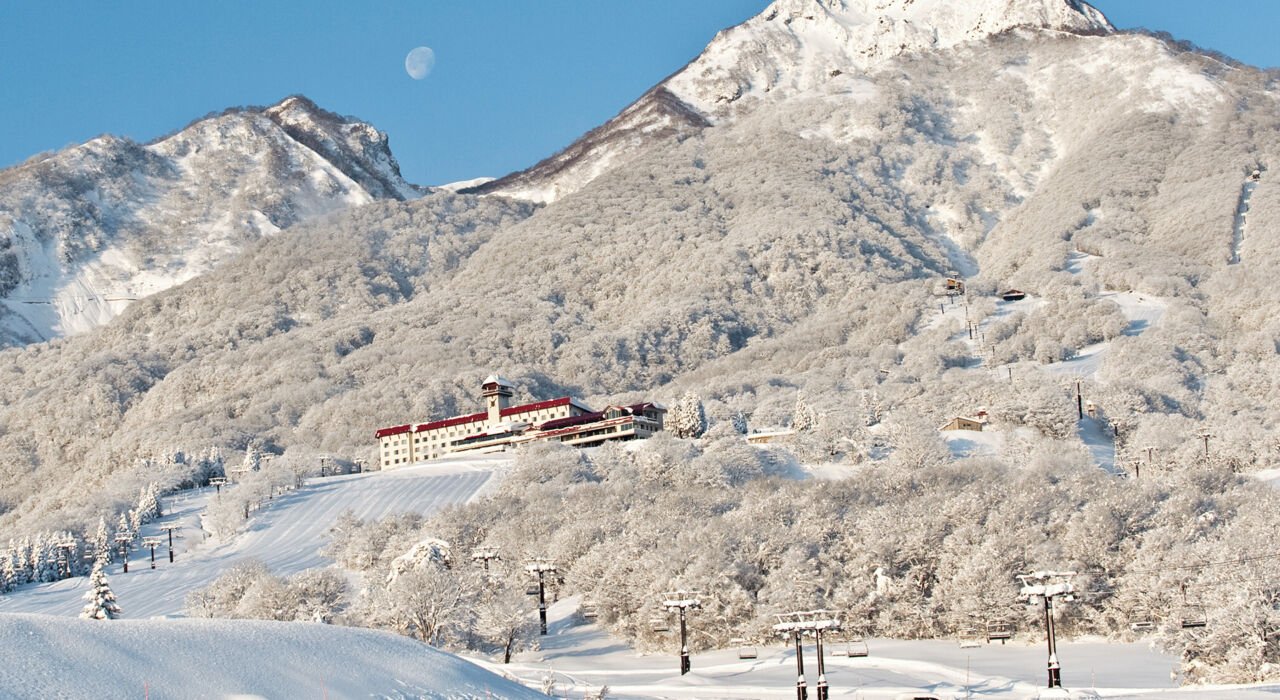
Resort Comparison
Vibe check
Rusutsu feels buttoned-up in a good way. The lifts run smoothly, the mountain layout is easy to read, and the whole place gives off that quiet confidence of a resort that knows exactly what it is doing. It does not have a huge old-town soul, but it does not really need one. The skiing is the star, and the infrastructure gets out of the way.
Myoko Kogen is more charmingly loose around the edges. It feels like a powder region rather than a single resort product. There is a bit more grit, a bit more personality, and a bit more of that classic Japan ski-town atmosphere where pension stays, little bars, shuttle links, side streets, and weather reports all become part of the trip. I would not call it slick. I would call it fun.
Snow and weather
Estimated cumulative fresh snowfall at major on-mountain ski areas; actual totals vary substantially by resort, elevation, measurement location, and season.
Rusutsu has elite snow quality. The cold Hokkaido air keeps things light, dry, and very forgiving, which is a big reason strong skiers and less confident powder skiers can both have a field day here. When it refreshes, Rusutsu turns into one of those resorts where the trees just keep printing smiles.
Myoko Kogen gets serious snowfall too, and often feels stormier, deeper, and rowdier in mood. The snow can be absolutely all-time, especially when the storms stack up, but it can also run a touch heavier than Rusutsu’s famous cold smoke. That does not make it worse. It just changes the feel. Rusutsu is the cleaner powder experience. Myoko is the wilder one.
Where you stay
Rusutsu is easy mode. Most people stay on or near the resort, which means the trip runs smoothly from breakfast to last chair. You are not spending much energy deciding where to ski, how to get there, or whether you need a shuttle spreadsheet. That simplicity is a huge part of the appeal, especially for shorter trips or mixed-ability groups.
Myoko Kogen takes a bit more thought. You are choosing not just where to sleep, but which part of the zone you want to orbit around. Stay choice matters more here. Some pockets are better for access, some for restaurants, some for quieter local feel. The upside is variety and charm. The downside is that the wrong base can add a bit of daily faff.
For the property-level detail, see our Rusutsu accommodation guide and the Myoko accommodation guide.
Terrain and tree skiing
Rusutsu is one of the best lift-access tree resorts in Japan, full stop. The tree skiing is easy to access, genuinely fun, and wonderfully repeatable. It suits good intermediates looking to level up, advanced skiers who want speed and flow, and riders who just want lap after lap without endless traversing or hiking.
Myoko Kogen is broader as a region, and that is where its strength lies. You are not comparing one polished resort to one polished resort here. You are comparing Rusutsu’s refined mountain product to a zone with multiple ski areas that each bring something different. Some are playful, some are steeper, some are more mellow, and that gives Myoko a stronger long-stay argument if you like variety more than perfection.
Crowds and lift flow
Rusutsu usually feels efficient. Even when people are around, the mountain handles them fairly well, and the day tends to keep moving. The resort design helps. You are not constantly second-guessing where to go next or whether the mountain is about to funnel you into a clumsy bottleneck.
Myoko Kogen can feel more uneven. Some days that is part of the charm. You bounce between areas, pick your windows, and find quiet stashes. Other days it can feel like the region is asking a little more patience from you, whether that is slower movement, more shuttle thinking, or simply the reality that a looser ski region does not always flow like a premium resort. Myoko wins on character. Rusutsu wins on smoothness.
Cost and value
Rusutsu is not shy about being a premium trip. You are paying for convenience, quality, and the fact that very little about the stay-ski-repeat cycle feels difficult. If you are travelling with family, doing a shorter trip, or just want the holiday to run cleanly, that premium can feel justified. If you are hunting bargains, you will notice the difference.
Myoko Kogen is the more appealing value play. That does not mean dirt cheap across the board, because the better spots can still book hard and popular periods can still sting, but overall it feels more achievable. You can have a very satisfying powder trip here without every meal, room, and transfer reminding you that you chose the polished option.
Food and nightlife
Rusutsu is comfortable rather than buzzing. You can eat well enough, have a drink, and settle into a fairly mellow rhythm, but this is not a place with a huge, sprawling village energy. It suits people who want the trip centred around skiing, not nightlife strategy.
Myoko Kogen has more character after dark, even if it is still nowhere near party-resort territory. Small bars, local joints, old pensions, and that slightly weather-beaten ski-town feel all add up to evenings that feel more memorable. Not louder, just warmer. More stories, less gloss.
Logistics
Rusutsu is easier, plain and simple. It is one of those places where the trip feels clean from airport to hotel to lift. That matters more than people admit, because every messy connection or awkward transfer eats into your ski brain before you have even clicked in.
Myoko Kogen is more of a journey, and once you are there, it often remains more of a network than a single neat destination. That is fine if you like a bit of movement and do not mind planning. It is less fine if you want to arrive half-asleep, dump your bags, and be skiing without a second thought. For short trips, Rusutsu is the safer call by a mile.
The X-factor
Resort polish vs powder-region soul
Rusutsu’s superpower is that it makes a high-quality powder trip feel easy. It is not trying to be a gritty local legend. It is trying to deliver very good skiing with very little friction, and it does that extremely well. For plenty of travellers, that is the dream.
Myoko Kogen’s superpower is the opposite. It feels like a real powder region with history, quirks, weather mood, and a bit of edge. You are not just skiing one well-oiled mountain. You are plugging into a broader zone that feels more local, more layered, and a little less curated. For people who love discovering a place rather than simply consuming it, that matters.
Lift-access perfection vs storm-chasing variety
Rusutsu is the better place if your ideal day is obvious from the second you wake up: fresh snow, clean lifts, easy tree access, repeat. It is a very satisfying resort because the best parts are so immediate. The mountain does not make you work too hard for the good stuff.
Myoko Kogen is better if you like waking up, checking the weather, reading the zone, and deciding which hill makes the most sense today. That storm-chasing feeling is a big part of the appeal. Myoko asks more of you, but it also gives the trip more texture. It feels less like a single resort holiday and more like a proper ski mission.
The tiebreaker
Pick Rusutsu if you want the smoother, easier, more premium powder trip with brilliant lift-access tree skiing.
Pick Myoko Kogen if you want more local flavour, better value, and a stormy regional ski adventure with more rough-edged charm.
FAQ
Is Rusutsu or Myoko Kogen better for first-time Japan skiers?
Rusutsu is the easier first trip. It is simpler to navigate, easier to stay at, and less likely to turn the holiday into a series of transport decisions. Myoko Kogen is better once you are happy with a bit more moving around.
Which one is better for powder?
Rusutsu is the safer powder bet if you care about snow quality and easy access to great tree laps. Myoko Kogen can absolutely go huge in storm cycles, but the experience feels a bit wilder and less polished.
Is Myoko Kogen cheaper than Rusutsu?
Usually, yes. Myoko generally offers better value across accommodation, food, and overall trip feel, while Rusutsu tends to carry more of a premium-resort price tag. That premium buys convenience, but you do notice it.
Which is better for families?
Rusutsu is better for families, especially with younger kids. The whole experience is more streamlined, which makes ski days less stressful. Myoko can work well for families too, but it suits more independent travellers.
Which has better tree skiing?
Rusutsu takes this one. The lift-access tree skiing is one of its biggest strengths and a huge reason people rate it so highly. Myoko has powder character, but Rusutsu is more consistently fun and immediate in the trees.
Which has more local Japanese feel?
Myoko Kogen. It feels more like a real regional ski zone with old-school accommodation, local atmosphere, and less of a resort bubble. Rusutsu is comfortable and efficient, but it is not really where you go for old Japan ski-town charm.
When should you choose Rusutsu over Myoko Kogen?
Choose Rusutsu when you want a short, smooth, low-fuss trip built around quality powder and easy skiing days. Choose Myoko when you want more personality, a looser regional adventure, and better odds of coming home with a few good storm stories.