

Myoko Kogen vs Zao Onsen
Storm Days or Snow Monsters?
Myoko Kogen and Zao Onsen are both properly good Japan ski trips, but they serve up very different holidays. Myoko is the storm-chasing, tree-skiing, value-leaning region where you pick a base, watch the forecast like a hawk, and get rewarded when the snow gods clock on. Zao is the volcanic onsen town with ropeways, wide pistes, and one of the weirdest, coolest winter sights in Japan.
If Myoko feels like a powder road trip base with a few rough edges in all the right places, Zao feels like a classic Japanese ski town wrapped around hot springs, sulfur steam, and snow monsters. One is the choice for skiers and riders who want snow depth and day-to-day flexibility. The other is the one for travellers who want the skiing to come with a bigger side of Japan.
The quick verdicts
- First-timers to Japan: Zao Onsen. Easier to understand, more compact in feel, and the onsen-town atmosphere gives you a proper Japan hit straight away.
- Family with young kids: Zao Onsen. Gentler terrain, easier sightseeing extras, and a more obvious holiday rhythm beyond just hunting powder.
- Family with older kids or teens: Myoko Kogen. Better tree laps, more storm-day excitement, and enough variety across the area to keep stronger skiers interested.
- Mates trip: Myoko Kogen. Better fit for a crew that cares about snow, side hits, tree runs, and having a few different resorts to play with.
- Budget trip: Myoko Kogen. It is usually the friendlier choice if you are trying to stretch the trip without feeling like you have downgraded the skiing.
- Luxe trip: Zao Onsen. Neither is full glam in the Niseko sense, but Zao feels more special if you want a polished stay with memorable atmosphere.
- Powder reliability: Myoko Kogen. When the storms line up, it is the more dependable powder call.
- Big mountain terrain and variety: Myoko Kogen. More regional depth, more tree-skiing appeal, and stronger legs for repeat days.
- Culture and Japan-ness: Zao Onsen. The hot spring town, the sulfur smell, the snowy lanes, the monsters, it all lands.
- Short trip and easy logistics: Zao Onsen. Cleaner point-to-point trip from Tokyo side, with less regional puzzle-solving once you arrive.
The Resorts
Explore each full review for a deeper look at what each resort has to offer.
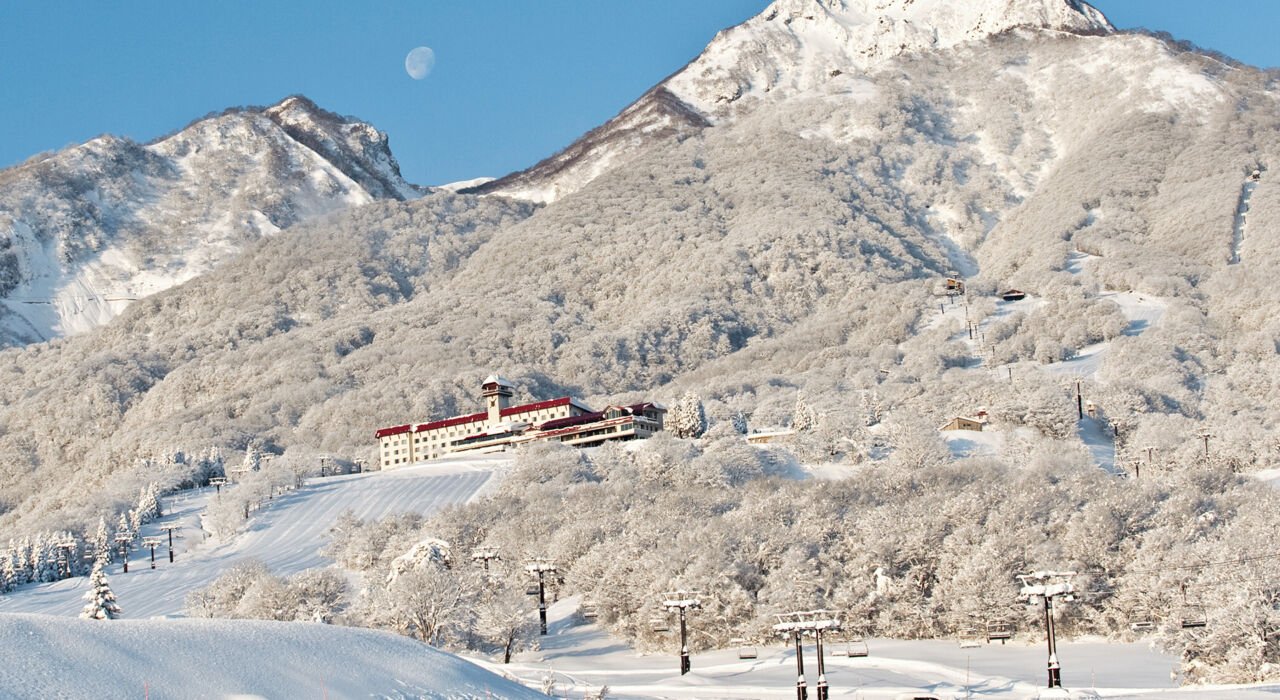
Myoko Kogen
Honshu’s Powder Canvas & Onsen Hideaway
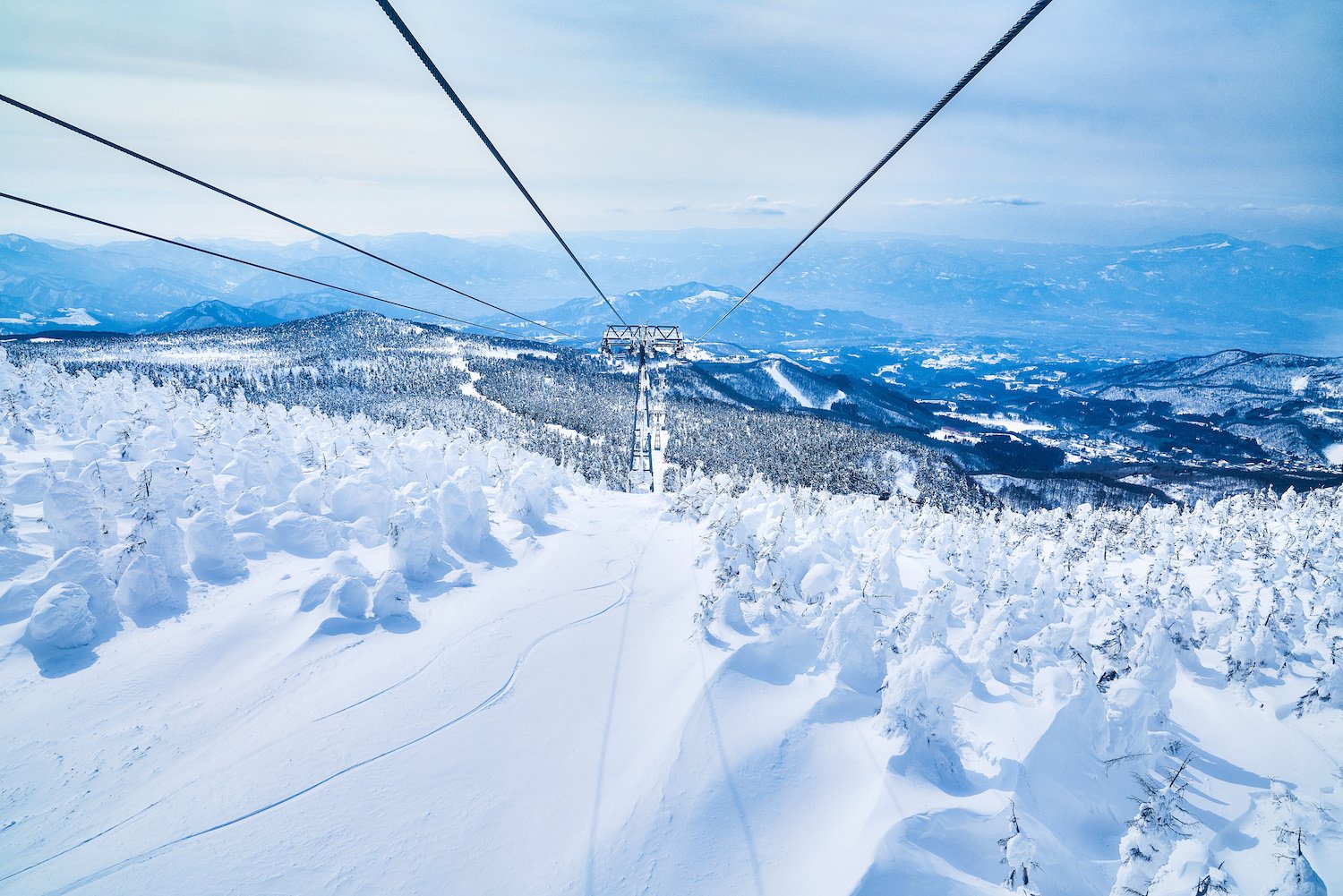
Zao Onsen
Where Snow Monsters Meet Champagne Pow
Resort Comparison
Vibe check
Myoko Kogen feels like a cluster of ski areas with different personalities stitched together by snow, shuttle plans, and good intentions. It is less about one perfectly packaged resort and more about having options. Akakura Onsen and Akakura Kanko bring the most visible village buzz, while the wider area has that slightly scrappy, powder-hunter energy that many people end up loving.
Zao Onsen is much more of a single-place experience. You are not just going skiing, you are staying in a hot spring town that happens to have lifts rising out of it. The town has character without trying too hard. Narrow streets, old-school inns, steaming baths, little food spots, and that lovely feeling that your ski day and your Japan day are happening in the same place.
Snow and weather
Estimated cumulative fresh snowfall at major on-mountain ski areas; actual totals vary substantially by resort, elevation, measurement location, and season.
Myoko Kogen wins on pure storm appeal. It is one of those places where the snow can just keep piling up and turn an ordinary-looking day into a snorkel day if the timing is right. The region is well known for big totals, and that matters because it keeps the off-piste, the tree zones, and even the sides of runs feeling fresh longer.
Zao gets plenty of snow too, but the story there is not just depth, it is what the weather creates. Cold, wind, and moisture help form the famous snow monsters on the upper mountain, which gives Zao one of the most distinctive winter landscapes in Japan. The trade-off is that upper lifts and ropeways can be more exposed when the weather turns nasty, so the same conditions that make Zao magical can also mess with your plans.
Where you stay
In Myoko, where you stay shapes your whole trip. Akakura Onsen is the easiest call for most people because it gives you a decent base of accommodation, food, bars, and access to nearby skiing. It feels functional with flashes of charm rather than picture-perfect. The wider Myoko area can be brilliant, but it helps to be a little organised and to understand that not every base puts everything on your doorstep.
Zao Onsen is simpler. Stay in town and you are in the middle of the experience. You can walk to food, baths, and lifts, and the whole trip feels more joined up. It is a much easier sell for people who want atmosphere without having to coordinate shuttles, hire cars, or backup plans. If your idea of a good ski trip includes walking home through falling snow to a hot spring, Zao is already grinning.
Terrain and tree skiing
Myoko Kogen is the stronger pick for skiers and riders who care about terrain depth and tree skiing. The area gives you a mix of pistes, off-piste pockets, and better options for storm-day exploration. It is not about one enormous interconnected mega-resort, but more about the combined value of multiple ski areas that let you keep changing the plan depending on visibility, snow, and mood.
Zao Onsen is more piste-led and more scenic. The groomers are enjoyable, the upper-mountain views can be superb, and there is enough terrain for a fun trip, but it is not the same sort of tree-hunter destination. If your happiest ski days involve ducking into glades, slashing soft banks, and chasing leftovers after lunch, Myoko is the more natural fit. Zao is better for cruisers, mixed-ability groups, and people who enjoy the mountain as a full-day setting rather than just a powder puzzle.
Crowds and lift flow
Myoko can feel pleasantly loose compared with bigger-name Japan resorts, but it is not always friction-free. The lifts are not the fastest show in town, and because the experience is spread across several areas, the day sometimes takes a bit of planning. On the plus side, it usually feels like the crowd is there for the same reason you are: snow. That tends to create a good sort of mountain energy.
Zao’s lift system has a more old-school feel, and crowd flow can get bottlenecked around key access points. Add sightseers heading up for the snow monsters and you sometimes feel that Zao is serving more than one kind of visitor at once. It is rarely chaotic in the big-resort circus sense, but it can feel slower and more stop-start, especially when weather affects the upper network.
Cost and value
Myoko Kogen is the better value play. That does not mean bargain-basement, but it is one of those places where you can still feel like your money is mostly going into skiing, eating, and staying somewhere decent rather than disappearing into resort-taxed everything. For powder skiers, that value gets even sharper because the snow quality can feel like you have paid above your bracket.
Zao Onsen can be worth the spend, but the value pitch is different. You are paying for more than the ski map. The town atmosphere, the onsen culture, the sightseeing angle, and the uniqueness of the place all add to the appeal. If you only judge value by steep tree laps per dollar, Myoko wins. If you judge it by how memorable the whole trip feels off the snow as well, Zao closes the gap quickly.
Food and nightlife
Myoko’s food scene is solid enough, especially around Akakura, but it is not the reason you book the trip. You will find the staples, some good comforting meals, a few lively spots, and enough nightlife to keep a mates trip rolling without pretending you are in a full-blown party resort. It is ski-town practical, not flashy.
Zao Onsen is not a nightlife machine either, but it has more personality to its evenings. Wandering the town, finding dinner, ducking into an onsen, then grabbing a quiet drink feels very Zao. It is less about big nights and more about better nights. For most couples, first-timers, and travellers wanting Japan atmosphere over imported resort energy, that is a win.
Logistics
Myoko Kogen usually asks a bit more from you. Getting there is not hard, but it can feel like a chain of steps rather than one neat move, and once you are in the region, getting between ski areas or side missions can take a bit of thought. None of that is a deal-breaker, but Myoko is best when you arrive with a loose plan rather than hoping the trip will organise itself.
Zao Onsen is one of those destinations that makes more immediate sense. The Tokyo-side access is straightforward enough, and once you are in town, the whole experience is concentrated. That matters more than people think, especially on a shorter trip. Less faff means more skiing, more soaking, and fewer moments standing around wondering which bus solves your life.
The X-factor
Storm-chasing freedom vs snow-monster theatre
Myoko Kogen’s X-factor is that it feels alive to the forecast. You wake up, check what fell, check the visibility, maybe change areas, and build your day around the best call. That gives the trip a rolling, dynamic feel. For skiers and riders who enjoy reading the mountain and adapting on the fly, Myoko is a very satisfying place to be.
Zao Onsen’s X-factor is far more visual and far more singular. The snow monsters are not a side note. They change the whole character of the mountain and make Zao feel unlike anywhere else in Japan. Add the hot spring town below and you have a ski trip with genuine theatre. You do not just remember the turns, you remember the mood of the place.
Powder region grit vs volcanic onsen charm
Myoko has that slight roughness that powder skiers often warm to quickly. It is not polished in every corner, and that is part of the appeal. It feels like a region you use, not a resort that performs for you. There is a bit of weather, a bit of chaos, a few moving parts, and a lot of payoff when the snow stacks up.
Zao Onsen is one of the strongest examples in Japan of skiing and traditional hot spring culture living side by side. The sulfur in the air, the bathhouses, the old-town feel, and the mountain looming above give it a proper sense of place. If you want your ski holiday to feel unmistakably Japanese, Zao punches well above its size.
The tiebreaker
Pick Myoko Kogen if you want better powder odds, more appealing tree skiing, and a trip built around chasing the best snow each day.
Pick Zao Onsen if you want a more atmospheric all-round holiday, easier town-based staying, and one of the most distinctive ski settings in Japan.
FAQ
Is Myoko Kogen or Zao Onsen better for powder?
Myoko Kogen is the better powder bet overall. Zao gets good snow too, but Myoko is the stronger choice if deep days, tree laps, and storm cycles are the main reason you are flying over.
Which is better for families?
Zao Onsen is usually the easier family pick, especially with younger kids. The town is more cohesive, the skiing is more approachable for mixed abilities, and the onsen-town setting gives you non-ski appeal without much effort.
Which resort feels more Japanese?
Zao Onsen, comfortably. Myoko has local flavour, but Zao feels more immersive as a classic hot spring ski town with a stronger sense of place from morning to night.
Is Myoko Kogen or Zao Onsen better for advanced skiers?
Myoko Kogen is the better call for stronger skiers and riders. The broader regional variety and more appealing tree-skiing options give it more replay value if you like skiing hard rather than just cruising scenic pistes.
Which one is easier to get to from Tokyo?
Zao Onsen is generally the simpler trip. Myoko is very doable, but it tends to involve a few more moving parts and feels less plug-and-play once you start comparing the full journey.
Which is better for a short Japan ski trip?
Zao Onsen suits a shorter trip better. You can arrive, settle in, ski, soak, eat, and enjoy the town without needing to spend much mental energy on wider-area logistics.
Is Myoko Kogen or Zao Onsen better value?
Myoko Kogen is usually the better value for skiers focused on snow and terrain. Zao can still feel worth it, but more of that value comes from the full experience rather than just the skiing alone.