

Myoko Kogen vs Appi Kogen
Storm-Chasing Soul or Polished Cruiser Paradise?
Myoko and Appi Kogen are both proper Japan ski trips, but they deliver the goods in very different ways. Myoko is the looser, snowier, more character-filled option where the good days can feel gloriously chaotic in the best possible way. Appi is the cleaner, more polished setup where things run neatly, the pistes are long, and the whole trip feels easier to keep under control.
If Myoko is the mate who knows a backstreet izakaya, a hidden onsen, and which shuttle to gamble on after a storm, Appi is the one who booked the nice hotel, waxed the skis, and showed up five minutes early. Neither is wrong. They are just chasing a different kind of winter win.
The quick verdicts
- First-timers to Japan: Appi Kogen. Simpler layout, smoother logistics, and less day-to-day wrangling.
- Family with young kids: Appi Kogen. Easier base area rhythm and more of that purpose-built convenience families notice fast.
- Family with older kids or teens: Myoko. More variety across the wider area and a bit more adventure in the mix.
- Mates trip: Myoko. Better après energy, more town feel, and more stories per day.
- Budget trip: Myoko. Usually easier to do without the polished-resort price creep.
- Luxe trip: Appi Kogen. This is the neater, more upscale, more self-contained play.
- Powder reliability: Myoko. This is the storm magnet of the pairing.
- Big mountain terrain and variety: Myoko. More areas nearby, more texture, more ways to mix up a week.
- Culture and Japan-ness: Myoko. More old-school ski town flavour and more onsen-town energy.
- Short trip and easy logistics: Appi Kogen. Fewer moving parts, less mental admin.
The Resorts
Explore each full review for a deeper look at what each resort has to offer.
Resort Comparison
Vibe check
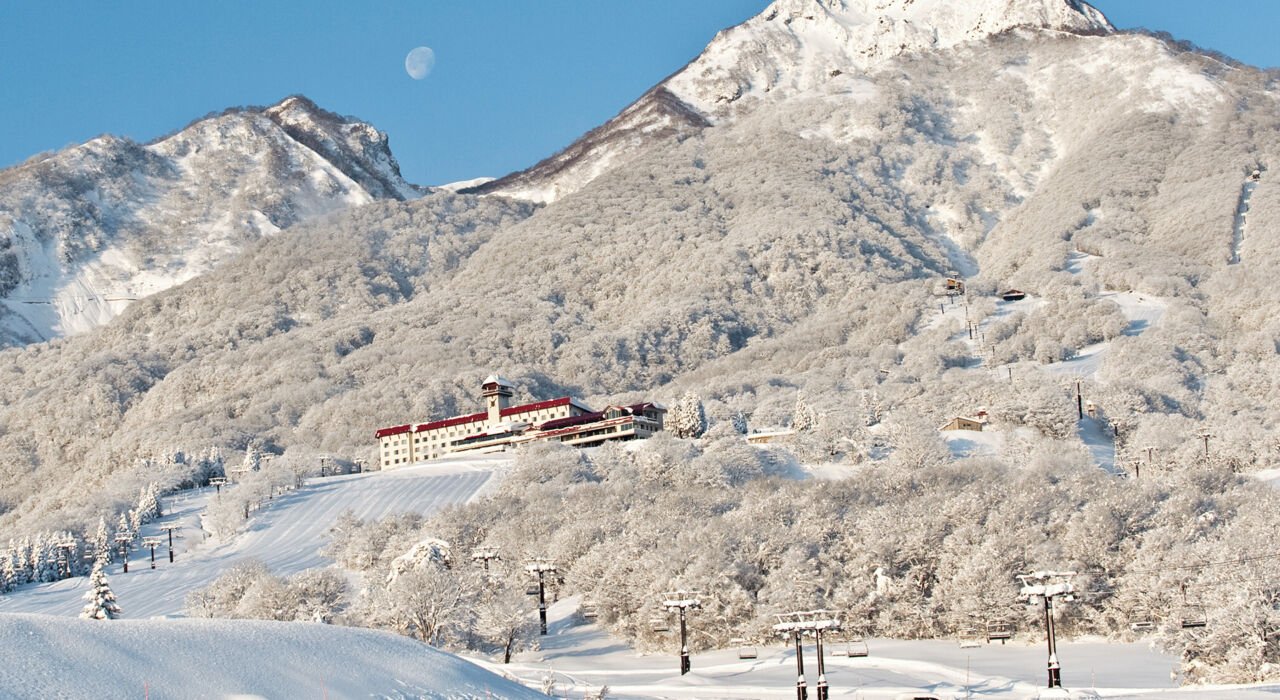
Myoko feels like a proper snow region rather than one neatly packaged resort. You have Akakura as the main social hub, a spread of ski areas around it, older-school streets, steaming little corners, and that lovely sense that skiing is part of a mountain town’s daily life rather than the only reason the place exists. The vibe is not glossy, but that is exactly why many people love it.
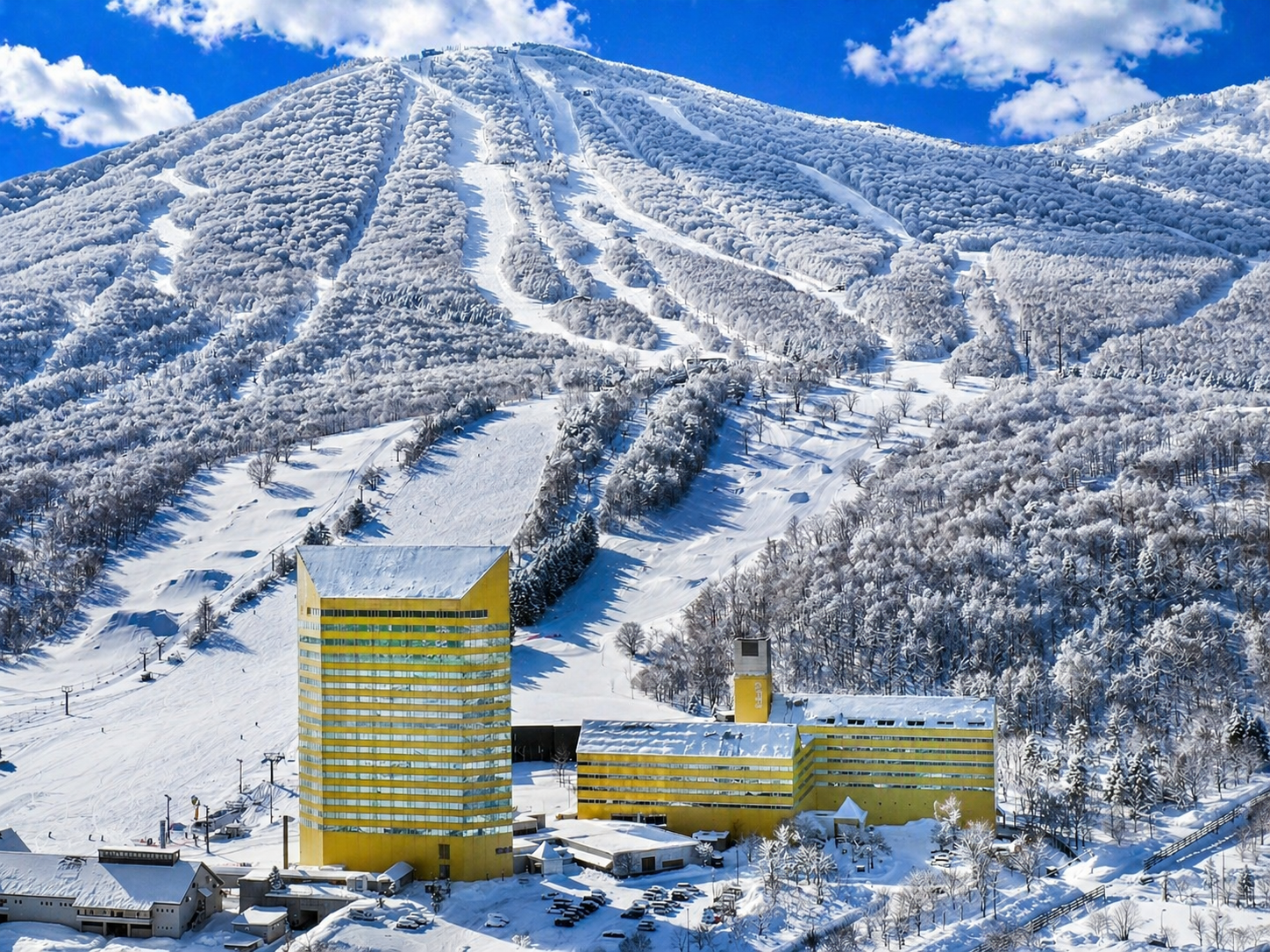
Appi feels far more purpose-built. It is tidier, more contained, and more resort-like from the jump. There is less of that wandering-through-town surprise factor, but in exchange you get a calmer, more predictable base experience that suits families, mixed-ability groups, and anyone who does not want their holiday to feel like a small logistics project every morning.
Snow and weather
Estimated cumulative fresh snowfall at major on-mountain ski areas; actual totals vary substantially by resort, elevation, measurement location, and season.
Myoko wins the snow-freak argument. It is one of Honshu’s classic storm-catching regions, with regular big seasonal snowfall totals and the kind of cycle where a grey forecast can feel like an invitation rather than bad news. When Myoko turns on, it can be ridiculous. That is the draw.
Appi is no lightweight, though. Its northern Tohoku location and north-facing slopes help it keep snow in good shape, and the season tends to hold together well. The difference is the flavour: Appi’s snow quality often feels dependable and well-preserved, while Myoko’s appeal is more about storm volume, refill energy, and powder-chasing upside.
Where you stay
In Myoko, where you stay shapes your trip more. Most visitors cluster around Akakura Onsen and Akakura Kanko, which puts you near dining, some nightlife, and a proper village feel. That is great for atmosphere, but it also means you need to think a bit more about access to the specific areas you want to ski across the wider Myoko zone.
At Appi, the accommodation picture is simpler. The resort is more self-contained, and that makes life easier if you want a clean base-camp setup where beds, lifts, food, and family logistics all sit closer together. The trade-off is that it can feel more resort-bubble and less organically Japanese once the skis come off.
Terrain and tree skiing
Myoko takes this one for stronger skiers and riders who like a bit more texture in their week. Across the area you get a broader menu of resort styles, easy sidecountry appeal, powder stashes, and the sense that there is always another hill, zone, or weather angle to play. It is not one giant interconnected beast, but it does reward curious skiers.
Appi’s terrain is more orderly, but do not mistake that for boring. It has long runs by Japanese standards, solid vertical, and designated tree run zones that give advanced riders a clear place to duck into the woods without the same ambiguity you get at some resorts. If you like your off-piste options a bit more formalised, Appi is a very tidy answer.
Crowds and lift flow
Myoko’s crowd story depends on where you are and what the snow is doing. On a powder morning, the popular zones can get busy quickly, and because the region is spread across multiple areas, the flow can feel a bit uneven. Some days that is part of the charm. Other days it is your cue to know the region well, move early, and stay flexible.
Appi generally feels more composed. The lift network is built for a larger, more planned resort experience, and the clientele skews in a way that often leaves fresh snow lasting a bit longer than you might expect. It is not empty magic every day, but it is one of those places that can ski pleasantly uncrowded relative to its size.
Cost and value
Myoko is usually the better value play. It is not dirt cheap in the way Japan ski trips once were in everyone’s imagination, but it still tends to offer more room to build the kind of trip where you spend on the snow and the dinners, not just on the resort wrapper around them. For mates trips and repeat Japan travellers, that matters.
Appi leans pricier because it trades more on convenience and polish. You are paying for a smoother operation, a more purpose-built resort feel, and an easier trip shape overall. That can be worth every cent for families or short-stay travellers, but for bargain-hunters it is rarely the sneaky-value winner.
Food and nightlife
Myoko wins after dark. Akakura gives you more of that proper ski-town feel where you can roll from a soak to dinner to a few drinks without the whole evening feeling staged. It is not some wild mega-resort party strip, but it has enough life to keep a trip feeling social and memorable.
Appi is more subdued. You can eat well and sleep well, but the nightlife is not the reason you go. This is a resort where the evenings are more likely to be tidy dinners, hotel convenience, and an early night before another big day on snow. For some groups, that sounds perfect. For others, it sounds like bedtime with nicer carpeting.
Logistics
Myoko asks a bit more from you. The area setup is broader, the ski experience is spread across multiple resorts, and unless you are staying in exactly the right spot for exactly the right lifts, there is usually at least some daily decision-making involved. That is manageable, but it is part of the deal.
Appi is the easier short-trip call because it is more self-contained. You arrive, settle in, and get on with skiing. That lower-friction feel is a genuine advantage for families, first-timers, and anyone coming from Australia or New Zealand who wants fewer moving parts and less chance of wasting a day figuring out local rhythm.
The X-factor
Storm-region soul vs purpose-built polish
This is the real separator. Myoko feels like a region that happens to contain great skiing. Appi feels like a ski resort that has been designed to make the skiing experience smooth. That sounds subtle, but on the ground it changes everything.
In Myoko, the trip has more edges, more local flavour, more weather drama, and more moments where you feel like you are in a mountain area with history and habits of its own. In Appi, the appeal is the opposite: long groomers, organised tree zones, resort convenience, and a holiday that feels easier to execute cleanly from start to finish.
The tiebreaker
Pick Myoko if you want deeper storm energy, more ski-town character, and a trip that feels more like a proper Japan snow mission.
Pick Appi Kogen if you want cleaner logistics, a more polished stay, and long, enjoyable skiing without the same level of day-to-day fuss.
FAQ
Is Myoko or Appi Kogen better for powder?
Myoko is the better powder bet overall. Appi gets excellent snow too, but Myoko has the stronger reputation as the storm magnet of this pairing and tends to appeal more to skiers chasing refill days and tree shots.
Which is better for families?
Appi Kogen is usually the easier family recommendation, especially with younger kids. The resort is more self-contained and the day feels simpler, while Myoko suits families better when the kids are older and everyone is happy with a bit more movement and variety.
Is Myoko or Appi better for beginners?
Appi is the safer beginner call. The terrain presentation is more orderly, the resort flow is more straightforward, and the long cruisers make progression feel less intimidating.
Which is better for advanced skiers and snowboarders?
Myoko has the edge for advanced riders who want a more exploratory trip with more regional variety. Appi still has quality advanced options, especially through its formal tree run zones, but Myoko feels broader and more rewarding if you like hunting for the good stuff.
Which one feels more Japanese?
Myoko does. The village atmosphere, onsen-town feel, and older ski-region character give it more of that classic Japan texture once you step off the snow.
Which is better for a short trip?
Appi Kogen. It is easier to keep the whole trip tight and efficient, which matters when you are only squeezing in a few ski days and do not want to spend time solving transport and resort-choice puzzles.
When is the best time to go?
For both, midwinter is the sweet spot if snow quality is your priority. Myoko is the better storm-chasing play in that window, while Appi also stays appealing later thanks to its snow preservation and north-facing slopes.