

Hakuba vs Kiroro
Alpine Buffet or Powder Bunker?
Hakuba and Kiroro are both very good at making you look smug in the group chat. They just do it in totally different ways.
Hakuba is the big, sprawling mountain feast. Ten resorts, multiple base areas, proper alpine scenery, and enough terrain decisions each morning to make you stare at the weather app over breakfast. Kiroro is the powder bunker. Fewer moving parts, less village wandering, more wake up, click in, chase cold smoke, repeat.
The quick verdicts
- First-timers to Japan: Hakuba. It gives you a bigger mix of ski holiday, village life, day-to-day choice, and that classic Japan trip feeling beyond the resort bubble.
- Family with young kids: Kiroro. Staying slope-side with kids programs and simple resort flow saves a lot of faff before 9am.
- Family with older kids or teens: Hakuba. More terrain variety, more places to stay, and more to do once they get bored of doing the same laps.
- Mates trip: Hakuba. Better restaurant and bar spread, more accommodation styles, and more room for a mixed-ability crew to do their own thing.
- Budget trip: Hakuba. It is not cheap-cheap, but it gives you far more ways to trim costs than Kiroro’s polished resort setup.
- Luxe trip: Kiroro. If you want comfort, convenience, and a tidy premium feel, Kiroro does not mess around.
- Powder reliability: Kiroro. Hakuba can go huge, but Kiroro is the steadier bet for cold, dry, easy-access powder laps.
- Big mountain terrain and variety: Hakuba. Kiroro is fun and punchy, but Hakuba has the deeper bench and a more dramatic alpine ceiling.
- Culture and Japan-ness: Hakuba. Neither is some secret old-school village anymore, but Hakuba gives you more local texture, more town-to-town variation, and more chance to feel like you are travelling, not just staying in a resort.
- Short trip and easy logistics: Kiroro. Get to Hokkaido, transfer in, stay on-mountain, done. Less planning, less stuffing around.
The Resorts
Explore each full review for a deeper look at what each resort has to offer.
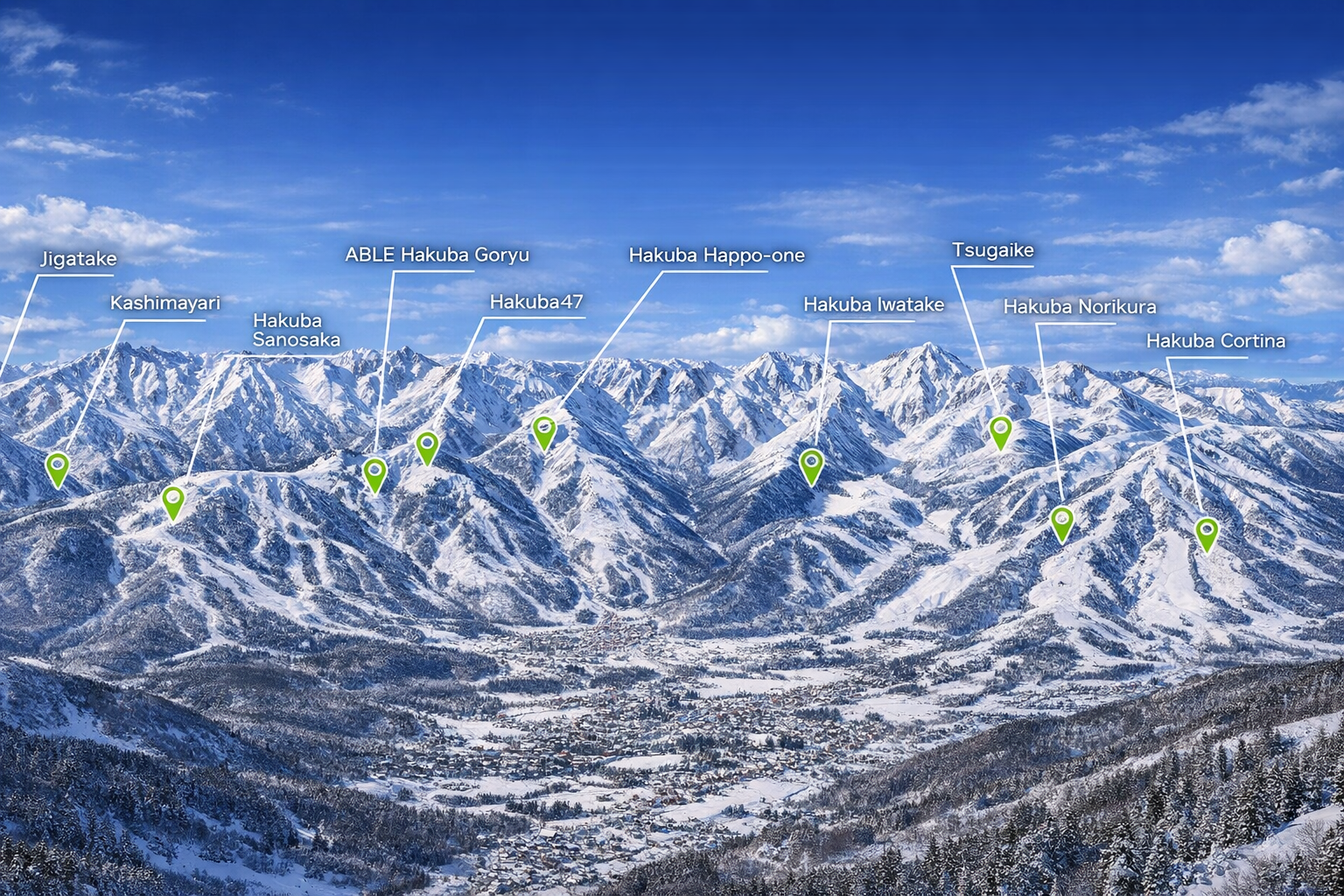
Hakuba Valley
Hakuba Valley: Japan’s alpine playground with ten different personalities
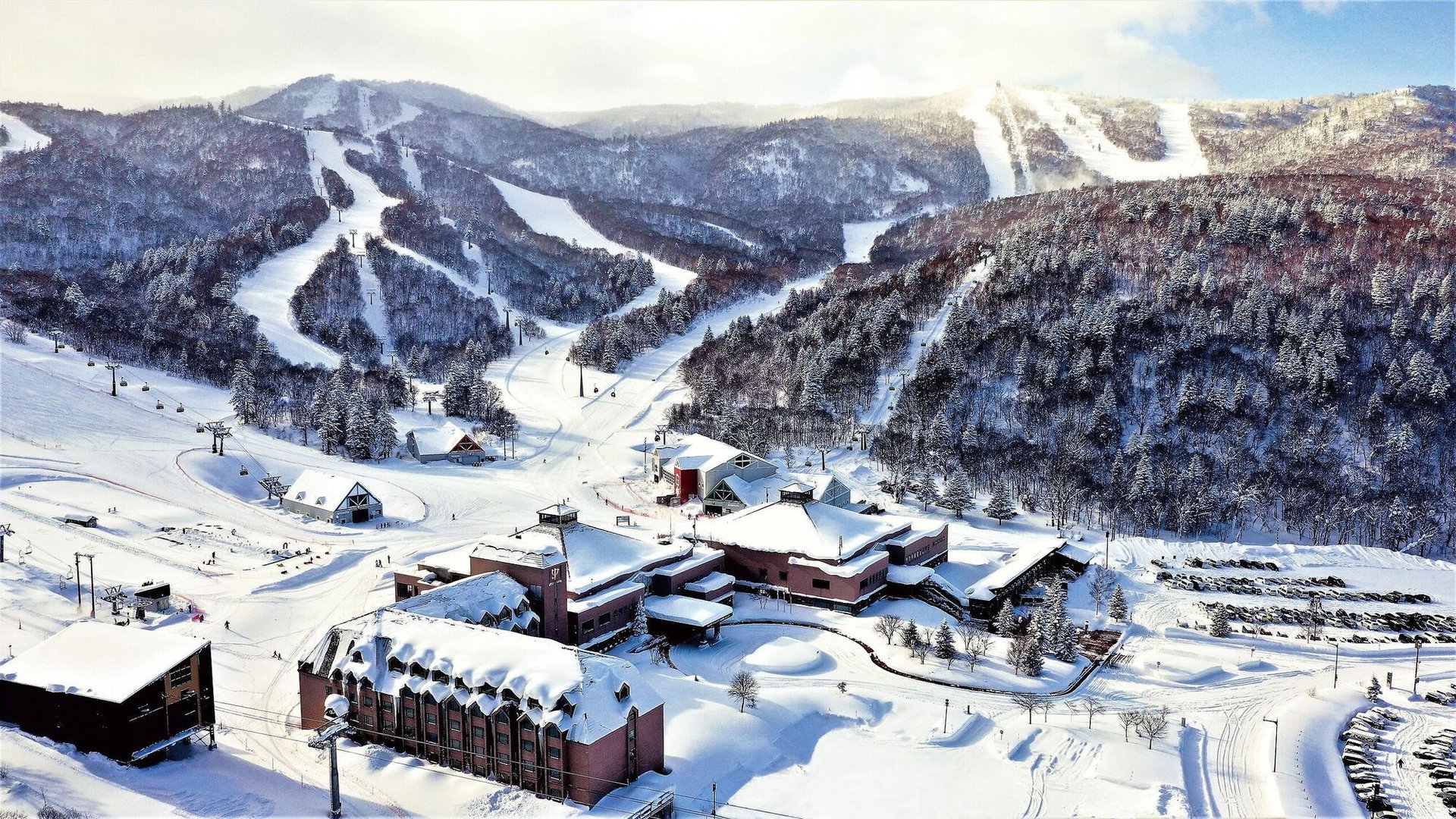
Kiroro
Hokkaido’s Snow Tank
Resort Comparison
Vibe check
Hakuba feels like a mountain region, not a single resort. That is the point and also the challenge. You have different bases, different ski areas, different daily moods. Happo has the big-name energy, Wadano leans more lift-adjacent and polished, and Echoland is where the evening gets louder and dinner options stack up.
Kiroro feels more contained. You are not really there to wander a lively village strip or debate which base area best suits your personality. You are there because it snows, the layout is simple, and the whole trip can feel pleasingly friction-free. For some people that sounds boring. For powder-focused travellers, it sounds magnificent.
Snow and weather
Estimated cumulative fresh snowfall at major on-mountain ski areas; actual totals vary substantially by resort, elevation, measurement location, and season.
Hakuba gets real mountain drama. It sits under the Northern Japan Alps, with high peaks, bigger exposure, and a more rugged feel than a lot of Japan resorts. On its best days, that bigger terrain plus fresh snow is a proper grin-inducer. On its rougher days, weather can shut down the hero vibe fast, especially when visibility goes sideways up high.
Kiroro is the safer powder relationship. The snow is famously dry, the terrain setup suits tree skiing well, and the resort leans into exactly that pitch. It is less about dramatic alpine theatre and more about quietly delivering those soft, repeatable storm laps that keep legs burning and egos healthy.
Where you stay
In Hakuba, where you stay matters almost as much as what you ski. Pick Echoland and you get the best evening atmosphere, but you are relying on shuttles or a car to reach lifts. Pick Happo Village or Wadano and you are closer to the action on snow, with Wadano especially handy for lift access around Sakka.
Kiroro is much simpler. Most people stay right in or near the resort ecosystem, which is brilliant for convenience and not so brilliant if you like variety, spontaneity, or wandering into town for ramen and a few cheeky beers. It is comfortable, efficient, and very much designed to keep you on site.
Terrain and tree skiing
Hakuba wins on sheer menu size. Across the valley you have ten resorts, everything from mellow zones to steeper alpine lines, and several areas with formal backcountry gate access including Goryu, Happo, Tsugaike, Norikura, and Cortina. For stronger skiers and riders who like options, that depth matters.
Kiroro is smaller, but it gets to the point quickly. Officially it has 23 courses, 5 tree run areas, and a straightforward layout over two mountains. It is not the place I would pick for endless valley-hopping variety, but for in-bounds powder laps and low-fuss tree skiing, it punches well above its size.
Crowds and lift flow
Hakuba can absorb a lot of people because the terrain is spread across the valley, but that does not magically mean every morning runs smooth. The classic Hakuba trap is staying in one area, wanting to ski another, and suddenly your day involves parking, buses, or tactical compromise. When it all clicks, it feels rich with choice. When it does not, it can feel like a group project.
Kiroro is easier to read. Fewer lifts, fewer zones, fewer debates. That usually means less logistical friction, especially for families or groups who do not want to split up. The trade-off is obvious: on a powder morning, everyone with the same bright idea is aiming at a smaller playground.
Cost and value
Hakuba is rarely cheap in the absolute sense, especially in popular pockets, but it does give you range. More accommodation types, more self-contained stays, easier supermarket access, and a wider spread of dining styles all help you control the damage. That flexibility is a big reason Hakuba wins the value fight for most independent travellers.
Kiroro is more of a pay-for-convenience proposition. The upside is obvious: easier trip flow, slope-side feel, polished resort infrastructure. The downside is also obvious: fewer budget escape routes once you are in the bubble. If you want simplicity and comfort, it can feel worth it. If you are counting every dinner and transfer, less so.
Food and nightlife
Hakuba wins this one with room to spare. Echoland alone gives you a proper concentration of bars, restaurants, cafés and shops, while Happo and Wadano add more options around the valley. You can do casual, traditional, lively, or a bit more polished without feeling trapped by the same few rooms every night.
Kiroro has restaurants and you will eat well enough, but it is resort dining, not ski-town grazing. You are not coming here for bar hopping or for that one izakaya you accidentally fall in love with on night two. You are coming because tomorrow morning might be ridiculous, and you want to be in bed at a sensible hour anyway.
Logistics
Hakuba is surprisingly accessible for a major mountain area. The official Hakuba Valley access page puts Tokyo to Hakuba at as little as 2 hours 50 minutes using the Hokuriku Shinkansen plus bus. The catch is the last bit: once you are in the valley, getting between bases and resorts still takes some thought unless you choose your accommodation very carefully.
Kiroro is cleaner as a ski-only mission. Official access guidance puts it around 90 minutes from New Chitose by road and around 40 minutes from Otaru, with the very practical note that you should pre-book your return taxi because there are not taxis just sitting there waiting. That tells you almost everything about the vibe.
The X-factor
Valley chess vs powder bunker mode
Hakuba’s superpower is freedom. You can shape the trip around weather, crew ability, appetite for sidecountry, or how much energy you have for moving around. On a clear day, that flexibility feels elite. It is the resort equivalent of having a whole quiver in the boot instead of one favourite board.
Kiroro’s superpower is the opposite. It strips away choices and rewards commitment. Stay on mountain, keep life simple, and spend less mental energy on planning and more on getting back into the trees before your legs file a complaint. For a lot of travellers, especially on shorter trips, that is not a compromise. That is the dream.
The tiebreaker
Pick Hakuba if you want the bigger trip: more terrain, more towns, more food, more ways to shape each day.
Pick Kiroro if you want the cleaner powder mission: easier logistics, easier family flow, and a stronger chance of effortless storm-day happiness.
FAQ
Is Hakuba or Kiroro better for families?
For young kids, Kiroro is the easier answer because the resort setup is simpler, there are dedicated kids programs, and staying slope-side cuts down the daily circus. For older kids and teens, Hakuba usually has more long-term appeal because there is more terrain variety and more going on beyond the ski day.
Which is better for powder, Hakuba or Kiroro?
Kiroro is the safer pick for powder reliability and low-fuss tree laps. Hakuba can absolutely deliver all-time days too, but it is a more variable mountain environment and asks a bit more from your timing, planning, and luck.
Is Hakuba or Kiroro better for beginners?
Kiroro is easier for beginners who want a tidy, contained resort holiday without too many moving parts. Hakuba also has beginner-friendly terrain across the valley, but it makes more sense for beginners who are travelling with stronger skiers or who want more off-slope choice around the trip.
Which is better for advanced skiers and snowboarders?
Hakuba gets the nod for advanced riders who want bigger variety, stronger alpine atmosphere, and access to multiple resorts with different personalities. Kiroro is still heaps of fun for advanced skiers, especially in trees and storm snow, but it is a narrower style of fun.
Which one is cheaper, Hakuba or Kiroro?
Hakuba is usually the better bet for keeping the overall trip under control because it offers more accommodation range, more self-catering potential, and more dining choice. Kiroro tends to reward people who are happy paying more for comfort and convenience.
Which is easier to get to from Australia?
It depends on which kind of trip you want. Hakuba fits beautifully if you like the idea of flying into Tokyo and pairing skiing with city time, while Kiroro is very appealing if you want a Hokkaido ski mission with a simpler final transfer from New Chitose.
When should you go to Hakuba or Kiroro?
If your priority is powder consistency, Kiroro is the safer winter bet. If you want the bigger terrain menu and are happy trading a bit more weather variability for alpine scale and trip variety, Hakuba makes a strong case right through the core season.