

Rusutsu vs Kiroro
Polished playground or snow-globe chaos?
Rusutsu and Kiroro are both in Hokkaido, both can deliver outrageously good snow, and both are the sort of places that make you wonder why you ever wasted winters skiing elsewhere. But they do not feel the same on the ground. Not even close.
Rusutsu is the smoother operator. More terrain, more variety, more room to spread out, and a more rounded resort-day rhythm from first chair to dinner. Kiroro is the powder addict’s mate who only talks about storm cycles, face shots and whether the next refill is arriving by lunch. If you care most about skiing quality over a full week, Rusutsu is hard to beat. If you want to chase the deepest snow and happily sacrifice a bit of atmosphere and range to get it, Kiroro gets very compelling very quickly.
The quick verdicts
- First-timers to Japan: Rusutsu. Easier to settle into, easier to ski for several days, and less likely to feel like you booked your holiday inside a snow bunker.
- Family with young kids: Rusutsu. Better all-round resort convenience, more space, and a smoother day if not everyone in the family is hunting powder stashes.
- Family with older kids or teens: Rusutsu. More terrain variety keeps stronger skiers interested longer, and the resort has more going on once the lifts stop.
- Mates trip: Kiroro. If your crew’s main hobby is storm-chasing and talking about snow quality over beers, Kiroro has serious pull.
- Budget trip: Rusutsu. Neither is bargain-basement, but Rusutsu gives you more ski product for the pain.
- Luxe trip: Rusutsu. More polished resort feel, more accommodation choice within the bubble, and a better full-service holiday vibe.
- Powder reliability: Kiroro. This is the snow fiend’s pick, plain and simple.
- Big mountain terrain and variety: Rusutsu. More scope, more variety under your feet, and less chance of feeling like you have already skied the whole place by day three.
- Culture and Japan-ness: Kiroro, but with a catch. Stay nearby in Otaru and you get more local flavour; stay slopeside and the resort still feels pretty self-contained.
- Short trip and easy logistics: Kiroro. It works well for a quick powder raid, especially if you pair it with Otaru or Sapporo.
The Resorts
Explore each full review for a deeper look at what each resort has to offer.
Vibe check
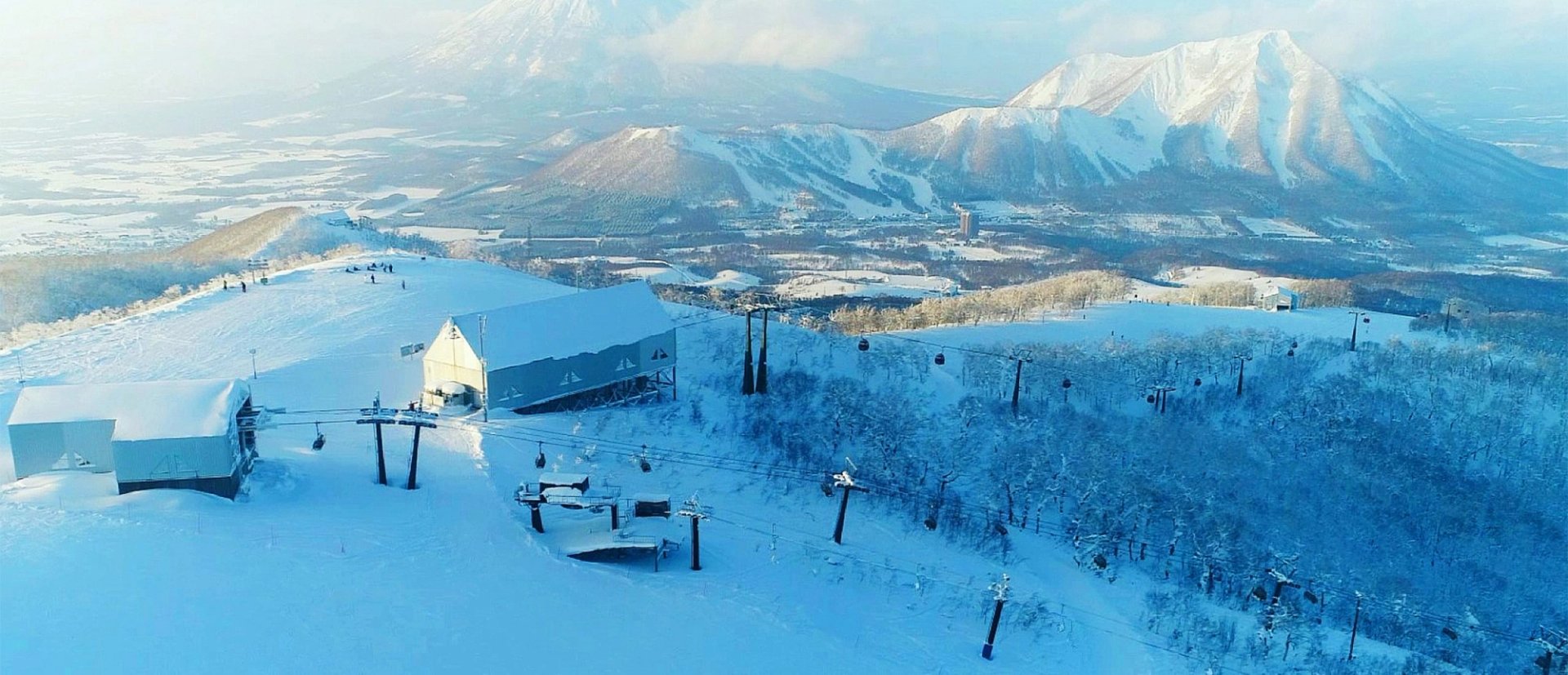
Rusutsu feels like a proper ski resort that just happens to get brilliant snow. The place is polished, efficient and a bit surreal in that very Japanese resort way, with big hotels, internal links between buildings, and the sense that your holiday can run pretty smoothly without much effort. It is not charming in a traditional village sense, but it is comfortable, easy and built for people to have a good time.
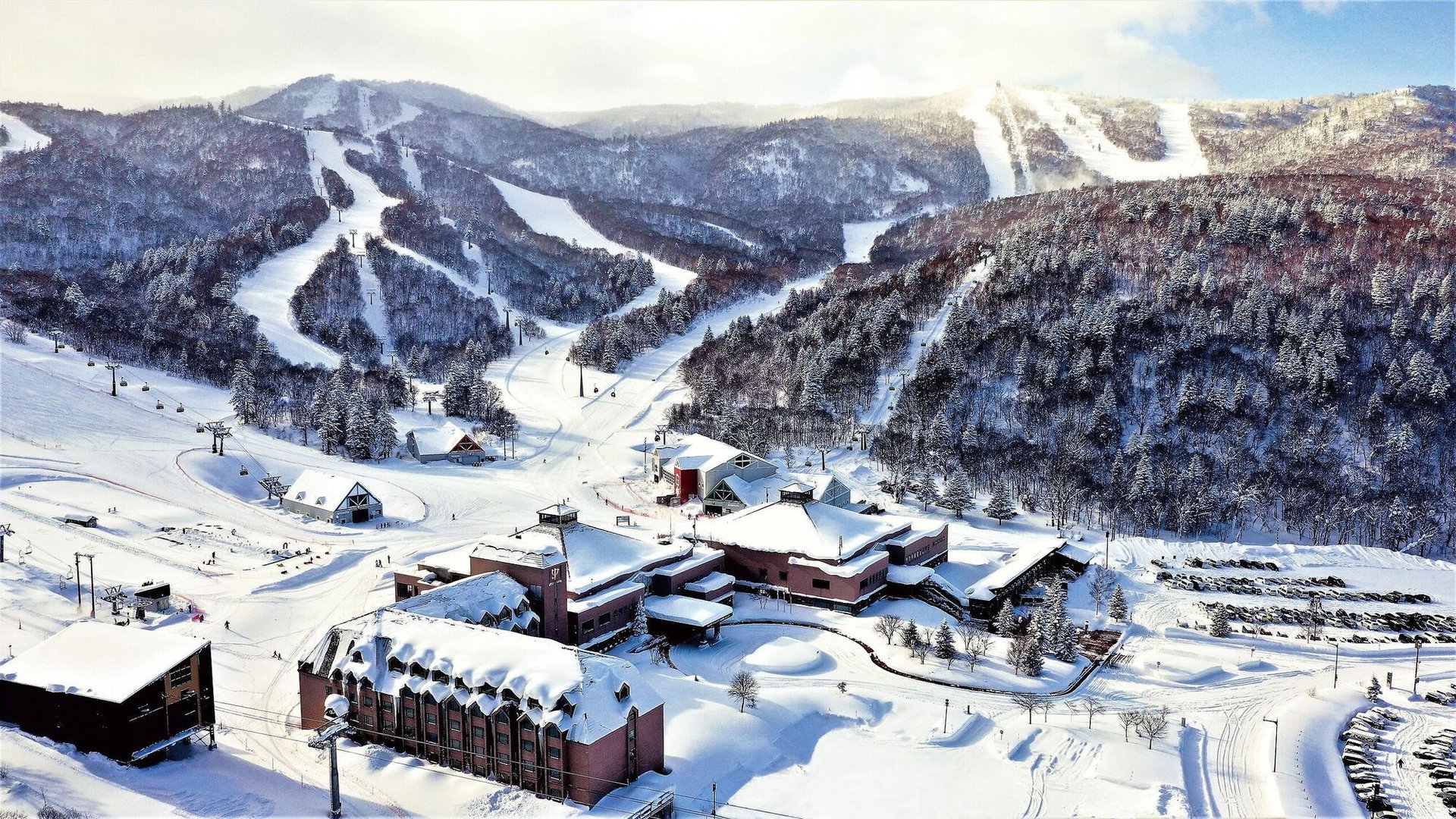
Kiroro feels more stripped back and more snow-focused. There is less distraction, less sprawl and less sense of a broader resort world beyond skiing, eating and waiting for the next reload. Some people love that. Others get cabin fever by day three. It feels more like a powder base camp than a full resort ecosystem, which is either the dream or a mild problem depending on your travel style.
Snow and weather
Estimated cumulative fresh snowfall at major on-mountain ski areas; actual totals vary substantially by resort, elevation, measurement location, and season.
Kiroro has the bigger powder reputation for a reason. When storms line up, it can be hilariously deep, with that coastal Hokkaido snow quality that makes you start texting smug photos to people back home. It is one of those places where a good day can turn into a very good day by mid-morning and then a why-do-my-legs-hate-me day by lunch.
Rusutsu still gets excellent snowfall, and not in a consolation-prize way. It is a legit powder resort in its own right. The difference is that Rusutsu tends to package its snow with a more balanced ski experience. You are not relying quite as heavily on storm intensity to define the trip. Kiroro wins on pure snow greed. Rusutsu wins on how that snow fits into a whole week of skiing.
Where you stay
Rusutsu is classic resort-bubble accommodation. Big hotel setups, ski-in ski-out convenience, decent facilities, and a smooth routine for families or groups who want minimum fuss. There are nearby pensions and houses around the wider area, but the main move is still staying in or near the resort core and letting the place do the heavy lifting.
Kiroro is even more of a bubble, and that can feel limiting. Slopeside is convenient, but the broader choice is thinner and the off-snow scene is light. The smart Kiroro play for some travellers is not to stay there every night. Base yourself in Otaru for more atmosphere, more food options and a more local feel, then day-trip in. That changes the whole mood of the trip and, for plenty of people, improves it.
Ready to book? Our guides to where to stay in Rusutsu and where to stay in Kiroro break down every base area.
Terrain and tree skiing
Rusutsu has more range. This is where it starts to separate itself for stronger skiers and for anyone staying more than a couple of days. The resort spreads across multiple mountains and gives you more ways to shape a ski day. Groomers are better, tree skiing is more varied, and there is enough terrain to keep mixed-ability groups happy without everything funnelling into the same few zones.
Kiroro’s terrain is more about what the snow does to it. On paper, it does not have Rusutsu’s depth of variety. In practice, when the snow is firing, the trees and sidecountry-style zones can ski far bigger than the trail map suggests. The catch is that Kiroro can feel a bit same-same across a longer stay, especially if visibility is poor or the weather pins you into familiar pockets. Rusutsu is the better all-round skier’s mountain. Kiroro is the better storm-day hunting ground.
Crowds and lift flow
Rusutsu usually feels easier to breathe in. It is a bigger canvas, and that matters. Even when it is busy, there is more room for the crowd to spread out, more ways to move around the resort, and less sense that everyone is diving on the exact same stash at the exact same time. That alone makes it a more relaxed place to ski for several days.
Kiroro can get frantic in a powder-chaser way. Not because it is some mega-resort circus, but because good skiers know what it offers and the resort’s best zones are more concentrated. When the weather is on, everyone suddenly becomes very motivated. Add low visibility or wind into the mix and the mountain can start feeling a lot smaller. Kiroro is not a place you pick for empty-lift serenity. You pick it because the snow quality makes you forgive the rest.
Cost and value
Neither Rusutsu nor Kiroro is where you go to feel smug about how little you spent. These are polished Hokkaido resort experiences, and both can lean expensive once accommodation, food and transfers start stacking up. The difference is what you get back for the spend.
Rusutsu generally feels like the stronger value play because the resort delivers more variety, more family appeal, and more ways to justify staying put for a full trip. Kiroro can feel pricier for what is, underneath the snow magic, a narrower overall experience. If your number one goal is elite powder, that trade-off can still make sense. If you are judging value by the whole holiday, Rusutsu comes out ahead.
Food and nightlife
Rusutsu is not a full-on party town, but it has enough going on that evenings do not feel dead. You can eat well, have a few drinks, and keep the group entertained without a huge mission. It is resort dining rather than deep local discovery, but it works, and for many travellers that is enough.
Kiroro is thinner. Slopeside food options can feel limited and a bit repetitive if you are there too long, and nightlife is more quiet drink than rowdy night out. This is where Otaru matters again. Kiroro plus Otaru is a much more interesting trip than Kiroro alone. Otaru brings seafood, bars, canals, old stone warehouses and at least some sense that you are in a real place rather than sealed inside a resort loop.
Logistics
Rusutsu is straightforward enough, but it is usually more of a dedicated resort trip. You go there because you want Rusutsu. It can be paired with Niseko, and plenty of people do that, but Rusutsu on its own is best for travellers happy to commit to a resort-centred base and let the skiing lead the schedule.
Kiroro is sneakily strong for flexible Hokkaido itineraries. It works well as a short powder hit from Otaru or even as part of a broader trip that includes Sapporo. That gives it a different kind of appeal. You can ski hard all day, then sleep somewhere with more character at night. For travellers who like mixing resort time with city or town energy, Kiroro has a neat little edge.
The X-factor
Storm-cycle greed vs the better week
This pairing comes down to what sort of skier you are when nobody is watching. The one who checks snowfall totals before breakfast and is willing to forgive flat light, limited nightlife and a slightly repetitive rhythm if the snow is absurd? That is Kiroro. It is built for people who can accept a narrower trip in exchange for higher powder upside.
Rusutsu is for the skier who still wants heaps of snow, but wants the rest of the holiday to work as well. Better flow, better terrain range, better family fit, better week-long balance. It is less feral, a bit more polished, and more likely to leave everyone in the group happy, not just the two powder goblins who sprint out the door every morning.
Resort cocoon vs Otaru escape hatch
Rusutsu is a full commit to the resort bubble, and that is not a criticism. It is convenient, clean and easy. Your holiday stays contained, which for families and short-haul groups can be ideal. It removes friction.
Kiroro’s secret weapon is that you do not have to fully commit. Stay slopeside and it can feel a bit too sealed-off. Stay in Otaru and suddenly the trip has texture. Ski hard by day, eat well in town by night, and get a little more Japan into the mix. That dual personality makes Kiroro more interesting than it first appears, but it does rely on making that choice well.
The tiebreaker
Pick Rusutsu if you want the stronger all-round ski holiday: better terrain variety, better family appeal, smoother resort flow and fewer compromises over a full week.
Pick Kiroro if your trip is built around powder obsession first and everything else second, especially if you like the idea of pairing storm days with nights in Otaru.
FAQ
Is Rusutsu or Kiroro better for powder?
Kiroro is the powder specialist. When storms hit, it can deliver the deeper, more consistent face-shot kind of day. Rusutsu still gets excellent snow, but Kiroro has the stronger reputation if pure powder is your main priority.
Which is better for families?
Rusutsu is the safer family pick for most people. It has a more rounded resort setup, more terrain variety for mixed abilities, and a smoother day-to-day rhythm if not everyone wants to ski the same way.
Which resort is better for advanced skiers?
Rusutsu is better for advanced skiers who want variety across several days. Kiroro is brilliant for strong skiers who mainly care about storm snow and tree laps, but Rusutsu gives you more ways to ski the mountain.
Is Kiroro worth it if the nightlife is quiet?
Yes, if the snow is the reason you are going. But Kiroro works best when you accept that it is a ski-first destination, or when you stay in Otaru to add better food, bars and atmosphere after the lifts close.
Which is easier for a short trip?
Kiroro has the edge for a quick hit. It fits neatly into an Otaru or Sapporo-based itinerary and makes sense for travellers who want a few strong ski days without locking themselves into one resort bubble the whole time.
Which has better value?
Rusutsu usually feels like better value overall. Neither resort is cheap, but Rusutsu gives you more terrain, more all-round holiday appeal and a better chance of feeling like the trip delivered on more than just snowfall.
When should you choose Kiroro over Rusutsu?
Choose Kiroro when your decision starts and ends with snow quality. If you are the kind of skier who would happily trade broader terrain, bigger dining choice and more resort polish for a better shot at all-time powder days, Kiroro is your move.