

Nozawa Onsen vs Rusutsu
Old-school onsen soul or polished powder machine?
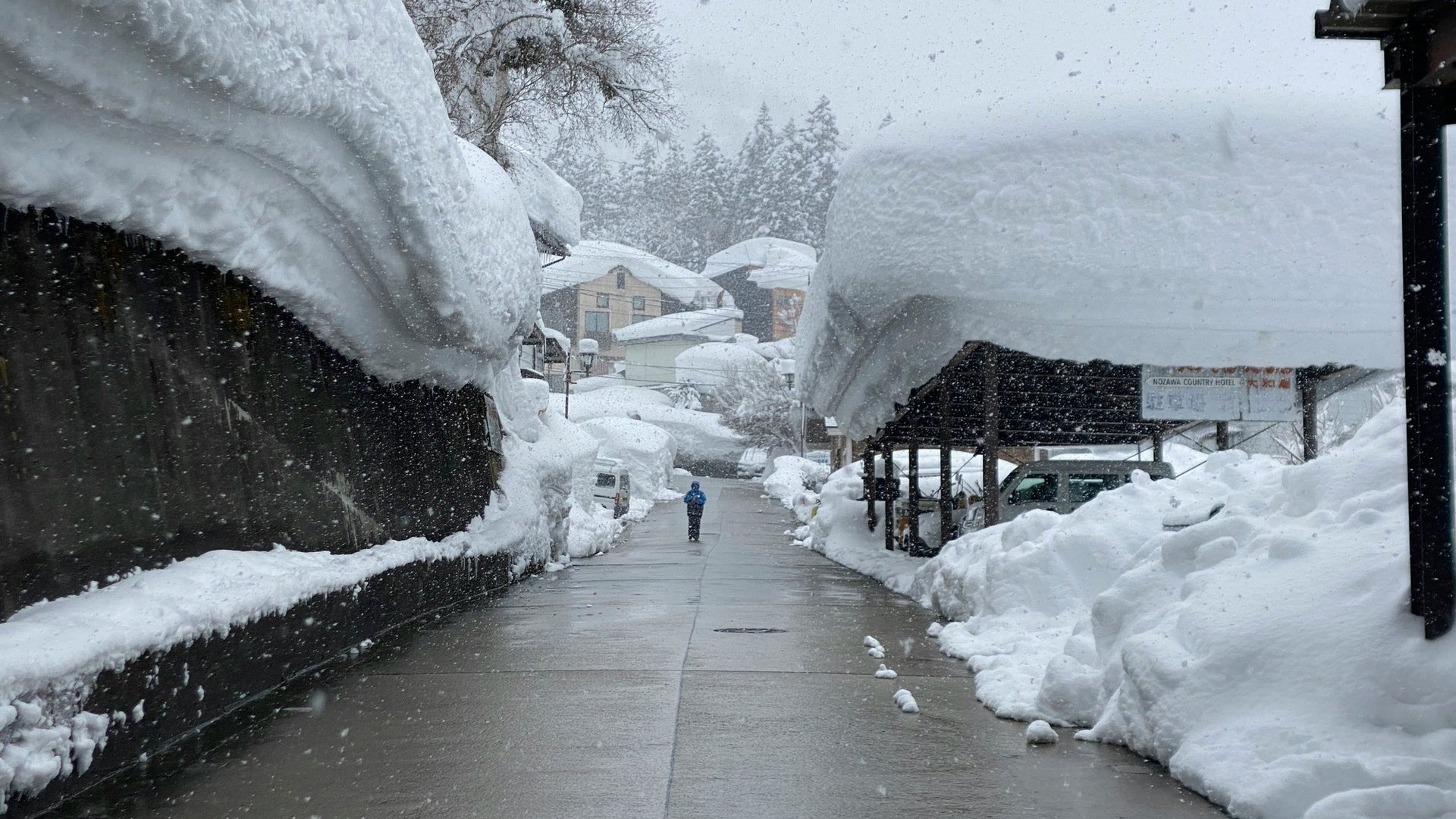
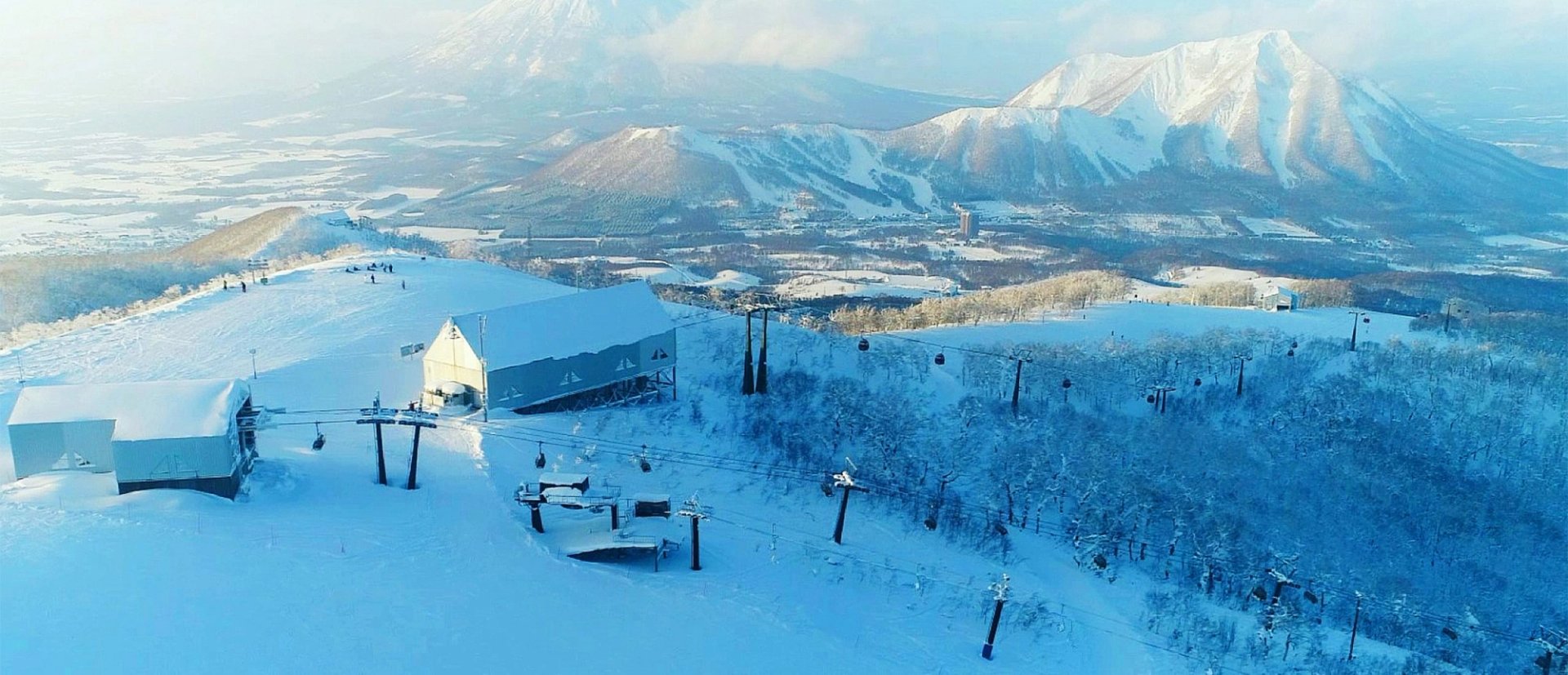
Nozawa and Rusutsu are both excellent, but they scratch very different itches. Nozawa is a real hot spring village with narrow lanes, steaming bathhouses, old timber buildings and a ski hill that rises straight above town. Rusutsu is a slicker Hokkaido setup with three connected mountains, major hotel infrastructure and a much more self-contained resort feel.
So this one really comes down to what sort of trip you want to remember. If you want your ski holiday to feel deeply Japanese even when you are not clicking into bindings, Nozawa has a huge head start. If you want smoother logistics, more terrain and a resort that makes family or group ski trips feel pleasantly easy, Rusutsu is a very strong counterpunch.
The quick verdicts
- First-timers to Japan: Nozawa. Easier to pair with Tokyo, and the village instantly gives you that full Japan trip feeling.
- Family with young kids: Rusutsu. More purpose-built, more contained, and less daily messing around in ski boots.
- Family with older kids or teens: Rusutsu. More terrain, more variety and more chance they stay entertained all day.
- Mates trip: Nozawa. Better pub-to-onsen-to-dinner flow, and more natural village energy after lifts stop.
- Budget trip: Nozawa. The current ticket pages make it pretty clear Nozawa is the easier place to keep costs under control.
- Luxe trip: Rusutsu. This is the more polished, premium resort stay by a fair margin.
- Powder reliability: Rusutsu. Hokkaido dryness and bigger storm confidence still give it the edge.
- Big mountain terrain and variety: Rusutsu. Three mountains beats one village hill for sheer ski-day range.
- Culture and Japan-ness: Nozawa. This is one of the easiest calls in Japan.
- Short trip and easy logistics: Rusutsu. Fly into Hokkaido, get on the bus, and you are basically in business.
The Resorts
Explore each full review for a deeper look at what each resort has to offer.
Resort Comparison
Vibe check
Nozawa feels like a place first and a ski resort second, which is exactly why so many people love it. You can finish skiing, walk through the village, dip into a public bath, grab a beer near Oyu and then wander to dinner without the whole night feeling staged. It has texture, rhythm and a bit of beautiful chaos in the best way.
Rusutsu feels more streamlined and more deliberately built around the ski holiday itself. The hotels, resort dining, ski access and transport all connect neatly, so your days tend to run smoother. It is less atmospheric than Nozawa, but it is very, very good at removing friction.
Snow and weather
Estimated cumulative fresh snowfall at major on-mountain ski areas; actual totals vary substantially by resort, elevation, measurement location, and season.
Rusutsu gets the nod here. Official resort material leans into its dry, light snow and strong annual snowfall, and that matches its reputation with powder chasers who want storm skiing without too much second-guessing. When Hokkaido is doing Hokkaido things, Rusutsu is a very fun place to be.
Nozawa is still properly snowy and one of Nagano’s stronger bets, especially up high. The resort highlights powder zones and its upper mountain terrain around Yamabiko and Uenotaira holds snow better than people sometimes expect. But if your whole trip revolves around deepest-powder odds, Rusutsu is the safer play.
Where you stay
At Nozawa, accommodation is part of the charm rather than just a practical base. You are staying in a village with bathhouses, little streets, local restaurants and that constant feeling that something interesting is just around the next corner. That is great for atmosphere, but it also means your trip can involve a bit more walking, shuttling and general village navigation. Check our Nozawa Onsen Accommodation Guide if you want to delve deeper into accommodation options.
Rusutsu is easier if you want the ski trip equivalent of fewer tabs open in your brain. Big resort hotels, ski-in/out options and a more compact holiday flow make it especially appealing for families, mixed-ability groups or anyone who likes convenience to be doing some heavy lifting.
For the other half of the matchup, see where to stay in Rusutsu.
Terrain and tree skiing
Rusutsu wins on scale and variety. Three peaks, a bigger network of trails and the kind of terrain spread that lets you keep changing the feel of the day make it a stronger pick for strong intermediates and advanced riders who want more room to roam. It feels more like a full ski circuit and less like repeating the same zones.
Nozawa has more going on than the village postcard image suggests. The upper mountain skiing is fun, Skyline is a classic long descent back toward town, and the resort specifically points riders toward powder areas when conditions line up. But for tree skiing depth and all-day terrain variety, Rusutsu stays ahead.
Crowds and lift flow
Nozawa’s village-based layout is part of its appeal, but it can also make the ski day feel a bit more funnelled. A lot of people naturally move through the same base-side zones, and while the lift system is solid, it does not have the same spread-out feel as a larger multi-mountain resort.
Rusutsu generally feels better at absorbing people. That is partly because it has more terrain to disperse skiers across, and partly because the whole resort is built around smooth circulation. Even when it is busy, it tends to feel more organised than cramped. That is an inference from the resort layout and lift setup, but it is a pretty fair one.
Cost and value
Nozawa is the easier place to keep a trip from blowing out. Looking at the current ticket pages and the broader village setup, it is simply a friendlier option for travellers chasing a great Japan ski trip without leaning too hard into premium-resort pricing.
Rusutsu delivers a more polished product, but you usually pay for that smoother experience. Better resort infrastructure, larger hotels and a more premium feel are part of the appeal, not an accident. If value means atmosphere and bang for buck, Nozawa wins. If value means convenience and resort quality, Rusutsu has a fair case.
Food and nightlife
Nozawa is more fun after dark. Not because it is some wild party town, but because the village naturally encourages wandering. You can bounce between izakaya, grab something casual, stop for a soak, then decide whether the night keeps rolling or not. It feels social without trying too hard.
Rusutsu’s dining is more resort-led. There is a decent spread, from casual slope-side meals to more polished sit-down options, but the energy is more hotel dinner, maybe a drink, then bed. Totally fine for plenty of travellers, just not quite the same street-level village buzz as Nozawa.
Logistics
Nozawa works really well if Tokyo is part of the trip. The official access info centres on the train to Iiyama and then the onward bus connection, which makes it one of the cleaner Nagano ski missions for travellers who do not want a domestic flight in the mix.
Rusutsu is very straightforward from the Hokkaido side. The official airport bus from New Chitose takes about two hours, and once you arrive the resort infrastructure does the rest. For a fly-in, ski, sleep, repeat kind of holiday, that is hard to argue with.
The X-factor
Onsen pilgrimage vs resort bubble efficiency
Nozawa has one of the best non-ski rituals in Japan. The public bathhouse culture is not just a side activity, it changes the whole shape of the trip. Ski, soak, eat, repeat is a very compelling system, and it makes Nozawa feel richer than just another good ski hill.
Rusutsu’s X-factor is how easy it makes everything. Three mountains, direct airport access, family-friendly facilities, major hotel infrastructure and a genuinely polished resort flow all combine into a holiday that asks less of you. That might sound less romantic than Nozawa’s bathhouse magic, but when you are travelling with kids, tired legs or a mixed crew, it is gold.
The tiebreaker
Pick Nozawa if you want more village character, more Japan in the overall experience, and a trip that feels fun even after the lifts stop.
Pick Rusutsu if you want better powder odds, more terrain, easier family logistics and a smoother resort-style ski holiday.
FAQ
Which is better for families, Nozawa or Rusutsu?
Rusutsu is the easier family choice overall because it is more self-contained and has strong family-oriented resort infrastructure, including kids’ ski lessons. Nozawa can still work well for families, especially with its kids’ park and childcare options, but it asks a bit more of parents logistically.
Which is better for powder?
Rusutsu. Its official resort material highlights dry, light snow and strong annual snowfall, and that lines up with why it is such a reliable powder pick. Nozawa gets plenty of snow too, but Rusutsu is the more dependable powder-first choice.
Which one feels more Japanese?
Nozawa, by a distance. The public bathhouses, village streets and old-school hot spring atmosphere give it a much stronger sense of place than Rusutsu’s more purpose-built resort format.
Which resort is better for advanced skiers?
Rusutsu is the stronger all-rounder for advanced skiers who want more terrain variety across a longer trip. Nozawa still has fun upper-mountain lines and powder pockets, but Rusutsu gives you more ways to mix up the day.
Which is easier to get to?
It depends where you are starting. Nozawa is easier to fold into a Tokyo-based itinerary via Iiyama, while Rusutsu is simpler if you are flying into New Chitose and heading straight for Hokkaido snow.
When should I go?
For the best chance of deep winter conditions, January and February are the sweet spot for both. Rusutsu is especially strong in midwinter, while Nozawa also has good upper-mountain skiing later in the season depending on snowpack.
Which is better for a mates trip?
Nozawa gets my vote. The village layout, onsen culture and more natural bar-and-dinner flow make it a more fun place to just exist after skiing, especially if the crew wants more than hotel-based evenings.