

Niseko vs Rusutsu
Big Powder Circus or Smooth-Operator Storm Laps?
Choosing between Niseko and Rusutsu sounds like a nice easy Hokkaido problem until you are the one trying to book it. Then it gets oddly personal. Do you want the big-name powder playground with bars, buzz, and enough moving parts to keep the group chat alive all week, or the polished operator that gets you skiing fast and keeps the faff to a minimum?
Niseko is the headline act. It is bigger, louder, more international, and more likely to turn a ski trip into a whole scene. Rusutsu is the quieter assassin. Less noise, less wandering around, less time spent figuring out where dinner is or which shuttle your mate has accidentally boarded.
Both get proper snow. Both work well for Aussie and Kiwi travellers. Both can dish up an all-time Japan trip. But they do it in very different ways, and that difference matters more than the trail map.
The quick verdicts
- First-timers to Japan: Niseko. Easier soft landing, more English support, more accommodation choice, and fewer unknowns.
- Family with young kids: Rusutsu. Less logistical nonsense and a smoother day from breakfast to bedtime.
- Family with older kids or teens: Rusutsu. Plenty of terrain, easy movement, and enough off-snow stuff to stop the afternoon slump.
- Mates trip: Niseko. More bars, more restaurants, more energy, more chance of somebody suggesting one more lap under lights.
- Budget trip: Niseko. Not because it is cheap, but because you have more ways to play the price game.
- Luxe trip: Rusutsu. If luxury to you means slope-side ease and a holiday that runs smoothly, it is a beauty.
- Powder reliability: Niseko. Tiny edge for storm-chasing bragging rights and relentless reloads.
- Big mountain terrain and variety: Niseko. Four linked resorts is a big card to play.
- Culture and Japan-ness: Rusutsu. Neither is exactly secret old Japan, but Rusutsu feels less internationalised and less built around the foreign ski bubble.
- Short trip and easy logistics: Rusutsu. It is simply easier to do well.
The Resorts
Explore each full review for a deeper look at what each resort has to offer.
Resort Comparison
Vibe check
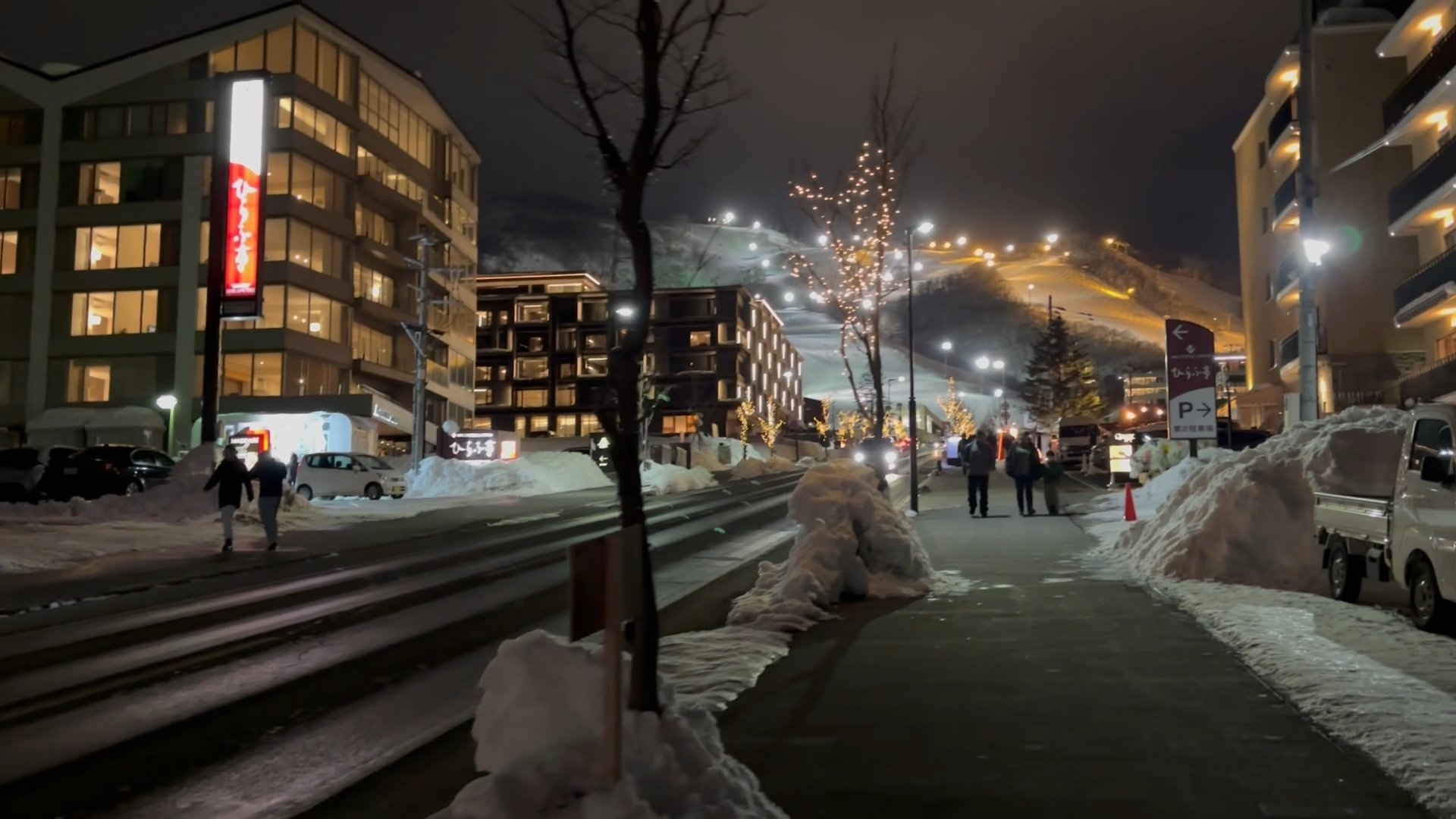
Niseko feels like a ski resort that kept growing until it became its own little snow economy. Hirafu is the centre of gravity: apartments, chalets, restaurants, bars, convenience stores, rental shops, shuttle movement, and a constant sense that something is going on. Even when you stay outside Hirafu, the whole Niseko trip still carries that bigger-destination energy.
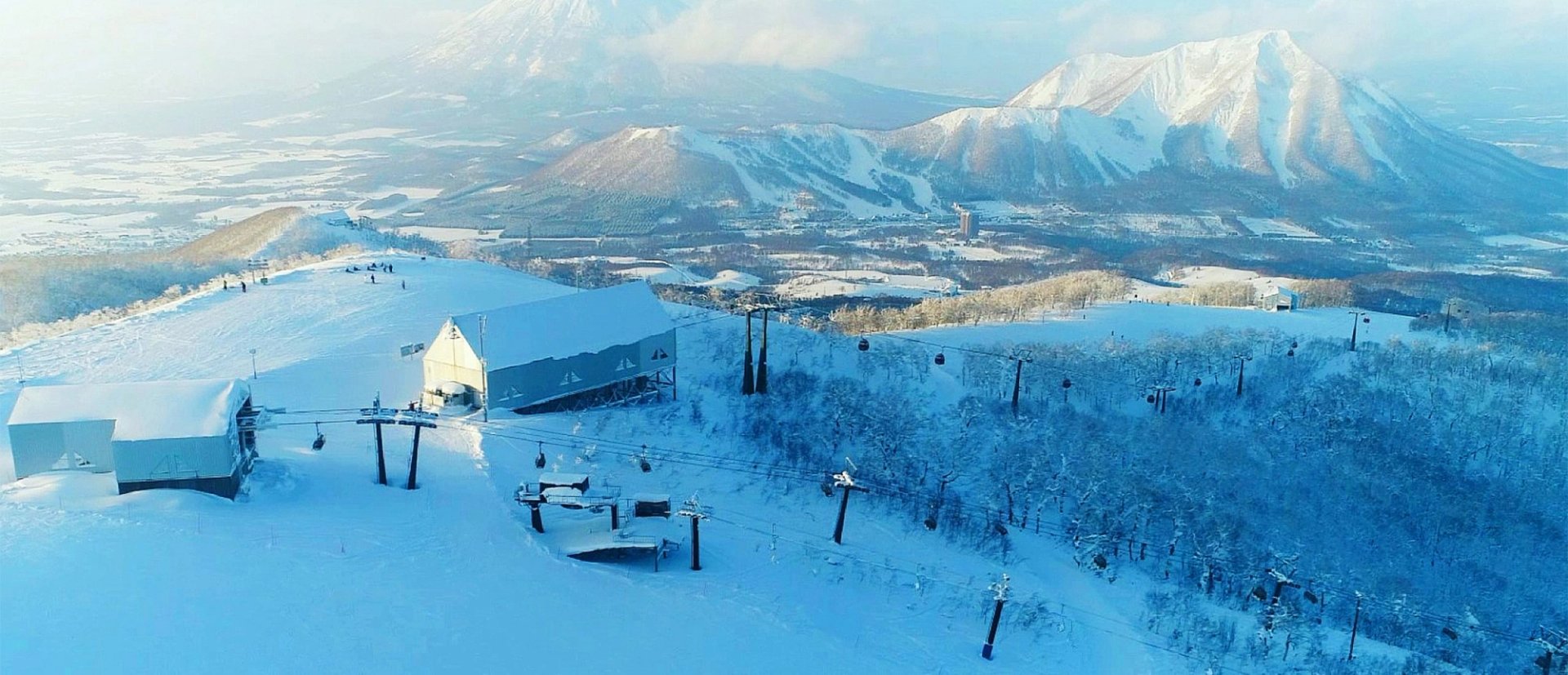
Rusutsu feels more self-contained and more ski-first. It has nice hotels, good dining, polished facilities, and enough going on that nobody is bored, but the whole place is built around making the ski holiday work rather than building a village scene around it. You notice that in the best way: fewer decisions, fewer transfers, fewer moments where you are standing around in ski boots wondering what the plan is.
That is the main mood split. Niseko feels like a destination. Rusutsu feels like a very well-executed ski trip.
Snow and weather
Estimated cumulative fresh snowfall at major on-mountain ski areas; actual totals vary substantially by resort, elevation, measurement location, and season.
This is Hokkaido, so both resorts are playing with a strong hand. You are not choosing between powder and no powder. You are choosing between two different flavours of a very good problem.
Niseko has the bigger powder reputation, and not by accident. It is the name most overseas riders know, the place people track storm cycles for, and the resort most likely to trigger messages like should we book next January right now. When it is firing, Niseko absolutely lives up to the hype.
Rusutsu is hardly the poor cousin here. It gets heaps of snow and often serves it up with a little less weather drama. On some trips that means a better balance of deep days and better visibility, which sounds boring until you remember how nice it is to see the terrain you are trying to ski through at speed.
If your whole trip plan revolves around maximum storm froth, Niseko gets the nod. If you want deep snow with a slightly more composed feel from day to day, Rusutsu is right there.
Where you stay
This is one of the biggest practical differences and one of the easiest ways to work out which resort suits you better.
Niseko gives you range. You can stay in busy Hirafu near the restaurants and nightlife, go quieter in Annupuri, lean into polished resort comfort in Niseko Village, or base near Hanazono and chase a more modern feel. That flexibility is great, but it also means Niseko ski-in ski-out is not automatic. Plenty of stays still involve shuttles, walking, or some sort of daily plan.
Rusutsu is cleaner. Stay in the main resort zone and the whole trip tightens up. Lifts, hotel, food, gear, family stuff, and downtime all sit much closer together, so the day flows better with less effort. If you are travelling with kids, tired legs, or the kind of crew that takes half an hour to leave a room, this matters a lot.
Niseko wins for choice. Rusutsu wins for ease. Pick your poison.
For the property-level detail, see our Niseko accommodation guide and the Rusutsu accommodation guide.
Terrain and tree skiing
Niseko wins on pure variety. Four linked resorts gives you more ways to shape the day, more ways to dodge weather, and more ways to keep a week-long trip feeling fresh. You can bounce between different base areas, ride different aspects, and get that satisfying feeling that there is always another zone to check out.
Rusutsu is not as sprawling, but it skis beautifully. The three-mountain setup has a really good rhythm to it, and it is one of those places where you can just keep stacking fun laps without overthinking anything. That is a harder quality to describe than sheer size, but anyone who has spent time at both resorts usually gets it pretty quickly.
For tree skiing, both are strong. Niseko has more name recognition and a broader menu, but Rusutsu has a seriously loyal fan base for a reason. It feels natural, lapable, and just plain enjoyable when the snow is on.
If you want the bigger canvas, go Niseko. If you want a resort that flows beautifully under your feet, Rusutsu can be the more satisfying ski.
Crowds and lift flow
Niseko being good is part of the problem. The secret has not exactly stayed secret, and the obvious zones can feel obvious in every sense of the word. Powder mornings can get busy, key lifts can bunch up, and the resort has more people making more decisions in more places.
That does not mean Niseko is a write-off on crowd days. It means you need a little more awareness. Where you stay matters, where you start matters, and having even a mildly competent morning plan helps. Skiers and riders who know how to move around the mountain still have a great time here.
Rusutsu usually feels smoother. There is less noise in the system, less crowd intensity, and less sense of racing the whole mountain to get your day started. It is not empty, but it often feels calmer, and calm in a powder resort is worth a lot.
If crowded mornings annoy you, Rusutsu is the safer play. If you are happy to trade a bit of crowd management for more variety and more scene, Niseko still holds up.
Cost and value
Neither resort is where you go to feel clever about spending less money. This is premium Hokkaido territory. But they still deliver value in different ways.
Niseko usually gives you more accommodation spread. There are more ways to stay just outside the hottest zones, more ways to mix and match comfort and convenience, and more chances to trim the bill if you are organised. That does not make it cheap. It just means you have more levers to pull.
Rusutsu can feel more expensive because it leans more heavily into the resort-hotel model. But it also delivers value through simplicity. Shorter transfer, smoother mornings, less transit time, less need to spend money solving small daily inconveniences. Sometimes that makes the overall trip feel worth every yen.
If your idea of value is paying less, Niseko probably gives you more room to manoeuvre. If your idea of value is getting more ski holiday and less admin, Rusutsu makes a very convincing argument.
Food and nightlife
This section is not especially close.
Niseko is the clear winner for dining range and nightlife. Hirafu alone gives you enough choice that the challenge becomes getting a booking, not finding somewhere to eat. There is a proper social pulse here, and for a lot of travellers that is part of the appeal. Ski hard, clean up, go out, do it again.
Rusutsu is more low-key. You will eat well enough, and if you are staying in the resort it is all very easy, but you are not getting the same scale, variety, or atmosphere as Niseko. Rusutsu nights are more likely to end with a relaxed dinner and an onsen than a late bar session and somebody trying to rally the crew for one final stop.
So this one depends on what you want your evenings to be. Niseko is for travellers who want the ski trip to keep humming after the lifts stop. Rusutsu is for travellers who are quite happy for the day to taper off gently.
Logistics
For most Aussies and Kiwis, both of these are Hokkaido fly-in trips rather than easy Tokyo add-ons. That is worth remembering. This is not a jump-on-the-shinkansen, squeeze-in-a-weekend sort of decision.
Niseko is absolutely manageable, but it is a bit more of a mission. Transfer time is longer, arrival day feels bigger, and once you are there the multi-base setup means a bit more thought goes into where you stay and how you move around. None of that is hard, but it adds up.
Rusutsu is the easier short-trip option. The transfer is shorter, the setup is more compact, and you can land, check in, and get into holiday mode with less friction. If you only have four or five nights, that matters more than people think.
If logistics barely register in your holiday planning, take whichever resort suits your vibe. If you hate wasted time, Rusutsu pulls ahead quickly.
Village sprawl vs resort bubble
This pairing has a very specific personality split, and it is one of the reasons the article cannot just be another generic powder-resort comparison.
Niseko gives you sprawl. That can be a good thing. Different bases, different scenes, different accommodation styles, different ways to build the trip. It feels dynamic, alive, and full of options. It also means you can spend more time moving between bits of Niseko than you expected if you do not plan properly.
Rusutsu gives you the resort bubble, and in this case that is not an insult. It is the sort of bubble that makes families relax, makes short trips work better, and makes tired skiers very happy by day three. You are not getting the same off-mountain buzz, but you are getting a resort that feels tidy, purposeful, and easy to enjoy.
If you like your ski holidays sprawling and social, Niseko is your lane. If you like them neat and efficient, Rusutsu is dangerously appealing.
Night laps vs no-brainer laps
Niseko has one huge card that keeps it feeling different from a lot of Japan resorts: the day does not have to stop when the sun drops. Night skiing adds proper value here, not just a novelty lap or two. It keeps the energy high, stretches the day, and suits travellers who like a resort with a bit of momentum.
Rusutsu’s superpower is different. It is not about extending the day. It is about how little effort it takes to have a really good one. The mountain layout, the accommodation convenience, the calmer crowd pattern, the smoother resort flow, it all stacks up into a place where the skiing feels like the default outcome, not the reward for solving a puzzle.
That is the real X-factor in this comparison. Niseko gives you extra gears. Rusutsu removes extra complications.
The tiebreaker
Pick Niseko if you want the bigger, busier, more social Hokkaido trip with more terrain variety, stronger nightlife, and a bit more destination buzz.
Pick Rusutsu if you want a smoother ski holiday with easier logistics, calmer flow, strong family appeal, and a resort that makes day-to-day life feel gloriously simple.
FAQ
Is Niseko or Rusutsu better for families?
Rusutsu is usually the better family pick, especially with younger kids. The whole trip is easier to manage, from getting out the door in the morning to getting everyone fed and settled at night. Niseko still works well for families, but it asks a bit more of the adults.
Which resort is better for powder?
Niseko gets the slight nod if powder is the headline reason you are going. It has the bigger storm reputation and more terrain variety to play with. Rusutsu is still excellent, though, and some travellers prefer the calmer, smoother experience when the snow is good.
Is Rusutsu less crowded than Niseko?
Generally, yes. Rusutsu tends to feel less hectic, especially on powder mornings and around the main lift flow. Niseko can absolutely still deliver great days, but you are more aware that plenty of other people have the same idea.
Which is better for beginners?
Niseko is probably the easier first resort for total Japan first-timers because of its big international ecosystem, lesson options, and broad support network. Rusutsu is still beginner-friendly, but it shines more as an easy, well-run resort than as the obvious first-touch Japan base.
Which is better for advanced skiers and snowboarders?
Both work well, but in different ways. Niseko gives advanced riders more overall variety and that bigger-resort feel, while Rusutsu is brilliant for strong skiers and snowboarders who value flow, tree laps, and a less chaotic day.
Which resort is cheaper?
Usually Niseko gives you more flexibility to control the budget because there are more places to stay and more ways to structure the trip. Rusutsu can feel pricier on the surface, but some travellers happily pay that for the easier logistics and smoother experience.
When should you go to Niseko or Rusutsu?
January and February are the obvious powder months for both. Early February often feels peak-Hokkaido, while late February into early March can be a sweet spot if you want good snow with a slightly less intense atmosphere.