

Hakuba vs Rusutsu
Alpine Playground or Powder Autopilot?
Hakuba and Rusutsu are both heavy hitters, but they win in very different ways. Hakuba is the big, sprawling alpine valley with multiple base areas, Olympic history, loads of terrain options, and enough bars, buses, lodges and moving parts to make every day feel slightly different. Rusutsu is the smoother operator: three linked mountains, serious snowfall, hotel-connected convenience, and a day-to-day rhythm that is almost suspiciously easy.
If Hakuba feels like a proper ski trip with side quests, Rusutsu feels like the mountain quietly whispering stop mucking around and go ski more powder. One is broader, busier and more varied. The other is tighter, colder and more dialled. Neither is wrong. It just depends whether your crew wants alpine range and village energy, or a cleaner powder-first machine.
The quick verdicts
- First-timers to Japan: Hakuba. Easier to fold into a wider Japan trip, with fast access from Tokyo and more village life off the snow.
- Family with young kids: Rusutsu. Ski-in ski-out lodging, mellow beginner terrain, kids facilities and that indoor wave pool are a very hard combo to beat.
- Family with older kids or teens: Hakuba. More terrain variety, more resort-hopping, more ways to keep everyone entertained once they want bigger laps and a bit of freedom.
- Mates trip: Hakuba. Better bar scene, more dinner options, and more chance of a loose but memorable night in Happo or Echoland.
- Budget trip: Hakuba. It is not cheap in peak periods, but it gives you more accommodation styles and more ways to avoid being locked into full resort pricing.
- Luxe trip: Rusutsu. Big resort hotels, polished convenience, onsen, indoor links, and a very easy premium holiday rhythm.
- Powder reliability: Rusutsu. It averages around 14 metres of snowfall and has the colder, more dependable Hokkaido feel.
- Big mountain terrain and variety: Hakuba. Ten resorts on one valley pass is a very deep bench.
- Culture and Japan-ness: Hakuba. It is more of a lived-in alpine area than a self-contained resort bubble, and that changes the feel of the trip.
- Short trip and easy logistics: Rusutsu. Two hours from New Chitose, then you can pretty much switch your brain off and ski.
The Resorts
Explore each full review for a deeper look at what each resort has to offer.
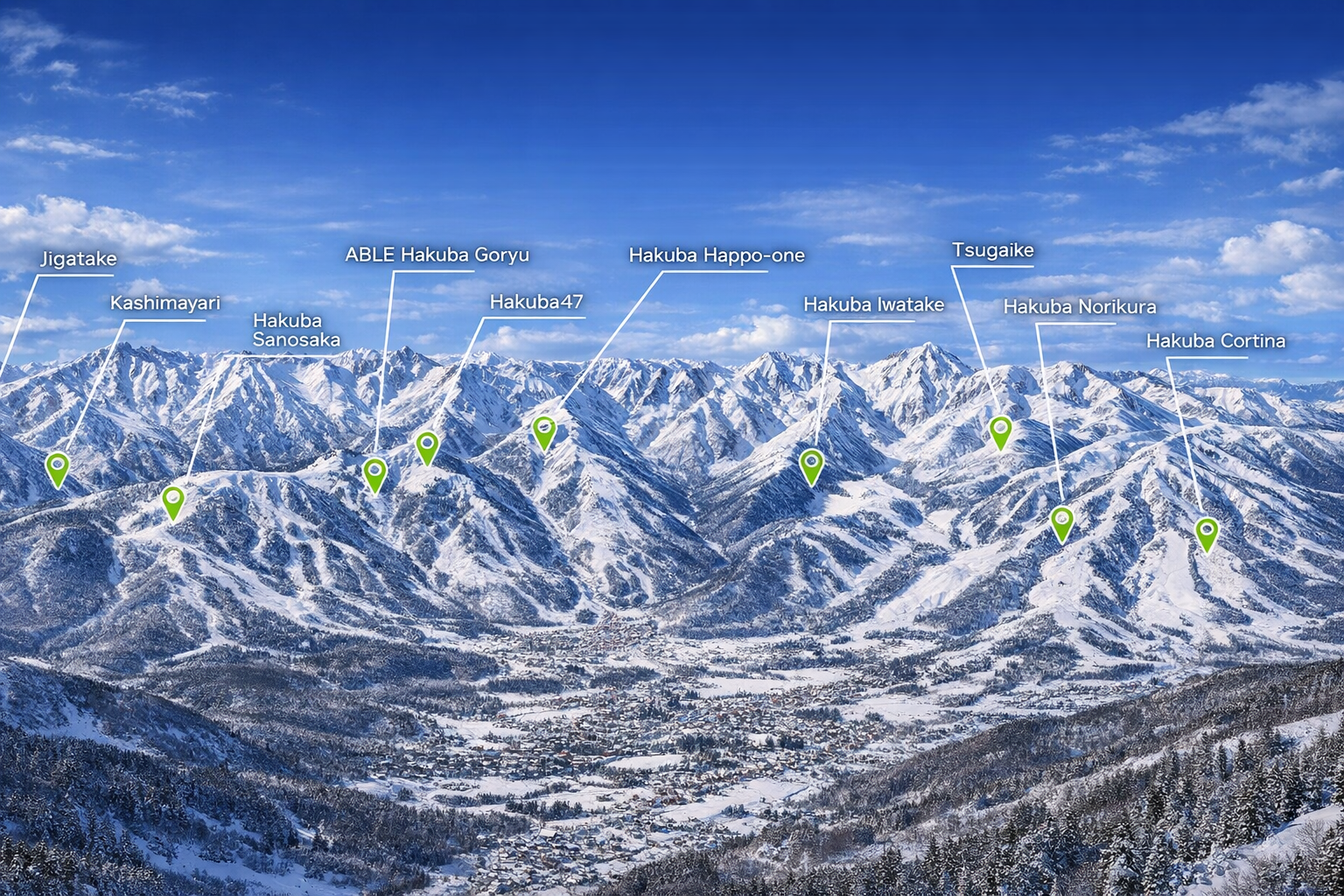
Hakuba Valley
Hakuba Valley: Japan’s alpine playground with ten different personalities
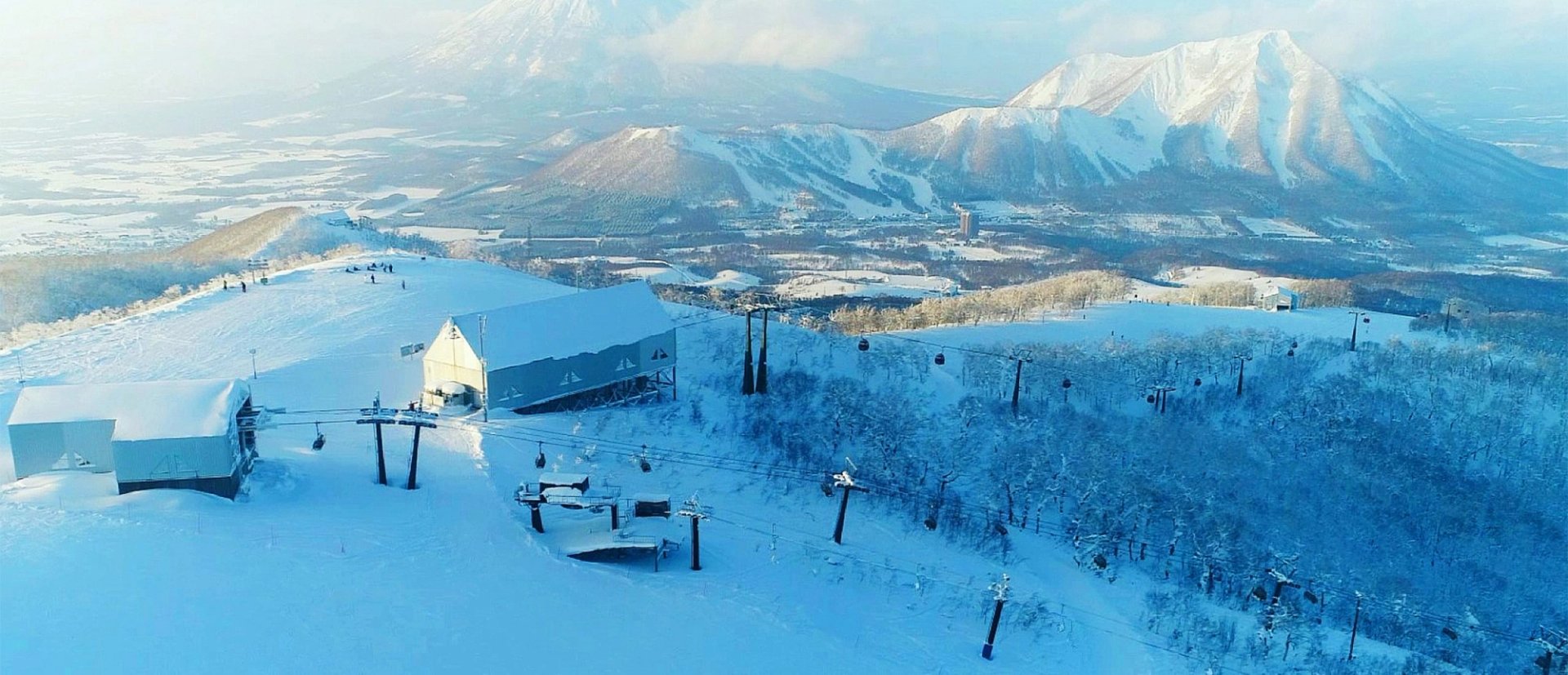
Rusutsu
Champagne Pow Under Mt. Yōtei
Resort Comparison
Vibe check
Hakuba feels like a whole ski region, not one neat little package. You pick a base, work out your bus plans, figure out which resort suits the weather, and decide whether tonight is a quiet ramen night or a bigger one in Happo, Wadano or Echoland. That is part of the charm. It feels alive, a bit scattered, and full of options.
Rusutsu is more streamlined. You wake up, walk through warm corridors or step straight outside, and get into laps with very little fuss. The village scene exists, but the main energy is centred around the resort itself, so the whole trip feels more contained and more efficient. For some crews that sounds boring. In practice, when the snow is firing, it feels glorious.
Snow and weather
Estimated cumulative fresh snowfall at major on-mountain ski areas; actual totals vary substantially by resort, elevation, measurement location, and season.
Rusutsu gets the nod here. The resort cites average annual snowfall of around 14 metres across its three mountains, and the overall package is very Hokkaido in spirit: cold, dry, regular resets, and fewer what-is-this-weather-doing mornings. When you are building a trip around powder confidence, Rusutsu is the safer card to play.
Hakuba can still absolutely go huge, and when storms line up with that dramatic Northern Alps terrain it is superb. But it is more of a weather-reading destination. The reward is variety and bigger alpine drama. The trade-off is that the snow quality can feel a bit less automatic than Rusutsu’s steady powder conveyor belt.
Where you stay
Hakuba gives you range. You can base in Happo for slope access and buzz, in Wadano for a more polished lodge feel, or in Echoland if food and drinks matter almost as much as first chair. That variety is great, but it also means you need to choose your lane properly, because a perfect Hakuba stay in the wrong base can turn into a lot of shuttle time.
Rusutsu is simpler. The main resort hotels are tightly integrated with the ski area, dining and wellness facilities, which is gold for families, shorter trips, and anyone who does not fancy playing bus timetable chess in ski boots. The downside is obvious: less lodging variety and more chance of feeling like you are inside the resort ecosystem the whole time.
Terrain and tree skiing
Hakuba wins for range and day-to-day choice. Across the valley you can chase steep alpine terrain, long groomers, terrain parks, family laps and different snow aspects, all under one broader destination umbrella. If you are the kind of skier or rider who gets itchy doing the same zone two days straight, Hakuba speaks your language.
Rusutsu, though, is no one-trick pony. Its three mountains and tree skiing reputation are a huge part of the appeal, and the combination of powder volume with well-loved wooded lines is exactly why so many returning Japan skiers rave about it. Hakuba is the better all-round terrain buffet. Rusutsu is the one I would quietly back for simpler, more repeatable powder joy.
Crowds and lift flow
Hakuba’s biggest strength is also its biggest headache. There is loads to ski, but there are also loads of people spread across a broad valley, and the experience can feel patchy depending on where you stay, where you ski, and how well you time things. On a good day, the scale works in your favour. On a messy one, it can feel like a lot of transit for not enough turns.
Rusutsu is cleaner operationally. The mountain is contained, the lift system is easier to understand, and the hotel-to-lift rhythm is smooth. That does not mean empty slopes forever, but it does mean less mental admin and a better chance of spending your energy on skiing rather than on figuring out how to get to the next place.
Cost and value
Neither resort is the bargain bin. Hakuba can sting, especially if you leave accommodation late or aim for the most in-demand pockets of the valley. But it still gives you more ways to shape the spend. You can stay simpler, eat outside hotel bubbles, and choose the style of trip that matches your budget a bit more closely.
Rusutsu tends to feel pricier in a more concentrated way. Convenience is the product, and convenience rarely comes cheap. The counterpunch is value in time and energy: fewer transfers, less stuffing around, easier family logistics, and more slope time per day. If your budget can handle it, Rusutsu often feels expensive but annoyingly worth it.
Food and nightlife
Hakuba strolls this round. Between Happo, Echoland and Wadano, it has a proper après and dinner circuit, with enough choice to keep longer stays interesting. It is one of those places where you can finish a big day, grab a beer, change plans three times, and still end up eating well.
Rusutsu has dining covered, with more than 30 restaurants across the resort, but the nightlife mood is calmer and more self-contained. You can absolutely eat well and have a good evening. You are just not coming here for a rowdy village crawl. Rusutsu is more soak, feed, sleep, repeat.
Logistics
Hakuba is brilliant if Tokyo is part of the trip. The valley can be reached from Tokyo in as little as 2 hours 50 minutes via shinkansen and bus, which makes it one of the strongest options for travellers who want skiing without committing fully to a fly-in Hokkaido mission. Once you arrive, though, you are dealing with a broader region rather than one tidy base.
Rusutsu is easier once you commit to Hokkaido. The airport bus from New Chitose is about 120 minutes, and from there the resort does a lot of the heavy lifting for you. For shorter ski-focused trips, that simplicity is a weapon. Less transit friction, less gear schlepping, more skiing.
The X-factor
Olympic valley laps vs one-resort autopilot
Hakuba’s X-factor is that Olympic valley feel. Ten resorts, big alpine scenery, multiple villages, and a sense that your trip can change personality depending on which part of the valley you lean into each day. It feels broader than just skiing. That is catnip for travellers who want skiing plus atmosphere plus a bit of movement and discovery.
Rusutsu’s X-factor is the opposite, and that is why it works so well. It is a purpose-built powder holiday with very little wasted motion: three mountains, reliable snow, resort hotels, onsen, indoor facilities, and a setup that keeps the whole crew moving in the same direction. When people say a resort is easy, this is the good version of easy.
The tiebreaker
Pick Hakuba if you want more terrain variety, more nightlife, more Japan-trip flexibility, and a ski holiday that feels like a full alpine region rather than one resort.
Pick Rusutsu if you want the safer powder bet, easier family logistics, cleaner lift-to-lodging flow, and a trip where the mountain does not waste your time.
FAQ
Is Hakuba or Rusutsu better for powder?
Rusutsu is the better powder bet overall. Its snowfall averages around 14 metres and the colder Hokkaido setup makes the day-to-day snow quality feel more dependable.
Which is better for families?
Rusutsu is usually the easier family call, especially with younger kids. Ski-in ski-out convenience, beginner terrain, family facilities and the indoor pool remove a lot of friction from the trip.
Which is better for advanced skiers and snowboarders?
Hakuba has the stronger edge for sheer variety and bigger-mountain feel across the valley. Rusutsu is still excellent, especially for powder laps and tree skiing, but Hakuba gives stronger multi-day terrain range.
Is Hakuba or Rusutsu cheaper?
Hakuba usually gives you more room to control costs because it has a broader spread of accommodation and dining options. Rusutsu often feels pricier because so much of the trip runs through the resort itself.
Which is easier to get to?
Hakuba is easier if you are coming via Tokyo and want skiing folded into a wider Honshu trip. Rusutsu is easier if you are flying into Hokkaido, with airport bus access from New Chitose taking around two hours.
When should I go to Hakuba or Rusutsu?
For the best shot at midwinter conditions, aim for the heart of the season rather than the shoulders. Rusutsu is the safer powder play through winter, while Hakuba rewards travellers who want both snow and broader terrain options across a longer trip.
Which is better for a mates trip?
Hakuba. The nightlife, village layout and wider choice of bars and restaurants make it much easier to keep a crew entertained once the lifts stop spinning.