

Shiga Kogen vs Kiroro
The Grand Tour or the Powder Bunker?
Shiga Kogen and Kiroro both sit in that dangerous category of resort where a good day can make you start browsing property listings on the chairlift. But they go about it in completely different ways.
Shiga Kogen is the big Japanese ski safari with linked zones, long days, and a slightly old-school rhythm that feels built for skiers who like to roam. Kiroro is the snow-loaded Hokkaido powder bunker where you wake up, look outside, and immediately start thinking about tree runs and refills.
The quick verdicts
- First-timers to Japan: Shiga Kogen. It gives you a broad, classic Japan ski trip with more of that local mountain feel and a gentler learning curve culturally.
- Family with young kids: Kiroro. Staying close to the lifts and keeping logistics tight is a big win when little legs are involved.
- Family with older kids or teens: Shiga Kogen. More terrain to explore, more linked areas, and a stronger sense of adventure once they want more than hot chocolate breaks.
- Mates trip: Kiroro. If your crew measures success in face shots, tree lines, and storm-day stoke, Kiroro lands harder.
- Budget trip: Shiga Kogen. It is easier to piece together a trip with more accommodation styles and fewer premium-resort price tags.
- Luxe trip: Kiroro. Kiroro does polished resort convenience far better, even if your card starts sweating.
- Powder reliability: Kiroro. This is the obvious one. When the snow turns up properly, Kiroro can feel like a cheat code.
- Big mountain terrain and variety: Shiga Kogen. Not for steep, scary exposure, but for sheer mileage, linked terrain, and never skiing the same exact zone all day.
- Culture and Japan-ness: Shiga Kogen. It feels more rooted in the local mountain scene, less sealed inside a resort bubble.
- Short trip and easy logistics: Kiroro. Fly into Hokkaido, base up, ski hard, repeat. Minimal mucking around.
The Resorts
Explore each full review for a deeper look at what each resort has to offer.
Resort Comparison
Vibe check
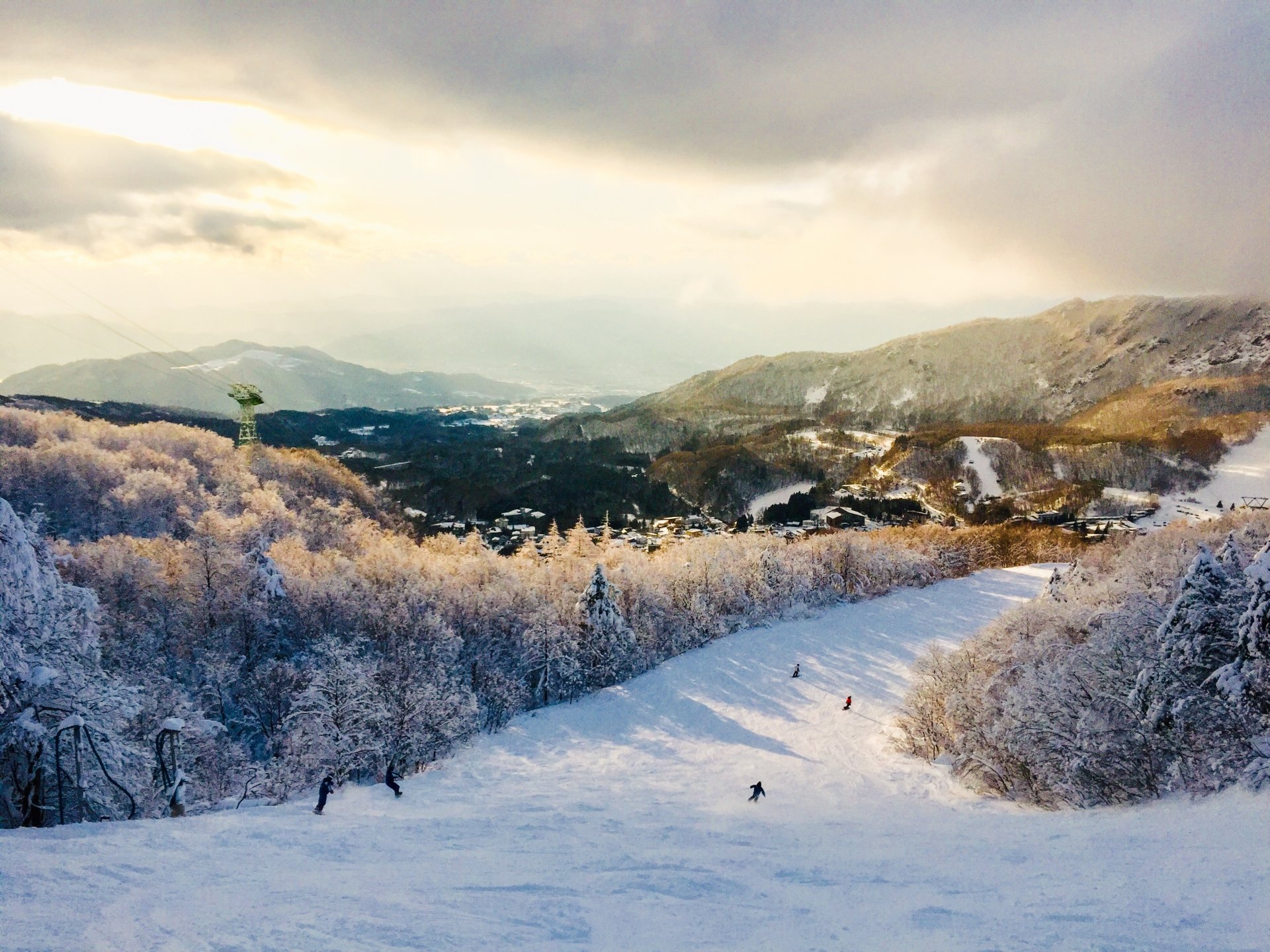
Shiga Kogen feels like a mountain region, not a single resort. You move through different base areas, different lift networks, and different little pockets of accommodation, all with that slightly retro Japanese ski charm. It is less polished than the big international names, but that is part of the appeal. You feel like you are skiing through a whole winter district rather than one neatly packaged resort.
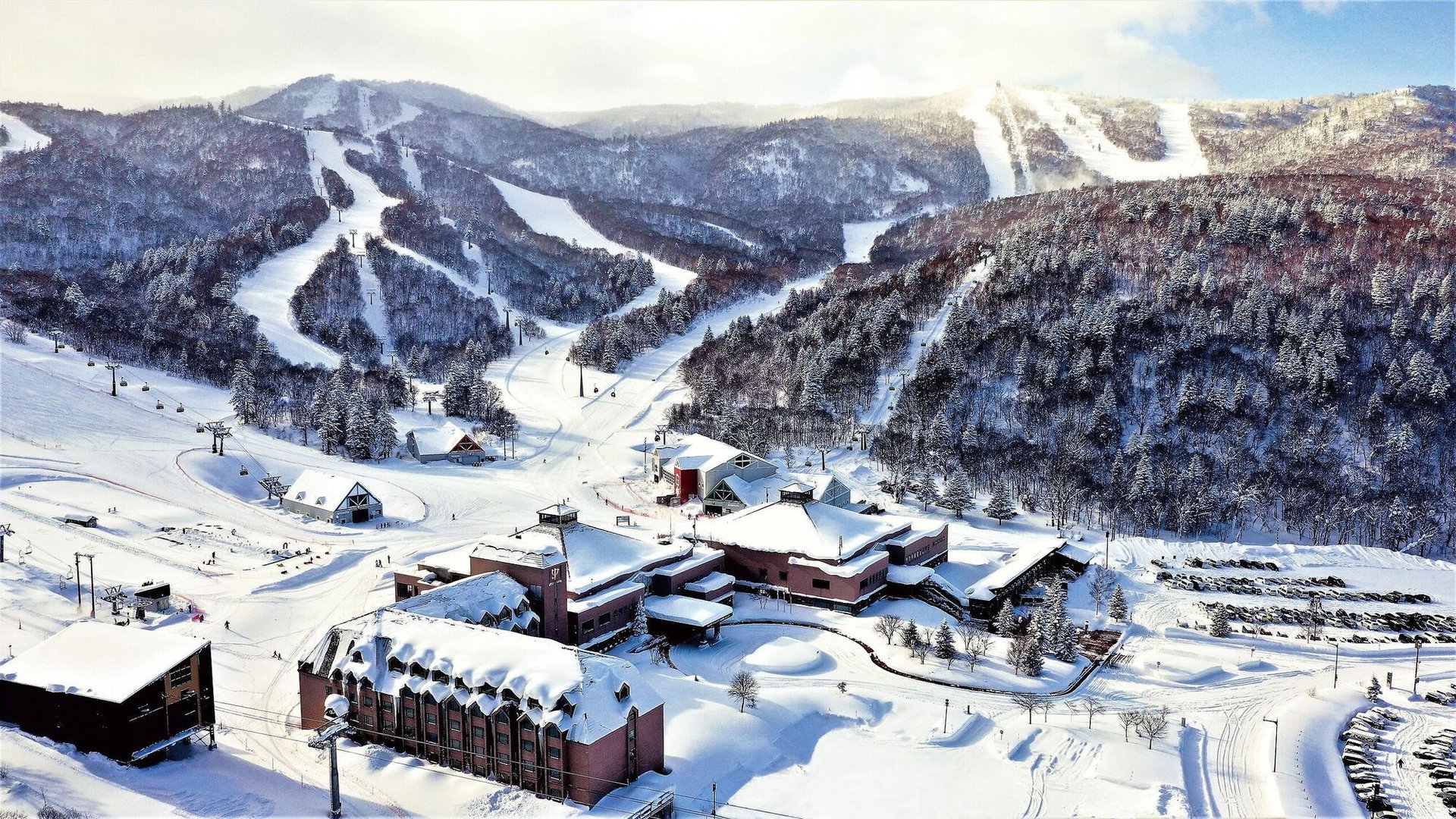
Kiroro is tighter, neater, and much more self-contained. It has that purpose-built feel where the day runs smoothly if you stay on-site or nearby, and the focus is very clearly on getting people onto snow fast. The vibe is less village wandering, more get up, get fed, get powder, get back out there. For some trips, that is exactly the right energy.
Snow and weather
Estimated cumulative fresh snowfall at major on-mountain ski areas; actual totals vary substantially by resort, elevation, measurement location, and season.
Kiroro has the heavier powder resume. It is one of those places people talk about with slightly unhinged eyes after a storm cycle, and for good reason. Snowfall is a huge part of the draw, and when Hokkaido is firing, Kiroro can deliver the kind of soft, repeated refill days that make your legs give up before your stoke does.
Shiga Kogen wins less on raw dump totals and more on consistency of skiing conditions across a long season. Its higher elevation helps preserve snow quality, and it often holds onto good packed powder and chalky surfaces when lower resorts go a bit ordinary. It is not the same storm-chasing fantasy as Kiroro, but it is a very dependable place to rack up quality ski days.
Beds, bases and where it all happens
Staying in Shiga Kogen means choosing your flavour of base area. Some spots are handier for lift access, some are quieter, some have more dining nearby, and some feel like you have stepped into a Showa-era ski time capsule. That spread gives you options, but it also means you want to book with a bit of intention rather than blindly clicking the cheapest room and hoping for the best.
Kiroro is much simpler. The big upside is convenience, especially if you are staying slope-side. The downside is that this convenience is not exactly shy about charging for itself, and room choice can feel limited compared with a broader resort region. It is easy, yes. Cheap and charming, not always.
Terrain and tree skiing
Shiga Kogen’s terrain strength is variety through scale. There are cruisers, steeper pitches, quieter corners, race-bred groomers, and enough interconnected skiing to keep strong intermediates and advanced riders entertained for days. It is especially good for people who enjoy covering ground and piecing together a big mountain day rather than hammering the same storm stash until lunch.
Kiroro is more about quality hits than endless sprawl. The trees are the headline act, and the resort has earned its reputation as a powder playground for riders who want soft snow with relatively easy access. It is not the broadest trail map in Japan, but the right terrain in the right snow makes that matter a lot less. When Kiroro is on, people stop caring about acreage very quickly.
Crowds and lift flow
Shiga Kogen spreads people out well simply because it is so big and broken into multiple sectors. You can still find busy pockets, especially in the obvious zones and around learner-heavy areas, but the resort has a nice habit of absorbing traffic better than more compact mountains. Ski a little smarter, keep moving, and you can dodge a lot of congestion.
Kiroro can feel wonderfully calm compared with the bigger Hokkaido names, but it is still a powder magnet, and powder magnets attract hungry humans. On deep mornings, certain lift lines and obvious off-piste entries can get serious attention fast. The upside is that the resort layout is straightforward. The downside is that when everyone wants the same thing, it can become a bit of a race.
Cost and value
Shiga Kogen generally feels like the better value play. Not because it is dirt cheap across the board, but because you get a lot of skiing for your money and a wider range of places to stay, eat, and piece together a trip. It is easier to shape the trip around your budget instead of being nudged toward premium convenience at every turn.
Kiroro is the one where you pay extra for snow confidence, resort convenience, and that polished Hokkaido powder-weekend appeal. There is value in that if deep snow is the whole point of the trip. But if you are watching the spend, Kiroro can feel like a place where small decisions keep turning into expensive ones.
Food and nightlife
Shiga Kogen is not a nightlife monster, but it has more of a local mountain texture to the food scene. Depending on where you stay, you can lean into hotel meals, casual Japanese spots, and easy little post-ski routines that feel pleasantly unfussy. This is more hot pot, beer, and early-night reset than cocktails-until-2am.
Kiroro is even less about nightlife, and that is fine because hardly anyone goes there for a massive evening out. You are going for snow. Dining tends to feel more resort-contained, and once the lifts stop spinning, the energy settles quickly. If your ideal night is a good feed, a soak, and getting to bed because tomorrow might be ridiculous, Kiroro gets the job done.
Getting there without losing your mind
Shiga Kogen is a little more of a journey, but still very manageable. Most trips flow through Nagano and then up into the mountains, and once you are there you are in a proper ski region with other interesting spots nearby. It suits travellers who do not mind one extra transfer in exchange for a more layered destination.
Kiroro is easier to wrap into a short Hokkaido mission. Fly in, transfer across, and you are basically at the pointy end of the trip already. That makes it attractive for shorter holidays where every half-day matters. It is the kind of place that works beautifully when you want less transit admin and more snow time.
The X-factor
High-altitude grand tour vs storm-day bunker
Shiga Kogen’s superpower is that it feels like a ski circuit. You are not just lapping one zone; you are building a day, moving across linked terrain, and choosing your own route through a big mountain network. That gives the place a satisfying, all-day momentum. It is for people who like skiing to feel like a journey rather than a single punchy highlight reel.
Kiroro’s X-factor is the opposite. It is the place you pick when you want to bunker down and let the weather do its thing. There is something very pleasing about how unapologetically powder-first it feels. While Shiga says let’s roam, Kiroro says stay here, keep your goggles dry, and get ready for another refill.
The tiebreaker
Pick Shiga Kogen if you want a bigger, more varied ski region with stronger value, more Japanese mountain character, and long days of linked exploration.
Pick Kiroro if you want to maximise powder odds, keep the trip simple, and base yourself in a resort built for storm skiing and easy lift access.
FAQ
Is Shiga Kogen or Kiroro better for powder?
Kiroro is the stronger powder bet. If your whole trip revolves around soft snow, tree laps, and storm cycles, Kiroro is the more obvious move. Shiga Kogen still gets good snow, but powder is less the whole identity.
Which is better for families?
Kiroro is better for families with younger kids because the setup is simpler and more contained. Shiga Kogen is better for families with older kids or teens who will appreciate the bigger linked ski area and more adventurous feel.
Is Shiga Kogen cheaper than Kiroro?
Usually, yes in overall trip feel. Shiga Kogen tends to offer better value and more flexibility in where you stay and how you spend, while Kiroro leans more premium and convenience-driven.
Which resort is better for advanced skiers?
It depends what kind of advanced skier you are. If you want powder and trees, Kiroro has the bigger pull. If you want to cover more ground, mix up your day, and ski a broad spread of terrain, Shiga Kogen is stronger.
Is either resort good for beginners?
Both can work, but Shiga Kogen is the gentler all-rounder. It has more beginner-friendly cruising space across a larger network, while Kiroro makes more sense for groups where the better riders are the main reason for going.
Which is easier to reach from Australia or New Zealand?
Kiroro is usually the simpler short-trip play because Hokkaido ski missions are easy to build around one resort base. Shiga Kogen takes a little more onward travel, but rewards that effort with a more region-style experience.
When should you go to Shiga Kogen or Kiroro?
Kiroro shines when you want the best chance of proper midwinter powder. Shiga Kogen is a smart choice across a broader chunk of the season thanks to its altitude and ability to hold decent conditions well.