

Shiga Kogen vs Appi Kogen
High-Altitude Mileage or Polished Package?
Shiga Kogen and Appi Kogen are both proper ski trips, but they go about it in very different ways. Shiga is the sprawling linked-mountain mission: more ski fields, more route choices, more little decisions, and more of that satisfying I have figured this place out feeling. Appi is the polished one-base operator: fewer moving parts, cleaner flow, better slopeside comfort, and less daily admin.
That means the right pick comes down to what kind of week you want. If your dream trip involves exploring a huge ski network and pairing skiing with onsen-town energy, Shiga has real pull. If you want a tidy resort rhythm of hotel, lift, tree laps, onsen, repeat, Appi makes life very easy.
The quick verdicts
- First-timers to Japan: Appi Kogen. One main resort base, slopeside hotels, and simpler day-one logistics make it the easier soft landing.
- Family with young kids: Appi Kogen. Compact resort living wins when you are carrying snacks, gloves, and one mildly grumpy child.
- Family with older kids or teens: Shiga Kogen. The linked ski areas give everyone more room to roam before boredom kicks in.
- Mates trip: Shiga Kogen. Bigger ski mileage, more exploring, and more of that let’s see what is over the next ridge energy.
- Budget trip: Shiga Kogen. It usually gives you more ways to keep costs under control thanks to its wider mix of lodges, hotels, and areas.
- Luxe trip: Appi Kogen. This is the cleaner fit if you want a polished resort stay with proper upscale hotel options.
- Powder reliability: Shiga Kogen. The altitude and sheer spread give it a little more all-trip confidence.
- Big mountain terrain and variety: Shiga Kogen. Eighteen linked ski areas is a very hard hand to beat.
- Culture and Japan-ness: Shiga Kogen. Nearby onsen towns and the Snow Monkey Park give the trip more classic Nagano texture.
- Short trip and easy logistics: Appi Kogen. Fewer transfers once you arrive, less map study, more straight into ski mode.
The Resorts
Explore each full review for a deeper look at what each resort has to offer.
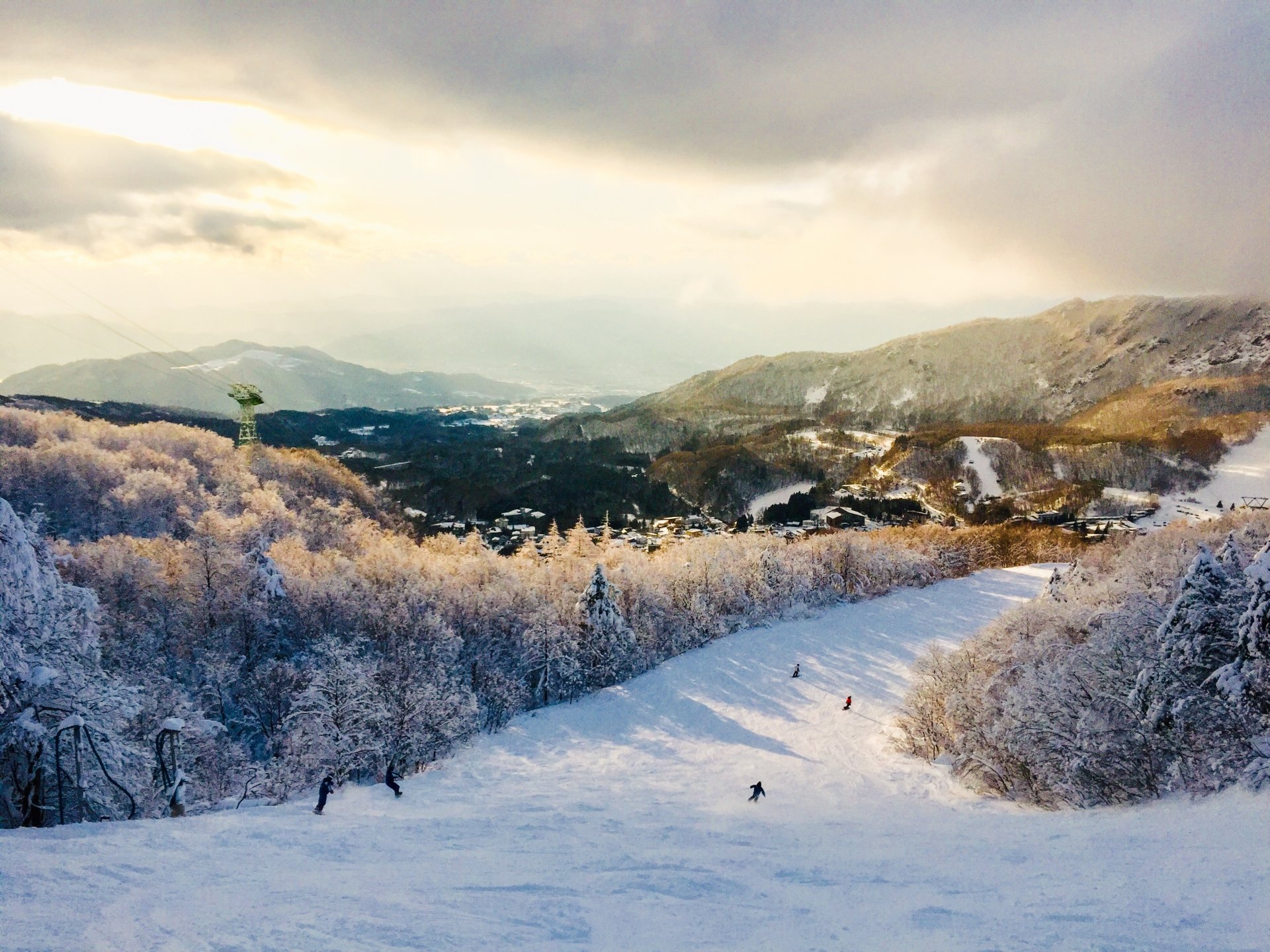
Shiga Kogen
Japan’s high-alpine giant with quietly reliable pow
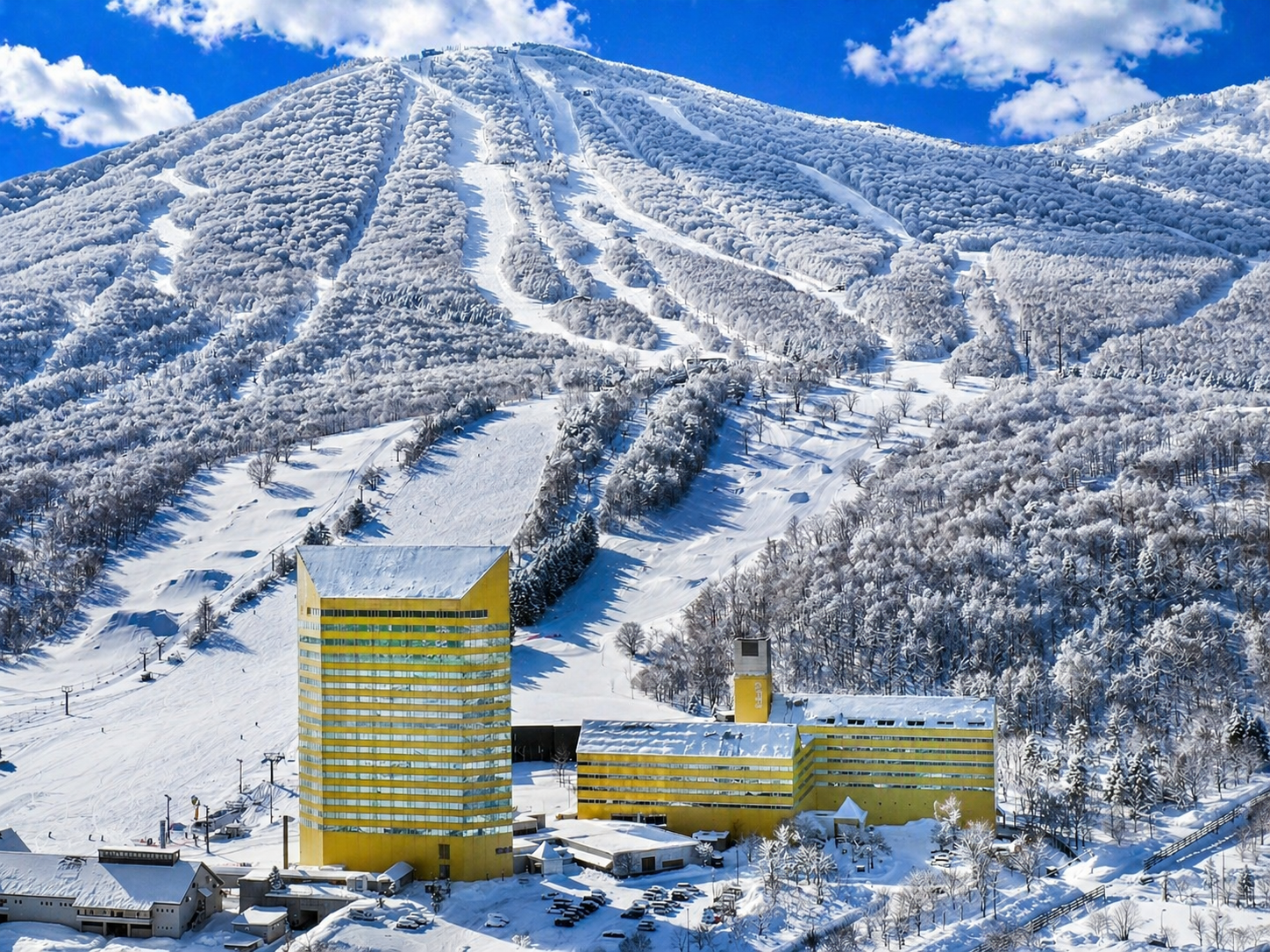
Appi Kogen
Tohoku’s Powder Playground
Resort Comparison
Vibe check
Shiga Kogen feels like a mountain network more than a single resort. You have multiple zones, multiple base areas, shuttle buses, old-school hotels, Olympic history, and the sense that you could ski here for days without covering it all. It feels more Japanese, more spread out, and a little less packaged.
Appi feels more self-contained and more polished. The base area is cleaner, the accommodation is more resort-hotel driven, and the whole place has a smoother, more curated rhythm. It is less about wandering and more about clicking into a well-run machine.
Snow and weather
Estimated cumulative fresh snowfall at major on-mountain ski areas; actual totals vary substantially by resort, elevation, measurement location, and season.
Shiga Kogen’s big ace is altitude and breadth. Official sources point to elevations above 2,000 metres and one of the biggest ski footprints in Japan, which helps with snow preservation and gives you more options when visibility, wind, or snow quality shift from one zone to another.
Appi’s strength is the quality of the skiing experience when it is on. It has dry Tohoku snow, long cruisers, officially designated ungroomed routes, and a serious Tree Run Zone across Nishimori and Sailer. I would still lean Shiga for week-long snow confidence, but Appi is no consolation prize on a storm cycle.
Where you stay
Shiga gives you more accommodation personality. You can go ski-in ski-out at the Shiga Kogen Prince Hotel, or stay in the broader mix of inns and hotels scattered through areas like Ichinose, Okushiga, and Yokoteyama. That makes the trip feel less resort-bubble and more like you are choosing your own base camp.
Appi is the opposite, in a good way. The resort leans on three main hotels, including the InterContinental, Crowne Plaza, and Holiday Inn, with slope access, onsen access, and a much more plug-and-play feel. If you want convenience and comfort without hunting around, Appi wins this round.
Terrain and tree skiing
Shiga wins for scale and variety, comfortably. One pass covers 18 ski areas, and official sources describe roughly 80 trails plus shuttle links between zones, so the skiing day can morph from mellow groomers to longer cruisers to more interesting side hits and sidecountry-style terrain depending on where you go.
Appi fights back with cleaner terrain identity. It has over 20 slopes, 43 kilometres of skiable terrain, six ungroomed routes, and a 60-hectare Tree Run Zone. So while it is smaller overall, it is arguably easier to get straight to the good stuff if what you want is groomer speed plus controlled tree skiing without turning the day into a navigation exercise.
Crowds and lift flow
Shiga’s crowd management is mostly about distribution. There is so much terrain and so many separate sectors that people spread out well, but the trade-off is that your day can involve connection lifts, flatter link-ups, or a shuttle move if you are really range-roaming. It feels expansive, not always efficient.
Appi has the tidier lift-flow experience. The resort is more compact, the hotel base is central to the ski day, and the layout is easier to read. You sacrifice some sheer scale, but you get more of that wake up, ski, soak, eat, sleep rhythm that suits short trips and low-fuss crews beautifully.
Cost and value
Shiga generally feels like the stronger value play. One lift pass opens a huge network, and the accommodation mix runs from slopeside hotel convenience to smaller, older, more character-filled stays where you can often keep the trip a bit more grounded.
Appi feels more premium from the outset. That is part of its charm, but it also means the whole holiday can skew more resort-priced and hotel-led. You are paying for ease, polish, and a more refined base setup, not for scrappy bargain-hunting glory.
Food and nightlife
Shiga’s food scene is more scattered than scene-y. You are mostly working with hotel restaurants, slope lunch spots, and the option to build the broader trip around nearby places like Yudanaka or Shibu Onsen, which adds more local flavour than pure resort dining.
Appi is stronger for easy, on-site dinner convenience. The resort hotels bundle in multiple dining venues, and JNTO highlights several restaurants and bars right in the slope-side hotel zone. Neither place is a late-night chaos factory, but Appi is the easier one when you want a smooth evening without leaving the resort orbit.
Logistics
Shiga is pretty straightforward by Japanese standards, especially from Nagano. JNTO says you can ride the Hokuriku Shinkansen to Nagano and then connect by bus to the resort, which makes it a good fit for a wider Nagano trip with other stops folded in.
Appi is simpler once you commit to it. Official access information points to Morioka Station, Appi Kogen Station, and Iwate Hanamaki Airport, with winter bus connections into the resort. It is the cleaner fly in, settle in, and ski style of trip, especially if you are not trying to combine half of Honshu in one week.
The X-factor
Grand tour vs front-desk ease
Shiga Kogen has side quests. That is the magic. You are skiing one of Japan’s biggest linked areas, near Snow Monkey Park and onsen towns, with enough separate sectors that each day can feel like a slightly different trip. It rewards skiers and riders who enjoy exploring, tinkering, and squeezing more character out of the holiday than just lift laps.
Appi’s superpower is that it removes friction. The hotels, slope access, dining, tree runs, and resort services all sit in one cleaner frame, so the trip feels less like a puzzle and more like a very good system. If Shiga is the grand tour, Appi is the beautifully run one-hotel play.
The tiebreaker
Pick Shiga Kogen if you want more terrain, more Japan-ness, better week-long variety, and a ski trip that feels like a proper mountain mission.
Pick Appi Kogen if you want smoother logistics, a more polished resort stay, and easier access to fast laps, tidy tree runs, and low-fuss comfort.
FAQ
Is Shiga Kogen or Appi Kogen better for families?
Appi is the easier family pick, especially with younger kids. The base is more compact, the hotel setup is simpler, and there are family-friendly resort facilities built into the stay.
Shiga can still work really well for families, especially if your crew likes space and variety. It also has kids areas and family parks, but it asks a bit more from the adults in terms of moving around and choosing the right base.
Which resort is better for powder skiing?
Shiga Kogen gets the nod for overall powder reliability thanks to its altitude, scale, and range of zones. It gives you more options to hunt better snow across a longer stay.
Appi is excellent when the snow is firing, especially if you love resort-managed tree laps and ungroomed lines without stepping fully into backcountry mode. Its Tree Run Zone is one of the biggest reasons strong skiers rate it so highly.
Which one is easier without a car?
Both are doable without driving, but Appi is easier once you arrive. Official access runs through Morioka, Appi Kogen Station, and Hanamaki Airport into a self-contained resort setup.
Shiga is also well connected from Nagano by train and bus, but the resort itself is bigger and more spread out, so you will do a bit more internal moving around.
Which resort feels more Japanese?
Shiga Kogen, pretty comfortably. Nearby onsen towns, the Snow Monkey Park, older lodges, and the general Nagano mountain feel give it more classic Japan texture beyond the ski slopes.
Appi feels more like a polished destination resort. It is clean, comfortable, and well-run, but less steeped in that wandering-through-an-onsen-town-between-ski-days vibe.
Which is better for advanced skiers and snowboarders?
Shiga is better if your idea of a good trip is covering ground, mixing terrain, and keeping the week interesting. The sheer number of sectors makes it the stronger advanced all-rounder.
Appi is great for advanced riders who prefer quality over sheer quantity. The appeal is long groomers, controlled ungroomed terrain, and easy-to-lap tree zones rather than endless mountain sprawl.
When is the best time to go?
Midwinter is the sweet spot if powder is your priority at either resort. That is when both places tend to deliver their best cold-snow personality, with Shiga’s altitude and Appi’s dry Tohoku snow both working in your favour.
Shiga also has a strong argument later in the season because of its elevation and spread. If you like spring laps with more terrain still in play, it has a bit more runway.
Which is better for a short four- or five-night trip?
Appi is the better short-trip choice for most people. You lose less time to internal logistics and get into a smooth ski-sleep-repeat rhythm faster.
Shiga is better when you have enough days to explore it properly. Give it a longer window and it starts paying you back in variety.