

Nozawa Onsen vs Zao Onsen
Bathhouse Buzz or Snow Monster Magic?
Nozawa Onsen and Zao Onsen both nail that classic Japan ski-trip combo of skiing by day and soaking by night, but the mood is completely different. Nozawa feels lively, social and beautifully walkable, with old streets, public bathhouses and a village rhythm that keeps the whole trip humming. Zao feels moodier and more dramatic, with sulfur steam, ropeways and the sort of upper-mountain scenery that makes you stop mid-run and just stare for a second.
If Nozawa is the resort for people who want their Japan trip to flow easily from coffee to gondola to izakaya to onsen, Zao is the one for people who want a bit more theatre. One is village-first and easy to love straight away. The other is mountain-first, a little stranger, and all the more memorable for it.
The quick verdicts
- First-timers to Japan: Nozawa Onsen. The shinkansen-to-Iiyama-to-resort-bus setup is straightforward, and the village is easy to get your head around once you arrive.
- Family with young kids: Nozawa Onsen. Hikage is properly set up for families, with the kids park, lessons, daycare and easy village access via Yu Road.
- Family with older kids or teens: Zao Onsen. The ropeways, long summit descents and snow monster factor make it feel more like a mountain adventure than a gentle family base.
- Mates trip: Nozawa Onsen. Better late-afternoon drift potential, more food options and a village layout that makes it easy to stay in the mix.
- Budget trip: Zao Onsen. The stay mix is broader and more old-school, with a big spread of ryokan, hotels and economical lodges.
- Luxe trip: Nozawa Onsen. It is the easier pick if you want the slicker stay, nicer dinner and more polished village-weekend energy.
- Powder reliability: Nozawa Onsen. The resort leans hard into powder skiing, especially around Yamabiko, and the ski day usually feels more straightforward.
- Big mountain terrain and variety: Zao Onsen. It is one of Tohoku’s larger ski resorts, with long descents, steeper walls, glade sections and loads of terrain spread across the mountain.
- Culture and Japan-ness: Nozawa Onsen. Thirteen public bathhouses and the whole hot-spring-village ritual give it the stronger everyday Japan feel.
- Short trip and easy logistics: Nozawa Onsen. It is the cleaner Tokyo mission, while Zao usually asks for one extra transfer and a bit more planning.
The Resorts
Explore each full review for a deeper look at what each resort has to offer.
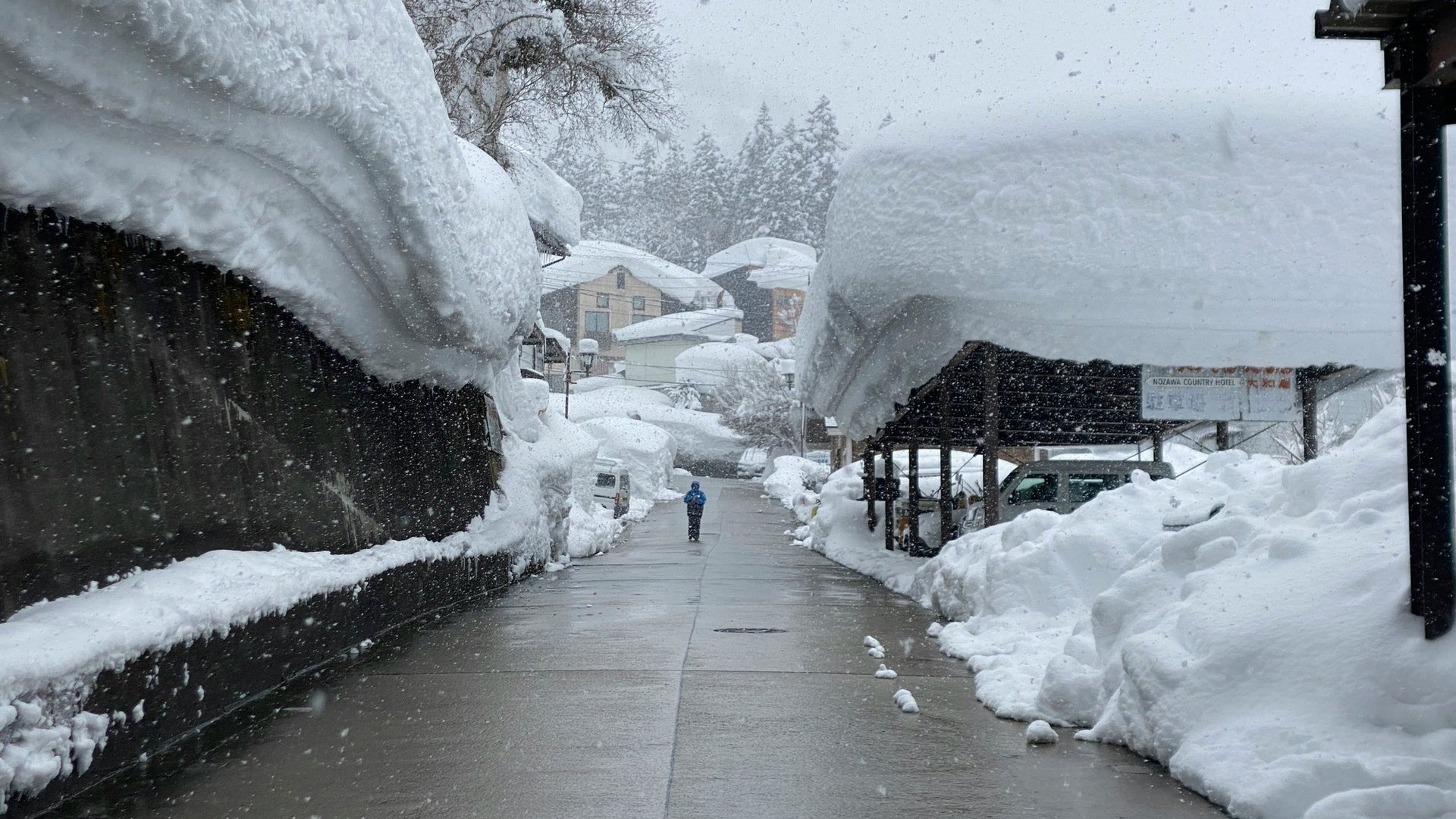
Nozawa Onsen
Steeped in tradition, stuffed with snow
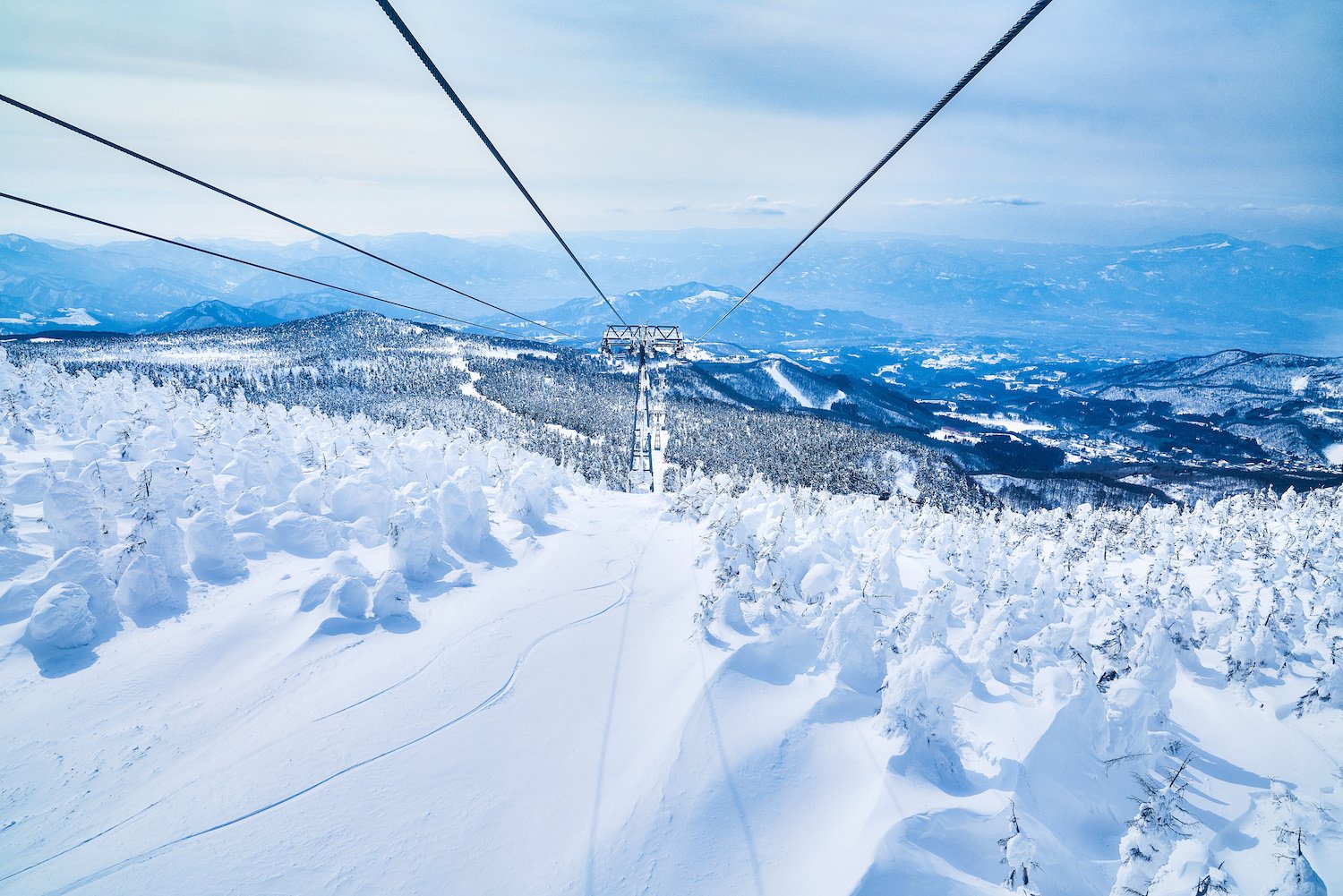
Zao Onsen
Where Snow Monsters Meet Champagne Pow
Resort Comparison
Vibe check
Nozawa feels like a proper village that just happens to have a ski resort bolted onto it. You weave through narrow streets, pop past little shops and bathhouses, and never really lose that sense that people live here year-round. Even when it is busy, it still feels like a town with history rather than a ski base built for one season.
Zao feels more atmospheric and slightly wilder. The sulfur smell is part of the deal, the mountain looms bigger over the town, and the whole place has more of that weather-driven Tohoku character. It is charming, but in a moodier way than Nozawa, and the payoff is that it feels genuinely different from the usual polished ski-town formula.
Snow and weather
Estimated cumulative fresh snowfall at major on-mountain ski areas; actual totals vary substantially by resort, elevation, measurement location, and season.
Nozawa gets the nod here for day-to-day skiability. The resort’s own powder pages lean into how snow-focused the mountain is, and the Yamabiko zone is the standout if you want ungroomed sections, soft snow and those fun little open tree lines that keep feeding back toward the lift. It is the sort of resort where a storm day still feels usable rather than like a puzzle.
Zao’s snow story is more about spectacle. The snow monsters are a genuine natural phenomenon, and the upper mountain can look completely surreal when they are firing. But Zao’s magic is also more tied to what the mountain gives you on the day, because a big part of the experience revolves around the summit zone, ropeways and that snow-monster belt near the top.
Where you stay
At Nozawa, where you stay shapes your trip more than people think. Pick well and you can walk to meals, bathhouses and the lifts with very little friction; pick badly and you will learn quickly that charming old villages also come with a few sneaky hills. The upside is that the whole stay feels embedded in the town rather than parked beside it. If you want the Nozawa accom options, I have a shortlist here: Nozawa Onsen Accommodation Guide
Zao is the easier place to cast a wider net. There are more than 80 accommodation options listed by the tourism association, including historic ryokan, hotels and more economical lodges, so it is usually simpler to match your trip style without overthinking it. It feels less curated than Nozawa, but often more forgiving when you are trying to balance comfort, character and value.
For the other half of the matchup, see where to stay in Zao Onsen.
Terrain and tree skiing
Nozawa skis bigger than some people expect. The upper mountain around Yamabiko serves up powder-focused laps, Utopia brings moguls and steeper ungroomed options, and Kandahar adds a more serious edge when you want to point them a bit more. It also has a clear sidecountry and backcountry culture, which advanced riders will appreciate, provided they treat it with the respect the mountain asks for.
Zao, though, wins this section by a nose for sheer spread and visual drama. You have the long Juhyogen route from high on the mountain, steeper walls like Yokokura and Omori, proper glade skiing on Omori Giant, and a bunch of long connecting courses that make the mountain feel varied rather than repetitive. If you like covering ground and mixing cruisers with steeper pitches, Zao is the stronger all-mountain play.
Crowds and lift flow
Nozawa’s lift flow is not perfect, but it is usually easier to read. Nagasaka can be the busy one in the morning, but you have other functional zones like Hikage and Karasawa, plus automatic IC gates and a village setup that makes getting in and out of your ski day feel pretty smooth. For a resort with real character, it is impressively practical.
Zao can feel more stop-start. That is partly because the terrain is spread out and partly because so much of the resort’s identity revolves around ropeway-linked upper-mountain skiing and the snow monster zone. When everything lines up, it feels epic; when you are bouncing between base areas or building your day around the upper lifts, it can feel a little less seamless than Nozawa.
Cost and value
Nozawa is not impossible on a sensible budget, but it does tempt you into spending more. The village has enough appealing food spots, nice stays and little post-ski treats that the trip can gradually become less budget-friendly than you planned, especially if you like convenience and a bit of atmosphere with your dinner. It feels worth it, but it does not always feel cheap.
Zao is the better value call for most travellers. A broader accommodation spread, a more old-school resort feel and less of that polished village-weekend energy usually make it easier to keep the whole trip under control without feeling like you are downgrading the experience. You are giving up a bit of buzz, not the core magic.
Food and nightlife
Nozawa wins this comfortably. There is enough happening across the village that you can have a proper ski-town evening rather than just dinner and bed, and the official village listings back that up with a broad mix of food, cafes, bars and shops. It is still Japan, not a full send party circus, but it has real after-ski momentum.
Zao is more of a soak-and-reset place. There are restaurants, cafes, souvenir shops and enough to keep you fed and happy, but the energy is calmer and the village stroll is more about steam, snacks and an earlyish night than bouncing between venues. For some trips that is perfect. For a social crew, Nozawa is the obvious call.
Logistics
Nozawa is one of the easier proper ski-village missions from Tokyo. The key move is getting to Iiyama, then jumping on the direct resort bus, and once you are in town you can rely on the village structure, shuttles and on-foot flow pretty well. For a shorter trip, that simplicity matters a lot.
Zao is still very doable, but it asks for a bit more intent. You are usually working through Yamagata and then onto the resort bus, or using airport connections if that suits your route, so it can be a really good fit for Tohoku-focused travel but a slightly less casual add-on from Tokyo. If your trip is a clean long weekend, Nozawa has the easier case.
The X-factor
Bathhouse pilgrimage vs snow monster theatre
This pairing really comes down to what kind of postcard you want to step into. Nozawa’s superpower is the everyday bathhouse ritual: the 13 sotoyu, the steamy lanes, and Ogama, where the village still uses hot spring water for cooking. It feels tactile, lived-in and deeply tied to local routine rather than just tourism.
Zao’s superpower is theatre. The sulfur springs are stronger and more distinctive, and the mountain’s snow monsters give the place a rare, almost sci-fi layer that very few ski resorts anywhere can match. Add the illuminated monsters and night tours, and Zao starts to feel less like a normal ski trip and more like winter sightseeing with lift passes.
The tiebreaker
Pick Nozawa Onsen if you want the better all-rounder: easier access, stronger village flow, better food-and-evening energy, and a ski trip that feels smooth from the moment you arrive.
Pick Zao Onsen if you want the more distinctive mountain experience: stranger scenery, longer scenic descents, stronger sulfur onsen and that gloriously weird snow-monster magic.
FAQ
Is Nozawa Onsen or Zao Onsen better for families?
For families with younger kids, Nozawa is the easier win because Hikage is built out with lessons, daycare, a kids park and simple village access. Zao works better for older kids and teens who will get a kick out of the ropeways, long runs and snow monster scenery.
Which is better for powder skiing?
Nozawa is the safer recommendation for riders who want dependable powder-focused laps and a smoother ski day. Zao gets great snow too, but more of its appeal is tied to the summit atmosphere and snow monster zone rather than purely quick-hit powder flow.
Which resort feels more Japanese?
Nozawa. The bathhouse culture, old streets, communal hot-spring traditions and overall village rhythm make it feel more immersed in everyday Japan rather than just a ski base with onsen attached.
Which one is better for advanced skiers?
Zao gets the nod for advanced skiers who want more terrain variety, longer descents and a few steeper walls mixed into the day. Nozawa is still a strong advanced resort, especially if you like ungroomed snow, side hits and a bit of sidecountry flavour.
Which resort is easier to reach from Tokyo?
Nozawa is generally easier. The Iiyama connection and direct bus into the village make it one of the cleaner ski-village transfers in Japan, while Zao usually involves getting yourself through Yamagata before the final bus leg.
When should you go to Nozawa or Zao?
For Nozawa, mid-winter through peak season is the sweet spot if your main goal is powder and village atmosphere. For Zao, deep winter is especially rewarding because that is when the snow monsters become the full main-character version of themselves.
Which has the better onsen experience?
Nozawa has the better onsen culture if you want to bathhouse-hop through the village and make it part of your daily rhythm. Zao has the more distinctive hot spring water, with strong acidic sulfur springs and a more intense soak after a cold day on the hill.